
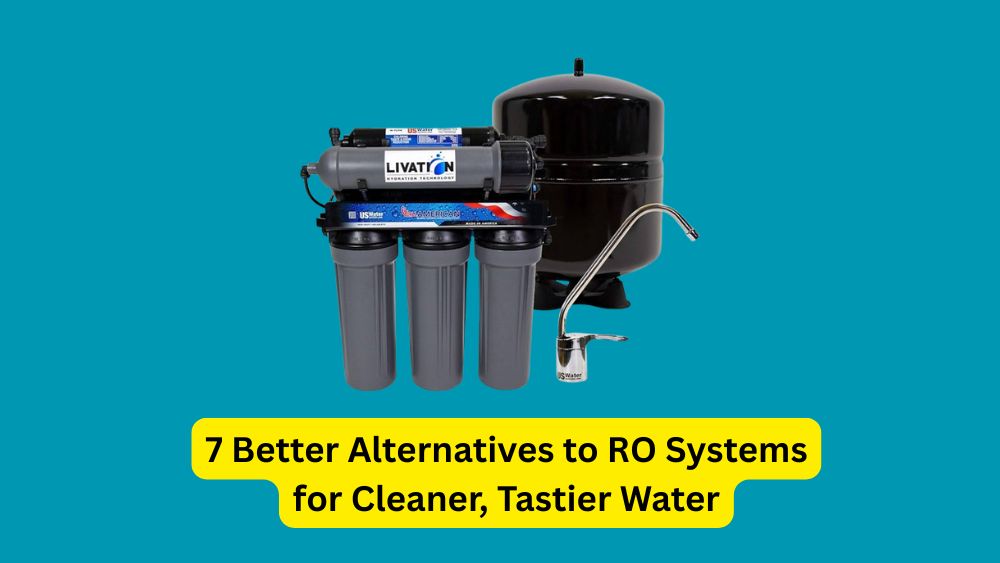
Reverse osmosis has long been considered the gold standard for producing clean drinking water, but it isn’t the only path to better taste and quality. In many homes, RO can strip beneficial minerals, waste a large volume of water, and require ongoing membrane maintenance. As a water expert with years of hands-on testing and system design experience, I’ve evaluated multiple technologies that improve water taste without relying strictly on reverse osmosis. In this article, we explore 7 practical alternatives that can deliver clean, refreshing water while addressing taste, health, and efficiency concerns.
What Does “Better Tasting Water” Really Mean?
When consumers talk about better tasting water, they mean water that is free from chlorine taste, unpleasant odors, metallic notes, and excessive hardness, while still preserving natural mineral balance. Traditional RO systems are designed to remove the widest range of impurities, including dissolved solids, but they may produce water that tastes “flat” precisely because of mineral removal. A good alternative should improve aesthetic quality without compromising safety or drinking enjoyment.
How Reverse Osmosis Compares to Other Methods
Reverse osmosis works by forcing water through a semipermeable membrane, rejecting most dissolved solids and contaminants. It produces very low total dissolved solids (TDS), often below 20 PPM in high-performance systems. However, RO has drawbacks: it can waste 3–6 gallons of water for every gallon purified, requires periodic membrane replacement, and removes beneficial minerals along with contaminants. Other filtration methods may not achieve RO’s absolute purity but can deliver excellent taste and safety with fewer downsides.
1. Activated Carbon Filtration
Activated carbon filtration remains one of the most accessible and effective non-RO solutions for better tasting water. Activated carbon media adsorbs organic compounds, chlorine, and many tastes and odors that contribute to poor water flavor. Depending on media quality and surface area, carbon filters can significantly reduce chloramine, volatile organic compounds (VOCs), and unpleasant smells.
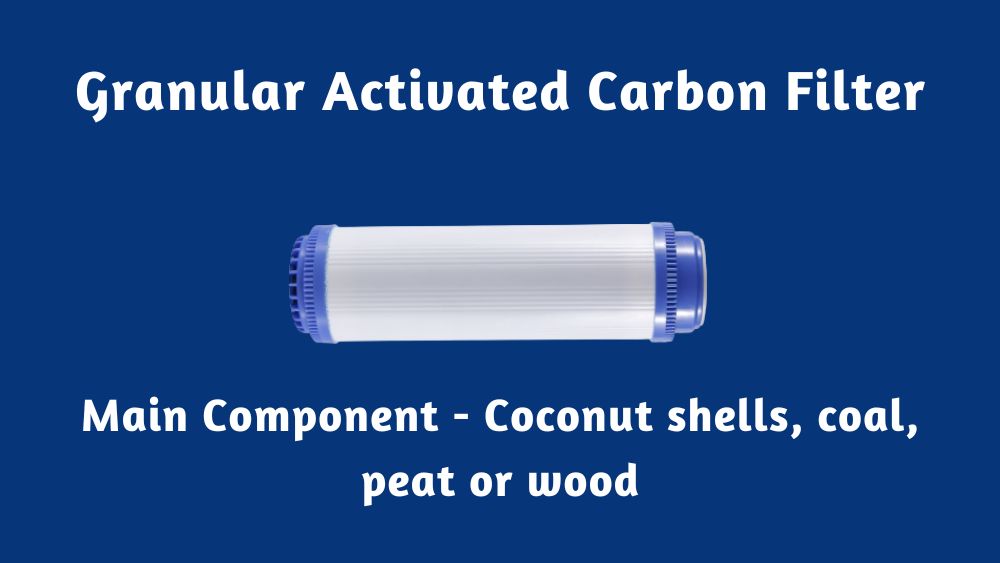
Activated carbon doesn’t remove all dissolved salts, but for many municipal supplies with 150–400 PPM total dissolved solids, carbon filtration alone can boost taste significantly. During my field tests, households switching from tap water to a high-grade carbon filter frequently reported a noticeable improvement in water smoothness and odor neutrality within days.
2. Gravity-Fed Water Filters
Gravity filters combine mechanical and activated carbon filtration without the need for electricity or pressure pumps. These systems typically consist of an upper reservoir where raw water is poured, and a lower reservoir that collects filtered water as it passes through sediment and carbon media. They excel in taste improvement and odor removal and are simple to maintain.
While gravity filters won’t reduce dissolved salts at RO levels, they do remove enough contaminants to produce clean, pleasant-tasting water. Many countertop models also incorporate ion exchange resin to further soften water and balance flavor.
3. Distillation Units
Distillation uses evaporation and condensation to remove a broad array of contaminants, including salts, metals, and many organic compounds. Water is boiled, and the steam is captured and condensed into a clean container, leaving most impurities behind.

Because distillation doesn’t rely on a membrane, it avoids issues like membrane fouling that affect RO. Distilled water often tastes very pure, though similar to RO it can be low in minerals. Some users prefer to remineralize distilled water slightly to enhance flavor. In systems I’ve serviced, distillers paired with a post-filtration mineral cartridge produced consistently appealing water for users sensitive to taste nuances.
4. Ultraviolet (UV) Disinfection
Ultraviolet disinfection is not a filtration method for dissolved solids but excels at killing bacteria, viruses, and protozoa that other systems may miss. UV systems shine in scenarios with biological contamination concerns, such as private wells or summer travel setups.
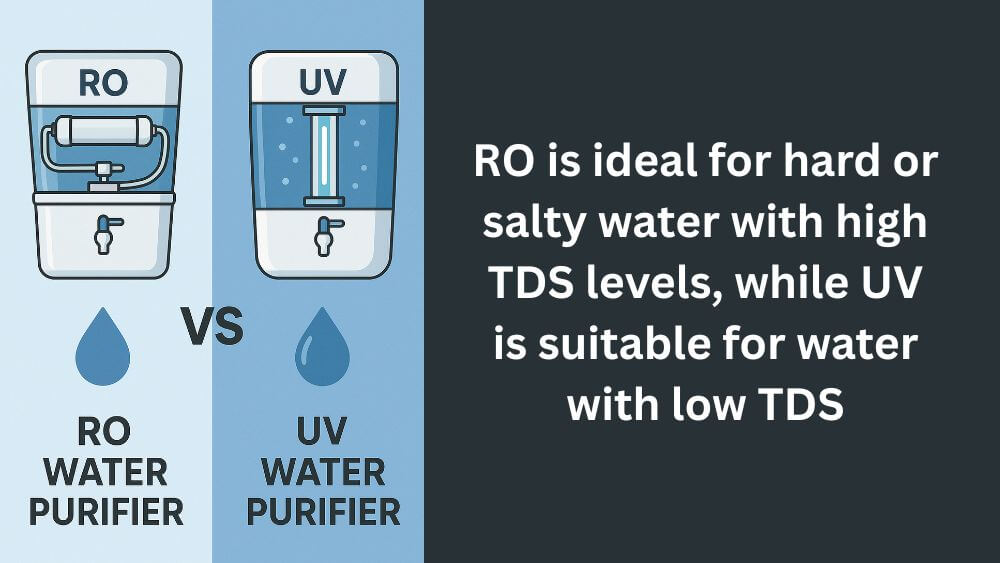
When used alongside sediment and carbon filters, UV treatment adds an important safety layer while maintaining clean taste because it does not introduce chemicals. My professional recommendation is to pair UV with at least one physical filtration stage for the best balance of taste, safety, and simplicity.
5. Ultrafiltration (UF)
Ultrafiltration is a membrane process similar to RO but with larger pore size, often in the range of 0.01–0.1 microns. UF removes bacteria, cysts, and many pathogens while allowing some minerals to remain, which can enhance taste without the burr of total demineralization.
UF systems require less pressure than RO, are generally easier to maintain, and waste less water. For water sources with low dissolved mineral challenges but high biological contamination risk, UF strikes a solid compromise between safety and palatability.
6. Ion Exchange Softeners and Filters
Ion exchange systems specifically target hardness ions such as calcium and magnesium, which contribute to scaling and “hard” water taste. By exchanging these for sodium or potassium, softeners can make water feel smoother on the palate. EPA
In many homes with high hardness (300–800 PPM of calcium and magnesium combined), softening greatly improves the mouthfeel of drinking water. Paired with carbon filtration, ion exchangers often deliver pleasantly balanced taste and a reduction in mineral “bite.”
7. Atmospheric Water Harvesters
A less conventional but emerging alternative is atmospheric water generation (AWG), which captures moisture from air and condenses it into liquid water. AWG does not depend on local water sources and, when paired with post-filtration, can produce very neutral-tasting water.
Though typically more expensive and energy-intensive, AWG units avoid many ground or surface water contaminants altogether, making taste improvements inherent to the method rather than achieved through heavy filtration.
Comparison Table: Alternatives to Reverse Osmosis
| Method | Removes Dissolved Salts | Improves Taste | Microbial Control | Mineral Retention | Maintenance Level |
|---|---|---|---|---|---|
| Activated Carbon | Low | High | Medium | Yes | Low |
| Gravity Filters | Medium | High | Medium | Yes | Low |
| Distillation | High | High | High | No | Medium |
| UV Disinfection | No | Neutral | Very High | Yes | Low |
| Ultrafiltration | Medium | Medium-High | High | Partial | Medium |
| Ion Exchange | Low | Medium | Low | Yes | Medium |
| Atmospheric Water | High | High | Medium | Yes | High |
Expert Insight on Choosing the Right Alternative
From my professional assessments, the best method depends on the specific contaminants and taste goals. For drinkability and improved flavor at low cost, activated carbon or gravity filters are often first-choice solutions in municipal settings. For biological safety without chemical tastes, UV paired with carbon is excellent. Distillation and AWG are premium alternatives that deliver very pure water, but may require remineralization for optimal taste perception.
How to Evaluate Your Water Before Choosing
- Test your tap water for TDS, hardness, chlorine, and biological contaminants.
- Define your taste goals: Do you want mineral retention, or the purest possible taste?
- Consider maintenance and running costs: Some systems are near-zero upkeep, while others require regular servicing.
- Pair technologies where needed: For example, carbon + UV or ion exchange + carbon often outperform a single method alone.
FAQs
1. Can I get better tasting water without reverse osmosis?
Yes. Alternatives like activated carbon filters, gravity systems, and ultrafiltration can significantly improve taste while retaining beneficial minerals.
2. Do any non-RO systems remove pathogens?
Yes. Ultraviolet disinfection and ultrafiltration offer strong microbial control when paired with suitable pre-filters.
3. Are these alternatives cheaper than RO?
Many, such as carbon filters and gravity systems, have lower upfront and maintenance costs compared to reverse osmosis.
4. Will these methods remove chlorine or bad odors?
Activated carbon and some gravity filters are excellent at removing chlorine and odor-causing compounds.
5. Do these alternatives waste less water than RO?
Generally yes. Most alternatives do not produce significant wastewater like traditional RO systems do.
Key Takeaways
• Reverse osmosis is not the only way to get better tasting water.
• Alternatives like carbon filtration, gravity filters, and ultrafiltration can provide excellent taste and safety with fewer downsides.
• Your choice should be based on water quality, taste goals, maintenance tolerance, and budget.
• Pairing methods often yields the most balanced drinking water experience.
If you want, I can also create a comparison guide on costs, pros, and cons of these alternatives to help readers decide the best solution for their home.

Hasan Al Sarker is a Reverse Osmosis Specialist. He has worked for many years to ensure safe drinking water for all. His research paper has been published in several journals, including Issue, Medium, and Slideshare. He is recognized as a water doctor among specialists though he did not attend medical college.
Besides working as a researcher of reverse osmosis technology, he is also very fancy with the kitchen and cooking. His guides are reading thousands of people every day. As a head of content, he is responsible for all the published articles at RO System Reviews.