Are you worried about the quality of your drinking water? Making your own water filter system can be easier than you think, and it puts you in control of what you and your family drink every day.
Imagine having clean, fresh water right at home without relying on expensive store-bought filters. In this guide, you’ll discover simple steps to build an effective water filter using materials you likely already have. Keep reading, and you’ll learn how to create a safe, reliable water filter that saves you money and gives you peace of mind.
Why Clean Water Matters
Clean water is important for health and daily life. It helps keep our bodies safe from germs and chemicals. Drinking dirty water can cause sickness.
Water is also needed for cooking, cleaning, and growing food. Without clean water, these tasks become unsafe and difficult. That is why making a water filter system is useful.
Health Benefits Of Clean Water
Clean water stops the spread of diseases. It protects against bacteria and viruses. Drinking clean water lowers the risk of diarrhea and infections.
Children and older adults need clean water the most. It helps them stay strong and healthy. Clean water improves overall well-being.
Environmental Impact
Using clean water reduces pollution. It helps keep rivers and lakes safe for plants and animals. Clean water supports a balanced ecosystem.
Protecting water sources means less waste and damage. It supports nature’s cycle and keeps the environment clean.
Economic Importance
Clean water saves money on health care. Fewer illnesses mean fewer doctor visits and medicine costs. It also improves work productivity.
Access to clean water supports farming and businesses. It creates jobs and helps communities grow. Clean water is key to a strong economy.

Materials Needed
Building a water filter system starts with gathering the right materials. Each item has a specific role in cleaning the water. Using common and easy-to-find materials saves money and time. Below are the main materials needed to create a simple and effective water filter system.
Plastic Bottle Or Container
A plastic bottle or container holds all filter layers. It acts as the main body of the filter. Cut the bottle in half or use a container with a lid. Make sure it is clean and free of chemicals.
Activated Charcoal
Activated charcoal removes bad smells and harmful chemicals. It traps impurities and improves water taste. You can buy it at pet stores or online. Crush the charcoal into small pieces for better filtering.
Sand
Sand filters out dirt and small particles from water. Use clean, fine sand for best results. Rinse the sand before adding it to the filter. Layer it above the charcoal to catch larger debris.
Gravel Or Small Stones
Gravel or small stones support the sand layer. They stop sand from washing away with water. Choose clean, smooth stones. Place them at the bottom of the filter system.
Cotton Or Cloth
Cotton or cloth acts as the first barrier. It blocks large dirt and bugs. Use a clean piece of fabric or cotton balls. Place it at the top of the filter for best effect.
Rubber Band Or Tape
Rubber bands or tape hold the filter layers in place. They keep the cloth or cotton tight on the bottle opening. Use simple household rubber bands or any strong tape.
Choosing The Right Filter Components
Choosing the right filter components is key to building a good water filter system. The components decide how well the system cleans water and how long it lasts. Picking the best parts helps remove dirt, chemicals, and bad smells from water. It also keeps the water safe to drink. This section explains the main parts you need and how to choose them.
Types Of Filter Media
Filter media is the material that cleans water. Different media remove different types of impurities. Common options include activated carbon, sand, and ceramic.
Activated carbon absorbs bad tastes, odors, and chemicals. It works well for cleaning tap water. Sand traps dirt and large particles. It is cheap and easy to find. Ceramic filters block bacteria and tiny particles. They are good for removing germs.
Choosing the right media depends on the water source and what you want to remove. Using more than one type often improves the filter’s performance.
Container Options
The container holds the filter media and water. It should be strong and safe for drinking water. Plastic containers are light and easy to find. Make sure the plastic is food grade to avoid chemicals.
Metal containers last longer but may rust if not treated. Glass containers do not react with water but can break easily. The size of the container depends on how much water you want to filter at once.
Choose a container that fits your needs and is easy to clean. A tight lid helps keep the water clean after filtering.
Step-by-step Assembly
Building a water filter system requires careful assembly. Each part plays a key role in cleaning water. Follow these simple steps to create your own effective filter. The process is easy and uses common materials. Let’s start with the first step.
Preparing The Container
Choose a clean container to hold the filter. A plastic bottle or bucket works well. Remove any labels and wash it thoroughly. Cut the container if needed to fit your design. Make sure it has a small hole at the bottom. This hole will allow filtered water to flow out.
Layering The Filter Media
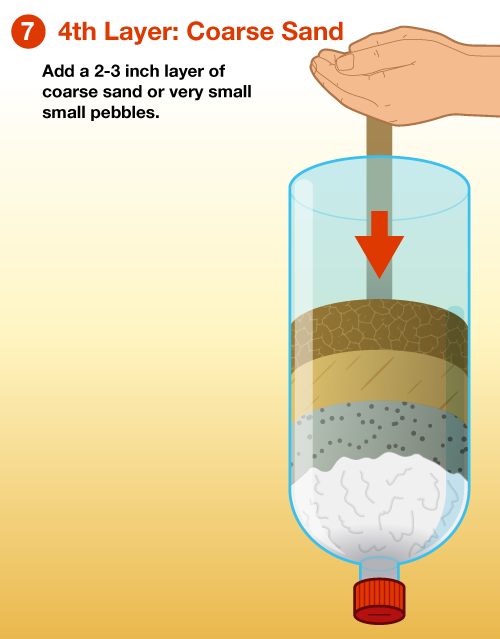
Start layering materials inside the container. Use cotton or cloth at the bottom to stop small particles. Next, add a layer of activated charcoal. Charcoal removes bad smells and chemicals. After charcoal, add fine sand to catch tiny dirt. On top of the sand, put coarse sand or gravel. This layer traps larger debris. Each layer should be about two inches thick. Layering helps water pass slowly and get cleaner.
Securing The Filter
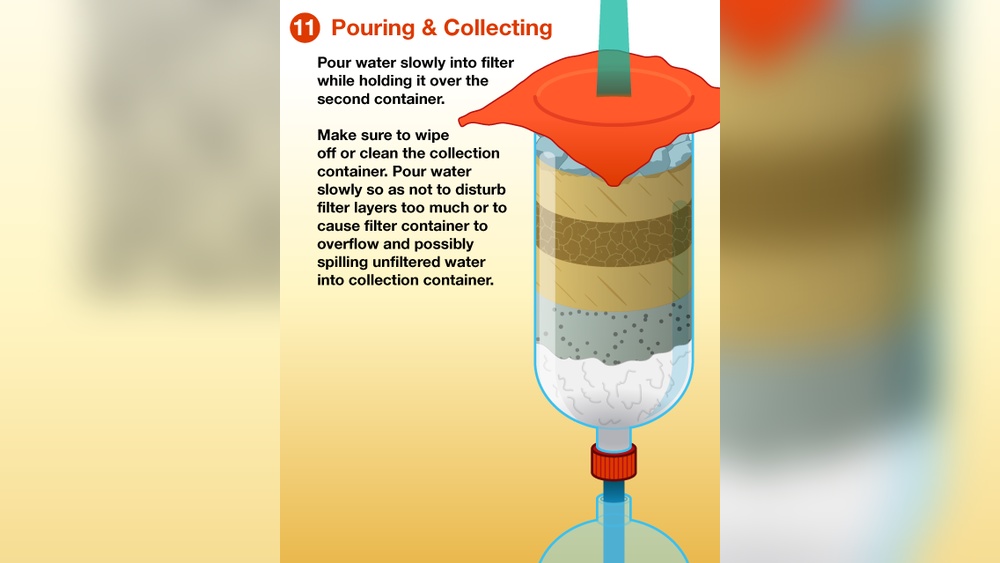
Cover the top with a piece of cloth or mesh. This keeps dirt out while letting water in. Secure the cloth with a rubber band or string. Place the filter on a clean container to collect water. Test the filter by pouring water slowly. Clean the filter layers regularly for best results. Securing your filter keeps it stable and working well.
Testing Your Filter System
Testing your water filter system is crucial to ensure it works properly. It helps confirm the system removes impurities effectively. Testing also shows if water flows well through the filter. This step saves time and effort in the long run. Follow these simple tests to check your filter system’s performance.
Initial Water Flow Test
Start by running water through the filter system. Watch how fast the water flows out. A slow flow may mean the filter is clogged or not set up right. A good flow rate means water moves freely through the filter media. Adjust the filter components if the flow is too slow or too fast. This test helps find any blockages early.
Checking Water Clarity
Collect filtered water in a clear glass. Look closely for any cloudiness or particles. Clear water means the filter removes dirt and sediments well. Cloudy water suggests the filter needs cleaning or replacement. Repeat this check several times to confirm consistent clarity. This simple check ensures your filter keeps water clean and safe.
Maintaining Your Water Filter
Maintaining your water filter is key to keeping clean and safe water. A well-kept filter works better and lasts longer. Regular care stops dirt and germs from building up. This section explains how to keep your water filter in good shape.
Cleaning Schedule
Clean your water filter every 2 to 4 weeks. This keeps the filter parts free from dirt and slime. Use clean water and a soft brush to remove dust. Avoid strong chemicals that can damage the filter. Set a reminder to clean the filter on time.
Replacing Filter Media
Filter media wears out with use. Change it every 3 to 6 months depending on water quality. Old media can’t clean water well. Check the filter manual for the exact replacement time. Use the right type of media for your filter model.
Tips For Using Your Diy Filter Safely
Using a DIY water filter system can help provide cleaner water. Safety is very important for this process. Follow these tips to keep your water safe and your filter working well.
Avoiding Contamination
Always wash your hands before handling the filter parts. Keep the filter away from dirty surfaces. Use clean containers to collect filtered water. Do not touch the filter material directly. Store the filter in a clean, dry place when not in use. Avoid placing the filter near chemicals or waste.
When To Replace The System
Change the filter parts regularly to keep water clean. Watch for changes in water taste or smell. If the water flows slowly, it may be time to replace the filter. Replace the filter after heavy use or if it looks dirty. Follow the instructions for each filter component’s lifespan. Regular replacement ensures safe and fresh water every time.

Frequently Asked Questions
What Materials Are Needed To Make A Water Filter System?
To make a water filter system, you need activated charcoal, sand, gravel, a plastic bottle, and a cloth. These materials help remove impurities and improve water quality effectively.
How Does A Homemade Water Filter Work?
A homemade water filter removes dirt and particles by passing water through layers of sand, charcoal, and gravel. Each layer traps contaminants, producing cleaner water.
Can I Use A Water Filter System For Drinking Water?
Yes, a water filter system can improve water quality, but it may not remove all bacteria. Boil water after filtering for safe drinking.
How Often Should I Clean My Water Filter System?
Clean your water filter system every two to four weeks to prevent clogging and maintain efficiency. Replace filter materials as needed for best results.
Conclusion
Building your own water filter system is simple and cost-effective. It helps provide cleaner water for daily use. You only need basic materials and clear steps to follow. Regularly cleaning and replacing parts keeps the filter working well. This project saves money and reduces waste from bottled water.
Taking care of your water means better health for you and your family. Start with small steps and enjoy fresh water at home. Easy, practical, and helpful—just what you need.

Hasan Al Sarker is a Reverse Osmosis Specialist. He has worked for many years to ensure safe drinking water for all. His research paper has been published in several journals, including Issue, Medium, and Slideshare. He is recognized as a water doctor among specialists though he did not attend medical college.
Besides working as a researcher of reverse osmosis technology, he is also very fancy with the kitchen and cooking. His guides are reading thousands of people every day. As a head of content, he is responsible for all the published articles at RO System Reviews.