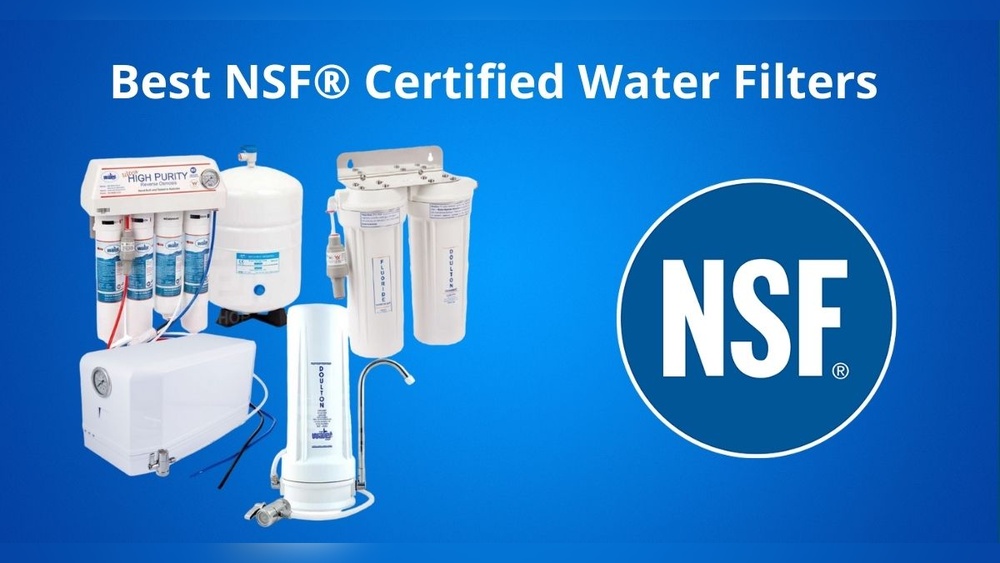
Are you worried about the quality of your drinking water? You’ve probably seen water filters labeled as “NSF Certified” but wondered what that really means for you and your family.
Knowing what an NSF Certified water filter is can help you make smarter choices and protect your health. You’ll discover why this certification matters, how it ensures cleaner water, and what to look for when picking the right filter for your home.
Keep reading to learn how you can trust the water you drink every day.
Nsf Certification Explained
NSF Certification is a trusted mark for water filters. It shows the product meets strict safety and quality rules. This certification helps customers trust the filter they buy. It means the filter works well to clean water and is safe to use. Understanding NSF Certification helps you choose the right water filter for your home.
What Nsf Stands For
NSF stands for National Sanitation Foundation. It is an independent group. They test and certify products for health and safety. The NSF name is known worldwide. It stands for high standards in water and food safety. Products with NSF certification have passed tough tests.
Certification Process
The certification process includes many steps. First, NSF tests the water filter in a lab. They check if it removes contaminants as claimed. Then, they inspect the factory where the filter is made. The factory must follow strict rules to keep quality. NSF also tests the product regularly after certification. This ensures the filter keeps working well over time.
Key Nsf Standards For Water Filters
NSF has several standards for water filters. Each standard covers different parts of water safety. For example, NSF/ANSI 42 tests filters for taste and odor. NSF/ANSI 53 checks for removal of harmful chemicals. NSF/ANSI 58 applies to reverse osmosis systems. These standards help customers find filters that match their needs. They ensure filters are safe and effective.
Importance Of Nsf Certification
NSF certification plays a key role in water filter safety. It shows that a product meets strict standards. This certification helps protect your health by making sure water filters work well. It also proves the filter removes harmful substances effectively. Without this mark, you cannot be sure about the filter’s quality or safety.
Ensuring Water Safety
NSF certification checks if a water filter removes dangerous chemicals and germs. It confirms the filter provides clean, safe water for drinking and cooking. This testing helps prevent health risks from dirty or contaminated water. Certified filters meet rules set by health experts for safe water.
Quality Assurance Benefits
Filters with NSF certification undergo strict tests before approval. These tests measure how well the filter works and lasts. Certification means the filter materials are safe and free from harmful parts. It ensures the product performs as claimed by the maker. Consumers get a reliable product that meets high standards.
Consumer Trust And Confidence
Seeing the NSF mark gives buyers peace of mind. It shows the water filter is trustworthy and safe. Consumers feel confident choosing a certified filter for their homes. The certification reduces doubts about product quality. It helps people make smarter buying decisions easily.
Types Of Nsf Certified Water Filters
NSF certified water filters come in different types, each serving a unique purpose. These filters meet strict safety and performance standards. Choosing the right type helps ensure clean and safe water for your home.
Carbon Filters
Carbon filters remove chlorine, bad tastes, and odors from water. They work by trapping contaminants in tiny pores. These filters also reduce some chemicals and pesticides. Carbon filters are common in pitchers and faucet attachments. They are affordable and easy to replace.
Reverse Osmosis Systems
Reverse osmosis systems push water through a fine membrane. This process removes many impurities, including heavy metals and salts. It also removes bacteria and viruses. These systems provide very pure water but need professional installation. They use more water than other filters.
Ultraviolet Filters
Ultraviolet filters use UV light to kill germs. They do not remove chemicals or particles. Their main job is to disinfect water from bacteria and viruses. UV filters are often used with other filter types. They are ideal for areas with biological contamination.
How Nsf Testing Works
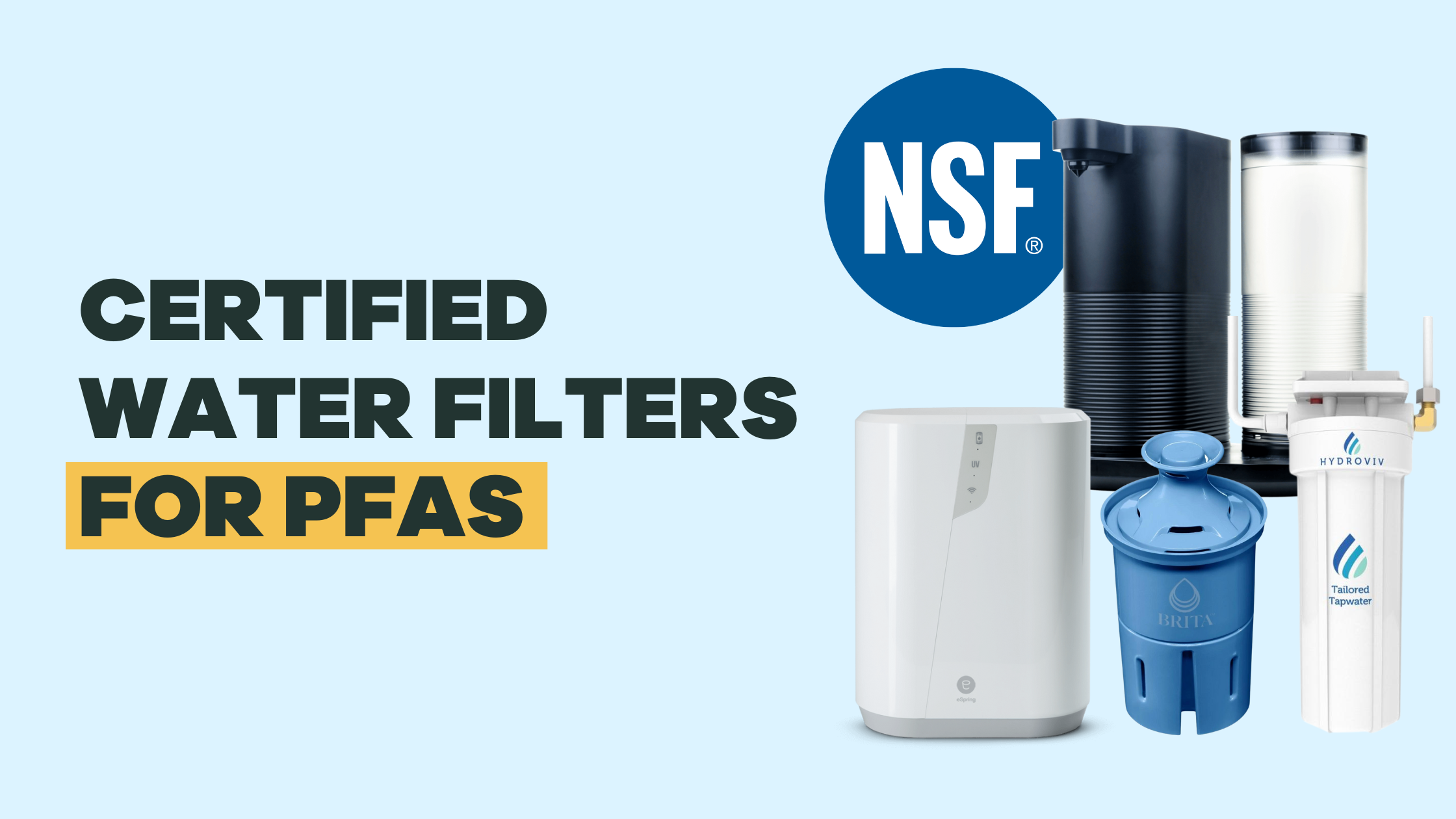
NSF certification means a water filter has passed strict tests. These tests check if the filter is safe and effective. The process is detailed and covers many important areas. It ensures the filter removes harmful substances and works as promised.
Contaminant Reduction Tests
NSF tests water filters to see if they remove harmful chemicals and germs. The filter is exposed to water with known contaminants. Then, the water is tested after passing through the filter. Only filters that reduce contaminants to safe levels pass these tests.
Material Safety Checks
The materials in the filter must be safe for drinking water. NSF checks for harmful chemicals that could leak from filter parts. This ensures the filter does not add anything bad to the water. Safe materials protect your health.
Performance Evaluation
NSF tests how well the filter performs over time. The filter must work for the claimed lifespan without losing effectiveness. It is also checked for flow rate and durability. Consistent performance guarantees safe water every day.
Benefits Of Using Nsf Certified Filters
Using NSF certified water filters offers many clear benefits. These filters meet strict standards for safety and performance. They help provide cleaner, safer water at home. Choosing an NSF certified filter means trusting tested and approved technology.
Improved Water Taste And Odor
NSF certified filters reduce bad tastes and smells in water. Chlorine and other chemicals often cause unpleasant water odor. These filters remove such elements, making water taste fresh and clean. Drinking water becomes more enjoyable and refreshing.
Removal Of Harmful Contaminants
These filters block many harmful substances from water. Lead, pesticides, and bacteria can pose health risks. NSF certification ensures filters effectively reduce these contaminants. This makes water safer for everyday use.
Long-term Health Protection
Consistent use of NSF certified filters supports long-term health. Clean water lowers the risk of illness and poisoning. These filters help protect your family’s well-being over time. Healthier water means a healthier life.
Choosing The Right Nsf Certified Filter
Choosing the right NSF certified water filter is important for clean drinking water. Not all filters protect against the same impurities. Knowing your water quality needs helps in selecting the best option.
NSF certification ensures a filter meets strict safety and performance standards. This guide helps you find a filter that fits your needs and keeps water safe.
Assessing Water Quality Needs
Start by testing your water. Identify common problems like chlorine, lead, or bacteria. Some areas have hard water, while others have chemical pollution. Knowing these details guides your choice.
Consider your family’s health. Children or elderly may need stronger protection. Check if your water smells or tastes unusual. These signs point to specific contaminants.
Matching Filter To Contaminants
Filters vary in what they remove. Some target chlorine and bad taste. Others remove heavy metals or microbes. Pick a filter that matches your water’s issues.
Look for filters designed for your main contaminants. This ensures cleaner, safer water every day. Avoid filters that claim to do everything but lack proper certification.
Certification Labels To Look For
NSF International labels show a filter’s tested claims. Look for NSF/ANSI 42 for taste and odor removal. NSF/ANSI 53 covers health-related contaminants like lead.
Other labels include NSF/ANSI 401 for emerging contaminants. Check the filter packaging for these marks. They guarantee reliable performance and safe water.
Maintaining Nsf Certified Filters
Maintaining NSF certified filters is key to clean and safe water. These filters meet strict standards, but they need care to work well. Proper upkeep keeps water pure and extends filter life.
Regular Replacement Guidelines
Replace filters as the manufacturer suggests. Old filters lose their ability to clean water. Check the filter’s lifespan on its label. Some need change every 3 to 6 months. Timely replacement prevents bacteria growth and blockages.
Proper Installation Tips
Install filters correctly to avoid leaks and poor water flow. Follow instructions step-by-step. Use clean hands and tools during setup. Tighten parts, but do not over-tighten. Proper installation ensures the filter works as it should.
Troubleshooting Common Issues
If water tastes strange or flow is slow, check the filter. Look for clogs or damage. Clean or replace parts if needed. Reset any indicator lights after maintenance. Regular checks help spot problems early and keep water safe.
Nsf Certification And Regulatory Compliance
NSF Certification and Regulatory Compliance show that a water filter meets strict safety rules. This certification proves the filter removes harmful substances effectively. It also confirms the filter works as the maker says. The certification helps customers trust their water quality. It also ensures the filter fits within legal limits set by authorities.
Meeting Local Water Safety Laws
NSF certification helps water filters follow local water safety laws. Each region has its own rules for clean water. Certified filters meet these rules. This makes sure the water is safe to drink. Filters without certification might not follow the law. Using NSF certified filters helps avoid legal problems. It also protects families from unsafe water.
Role In Public Health Standards
NSF certification supports public health by ensuring clean water. Clean water prevents many diseases and health problems. Certified filters reduce bacteria, chemicals, and other harmful things. This lowers the risk of illness. Health agencies recommend NSF certified products. These filters help keep communities healthy and safe.
Global Recognition Of Nsf
NSF is known worldwide for its strict testing and rules. Many countries accept NSF certification as proof of water safety. This makes it easier to sell and use filters internationally. Consumers trust NSF because it checks products carefully. Global recognition helps people choose safe water filters everywhere.
Frequently Asked Questions
What Does Nsf Certified Water Filter Mean?
An NSF certified water filter meets strict safety and performance standards. It is tested for contaminant removal and material safety. Certification ensures the filter effectively improves water quality and is safe for daily use.
Why Choose An Nsf Certified Water Filter?
Choosing an NSF certified water filter guarantees reliable contaminant reduction. It assures product quality and safety. Certification helps consumers trust that their water filter meets industry standards for clean, healthy drinking water.
How Is Nsf Certification For Water Filters Tested?
NSF certification tests water filters for contaminant removal and material safety. The process includes rigorous lab testing and factory inspections. This ensures the product consistently meets NSF’s strict standards for water filtration performance.
Are Nsf Certified Filters Better Than Non-certified Ones?
Yes, NSF certified filters are proven to meet safety and performance standards. Non-certified filters may not reliably remove contaminants. Certification provides confidence in the filter’s effectiveness and material safety.
Conclusion
NSF certified water filters ensure safe and clean drinking water. They meet strict standards for removing harmful contaminants. Choosing an NSF certified filter means trusting tested and approved products. Clean water protects your health and supports daily life. Always check for NSF certification before buying a water filter.
This small step helps you avoid unsafe water. Stay informed and choose wisely for better water quality. Safe water is a simple way to care for yourself and family.

Hasan Al Sarker is a Reverse Osmosis Specialist. He has worked for many years to ensure safe drinking water for all. His research paper has been published in several journals, including Issue, Medium, and Slideshare. He is recognized as a water doctor among specialists though he did not attend medical college.
Besides working as a researcher of reverse osmosis technology, he is also very fancy with the kitchen and cooking. His guides are reading thousands of people every day. As a head of content, he is responsible for all the published articles at RO System Reviews.