Are you worried about lead in your water? You’re not alone.
Lead is a hidden danger that can affect your health and your family’s well-being. But here’s the good news: you don’t have to accept it. You can take control and learn how to filter lead out of your water right now.
You’ll discover simple, effective ways to make your water safer to drink. Keep reading, because what you learn here could protect you and those you care about every day.
Health Risks Of Lead In Water
Lead in water poses serious health risks. It can enter drinking water through old pipes and plumbing. Even small amounts of lead can harm your body. Understanding these risks helps protect your health and your family.
Impact On Adults And Children
Lead affects adults and children differently. In adults, it can raise blood pressure and cause kidney problems. It may also harm the brain and nervous system. For children, lead is much more dangerous. It can slow their growth and damage their brain development. This can lead to learning and behavior problems. Children absorb lead more easily, making them more vulnerable.
Long-term Exposure Effects
Long-term exposure to lead causes serious health issues. It builds up in the body over time. This can lead to anemia and weak bones. It may cause memory loss and mood disorders. Pregnant women face risks too. Lead can harm the unborn baby’s brain and body. The effects of lead poisoning can last a lifetime.
Common Sources Of Lead Contamination
Lead contamination in water poses serious health risks. Knowing where lead comes from helps reduce exposure. Many sources contribute to lead in drinking water. Understanding these sources is key to cleaner water.
Old Plumbing Systems
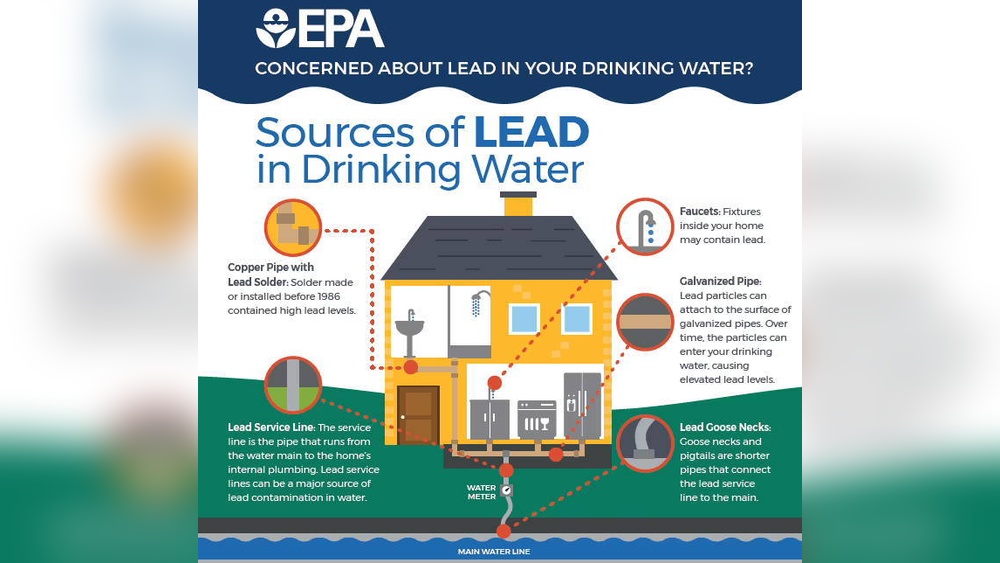
Older homes often have pipes made with lead. These pipes can release lead into water. Lead solder used in pipe joints is another source. Over time, corrosion breaks down these materials. This process allows lead to seep into water flow. Homes built before 1986 are at higher risk. Regular checks of plumbing can spot potential problems early.
Environmental Factors
Lead can enter water from soil and dust. Industrial pollution leaves lead particles in the environment. Lead from old paint chips can also contaminate water. Rain can wash lead into water supplies. Nearby factories or mining sites increase lead levels. Natural erosion of rocks containing lead adds to the problem. Testing water quality helps detect these environmental sources.
Testing For Lead In Water
Testing for lead in water is the first step to protect your health. Lead is a dangerous metal that can cause serious health problems. You cannot see, taste, or smell lead in water. Testing helps find out if your water is safe to drink. There are two main ways to test for lead: using home testing kits or professional lab testing. Both have their benefits and limits.
Home Testing Kits
Home testing kits are easy to use and provide quick results. You buy the kit from a store or online. The kit usually includes test strips or bottles to collect water samples. Follow the instructions carefully for accurate results. These kits can tell if lead is present but may not measure exact levels. They are useful for regular checks and early detection.
Professional Lab Testing
Professional lab testing gives the most accurate lead measurement. A certified lab analyzes your water sample using special tools. You collect a water sample and send it to the lab. Labs provide detailed reports showing the exact lead amount. This method is best for confirming results or when lead levels are suspected to be high. It takes more time and costs more than home kits but ensures safety.
Basic Filtration Techniques
Removing lead from water is important for safe drinking. Basic filtration techniques help reduce lead levels effectively. These methods are easy to use at home. They improve water quality and protect health.
Activated Carbon Filters
Activated carbon filters trap lead particles in water. They work by adsorbing harmful metals onto the carbon surface. These filters also remove bad taste and odor. They are affordable and easy to install. Regular replacement keeps them effective. Not all carbon filters remove lead well. Choose those certified for lead reduction.
Reverse Osmosis Systems
Reverse osmosis systems push water through a thin membrane. This membrane blocks lead and other contaminants. The process produces clean, pure water. These systems require installation under the sink. They use electricity or water pressure to work. Maintenance includes changing filters and membranes. Reverse osmosis removes more lead than carbon filters. It also removes other harmful chemicals and salts.
Advanced Filtration Solutions
Advanced filtration solutions offer effective ways to remove lead from water. These methods use special technology to ensure cleaner, safer drinking water. They are more reliable than basic filters and target lead particles precisely.
These options suit households with heavy lead contamination or those seeking long-term water safety. Understanding how each method works helps in choosing the right solution for your needs.
Distillation Units
Distillation units heat water to create steam. The steam rises, leaving lead and other impurities behind. Then, the steam cools back into pure water. This process removes almost all lead from the water.
Distillation units are easy to use at home. They need electricity and regular cleaning to work well. This method also removes other metals and chemicals.
Ion Exchange Filters
Ion exchange filters swap lead ions with safer ions like sodium or potassium. Water passes through a resin that traps lead ions. The result is water with much lower lead content.
These filters require periodic resin replacement. They are effective for lead removal and also soften hard water. Ion exchange filters are common in home water treatment systems.
Diy Methods To Reduce Lead
Removing lead from water at home can protect your family’s health. Simple steps help reduce lead in drinking water without costly equipment. These DIY methods are easy and effective for daily use.
Flushing Taps
Run cold water from your tap for several minutes each morning. This clears out water that has sat in pipes overnight. Stagnant water can contain higher lead levels. Use only cold water for drinking and cooking. Hot water dissolves lead faster from pipes. Flushing taps regularly lowers lead exposure in your home water supply.
Using Bottled Water Safely
Bottled water is a safe alternative if your tap water has lead. Check the label to confirm the water is tested and lead-free. Store bottled water in a cool, dry place. Avoid using bottles that are damaged or expired. Use bottled water for drinking, cooking, and making baby formula. This method helps reduce lead intake while you find a permanent solution.
Maintaining And Replacing Filters
Maintaining and replacing filters is key to keeping water clean and safe. Filters remove lead effectively, but they need care. Proper maintenance ensures they work well for a long time. Regular checks and timely replacements avoid health risks.
Filter Lifespan
Each filter has a set lifespan, usually given in gallons or months. After this, the filter loses its ability to remove lead. Most filters last between three to six months. Using the filter beyond this time reduces water quality. Follow the manufacturer’s instructions for best results.
Signs Of Filter Failure
Water taste or smell changes can signal filter failure. Cloudy or discolored water is another sign. Low water flow may mean the filter is clogged. Testing water regularly helps detect lead levels. Replace the filter immediately if you notice any of these signs.
Cost And Accessibility Considerations
Removing lead from water is important for health and safety. Cost and access to filters affect many people. Choosing the right filter depends on budget and availability. Some options are cheaper and easier to find than others. Understanding these factors helps make smart choices for clean water.
Budget-friendly Options
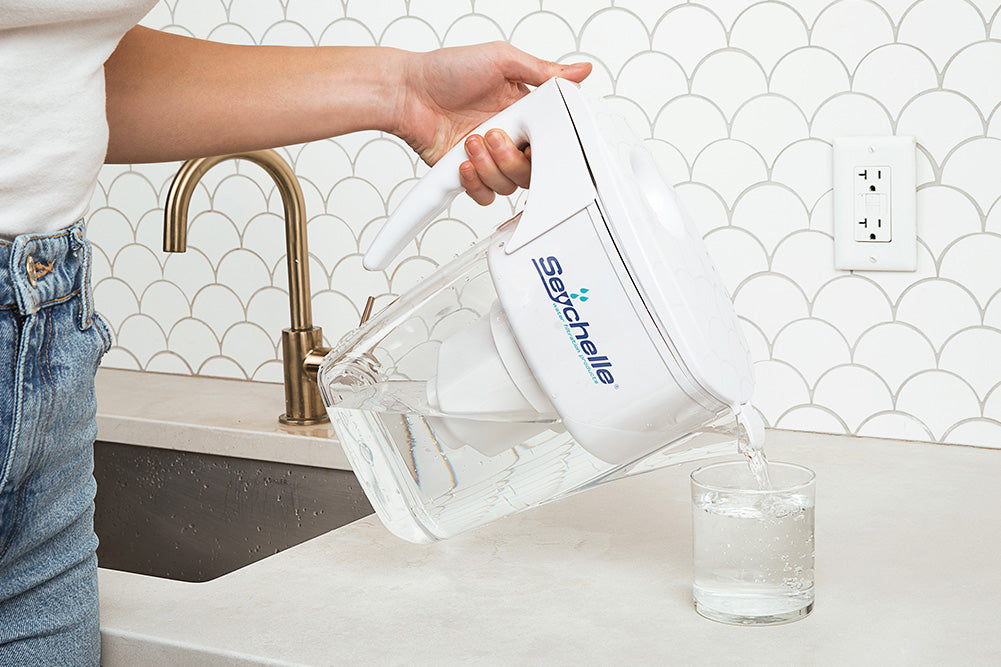
Some filters remove lead without costing much. Pitcher filters with activated carbon are common and affordable. Faucet-mounted filters also work well and cost a bit more. These options are good for small households. They need filter replacement regularly, which adds to costs. Consider long-term expenses before buying.
Where To Buy Filters
Filters are sold in many places. Local hardware stores often have basic models. Supermarkets may stock popular brands. Online stores offer a wide range and sometimes lower prices. Check product reviews before buying online. Look for filters certified to remove lead. This ensures the filter works effectively.
Preventing Lead Contamination
Preventing lead contamination in water is crucial for health. Lead can enter water through old pipes and plumbing materials. Avoiding this contamination reduces health risks and ensures safe drinking water. Simple steps help protect your home from lead exposure.
Upgrading Plumbing
Old pipes often contain lead. Replace these pipes with safer materials like copper or PVC. Focus on pipes, fixtures, and solder that carry water. Upgrading plumbing stops lead from leaching into water. This change protects your family’s health over time.
Regular Water Testing
Test water regularly for lead levels. Use certified water testing kits or hire professionals. Testing detects lead early before health problems start. Regular checks help you act quickly to fix water safety issues. Keep records of tests to track water quality over time.
Frequently Asked Questions
What Are The Best Methods To Filter Lead Out Of Water?
The best methods include activated carbon filters, reverse osmosis, and distillation. These effectively reduce lead levels and improve water safety. Regular testing ensures the filtration system works properly and maintains water quality.
How Effective Are Home Water Filters For Lead Removal?
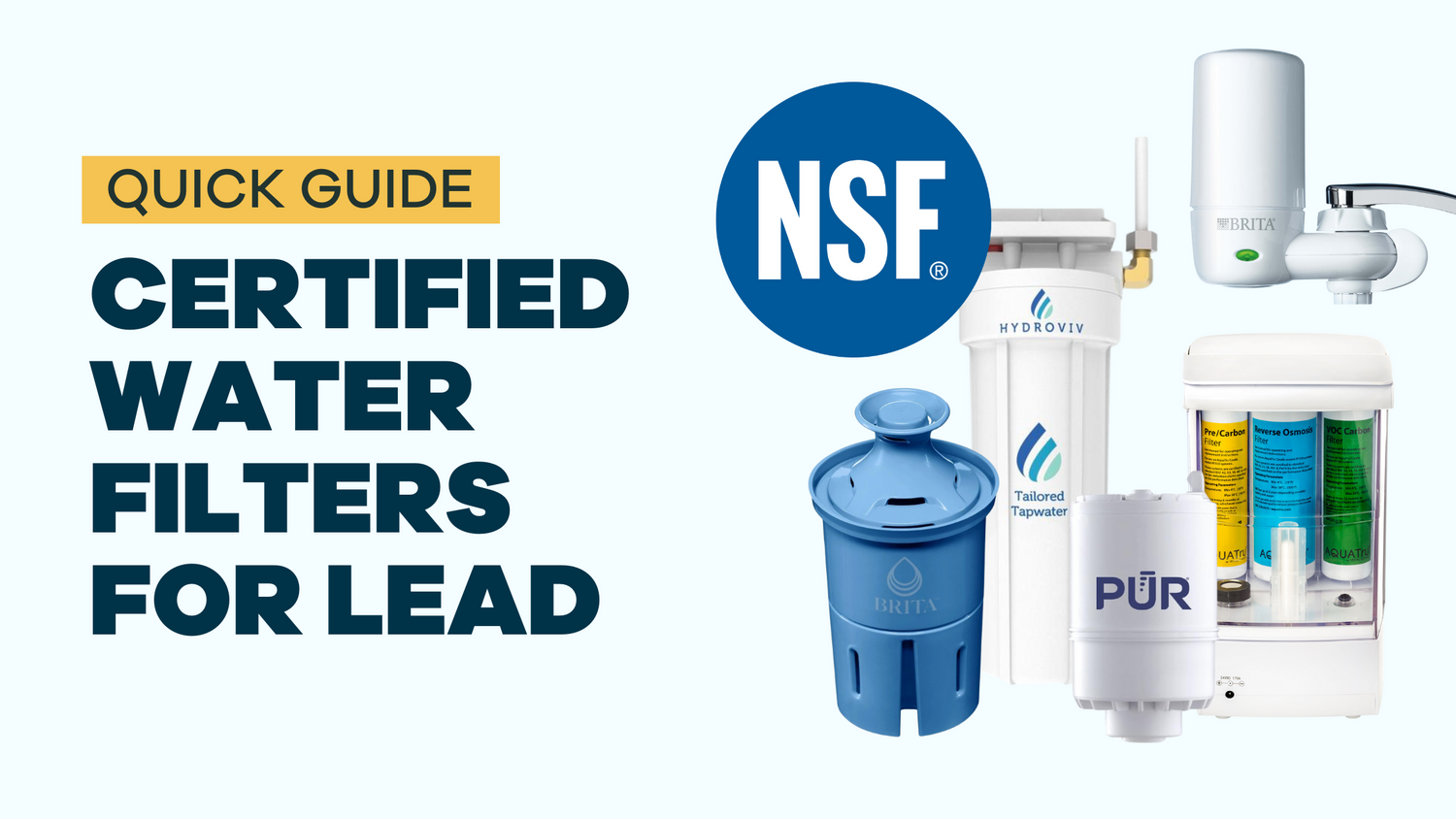
Home water filters with NSF certification can remove up to 99% of lead. Look for filters labeled specifically for lead reduction. Proper installation and timely replacement of filter cartridges ensure optimal performance.
Can Boiling Water Remove Lead Contamination?
Boiling water does not remove lead. In fact, it can concentrate lead levels. Using certified filtration systems is necessary to safely reduce lead in drinking water.
How Often Should Lead Water Filters Be Replaced?
Lead water filters should be replaced every 3 to 6 months. Follow the manufacturer’s guidelines for optimal lead removal. Regular replacement prevents filter clogging and maintains water quality.
Conclusion
Filtering lead out of water protects your health and family. Simple methods like charcoal filters or reverse osmosis work well. Regular testing ensures your water stays safe and clean. Choose a method that fits your needs and budget. Clean water means peace of mind every day.
Start filtering today for a healthier tomorrow.

Hasan Al Sarker is a Reverse Osmosis Specialist. He has worked for many years to ensure safe drinking water for all. His research paper has been published in several journals, including Issue, Medium, and Slideshare. He is recognized as a water doctor among specialists though he did not attend medical college.
Besides working as a researcher of reverse osmosis technology, he is also very fancy with the kitchen and cooking. His guides are reading thousands of people every day. As a head of content, he is responsible for all the published articles at RO System Reviews.