
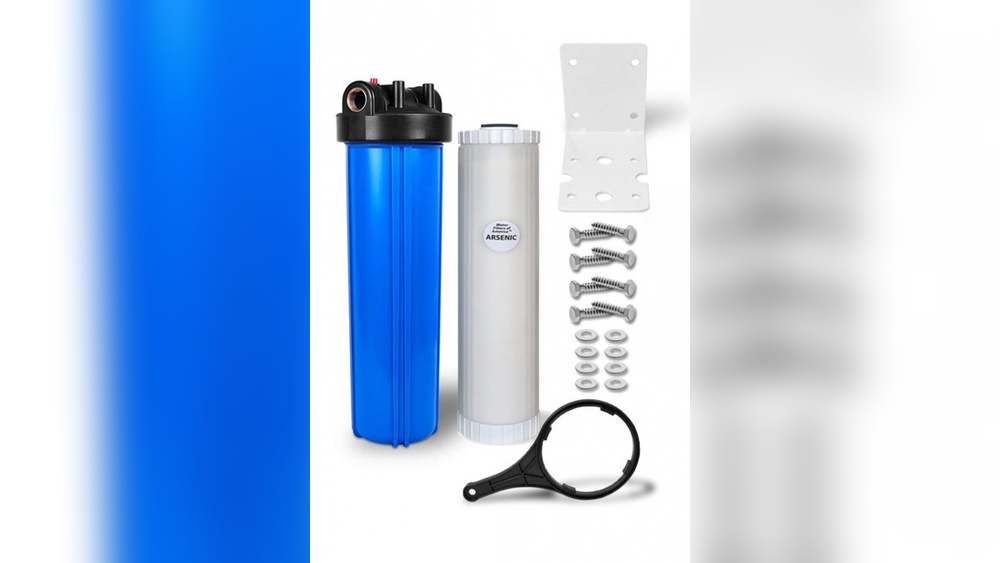
Are you worried about the quality of your drinking water? If arsenic is a concern for you, finding the right filter is crucial.
Arsenic can be harmful even in small amounts, so you need a solution that truly works. You’ll discover exactly what type of filter removes arsenic from water effectively. By the end, you’ll know how to protect your family and enjoy clean, safe water every day.
Keep reading to find the best filter for your home.
Arsenic In Water Sources
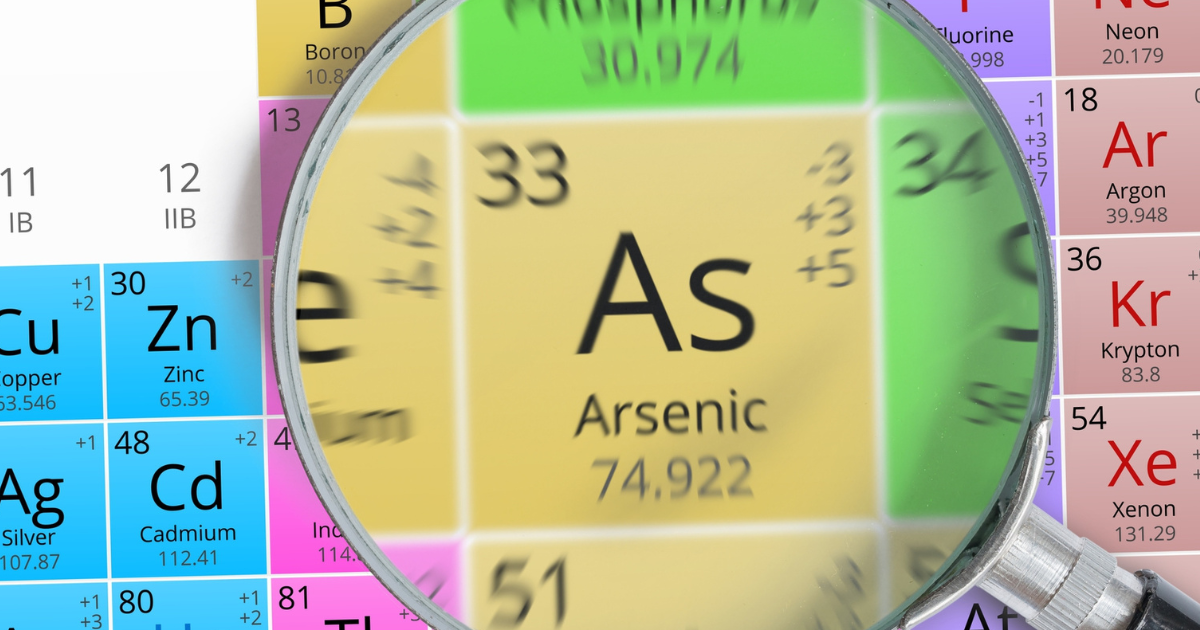
Arsenic is a natural element found in soil, rocks, and water. It can enter water sources through natural processes or human activities. Many people do not realize arsenic can contaminate drinking water. This contamination poses serious health risks. Knowing where arsenic comes from helps protect water quality and health.
Water contamination with arsenic is a global concern. It affects wells, rivers, and lakes. Arsenic levels vary by location and water source type. Testing water regularly ensures safety. Using the right filter can remove arsenic effectively.
Common Sources Of Arsenic Contamination
Arsenic occurs naturally in underground rocks and soil. Water passing through these materials can pick up arsenic. Wells dug into these areas often have higher arsenic levels.
Mining and industrial waste can release arsenic into water. Pesticides and fertilizers may also add arsenic to soil and water. Old pipes and plumbing materials can contribute to contamination.
Health Risks Of Arsenic Exposure
Long-term exposure to arsenic in water can cause serious health problems. It can damage the skin, lungs, and liver. Arsenic is linked to cancer in many studies.
Children exposed to arsenic may experience developmental delays. Adults risk heart disease and diabetes. Removing arsenic from water protects families and communities.
Types Of Filters For Arsenic Removal
Removing arsenic from water is important for health. Different filters work in different ways. Each filter type targets arsenic specifically. Understanding these options helps in choosing the right one. Below are common types of filters used to remove arsenic.
Activated Alumina Filters
Activated alumina filters use a special material. This material attracts and holds arsenic particles. It works best for arsenic in its +5 oxidation state. These filters need regular replacement or regeneration. They are affordable and efficient for home use.
Reverse Osmosis Systems
Reverse osmosis pushes water through a fine membrane. This membrane blocks arsenic and other impurities. It removes both arsenic +3 and +5 forms. RO systems also reduce many other contaminants. They require electricity and periodic filter changes.
Ion Exchange Filters
Ion exchange filters swap arsenic ions with harmless ones. They use resin beads that attract arsenic. These filters work well for water with low arsenic levels. Regeneration with salt is needed to keep them effective. They are easy to maintain and use.
Iron Oxide Filters
Iron oxide filters capture arsenic by binding it to iron particles. They are strong against arsenic +5 form. These filters have a long lifespan. They need occasional cleaning to remove trapped arsenic. They are suitable for large water supplies.
Distillation Units
Distillation heats water to create steam. The steam leaves arsenic behind. It then cools and turns back into clean water. Distillation removes almost all arsenic types. It uses more energy but produces very pure water.
How Each Filter Works
Different filters remove arsenic from water using various methods. Understanding how each filter works helps you choose the right one. Each type targets arsenic in unique ways to make water safe to drink.
Mechanism Of Activated Alumina
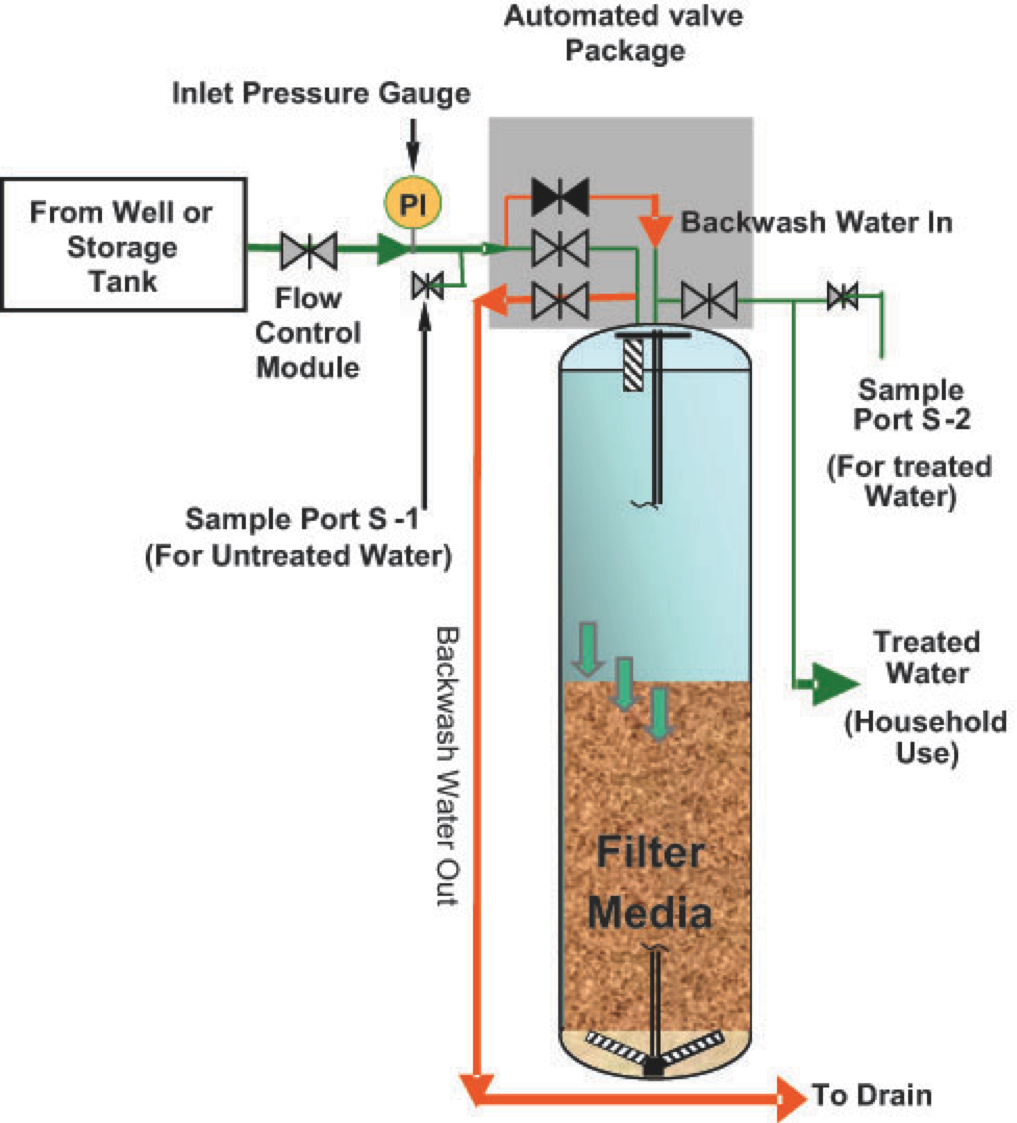
Activated alumina is a porous material. It attracts and traps arsenic particles from water. Water passes through the alumina bed slowly. Arsenic sticks to the surface while clean water flows out. The filter needs regular cleaning to stay effective.
Reverse Osmosis Process
Reverse osmosis uses a thin membrane to filter water. It blocks arsenic and other impurities. Water is pushed through the membrane under pressure. Clean water passes, but arsenic stays behind. This process removes many contaminants at once.
Ion Exchange Method
Ion exchange swaps arsenic ions with harmless ones. The filter contains resin beads charged with safe ions. Arsenic in water attaches to these beads. The beads release the safe ions into the water. This method works well for low arsenic levels.
Iron Oxide Adsorption
Iron oxide materials attract arsenic molecules. Water flows through iron oxide-coated media. Arsenic binds tightly to the iron oxide surface. The filter removes arsenic through this chemical attraction. It is effective and easy to maintain.
Distillation Technique
Distillation boils water, then collects the steam. Arsenic does not evaporate with the steam. The steam condenses into clean water in a separate container. This method removes arsenic and many other impurities. It uses heat and time but is very thorough.
Effectiveness And Limitations
Removing arsenic from water requires filters that work well but also have limits. Knowing how effective these filters are helps you choose the right one. It is important to see how well they remove arsenic and what care they need. Also, cost and how long they last matter for daily use.
Filter Efficiency Rates
Some filters remove up to 99% of arsenic. Others may only remove 70% to 90%. The type of filter affects the rate. Filters like reverse osmosis and adsorptive media work best. Efficiency can drop if water has other minerals or dirt.
Maintenance Requirements
Filters need regular cleaning or replacing. Some require frequent checks to avoid clogging. Poor maintenance lowers arsenic removal. Simple filters need less care but may be less effective. Maintenance tasks vary by filter type and water quality.
Cost Considerations
High-efficiency filters cost more upfront. Cheaper filters may need frequent replacement. Consider long-term costs, including parts and service. Some filters use electricity, adding to expenses. Balance cost with how well and how long the filter works.
Filter Lifespan
Filters last from six months to several years. Lifespan depends on water use and arsenic levels. Overused filters lose effectiveness quickly. Replace filters on time to ensure safe water. Lifespan details are usually in product guides.
Choosing The Right Filter
Choosing the right filter to remove arsenic from water is crucial for safety and health. Not all filters work the same way. Picking a system that fits your water quality and daily needs is important. This section helps you understand how to select the best filter for arsenic removal.
Water Testing For Arsenic Levels
Start by testing your water for arsenic levels. Knowing the exact amount helps choose the right filter. Many local labs offer water testing services. You can also buy home test kits for initial checks. Testing shows if arsenic is present and at what concentration.
Matching Filters To Needs
Different filters remove arsenic in different ways. Some use activated alumina, while others use reverse osmosis or ion exchange. Choose a filter that matches your water’s arsenic level and daily water use. Small households may need a compact filter. Larger homes or offices require systems with higher capacity.
Professional Vs Diy Systems
Professional systems often come with installation and maintenance support. They usually provide better arsenic removal and reliability. DIY filters are less expensive and easier to install. They work well for low to moderate arsenic levels. Consider your budget and comfort with installation before deciding.
Installation And Maintenance Tips
Installing and maintaining an arsenic water filter is key to safe drinking water. Proper steps ensure the filter works well and lasts long. Regular care keeps your water clean and healthy. Follow simple tips to get the best results from your filter.
Proper Installation Practices
Choose a spot with easy access for the filter system. Turn off the main water supply before starting. Follow the manufacturer’s guide carefully for each step. Use proper tools to avoid leaks or damage. Check all connections twice before turning water on. Test the system to ensure no leaks appear.
Routine Filter Replacement
Replace the filter as the guide suggests. Old filters lose their ability to remove arsenic. Mark the replacement date on your calendar. Some filters need changing every six months or yearly. Using a worn filter can let arsenic back into water. Always use the recommended filter type for your system.
Monitoring Water Quality
Test your water regularly for arsenic levels. Use simple test kits available online or in stores. Keep records of test results to track changes. If arsenic levels rise, check the filter immediately. Clean or replace parts if water quality drops. Regular monitoring helps protect your family’s health.
Alternative Methods For Arsenic Removal
Removing arsenic from water is crucial for safe drinking water. Alternative methods offer different ways to reduce arsenic levels. These methods include chemical treatments and natural filtration techniques. Both have unique benefits and can be effective in many situations.
Chemical Treatment Options
Chemical treatments use substances that change arsenic into a form that is easier to remove. One common method is coagulation and flocculation. This process adds chemicals like iron salts to the water. These chemicals bind with arsenic, creating particles that settle out of the water.
Oxidation is another chemical method. It transforms arsenic into a less harmful type. Chlorine or ozone can be used as oxidants. After oxidation, filtration removes the arsenic particles.
Natural Filtration Techniques
Natural filtration uses materials like sand, gravel, or certain plants to clean water. These materials trap arsenic particles as water passes through. Some natural filters contain iron-rich minerals that absorb arsenic effectively.
Constructed wetlands and slow sand filters are examples of natural systems. These methods are low-cost and eco-friendly. They work well in rural or low-resource areas.
Frequently Asked Questions
What Type Of Filter Best Removes Arsenic From Water?
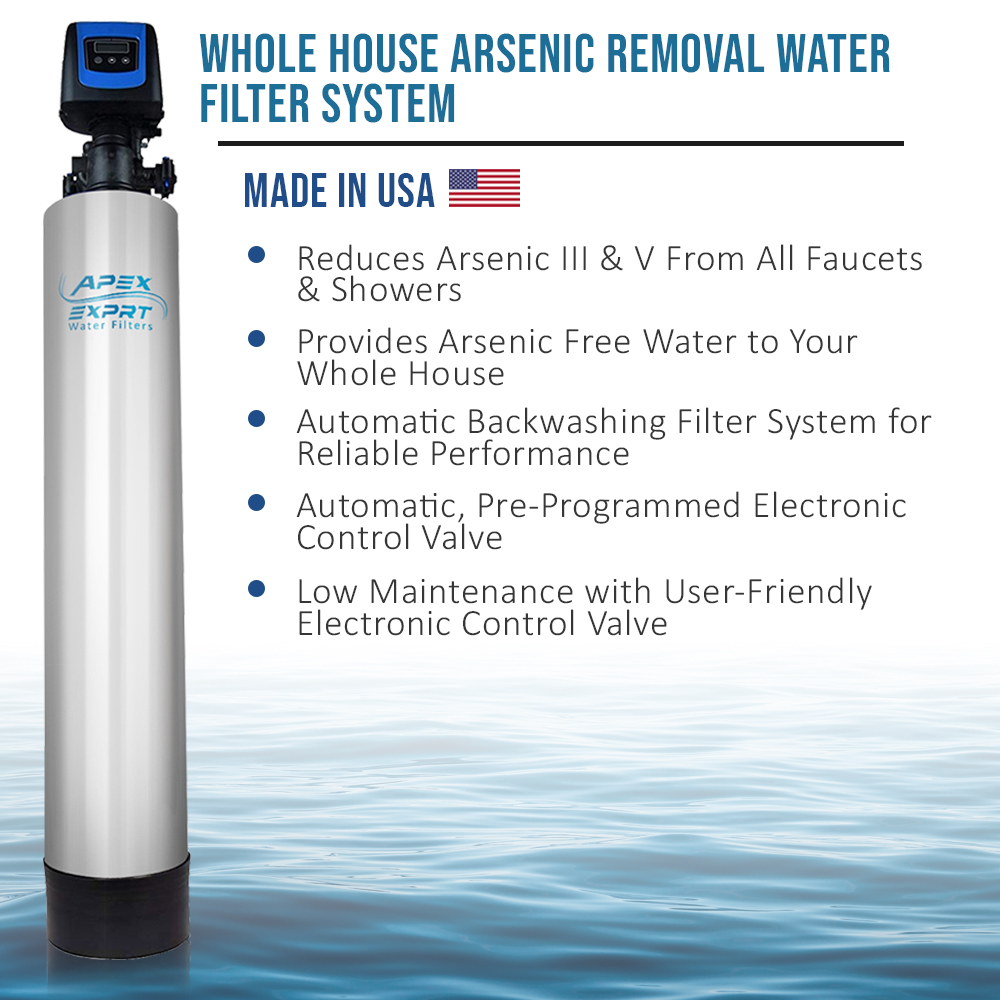
Activated alumina and reverse osmosis filters are most effective. They reduce arsenic levels to safe drinking standards efficiently.
How Does Reverse Osmosis Remove Arsenic From Water?
Reverse osmosis forces water through a semipermeable membrane. It blocks arsenic particles, providing clean and safe drinking water.
Can Activated Alumina Filters Remove Both Arsenic Types?
Yes, activated alumina effectively removes both arsenic III and V forms from water.
Are Home Water Filters Reliable For Arsenic Removal?
Certified home water filters like reverse osmosis systems reliably reduce arsenic to safe levels.
Conclusion
Choosing the right filter matters for safe drinking water. Filters like reverse osmosis and activated alumina work well to remove arsenic. They help protect your health by cleaning harmful toxins. Test your water to know arsenic levels before buying a filter.
Regular maintenance keeps filters working at their best. Clean water means better health for you and your family. Simple steps can make a big difference in water safety. Stay informed and choose wisely for pure, arsenic-free water.

Hasan Al Sarker is a Reverse Osmosis Specialist. He has worked for many years to ensure safe drinking water for all. His research paper has been published in several journals, including Issue, Medium, and Slideshare. He is recognized as a water doctor among specialists though he did not attend medical college.
Besides working as a researcher of reverse osmosis technology, he is also very fancy with the kitchen and cooking. His guides are reading thousands of people every day. As a head of content, he is responsible for all the published articles at RO System Reviews.