Is your water leaving spots on your dishes or making your skin feel dry? You might be dealing with hard water.
Hard water contains minerals that can cause buildup in your pipes, appliances, and even on your skin. But don’t worry—there are simple ways you can filter hard water and improve its quality right at home. You’ll discover easy methods to soften your water, protect your home, and enjoy cleaner, fresher water every day.
Keep reading to find the solution that fits your needs perfectly.
Causes Of Hard Water
Hard water forms naturally as it passes through soil and rocks. It picks up minerals that make water “hard.” These minerals cause many issues in homes and appliances. Understanding what causes hard water helps in choosing the right filter.
Minerals Behind Hard Water
Calcium and magnesium are the main minerals in hard water. They dissolve from limestone, chalk, and other rocks underground. These minerals do not harm health but affect water quality. They cause scale buildup on pipes and appliances. This buildup reduces water flow and efficiency.
Common Signs Of Hard Water
Soap does not lather well with hard water. You may see white spots on dishes and glassware. Clothes washed in hard water may look dull and feel rough. Faucets and showerheads can get crusty deposits. These signs show minerals in water need filtering.
Health And Home Effects
Hard water affects both health and home in many ways. It contains high levels of minerals like calcium and magnesium. These minerals cause problems for skin, hair, and household items. Understanding these effects helps in choosing the right water filter.
Impact On Skin And Hair
Hard water can make skin dry and itchy. The minerals block soap from rinsing off well. This leaves a residue that clogs pores. It may cause irritation or worsen skin conditions.
Hair feels rough and looks dull with hard water. It can cause scalp dryness and dandruff. Washing hair with hard water reduces softness and shine. Over time, hair may become brittle and break easily.
Damage To Appliances And Plumbing
Minerals in hard water build up inside pipes and appliances. This causes clogging and reduces water flow. Appliances like dishwashers and water heaters work less efficiently. They may break down sooner and need costly repairs.
Limescale buildup increases energy use in water heaters. Pipes can corrode, leading to leaks and water damage. Filtering hard water protects plumbing and saves money on repairs. It also extends the life of household appliances.
Types Of Water Softeners
Water softeners help reduce hard water problems. They remove minerals like calcium and magnesium. There are different types of water softeners. Each type works in a unique way. Understanding these types helps you pick the right one for your home.
Salt-based Softeners
Salt-based softeners use ion exchange to soften water. They replace hard minerals with sodium ions. This method effectively reduces scale buildup in pipes and appliances. Salt needs regular refilling for the system to work well. These softeners are popular in homes with very hard water.
Salt-free Conditioners
Salt-free conditioners do not remove minerals from water. Instead, they change minerals so they do not stick to surfaces. This helps reduce scale without using salt. They require less maintenance and no salt refills. Salt-free conditioners are good for mild to moderate hard water.
Magnetic And Electronic Devices
Magnetic and electronic devices use fields to affect minerals. They claim to prevent scale buildup in pipes and appliances. These devices are easy to install and require no chemicals. Their effectiveness varies and depends on water type and flow. Many homeowners use them as a simple water treatment option.
Diy Hard Water Filtration Methods
Hard water can cause problems like stains and soap scum. Filtering it at home helps protect your pipes and skin. You can try simple DIY methods using common items. These ways reduce minerals that make water hard. They are easy and cheap to do yourself.
Using Vinegar And Baking Soda
Vinegar and baking soda work well to soften hard water. Vinegar contains acid that breaks down minerals. Baking soda helps balance pH levels. Mix one cup of vinegar with water in a container. Add a teaspoon of baking soda slowly. Let the solution sit for 10 minutes. Use it to rinse surfaces or laundry. This method reduces mineral buildup and cleans effectively.
Boiling And Distillation
Boiling water helps remove some hardness. Heat water until it bubbles and boils for 5 minutes. Minerals like calcium settle at the bottom. Pour off the clean water carefully. Distillation is a stronger method. It collects steam and turns it back into water. This leaves minerals behind. Distilled water is very soft but needs special equipment. Boiling and distillation improve water quality for drinking and cooking.
Charcoal Filters
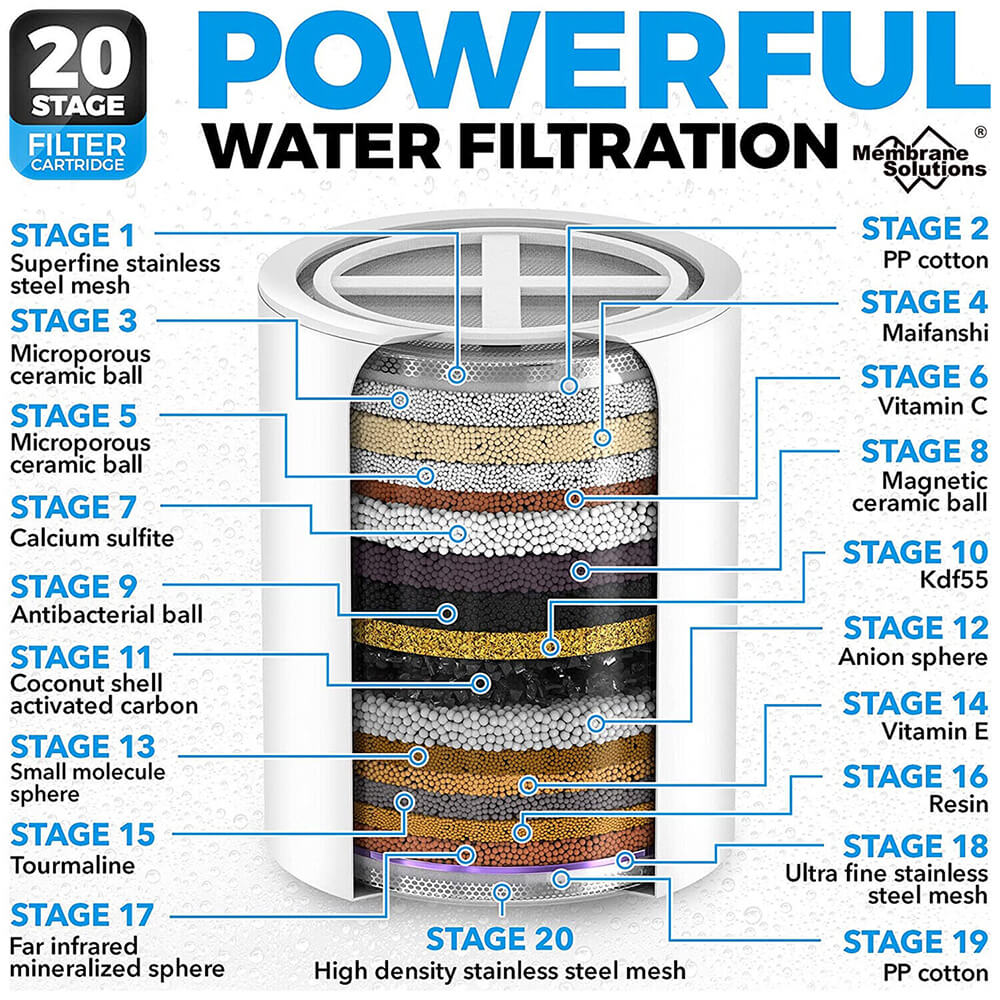
Charcoal filters absorb impurities from hard water. Use activated charcoal in a simple filter setup. Pour water through the charcoal slowly. It traps minerals and other particles. Charcoal filters are reusable after cleaning. They improve taste and reduce hardness slightly. This method works well for small amounts of water. Easy to make at home and affordable too.
Installing A Water Softener
Installing a water softener is a practical way to treat hard water in your home. It helps reduce minerals like calcium and magnesium. These minerals cause scale buildup and affect water quality. A water softener improves water for drinking, cleaning, and bathing.
This process involves choosing the right system, installing it properly, and maintaining it regularly. Each step is important for the system to work well and last long.
Choosing The Right System
Pick a system based on your water hardness and home size. Check the grain capacity; it shows how much hardness the system can handle. Salt-based softeners are common and effective. Salt-free systems prevent scale but don’t remove minerals. Consider your budget and maintenance needs too.
Step-by-step Installation Guide
Turn off the main water supply first. Find a spot near the main water line for the softener. Cut the pipe and attach bypass valves to control water flow. Connect the softener’s inlet and outlet to the pipes. Plug in the system and add salt to the tank. Open the water supply and check for leaks. Follow the manufacturer’s instructions to start the system.
Maintenance Tips
Check the salt level in the tank every month. Refill with the recommended salt type as needed. Clean the brine tank once a year to avoid buildup. Inspect the system for leaks or damage regularly. Test water hardness to ensure the softener works well. Proper care extends system life and keeps water soft.
Cost And Efficiency Comparison
Choosing the right method to filter hard water depends on cost and efficiency. Knowing the balance helps you pick a system that fits your budget and needs. Some options have high upfront costs but save money over time. Others cost less initially but might use more water or salt. Comparing these factors leads to better decisions.
Initial Investment Vs Long-term Savings
Water softeners and filters vary in price. Basic models start low but may need frequent maintenance. Advanced systems cost more but last longer and need less upkeep. Spending more now can reduce water damage and soap use later. This means lower bills for repairs and cleaning. Check the cost of salt, electricity, and parts too. These add to the total expense over time.
Water Softener Efficiency Ratings
Efficiency ratings show how well a system uses resources. Look for ratings on water use and salt consumption. High-efficiency models save more water and salt, lowering monthly costs. Some softeners use less salt per cycle. Others recycle water during regeneration. These features reduce waste and help the environment. Always compare efficiency scores before buying a softening system.
Alternative Solutions
Hard water causes problems like scale buildup and dry skin. Many people seek ways to reduce these issues. Besides common water softeners, some alternative solutions help filter hard water effectively. These options are easy to use and can improve water quality in different situations.
Using Bottled Or Filtered Water
Bottled water offers a simple way to avoid hard water minerals. It is convenient for drinking and cooking. Filtered water from stores also provides a mineral-free option. This solution requires no installation or maintenance at home. It suits those who want a quick fix without equipment.
Water Filtration Pitchers
Water filtration pitchers are affordable and easy to use. They remove many hard water minerals and impurities. Just fill the pitcher and wait a few minutes for filtered water. These pitchers fit well in refrigerators and are portable. They need regular filter changes for best results.
Professional Water Treatment Services
Experts can test your water to find hard minerals. They suggest the best filtration or softening system for your home. Professional services install and maintain equipment for smooth operation. This option ensures long-term water quality improvement. It suits people wanting a permanent and reliable solution.

Frequently Asked Questions
What Is The Best Method To Filter Hard Water?
The best method to filter hard water is using a water softener. It removes calcium and magnesium ions that cause hardness. Other options include reverse osmosis and ion exchange filters. These methods improve water quality and prevent scale buildup in pipes and appliances.
How Does A Water Softener Remove Hard Water Minerals?
A water softener uses ion exchange to replace calcium and magnesium with sodium or potassium ions. This process softens the water and prevents mineral deposits. It’s effective, easy to maintain, and widely used in homes to improve water quality and protect plumbing.
Can Hard Water Be Filtered Without Chemicals?
Yes, hard water can be filtered without chemicals using physical methods like reverse osmosis or magnetic water conditioners. These methods reduce hardness by removing minerals or altering their structure without adding chemicals, offering an eco-friendly solution for water treatment.
How Often Should Hard Water Filters Be Replaced?
Hard water filters should be replaced every 6 to 12 months. Replacement frequency depends on water hardness and filter type. Regular replacement ensures optimal filtration performance and prevents buildup that can reduce water flow and filter efficiency.
Conclusion
Filtering hard water protects your home and health. Simple methods like using water softeners or filters work well. Regular maintenance keeps your system efficient and reliable. Clean water improves taste, appliance life, and skin health. Choose the right option based on your needs and budget.
Start filtering today for better water quality tomorrow.

Hasan Al Sarker is a Reverse Osmosis Specialist. He has worked for many years to ensure safe drinking water for all. His research paper has been published in several journals, including Issue, Medium, and Slideshare. He is recognized as a water doctor among specialists though he did not attend medical college.
Besides working as a researcher of reverse osmosis technology, he is also very fancy with the kitchen and cooking. His guides are reading thousands of people every day. As a head of content, he is responsible for all the published articles at RO System Reviews.