Have you ever wondered if you can turn salty ocean water into fresh, drinkable water? If you’re facing a shortage of clean water or just curious about survival skills, knowing whether you can filter salt water is crucial.
Imagine having the power to transform something unusable into a life-saving resource. You’ll discover the truth behind filtering salt water, how it works, and what methods actually make it safe for you to drink. Keep reading—you might be surprised by what’s possible and how easy it can be to access fresh water even from salty sources.
Why Filter Salt Water
Salt water contains high amounts of salt and minerals. It is not safe to drink or use directly. Filtering salt water removes harmful elements and makes it usable. This process helps provide clean water for many needs.
Challenges Of Salt Water
Salt water has many dissolved salts. These salts cause dehydration if consumed. It also contains tiny particles and pollutants. Removing salt is difficult with normal filters. Special techniques are needed to get clean water.
Salt can damage pipes and appliances. It also harms plants if used for irrigation. Salt water needs careful treatment before use. This makes filtering salt water a complex task.
Benefits Of Filtering
Filtering salt water creates fresh water for drinking. It helps communities with limited fresh water sources. Clean water improves health and hygiene. Filtering also protects equipment from salt damage.
Filtered water can support farming and industries. It reduces dependence on bottled water. Filtering salt water saves money and resources. It provides a reliable water supply in dry areas.
Common Filtration Methods
Salt water cannot be used directly for drinking or farming. It needs to be cleaned first. Several methods exist to remove salt from water. These methods vary in cost, speed, and efficiency. Understanding these common filtration techniques helps you choose the right one.
Boiling And Distillation
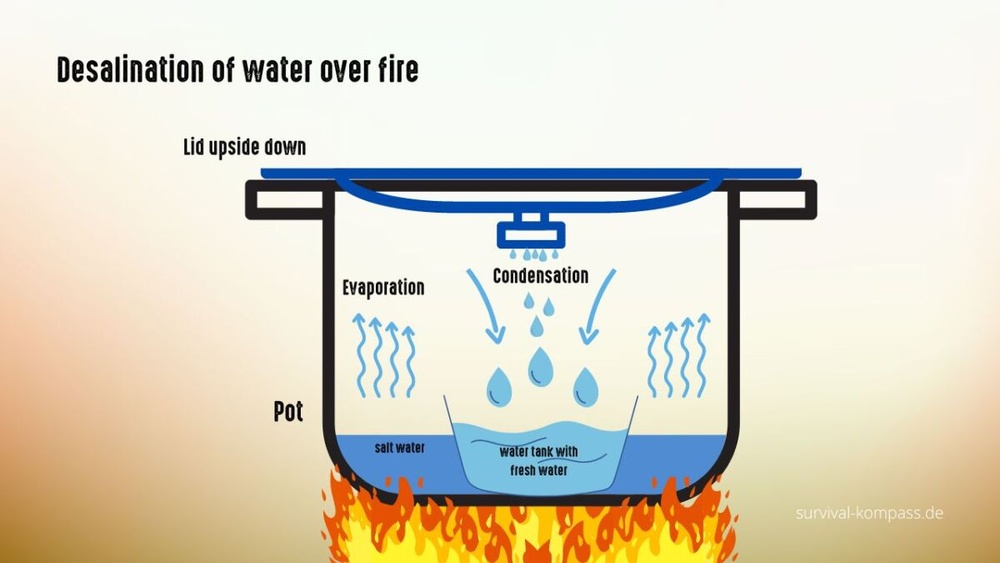
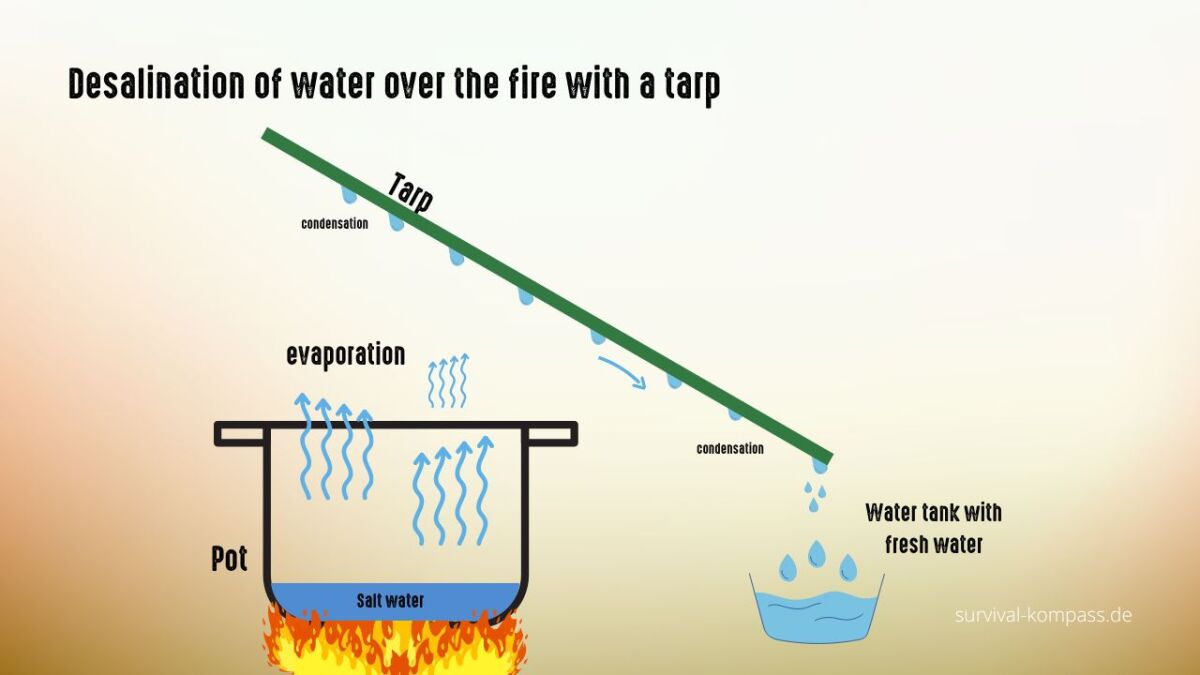
Boiling water creates steam. The steam leaves salt and impurities behind. Distillation collects this steam and cools it down. The result is fresh, salt-free water. This method is simple and effective. It works well on a small scale. But it uses a lot of energy and time.
Reverse Osmosis
Reverse osmosis uses a special filter called a membrane. Water is pushed through this membrane under pressure. Salt and other particles cannot pass through. Only clean water comes out the other side. This method removes most salts and impurities. It is common in homes and industries. It needs electricity and regular maintenance.
Electrodialysis
Electrodialysis uses electric currents to remove salt. It passes water between membranes that attract salt ions. These ions move out of the water, making it fresh. This method works well for water with low to medium salt levels. It saves energy compared to other methods. Often used in factories and large plants.
Diy Salt Water Filters
Filtering salt water at home is possible with simple tools. DIY salt water filters help remove salt and make water safer to drink. These methods need patience and care but can work well in emergencies or outdoor trips.
Two common ways to filter salt water are using a solar still and making homemade charcoal filters. Both use natural materials and basic steps anyone can follow.
Using Solar Still
A solar still uses the sun’s heat to clean salt water. It works by boiling water and collecting the steam. The steam leaves salt and impurities behind.
To build a solar still, dig a small hole in the ground. Place a container in the center to catch water. Cover the hole with plastic wrap and put a small stone in the middle. The stone makes the wrap dip, allowing steam to drip into the container.
Leave the still in direct sunlight for several hours. The steam will turn back into fresh water inside the container. This method is slow but safe and does not need extra tools.
Homemade Charcoal Filters
Charcoal can help clean salt water by removing bad tastes and some chemicals. It does not remove all salt but improves water quality. You can make a simple charcoal filter using wood charcoal.
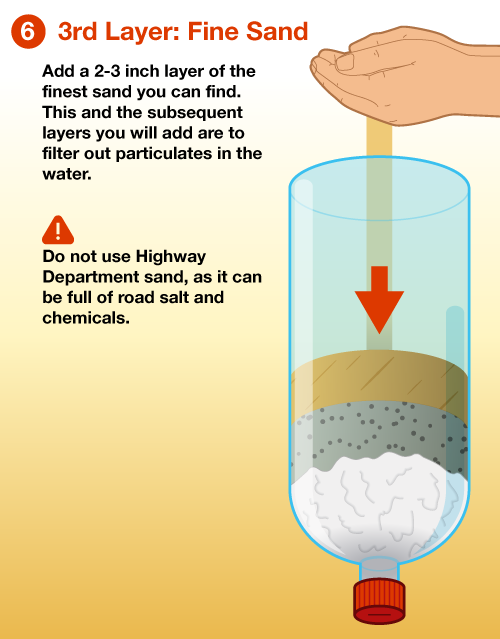
First, crush the charcoal into small pieces. Then, layer it inside a clean bottle or container. Add sand and small stones above and below the charcoal to filter bigger particles.
Pour salt water slowly through the filter. The water will come out clearer and taste better. This filter is best used after boiling water or with other methods to remove salt.
Commercial Desalination Systems
Commercial desalination systems remove salt from seawater to provide fresh water. These systems play a key role in areas with limited freshwater resources. They use advanced technology to make seawater safe for drinking and irrigation. There are different types of commercial desalination systems. Each type serves different needs and scales of water production.
Home Units
Home desalination units are small and designed for personal use. They often use reverse osmosis to filter salt from water. These units fit easily in kitchens or small spaces. People use them to ensure clean drinking water from seawater or brackish water. These systems need regular maintenance to keep working well. Home units are cost-effective for families living near the coast.
Large-scale Plants
Large-scale desalination plants serve entire cities or industries. These plants use complex processes like thermal distillation or reverse osmosis. They produce thousands to millions of gallons of fresh water daily. Such plants require high energy but provide reliable water supply. They help solve water shortages in dry and coastal regions. Large plants often connect to public water systems for distribution.
Factors Affecting Filtration Efficiency
Filtration efficiency depends on several key factors. These factors determine how well a filter can clean salt water. Understanding them helps improve water quality and system performance.
Many things affect how much salt and impurities a filter can remove. Knowing these helps in choosing the right filter and maintaining it properly.
Water Quality
The quality of the salt water plays a big role in filtration. Water with a lot of sediments or organic material clogs filters quickly. High salt concentration can also reduce filter effectiveness. Clearer water allows filters to work better and last longer.
Testing water before filtration helps identify what needs to be removed. This guides the selection of the best filter type for the job.
Filter Maintenance
Regular maintenance keeps filters working at top efficiency. Dirty or clogged filters lose their ability to remove salt and impurities. Cleaning or replacing filter parts on time is crucial.
Ignoring maintenance shortens filter life and reduces water quality. Following the manufacturer’s instructions ensures filters perform well over time.
Health And Safety Considerations
Filtering salt water requires careful attention to health and safety. Salt water contains salt and other impurities that can harm your body. Proper treatment ensures the water is safe to drink. Understanding the risks and how to remove harmful substances is essential.
Removing Contaminants
Salt water has many contaminants besides salt. These include bacteria, viruses, and chemicals. Simple filters cannot remove all these dangers. Advanced methods like reverse osmosis or distillation work best. These processes can eliminate most impurities and salt. Using clean equipment also reduces contamination risks.
Ensuring Potability
Potable water is safe for drinking without health risks. After filtering salt water, testing is important. Testing checks for salt levels and harmful microbes. Water with high salt can cause dehydration and health issues. Boiling water kills bacteria but does not remove salt. Proper filtration followed by testing guarantees safe drinking water.
Cost And Energy Implications
Filtering salt water involves both cost and energy factors. These affect whether filtering is practical for daily use or large-scale needs. Understanding these aspects helps in making smart decisions about salt water filtration methods.
Operating Costs
Operating costs include maintenance and replacement parts. Filters and membranes wear out and need regular changes. Chemicals used in cleaning also add to expenses. Salt water systems require more frequent upkeep than fresh water ones. Budgeting for these costs is crucial to keep the system running smoothly.
Energy Consumption
Energy use depends on the filtration technology. Reverse osmosis, a common method, uses high pressure pumps that consume a lot of power. Solar-powered systems offer a low-energy alternative but need sunlight. Energy needs affect overall cost and environmental impact. Efficient systems reduce energy use and save money over time.

Frequently Asked Questions
Can You Filter Salt Water At Home?
Yes, you can filter salt water at home using methods like distillation or reverse osmosis. These processes remove salt and impurities, making the water safe to drink. However, simple filters like charcoal cannot desalinate salt water effectively.
What Is The Best Method To Filter Salt Water?
Reverse osmosis is the best method to filter salt water. It uses a semipermeable membrane to remove salt and contaminants. This method is efficient, widely used, and produces clean, safe drinking water from seawater.
Is Filtered Salt Water Safe To Drink?
Filtered salt water can be safe if properly desalinated. Methods like reverse osmosis and distillation remove harmful salts and bacteria. Always ensure the filtration process is thorough before drinking filtered salt water.
How Long Does It Take To Filter Salt Water?
The time to filter salt water varies by method. Reverse osmosis systems typically take several hours for a gallon. Distillation might take longer due to heating and cooling stages. Efficiency depends on equipment and water volume.
Conclusion
Filtering salt water is possible but needs special tools and care. Simple filters cannot remove all salt and minerals. Techniques like reverse osmosis work best for clean water. This process uses pressure to separate salt from water. Clean water is important for health and daily use.
Remember, not all methods suit every situation. Choose wisely based on your needs and resources. Safe water access remains a top priority worldwide. Keep learning about water treatment options to stay informed.

Hasan Al Sarker is a Reverse Osmosis Specialist. He has worked for many years to ensure safe drinking water for all. His research paper has been published in several journals, including Issue, Medium, and Slideshare. He is recognized as a water doctor among specialists though he did not attend medical college.
Besides working as a researcher of reverse osmosis technology, he is also very fancy with the kitchen and cooking. His guides are reading thousands of people every day. As a head of content, he is responsible for all the published articles at RO System Reviews.