
Are you worried about the safety of your drinking water? If arsenic is lurking in your water supply, it can pose serious health risks.
But here’s the good news—you don’t have to accept this as your reality. You might be wondering, can you really filter arsenic out of water? The answer is yes, and you’ll discover simple, effective ways to protect yourself and your family.
Keep reading to find out how to make sure every drop you drink is clean and safe.
Sources Of Arsenic In Water
Arsenic in water comes from different sources. Knowing where it comes from helps to understand the risk. Arsenic can enter water naturally or through human activities. Each source affects water quality differently.
Natural Occurrence
Arsenic is found naturally in rocks and soil. It can dissolve into groundwater over time. Areas with certain types of rocks have higher arsenic levels. Volcanic activity can also release arsenic into water. This natural process can affect wells and springs.
Industrial Contamination
Industries can release arsenic into water bodies. Mining and smelting activities often involve arsenic. Waste from factories may contain arsenic compounds. These chemicals can leak into nearby water sources. Improper disposal of industrial waste increases arsenic pollution.
Health Risks Of Arsenic Exposure
Arsenic is a natural element found in soil and water. Drinking water with arsenic can cause serious health problems. It affects many parts of the body. Understanding these risks helps protect your health.
Short-term Effects
Short exposure to arsenic in water can cause stomach pain. You may feel nausea or vomiting. Diarrhea is also common. Skin redness or swelling can appear quickly. These symptoms can last for days.
Long-term Consequences
Long-term arsenic exposure can lead to serious diseases. It raises the risk of cancer, especially skin, lung, and bladder cancer. It can cause skin changes like dark spots and thick patches. Arsenic harms the heart and may cause diabetes. It also affects the nervous system, causing numbness or weakness. These effects can take years to develop.
Testing Water For Arsenic
Testing water for arsenic is the first step to ensure safe drinking water. Arsenic is a harmful element found in some water sources. It is important to know if your water contains arsenic before using any filters. There are simple and reliable methods for testing water at home or through professionals. These tests help identify the arsenic level in your water.
Home Testing Kits
Home testing kits are easy tools to check arsenic in water. They come with clear instructions and provide quick results. These kits use strips or small devices that change color if arsenic is present. The color shows the arsenic level, which you can compare to safe limits. Home kits are affordable and useful for basic testing. They do not require special skills or equipment. Keep in mind, home kits may not be as accurate as lab tests.
Professional Laboratory Analysis
Professional laboratory analysis offers precise arsenic testing. You collect a water sample and send it to a certified lab. Experts use advanced equipment to measure arsenic levels accurately. Labs provide detailed reports that explain the findings clearly. This method is best for confirming home test results or for legal needs. It may take a few days to get results. Lab testing costs more but ensures trustworthy and accurate data.
Effective Arsenic Filtration Methods
Removing arsenic from water is crucial for health. Arsenic is harmful and can cause serious illnesses. Effective filtration methods help make water safe to drink. Different technologies work well to reduce arsenic levels. These methods use physical and chemical processes to clean water. Understanding each type helps in choosing the right system.
Reverse Osmosis Systems
Reverse osmosis systems push water through a special membrane. This membrane blocks arsenic particles and other impurities. These systems remove up to 99% of arsenic from water. They also improve taste and reduce other contaminants. Regular maintenance is important to keep them working well.
Activated Alumina Filters
Activated alumina filters use a porous material that attracts arsenic. Water passes through this material, trapping arsenic particles. These filters are effective for both arsenic III and V forms. They need periodic replacement to maintain efficiency. They work best in water with a neutral pH.
Ion Exchange Filters
Ion exchange filters swap arsenic ions with safer ions in the water. They often use resin beads to hold the ions. This process reduces arsenic levels significantly. The resin needs regular regeneration or replacement. These filters are common in home water treatment systems.
Distillation Units
Distillation units boil water and collect the steam. The steam leaves behind arsenic and other impurities. This method produces very pure water. It requires electricity and takes more time than other methods. Distillation units are reliable for removing many contaminants.
Choosing The Right Filtration System
Choosing the right filtration system is key to removing arsenic from water safely. Different filters work well for different water types and needs. Understanding what affects your choice helps you pick the best one. This way, you get clean water without wasting money or time.
Water Quality Considerations
Test your water before buying a filter. Know the arsenic level and other minerals present. Some filters remove only arsenic, while others handle multiple contaminants. Choose a system designed for your water’s specific makeup. This ensures the filter works effectively and keeps your water safe.
Cost And Maintenance
Filters vary in price and upkeep needs. Some cost more upfront but need less care later. Others are cheaper but require frequent replacements. Think about your budget and time for maintenance. Choose a system you can afford and manage easily to keep your water clean long-term.
Filter Lifespan
Each filter has a different life span. It depends on water quality and usage. Check how often you must replace the filter. Longer-lasting filters save money and effort. Regular replacement keeps the system working well and removes arsenic effectively.
Diy Solutions And Precautions
Removing arsenic from water at home is possible but needs care. You can try some simple DIY methods to reduce arsenic levels. These methods use common materials and easy steps. Still, safety is very important. Arsenic is toxic and must be handled carefully. Follow safety tips to protect yourself and your family.
Homemade Filtration Options
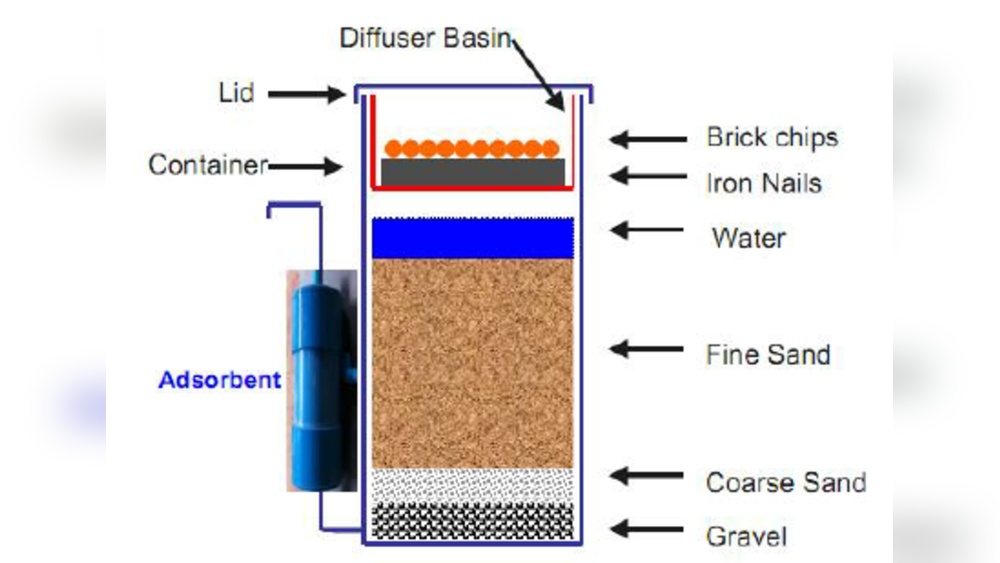
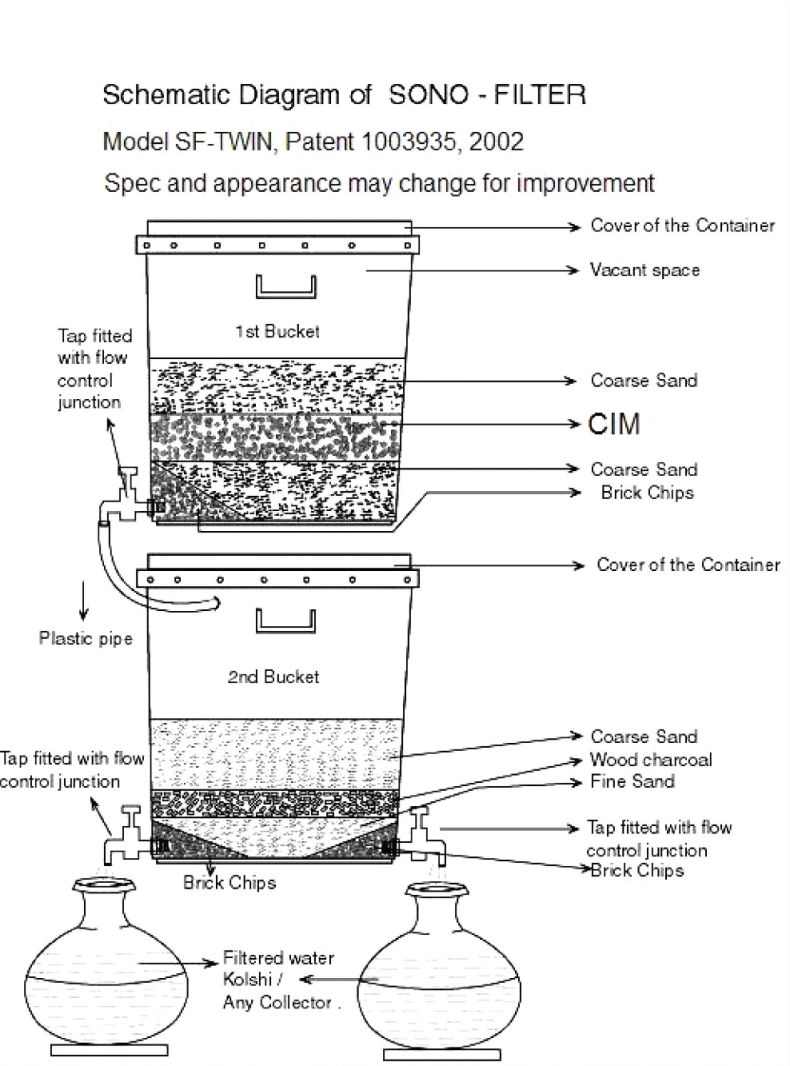
One way to filter arsenic is using activated charcoal. Charcoal can absorb some arsenic particles from water. You can make a simple filter by layering charcoal with sand and gravel in a container. Pour water slowly to let it pass through the layers. Another method uses iron oxide, which can bind arsenic and remove it. Some people use special clay or ceramic filters made at home. These filters need regular cleaning and replacement for best results. Keep in mind, homemade filters might not remove all arsenic. Testing water after filtering is important to check safety.
Safety Tips
Always wear gloves when handling contaminated water or filter materials. Avoid touching your face or mouth during the process. Use clean containers and tools to prevent new contamination. Do not drink untreated water even if it looks clean. Test filtered water with arsenic test kits to confirm safety. Dispose of used filter materials safely to avoid poisoning. Store filtered water in clean, covered containers. Replace homemade filters often to keep them effective. If arsenic levels are very high, consider professional treatment options.
Regulations And Safety Standards
Regulations and safety standards guide the removal of arsenic from water. These rules protect public health and ensure water is safe to drink. Different countries have set limits on arsenic levels. These limits help water treatment systems meet safety goals. Understanding these standards is key to choosing the right water filter.
Epa Guidelines
The United States Environmental Protection Agency (EPA) sets strict limits on arsenic in drinking water. The maximum contaminant level (MCL) is 10 parts per billion (ppb). Water systems must test regularly to meet this limit. Filters certified by EPA standards can reduce arsenic effectively. These guidelines keep communities safe and reduce health risks.
International Standards
Many countries follow international standards to control arsenic in water. The World Health Organization (WHO) recommends a 10 ppb limit. Countries may adopt this or set their own limits based on local needs. These standards guide water treatment and filter design worldwide. They ensure that people everywhere drink cleaner, safer water.
Maintaining Filter Performance
Maintaining filter performance is key to keeping water safe from arsenic. A filter that works well removes harmful substances effectively. Neglecting maintenance can reduce its ability to clean water. Regular care ensures your filter stays strong and reliable.
Regular Testing
Testing water often shows if the filter works well. It checks arsenic levels in your water supply. Use simple test kits or send samples to labs. Testing helps catch problems before they get serious. Keep records of your test results for future checks.
Filter Replacement Schedules
Filters wear out after some time. Follow the manufacturer’s schedule to change them. A tired filter lets arsenic pass through easily. Changing filters on time keeps water clean and safe. Always have spare filters ready for quick replacement.
Frequently Asked Questions
Can Home Filters Remove Arsenic From Water?
Yes, specific home water filters like reverse osmosis and activated alumina can effectively remove arsenic. Not all filters work, so choose certified ones designed for arsenic removal.
What Is The Safest Way To Filter Arsenic?
The safest method is using reverse osmosis systems or activated alumina filters. These technologies reduce arsenic to safe levels, protecting your health.
How Do Reverse Osmosis Filters Remove Arsenic?
Reverse osmosis pushes water through a semipermeable membrane, trapping arsenic particles. This process effectively lowers arsenic concentrations in drinking water.
Is Boiling Water Effective Against Arsenic?
No, boiling water does not remove arsenic. It can concentrate arsenic levels as water evaporates, making it unsafe to drink.
Conclusion
Filtering arsenic from water is possible with the right tools. Many filters can reduce arsenic to safe levels. Testing your water first helps choose the best filter. Some common options include reverse osmosis and activated alumina filters. Regular maintenance keeps these filters working well.
Clean water protects your health and your family’s. Always stay informed about water safety in your area. Safe drinking water is a simple step anyone can take. Don’t ignore signs of contamination. Act to keep your water clean and safe.

Hasan Al Sarker is a Reverse Osmosis Specialist. He has worked for many years to ensure safe drinking water for all. His research paper has been published in several journals, including Issue, Medium, and Slideshare. He is recognized as a water doctor among specialists though he did not attend medical college.
Besides working as a researcher of reverse osmosis technology, he is also very fancy with the kitchen and cooking. His guides are reading thousands of people every day. As a head of content, he is responsible for all the published articles at RO System Reviews.