
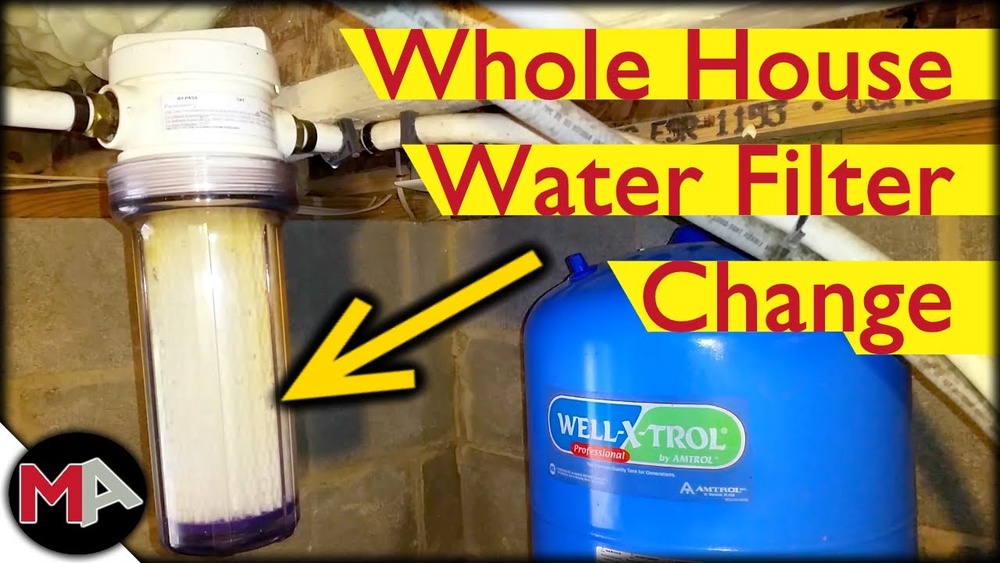
Are you wondering how to change your whole house water filter without hassle? You’re in the right place.
Clean water is essential for your family’s health, and a fresh filter makes all the difference. Changing the filter might seem tricky, but with the right steps, you can do it yourself quickly and confidently. Keep reading, and you’ll learn exactly what to do to keep your water pure and your home running smoothly.
Preparing For The Replacement
Preparing to replace a whole house water filter is an important first step. Proper preparation makes the process easier and safer. It helps avoid water spills and damage to your system. Follow these steps to get ready for the replacement.
Gathering Necessary Tools
Collect all tools before starting. You will need a filter wrench, bucket, and clean cloth. Gloves protect your hands. Have the new filter cartridge ready. Check your filter model to get the right replacement.
Turning Off Water Supply
Shut off the main water supply to your house. This stops water flow during the filter change. Look for the main valve near your water meter or where the pipe enters your home. Turn it clockwise until fully closed.
Relieving Pressure From The System
Open a faucet on the lowest floor to drain water. This lowers pressure inside the pipes. Press the pressure release button on the filter housing if available. Wait until water stops flowing before opening the filter housing.
Removing The Old Filter
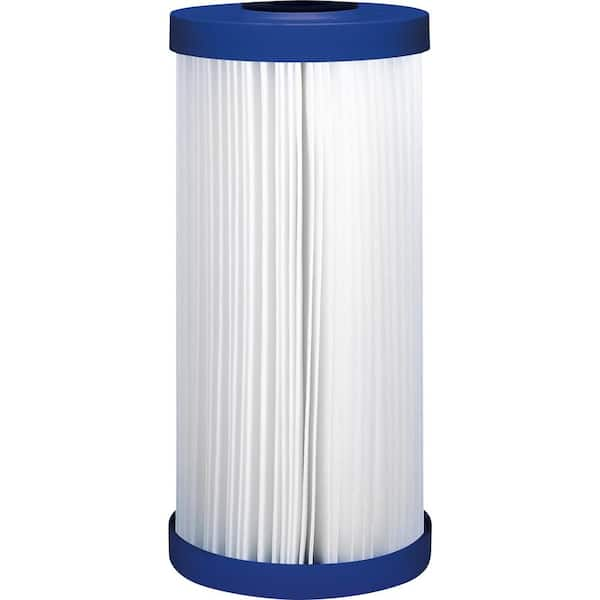
Removing the old filter is an important step in changing your whole house water filter. It makes sure your water stays clean and fresh. This process is simple if you follow the right steps carefully. Each part needs attention to avoid leaks or damage.
Locating The Filter Housing
Start by finding the filter housing in your home. It is usually near the main water line. Look for a large plastic or metal casing. This housing holds the filter cartridge inside. Sometimes it is in the basement or utility room. Knowing the exact spot helps you work faster and safer.
Opening The Filter Housing
Turn off the water supply before opening the housing. Use a filter wrench or your hands to twist the housing counterclockwise. This may need some force but go slowly. Keep a bucket or towel nearby for any water spills. Once loose, carefully remove the housing without dropping it.
Taking Out The Used Filter
Pull the used filter cartridge straight out from the housing. It might be wet and dirty, so handle it carefully. Check the inside of the housing for any dirt or debris. Clean the housing if needed before placing a new filter. Proper removal prevents damage and helps maintain water quality.
Installing The New Filter
Installing the new whole house water filter is a key step in keeping your water clean. Proper installation ensures the filter works well and lasts long. Follow these simple steps to install the new filter correctly and safely.
Checking The New Filter
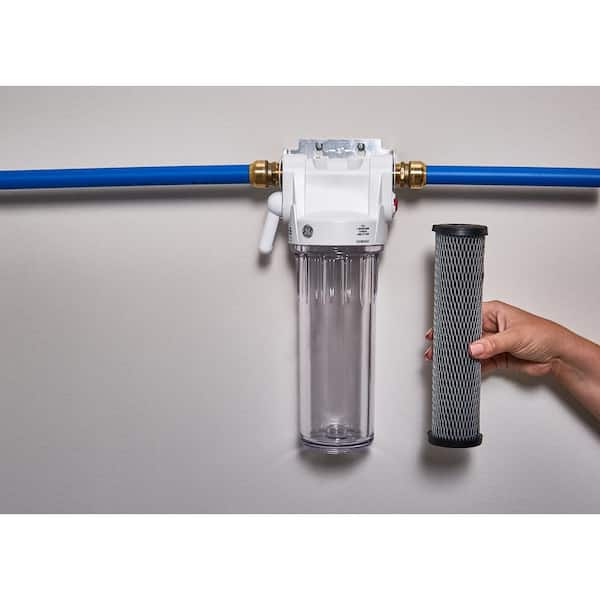
First, inspect the new filter carefully. Look for any damage or defects on the filter or its housing. Make sure it matches the size and type of your old filter. Check the filter’s instructions for any special details. Clean your hands before handling the filter to avoid dirt contamination.
Placing The Filter Correctly
Next, place the new filter in the housing the right way. Align the filter according to the arrows or marks on the filter and housing. Do not force it; the filter should fit smoothly. Ensure the filter is seated evenly to avoid leaks. Double-check the position before sealing.
Sealing The Filter Housing
Finally, seal the filter housing tightly. Use your hands or a filter wrench if needed, but avoid over-tightening. Make sure the O-ring or gasket is in place and clean. A good seal stops water from leaking during use. After sealing, turn on the water slowly to check for leaks.
Restarting The System
Restarting the system is the final step after changing your whole house water filter. This process ensures your new filter works correctly and your water supply is safe. Follow each step carefully to avoid problems.
Turning On The Water Supply
Slowly open the main water valve to turn the water supply back on. Do it gently to avoid pressure shocks. Watch the filter housing closely for any unusual sounds or leaks. Let the water flow through the system for a few minutes to fill the new filter.
Checking For Leaks
Inspect all connections around the filter housing. Look for drips or wet spots. Tighten any loose fittings by hand. Avoid using too much force to prevent damage. Leaks can cause water damage and reduce filter efficiency.
Flushing The New Filter
Flush the new filter by running water through it for 5 to 10 minutes. This step removes any loose particles or carbon dust. Use a nearby faucet or outside hose if available. Clear water flow means the filter is ready for use.
Maintenance Tips
Proper maintenance keeps your whole house water filter working well. It helps avoid problems and ensures clean water for your family. Follow simple tips to make your filter last longer and perform better.
Regular Replacement Schedule
Change the filter cartridge on time. Most filters need replacement every 3 to 6 months. Check the user manual for exact timing. Set reminders to avoid forgetting. Old filters can clog and reduce water flow.
Monitoring Water Quality
Watch for changes in taste, smell, or color of water. These signs show the filter may need attention. Test your water regularly with easy kits. Clear water means your filter works well. Cloudy or bad-smelling water means it needs checking.
Troubleshooting Common Issues
Low water pressure often means a clogged filter. Replace the cartridge if pressure drops. Leaks around the filter housing need tightening or new seals. Strange noises may come from air trapped in the system. Flush the filter to fix this. Keep tools and spare parts handy for quick fixes.
Frequently Asked Questions
How Often Should I Change A Whole House Water Filter?
You should change the filter every 3 to 6 months. Frequency depends on water quality and usage. Regular changes ensure clean, safe water and protect your plumbing system.
What Tools Do I Need To Change The Filter?
Basic tools include a filter wrench, bucket, and gloves. Sometimes, you may need a screwdriver. Having these ready makes the process smooth and efficient.
How Do I Turn Off The Water Supply Safely?
Locate the main water shutoff valve before starting. Turn it clockwise to stop water flow. This prevents leaks and water damage during filter replacement.
Can I Change The Filter Without Professional Help?
Yes, many filters are designed for DIY replacement. Follow the manufacturer’s instructions carefully. If unsure, consult a professional to avoid damage or leaks.
Conclusion
Changing a whole house water filter keeps your water clean and safe. It saves money by avoiding plumber visits. The steps are simple and quick to follow. Regular changes help protect your pipes and appliances. Clean water means better health for your family.
Stay consistent with filter changes to enjoy fresh water daily. Taking small steps today prevents big problems tomorrow. Your effort makes a big difference in water quality. Keep your home’s water flowing clear and fresh.

Hasan Al Sarker is a Reverse Osmosis Specialist. He has worked for many years to ensure safe drinking water for all. His research paper has been published in several journals, including Issue, Medium, and Slideshare. He is recognized as a water doctor among specialists though he did not attend medical college.
Besides working as a researcher of reverse osmosis technology, he is also very fancy with the kitchen and cooking. His guides are reading thousands of people every day. As a head of content, he is responsible for all the published articles at RO System Reviews.