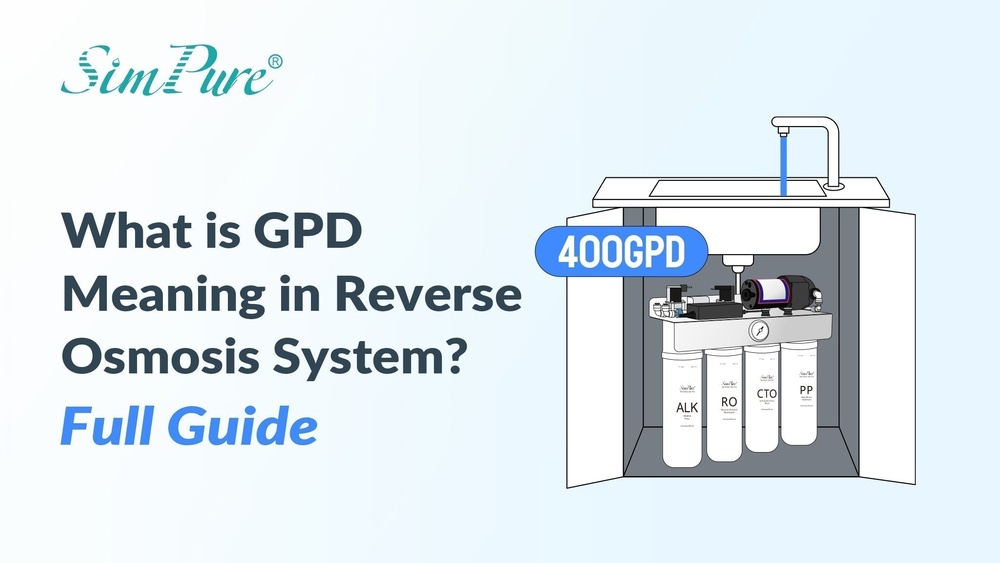
When choosing a water filter, you might have come across the term “GPD” and wondered what it means. Understanding GPD is key to picking the right filter for your home and ensuring you get clean, fresh water every time.
You’ll discover exactly what GPD stands for and why it matters to your water quality and daily life. Keep reading to find out how this simple number can make a big difference in your water filter’s performance.

Gpd And Its Role
Understanding GPD is key to choosing the right water filter. It affects how well the filter works and how much water it can treat. This section explains what GPD means and why it is important for water filtration.
Defining Gpd In Water Filters
GPD stands for Gallons Per Day. It measures the amount of water a filter can clean in one day. For example, a filter with a 50 GPD rating cleans 50 gallons daily. This number shows the filter’s capacity and speed.
Higher GPD means more water passes through the filter each day. It helps to know this when choosing a filter for your home or office. Different needs require different GPD ratings.
Why Gpd Matters For Filtration
GPD affects both water quality and filter life. A filter with too low GPD may not provide enough clean water. A filter with very high GPD may work too fast and not clean well.
Choosing the right GPD keeps water clean and safe. It also prevents frequent filter changes and saves money. GPD helps match the filter to your water use and needs.

Flow Rate Basics
Flow rate is a key factor in water filters. It tells how much water passes through a filter in one minute. This is usually shown as GPD, or gallons per day. Understanding flow rate helps you choose the right filter for your needs. It also shows how well the filter works over time.
How Flow Rate Affects Water Quality
Flow rate impacts the quality of filtered water. A slow flow rate means water stays longer inside the filter. This extra time helps remove more impurities. A fast flow rate may push water through too quickly. That can reduce the filter’s ability to clean water properly. Choosing the right flow rate keeps water safe and fresh.
Measuring Flow Rate In Filters
Measuring flow rate is simple. Use a container to catch water from the filter. Time how long it takes to fill the container. Calculate how many gallons the filter produces in one day. Some filters show flow rate on their labels. Checking flow rate helps maintain filter performance and water quality.
Efficiency Factors
Efficiency factors play a key role in defining the GPD of a water filter. GPD stands for gallons per day. It shows how much water a filter can clean in 24 hours. Several elements affect this number. Understanding these helps in choosing the right filter for your needs.
Filter Media And Flow Rate
Filter media are the materials inside the filter. They trap dirt, chemicals, and other impurities. Different media have different cleaning abilities. Some work faster but may not clean as well. Flow rate is how fast water moves through the filter. Higher flow rates can lower filtering quality. A balance between good media and proper flow rate improves GPD and water purity.
Impact Of Filter Design On Gpd
Filter design affects how well water passes through. A well-designed filter allows water to flow evenly. It avoids clogging and pressure drops. This helps maintain a steady GPD. Filters with poor design may slow down or reduce the amount of clean water. Good design ensures the filter works efficiently for longer time.

Choosing The Right Gpd
Choosing the right GPD for your water filter is important. GPD stands for gallons per day. It shows how much water the filter can clean in one day. Selecting the correct GPD helps you avoid running out of filtered water. It also ensures the filter works efficiently and lasts longer.
Matching Gpd To Household Needs
Think about how many people live in your home. Each person uses a different amount of water daily. Small families need filters with lower GPD. Bigger families require filters with higher GPD. Also, consider how much water you use for cooking and drinking. Match the filter’s GPD to your daily water use. This keeps water flowing without delay.
Balancing Speed And Purity
Higher GPD means faster water flow. But faster flow might reduce water purity. Lower GPD filters clean water more slowly but better. Find a balance between clean water and speed. Choose a GPD that fits your lifestyle. Clean water is important, but so is having enough water quickly.
Improving Flow Rate Efficiency
Improving the flow rate efficiency in water filters means getting more clean water faster. The flow rate is measured in gallons per day (GPD). A higher GPD means the filter processes water more quickly. Efficient flow helps save time and ensures a steady supply of filtered water.
Many factors affect flow rate efficiency. The filter condition, the type of filter, and regular maintenance all play key roles. Keeping these in check can boost your water filter’s performance and extend its life.
Maintenance Tips For Optimal Gpd
Regular cleaning prevents blockages that slow down water flow. Check the filter for dirt or buildup every few weeks. Replace parts that show wear or damage. Keep the filter housing clean to avoid contamination. Flushing the system occasionally helps clear trapped particles. Follow the manufacturer’s instructions for best results.
Upgrading Filters For Better Performance
Using advanced filters can increase the GPD rate. Newer filter models often provide better flow and filtration. Look for filters designed to handle higher water volumes. Consider filters with larger surface areas to boost flow. Upgrading can improve water quality and speed at the same time. Choose filters compatible with your system for easy installation.
Common Misconceptions
Many people misunderstand what GPD means in water filters. They think it tells everything about the filter’s performance. This is not true. GPD is only one part of the story. Knowing the common misconceptions helps you pick the right water filter for your needs.
Gpd Versus Total Filtration Capacity
GPD stands for gallons per day. It shows how much water a filter can clean each day. Some believe a higher GPD means the filter lasts longer. This is wrong. GPD does not tell how much water the filter can clean before it needs replacement. That is called total filtration capacity. A filter with high GPD can run fast but might have low total capacity. Always check both numbers.
High Gpd Doesn’t Always Mean Better
A filter with high GPD can clean more water daily. But it may not remove all impurities well. Some filters focus on speed, not quality. A slow filter with lower GPD can give cleaner water. Choose a filter that balances speed and quality. High GPD is useful for large families but not the only factor to consider.
Frequently Asked Questions
What Does Gpd Mean In Water Filters?
GPD stands for Gallons Per Day. It measures how much water a filter can clean daily. Higher GPD means more filtered water output. It helps users choose the right filter for their water needs.
Why Is Gpd Important For Water Filters?
GPD indicates a filter’s efficiency. It tells you how much clean water you get daily. Knowing GPD helps avoid slow filtration or insufficient water supply. It ensures your water filter meets household or commercial needs.
How To Choose Water Filter Based On Gpd?
Select a filter with GPD matching your daily water use. For families, higher GPD filters are better. For single users, lower GPD filters may suffice. Always consider your water consumption before buying a filter.
Does Higher Gpd Affect Water Quality?
No, higher GPD does not reduce water quality. Filters are designed to maintain purity regardless of output. Quality depends on filter type and maintenance, not just GPD rating.
Conclusion
GPD in a water filter means gallons per day. It shows how much water the filter can clean daily. Higher GPD means more filtered water faster. Choose a filter with the right GPD for your needs. Too low, and you wait longer for clean water.
Too high, and you may spend more money than needed. Understanding GPD helps you pick the best filter. Clean water is important for health and taste. Keep this in mind when buying your water filter. Simple and clear.

Hasan Al Sarker is a Reverse Osmosis Specialist. He has worked for many years to ensure safe drinking water for all. His research paper has been published in several journals, including Issue, Medium, and Slideshare. He is recognized as a water doctor among specialists though he did not attend medical college.
Besides working as a researcher of reverse osmosis technology, he is also very fancy with the kitchen and cooking. His guides are reading thousands of people every day. As a head of content, he is responsible for all the published articles at RO System Reviews.