
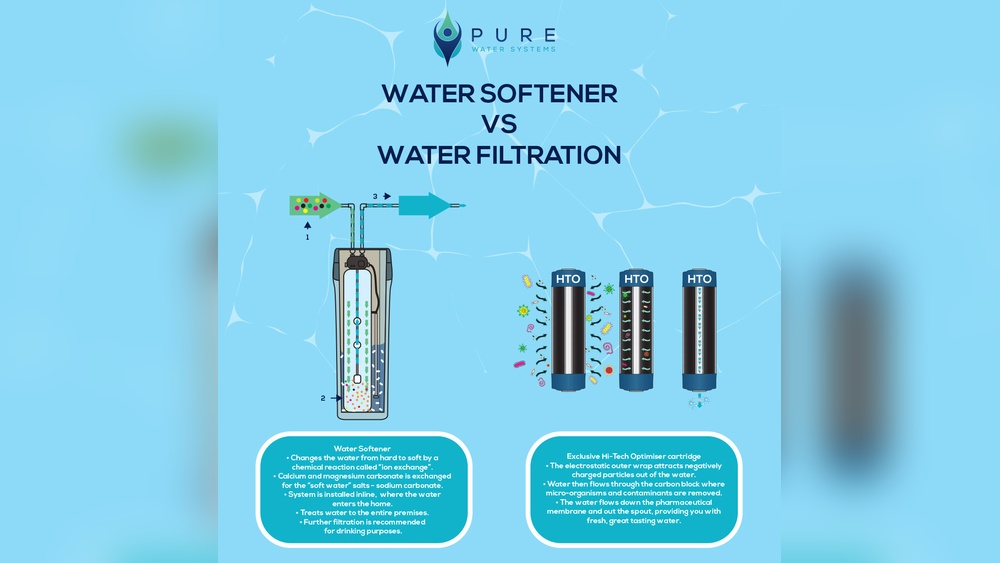
Are you tired of dealing with hard water stains on your dishes and clothes? Wondering if a water filter can actually soften your water and make these problems disappear?
You’re not alone. Many people assume that a water filter and a water softener do the same job, but that’s not always true. Understanding the difference can save you time, money, and frustration. Keep reading to discover how water filters work, whether they soften water, and what you really need to improve your water quality.
Your home—and your skin—will thank you.

How Water Softening Works
Water softening is a process that removes minerals from hard water. These minerals cause water to feel rough and leave spots on dishes. Softening changes hard water into soft water, making it easier to use in homes.
This process helps protect pipes, appliances, and skin from damage. It also improves soap’s ability to clean. Understanding how water softening works helps in choosing the right system.
Hard Water Vs Soft Water
Hard water contains high levels of calcium and magnesium. These minerals create scale buildup in pipes and machines. Hard water can make soap less effective and leave stains on clothes.
Soft water has low mineral content. It feels smooth and helps soap lather well. Soft water prevents scale and extends the life of appliances.
Common Softening Methods
The most common method uses ion exchange. This swaps calcium and magnesium with sodium or potassium ions. Water flows through a resin bed that holds these ions.
Another method is using a chemical additive. This changes minerals into a form that does not stick to surfaces. Some systems use reverse osmosis to remove minerals completely.
Each method has pros and cons. The choice depends on water quality and household needs.
Types Of Water Filters
Water filters come in various types. Each type removes different impurities. Knowing the types helps choose the right filter for your water needs.
Some filters clean visible dirt, while others remove chemicals or minerals. Not all filters soften water. Understanding each type clarifies their role.
Mechanical Filters
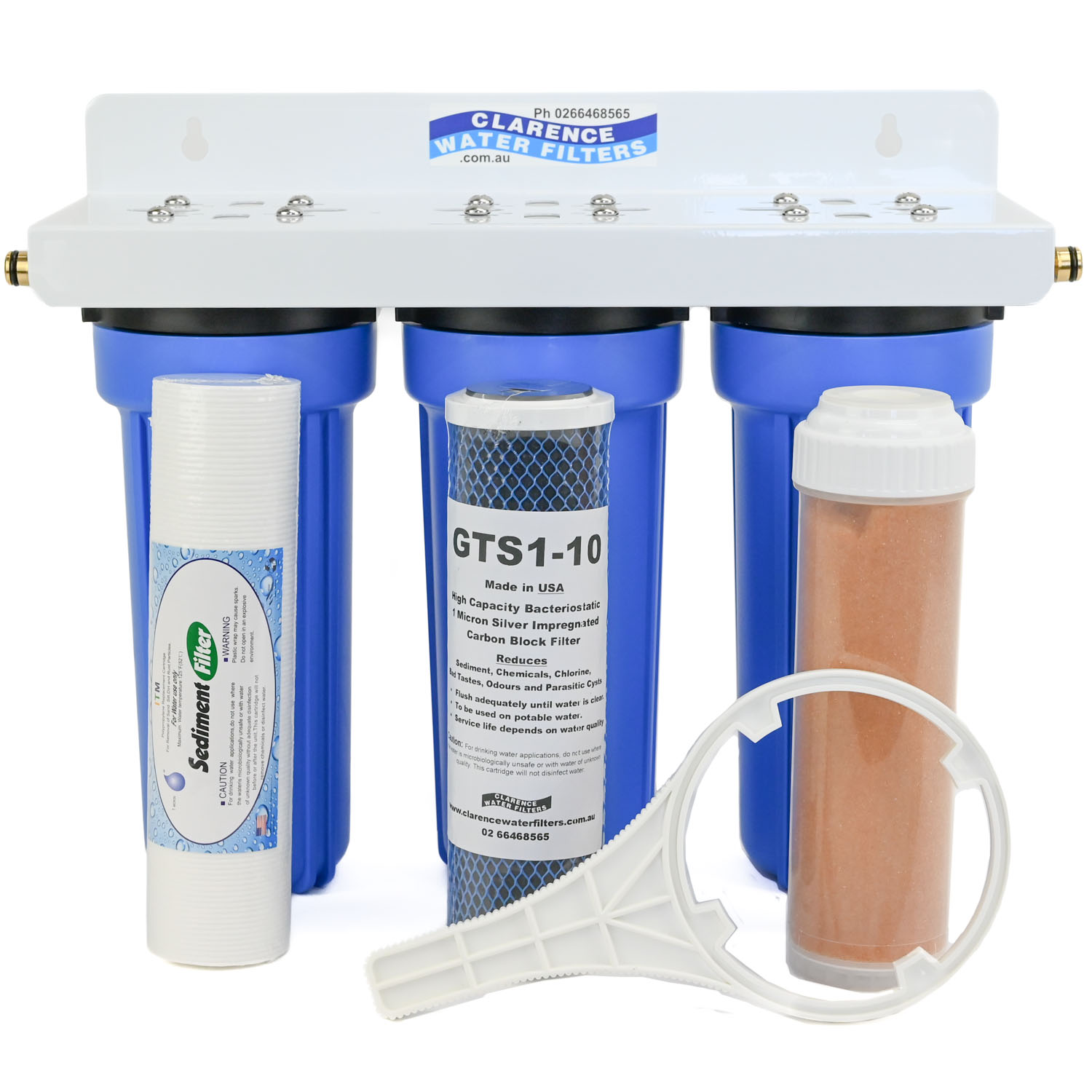
Mechanical filters trap dirt, sand, and rust from water. They use a physical barrier like a mesh or screen. These filters improve water clarity but do not soften water. They are good for basic cleaning.
Activated Carbon Filters
Activated carbon filters remove chlorine and bad tastes from water. They absorb chemicals and improve smell. These filters do not remove hardness minerals like calcium. Their main role is improving water flavor and safety.
Reverse Osmosis Systems
Reverse osmosis systems push water through a fine membrane. This process removes many impurities, including hardness minerals. They reduce calcium and magnesium, softening the water. These systems provide cleaner and softer water but can be costly.
Can Water Filters Soften Water?
Can water filters soften water? Many people ask this question when they face hard water problems. Hard water has minerals like calcium and magnesium. These minerals cause scale buildup and reduce soap effectiveness. Not all water filters remove these hardness minerals. Understanding which filters work helps choose the right solution.
Filters That Remove Hardness Minerals
Some water filters do soften water by removing hardness minerals. Ion exchange filters are common for this task. They swap calcium and magnesium ions with sodium or potassium ions. This process reduces hardness and prevents scale buildup.
Reverse osmosis systems also reduce hardness minerals. They push water through a fine membrane, blocking many minerals. This method produces soft, clean water.
Specialized filters with resin beads target hardness ions. These filters work well for home use. They improve water quality and protect plumbing.
Limitations Of Standard Filters
Most standard filters do not soften water. Activated carbon filters remove chlorine and bad tastes only. They do not reduce calcium or magnesium. Sediment filters remove particles but not hardness minerals.
Using a regular filter will not stop scale or soap scum problems. Hard water effects may continue despite filtration. Choosing the right filter is important for softening water.
Water Softeners Vs Water Filters
Water softeners and water filters often confuse people. Both improve water quality but serve different purposes. Understanding their differences helps choose the right solution.
Ion Exchange Softeners
Ion exchange softeners remove hard minerals like calcium and magnesium. They swap these minerals with sodium or potassium ions. This process reduces water hardness and prevents scale buildup. Softened water feels smoother and protects pipes and appliances.
Difference In Functionality
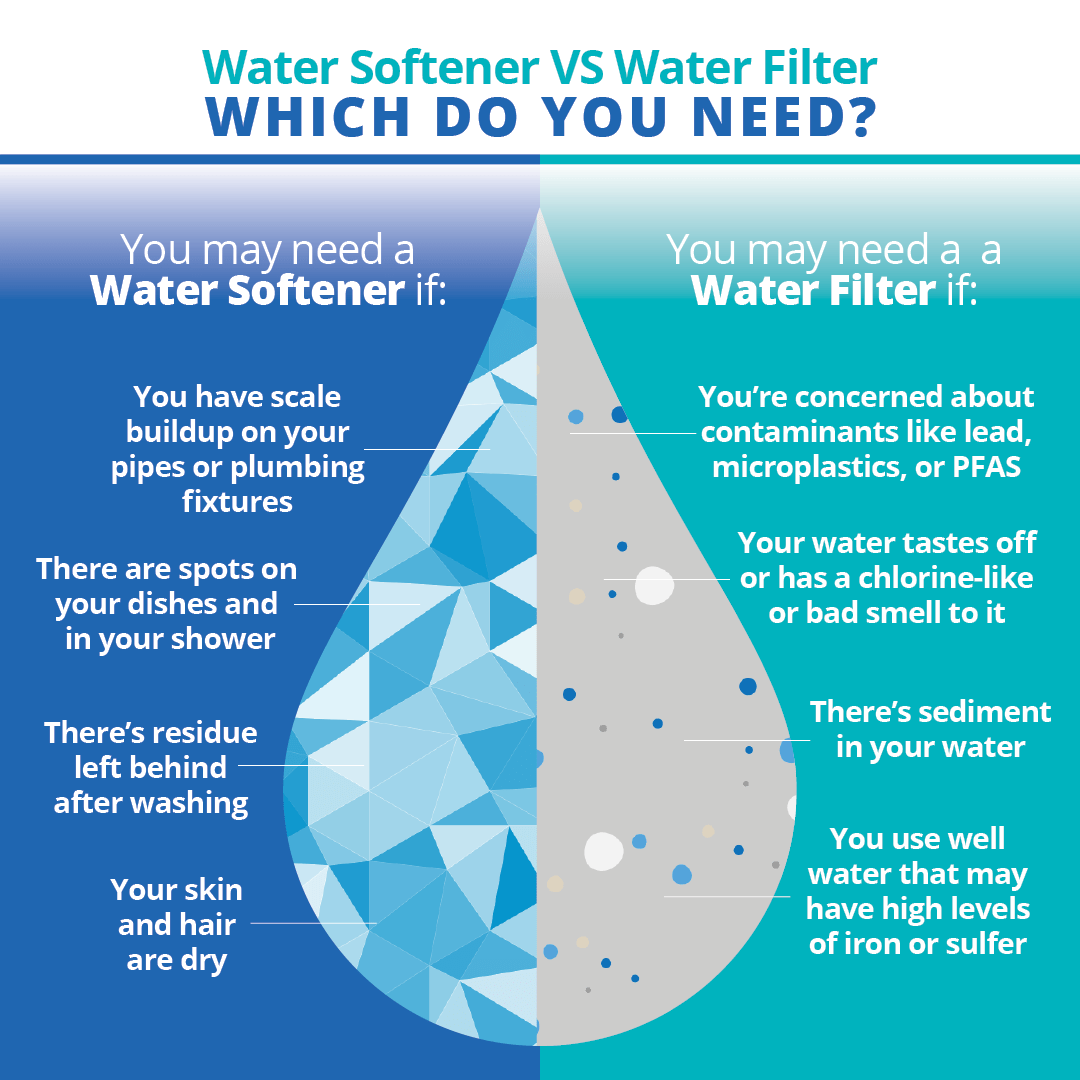
Water filters remove impurities like chlorine, dirt, and bacteria. They do not change mineral content or soften water. Filters improve taste and safety but do not affect hardness. Softeners target minerals causing hardness but not contaminants. Both can work together for cleaner, softer water.
Benefits Of Softened Water
Softened water offers many advantages for daily life. It reduces minerals like calcium and magnesium that cause hardness. This change can protect your home and health. Many people notice clear benefits after using softened water.
Improved Appliance Lifespan
Hard water leaves mineral deposits inside appliances. These deposits cause damage and reduce efficiency. Softened water helps prevent buildup in washing machines and dishwashers. Appliances last longer and work better with softened water. This saves money on repairs and replacements.
Better Skin And Hair Health
Hard water can make skin dry and itchy. It also leaves hair feeling rough and dull. Softened water is gentler on skin and hair. It helps skin stay smooth and hair look shiny. Many people find softer water improves their daily comfort.
Choosing The Right System For Your Home
Choosing the right system for your home is important to manage water quality effectively. Different homes have different water needs. Some need cleaner water, while others need softer water. Understanding your water issues helps pick the best system.
Assessing Water Hardness
Check how hard your water is before buying any system. Hard water has minerals like calcium and magnesium. These minerals cause spots on dishes and skin dryness. You can test water hardness with simple kits or ask your water supplier. Knowing hardness helps decide if you need a softener.
Combining Filters And Softeners
Filters and softeners work in different ways. Filters remove dirt, chlorine, and bad tastes. Softeners remove minerals that make water hard. Some homes need both systems for clean and soft water. You can install a filter before the softener for better results. This combination protects pipes and improves water quality.
Frequently Asked Questions
Does A Water Filter Soften Hard Water?
No, most water filters do not soften water. They remove impurities but not minerals like calcium or magnesium that cause hardness.
How Is Water Softening Different From Filtration?
Water softening removes hardness minerals, while filtration removes contaminants and particles from water. Both serve different purposes.
Can A Water Filter Reduce Water Hardness?
Standard water filters cannot reduce hardness. You need a water softener system designed to replace hardness minerals with sodium or potassium.
What Types Of Water Filters Affect Water Quality?
Activated carbon filters improve taste and odor. Reverse osmosis filters remove many contaminants but do not soften water.
Conclusion
Water filters help clean water but do not soften it. Softening water means removing minerals like calcium and magnesium. Most filters remove dirt and chemicals, not these minerals. For soft water, use a water softener device instead. Knowing the difference saves time and money.
Choose the right system for your water needs. Clean water is healthy, but soft water protects pipes and appliances. Understanding these facts helps you make smart choices. Water quality matters for your home and health. Keep your water clear and soft with proper tools.

Hasan Al Sarker is a Reverse Osmosis Specialist. He has worked for many years to ensure safe drinking water for all. His research paper has been published in several journals, including Issue, Medium, and Slideshare. He is recognized as a water doctor among specialists though he did not attend medical college.
Besides working as a researcher of reverse osmosis technology, he is also very fancy with the kitchen and cooking. His guides are reading thousands of people every day. As a head of content, he is responsible for all the published articles at RO System Reviews.