

Are you concerned about the fluoride levels in your tap water? You’re not alone.
Many people want to know how to filter out fluoride effectively to protect their health and enjoy cleaner, better-tasting water. But with so many options and confusing information, it’s hard to know where to start. You’ll discover simple, proven ways to remove fluoride from your water at home.
By the end, you’ll feel confident in choosing the right method for your needs—and finally enjoy peace of mind every time you take a sip. Keep reading to learn exactly what you can do today.
Sources Of Fluoride In Water
Fluoride can enter water from several sources. Knowing these sources helps in choosing the right filtering method. Some sources are natural, while others come from human activities. Understanding each source gives a clearer picture of fluoride in water.
Natural Occurrence
Fluoride is naturally found in rocks and soil. It dissolves into water as it passes through these materials. Groundwater often contains fluoride from this natural process. The levels vary depending on the region’s geology.
Industrial Contamination
Factories may release fluoride into nearby water bodies. This happens during manufacturing or waste disposal. Industries like aluminum and fertilizer plants are common sources. Contaminated water can affect local communities.
Water Treatment Additives
Some water supplies add fluoride to prevent tooth decay. This process is controlled and monitored by authorities. The amount added is usually small and considered safe. Still, some people prefer to remove it from their water.
Health Concerns Linked To Fluoride
Fluoride is often added to water to protect teeth. Yet, too much fluoride can cause health problems. Understanding these risks helps you decide if filtering is needed.
Dental Fluorosis
Dental fluorosis happens from too much fluoride during childhood. It changes the appearance of teeth. Teeth may have white spots or streaks. In severe cases, teeth become brown and rough. This condition affects only developing teeth, not adult teeth.
Skeletal Issues
High fluoride intake can affect bones. It causes stiffness and pain in joints. Long-term exposure may lead to bone changes called skeletal fluorosis. Bones become hard but brittle. This makes fractures more likely.
Other Potential Risks
Some studies link fluoride to other health concerns. These include thyroid problems and lower IQ in children. More research is needed to confirm these effects. Still, many people prefer to limit fluoride exposure. Filtering water can reduce fluoride levels safely.
Testing Water For Fluoride Levels
Testing water for fluoride levels is the first step to ensure safe drinking water. Knowing the amount of fluoride helps decide the right filtration method. Fluoride can vary widely depending on your location and water source. Simple tests can give quick results. More detailed tests provide precise measurements.
Home Testing Kits
Home testing kits offer a fast way to check fluoride levels. These kits usually include test strips or liquid reagents. Dip the strip in water and compare the color change to a chart. Most kits show fluoride concentration in parts per million (ppm). They are affordable and easy to use without special skills. Keep in mind, home kits give approximate results. They help detect if fluoride is present but may not be very accurate.
Professional Water Analysis
For accurate fluoride measurement, professional water analysis is best. Experts collect water samples and test them in certified labs. These labs use advanced tools like ion-selective electrodes or spectrophotometers. Results show exact fluoride levels and other water quality details. This method is more reliable for health and safety decisions. It may cost more and take longer than home tests. Professional analysis is useful for well water or public water concerns.
Activated Alumina Filters
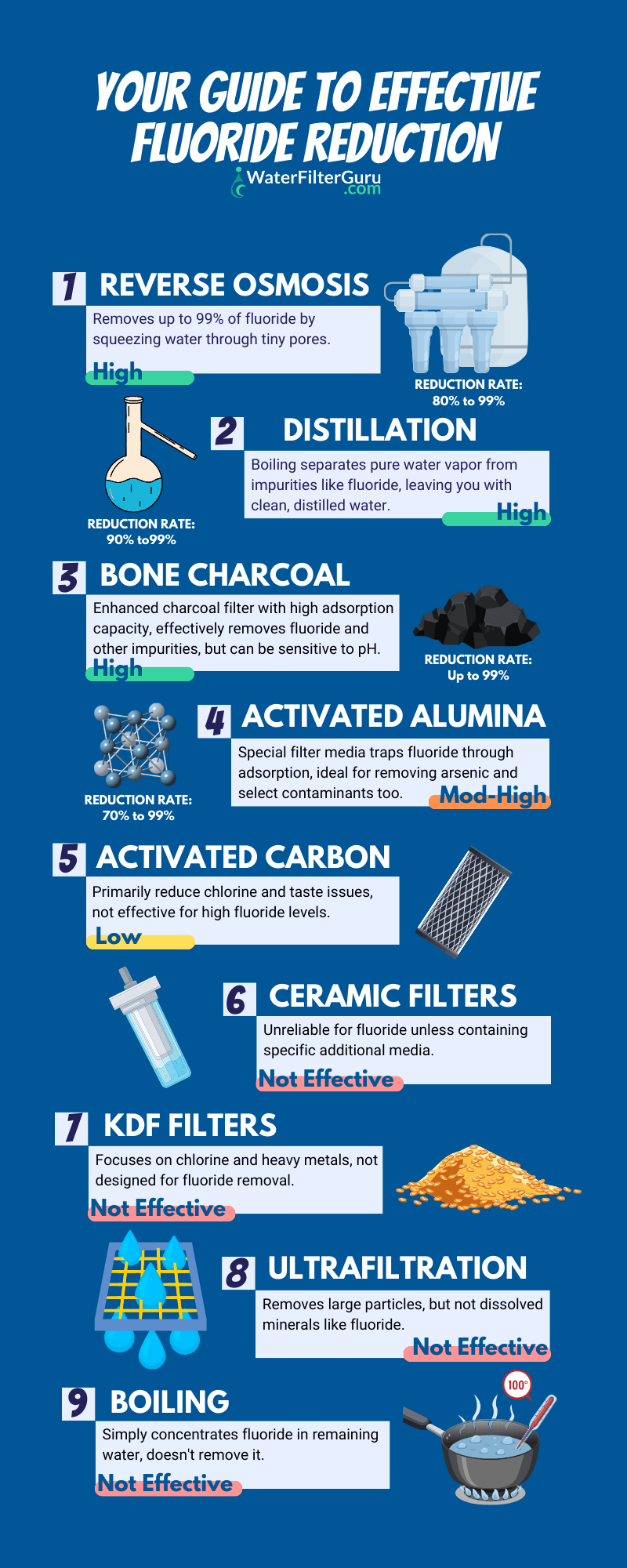
Activated alumina filters are a popular choice for removing fluoride from water. They use a special material called activated alumina, which attracts and holds fluoride ions. This makes the water safer and cleaner to drink. Many people trust these filters for home use because they work well and are easy to maintain.
How They Work
Activated alumina is a porous material with a large surface area. Water passes through the filter and fluoride sticks to the alumina surface. This process is called adsorption. It removes fluoride ions from the water effectively. The filter needs regular cleaning or replacement to keep working well.
Effectiveness And Limitations
Activated alumina filters can remove up to 90% of fluoride. They also reduce other contaminants like arsenic and selenium. The filter works best with water pH between 5 and 6. Higher pH levels reduce its effectiveness. Over time, the filter can become saturated and stop working. Regular maintenance is important to avoid this problem.
Reverse Osmosis Systems
Reverse osmosis systems are a reliable way to remove fluoride from drinking water. These systems use a special filter that pushes water through a fine membrane. The membrane blocks fluoride and other harmful substances. Clean water passes through, while contaminants stay behind. Many people trust reverse osmosis for safe and pure water at home.
Filtration Process
The filtration process starts with water entering the system. It first passes through a pre-filter to remove dirt and particles. Next, water moves through the reverse osmosis membrane. This membrane traps fluoride molecules and other impurities. Finally, water goes through a post-filter to improve taste and clarity. The result is fresh, clean water free from fluoride.
Installation And Maintenance
Installing a reverse osmosis system requires a water connection and space under the sink. Many systems come with clear instructions for easy setup. Regular maintenance keeps the system working well. Filters need changing every six to twelve months. The membrane usually lasts longer but should be checked yearly. Clean filters and membrane ensure safe, fluoride-free water.
Distillation Units
Distillation units are a reliable way to remove fluoride from water. These devices boil water, then collect the steam. The steam turns back into liquid, leaving many impurities behind. Fluoride, being part of the dissolved solids, usually does not evaporate with the steam. This makes distillation effective for reducing fluoride levels.
Purification Method
Distillation heats water until it becomes steam. The steam rises and leaves minerals, chemicals, and solids behind. Then, it cools down in a separate chamber. The cooled steam turns back into clean water. Fluoride does not evaporate easily, so it stays in the boiling chamber. This process removes fluoride along with other contaminants.
Pros And Cons
Distillation units provide very pure water. They remove fluoride and many other harmful substances. These units are simple to use and need little maintenance. The water tastes clean and fresh after distillation.
On the downside, distillation uses a lot of energy. It takes time to produce a small amount of water. Some units can be expensive. Also, the process removes minerals that are good for health. Users may need to add minerals back into the water.
Bone Char Carbon Filters
Bone char carbon filters offer a natural way to reduce fluoride in water. These filters use charred animal bones. The unique structure helps trap fluoride molecules effectively. Many people prefer this method for its eco-friendly nature. It also removes other impurities, improving water taste and quality.
Filtration Mechanism
Bone char carbon contains hydroxyapatite, a mineral that attracts fluoride. Water passes through the filter, and fluoride sticks to the bone char surface. This process is called adsorption. The tiny pores in the char trap fluoride ions. The result is cleaner, safer water with less fluoride.
Safety And Efficiency
Bone char filters are safe for home use. They do not release harmful chemicals into water. The filters last long but need regular replacement. Efficiency depends on water flow and fluoride levels. Proper maintenance keeps the filter working well. Many users report noticeable fluoride reduction after use.
Other Filtration Options
Fluoride removal from water is important for many households. Besides common methods, several other filtration options exist. These options can help reduce fluoride levels effectively. Understanding these choices helps in picking the right solution for clean water.
Ion Exchange Filters
Ion exchange filters work by swapping fluoride ions with other harmless ions. These filters contain resin beads that attract fluoride. Water passes through the resin and loses fluoride in the process. Ion exchange filters are effective and often used in water softeners. They also remove other unwanted minerals. Maintenance is simple, but the resin needs regular replacement. These filters are good for steady fluoride reduction over time.
Water Pitchers With Fluoride Filters
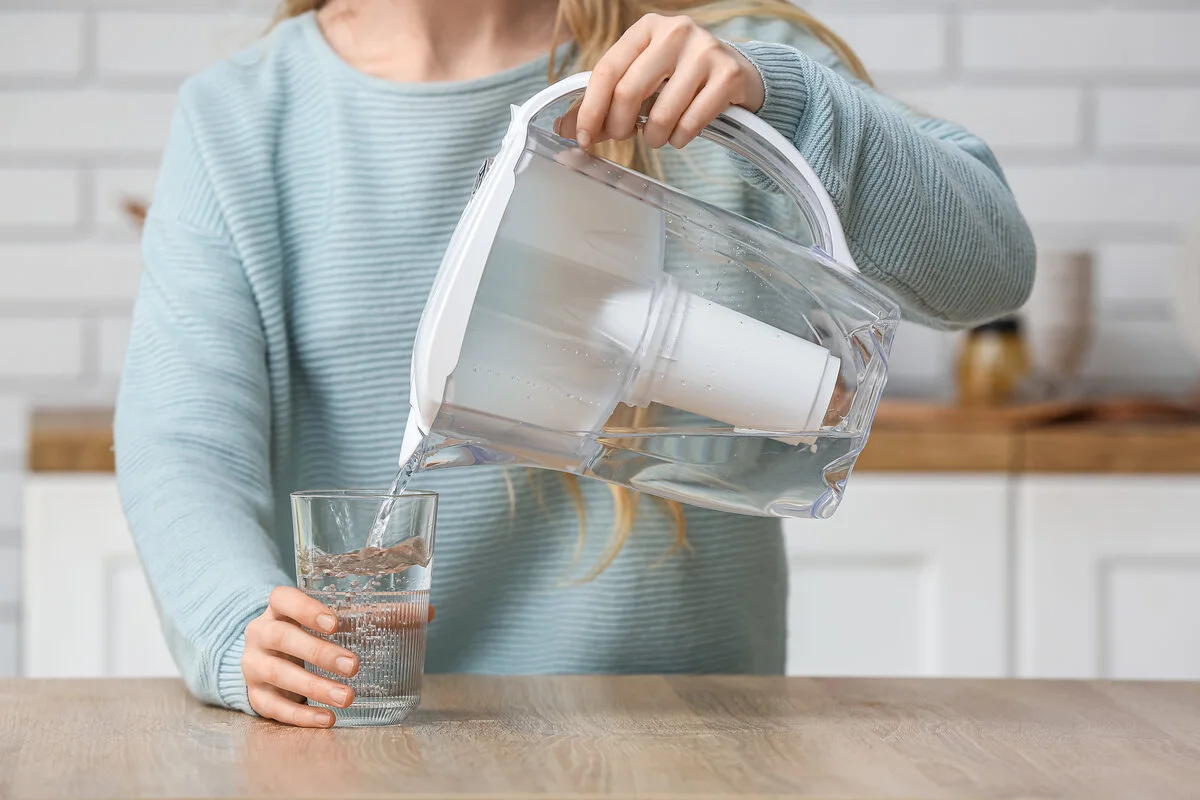
Water pitchers with fluoride filters are easy to use and affordable. They look like regular pitchers but have special filter cartridges. These cartridges reduce fluoride along with some other contaminants. Pitchers are portable and fit in refrigerators. Changing the filter regularly ensures clean water. They are best for small amounts of drinking water. Pitchers provide a simple way to lower fluoride without complex setups.
Choosing The Right Method
Choosing the right method to filter fluoride from water depends on several factors. Each method has its strengths and limits. Understanding these helps you pick the best option for your needs. Consider costs, water use, and upkeep before deciding.
Cost Considerations
Some fluoride filters cost more upfront than others. Reverse osmosis systems often have higher prices but remove fluoride well. Activated alumina filters usually cost less but need replacement more often. Think about your budget and long-term expenses. Cheaper options may cost more over time due to parts or filter changes.
Water Usage Needs
Daily water use affects the filtering choice. Large families use more water and need bigger systems. Reverse osmosis filters waste some water during processing. Distillation takes time and less water at once. Choose a method that fits your household’s water amount and speed needs.
Maintenance Requirements
Some filters need regular cleaning or parts replaced. Reverse osmosis systems require periodic filter and membrane changes. Activated alumina needs frequent replacement to work well. Distillers need cleaning to remove minerals. Pick a method you can maintain easily. This keeps fluoride removal effective and your water safe.

Maintaining And Testing Filters
Maintaining and testing your water filters is key to keeping fluoride levels low. Clean filters work better and last longer. Regular checks help catch problems early. This keeps your water safe and tastes fresh.
Replacing Filter Media
Filter media traps fluoride and other impurities. Over time, it gets full and less effective. Change the media as the manufacturer suggests. Usually, this is every 6 to 12 months. Fresh media improves fluoride removal and water flow. Skipping this step reduces filter performance and water quality.
Regular Water Testing
Testing water ensures filters remove fluoride properly. Use test kits made for fluoride measurement. Test water before and after filtering. This shows how well your filter works. Test every few months or after changing media. Keep a log of results for reference. If fluoride levels rise, check the filter or replace it.
Frequently Asked Questions
How Can I Remove Fluoride From Tap Water?
You can remove fluoride using activated alumina filters or reverse osmosis systems. These methods effectively reduce fluoride levels in tap water, ensuring safer consumption and better taste.
Does Boiling Water Remove Fluoride?
Boiling water does not remove fluoride. In fact, it can concentrate fluoride levels as water evaporates. Use filtration methods specifically designed for fluoride removal instead.
Are Water Filter Pitchers Effective Against Fluoride?
Most standard water filter pitchers do not remove fluoride. Only specialized filters with activated alumina or reverse osmosis technology can reduce fluoride content effectively.
Is Reverse Osmosis The Best Way To Filter Fluoride?
Yes, reverse osmosis is highly effective in removing fluoride. It forces water through a semipermeable membrane, filtering out fluoride and other contaminants efficiently.
Conclusion
Removing fluoride from water is simple with the right methods. Use filters like activated alumina or reverse osmosis for best results. Regularly check and maintain your filter to keep water clean. Clean water tastes better and supports your health. Taking small steps can make a big difference.
Choose the method that fits your needs and budget. Clean water is important for everyone’s daily life. Start today for safer, fresher water tomorrow.

Hasan Al Sarker is a Reverse Osmosis Specialist. He has worked for many years to ensure safe drinking water for all. His research paper has been published in several journals, including Issue, Medium, and Slideshare. He is recognized as a water doctor among specialists though he did not attend medical college.
Besides working as a researcher of reverse osmosis technology, he is also very fancy with the kitchen and cooking. His guides are reading thousands of people every day. As a head of content, he is responsible for all the published articles at RO System Reviews.