
Are you tired of dealing with hard water stains, dry skin, or dull dishes? You might be wondering if a whole house filter can soften your water and solve these problems for good.
Understanding how water treatment works in your home can save you time and money. Keep reading to discover whether a whole house filter is the answer you’ve been looking for—and what you need to know before making a choice. Your water quality matters, and the right solution could change your daily routine for the better.
How Whole House Filters Work
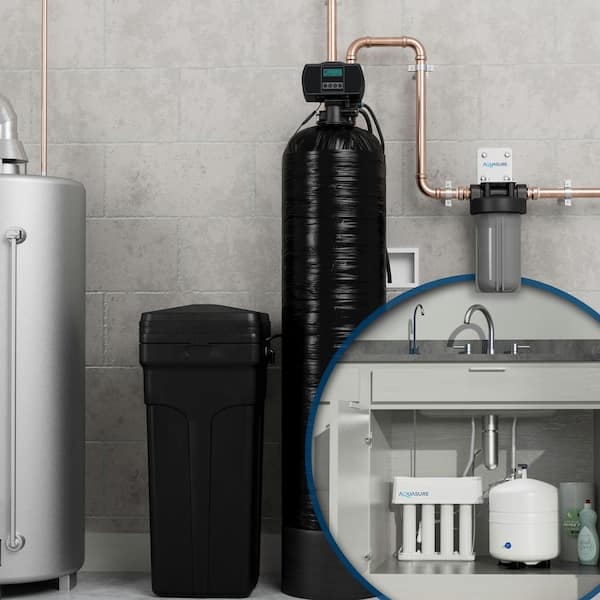
Whole house filters clean all the water entering your home. They remove dirt, chemicals, and bad tastes. These systems help protect pipes and appliances from damage. They also improve water quality for drinking, cooking, and bathing.
Understanding how whole house filters work helps you choose the right system. These filters use different methods to clean water. Each type targets specific contaminants for better results.
Basic Filtration Process
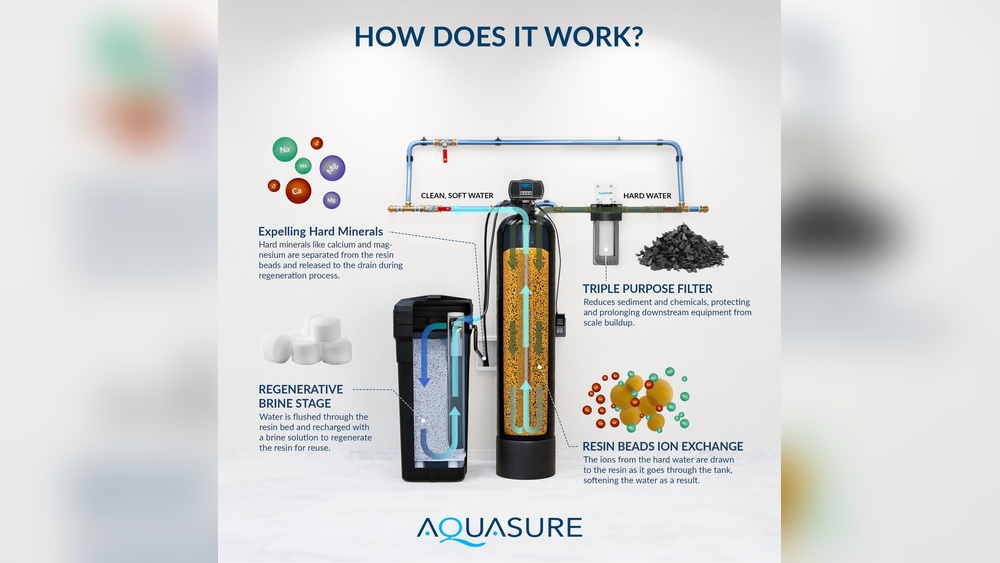
Water flows through a large filter cartridge or media tank. The filter traps particles like sand, rust, and sediment. Some filters use activated carbon to remove chlorine and odors. Others use special resins to soften hard water by removing minerals like calcium and magnesium.
Filters need regular cleaning or replacement to stay effective. The filtered water then flows to all taps and appliances. This process ensures clean water throughout the home without needing separate filters at each faucet.
Types Of Whole House Filters
There are several types of whole house filters. Sediment filters remove large particles and protect plumbing. Carbon filters reduce chlorine, bad smells, and some chemicals. Water softeners replace hard minerals with sodium or potassium to soften water.
Other systems use UV light to kill bacteria and viruses. Some combine filtration types for better water quality. Choose a filter type based on your water issues and needs.
Difference Between Filtration And Softening
Understanding the difference between filtration and softening is important for home water treatment. Both processes improve water quality but serve different purposes. Filtration focuses on cleaning water by removing particles and contaminants. Softening changes the water’s chemical makeup to reduce hardness. Knowing what each does helps decide the right system for your home.
What Filtration Removes
Filtration removes dirt, sand, and rust from water. It also filters out chlorine, bad taste, and odors. Some filters catch tiny particles like bacteria and chemicals. Filtration improves water clarity and safety. It does not remove minerals that cause hardness.
What Softening Targets
Softening targets minerals like calcium and magnesium. These minerals cause hard water problems such as scale buildup. Soft water helps protect pipes, appliances, and skin. Softening replaces hardness minerals with sodium or potassium ions. It does not remove dirt or chemicals from water.
Can Whole House Filters Soften Water?
Many people wonder if a whole house filter can soften water. Water softening means removing minerals like calcium and magnesium. These minerals cause hard water problems. Whole house filters clean water but do not always soften it.
Understanding what whole house filters do is important. They remove dirt, chlorine, and some chemicals. But softening water needs a different process. Let’s explore common ideas and limits of these filters.
Common Misconceptions
Some think whole house filters remove hard minerals. This is not true for most filters. They mainly trap particles and improve taste. People confuse filters with water softeners. These two devices have different jobs.
Filters can improve water quality but do not change hardness. Soft water feels smoother and helps with soap lather. Filters do not remove the minerals causing hardness. This misunderstanding leads to wrong choices.
Limitations Of Filters
Whole house filters cannot exchange or remove hard minerals. Minerals like calcium and magnesium stay in the water. Filters use screens or carbon to clean water. They cannot soften water by design.
Softening water requires ion exchange or salt-based systems. These systems swap hard minerals with softer ones like sodium. Filters do not have this technology. Knowing these limits helps pick the right system for hard water.

Types Of Water Softeners
Water softeners come in different types, each working in its own way. Choosing the right one depends on your water hardness and needs. Understanding these types helps you decide if a whole house filter can soften your water effectively.
Salt-based Softeners
Salt-based softeners use a process called ion exchange. They swap hard minerals like calcium and magnesium with sodium. This method removes hardness from water, making it soft. These systems need salt to work and require regular refilling. They are very effective for very hard water.
Salt-free Softeners
Salt-free softeners do not remove hard minerals. Instead, they change minerals to stop them from sticking on surfaces. This process is called template-assisted crystallization. These systems need less maintenance than salt-based ones. They are good for people who want to avoid salt in their water.
Magnetic And Electronic Softeners
Magnetic and electronic softeners use magnets or electric fields. These fields alter the way minerals behave in water. They do not remove minerals but reduce scale buildup. These devices are easy to install and use no chemicals. Their effectiveness varies and depends on water type and flow.
Choosing The Right System For Your Home
Choosing the right whole house water filter is important for softening your water effectively. Each home has different needs based on water quality and usage. Selecting the correct system helps improve water taste and protects pipes and appliances.
Assessing Water Hardness
Start by testing your water for hardness. Hard water contains minerals like calcium and magnesium. These minerals cause scale buildup and reduce soap effectiveness. Knowing the hardness level guides you in choosing a suitable filter. Some systems handle mild hardness, while others work better for very hard water.
Budget And Maintenance Considerations
Consider how much you want to spend on the system and upkeep. Some filters cost more initially but need less maintenance. Others are cheaper but require frequent filter changes. Check if the system needs special salt or chemicals. Pick one that fits your budget and is easy to maintain.

Benefits Of Combining Filters And Softeners
Combining whole house filters and water softeners brings many benefits. These systems work together to improve water quality and protect your home. Each system handles different problems in your water supply. Filters remove dirt, chlorine, and other chemicals. Softeners reduce hardness caused by minerals like calcium and magnesium.
Using both systems ensures cleaner, softer water throughout your house. The result is better water for drinking, bathing, and cleaning. It also helps your appliances work well for a longer time.
Improved Water Quality
Filters catch particles that make water cloudy or smelly. They also remove chlorine and other chemicals that affect taste. Softeners reduce hard minerals that cause scale build-up. Together, they deliver water that looks, tastes, and feels better. Clean, soft water is gentle on skin and hair. It also helps clothes stay bright and fresh after washing.
Extending Appliance Lifespan
Hard water minerals cause scale inside pipes and appliances. Scale can block water flow and damage parts. Filters stop dirt from clogging your appliances. Softeners prevent scale build-up from hard minerals. This reduces repairs and replacements. Appliances like water heaters, dishwashers, and washing machines last longer. Saving money on maintenance and energy bills.
Frequently Asked Questions
Does A Whole House Filter Soften Hard Water?
No, a whole house filter primarily removes sediments and chlorine. It does not reduce hardness minerals like calcium or magnesium.
Can A Whole House Filter Improve Water Softness?
A whole house filter improves water clarity and taste but does not soften water. A water softener is needed for that.
What’s The Difference Between A Filter And A Water Softener?
Filters remove contaminants and particles. Water softeners exchange hardness minerals with sodium or potassium to soften water effectively.
Should I Install Both A Filter And A Softener?
Yes, using both ensures clean, softened water. The filter protects plumbing; the softener reduces scale and hardness.
Conclusion
A whole house filter cleans water but does not soften it. Water softening needs a special system to remove hard minerals. Filters remove dirt, chlorine, and bad tastes from water. Soft water feels smoother and helps protect pipes and appliances.
Choosing the right system depends on your water needs and budget. Understanding the difference helps you get the best water for your home. Clean and soft water together create a better living space. Consider both options to improve your home’s water quality.

Hasan Al Sarker is a Reverse Osmosis Specialist. He has worked for many years to ensure safe drinking water for all. His research paper has been published in several journals, including Issue, Medium, and Slideshare. He is recognized as a water doctor among specialists though he did not attend medical college.
Besides working as a researcher of reverse osmosis technology, he is also very fancy with the kitchen and cooking. His guides are reading thousands of people every day. As a head of content, he is responsible for all the published articles at RO System Reviews.