Have you ever wondered what’s really inside that bottle of water you drink every day? Microplastics—tiny plastic particles—are often hiding in bottled water, and they can affect your health in ways you might not expect.
But here’s the good news: you don’t have to feel powerless. You can take simple, effective steps to filter out these unwanted particles and protect yourself. Keep reading, and you’ll discover easy methods that fit right into your daily routine.
Your body will thank you.
Sources Of Microplastics In Bottled Water
Microplastics in bottled water come from several sources. Understanding these sources helps to reduce contamination. Bottled water is not always pure. Tiny plastic particles can enter during production, packaging, or transport. These particles are often invisible but can affect water quality and health.
Common Contaminants In Bottled Water
Besides microplastics, bottled water may contain other contaminants. These include chemicals from plastic bottles, dirt, and tiny fibers. Microplastics are small pieces of plastic less than 5 millimeters. They come from broken-down larger plastics or synthetic materials. These tiny pieces can mix with water during bottling or storage.
How Microplastics Enter Bottled Water
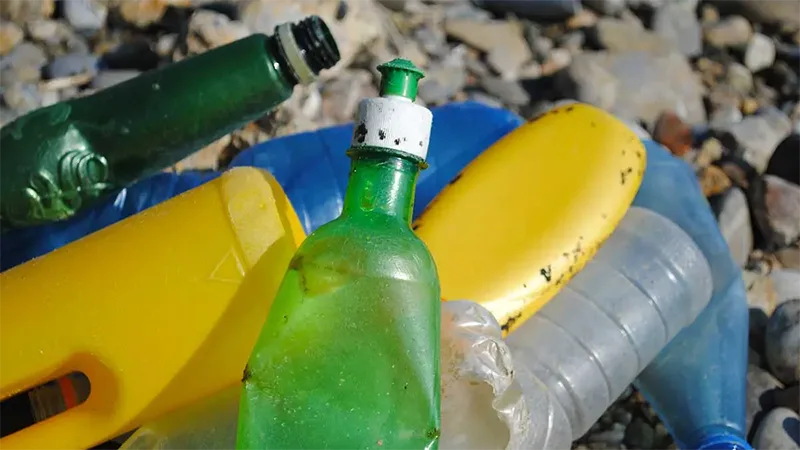
Microplastics enter bottled water in many ways. Plastic bottles can release particles over time. The bottling machines and pipes may shed small plastic bits. Airborne microplastics can settle inside open bottles during filling. Transport and handling can also cause plastic particles to fall into bottles. These sources make it hard to keep bottled water fully free of microplastics.
Health Risks Linked To Microplastics
Microplastics are tiny plastic particles found in many bottled water brands. These small particles can enter the human body through drinking water. Scientists are concerned about the health risks linked to microplastics. Understanding these risks helps us take better care of our health.
Microplastics can carry harmful chemicals and bacteria. They may cause inflammation and other health problems. Many people want to know how these particles affect the body over time.
Potential Impact On Human Health
Microplastics can enter the digestive system through drinking water. Once inside, they may cause irritation or damage to cells. Some studies suggest microplastics might affect the immune system. They may also cause stress in body tissues. Long-term effects are still not fully understood. Scientists worry about the build-up of microplastics in organs. This build-up could lead to chronic health issues.
Scientific Findings On Microplastic Exposure
Research shows microplastics are present in many bottled water samples. Studies report microplastics in human stool, proving ingestion occurs. Laboratory tests reveal microplastics can cross cell barriers. Animal studies link microplastic exposure to inflammation and toxicity. Scientists continue to study how microplastics affect human health. Early results suggest caution and more research are needed.
Choosing Bottled Water To Minimize Microplastics
Choosing bottled water carefully can reduce microplastic intake. Not all bottled water has the same amount of microplastics. Some brands test their water more thoroughly. Others use different packaging materials. Knowing these differences helps pick safer options.
Brands With Lower Microplastic Levels
Certain brands show fewer microplastics in tests. These companies often use advanced filtration methods. They may source water from cleaner springs or wells. Independent lab results can reveal which brands are cleaner. Choosing those can lower microplastic exposure.
Reading Labels And Packaging
Labels hold clues about water quality and source. Look for mentions of filtration or purification processes. Glass bottles usually release fewer microplastics than plastic ones. Avoid bottles with recycled plastic, as they might shed particles. Clear labels help make better choices.

Diy Filtration Methods
Filtering microplastics from bottled water at home is possible with simple tools. DIY filtration methods help reduce tiny plastic particles. These methods use everyday materials and easy steps. They work best for improving water quality before drinking. Below are three common DIY ways to filter microplastics.
Using Activated Carbon Filters
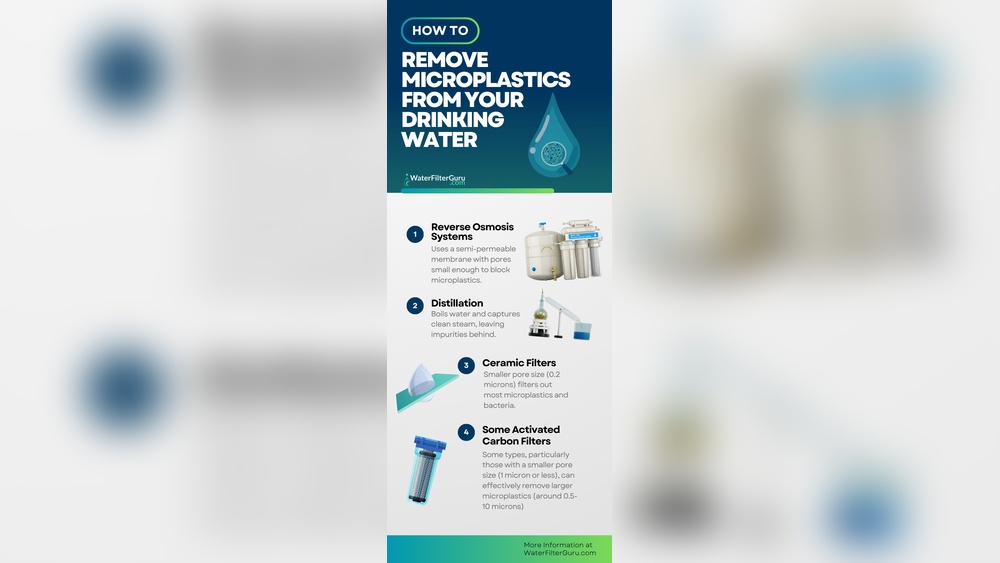
Activated carbon filters trap small particles and chemicals. They have tiny pores that catch microplastics. You can buy activated carbon filter cartridges or make your own. Fill a clean container with activated carbon granules. Pour bottled water slowly through the carbon layer. The filter removes some microplastics and improves taste. Replace carbon regularly for better results.
Employing Ceramic Filters
Ceramic filters have very small holes that block microplastics. They are made from natural clay and fired at high heat. You can find ceramic filter candles or discs online or in stores. Water passes through the ceramic layer slowly. Particles larger than the pores, like microplastics, stay trapped. Clean the ceramic surface often to keep flow steady. These filters also reduce bacteria and sediments.
Other Household Filtering Techniques
Simple household items can help reduce microplastics in water. Use a clean cloth or coffee filter to strain bigger particles first. Layer sand and fine gravel in a bottle to create a basic filter. Pour bottled water slowly through this setup. It traps some plastic bits and dirt. Boiling water after filtering can kill germs but does not remove plastics. Combining methods improves water safety.
Advanced Filtration Technologies
Advanced filtration technologies play a key role in removing microplastics from bottled water. These methods use fine filters to capture tiny plastic particles. They improve water quality and safety effectively. Understanding these technologies helps choose the right water purifier.
Ultrafiltration And Nanofiltration
Ultrafiltration uses membranes with very small pores. These pores block microplastics and other contaminants. Water passes through, leaving impurities behind. Nanofiltration works similarly but with even smaller pores. It removes particles as small as 0.001 microns. Both methods keep minerals while filtering out harmful substances. They provide cleaner and safer drinking water.
Reverse Osmosis Systems
Reverse osmosis forces water through a semi-permeable membrane. This membrane blocks microplastics and many other pollutants. It removes particles down to 0.0001 microns. The process also reduces chemicals, salts, and bacteria. Reverse osmosis delivers very pure water. It is one of the most effective ways to filter bottled water.
Testing Water For Microplastics At Home
Testing water for microplastics at home gives you control over your health. You can check bottled water for tiny plastic particles without special tools. This process helps you understand water quality and make safer choices. Simple methods exist for anyone to try. They do not need lab skills or expensive equipment.
Simple Diy Testing Kits
DIY testing kits for microplastics are easy to use. These kits often include filters and magnifying tools. First, pour the bottled water through a fine filter. The filter catches small plastic bits. Then, use the magnifier to look closely at the filter. Some kits have color indicators that show plastic presence. Follow the kit instructions step by step. Tests usually take less than an hour.
Interpreting Test Results
Reading test results is straightforward. If you see small fibers or particles on the filter, microplastics are present. Clear or colorless specks may also be microplastics. Some kits provide a guide to identify plastic shapes and colors. The amount of microplastics shows water cleanliness. High levels mean more contamination. Low or no particles mean safer water. Keep notes for future comparison. This helps track water quality over time.
Reducing Microplastic Exposure Beyond Bottled Water
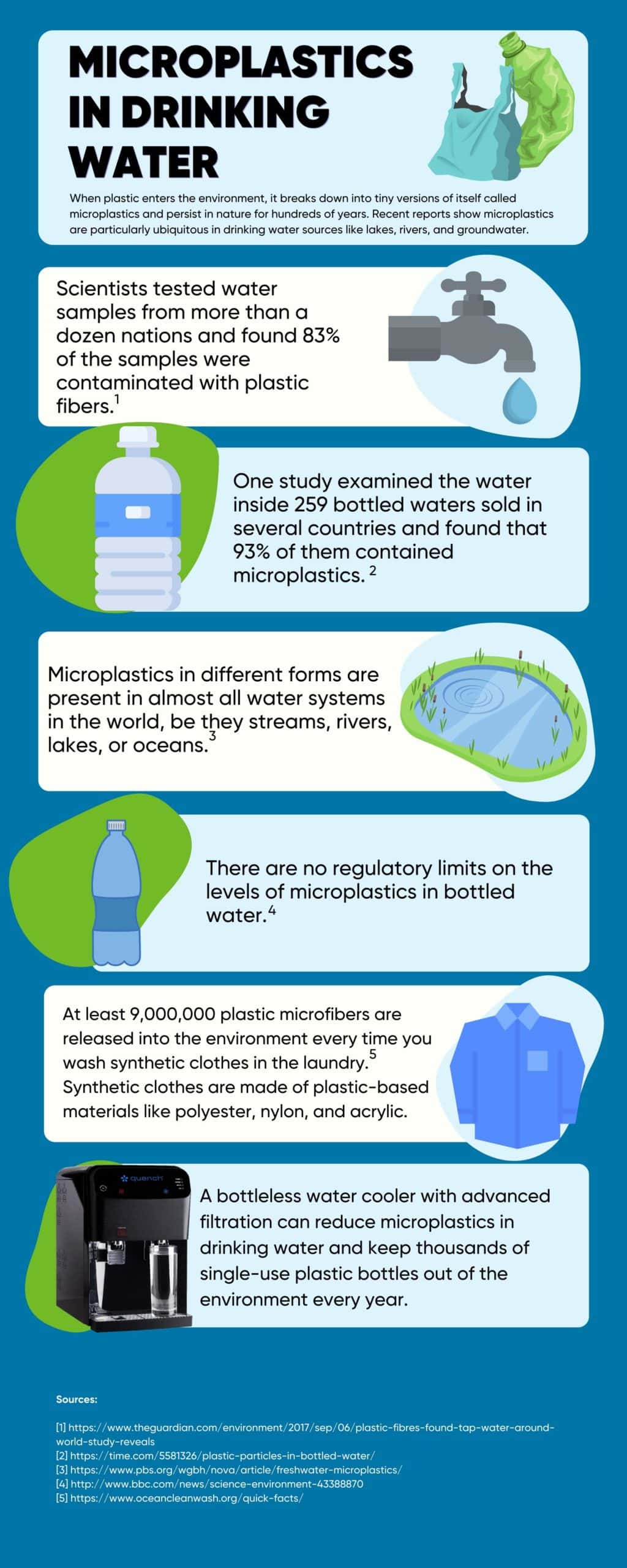
Microplastics appear in many parts of daily life, not just bottled water. Reducing exposure requires a broader approach. Simple changes help lower contact with tiny plastic particles.
Focusing on water alone is not enough. Other sources like food, air, and household items also add microplastics. Understanding alternatives and lifestyle changes makes a big difference.
Alternatives To Bottled Water
Choose tap water when safe and clean. Use water filters designed to remove microplastics. Glass or stainless steel bottles reduce plastic waste. These options help cut down plastic use.
Refilling bottles reduces demand for single-use plastics. Public water fountains and refill stations offer safe water. These choices lower plastic pollution and microplastic intake.
Lifestyle Changes To Minimize Plastic Use
Use reusable bags, containers, and utensils. Avoid products with excessive plastic packaging. Choose natural fibers over synthetic clothes. These steps reduce microplastic shedding.
Recycle properly to keep plastics out of oceans and landfills. Support local efforts to reduce plastic waste. Small daily habits create a cleaner environment and lower microplastic pollution.
Frequently Asked Questions
What Are The Common Methods To Filter Microplastics?
Common methods include activated carbon filters, reverse osmosis, and nanofiltration. These effectively remove tiny plastic particles from bottled water, improving safety and taste.
How Effective Is Reverse Osmosis Against Microplastics?
Reverse osmosis removes up to 99% of microplastics by filtering particles smaller than 0. 001 microns. It’s one of the most reliable purification methods for bottled water.
Can Activated Carbon Filters Remove Microplastics?
Activated carbon filters mainly remove chlorine and odors but can reduce some microplastics. However, their efficiency is lower than reverse osmosis or nanofiltration.
Are There Diy Ways To Filter Microplastics At Home?
Yes, using portable water filters with nanofiltration or reverse osmosis membranes can help. Regular carbon filters alone are less effective against microplastics.
Conclusion
Filtering microplastics from bottled water protects your health. Small particles can harm your body over time. Using simple filters helps remove these tiny plastics. Choose filters designed to catch very small debris. Clean water tastes better and feels safer to drink.
Stay aware of what is in your water. Taking action is easy and important. Keep your water pure with the right steps. Your health deserves clean, plastic-free water daily.

Hasan Al Sarker is a Reverse Osmosis Specialist. He has worked for many years to ensure safe drinking water for all. His research paper has been published in several journals, including Issue, Medium, and Slideshare. He is recognized as a water doctor among specialists though he did not attend medical college.
Besides working as a researcher of reverse osmosis technology, he is also very fancy with the kitchen and cooking. His guides are reading thousands of people every day. As a head of content, he is responsible for all the published articles at RO System Reviews.