Is your water filter working as well as it should? Over time, filters get clogged with dirt and impurities, making your water taste off and reducing its quality.
Knowing how to clean your water filter properly can save you money and keep your water fresh and safe to drink. You’ll discover simple, step-by-step methods to clean your filter at home. By the end, you’ll feel confident maintaining your filter and enjoying clear, pure water every day.
Keep reading—you won’t want to miss these easy tips that can make a big difference for your health and wallet!
Types Of Water Filters
Water filters come in many types. Each type works differently to clean your water. Choosing the right filter depends on your needs and space. Understanding these types helps you clean and maintain them properly.
Pitcher Filters
Pitcher filters are simple and easy to use. They sit on your counter and filter water as you pour. These filters remove chlorine, some metals, and bad tastes. Cleaning involves rinsing the pitcher and replacing the filter regularly.
Under-sink Filters
Under-sink filters install below your kitchen sink. They connect directly to your water line. These filters remove more impurities than pitchers. Cleaning requires changing cartridges and wiping the filter housing.
Reverse Osmosis Systems
Reverse osmosis systems use a special membrane to filter water. They remove many contaminants, including chemicals and minerals. These systems need regular filter and membrane replacement. Cleaning the system parts helps keep water pure.
Countertop Filters
Countertop filters sit near your sink but do not connect to pipes. They filter water as you pour or use a tap attachment. These filters need regular cartridge changes and occasional cleaning of the casing.
When To Clean Your Water Filter
Knowing when to clean your water filter is key for safe, fresh water. A dirty filter can slow water flow and reduce quality. Cleaning keeps your filter working well and your water pure. Below are clear signs and tips on timing your cleaning.
Signs Of Filter Clogging
Water flows slower than usual. Taste or smell changes in water. Visible dirt or discoloration on the filter. These signs show the filter needs cleaning. Ignoring them can harm water quality.
Recommended Cleaning Intervals
Most filters need cleaning every 3 to 6 months. Some models have specific schedules in their manuals. Check your filter type and follow its instructions. Regular cleaning prevents buildup and keeps water fresh.
Impact Of Water Quality
Hard water or water with many sediments clogs filters faster. Well water may need more frequent cleaning than city water. Testing your water helps decide how often to clean. Adjust cleaning times based on your water’s condition.
Tools And Materials Needed
Cleaning a water filter needs the right tools and materials. Having these ready makes the process easier and faster. It helps keep your filter working well for a long time.
Gather simple items found at home or in stores. Each tool has a special job during cleaning. Using them correctly keeps the filter safe from damage.
Cleaning Brushes
Use small brushes to reach tight spots inside the filter. Soft bristles work best to avoid scratches. They help remove dirt and buildup gently.
Vinegar And Baking Soda
These natural cleaners break down tough stains and kill germs. Vinegar dissolves mineral deposits, while baking soda scrubs away grime. Together, they clean deeply without harsh chemicals.
Soft Cloths
Soft cloths wipe the filter’s surface after brushing and rinsing. They absorb moisture and remove leftover dirt. Use clean cloths to avoid adding dust or particles.
Replacement Parts
Keep spare parts like seals and cartridges handy. Some parts wear out after cleaning or regular use. Changing old parts keeps your filter working well and safe.
Step-by-step Cleaning Process
Cleaning a water filter is essential to keep water pure and fresh. Follow this simple step-by-step process to clean your filter easily. This helps your filter work better and last longer. Each step is important for a thorough clean.
Disassemble The Filter
Start by turning off the water supply. Remove the filter from its housing carefully. Take apart all removable parts. Place them on a clean surface. Handle the filter elements gently to avoid damage.
Rinse And Soak Components
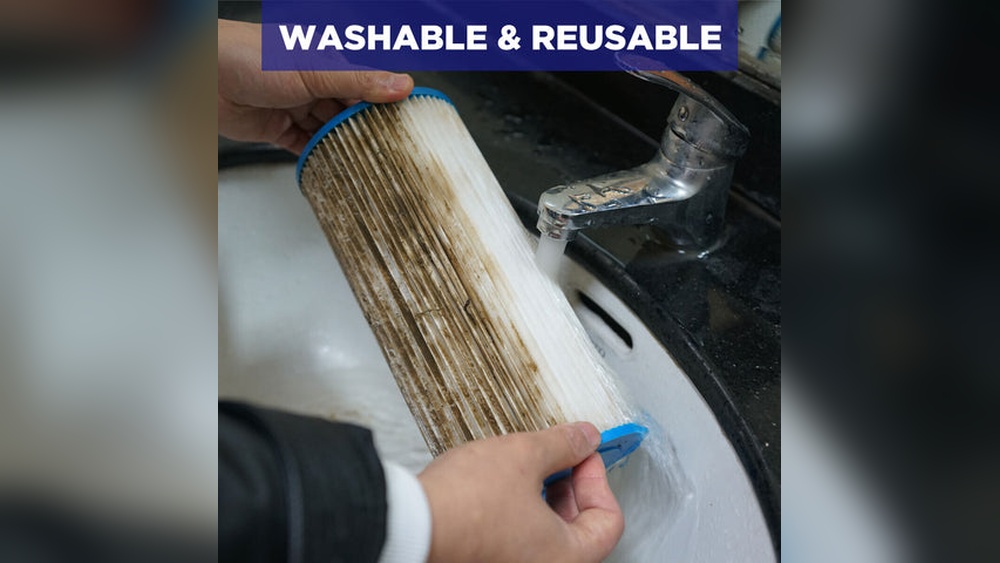
Rinse each part under clean water. Use lukewarm water for better results. Soak the filter elements in a mild cleaning solution. Let them soak for 15 to 30 minutes. This helps break down dirt and buildup.
Scrub Filter Elements
Use a soft brush to scrub the filter parts. Focus on areas with visible dirt or stains. Avoid using harsh brushes that may harm the filter. Rinse thoroughly after scrubbing to remove all debris.
Reassemble And Test
Dry all parts with a clean cloth or air dry. Put the filter back together carefully. Reattach the filter to its housing. Turn on the water supply and check for leaks. Run water through the filter to test its flow and clarity.
Maintenance Tips For Longevity
Keeping your water filter clean and well-maintained helps it last longer. Proper care saves money and ensures clean water every day. Follow these simple tips to keep your filter working at its best.
Regular Inspection
Check your water filter often for dirt and damage. Look for cracks, leaks, or clogged parts. Replace worn parts quickly to avoid bigger problems. A quick look every week can prevent filter failure.
Avoiding Harsh Chemicals
Use gentle cleaners only. Harsh chemicals can damage the filter’s materials. Stick to mild soap and water for cleaning. Harsh cleaners reduce the filter’s lifespan and can cause leaks.
Proper Storage
Store your water filter in a dry, cool place when not in use. Avoid direct sunlight and freezing temperatures. Keep the filter dry to stop mold and bacteria growth. Proper storage keeps the filter ready for use anytime.
Troubleshooting Common Issues
Troubleshooting common issues helps keep your water filter working well. Simple problems can affect water quality and flow. Fixing these early saves time and money. Understanding typical problems makes cleaning easier and more effective.
Persistent Odors
Bad smells come from bacteria build-up inside the filter. Cleaning with a vinegar solution can remove odors. Replace the filter if the smell stays after cleaning. Regular cleaning stops odors from returning quickly.
Reduced Water Flow
Slow water flow means the filter is clogged. Dirt and debris block water from passing through. Rinse the filter under running water to clear blockages. Change the filter if rinsing does not improve flow.
Filter Damage
Cracks or holes in the filter reduce its effectiveness. Inspect the filter carefully for any damage. Replace damaged filters immediately to avoid poor water quality. Handle filters gently during cleaning to prevent damage.

Frequently Asked Questions
How Often Should I Clean My Water Filter?
Clean your water filter every 3 to 6 months. Regular cleaning prevents clogging and ensures clean, fresh water. Frequency depends on usage and water quality.
What Are The Basic Steps To Clean A Water Filter?
First, unplug the filter and remove it. Rinse the filter under cold water. Use a soft brush to remove debris. Avoid soap unless specified by the manufacturer.
Can I Use Vinegar To Clean My Water Filter?
Yes, vinegar is effective for removing scale and bacteria. Soak the filter in diluted vinegar for 30 minutes. Rinse thoroughly afterward to remove vinegar residue.
How Do I Know When To Replace My Water Filter?
Replace the filter if cleaning doesn’t improve water flow or taste. Check manufacturer’s guidelines for lifespan. Usually, filters last 6 to 12 months.
Conclusion
Cleaning your water filter keeps your water fresh and safe to drink. Regular care stops dirt and bacteria from building up. Follow the simple steps to clean your filter well. This saves money and makes your filter last longer. Clean water helps your health and tastes better too.
Keep a routine and enjoy clear, pure water every day. Simple actions make a big difference. Start cleaning your water filter today for a healthier home.

Hasan Al Sarker is a Reverse Osmosis Specialist. He has worked for many years to ensure safe drinking water for all. His research paper has been published in several journals, including Issue, Medium, and Slideshare. He is recognized as a water doctor among specialists though he did not attend medical college.
Besides working as a researcher of reverse osmosis technology, he is also very fancy with the kitchen and cooking. His guides are reading thousands of people every day. As a head of content, he is responsible for all the published articles at RO System Reviews.