Imagine you’re out in nature, thirsty, and all you have is a bottle of murky water. You know drinking it as is could make you sick, but what can you do if you don’t have a water filter?
Don’t worry—there are simple, effective ways to clean water without a fancy device. You’ll discover easy methods to filter water using things you already have around. By the time you finish reading, you’ll feel confident knowing how to make unsafe water safer—no filter needed.
Keep reading, because your health and safety could depend on it.
Sources Of Water In The Wild
Finding water in the wild is key to survival. Knowing where to find water helps you stay safe and hydrated. Natural water sources vary. Some are safer than others. Learning to spot good water sources is important.
Identifying Safe Water Sources
Look for clear, flowing water like streams or rivers. Moving water is usually cleaner than still water. Springs and rainwater pools are good choices. Morning dew on plants can provide moisture. Collect water from beneath rocks or inside tree bark. Avoid water with strong smells or strange colors.
Avoiding Contaminated Water
Stay away from water near farms or industrial areas. Water close to animal waste or dead plants is risky. Avoid stagnant ponds or puddles. These often hold bacteria and parasites. Watch for oil or foam on water surfaces. Always choose water that looks fresh and smells clean.

Basic Water Filtration Methods
Filtering water without a special filter is possible using simple materials. Basic water filtration methods can help remove dirt and some impurities. These methods do not make water completely safe to drink but improve clarity and taste. You can use items found at home or in nature to filter water quickly.
Using Cloth Or Fabric
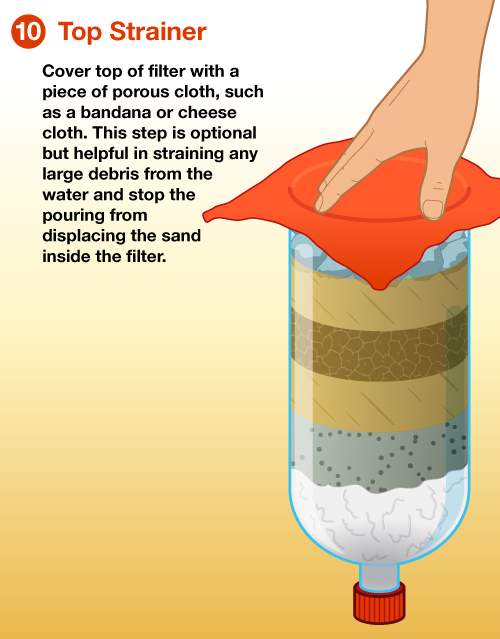
Cloth or fabric can catch large particles from water. Use a clean piece of cotton cloth, a t-shirt, or a bandana. Place it over a container and pour water slowly. The cloth stops leaves, dirt, and insects from passing through. Repeat the process if water still looks cloudy. This method is easy and fast for basic cleaning.
Sand And Gravel Filtration
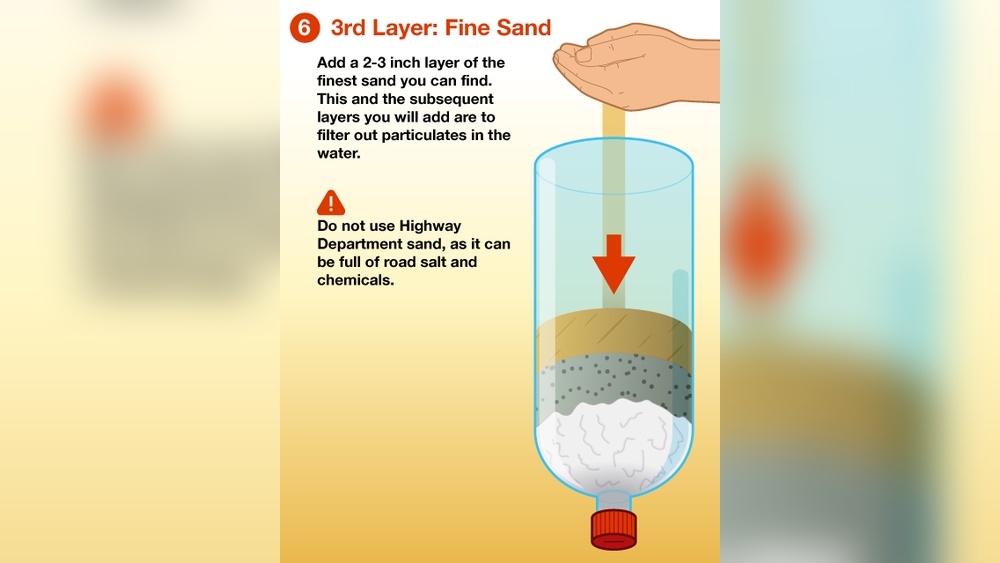
Sand and gravel layers can filter water better than cloth alone. Use a container with holes at the bottom. Add gravel at the base, then a thick layer of sand on top. Pour water slowly over the sand. Water passes through the layers and leaves behind many particles. This method reduces dirt and small debris effectively.
Charcoal Filtration
Charcoal can absorb bad smells and chemicals from water. Use charcoal from a campfire or grill, not treated charcoal. Crush it into small pieces and place in a cloth or container. Pour water slowly through the charcoal layer. Charcoal helps make water taste better and clearer. Change the charcoal regularly for best results.
Homemade Water Purification Techniques
Purifying water at home without a filter is simple and effective. Many easy methods make water safe to drink. These techniques remove harmful germs and improve water quality. Learn some homemade water purification techniques to stay healthy.
Boiling Water For Safety
Boiling is the safest way to clean water. Bring water to a rolling boil for at least one minute. This kills bacteria, viruses, and parasites. Let the water cool before drinking. Boiled water tastes better and is safe for any use.
Solar Disinfection
Solar disinfection uses sunlight to clean water. Fill a clear plastic bottle with water. Place it in direct sunlight for six hours. UV rays kill most harmful germs. This method works best on clear, bright days. It is cheap and easy for daily use.
Chemical Purification Alternatives
Chemicals like chlorine or iodine can disinfect water. Add the correct amount to water and wait 30 minutes. This kills most bacteria and viruses. Use only recommended doses to avoid health risks. Chemicals are useful when boiling or sunlight is not an option.

Improvised Water Collection Tools
Collecting water without a filter is possible with simple tools. These tools help gather water safely from natural sources. You can make these tools using things found around you. They can be very useful in emergencies or outdoor situations.
Diy Solar Still
A solar still uses the sun to purify water. Dig a hole in the ground, about two feet wide. Place a container in the center to catch water. Cover the hole with plastic wrap and seal the edges with soil. Put a small rock in the middle of the plastic to create a dip. The sun heats the soil, causing water to evaporate. The water condenses on the plastic and drips into the container. This method removes impurities and salt from water.
Using Plastic Bottles
Plastic bottles can collect water from plants or rain. Cut the bottom off a clear plastic bottle. Invert the top and place it inside the bottom part, like a funnel. Place the bottle in the soil near plants. Water from leaves or soil will collect inside the bottle. You can also use bottles to catch rainwater by leaving them open outside. This is a quick way to gather clean water.
Collecting Dew And Rainwater
Dew forms on surfaces during cool nights. Use cloth or leaves to absorb dew early in the morning. Wring the wet cloth into a container. Rainwater can be collected using tarps or large leaves. Place a container under the tarp or leaves to catch falling water. Keep these containers clean to avoid contamination. This water is often safe to drink after boiling.
Tips For Improving Water Quality
Improving water quality without a filter is important for safety and taste. Simple methods can reduce harmful substances and make water cleaner. Understanding how to handle and treat water helps protect your health.
Combining Filtration And Purification
Use natural materials like cloth or sand to filter dirt from water. Filtering removes large particles but not germs. Boil water after filtering to kill bacteria and viruses. Sunlight can also help purify water by using UV rays. Combining filtering and purifying steps makes water safer to drink.
Storage And Handling
Store water in clean, covered containers to avoid contamination. Use containers made of food-safe material. Keep water away from chemicals and direct sunlight. Always wash hands before handling stored water. Pour water carefully to prevent dust or bugs from entering.
Signs Of Unsafe Water
Look for strange colors or smells in water. Cloudy or murky water may contain dirt or germs. A bad taste can mean contamination. Avoid water with floating particles or oily film. These signs show water needs proper cleaning before drinking.
Frequently Asked Questions
How Can I Filter Water Without Using A Commercial Filter?
You can filter water by boiling, using cloth, or DIY charcoal filters. These methods remove dirt and some bacteria. Always follow with purification for safety.
Is Boiling Water Enough To Make It Safe To Drink?
Boiling kills most bacteria, viruses, and parasites. Boil water for at least one minute. It doesn’t remove chemical pollutants or sediments.
Can I Use Cloth To Filter Water Effectively?
Yes, tightly woven cloth can remove large particles and debris. It’s a simple first step but doesn’t eliminate harmful microorganisms.
What Natural Materials Help In Filtering Water Without A Filter?
Sand, charcoal, and gravel layered in a container can filter impurities. This DIY filter reduces sediments but needs proper maintenance and purification afterward.
Conclusion
Filtering water without a filter can be simple and effective. You just need basic tools and some patience. Boiling, settling, and using cloth can clean water well. These methods help remove dirt and germs. Always choose the cleanest water source you can find.
Drink safely to stay healthy and strong. Practice these easy steps anytime, especially outdoors or in emergencies. Clean water is important for life. You can protect yourself with simple care and smart choices. Try these tips and feel confident about your water.

Hasan Al Sarker is a Reverse Osmosis Specialist. He has worked for many years to ensure safe drinking water for all. His research paper has been published in several journals, including Issue, Medium, and Slideshare. He is recognized as a water doctor among specialists though he did not attend medical college.
Besides working as a researcher of reverse osmosis technology, he is also very fancy with the kitchen and cooking. His guides are reading thousands of people every day. As a head of content, he is responsible for all the published articles at RO System Reviews.