
Are you wondering if a water softener actually filters your water? You’re not alone.
Many people confuse softening with filtering, but they’re not the same. Understanding what a water softener does—and doesn’t do—can save you time, money, and frustration. You’ll discover exactly how a water softener works, whether it improves your water quality, and what you need if you want truly filtered water in your home.
Keep reading to get clear answers and make the best choice for your water needs.
How Water Softeners Work
Water softeners do not filter water in the traditional sense. They change the hard minerals in water into softer ones. This process helps protect pipes, appliances, and skin from the effects of hard water. Understanding how water softeners work clarifies their role in water treatment.
Ion Exchange Process
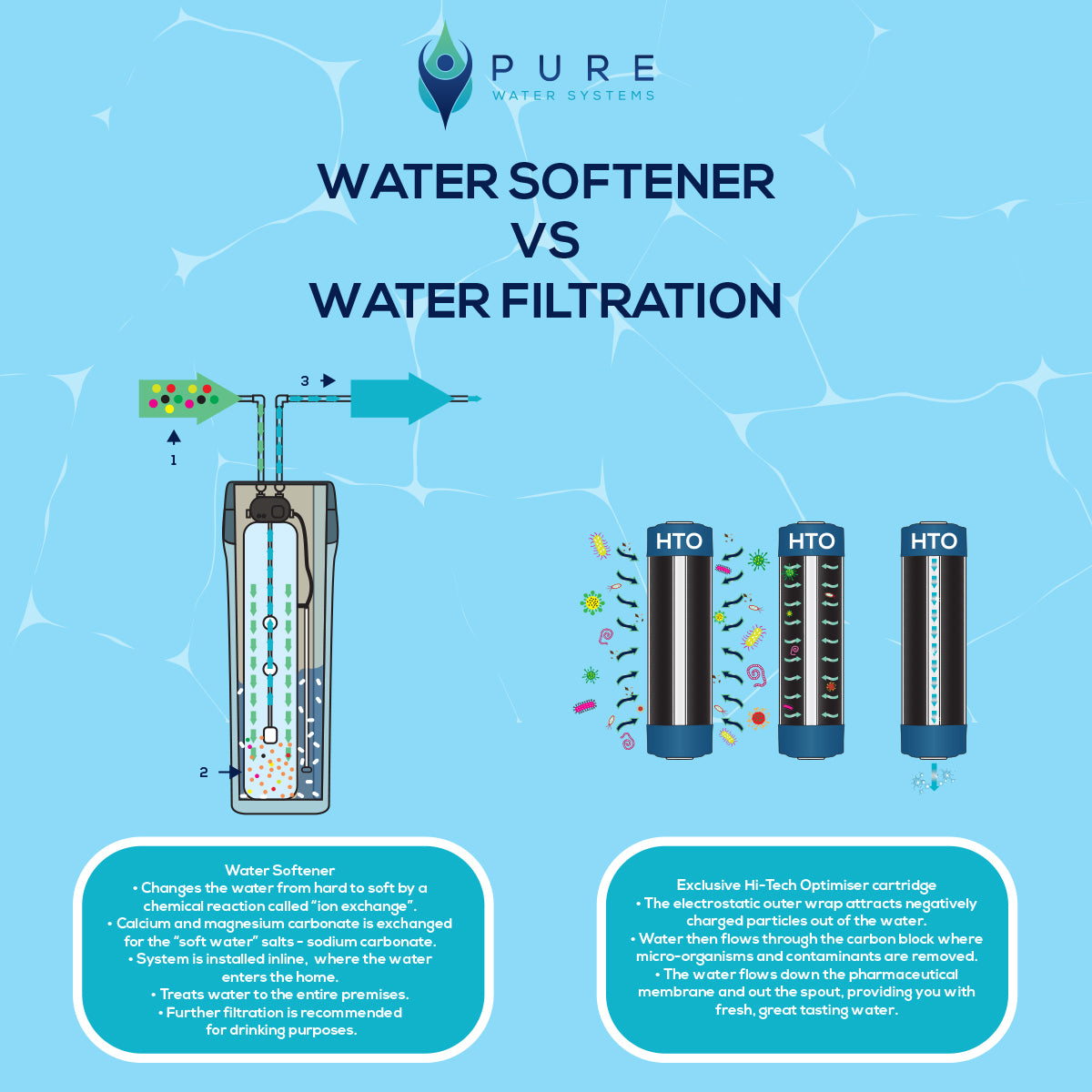
The ion exchange process is the key to softening water. Hard water contains calcium and magnesium ions. These ions cause scale buildup and soap scum. Water softeners swap these hard ions with sodium or potassium ions. The softener tank holds resin beads that carry sodium or potassium ions. As hard water passes through, the resin beads attract calcium and magnesium. They release sodium or potassium ions in exchange. This swap makes water soft without removing all minerals. The system regenerates by flushing resin beads with salt water. This restores the sodium or potassium ions for future use.
Common Softeners Types
Several types of water softeners exist for home use. The most common type uses salt-based ion exchange. It is effective for most hard water problems. Salt-free softeners do not remove minerals but prevent scale buildup. Magnetic and electronic softeners claim to alter minerals but lack strong proof. Dual-tank softeners offer continuous soft water by alternating tanks. Choosing the right softener depends on water hardness and household needs.
Difference Between Softening And Filtering
Water softening and water filtering are two processes that improve water quality. They serve different purposes. Understanding their differences helps you choose the right system for your home.
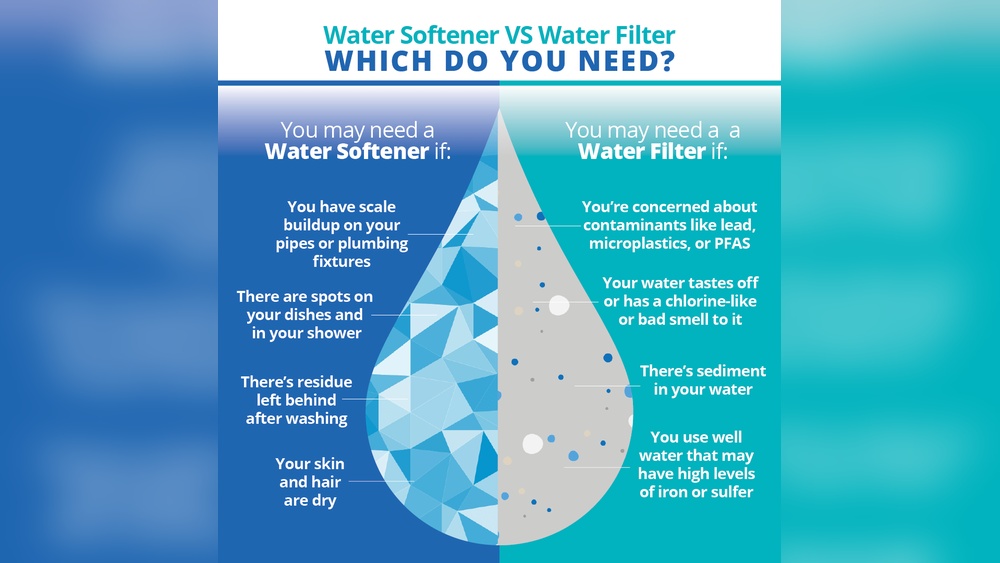
Softening targets hard minerals that cause scale and damage pipes. Filtering focuses on removing dirt, chemicals, and harmful substances. Both improve water but in unique ways.
What Softening Removes
Water softeners remove calcium and magnesium minerals. These minerals cause hard water problems like spots and buildup. Softening replaces these minerals with sodium or potassium. This process makes water gentle on skin and appliances.
What Filtering Removes
Water filters catch particles like dirt, sand, and rust. They also reduce chlorine, bacteria, and bad odors. Filters improve taste and safety. Some advanced filters remove lead and pesticides too. Filtering cleans the water physically and chemically.
Can Water Softeners Filter Contaminants?
Water softeners mainly focus on changing the hardness of water. They remove minerals like calcium and magnesium that cause water hardness. Many people wonder if water softeners can also filter out other harmful substances. Understanding what water softeners can and cannot do helps to choose the right water treatment system.
Limitations Of Water Softeners
Water softeners use a process called ion exchange. This swaps hard minerals for sodium or potassium ions. This process does not remove dirt, bacteria, or chemicals from water. Water softeners do not improve water clarity or taste beyond softening. They also cannot kill germs or viruses. Softening water does not mean the water is fully clean or safe.
Contaminants Not Removed
Water softeners do not remove chlorine or chloramine. They also do not remove heavy metals like lead or mercury. Pesticides, herbicides, and other chemicals remain after softening. Sediment and small particles stay in the water as well. To remove these contaminants, other filters like carbon or reverse osmosis are needed.
Benefits Of Adding A Water Filter
Adding a water filter offers many benefits for your home and health. It helps clean the water by removing harmful substances. This makes water safer and better to use every day.
Filtered water tastes fresher and looks clearer. It also protects your pipes and appliances from damage caused by impurities. This can save money on repairs and replacements.
Improved Water Quality
Water filters remove chemicals, chlorine, and sediments. These elements can cause bad taste and odors. Clean water feels softer on the skin and is better for cooking.
Filtered water reduces risks of stomach problems and skin irritation. It supports better health for you and your family. Drinking pure water can boost your overall well-being.
Types Of Water Filters To Consider
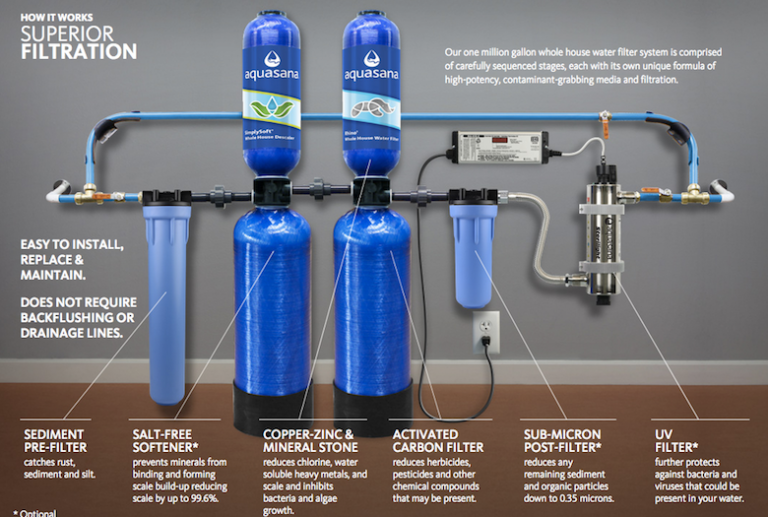
There are many water filters available, each with different functions. Carbon filters remove chlorine and organic compounds. Reverse osmosis filters catch tiny particles and heavy metals.
Other filters use UV light to kill bacteria and viruses. Some systems combine several methods for better cleaning. Choose a filter that fits your water quality needs and budget.
Signs You Need Both Softener And Filter
Knowing whether to use both a water softener and a filter can be confusing. Some homes need only one, but others benefit from both. Signs can help you decide if your water requires treatment for hardness and impurities. These signs often point to problems with water quality that affect health and home appliances.
Hardness And Contamination Levels
High hardness means water has many minerals like calcium and magnesium. These cause scale buildup on pipes and appliances. A water softener removes these minerals, making water gentler on plumbing.
Contaminants include dirt, chlorine, and bacteria. They affect taste, smell, and safety. A water filter removes these particles and chemicals. Check your water report or test kit for hardness and contaminants.
If both hardness and contamination are high, using a softener and filter is best. This ensures clean, soft water for daily use.
Health And Appliance Concerns
Hard water can cause dry skin and hair problems. Contaminated water may carry germs and harmful chemicals. Both can affect your family’s health.
Hard water also damages appliances like dishwashers and water heaters. Scale buildup reduces efficiency and shortens their life. Filters protect against dirt and chemicals that cause corrosion.
Signs like skin irritation, bad water taste, or frequent appliance repairs suggest a need for both systems. Combining a softener and filter improves water quality and protects health and appliances.
Maintenance Tips For Softener And Filter Systems
Maintaining your water softener and filter systems is key to clean, soft water. Regular care keeps these systems running well. It also extends their life and saves money on repairs.
Simple maintenance tasks ensure your softener and filter work at top level. This section covers easy steps to follow. These help avoid common problems and improve water quality.
Regular Salt Refills
Salt is vital for water softeners. It helps remove hardness minerals like calcium and magnesium. Check the salt level in the brine tank every month. Keep it at least half full to work properly.
Use high-quality salt made for water softeners. Avoid salt with additives. Clean the tank yearly to stop salt build-up and blockages. This keeps the system efficient and prevents damage.
Filter Replacement Schedule
Filters catch dirt and particles from water. Over time, filters get clogged and less effective. Change filters as recommended by the manufacturer. Usually, every 3 to 6 months is best.
Check water flow and taste to spot filter issues early. A clogged filter reduces water pressure and changes flavor. Timely filter changes keep water clean and fresh.

Frequently Asked Questions
Does A Water Softener Remove Contaminants From Water?
No, a water softener primarily removes hardness minerals like calcium and magnesium. It does not filter contaminants such as bacteria, chlorine, or sediments.
How Does A Water Softener Work To Soften Water?
A water softener uses ion exchange, replacing calcium and magnesium with sodium or potassium ions. This process reduces hardness but does not purify the water.
Can A Water Softener Improve Water Taste And Smell?
A water softener can improve taste by removing hardness minerals that cause bitterness. However, it does not remove odors or chemical contaminants affecting smell.
Is A Water Softener The Same As A Water Filter?
No, a water softener reduces hardness minerals, while a water filter removes particles, chemicals, and microbes. Both serve different water treatment purposes.
Conclusion
A water softener does not filter water like a purifier. It mainly removes hardness minerals like calcium and magnesium. This helps prevent scale buildup in pipes and appliances. Soft water feels smoother and can improve soap effectiveness. Still, it does not remove dirt, bacteria, or chemicals.
For clean and safe water, a separate filter is needed. Understanding this difference helps you choose the right system. Softening and filtering serve different purposes in water treatment. Both can work together to improve water quality at home.

Hasan Al Sarker is a Reverse Osmosis Specialist. He has worked for many years to ensure safe drinking water for all. His research paper has been published in several journals, including Issue, Medium, and Slideshare. He is recognized as a water doctor among specialists though he did not attend medical college.
Besides working as a researcher of reverse osmosis technology, he is also very fancy with the kitchen and cooking. His guides are reading thousands of people every day. As a head of content, he is responsible for all the published articles at RO System Reviews.