
If you have a fish tank with a filter, you might wonder how often you really need to change the water. It’s a common question because clean water is key to keeping your fish healthy and happy.
But changing water too often or not enough can cause problems you don’t want. You’ll discover the perfect balance for water changes that will keep your tank sparkling and your fish thriving. Stick with me, and you’ll learn simple tips that make caring for your tank easier than ever.

Importance Of Regular Water Changes
Regular water changes keep your fish tank clean and healthy. They remove waste and keep water fresh. Clean water helps fish live longer and stay active. Changing water often prevents many common fish problems.
Maintaining Water Quality
Water in a fish tank collects dirt and debris over time. Even with a filter, some impurities stay in the water. Regular changes help keep water clear and safe. Clean water supports a balanced environment for fish and plants.
Preventing Harmful Toxins
Fish produce waste that releases harmful toxins into water. Toxins like ammonia and nitrites can build up quickly. These chemicals harm fish and can cause illness. Changing water lowers toxin levels and protects fish health.
Supporting Fish Health
Fresh water supports strong immune systems in fish. It reduces stress and helps fish fight disease. Healthy water encourages growth and vibrant colors. Regular water changes create a better home for your fish.
:strip_icc()/water-changes-1381886_final2-63b5961634e043cfb7bb233be39f4cc9.png)
Factors Affecting Water Change Frequency
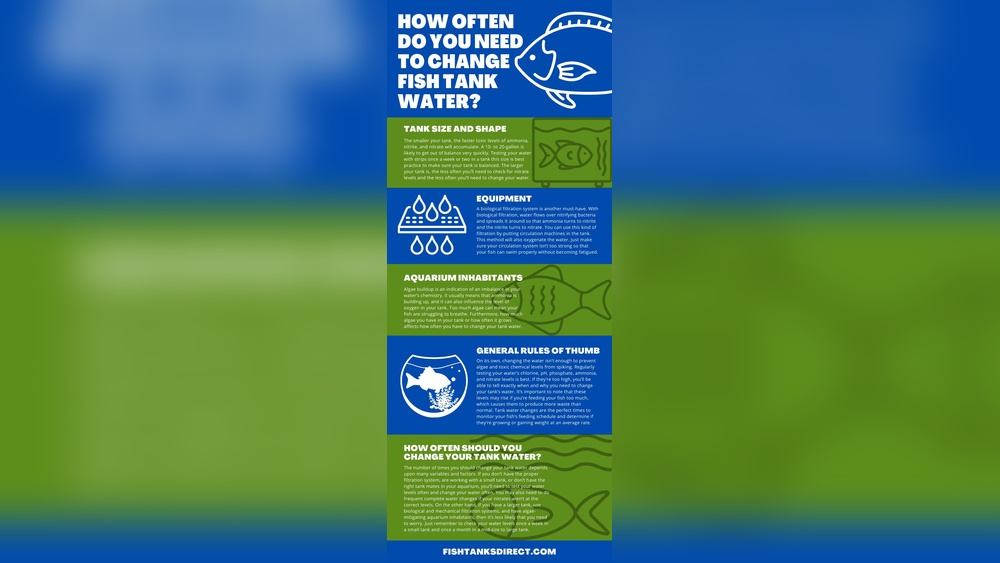
Knowing how often to change water in a fish tank with a filter depends on many things. These factors affect water quality and fish health. Understanding them helps keep your aquarium clean and safe. Below are the key points to consider.
Tank Size And Stocking Levels
Small tanks need water changes more often than big ones. More fish produce more waste. A crowded tank fills with toxins faster. Changing water often keeps the tank safe. Large tanks with few fish need less frequent changes.
Type Of Fish And Plants
Different fish have different needs. Some fish make more waste. Others are sensitive to water changes. Live plants help clean water by using nutrients. Tanks with many plants may need fewer water changes. Know your fish and plants to decide.
Filter Efficiency
A good filter removes waste and cleans water. High-quality filters reduce how often you change water. Poor filters need more frequent water changes. Check your filter regularly. Clean or replace filter parts as needed to keep it working well.
Recommended Water Change Schedule
Keeping your fish tank clean is key to healthy fish. Changing water regularly removes waste and toxins. A good water change schedule keeps the tank balanced and fish happy. The right timing depends on tank size, fish number, and filter type.
Below are simple guidelines on how often to change water in a filtered fish tank. Follow these tips to keep your aquarium fresh and safe.
Weekly Vs Biweekly Changes
Weekly water changes are best for tanks with many fish or little plants. This keeps water clean and reduces harmful chemicals. Biweekly changes work for smaller tanks or those with fewer fish. If the tank is stable and well-filtered, changing water every two weeks is fine.
Percentage Of Water To Change
Change 10% to 25% of the water at a time. Small changes keep water chemistry steady. Large changes can stress fish and remove helpful bacteria. For weekly changes, 10% to 15% is enough. For biweekly changes, 20% to 25% works well.
Adjusting Schedule Based On Conditions
Watch your tank closely. Cloudy water or bad smell means more frequent changes. More fish or feeding more also means you need to change water often. If plants are growing well and fish look healthy, you can keep the current schedule. Always test water parameters to guide your water changes.
Steps For Changing Water Safely
Changing water in your fish tank with a filter is important for fish health. Doing it safely keeps fish calm and the tank clean. Follow simple steps to avoid stress and harm to your fish.
Each step helps keep water quality high. It also prevents sudden changes that can hurt fish. Read on for easy ways to change water safely.
Preparing Replacement Water
Use clean water free of chlorine and chemicals. Let tap water sit for 24 hours or use a water conditioner. Check the temperature matches the tank water. This prevents shocking your fish with cold or hot water.
Use a bucket or container that is clean and safe for fish tanks. Never use soap or detergents to clean it. These can poison the water and fish.
Partial Water Removal Techniques
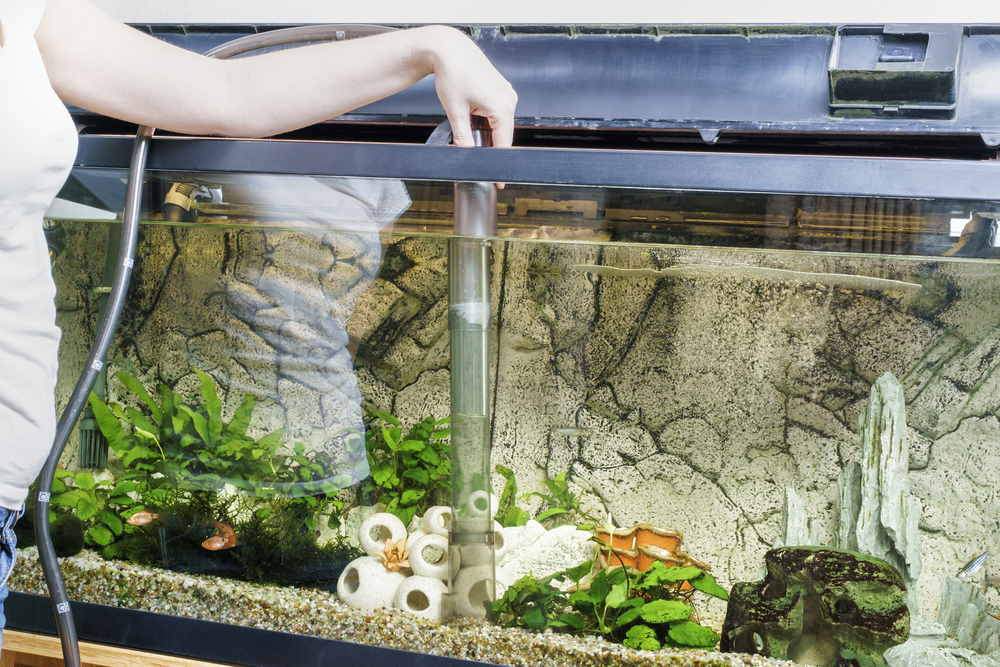
Remove 10-25% of the tank water at a time. Use a siphon or gravel vacuum to take out dirty water and debris. Avoid removing too much water at once.
Partial water changes help keep good bacteria in the filter. These bacteria clean the water and keep fish healthy. Removing too much water can harm this balance.
Refilling And Monitoring
Slowly add the prepared water back into the tank. Pour it gently to avoid disturbing the fish and substrate. Use a plate or bowl to spread water flow.
After refilling, check water temperature and clarity. Watch your fish for signs of stress or illness. Test water parameters regularly to keep the tank safe.
Common Mistakes To Avoid
Keeping a fish tank clean is important for healthy fish. Many people make mistakes when changing water in a tank with a filter. These mistakes can harm fish and reduce water quality. Knowing what to avoid helps keep your tank safe and clear.
Changing Too Much Water At Once
Changing too much water can shock your fish. It removes helpful bacteria that live in the tank. These bacteria help break down waste. Changing only 10-20% of the water each time is best. This keeps the tank stable and fish calm.
Ignoring Water Parameters
Water parameters like pH, ammonia, and nitrite levels matter a lot. Ignoring these can hurt your fish. Test water regularly to see if it is safe. Adjust water changes based on test results. Clean water means healthy fish and fewer problems.
Neglecting Filter Maintenance
Filters clean the water but need care too. Not cleaning the filter can make it less effective. Rinse filter parts in tank water during water changes. Avoid using tap water to keep good bacteria alive. Clean filters help keep water clear and fish happy.
Signs You Need To Change Water More Often
Knowing when to change water in your fish tank is key to keeping fish healthy. Sometimes, the usual schedule needs adjusting. Watch for clear signs that water changes should happen more often. These signs help you avoid problems early and keep the tank clean.
Cloudy Or Discolored Water
Water should be clear and bright. Cloudy or colored water shows dirt and waste build-up. It means the filter is not cleaning well enough. Changing water more often keeps water fresh and safe.
Fish Stress And Illness
Fish that look tired or hide a lot may be stressed. Stress comes from bad water quality. Illness can spread fast in dirty water. More frequent water changes improve fish health and energy.
Increased Algae Growth
Algae grows faster in dirty water. Green walls or plants show too many nutrients in the tank. Changing water stops algae from taking over. It also keeps the tank looking nice and clean.
Enhancing Water Quality Beyond Changes
Keeping water clean is key to a healthy fish tank. Changing water often helps, but other steps improve water quality. These steps work with water changes to keep your fish happy and safe.
Using Water Conditioners
Water conditioners remove harmful chemicals from tap water. They make water safe for fish quickly. Use conditioners every time you add new water. This helps protect fish from stress and illness.
Regular Filter Cleaning
Filters catch dirt and waste from the water. Clean your filter regularly to keep it working well. Rinse filter media in old tank water, not tap water. This keeps good bacteria alive and helps break down waste.
Proper Feeding Practices
Feed fish only what they can eat in a few minutes. Uneaten food pollutes the tank water. Overfeeding leads to more waste and dirty water. Feeding less keeps the tank cleaner and fish healthier.
Frequently Asked Questions
How Often Should I Change Water In A Filtered Fish Tank?
For a filtered fish tank, change 10-20% of water weekly. This maintains water quality and fish health without disturbing beneficial bacteria.
Does Filter Reduce The Need For Frequent Water Changes?
Yes, filters help remove waste and toxins, reducing water changes. However, regular partial changes remain essential to remove dissolved pollutants and replenish minerals.
What Happens If I Don’t Change Water Regularly In Tank?
Neglecting water changes leads to toxin buildup, poor oxygen, and unhealthy fish. It can cause stress, disease, and algae overgrowth in the aquarium.
Can I Change Water Less Often With A Strong Filter?
Even strong filters require weekly partial water changes. Filters don’t remove all pollutants; changing water keeps environment stable and fish thriving.
Conclusion
Changing water regularly keeps fish healthy and happy. Clean water helps remove waste and harmful chemicals. A good rule is to change 10-20% of water weekly. This keeps the tank balanced without stressing fish. Always check the filter; it helps keep water clean longer.
Watch your fish and water clarity for signs. Consistent care makes your fish tank a safe home. Simple steps can make a big difference every day. Caring for your tank is easy with the right routine.

Hasan Al Sarker is a Reverse Osmosis Specialist. He has worked for many years to ensure safe drinking water for all. His research paper has been published in several journals, including Issue, Medium, and Slideshare. He is recognized as a water doctor among specialists though he did not attend medical college.
Besides working as a researcher of reverse osmosis technology, he is also very fancy with the kitchen and cooking. His guides are reading thousands of people every day. As a head of content, he is responsible for all the published articles at RO System Reviews.