Have you ever stopped to think about what’s really in your well water? You might assume it’s pure and safe because it comes straight from the ground.
But the truth is, well water can carry hidden risks that affect your health and your home. Should you filter your well water to protect yourself and your family? This article will help you understand why filtering well water isn’t just a good idea—it could be essential.
Keep reading to find out what dangers might be lurking in your water and how simple steps can make a big difference for your safety and peace of mind.
Why Well Water Needs Filtering
Well water often seems pure because it comes from underground sources. Yet, it can contain many hidden impurities. Filtering well water helps remove these impurities. It protects your health and improves water taste and clarity.
Common Contaminants In Well Water
Well water may have bacteria, viruses, and parasites. Chemicals like pesticides and fertilizers can seep into the water. Metals such as iron, manganese, and arsenic also appear. Sediment and dirt can make water cloudy. These contaminants affect water safety and quality.
Health Risks Of Unfiltered Water
Unfiltered well water can cause stomach problems and infections. Long-term exposure to metals may harm organs. Chemicals might increase the risk of serious diseases. Drinking or using contaminated water puts health at risk. Filtering helps reduce these dangers significantly.
Signs Your Well Water Requires Filtration
Water that smells bad or tastes strange needs testing. Cloudy or discolored water shows impurities are present. Stains on sinks and laundry may indicate iron or manganese. Frequent plumbing issues can mean sediment buildup. These signs suggest it’s time to filter your well water.
Types Of Well Water Filters
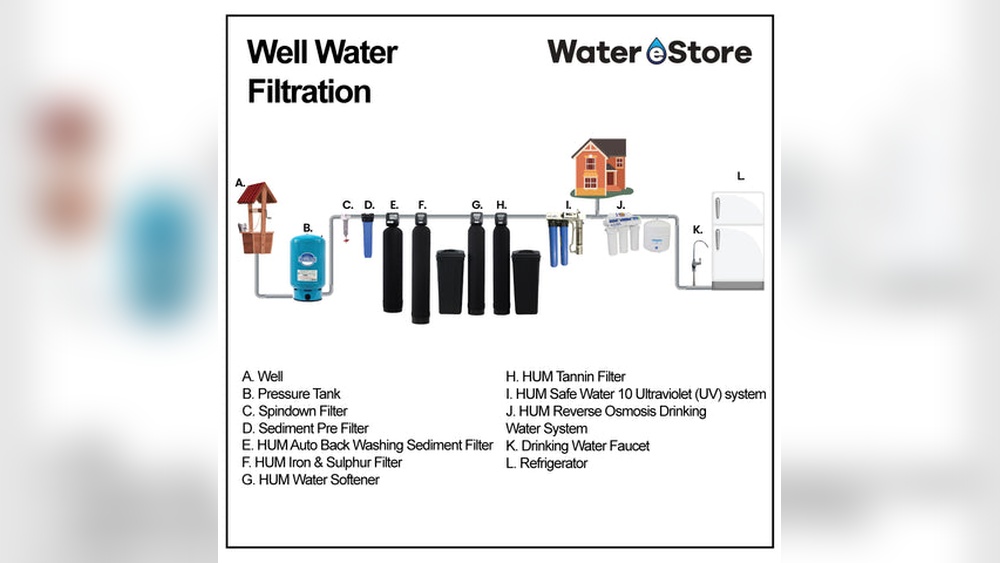
Well water can contain many impurities. Filtering it improves taste, smell, and safety. Different filters target specific problems. Understanding each type helps choose the right filter for your needs.
Sediment Filters
Sediment filters remove dirt, sand, and rust from water. They protect pipes and appliances from damage. These filters use a fine mesh or screen to trap particles. Sediment filters need regular cleaning or replacement to work well.
Activated Carbon Filters
Activated carbon filters reduce bad taste and odors in water. They absorb chlorine, pesticides, and some chemicals. These filters improve water clarity and smell. Carbon filters work best for clear water without heavy sediment.
Reverse Osmosis Systems
Reverse osmosis systems remove many contaminants, including salts and metals. Water passes through a special membrane that blocks impurities. These systems provide very clean, pure water. They often need a storage tank and professional installation.
Uv Purification
UV purification uses ultraviolet light to kill bacteria and viruses. It does not change water taste or smell. This method is effective against harmful microorganisms. UV systems require electricity and clear water for best results.
Choosing The Right Filter
Choosing the right filter for well water is important for safe and clean drinking water. Not all filters work the same way. You must pick one that fits your water quality and needs. This section helps you understand how to select the best filter.
Testing Your Well Water
Start by testing your well water. This shows what contaminants are present. Testing kits are available, or you can hire a professional. Knowing the water quality helps you choose the right filter. Testing is the first step for safe water.
Matching Filters To Contaminants
Different filters remove different contaminants. Some remove bacteria, others remove chemicals or metals. Choose a filter that targets the specific problems in your water. This ensures the water is clean and safe to use. Check the filter’s specifications carefully.
Considering Maintenance And Costs
Filters need regular maintenance. Some require changing cartridges often. Others need cleaning or special care. Consider the cost of replacement parts and upkeep. Choose a filter that fits your budget and time. Easy maintenance keeps your water safe long-term.
Installation And Maintenance Tips
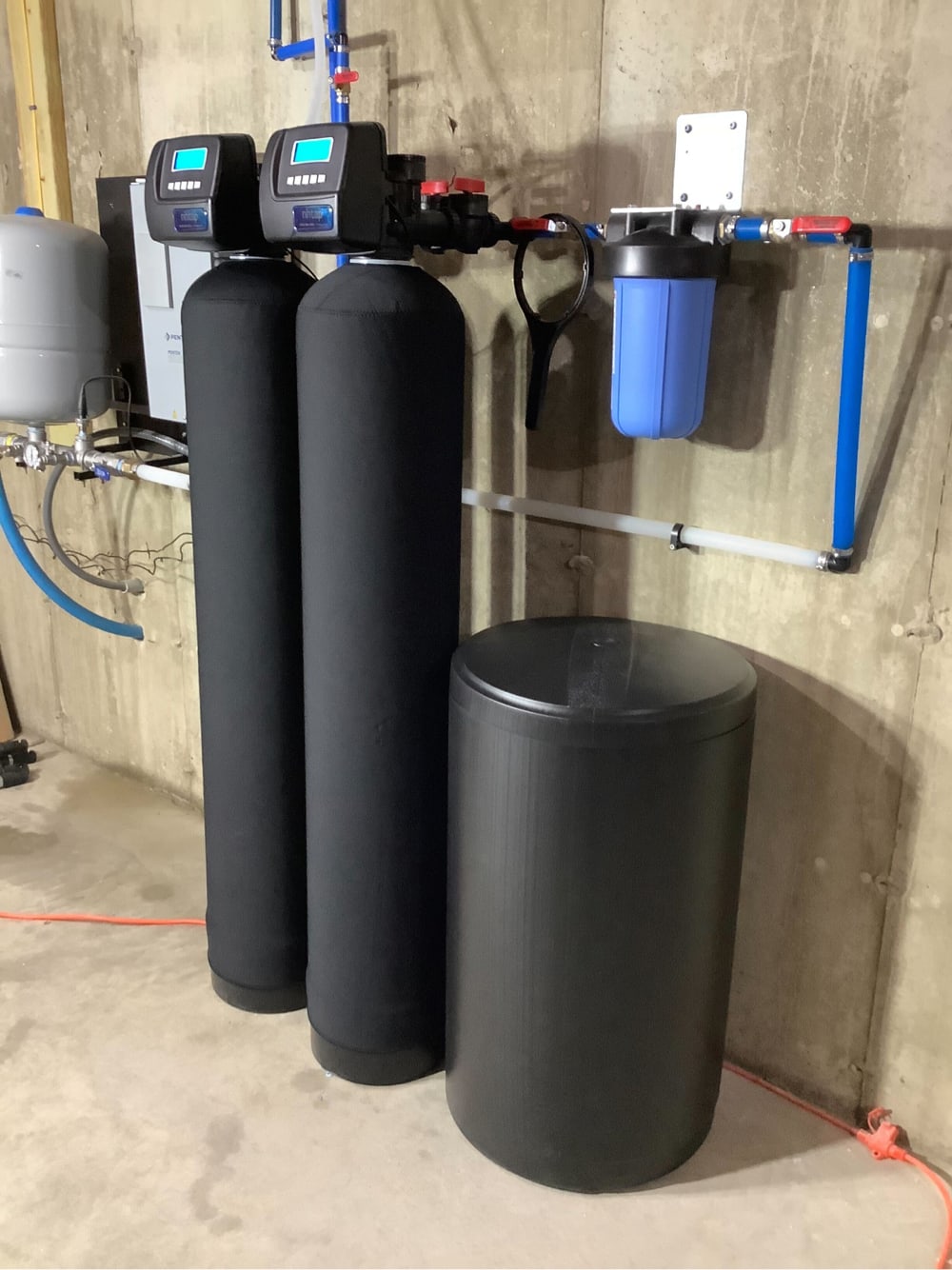
Installing and maintaining a well water filter is key to safe drinking water. Proper setup ensures the filter works well from the start. Regular upkeep keeps water clean and fresh. Small steps can make a big difference in water quality and filter life.
Diy Vs Professional Installation
Some choose to install filters themselves. DIY saves money but needs careful work. You must follow instructions exactly. Mistakes can cause leaks or poor filtering. Professionals have tools and experience. They install filters quickly and safely. Hiring a pro can avoid problems later. Consider your skills and time before deciding.
Filter Replacement Schedules
Filters do not last forever. They need changing to stay effective. Check the filter guide for replacement times. Some need new cartridges every 3 to 6 months. Others last up to a year. Old filters let dirt and germs through. Mark your calendar to remember changes. A fresh filter keeps water clean and healthy.
Monitoring Water Quality Over Time
Test your water regularly after installation. Watch for changes in taste, smell, or color. Use water test kits to check contaminants. Keep records of test results for comparison. Early detection helps fix issues fast. Clean filters and good testing protect your family’s health.
Alternatives To Filtering Well Water
Filtering well water is common, but not the only way to ensure safe drinking water. Several alternatives can help reduce risks and improve water quality. These methods suit different needs and budgets. Understanding each option helps make the best choice for your household.
Boiling And Other Purification Methods
Boiling water kills most bacteria, viruses, and parasites. Boil water for at least one minute to make it safe. Other methods include using water purification tablets or UV light devices. These options remove harmful organisms without needing complex equipment. They work well for emergency situations or short-term use.
Using Bottled Water
Bottled water offers a quick and easy option. It ensures clean water without treatment. This choice suits people who travel or live in areas with poor water quality. Keep in mind, bottled water can be costly and creates plastic waste. Use it wisely for drinking and cooking.
Regular Well Inspection And Cleaning
Well maintenance prevents many water problems. Check your well every year for cracks or damage. Clean the well to remove dirt and bacteria buildup. Proper sealing stops surface water from entering the well. Regular care keeps water cleaner and safer without constant filtering.


Frequently Asked Questions
What Are The Benefits Of Filtering Well Water?
Filtering well water removes harmful contaminants like bacteria, chemicals, and sediments. It improves water taste, odor, and clarity. This ensures safer, cleaner water for drinking, cooking, and bathing. Filtering also protects plumbing and appliances from damage caused by impurities.
How Do I Know If My Well Water Needs Filtering?
Test your well water regularly for contaminants like bacteria, nitrates, and heavy metals. Notice any foul taste, odor, or discoloration. Frequent plumbing issues or sediment buildup also indicate the need for filtration. Professional water testing gives accurate results to decide on filtering.
What Types Of Filters Are Best For Well Water?
Common well water filters include sediment filters, activated carbon filters, and UV purifiers. Sediment filters remove dirt and rust. Carbon filters eliminate chlorine and odors. UV systems kill bacteria and viruses. Choose filters based on your water test results and specific contaminants.
Can Filtering Well Water Remove All Contaminants?
No single filter removes all contaminants from well water. Different filters target specific impurities. Combining filtration methods often provides the best protection. Regular water testing helps tailor the filtration system to your well’s unique water quality.
Conclusion
Filtering well water protects your health and improves taste. Contaminants like bacteria, chemicals, and sediments can harm you. A good filter removes these unwanted elements. Clean water also helps your home’s plumbing last longer. Testing your water first shows what you need to filter.
Choosing the right system saves money and effort. Safe water means peace of mind every day. Don’t ignore signs of dirty or smelly water. Clean, clear water is worth the small investment. Simple steps lead to healthier water and better living.

Hasan Al Sarker is a Reverse Osmosis Specialist. He has worked for many years to ensure safe drinking water for all. His research paper has been published in several journals, including Issue, Medium, and Slideshare. He is recognized as a water doctor among specialists though he did not attend medical college.
Besides working as a researcher of reverse osmosis technology, he is also very fancy with the kitchen and cooking. His guides are reading thousands of people every day. As a head of content, he is responsible for all the published articles at RO System Reviews.