

Are you worried about the hard water stains on your taps or the chalky taste in your drinking water? You might be wondering, does a water filter remove calcium?
Understanding how calcium affects your water and whether a filter can fix it is key to enjoying cleaner, better-tasting water at home. You’ll discover the truth about calcium in water and what types of filters really work to remove it.
Keep reading to find out how you can improve your water quality and protect your plumbing without wasting time or money on the wrong solutions.
Calcium In Water
Calcium is a common mineral found in many water sources. It often affects water quality and taste. Understanding calcium in water helps in choosing the right water filter. This section explains where calcium comes from, how it affects water, and its health effects.
Sources Of Calcium
Calcium enters water through natural processes. It comes from rocks like limestone and chalk. Rainwater dissolves these minerals and carries calcium into groundwater. Wells and springs often contain calcium-rich water. Human activities like agriculture can also add calcium to water.
Effects On Water Quality
Calcium makes water hard. Hard water can cause scale buildup in pipes and appliances. It leaves white spots on dishes and glassware. Hard water may change the taste of drinking water. It can reduce soap’s effectiveness during cleaning.
Health Implications
Calcium in water can benefit health. It supports strong bones and teeth. Drinking water with calcium adds to daily intake. Too much calcium can cause kidney stones in some people. Most find calcium in water safe and helpful.
Types Of Water Filters
Water filters come in many types. Each type works differently. Some remove chemicals, others trap particles. Understanding these types helps decide which filter removes calcium.
Activated Carbon Filters
Activated carbon filters clean water by trapping chlorine and odors. They improve taste and smell. These filters do not remove calcium. Calcium ions are too small to be caught by carbon.
Reverse Osmosis Systems
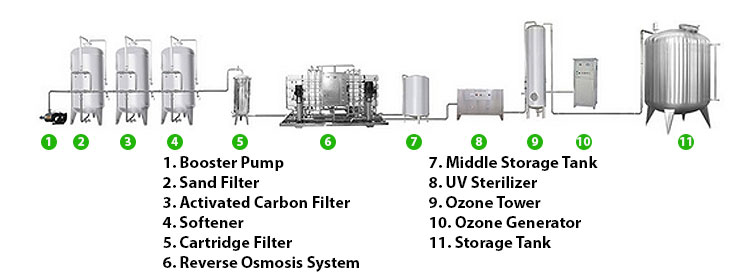
Reverse osmosis (RO) systems push water through a special membrane. This membrane blocks many minerals, including calcium. RO systems remove most dissolved solids. They provide very pure water but waste some water in the process.
Ion Exchange Filters
Ion exchange filters swap calcium ions with sodium or potassium. They soften hard water effectively. These filters reduce calcium levels well. They are common in water softeners used in homes.
Distillation Units
Distillation units boil water and collect steam. The steam leaves minerals like calcium behind. This process removes almost all minerals, including calcium. Distilled water is very pure but can taste flat.
Calcium Removal Capabilities
Calcium in water causes hardness and affects taste. Some water filters can reduce calcium levels, improving water quality. Understanding which filters remove calcium helps in choosing the right one for your home.
Filters That Remove Calcium
Water softeners are best for calcium removal. They swap calcium ions with sodium or potassium ions. Reverse osmosis (RO) systems also reduce calcium effectively. These systems force water through a membrane, blocking minerals. Ion exchange filters work similarly to water softeners. These filters can lower calcium to very low levels.
Filters That Don’t Remove Calcium
Activated carbon filters do not remove calcium. They improve taste and remove chlorine but leave minerals. Basic sediment filters remove dirt but not dissolved minerals like calcium. Ultraviolet (UV) filters kill bacteria but do not affect minerals. These filters help with other problems but not calcium hardness.
Effectiveness Comparison
Water softeners remove calcium best and most completely. RO systems also work well but can waste water. Ion exchange filters are effective but need regular maintenance. Carbon and sediment filters do not reduce calcium. Choosing the right filter depends on your water hardness and needs.
Testing Water For Calcium
Testing water for calcium is important to know its quality. Calcium affects water hardness and taste. High calcium levels can cause buildup in pipes and appliances. Knowing calcium content helps choose the right water filter. There are easy ways to test water at home or through professionals.
Home Testing Kits
Home testing kits are simple tools to check calcium levels. They usually come with strips or drops. Dip the strip in water or add drops to a sample. The color change shows calcium presence. These kits are affordable and quick. They help detect if calcium is high or low. Ideal for regular checks and small problems.
Professional Water Analysis
Professional water analysis offers detailed results. Experts use advanced equipment to measure calcium precisely. They also test for other minerals and contaminants. This method is more accurate than home kits. It helps in understanding overall water quality. Professionals provide recommendations based on results. Best for serious water issues or new water sources.
Maintaining Filter Efficiency
Maintaining the efficiency of your water filter is key to clear, clean water. Over time, filters can clog or lose their ability to remove calcium and other minerals. Regular care helps your filter work well and last longer.
Filter Replacement Schedules
Each filter has a lifespan. Follow the replacement schedule from the manufacturer. Changing filters on time keeps water flowing freely. It also ensures calcium and impurities stay out of your water. Delaying replacement can reduce filter performance.
Preventing Scale Buildup
Calcium can cause scale inside your filter and pipes. Scale blocks water flow and damages the filter. Clean the filter housing regularly to prevent buildup. Use descaling solutions if scale forms. This keeps your filter working at full strength.

Alternatives To Water Filters
Water filters do a good job removing many impurities. But they often do not remove calcium. Calcium causes hard water. Hard water can cause stains and damage pipes. There are other ways to reduce calcium in water. These alternatives target calcium more directly. They help protect your home and improve water quality.
Water Softeners
Water softeners are common for removing calcium. They work by replacing calcium with sodium or potassium. This process is called ion exchange. It stops calcium from building up in pipes and appliances. Water softeners need regular salt refills. They work well in homes with hard water. Softened water feels smoother and prevents scale.
Chemical Treatments
Chemical treatments add substances to water to remove calcium. These chemicals bind with calcium and stop it from causing scale. They are used in large water systems and homes. Chemical treatments need careful handling and dosing. They can be a good choice where softeners are not practical. This method helps keep water pipes clean and clear.
Choosing The Right Solution
Choosing the right solution for removing calcium from your water involves understanding your water’s needs. Different methods work best depending on how much calcium is present and your budget. Think about the long-term effects and what fits your daily life.
Assessing Water Hardness
Water hardness shows how much calcium and magnesium your water has. Test kits can measure this easily at home. Knowing hardness helps pick the right filter or softener. Some filters remove only small amounts of calcium. Others handle higher levels better.
Budget Considerations
Price matters. Some water filters cost less upfront. Others need higher payments but last longer. Softening systems usually cost more but reduce calcium well. Factor in installation and maintenance costs. Choose a solution that fits your wallet now and later.
Long-term Benefits
Removing calcium protects pipes and appliances from buildup. It can improve water taste and soap efficiency. Good water care saves money on repairs. Think about how much time and effort the solution needs. A reliable system gives peace of mind for years.

Frequently Asked Questions
Does A Standard Water Filter Remove Calcium?
Most standard water filters do not remove calcium. Calcium requires specialized filters like water softeners or reverse osmosis systems. Regular filters mainly target chlorine, sediments, and some contaminants, but they are ineffective against dissolved minerals like calcium.
How Can I Remove Calcium From My Water?
To remove calcium, use water softeners or reverse osmosis systems. These systems effectively reduce calcium hardness and prevent scale buildup. They work by either exchanging calcium ions with sodium or filtering out minerals completely.
Is Reverse Osmosis Effective For Calcium Removal?
Yes, reverse osmosis effectively removes calcium and other dissolved minerals. It forces water through a semi-permeable membrane, trapping calcium ions. This method provides purified, low-mineral water suitable for drinking and household use.
Does Calcium In Water Affect Taste Or Health?
Calcium can affect water taste by making it slightly bitter or chalky. Generally, it is safe and beneficial in moderate amounts. However, high calcium levels may cause hard water issues like scale buildup in pipes and appliances.
Conclusion
Water filters can remove some calcium but not all types. Hard water needs special filters like reverse osmosis or water softeners. These work best for reducing calcium levels. Regular filters may not fully solve hardness problems. Knowing your water type helps choose the right filter.
Clean water improves taste and protects pipes from buildup. Test your water to see calcium levels first. Then pick a filter that fits your needs and budget. Clear, soft water is possible with the right approach.

Hasan Al Sarker is a Reverse Osmosis Specialist. He has worked for many years to ensure safe drinking water for all. His research paper has been published in several journals, including Issue, Medium, and Slideshare. He is recognized as a water doctor among specialists though he did not attend medical college.
Besides working as a researcher of reverse osmosis technology, he is also very fancy with the kitchen and cooking. His guides are reading thousands of people every day. As a head of content, he is responsible for all the published articles at RO System Reviews.