Have you ever wondered how nature keeps our water clean? Wetlands play a surprising and powerful role in filtering water before it reaches your rivers, lakes, and even your tap.
Understanding how wetlands work can change the way you see these incredible ecosystems—and why protecting them matters to you. You’ll discover the simple yet fascinating ways wetlands act as natural water filters, improving the quality of the water you depend on every day.
Keep reading to unlock the secrets behind this natural process and learn how it benefits you directly.
Wetland Basics
Wetlands are special areas where water meets land. They play a big role in cleaning water. Understanding wetlands helps us see how they filter water naturally.
These areas host many plants and animals. They slow down water, catch dirt, and soak up harmful chemicals. Let’s explore the basics of wetlands.
Types Of Wetlands
There are several types of wetlands. Marshes have soft, wet soil and many grasses. Swamps are wet and full of trees. Bogs have thick, spongy moss and acidic water. Each type helps filter water in its own way.
Key Features
Wetlands have unique features. They hold water for a long time. Plants grow densely and trap dirt. Wet soils and slow water flow let chemicals settle. Microbes in the soil break down harmful pollutants. These features work together to clean water naturally.
Water Flow In Wetlands
Water flow in wetlands plays a key role in filtering and cleaning water. Wetlands slow down water movement. This gives time for pollutants to settle. Plants, soil, and microbes work together to trap dirt and harmful substances. Water moves in two main ways inside wetlands: on the surface and underground.
Surface Water Movement
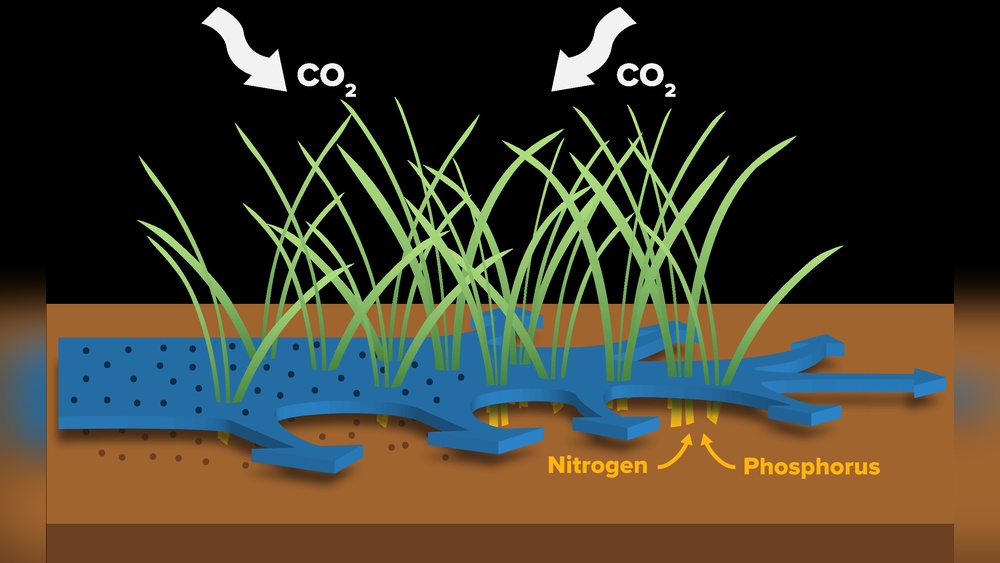
Surface water moves slowly through wetlands. It spreads across wide, shallow areas. This slow flow helps sediments fall out of the water. Plants catch these particles on their roots and leaves. The water also passes through layers of soil and organic matter. These layers act like a natural filter. They remove nutrients like nitrogen and phosphorus, which can harm lakes and rivers.
Groundwater Interaction
Wetlands connect with groundwater below the surface. Water seeps down through wetland soil and reaches underground layers. This process filters water again. Soil and tiny organisms break down pollutants as water moves. Sometimes, groundwater flows back into wetlands, carrying clean water. This exchange helps keep wetlands healthy and supports many plants and animals.
Natural Filtration Processes
Wetlands act as natural water filters. They clean water by using natural processes. These processes help remove dirt, harmful chemicals, and waste from water. This makes water safer for animals, plants, and people. The main ways wetlands filter water include trapping sediment, absorbing nutrients, and breaking down pollutants with microbes.
Sediment Trapping
Wetlands slow down water flow. This lets heavy particles like dirt and sand settle at the bottom. Plants in wetlands help catch these particles. This stops them from moving into rivers and lakes. Trapping sediment keeps water clear and healthy for aquatic life.
Nutrient Absorption
Wetland plants absorb nutrients like nitrogen and phosphorus. These nutrients come from fertilizers and waste. Too many nutrients can harm water bodies. Plants use these nutrients to grow, reducing their levels in water. This helps prevent algae blooms that can damage water quality.
Microbial Breakdown
Microbes in wetland soil break down harmful chemicals and waste. They turn these pollutants into harmless substances. This natural process cleans water without chemicals. Microbial activity is vital for removing toxins and keeping wetlands healthy.

Role Of Wetland Plants
Wetland plants play a key role in cleaning water. They act like natural filters. These plants help trap dirt, chemicals, and other pollutants. Their presence makes wetlands vital for water purification and ecosystem health.
Root Systems And Filtration
Wetland plants have strong root systems. These roots spread wide and deep. They trap sediment and particles from the water. The roots slow down water flow. This allows sediments to settle out. Roots also create a surface for helpful microbes to grow. These microbes break down harmful substances in the water.
Plant Uptake Of Pollutants
Wetland plants absorb nutrients and pollutants through their roots. They take in harmful chemicals like nitrogen and phosphorus. These chemicals often come from fertilizers and waste. By absorbing them, plants prevent pollution in rivers and lakes. Some plants can even store heavy metals safely inside their tissues. This stops these toxic substances from spreading further in the environment.
Impact On Water Quality
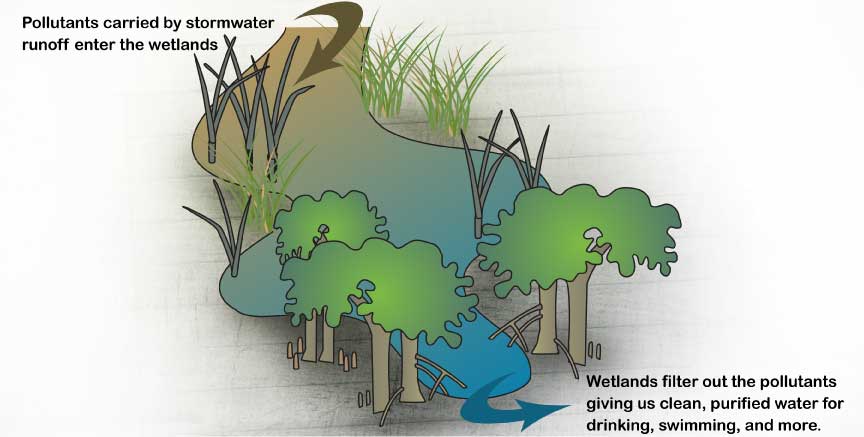
Wetlands play a vital role in improving water quality. They act as natural filters that clean water before it reaches rivers, lakes, or oceans. This process helps protect ecosystems and human health. The impact on water quality is clear and important.
Reduction Of Contaminants
Wetlands trap harmful substances like heavy metals and pesticides. Plants and soil in wetlands absorb these pollutants. Microbes in the wetland break down organic waste and chemicals. This reduces the amount of toxins in the water. Cleaner water supports fish, plants, and animals downstream.
Improvement Of Clarity
Wetlands catch sediment and dirt from runoff water. These particles make water cloudy and harm aquatic life. Wetland plants slow water flow, allowing sediments to settle. Clearer water means better light penetration for underwater plants. This supports a healthy and balanced ecosystem.
Wetlands And Ecosystem Health
Wetlands play a vital role in keeping ecosystems healthy. They act as natural filters that clean water. Wetlands also provide homes for many plants and animals. These areas help control floods and protect the land around them. Understanding how wetlands support ecosystems helps us appreciate their value.
By filtering water and supporting life, wetlands keep nature balanced. They remove harmful substances and improve water quality. This supports both wildlife and people who depend on clean water. Wetlands are essential for a strong and healthy environment.
Biodiversity Support
Wetlands are home to many species of plants and animals. They provide food, shelter, and breeding areas. This helps maintain rich biodiversity. A diverse ecosystem is more stable and can recover from changes faster. Many rare and endangered species rely on wetlands to survive.
Flood Control Benefits
Wetlands absorb excess rainwater and reduce flood risks. They act like natural sponges, holding water during heavy rains. This slows down water flow and protects nearby lands. Wetlands prevent soil erosion and damage to homes. Their flood control helps keep communities safe and reduces costly repairs.
Human Influence And Wetland Protection
Wetlands play a key role in keeping water clean. People affect wetlands in many ways. Protecting wetlands helps maintain their natural water filtering ability. Understanding human influence guides better protection steps.
Threats To Wetlands
Many wetlands face danger from pollution and land use. Factories and farms release harmful chemicals into water. Building and draining wetlands reduce their size and health. Climate change also alters wetland water levels and plants. These threats reduce the ability of wetlands to filter water.
Conservation Efforts
Efforts to save wetlands include laws and restoration projects. Governments create protected areas to stop wetland loss. People plant native plants to improve wetland health. Cleaning polluted water before it reaches wetlands helps too. Community groups work to raise awareness about wetland value.

Frequently Asked Questions
How Do Wetlands Naturally Filter Water?
Wetlands filter water by trapping sediments and pollutants. Plants absorb harmful nutrients, while microbes break down contaminants. This natural process improves water quality and protects ecosystems from pollution.
Why Are Wetlands Important For Water Purification?
Wetlands act as natural water purifiers by removing toxins and excess nutrients. They reduce pollution, prevent flooding, and maintain clean water supplies, supporting both wildlife and human communities.
What Pollutants Do Wetlands Remove From Water?
Wetlands remove sediments, heavy metals, nitrogen, phosphorus, and organic pollutants. Their diverse plant and microbial life break down these harmful substances, making water cleaner and safer for ecosystems.
How Does Plant Life In Wetlands Aid Filtration?
Wetland plants absorb excess nutrients like nitrogen and phosphorus. Their roots trap sediments and provide habitat for microbes that degrade pollutants, enhancing the water filtration process naturally.
Conclusion
Wetlands play a vital role in keeping water clean. They trap dirt and harmful chemicals naturally. Plants and soil work together to filter water effectively. This process helps protect rivers, lakes, and oceans. Healthy wetlands support wildlife and people alike.
Protecting these areas means cleaner water for all. Nature’s filter at work, quietly and powerfully. Understanding this helps us value wetlands more. Their role in water health cannot be ignored. Simple, natural, and essential.

Hasan Al Sarker is a Reverse Osmosis Specialist. He has worked for many years to ensure safe drinking water for all. His research paper has been published in several journals, including Issue, Medium, and Slideshare. He is recognized as a water doctor among specialists though he did not attend medical college.
Besides working as a researcher of reverse osmosis technology, he is also very fancy with the kitchen and cooking. His guides are reading thousands of people every day. As a head of content, he is responsible for all the published articles at RO System Reviews.