
Is hard water causing you headaches? You might notice spots on your dishes, dull-looking skin, or even clogged pipes.
It’s frustrating, right? You’re probably wondering if a water filter can fix these problems. The answer isn’t as simple as you think. Keep reading to discover how water filters work with hard water and whether they’re the right solution for you.
This could change the way you handle your water for good.
What Is Hard Water
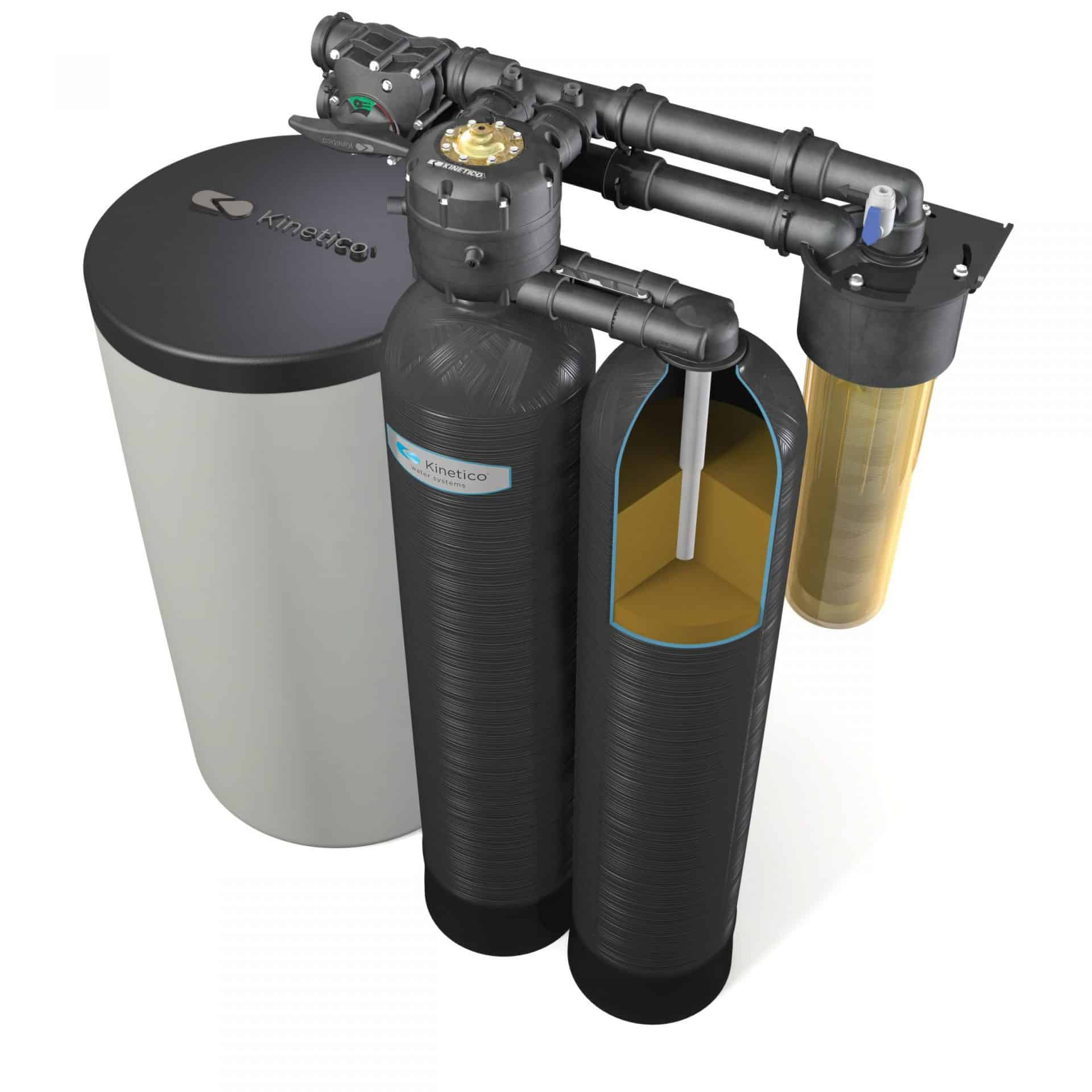
Hard water is water that has a high amount of minerals, especially calcium and magnesium. These minerals come from rocks and soil and dissolve into the water as it moves through the ground. Hard water is common in many areas and can cause problems at home and for your health.
Sources Of Hard Water
Hard water mainly comes from underground sources. Water passes through limestone, chalk, or gypsum, picking up minerals. These minerals increase the water’s hardness. Well water and some city water supplies can have hard water. Rainwater and surface water like rivers usually have low mineral content.
Effects On Home And Health
Hard water leaves spots on dishes and glassware. It reduces soap’s ability to make bubbles. Soap may not clean well and can leave a residue on skin and hair. Hard water can clog pipes and damage appliances like water heaters. Drinking hard water is mostly safe but may taste bitter. Some people with sensitive skin may notice dryness or irritation.
How Water Filters Work
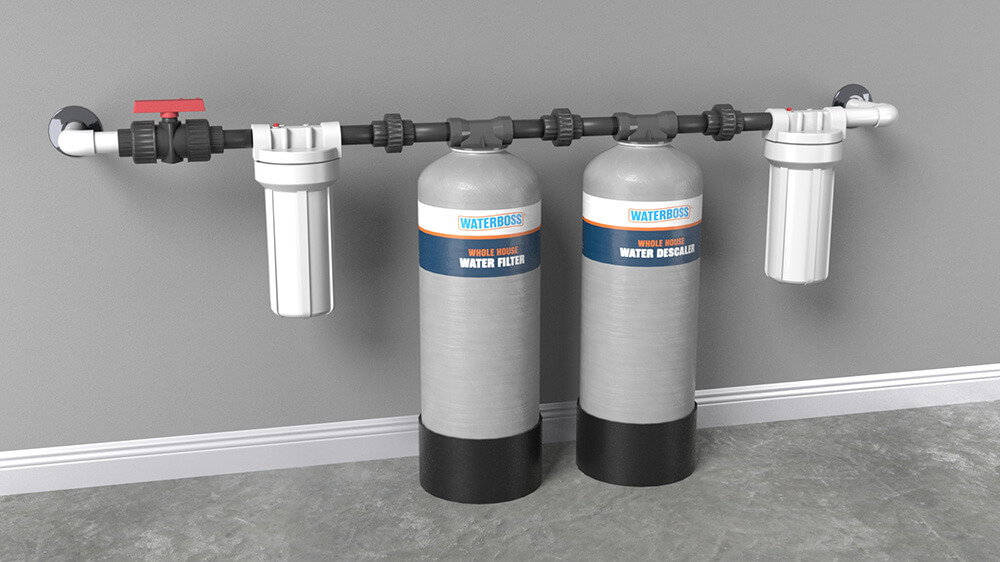
Water filters play a key role in improving water quality. They remove impurities and particles from water. Understanding how water filters work helps you choose the right one for your needs.
Filters use different methods to clean water. Some trap dirt and chemicals. Others change the water’s properties to reduce hardness. Each type has a specific purpose.
Types Of Water Filters
There are many types of water filters. Carbon filters remove chlorine and bad tastes. Sediment filters catch sand and dirt. Reverse osmosis filters force water through a fine membrane, removing many impurities.
Some filters use UV light to kill bacteria. Each filter targets different contaminants. Knowing your water’s problem helps pick the best filter.
Filtration Vs. Softening
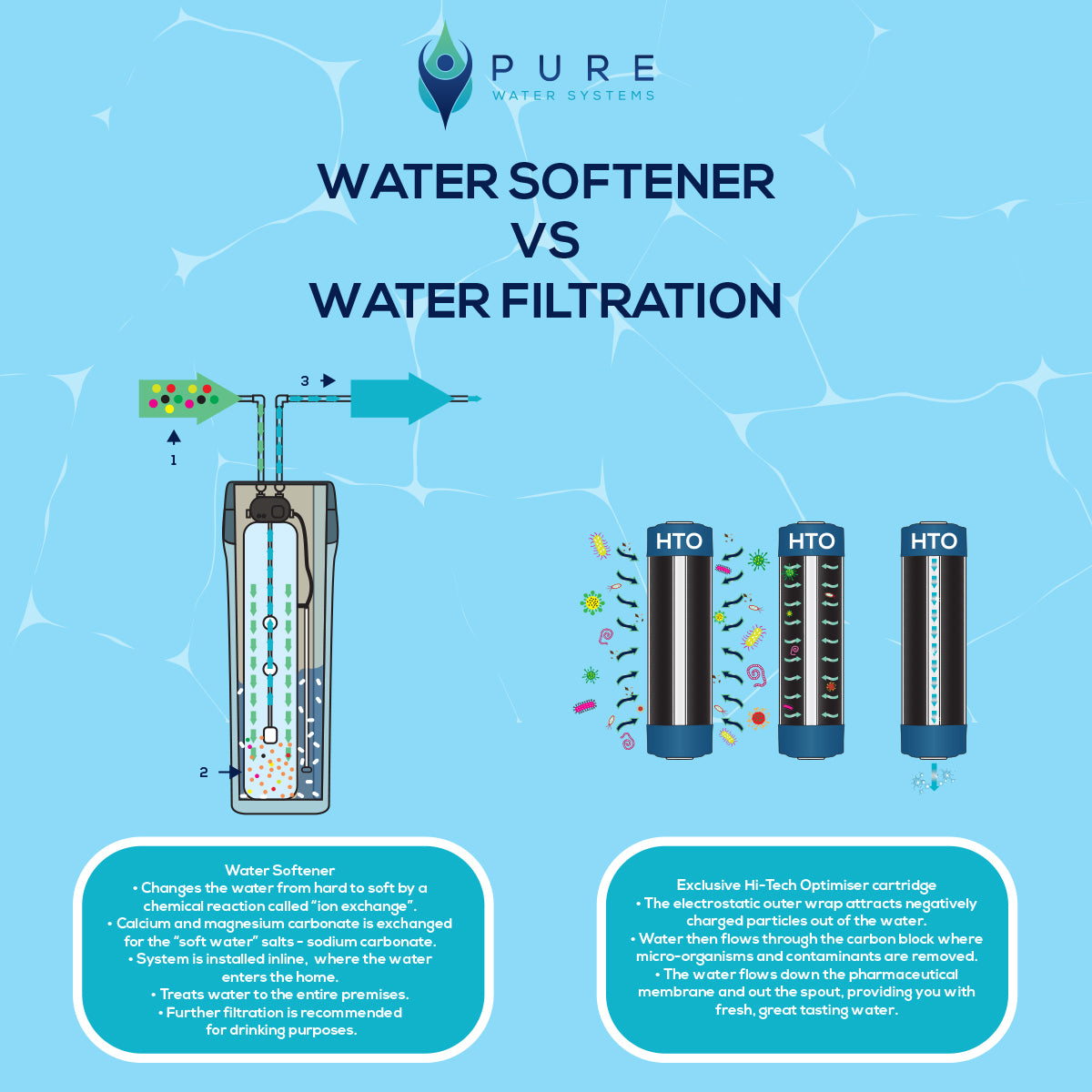
Filtration and softening are not the same. Filters clean water by trapping particles and chemicals. Softening removes minerals like calcium and magnesium that cause hardness.
Water softeners use salt or special beads to replace hard minerals. Filters do not remove hardness but improve taste and clarity. Softening protects pipes and appliances from damage caused by hard water.
Can Water Filters Treat Hard Water
Hard water has a high level of minerals like calcium and magnesium. These minerals cause scaling and affect water taste. Many wonder if water filters can solve hard water issues. The answer depends on the type of filter used.
Limitations Of Standard Filters
Most common water filters remove chlorine, dirt, and bad smells. They do not remove hard minerals from water. Standard filters cannot stop scale buildup in pipes or appliances. These filters improve taste but do not soften water.
Role Of Specialized Filters
Special filters exist to treat hard water specifically. Water softeners are the most common type. They replace calcium and magnesium with sodium or potassium. This process reduces hardness and prevents scale. Reverse osmosis systems also remove hard minerals but use more energy. Specialized filters are needed to treat hard water effectively.
Effective Solutions For Hard Water
Hard water causes many problems in homes. It leaves spots on dishes, clogs pipes, and reduces soap’s effectiveness. Choosing the right solution can improve water quality and protect plumbing. Several methods help reduce hardness and improve water use.
Each solution works differently to tackle minerals like calcium and magnesium. Understanding these options helps you pick the best fit for your needs and budget.
Water Softeners Explained
Water softeners remove hardness minerals by replacing them with sodium or potassium. They use a process called ion exchange. Hard water passes through a tank filled with resin beads. These beads attract calcium and magnesium, swapping them with softer ions.
This method prevents scale buildup in pipes and appliances. Softened water feels smoother and improves soap lather. Water softeners require salt refills and regular maintenance for best results.
Reverse Osmosis Systems
Reverse osmosis (RO) systems filter water through a semi-permeable membrane. This membrane blocks most minerals and impurities. RO produces very pure water, removing hardness and other contaminants.
These systems install under sinks or at the main water supply. RO water tastes better and is healthier for skin and hair. They need occasional filter replacement to keep working well.
Magnetic And Electronic Conditioners
Magnetic and electronic conditioners change how hardness minerals behave. They do not remove minerals but stop them from sticking to surfaces. These devices use magnets or electric fields on water pipes.
This process reduces scale buildup inside pipes and appliances. Conditioners are easy to install and need little upkeep. Their effectiveness varies depending on water hardness and flow.
Choosing The Right System
Choosing the right water filter system is key to handling hard water effectively. Not all filters work the same. Some target minerals that cause hardness, while others focus on improving taste or clarity. Picking the right system saves money and improves water quality at home.
Assessing Water Hardness Levels
Start by checking how hard your water is. Water hardness is measured by the amount of calcium and magnesium. These minerals cause scale buildup and affect water taste. Testing kits are available online or at local stores. Knowing hardness levels helps select a filter that matches your needs.
Cost And Maintenance Factors
Filter systems vary in price and upkeep. Some need frequent cartridge changes, others require minimal care. High upfront cost may mean less maintenance later. Choose a system that fits your budget and lifestyle. Consider filter lifespan and replacement costs for long-term savings.
Benefits Of Treating Hard Water
Treating hard water offers many benefits for your home and health. Hard water contains minerals that cause problems over time. Removing these minerals improves daily life in several ways.
Improved Appliance Lifespan
Hard water causes mineral buildup inside appliances. This buildup reduces efficiency and causes damage. Using a water filter stops this problem. Appliances like dishwashers and washing machines last longer. They use less energy and work better.
Better Skin And Hair Health
Hard water leaves minerals on your skin and hair. This can cause dryness and irritation. Softened water feels gentler and cleans better. Skin stays hydrated, and hair looks healthier. Many people notice less itching and softer skin.
Enhanced Cleaning Efficiency
Minerals in hard water reduce soap’s effectiveness. Clothes and dishes may come out dull or spotted. Treating hard water helps soap lather well. Cleaning becomes easier and more thorough. You save soap and water while getting better results.
Frequently Asked Questions
What Does A Water Filter Remove From Hard Water?
A water filter mainly removes sediments and chlorine but may not remove hardness minerals. Hard water contains calcium and magnesium. Specialized filters like water softeners target these minerals to reduce hardness effectively.
Can A Regular Water Filter Soften Hard Water?
No, regular water filters do not soften hard water. They improve taste and remove contaminants. To soften hard water, use a water softener or a filter designed for hardness reduction.
How Does Hard Water Affect Household Appliances?
Hard water causes scale buildup in appliances. This reduces efficiency and lifespan. Using a water softener or appropriate filter can prevent damage and maintain appliance performance.
Are Water Softeners Better Than Water Filters For Hard Water?
Yes, water softeners are more effective for hard water. They remove calcium and magnesium ions, reducing hardness. Water filters improve water quality but don’t soften hard water.
Conclusion
A water filter can reduce some effects of hard water. It removes certain minerals that cause scale and taste issues. Still, not all filters work the same way. Choosing the right filter matters a lot. Some filters soften water, while others only clean it.
Testing your water helps find the best option. Clean water feels better on skin and hair. It also protects appliances from damage. Simple steps can improve your water quality. A good filter makes daily water use easier and healthier. Consider your needs before deciding on a filter.

Hasan Al Sarker is a Reverse Osmosis Specialist. He has worked for many years to ensure safe drinking water for all. His research paper has been published in several journals, including Issue, Medium, and Slideshare. He is recognized as a water doctor among specialists though he did not attend medical college.
Besides working as a researcher of reverse osmosis technology, he is also very fancy with the kitchen and cooking. His guides are reading thousands of people every day. As a head of content, he is responsible for all the published articles at RO System Reviews.