
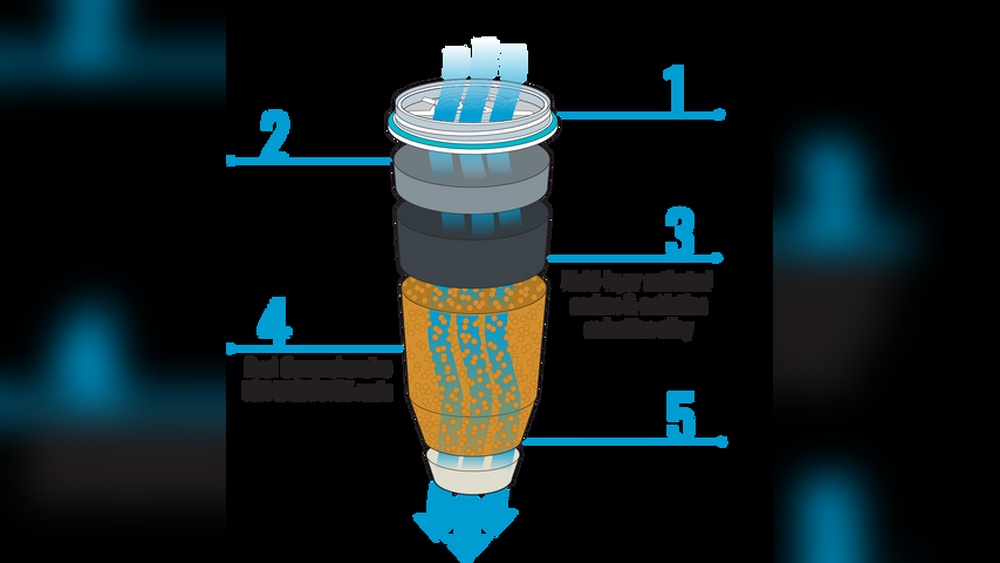
Have you ever wondered how your water filter removes those unwanted minerals that affect taste and quality? Understanding how ion exchange water filters work can help you make better choices for your home and health.
This simple yet powerful process cleans your water by swapping harmful ions with safer ones, giving you cleaner, softer water every day. Keep reading to discover exactly how this technology works and why it might be the perfect solution for your water needs.
Credit: filtersmart.com
Ion Exchange Basics
Understanding ion exchange basics helps explain how water filters improve water quality. This process removes unwanted minerals and replaces them with safer ones. It works through tiny particles called ions, which carry electrical charges. These ions move between water and a special material inside the filter.
The process is simple but powerful. It can soften hard water and reduce harmful substances. Below are key points about ion exchange and its role in water filtration.
What Is Ion Exchange
Ion exchange is a chemical process. It swaps one type of ion in water for another. This happens inside a filter with ion exchange resin. The resin holds charged particles and trades them with ions in the water. This swap changes the water’s makeup, removing unwanted minerals or contaminants.
Types Of Ions Involved
Water contains positive ions called cations and negative ions called anions. Common cations include calcium, magnesium, and sodium. Calcium and magnesium cause water hardness. Anions might include chloride, sulfate, and nitrate. Ion exchange targets these ions to improve taste, softness, and safety.
Common Ion Exchange Materials
Ion exchange resins are key materials in filters. These resins are small beads made of organic polymers. They come in two main types: cation exchange resins and anion exchange resins. Cation resins remove positive ions like calcium. Anion resins remove negative ions like nitrate. Many filters use a mix for best results.
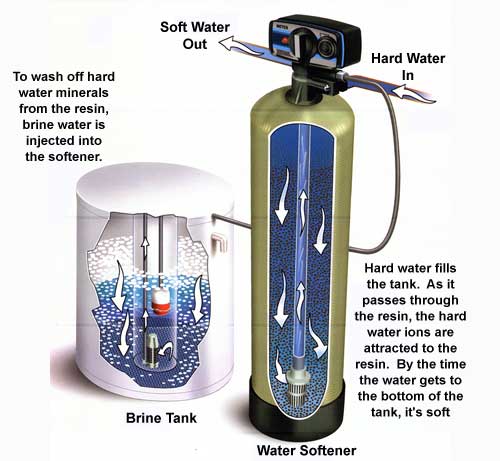
Credit: www.baristahustle.com
How Ion Exchange Filters Purify Water
Ion exchange filters clean water by removing unwanted minerals and chemicals. These filters use a special process that swaps harmful ions in water with safer ones. This method changes the water’s composition, making it healthier and better for use.
Process Of Ion Removal
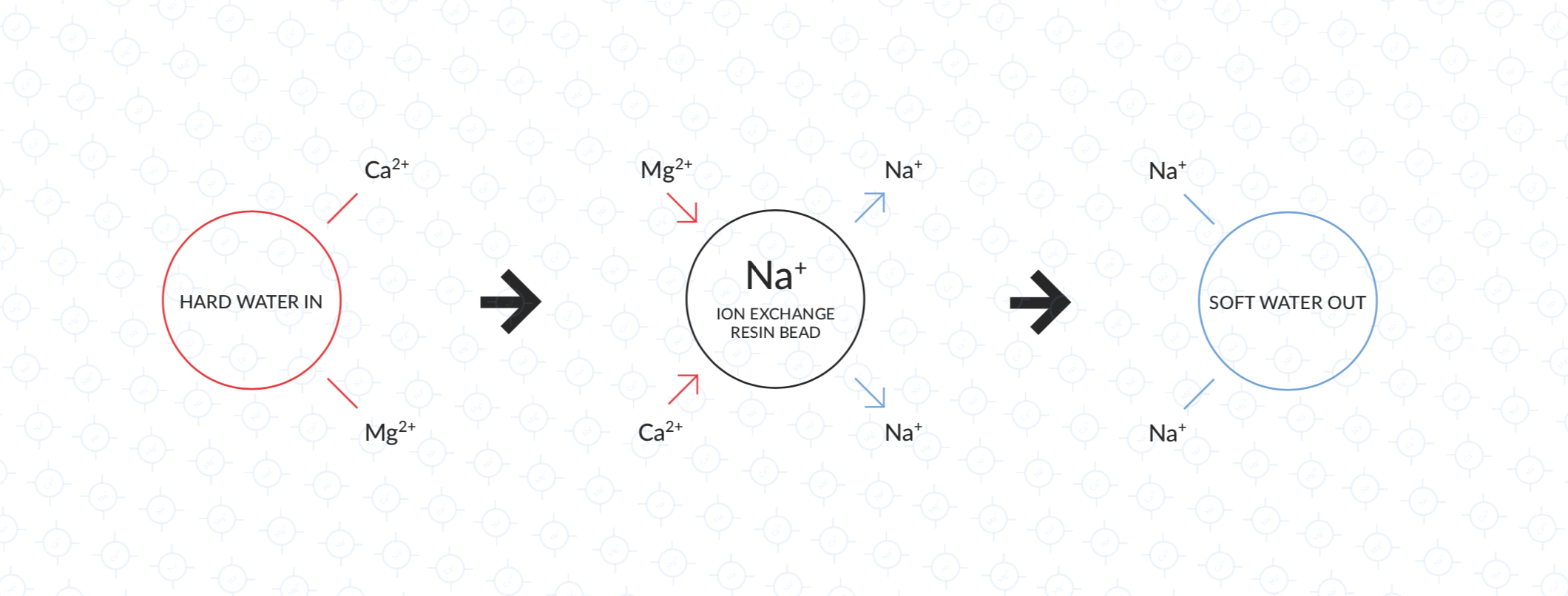
The filter water passes through resin beads inside the filter. These beads attract harmful ions like calcium and magnesium. These ions stick to the beads. In return, the beads release harmless ions such as sodium or hydrogen into the water. This exchange removes the unwanted minerals that make water hard or unclean.
Role Of Resin Beads
Resin beads are tiny plastic spheres. They hold ions that the filter swaps into the water. These beads have a charge that pulls out specific unwanted ions. They work like magnets, but for minerals. The beads keep cleaning water until they get full of trapped ions.
Regeneration Cycle
After some time, resin beads lose their power. They become full of harmful ions and stop working well. The filter uses a regeneration cycle to clean the beads. A salt solution flushes out the trapped ions. This refreshes the beads, making them ready to purify water again.
Benefits Of Ion Exchange Water Filters
Ion exchange water filters offer many benefits for better water quality. These filters use a special process to clean water effectively. They improve taste, remove hardness, and reduce harmful contaminants. This makes water safer and more pleasant to use every day.
Improved Taste And Odor
Ion exchange filters remove unpleasant tastes and smells from water. They target minerals and chemicals that cause bad odor. The result is fresh, clean water that tastes better. This makes drinking and cooking more enjoyable.
Removal Of Hardness
Hard water contains minerals like calcium and magnesium. These minerals cause stains and reduce soap effectiveness. Ion exchange filters replace hardness minerals with sodium or potassium ions. This softens water, preventing buildup and improving cleaning.
Reduction Of Contaminants
These filters reduce harmful contaminants such as lead and heavy metals. They trap and remove charged particles from water. This lowers health risks and supports safer water for families. Cleaner water means peace of mind.
Applications In Everyday Life
Ion exchange water filters play a vital role in daily life. They help improve water quality in many settings. These filters remove unwanted minerals and ions from water. This process makes water safer and better for use. Below are some common applications where ion exchange filters are useful.
Household Water Softeners
Many homes use ion exchange to soften hard water. Hard water has minerals like calcium and magnesium. These minerals cause scale buildup in pipes and appliances. Water softeners replace these minerals with sodium ions. This helps protect plumbing and extends appliance life. Softened water also improves soap and detergent efficiency.
Commercial Water Treatment
Businesses use ion exchange filters to maintain water quality. Restaurants rely on soft water for cooking and cleaning. Hotels use it to protect boilers and laundry machines. Ion exchange systems help prevent scale and corrosion in equipment. This reduces maintenance costs and downtime. Clean water is crucial for many commercial operations.
Industrial Use Cases
Industries depend on ion exchange for various processes. Power plants use soft water in boilers to avoid damage. Pharmaceutical companies require pure water for drug production. Electronics manufacturers need deionized water to prevent contamination. Ion exchange filters remove harmful ions to meet these needs. This ensures product quality and equipment safety.
Maintenance And Longevity
Proper maintenance keeps ion exchange water filters working well for a long time. Regular care prevents problems and helps the filter remove impurities efficiently. Understanding how to spot issues and follow simple steps can extend the life of your filter.
Signs Of Resin Exhaustion
The resin inside the filter holds ions and cleans the water. Over time, the resin loses its power. You may notice a change in water taste or smell. Hard water stains on sinks or appliances can appear. Water may feel rough or leave residue. These signs show the resin needs attention.
Regeneration Methods
Regeneration restores the resin’s ability to work. Salt or a special solution flushes out trapped ions. This process renews the resin’s capacity to soften water. Some filters regenerate automatically. Others need manual salt refills and settings. Follow the manufacturer’s guide for proper regeneration steps.
Tips For Prolonging Filter Life
Use clean water to avoid extra dirt in the filter. Replace the salt regularly for smooth regeneration. Avoid chemicals that can damage the resin. Check the system for leaks or blockages often. Timely regeneration keeps the filter healthy. Keeping these habits ensures longer filter life and better water quality.
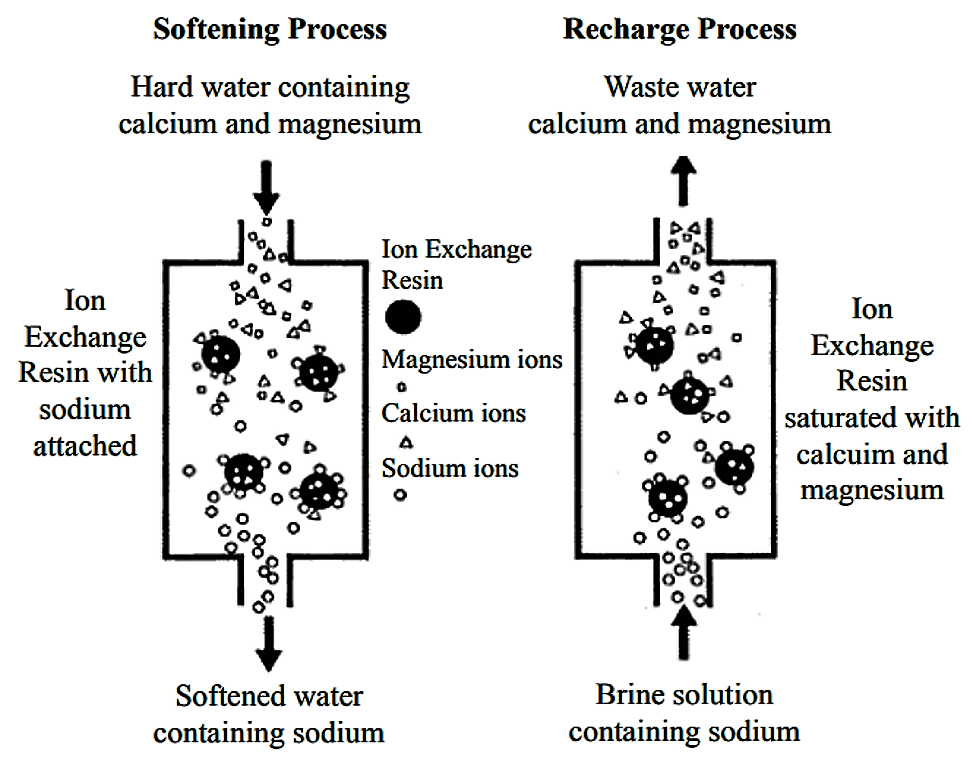
Credit: sswm.info
Comparing Ion Exchange With Other Filters
Ion exchange water filters are one of several options for improving water quality. Each type of filter works differently and suits different needs. Comparing ion exchange with other filters helps understand their strengths and limits.
Ion Exchange Vs Activated Carbon
Ion exchange removes minerals like calcium and magnesium. It swaps harmful ions for safer ones, softening the water. Activated carbon focuses on chemicals, odors, and tastes. It traps chlorine and organic compounds. Carbon does not remove hardness or metals well. Ion exchange targets hardness but not odors. Both filters improve water but in different ways.
Ion Exchange Vs Reverse Osmosis
Reverse osmosis pushes water through a fine membrane. It removes many impurities, including salts and metals. Ion exchange only swaps specific ions, mainly hardness-causing minerals. RO systems produce very pure water but waste some water. Ion exchange saves more water and works faster. RO is better for removing a wider range of contaminants.
Cost And Efficiency Considerations
Ion exchange filters usually cost less upfront than reverse osmosis. They use less water and energy during operation. Activated carbon filters are often cheaper but need frequent replacement. Reverse osmosis has higher maintenance costs. Efficiency depends on water quality and treatment goals. Choose a filter that fits your budget and needs.
Environmental Impact And Safety
Ion exchange water filters are popular for improving water quality. Understanding their environmental impact and safety is important. These filters use resin beads to remove unwanted minerals from water. The process involves chemicals and materials that need careful handling. Let’s explore key environmental aspects and safety concerns linked to these systems.
Disposal Of Used Resin
Used resin beads lose their ability to clean water. They must be replaced and disposed of properly. Throwing resin in regular trash can harm the environment. Some resins contain harmful substances. Special disposal methods help prevent pollution. Recycling options for resin are limited but growing. Proper disposal protects soil and water from contamination.
Chemical Use In Regeneration
Ion exchange resins need regeneration to work again. This process uses chemicals like salt or acid. These chemicals clean the resin but create waste brine. Waste brine can pollute water if not handled correctly. Safe treatment and disposal of brine reduce environmental risks. Using less harmful chemicals is a focus for new technologies.
Sustainability Factors
Choosing sustainable ion exchange systems helps protect the planet. Systems that use less water and chemicals reduce waste. Long-lasting resins lower the need for frequent replacements. Some companies offer resin recycling programs. Energy-efficient regeneration methods also cut environmental impact. Simple actions in operation make a big difference for sustainability.
Frequently Asked Questions
What Is An Ion Exchange Water Filter?
An ion exchange water filter removes unwanted ions by swapping them with harmless ones. It typically replaces calcium and magnesium with sodium, softening hard water and improving taste and usability.
How Do Ion Exchange Filters Soften Water?
They soften water by exchanging hardness ions like calcium and magnesium with sodium or potassium ions. This process prevents scale buildup and improves water quality for household use.
What Contaminants Do Ion Exchange Filters Remove?
Ion exchange filters primarily remove hardness minerals, heavy metals like lead, and certain radioactive elements. They are effective in improving water softness and reducing harmful ion concentrations.
How Often Should Ion Exchange Filters Be Replaced?
Filter replacement depends on water usage and hardness levels. Typically, replacing the resin or cartridge every 6 to 12 months ensures optimal performance and water quality.
Conclusion
Ion exchange water filters remove unwanted minerals from water. They swap harmful ions with safer ones. This process improves water taste and quality. These filters work silently and need regular care. Simple to use and effective in homes. Understanding how they work helps you choose right.
Clean water supports health and daily life. Trust ion exchange for better water every day.

Hasan Al Sarker is a Reverse Osmosis Specialist. He has worked for many years to ensure safe drinking water for all. His research paper has been published in several journals, including Issue, Medium, and Slideshare. He is recognized as a water doctor among specialists though he did not attend medical college.
Besides working as a researcher of reverse osmosis technology, he is also very fancy with the kitchen and cooking. His guides are reading thousands of people every day. As a head of content, he is responsible for all the published articles at RO System Reviews.