
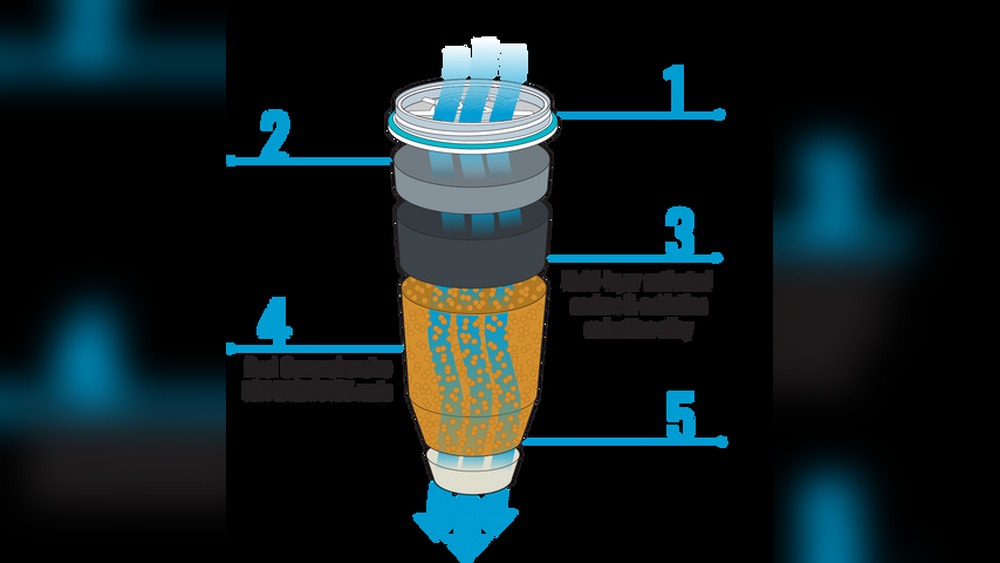
Have you ever wondered what’s really in your tap water? You might be surprised to learn that many unwanted minerals and particles can affect its taste, safety, and quality.
That’s where ion exchange filters come in. But what do these filters actually remove from your water? Understanding this can help you make smarter choices for your health and home. Keep reading to discover exactly how ion exchange filters work and why they might be the solution you’ve been looking for.
How Ion Exchange Filters Work
Ion exchange filters clean water by swapping unwanted minerals with safer ones. They remove hard minerals like calcium and magnesium, which cause scale buildup. This process makes water softer and better for daily use.
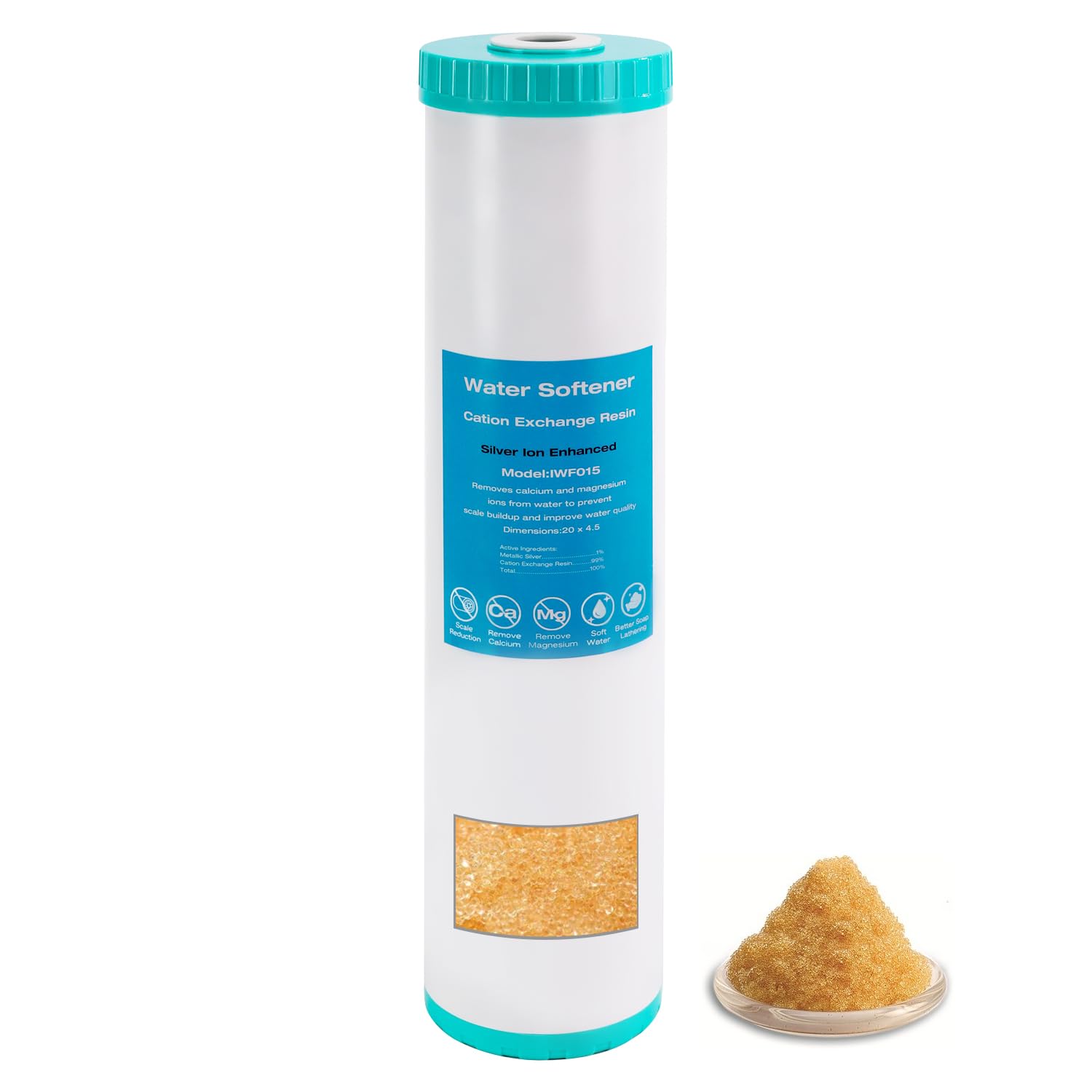
These filters use special materials called resins. Resins attract and hold the hard minerals from water. Then, they release harmless ions like sodium or hydrogen into the water. This exchange improves water quality and taste.
Basic Ion Exchange Process
Water flows through a tank filled with ion exchange resin beads. These beads carry charged particles or ions. Hard minerals in water have a positive charge. The resin beads have ions with the same charge but different type.
As water passes, the resin beads swap their ions with the hard minerals. For example, calcium ions stick to the resin, while sodium ions are released into the water. This swap removes the hard minerals and softens the water.
Over time, the resin beads fill up with hard minerals. The filter needs cleaning or recharging. This process uses a salt solution that flushes out the hard minerals from the resin. After cleaning, the filter works like new again.
Types Of Ion Exchange Resins
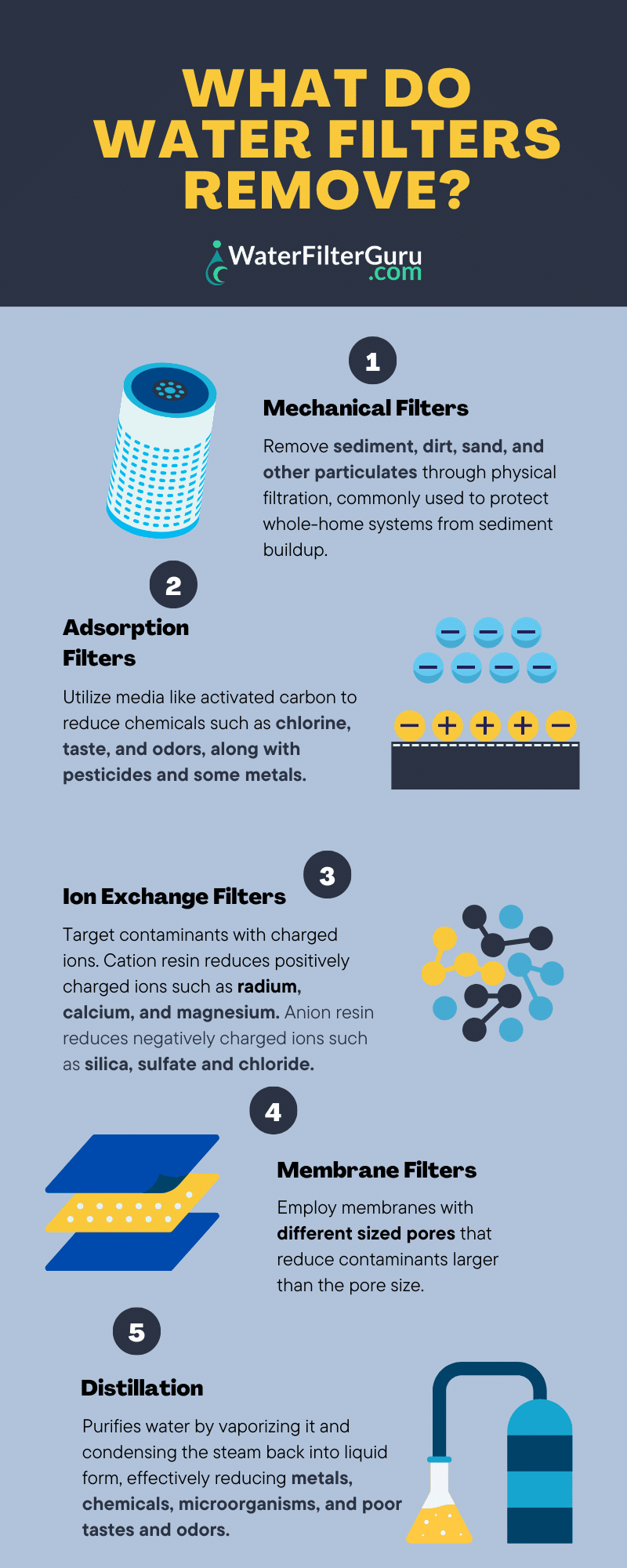
There are two main types of ion exchange resins: cation and anion resins. Cation resins remove positive ions like calcium and magnesium. These are the main cause of hard water.
Anion resins remove negative ions such as nitrate, sulfate, and chloride. They help in reducing bad tastes and odors in water. Some filters combine both types for better purification.
Resins come in different forms and strengths. Some resins are designed to work faster or last longer. Choosing the right resin depends on the water problem you want to solve.
Credit: www.amazon.com
Common Contaminants Removed
Ion exchange filters clean water by removing many common contaminants. These filters improve water quality and taste. They help protect plumbing and appliances from damage. Understanding what contaminants they remove shows their value.
These filters mainly target ions dissolved in water. They exchange unwanted ions with safer ones. This process removes harmful and unwanted minerals and metals. Below are some common contaminants ion exchange filters remove.
Hardness Minerals: Calcium And Magnesium
Calcium and magnesium cause water hardness. Hard water can leave spots on dishes and clothes. It also clogs pipes and reduces soap effectiveness. Ion exchange filters swap these hardness minerals with sodium or potassium ions. This softens water and reduces damage.
Heavy Metals: Lead, Copper, And Cadmium
Lead, copper, and cadmium are toxic heavy metals. They can enter water from old pipes and industrial waste. These metals harm health when consumed. Ion exchange filters capture and remove these metals. They help make water safer to drink and use.
Radioactive Elements: Radium And Uranium
Radium and uranium are radioactive elements found in some water sources. They pose serious health risks over time. Ion exchange filters reduce these elements effectively. This lowers the risk of radiation exposure from water.
Other Ions: Iron And Manganese
Iron and manganese cause stains and bad taste in water. High levels can clog pipes and damage appliances. Ion exchange filters remove these ions. This improves water clarity and prevents staining.
Limitations Of Ion Exchange Filters
Ion exchange filters improve water quality by removing certain minerals and metals. They work well for softening hard water and reducing contaminants like calcium and magnesium. Yet, these filters have limits. Understanding these limits helps you choose the right water treatment for your needs.
Contaminants Not Effectively Removed
Ion exchange filters do not remove all types of contaminants. They mainly target minerals that cause hardness. They cannot remove bacteria, viruses, or chemicals like pesticides. They also miss sediments, chlorine, and heavy metals such as lead or mercury. For these, other filters like activated carbon or UV systems are needed.
Impact Of Water Chemistry On Performance
Water chemistry affects how well ion exchange filters work. High iron or manganese levels can clog the filter quickly. Water with high chlorine can damage the resin beads inside the filter. The pH level also matters; very acidic or alkaline water reduces filter efficiency. Regular maintenance is essential to keep the filter working properly.
Credit: waterfilterguru.com
Applications Of Ion Exchange Filters
Ion exchange filters have many uses across different fields. They help remove unwanted minerals and ions from water. This improves water quality for various purposes. Their ability to exchange ions makes them very useful in many settings.
Residential Water Softening
Ion exchange filters soften hard water by removing calcium and magnesium. This prevents scale buildup in pipes and appliances. Softer water protects plumbing and extends appliance life. It also improves soap and detergent effectiveness. Many homes use these filters to enhance water quality.
Industrial Water Treatment
Industries use ion exchange filters to purify water for processes. They remove minerals that cause scaling and corrosion. This protects machinery and improves product quality. Power plants, chemical manufacturing, and food processing rely on these filters. Clean water helps maintain efficiency and safety in plants.
Laboratory And Medical Use
In labs, ion exchange filters provide pure water for experiments. They remove ions that can interfere with results. Medical facilities use them to prepare water for dialysis machines. This ensures patient safety and treatment effectiveness. Pure water is critical in many scientific and medical applications.
Maintaining Ion Exchange Filters
Maintaining ion exchange filters ensures they work well for a long time. These filters remove unwanted minerals and impurities from water. Proper care keeps the water clean and the system efficient. Regular maintenance prevents costly repairs and filter replacements. It also helps keep water tasting fresh and safe.
Regeneration Process
The regeneration process restores the filter’s ability to remove minerals. It uses a salt solution to clean the filter beads. This process removes trapped minerals like calcium and magnesium. Regeneration usually happens automatically or can be done manually. Following the manufacturer’s instructions is important for best results.
Signs Of Filter Exhaustion
Watch for changes in water taste or smell. Water flow may slow down, showing filter clogging. Hard water spots on dishes can also appear. These signs mean the filter is full of minerals. Timely regeneration or replacement is necessary to keep water clean.
Tips For Longevity
Use good-quality salt for regeneration to protect filter beads. Avoid using harsh chemicals near the filter system. Check the filter regularly for any damage or leaks. Keep the filter and surrounding area clean and dry. Proper maintenance extends the life of the ion exchange filter.

Credit: mytapscore.com
Frequently Asked Questions
What Contaminants Do Ion Exchange Filters Remove?
Ion exchange filters remove hardness minerals like calcium and magnesium. They also reduce heavy metals such as lead and copper. These filters improve water taste and prevent scale buildup in pipes and appliances, enhancing water quality for drinking and household use.
How Do Ion Exchange Filters Soften Hard Water?
Ion exchange filters replace calcium and magnesium ions with sodium or potassium ions. This process softens water by reducing hardness minerals. Softened water protects plumbing, reduces soap scum, and improves cleaning efficiency in homes and industries.
Can Ion Exchange Filters Remove Heavy Metals?
Yes, ion exchange filters effectively remove heavy metals like lead, copper, and mercury. They trap these harmful metals by exchanging them with harmless ions, making water safer for drinking and reducing health risks associated with metal contamination.
Do Ion Exchange Filters Remove Chlorine Or Bacteria?
Ion exchange filters do not remove chlorine or bacteria. They specifically target dissolved minerals and heavy metals. For chlorine or bacteria removal, additional filtration methods like activated carbon filters or UV purifiers are required.
Conclusion
Ion exchange filters remove many harmful substances from water. They reduce hardness by swapping calcium and magnesium ions. These filters also lower heavy metals like lead and copper. They improve water taste and protect appliances from damage. Using ion exchange helps keep water clean and safe.
Choosing the right filter matters for best results. Clean water supports health and daily life. Simple, effective, and reliable—ion exchange filters work well. Consider them for better water at home or work. Clear, soft water makes a big difference.

Hasan Al Sarker is a Reverse Osmosis Specialist. He has worked for many years to ensure safe drinking water for all. His research paper has been published in several journals, including Issue, Medium, and Slideshare. He is recognized as a water doctor among specialists though he did not attend medical college.
Besides working as a researcher of reverse osmosis technology, he is also very fancy with the kitchen and cooking. His guides are reading thousands of people every day. As a head of content, he is responsible for all the published articles at RO System Reviews.