Are you tired of dealing with hard water that leaves spots on your dishes and reduces the lifespan of your appliances? Understanding how ion exchange water treatment works could be the simple solution you need.
This method can transform your water, making it cleaner, softer, and better for your home and health. You’ll discover what ion exchange water treatment is, how it works, and why it might be the answer to your water problems. Keep reading to find out how this process can make a real difference in your daily life.
Credit: sswm.info
Basics Of Ion Exchange
Ion exchange is a common method to clean and soften water. It removes unwanted minerals and replaces them with safe ones. This process helps improve water quality for homes and industries. Understanding the basics of ion exchange makes it easier to see its benefits.
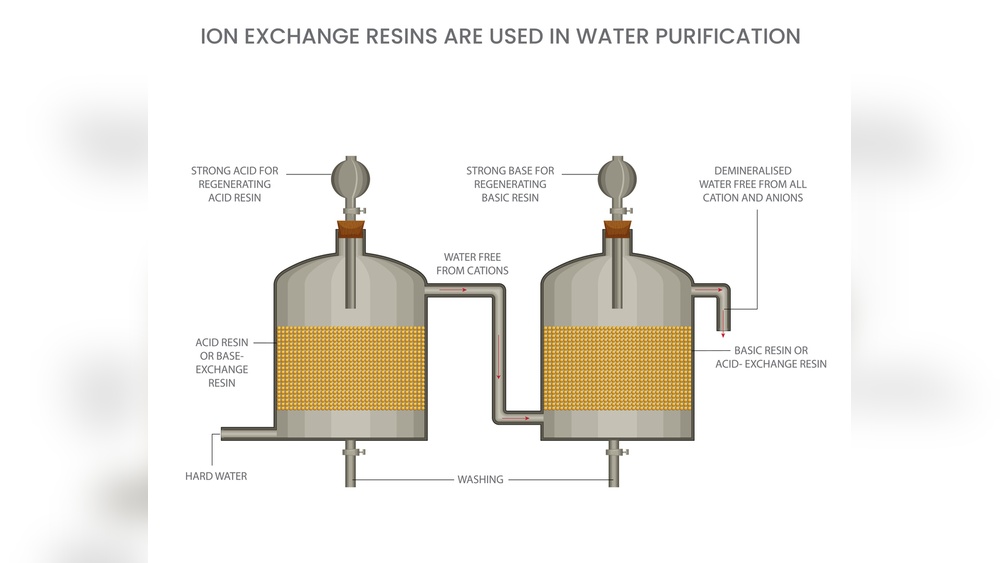
The core of ion exchange lies in swapping ions between water and a special material. This material, called resin, holds charged particles. These particles attract and trade places with harmful ions in the water. This simple swap changes the water’s makeup for the better.
How Ion Exchange Works
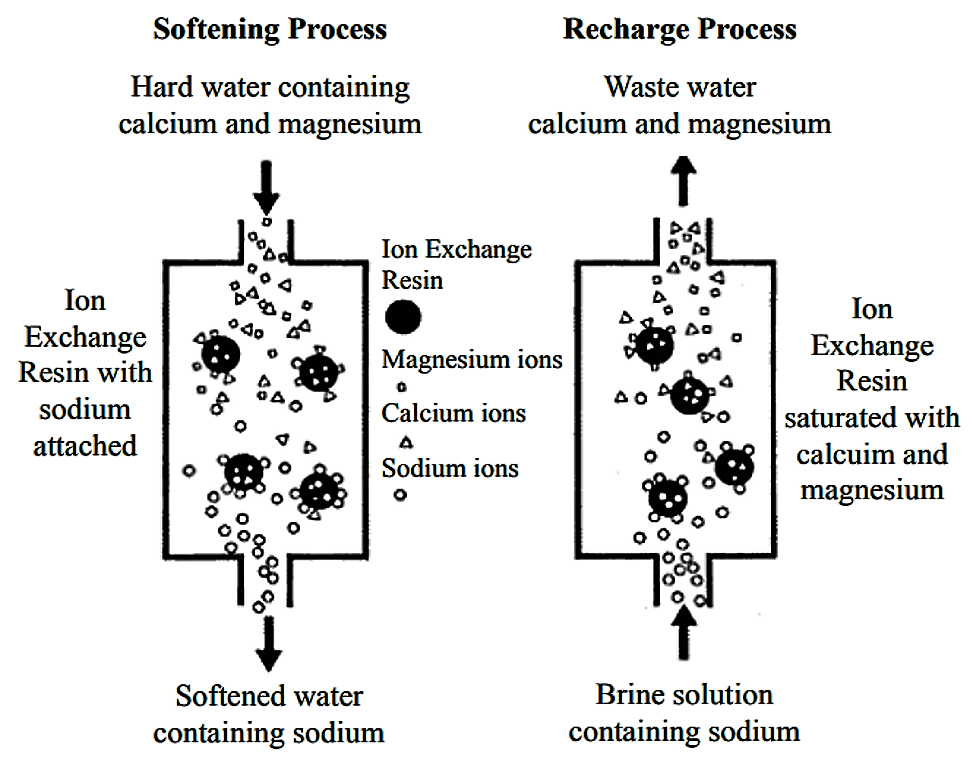
Water flows through a tank filled with ion exchange resin beads. These beads carry charged ions ready to swap with the water’s ions. For example, hard water contains calcium and magnesium ions. The resin beads exchange these for sodium or hydrogen ions. This exchange softens the water by removing hardness.
The process continues until the resin beads lose their ability to exchange ions. Then, the resin needs cleaning through regeneration. During regeneration, a strong salt solution flushes the resin. This restores the resin’s ion-holding power for reuse.
Types Of Ion Exchange Resins
Two main types of ion exchange resins exist: cation and anion resins. Cation resins swap positively charged ions like calcium and magnesium. Anion resins replace negatively charged ions such as chloride and sulfate.
Cation resins are common in water softening systems. They remove hardness-causing ions and replace them with sodium. Anion resins help remove contaminants like nitrate or arsenic. Both resins work together in some systems for thorough water treatment.
Each resin type has a specific use depending on water quality needs. Choosing the right resin ensures effective ion exchange and better water quality.
Common Applications
Ion exchange water treatment has many uses across different areas. It helps remove unwanted minerals and contaminants from water. This process improves water quality for various needs. Below are some common applications of ion exchange technology.
Residential Water Softeners
Many homes use ion exchange to soften hard water. Hard water contains calcium and magnesium, which cause scale buildup. Water softeners replace these minerals with sodium or potassium ions. This prevents damage to pipes and appliances. Soft water also improves soap’s effectiveness and skin comfort.
Industrial Water Purification
Industries need pure water for manufacturing and processes. Ion exchange removes dissolved salts and metals from water. This protects equipment from corrosion and scaling. It also ensures product quality in food, pharmaceuticals, and electronics. Ion exchange systems are reliable and easy to maintain.
Wastewater Treatment
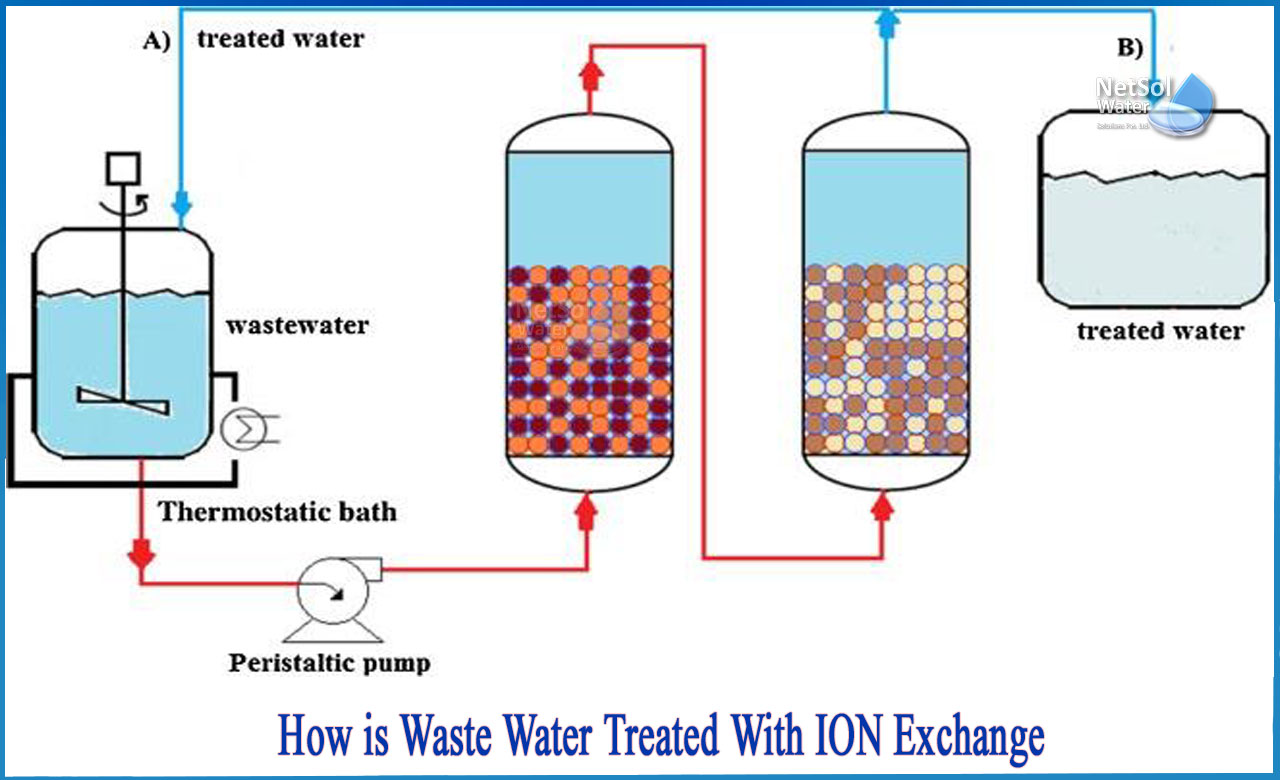
Wastewater contains harmful chemicals and heavy metals. Ion exchange helps remove these pollutants before releasing water back to the environment. It reduces toxins and protects aquatic life. Many treatment plants use ion exchange to meet safety standards. This method is cost-effective and efficient for cleaning wastewater.
Benefits Of Ion Exchange
Ion exchange water treatment offers many benefits for homes and industries. It improves water quality by removing unwanted minerals and contaminants. This process helps protect plumbing systems and appliances. It also saves money over time by reducing maintenance costs. Understanding these benefits shows why ion exchange is a popular choice.
Improved Water Quality
Ion exchange removes impurities that affect taste and smell. It eliminates chlorine and other chemicals. The result is cleaner, clearer, and better-tasting water. This makes drinking and cooking safer and more enjoyable. Pure water also supports better health and hygiene.
Removal Of Hardness And Contaminants
Water hardness comes from calcium and magnesium. Ion exchange replaces these with sodium or potassium ions. This softens the water and prevents scale buildup. It also removes heavy metals like lead and iron. Cleaner water protects pipes and extends appliance life.
Cost-effectiveness
Ion exchange systems are affordable to install and operate. They reduce the need for expensive repairs caused by hard water damage. Soft water lowers detergent and soap use. This saves money on cleaning products and energy bills. Long-term savings make ion exchange a smart investment.
Ion Exchange Process Steps
The ion exchange process removes unwanted minerals and ions from water. It swaps harmful ions with safe ones using special resin beads. The process has clear steps to clean water effectively. Understanding these steps helps to see how ion exchange works well.
Regeneration Cycle
The resin beads hold ions and must be cleaned regularly. This cleaning is called the regeneration cycle. During regeneration, a strong salt solution flushes the beads. The salt replaces the captured harmful ions. After flushing, the resin is ready to work again. This cycle keeps water treatment consistent and effective.
Maintenance Requirements
Regular maintenance keeps the ion exchange system running smoothly. Check salt levels often to ensure proper regeneration. Clean the resin tanks to avoid blockages. Replace worn parts as needed to prevent leaks. Proper maintenance extends the life of the system. It helps maintain water quality and system efficiency.
Choosing The Right System
Choosing the right ion exchange water treatment system is important for clean, safe water. The best system depends on water quality, usage, and budget. Understanding key factors helps select a system that fits your needs. Proper sizing and capacity ensure the system works efficiently without waste.
Factors To Consider
Test your water to find out what minerals need removal. Check hardness, iron, and other contaminants. Consider your water use daily. Think about maintenance needs and cost of replacement parts. Choose a system that matches your water issues and lifestyle.
System Sizing And Capacity
Calculate how much water you use each day. A system too small will not clean all water. One too big wastes space and money. Match system capacity to your water demand. This keeps water quality high and saves resources.
Credit: www.netsolwater.com
Challenges And Limitations
Ion exchange water treatment is effective but faces some challenges and limits. These challenges affect its performance and use. Understanding these helps in choosing the right water treatment method.
Resin Fouling
Resin fouling happens when particles block the resin beads. Dirt, oils, and bacteria can cause this. It lowers the resin’s ability to clean water. Fouling shortens the resin’s life and needs more cleaning. Frequent cleaning raises costs and downtime. Preventing fouling requires good pre-treatment of water.
Environmental Impact
Ion exchange creates waste brine during resin regeneration. This salty water can harm the environment if not treated. Disposal of brine is a big concern for many users. Chemicals used in regeneration may also cause pollution. Safe handling and treatment of waste are necessary. Using eco-friendly methods can reduce environmental harm.
Future Trends In Ion Exchange
Ion exchange water treatment is evolving with new trends shaping its future. These changes aim to improve efficiency and reduce costs. The technology will become more adaptable and smarter. Expect better materials and combined methods to enhance water purification. Understanding these trends helps grasp where ion exchange is heading.
Advancements In Resin Technology
New resins offer higher capacity and faster ion exchange rates. They last longer and resist fouling better. Some resins now target specific contaminants more effectively. This precision reduces waste and saves energy. Research focuses on making resins more eco-friendly and easier to recycle. These improvements increase overall system performance and reduce downtime.
Integration With Other Treatment Methods
Ion exchange is joining forces with methods like filtration and membrane technology. Combining processes improves water quality beyond what one method can do. Hybrid systems remove a wider range of pollutants. This integration also lowers energy use and operational costs. Smart controls help manage these combined systems efficiently. Such synergy meets stricter water standards and diverse treatment needs.

Credit: shop.culligan.com
Frequently Asked Questions
What Is Ion Exchange Water Treatment?
Ion exchange water treatment is a process that removes unwanted ions from water. It replaces harmful ions with beneficial ones using resin beads. This method softens water and improves its quality for industrial, commercial, and residential use.
How Does Ion Exchange Remove Hardness From Water?
Ion exchange removes hardness by swapping calcium and magnesium ions with sodium or potassium ions. This exchange softens the water, preventing scale buildup in pipes and appliances, thus enhancing water quality and extending their lifespan.
What Are Common Uses Of Ion Exchange Water Treatment?
Ion exchange is used in water softening, demineralization, and purification. It is common in households, industries, and laboratories to improve water quality by removing hardness, heavy metals, and other contaminants.
What Types Of Resins Are Used In Ion Exchange?
Cation and anion resins are used in ion exchange. Cation resins remove positive ions like calcium, while anion resins remove negative ions such as chloride. Both types help in achieving purified and softened water.
Conclusion
Ion exchange water treatment removes unwanted minerals from water. It improves water quality for homes and industries. The process is simple and cost-effective. It helps prevent scale and corrosion in pipes. Clean water supports health and protects appliances. Understanding this method can guide better water choices.
Easy to install and maintain, it suits many needs. Ion exchange remains a trusted solution for water softening and purification. Clear, safe water is possible with this technology.

Hasan Al Sarker is a Reverse Osmosis Specialist. He has worked for many years to ensure safe drinking water for all. His research paper has been published in several journals, including Issue, Medium, and Slideshare. He is recognized as a water doctor among specialists though he did not attend medical college.
Besides working as a researcher of reverse osmosis technology, he is also very fancy with the kitchen and cooking. His guides are reading thousands of people every day. As a head of content, he is responsible for all the published articles at RO System Reviews.