
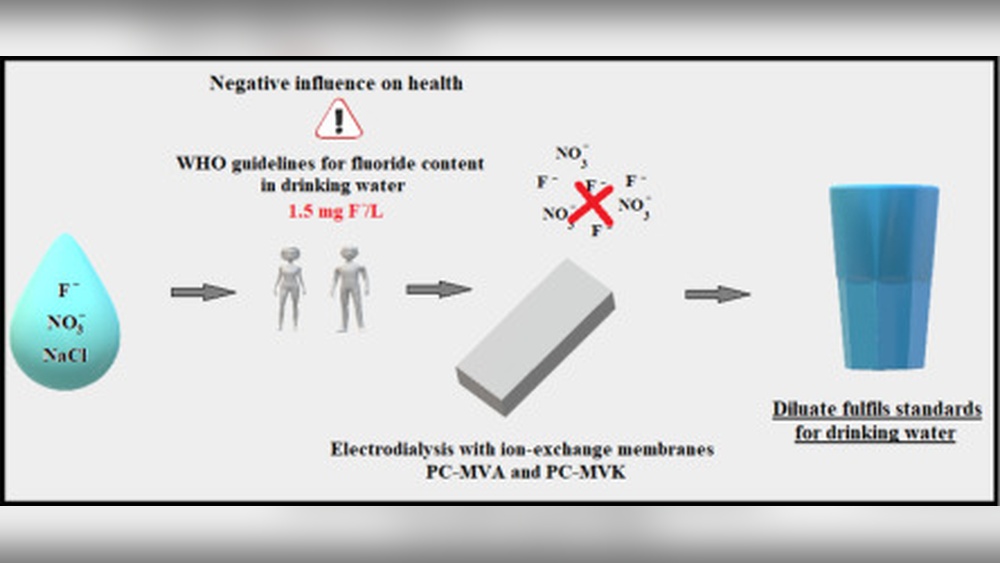
Are you worried about the fluoride levels in your drinking water? You might have heard about ion exchange as a method to clean water, but does it actually remove fluoride?
Understanding how this process works can help you make smarter choices for your health and your family’s safety. Keep reading to discover the truth about ion exchange and whether it’s the right solution for reducing fluoride in your water.
Credit: www.researchgate.net
Basics Of Ion Exchange
Ion exchange is a common method used to clean water. It removes unwanted minerals and chemicals. This process helps make water safer and better tasting.
Ion exchange works by swapping harmful ions in water with safer ones. This method is used in many water treatment systems. Understanding how it works is key to knowing if it removes fluoride.
How Ion Exchange Works
Ion exchange uses small beads called resins. These beads carry charged particles called ions. When water passes through, the beads attract harmful ions.
The resin releases safe ions in exchange. This swap removes bad ions like lead, nitrate, or fluoride. The process is simple but effective.
Types Of Ion Exchange Resins
There are two main types of ion exchange resins: cation and anion resins. Cation resins remove positive ions like calcium and magnesium. These cause hard water.
Anion resins remove negative ions such as nitrate and fluoride. Not all anion resins remove fluoride equally. The choice of resin affects how well fluoride is removed.
Fluoride In Drinking Water
Fluoride is a mineral found naturally in water sources. It is added to some public water supplies to help prevent tooth decay. While fluoride can be beneficial in small amounts, too much can cause health problems. Understanding where fluoride comes from and its effects is important for safe drinking water.
Sources Of Fluoride Contamination
Fluoride enters water through natural and human activities. Rocks and soil release fluoride into groundwater. Some industrial processes also add fluoride to water. Fertilizers and waste from factories can increase fluoride levels. These sources can raise fluoride beyond safe limits.
Health Effects Of Fluoride
Low fluoride helps protect teeth from cavities. But high fluoride causes dental fluorosis, which damages teeth appearance. In severe cases, excess fluoride harms bones and joints. Children are most at risk for fluoride overexposure. Careful monitoring keeps fluoride at safe levels.
Ion Exchange And Fluoride Removal
Ion exchange is a popular water treatment method. It uses resins to swap harmful ions in water with safer ones. This process can remove many contaminants, including fluoride.
Fluoride is a mineral found in water naturally or added to prevent tooth decay. Too much fluoride can cause health problems. Removing excess fluoride is important for safe drinking water.
Effectiveness Of Ion Exchange Resins
Ion exchange resins can reduce fluoride levels effectively. They attract fluoride ions and replace them with other ions, like chloride or hydroxide. The success depends on the type of resin used.
Strong base anion exchange resins work best for fluoride removal. These resins have a high capacity to capture fluoride ions. They can lower fluoride concentration to safe levels.
Factors Affecting Fluoride Removal
Several factors influence how well ion exchange removes fluoride. Water pH plays a big role. Fluoride removal is better in neutral or slightly alkaline water.
Other ions in water, like sulfate or nitrate, compete with fluoride. This competition can reduce the resin’s effectiveness. Water temperature and flow rate also affect the process.
Proper maintenance of the resin is important. Over time, resins lose capacity and need regeneration. Regular checks ensure continuous fluoride removal.

Credit: link.springer.com
Comparing Ion Exchange With Other Methods
Removing fluoride from water requires effective methods. Ion exchange is one choice. Other popular methods also exist. Each method works differently. Understanding these differences helps you pick the best option for fluoride removal.
Activated Alumina
Activated alumina is a common filter for fluoride. It adsorbs fluoride ions onto its surface. This method works well for moderate fluoride levels. It needs regular replacement or regeneration to keep working. It is cost-effective but slower than some methods.
Reverse Osmosis
Reverse osmosis (RO) uses a membrane to block fluoride. Water passes through the membrane, leaving fluoride behind. RO removes many contaminants, not just fluoride. It requires electricity and regular maintenance. This method is very effective but more expensive.
Distillation
Distillation boils water to separate fluoride and other minerals. The steam is collected and cooled to pure water. It removes nearly all fluoride and impurities. Distillation uses a lot of energy. It is simple but slow and less convenient for daily use.
Maintenance And Costs
Maintaining an ion exchange system for fluoride removal requires regular care. Costs depend on the system’s size and usage. Understanding maintenance needs helps plan your budget and ensures clean water.
Resin Regeneration Process
The ion exchange resin loses effectiveness over time. It needs regeneration to restore its ability to remove fluoride. This process uses a salt solution to flush out trapped fluoride ions. Regeneration frequency depends on water quality and usage. Neglecting regeneration reduces fluoride removal efficiency.
Operational Expenses
Operational costs include salt, water, and energy for regeneration. Resin replacement is needed after several cycles. Labor and maintenance checks add to expenses. Costs vary by system size and water fluoride levels. Planning for these expenses keeps the system working well.
Choosing The Right System
Choosing the right ion exchange system matters a lot for fluoride removal. The system must match your water needs and quality. Picking the wrong one can waste money and leave fluoride in your water. Focus on key factors to find the best fit.
Water Quality Testing
Testing your water shows the exact fluoride level. It also finds other minerals that affect the system. Water with many minerals may need a stronger system. Testing helps choose the right ion exchange resin. It ensures better fluoride removal and safer water.
System Capacity And Usage
Consider how much water your household uses daily. A small system might fail if your use is high. Large families need bigger capacity systems. Check the resin’s ability to remove fluoride before buying. Pick a system that matches your daily water needs for best results.
Credit: ionexchangeglobal.com
Frequently Asked Questions
Does Ion Exchange Effectively Remove Fluoride From Water?
Ion exchange can reduce fluoride, but it is not the most effective method. Specialized filters like activated alumina work better for fluoride removal.
How Does Ion Exchange Work For Fluoride Removal?
Ion exchange replaces fluoride ions with other ions like chloride. However, its efficiency depends on resin type and water chemistry.
Is Ion Exchange Better Than Reverse Osmosis For Fluoride?
Reverse osmosis is generally more effective than ion exchange for fluoride removal. RO systems can remove up to 95% of fluoride.
Can Ion Exchange Systems Be Combined With Other Filters?
Yes, combining ion exchange with activated alumina or reverse osmosis improves fluoride removal and overall water quality.
Conclusion
Ion exchange can reduce some fluoride in water. It works best for low fluoride levels. Not all ion exchange systems remove fluoride fully. Testing your water helps choose the right method. Combining treatments may improve fluoride removal. Clean water is important for health.
Keep learning about water filters. Choose what fits your needs and budget. Regular maintenance keeps filters working well. Clear, safe water is possible with the right steps.

Hasan Al Sarker is a Reverse Osmosis Specialist. He has worked for many years to ensure safe drinking water for all. His research paper has been published in several journals, including Issue, Medium, and Slideshare. He is recognized as a water doctor among specialists though he did not attend medical college.
Besides working as a researcher of reverse osmosis technology, he is also very fancy with the kitchen and cooking. His guides are reading thousands of people every day. As a head of content, he is responsible for all the published articles at RO System Reviews.