Are you wondering how much ion exchange resin you really need for your water treatment system? Getting the right amount is crucial.
Too little resin means poor water quality, while too much wastes money and space. You’ll discover simple ways to calculate the exact amount of resin for your needs. By the end, you’ll feel confident making the best choice—saving you time, money, and hassle.
Keep reading to find the perfect balance for your system.
Credit: en.wikipedia.org
Factors Affecting Resin Quantity
Determining the right amount of ion exchange resin depends on several key factors. These factors help ensure the resin works efficiently to soften or purify water. Understanding each one can save money and avoid resin waste.
Water Hardness Levels
The hardness of water shows how many minerals it contains. High hardness means more calcium and magnesium. The harder the water, the more resin is needed to remove minerals. Test your water to find its hardness level. This test guides the amount of resin required.
Water Volume
Water volume is the amount of water treated daily. Larger volumes need more resin to handle the load. Measure your daily water use. This helps calculate the right resin size. Underestimating volume can reduce resin life and water quality.
Flow Rate Considerations
Flow rate is the speed water moves through the resin. Too fast a flow can reduce resin contact time. This lowers resin efficiency. A balanced flow rate ensures proper ion exchange. Adjust flow to match resin capacity and water needs.
Type Of Ion Exchange Resin
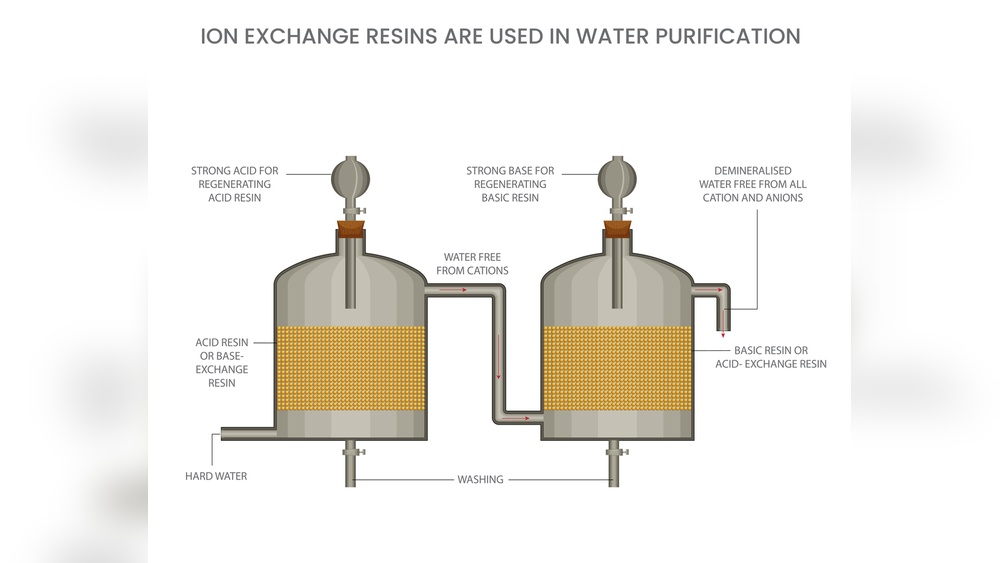
Different resins have different capacities and uses. Some resins remove hardness; others remove specific contaminants. Choose resin based on your water problem. Higher capacity resins need less material for the same effect. Match resin type to water treatment goals.
Calculating Resin Amount
Calculating the right amount of ion exchange resin is key for effective water softening. Too little resin means poor softening. Too much resin wastes money and space. This section helps you figure out the correct resin quantity for your needs.
Measuring Water Hardness
Water hardness shows how much calcium and magnesium are in your water. It is measured in grains per gallon (gpg) or parts per million (ppm). Testing kits or local water reports provide this number. Knowing hardness is the first step in resin calculation.
Estimating Daily Water Usage
Estimate how much water your household uses each day. Check your water bill for average gallons per day. Include all water uses like drinking, bathing, and laundry. This estimate helps determine how much resin you need to treat all water.
Resin Capacity Ratings
Resin capacity shows how many grains of hardness one cubic foot of resin can remove. Typical resin removes between 20,000 and 30,000 grains per cubic foot. This number varies by resin type and quality. It guides how much resin volume you require.
Formula For Resin Calculation
Use this simple formula:
Resin volume (cubic feet) = (Daily water usage in gallons × Water hardness in grains per gallon) ÷ Resin capacity in grains per cubic foot
This formula gives a good estimate for the resin amount needed. Round up to ensure enough resin for effective softening.
Choosing Resin Size And Type
Choosing the right resin size and type matters for your ion exchange system. The correct resin ensures water treatment works well and lasts longer. Resin size affects how much water it can treat before needing regeneration. Resin type affects how well it removes unwanted minerals or ions. Understanding the options helps pick the best resin for your needs.
Standard Vs High-capacity Resin
Standard resin is common and works for most water softening jobs. It removes typical hardness minerals like calcium and magnesium. High-capacity resin holds more hardness ions before it gets full. This means it treats more water before needing regeneration. High-capacity resins cost more but save time and salt. They suit homes with hard water or larger families.
Synthetic Vs Natural Resin
Synthetic resin is man-made and designed for specific water problems. It is durable and works fast. Natural resin comes from organic materials like zeolite. It is eco-friendly but less common. Synthetic resin handles a wide range of minerals better. Natural resin suits mild water hardness and simple needs. Your choice depends on water quality and budget.
Resin Regeneration Frequency
Regeneration restores resin’s ability to soften water. Resin that regenerates often uses more salt and water. Larger resin tanks reduce regeneration frequency. High-capacity resins also regenerate less often. Less frequent regeneration saves money and effort. Knowing resin size helps plan the right regeneration schedule.
Installation And Maintenance Tips
Installing and maintaining ion exchange resin correctly ensures it works well for a long time. Good care helps keep water clean and safe. Follow these tips to get the best results from your resin system.
Proper Resin Loading
Fill the resin tank with the right amount of resin. Too little resin lowers cleaning power. Too much resin can block water flow. Use the manufacturer’s guide to measure resin volume. Level the resin bed evenly inside the tank. Avoid spilling resin outside the tank.
Monitoring Resin Performance
Check water quality regularly. Watch for changes in taste, smell, or hardness. Use test strips or kits to measure water hardness. Track the time between resin regeneration cycles. Early signs of resin wear include cloudy water or low flow. Keep a maintenance log to spot patterns.
When To Replace Resin
Replace resin if water quality drops despite regeneration. Resin usually lasts 3-5 years. Hard water with many minerals wears resin faster. If resin becomes dark or sticky, change it. Follow safety steps when handling old resin. Proper disposal protects the environment.
Common Mistakes To Avoid
Choosing the right amount of ion exchange resin is key for effective water softening. Many people make mistakes that reduce the resin’s life and efficiency. Avoiding these errors helps you save money and get clean, soft water.
Underestimating Water Hardness
Water hardness affects how much resin you need. If you guess too low, the resin will wear out fast. Test your water to know the exact hardness. This helps you buy enough resin for your needs.
Ignoring Flow Rate Impact
The flow rate changes how resin works. High flow may not give the resin enough time to soften water. This causes poor water quality and resin waste. Match resin capacity with flow rate for best results.
Overloading Resin Capacity
Too much water for the resin reduces its ability to soften. Overloading makes resin work harder and fail sooner. Use the right resin size based on water hardness and daily use. This keeps your system running smoothly.

Credit: eaiwater.com
Credit: crystalquest.com
Frequently Asked Questions
How Do I Calculate Ion Exchange Resin Quantity?
Calculate resin quantity by water hardness and volume. Multiply grains per gallon by gallons treated. Convert to pounds using resin capacity. This helps estimate how much resin you need for effective water softening.
What Factors Affect Ion Exchange Resin Needs?
Water hardness, flow rate, and resin capacity affect resin needs. Higher hardness or flow requires more resin. Knowing these factors ensures you purchase adequate resin for optimal performance.
How Often Should Ion Exchange Resin Be Replaced?
Resin replacement depends on usage and water quality. Typically, replace every 5-10 years or when performance drops. Proper maintenance extends resin life and ensures effective ion exchange.
Can I Use Less Resin For Smaller Water Softeners?
Using less resin in small softeners is possible but affects efficiency. Always follow manufacturer guidelines to avoid reduced softening capacity or system damage.
Conclusion
Choosing the right amount of ion exchange resin matters a lot. Too little resin means poor water quality. Too much resin wastes money and space. Think about your water hardness and flow rate first. Check the resin capacity and tank size too.
This helps you find the best fit for your needs. Proper resin use keeps your water clean and safe. Simple steps lead to better water every day.

Hasan Al Sarker is a Reverse Osmosis Specialist. He has worked for many years to ensure safe drinking water for all. His research paper has been published in several journals, including Issue, Medium, and Slideshare. He is recognized as a water doctor among specialists though he did not attend medical college.
Besides working as a researcher of reverse osmosis technology, he is also very fancy with the kitchen and cooking. His guides are reading thousands of people every day. As a head of content, he is responsible for all the published articles at RO System Reviews.