
Are you worried about the safety of ion exchange resin? You’re not alone.
Whether it’s used in water purification or other everyday products, understanding how safe this material really is can help you make smarter choices for your health and home. You’ll discover the facts behind ion exchange resin, what experts say about its safety, and what you should watch out for.
Keep reading—you might be surprised by what you learn.
Basics Of Ion Exchange Resin
Ion exchange resin is a material used in many cleaning and water treatment processes. It helps remove unwanted minerals and particles from liquids. Understanding the basics of ion exchange resin can show why it is safe and useful in many areas.
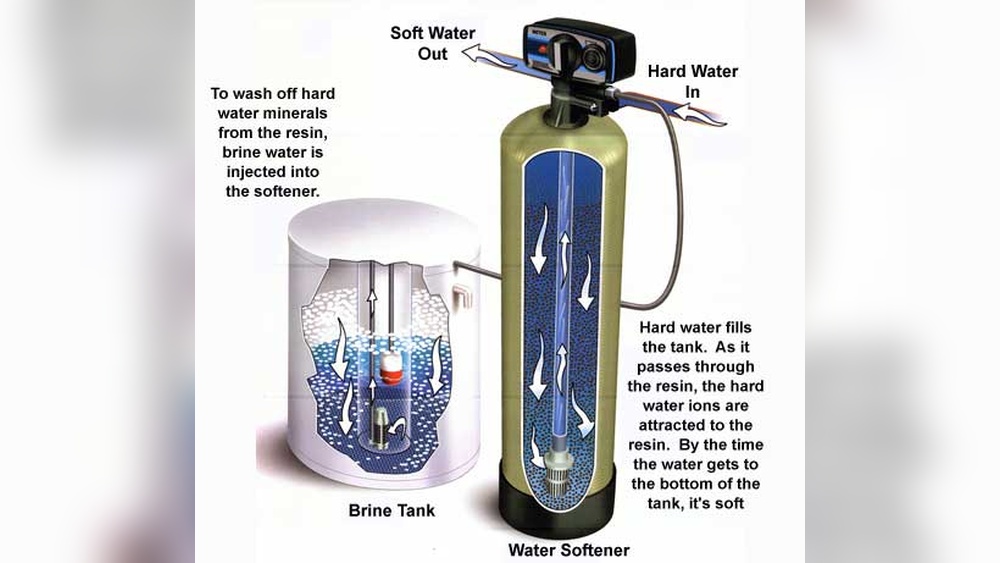
This resin works by swapping harmful ions in water with safer ones. It is made of tiny beads that hold charged particles. These beads attract and trap the bad ions, making the water cleaner.
What Is Ion Exchange Resin
Ion exchange resin is a small bead made of organic polymer. These beads carry charged ions on their surface. When water passes through, the resin swaps harmful ions for harmless ones. This process is called ion exchange.
The resin can be either cation or anion type. Cation resins exchange positive ions like calcium and magnesium. Anion resins swap negative ions such as chloride and sulfate. This ability makes the resin very useful in water treatment.
Common Uses And Applications
Ion exchange resin is used in water softening. It removes hard minerals that cause scale in pipes and appliances. This helps protect plumbing and improves water quality.
It is also used in water purification for drinking and industrial use. The resin removes harmful metals and chemicals. This makes the water safe and clean.
In the food and pharmaceutical industries, ion exchange resin purifies liquids. It removes impurities without changing the taste or quality. This ensures product safety and effectiveness.

Credit: www.ebay.com
Safety Aspects Of Ion Exchange Resin
Ion exchange resins are widely used in water treatment and other industries. Their safety is a key concern for many users. Understanding the safety aspects helps in making informed decisions. This section covers important points about the material and regulations.
Material Composition And Toxicity
Ion exchange resins are made from synthetic polymers. These polymers are designed to be stable and non-toxic. They do not release harmful chemicals into water or products. The resins undergo thorough testing to ensure safety. Some resins contain functional groups that attract ions. These groups are safe and do not pose health risks. Proper handling and disposal prevent environmental harm.
Regulatory Standards And Approvals
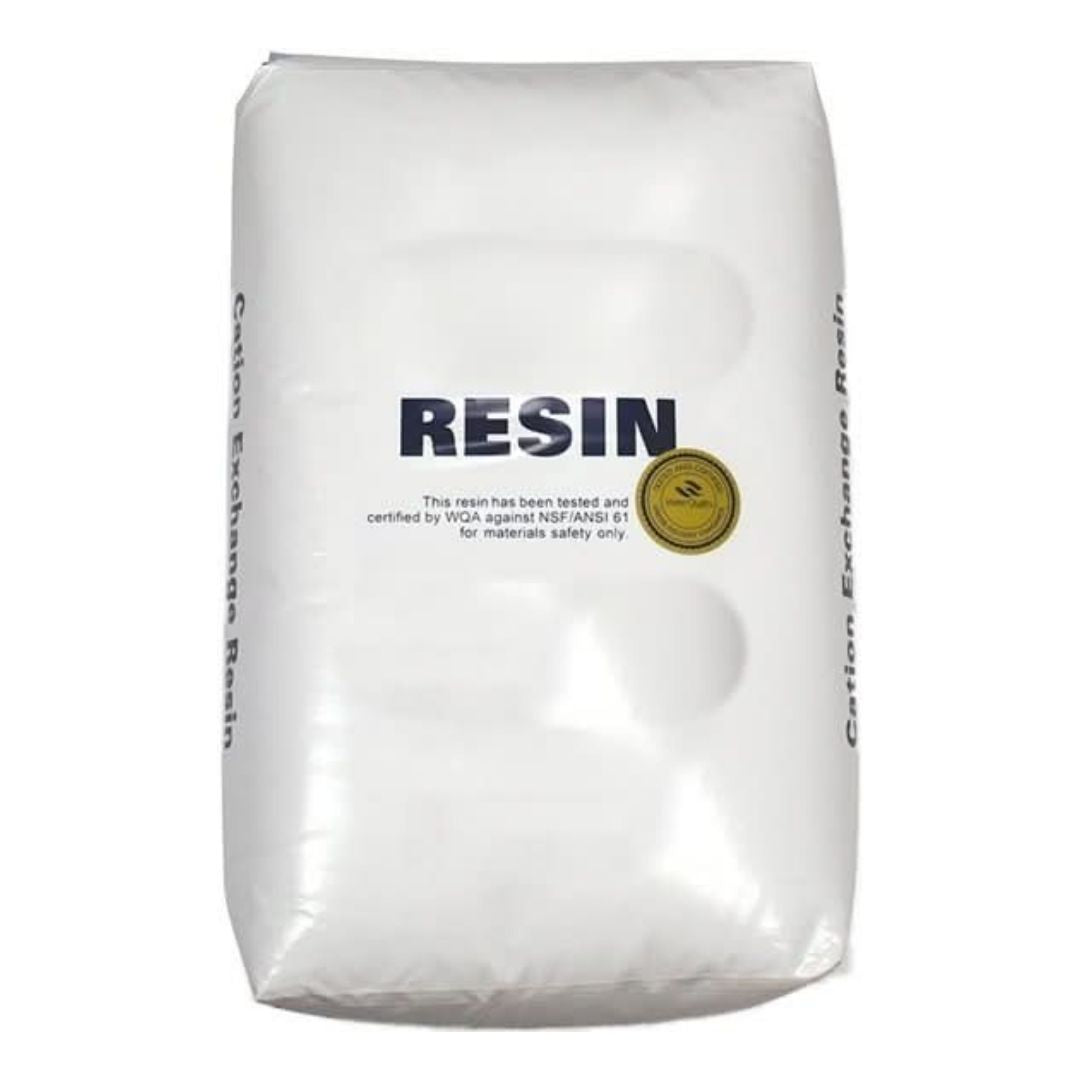
Various agencies set strict standards for ion exchange resins. These include the FDA, NSF, and EPA. Resins used in drinking water must meet these standards. Certification shows the resin meets safety and quality requirements. Regular inspections and tests keep products compliant. Using certified resins guarantees safer water treatment processes. Always choose products with clear regulatory approval.
Health Concerns And Risks
Ion exchange resin is common in water treatment and other uses. People often ask about its safety and any health risks. Understanding the health concerns helps users handle it safely.
This section explains how people might be exposed and what effects can happen.
Potential Exposure Routes
People mainly come in contact through skin or breathing dust. Small resin particles may become airborne during handling. Swallowing resin accidentally is rare but possible. Contact with resin in water is usually safe because it stays inside filters.
Workers in factories may face higher exposure. Proper safety gear reduces risk. Consumers face very low risk from everyday use.
Short-term And Long-term Effects
Short-term effects may include skin irritation or mild breathing problems. Dust can cause coughing or sneezing. These effects stop once exposure ends.
Long-term effects are rare but possible with heavy exposure. Resin contains chemicals that may affect the body if inhaled in large amounts. No strong evidence shows serious health problems in normal use. Using protective equipment and following instructions lowers risks greatly.

Credit: www.indiamart.com
Myths Surrounding Ion Exchange Resin
Ion exchange resin is widely used in water treatment and many other applications. Despite its popularity, several myths create confusion about its safety. These myths often stem from misunderstandings or lack of clear information.
Separating fact from fiction helps users trust the process and use it safely. Let’s explore some common misconceptions and clarify the truth.
Common Misconceptions
Some believe ion exchange resin releases harmful chemicals into water. This is not true. The resin is designed to hold onto unwanted ions, not release toxins.
Others think the resin causes water to taste strange or smell bad. Properly maintained resin keeps water clean and fresh.
Many worry about resin breaking down and contaminating water. High-quality resins are stable and do not break apart easily.
Separating Facts From Fiction
Ion exchange resin removes bad ions like lead and calcium from water. This improves water quality and safety.
The resin itself is non-toxic and safe for household use. It does not add anything harmful to your water.
Regular maintenance and replacement ensure the resin works well. This prevents any chance of contamination or performance loss.
Safe Handling And Disposal
Safe handling and disposal of ion exchange resin is very important. This ensures safety for people and the environment. Proper care avoids health risks and pollution. Understanding the best ways to use and discard the resin helps keep places clean and safe.
Best Practices For Use
Always wear gloves and protective clothing when handling the resin. Avoid breathing in dust or fumes from the resin. Use in well-ventilated areas to reduce exposure. Follow manufacturer instructions carefully to prevent accidents. Store resin in a cool, dry place away from direct sunlight. Keep containers tightly closed to avoid spills. Clean up any spills immediately with suitable materials. Replace resin according to the recommended schedule to maintain effectiveness.
Environmental Impact And Waste Management
Spent ion exchange resin can contain harmful substances. Do not dispose of resin in regular trash or down drains. Collect used resin in sealed containers for proper disposal. Contact local waste management services for guidance. Some resins may be treated to reduce their toxicity. Recycling options may be available depending on resin type. Proper disposal helps prevent soil and water contamination. Always follow local laws and regulations for hazardous waste.
Credit: www.softprowatersystems.com
Alternatives To Ion Exchange Resin
Choosing the right water treatment method matters for safety and effectiveness. Ion exchange resin is popular, but other options exist. Exploring alternatives helps find the best fit for your needs.
Other Water Treatment Options
Activated carbon filters remove chlorine, odor, and some chemicals. They improve taste and reduce contaminants. Reverse osmosis systems force water through a membrane. This removes many impurities, including heavy metals and salts. Ultraviolet (UV) purification uses light to kill bacteria and viruses. It does not remove chemicals but disinfects water. Distillation boils water and collects steam. This process removes minerals and many contaminants. Each method has a unique way to clean water.
Comparative Safety And Efficiency
Ion exchange resins are safe but can release small amounts of resin beads. Carbon filters are generally safe and easy to maintain. Reverse osmosis offers high purity but wastes some water. UV purification is chemical-free and fast but needs power. Distillation provides very pure water but uses energy and time. Safety depends on proper use and maintenance. Efficiency varies by water quality and treatment goals. Consider your specific needs before choosing a method.
Frequently Asked Questions
Is Ion Exchange Resin Safe For Drinking Water?
Yes, ion exchange resins are safe for drinking water when properly maintained. They effectively remove harmful ions and improve water quality.
Can Ion Exchange Resin Cause Health Problems?
No, ion exchange resins do not cause health problems if used correctly. They are non-toxic and widely used in water treatment systems.
How Often Should Ion Exchange Resin Be Replaced?
Ion exchange resin should be replaced every 3 to 5 years. Replacement depends on water quality and resin usage to maintain effectiveness.
Does Ion Exchange Resin Remove Contaminants Effectively?
Yes, ion exchange resin efficiently removes contaminants like heavy metals, hardness, and nitrates, ensuring cleaner and safer water for consumption.
Conclusion
Ion exchange resin is generally safe for use in water treatment. It removes unwanted minerals and impurities effectively. Users should follow guidelines for handling and disposal. Proper use ensures clean, soft water without health risks. Regular maintenance keeps the resin working well.
Always buy resin from trusted sources. Safety depends on correct application and care. This helps protect your water and your health. Choosing the right resin supports a safer home environment.

Hasan Al Sarker is a Reverse Osmosis Specialist. He has worked for many years to ensure safe drinking water for all. His research paper has been published in several journals, including Issue, Medium, and Slideshare. He is recognized as a water doctor among specialists though he did not attend medical college.
Besides working as a researcher of reverse osmosis technology, he is also very fancy with the kitchen and cooking. His guides are reading thousands of people every day. As a head of content, he is responsible for all the published articles at RO System Reviews.