Have you ever wondered what’s really lurking in your tap water? If you’re looking to improve the taste, safety, or even the feel of your water, understanding what ion exchange removes is key.
This simple process can strip away unwanted minerals and contaminants, making your water cleaner and healthier. Keep reading to discover exactly what ion exchange can take out of your water—and how it can transform your daily routine.

Credit: www.youtube.com
How Ion Exchange Works
Ion exchange is a process that cleans water by swapping harmful ions with safe ones. It works like a filter but uses charged particles to remove impurities. This method is common in water softening and purification systems. Understanding how ion exchange works helps you see why it is effective in removing unwanted substances from water.
Basics Of Ion Exchange
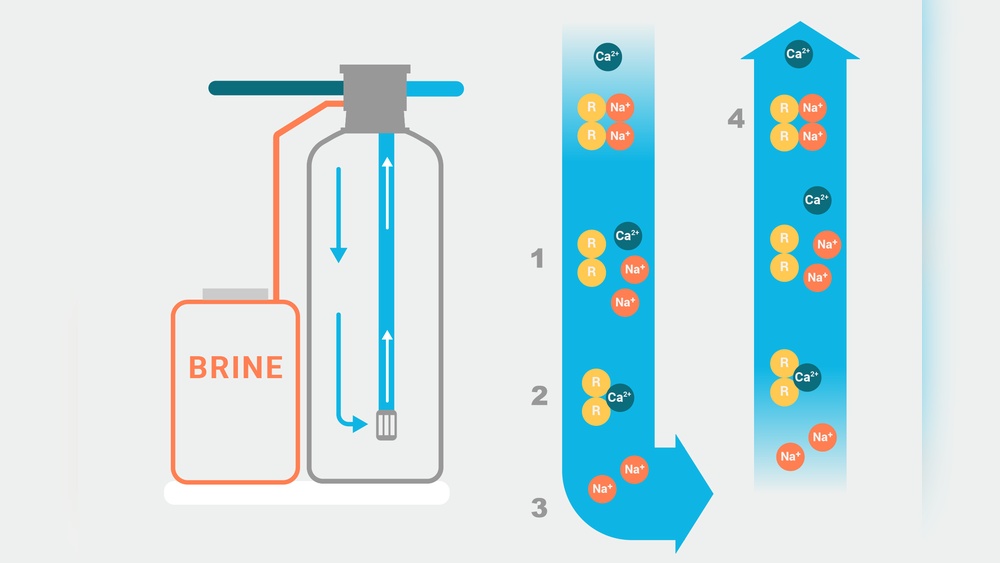
Ion exchange involves passing water through a resin with charged particles. These resins attract ions in the water that have the opposite charge. For example, a resin with positive charges will attract negative ions like chloride. At the same time, the resin releases ions of the same charge it holds. This swap removes harmful ions and replaces them with safer ones.
This process continues until the resin is full of unwanted ions. Then, the resin needs cleaning, called regeneration, to restore its ability to exchange ions. The simplicity of ion exchange makes it efficient and reliable for water treatment.
Types Of Ion Exchange Resins
There are two main types of ion exchange resins: cation and anion resins. Cation resins attract and remove positively charged ions like calcium, magnesium, and iron. These ions often cause hard water problems.
Anion resins target negatively charged ions such as nitrate, sulfate, and arsenic. Both resins work together in many systems to remove a wide range of contaminants. Choosing the right resin depends on the impurities in the water and the treatment goals.
Common Contaminants Removed
Ion exchange effectively cleans water by removing many common contaminants. This process swaps unwanted ions in water with safer ones. The result is cleaner, safer water for daily use. Below are some typical contaminants ion exchange can remove.
Heavy Metals
Ion exchange removes harmful heavy metals like lead, mercury, and cadmium. These metals can cause serious health problems. The process captures these metals and replaces them with less harmful ions. This makes water safer to drink and use.
Hardness Minerals
Water hardness comes from minerals like calcium and magnesium. These minerals cause scale buildup in pipes and appliances. Ion exchange replaces these hardness minerals with sodium or potassium ions. This softens the water and protects plumbing systems.
Nitrates And Nitrites
Nitrates and nitrites often come from fertilizers and waste. High levels can be dangerous, especially for infants. Ion exchange helps reduce these substances in water. It swaps nitrate ions with safer ions, improving water quality.
Radioactive Elements
Radioactive elements like radium and uranium can contaminate water sources. Long-term exposure poses health risks. Ion exchange can remove these radioactive ions effectively. This process lowers radiation levels in drinking water.
Impact On Water Quality
Ion exchange has a clear effect on water quality. It removes unwanted ions and replaces them with safer ones. This process changes how water tastes and smells. It also lowers harmful elements that may be present in water. The changes improve water for drinking and daily use.
Improvement In Taste And Odor
Ion exchange removes minerals that cause bad taste and smell. Hard water often tastes bitter or metallic. After treatment, water tastes cleaner and fresher. This makes drinking water more pleasant. Cooking with better-tasting water also improves food flavors.
Reduction Of Toxic Elements
Ion exchange helps remove toxic metals like lead and mercury. These elements can be harmful even in small amounts. The process traps these metals and stops them from entering water. It also reduces other harmful ions such as nitrate and arsenic. This makes water safer for health and daily use.
Applications Of Ion Exchange
Ion exchange is a powerful method used to remove unwanted ions from liquids. It works by swapping harmful ions with harmless ones. This process finds use in many areas. It improves water quality for homes, industries, and the environment. Understanding where ion exchange applies helps appreciate its value.
Residential Water Softeners
Homes often have hard water with calcium and magnesium. These minerals cause scale buildup on pipes and appliances. Ion exchange removes these minerals by replacing them with sodium ions. This softens the water, making it better for washing and cooking. It also protects plumbing and extends appliance life.
Industrial Water Treatment
Industries need clean water for many processes. Ion exchange removes metals, salts, and other pollutants from water. This helps prevent damage to machines and ensures product quality. It also recovers valuable materials from wastewater, reducing waste. Many industries rely on ion exchange for safe and efficient operations.
Wastewater Management
Wastewater contains harmful chemicals and heavy metals. Ion exchange cleans this water by trapping pollutants and releasing safe ions. This process helps meet environmental regulations and protects natural water sources. It also supports water reuse, saving resources and reducing pollution. Ion exchange is key for sustainable wastewater treatment.
Limitations And Considerations
Ion exchange is a useful water treatment method. It removes many harmful substances. Yet, it has limits and needs care. Knowing these helps users get the best results. It also stops surprises and extra costs.
Resin Lifespan And Maintenance
The resin inside ion exchange systems wears out over time. Hard water and high use shorten its life. Resin needs regular cleaning or replacing. Without this, the system loses strength. Resin that is old or dirty cannot remove contaminants well. Users should check the resin often. Proper care saves money and keeps water clean.
Effectiveness On Different Contaminants
Ion exchange does not remove all contaminants. It works best on minerals like calcium and magnesium. It can also reduce heavy metals like lead. But it does not remove bacteria or viruses. It is less effective on organic chemicals. Other filters may be needed for these. Knowing what ion exchange removes helps set the right expectations.

Credit: www.sciencedirect.com
Credit: www.elglaw.com
Frequently Asked Questions
What Contaminants Does Ion Exchange Remove From Water?
Ion exchange removes heavy metals like lead, mercury, and copper. It also eliminates hardness-causing minerals such as calcium and magnesium. This process helps improve water taste, safety, and reduces scale buildup in pipes and appliances.
How Effective Is Ion Exchange In Softening Hard Water?
Ion exchange is highly effective in softening hard water. It replaces calcium and magnesium ions with sodium or potassium ions. This prevents scale formation and protects plumbing and appliances, enhancing water quality for household use.
Can Ion Exchange Remove Radioactive Contaminants?
Yes, ion exchange can remove certain radioactive contaminants like radium and uranium. It exchanges harmful radioactive ions with safer ions, reducing radiation levels in water and making it safer for consumption.
Does Ion Exchange Remove Nitrates From Water?
Ion exchange can effectively reduce nitrates in water. It replaces nitrate ions with chloride or other harmless ions. This is crucial for preventing health risks associated with high nitrate levels, especially in drinking water.
Conclusion
Ion exchange removes many harmful substances from water. It takes out minerals like calcium and magnesium. It also removes heavy metals such as lead and mercury. This process helps improve water taste and safety. Clean water supports better health every day.
Choosing ion exchange means cleaner water at home. Simple, effective, and reliable. Water that feels fresh and pure. A smart choice for many families. Easy to use and maintain. Ion exchange keeps your water clear and safe.

Hasan Al Sarker is a Reverse Osmosis Specialist. He has worked for many years to ensure safe drinking water for all. His research paper has been published in several journals, including Issue, Medium, and Slideshare. He is recognized as a water doctor among specialists though he did not attend medical college.
Besides working as a researcher of reverse osmosis technology, he is also very fancy with the kitchen and cooking. His guides are reading thousands of people every day. As a head of content, he is responsible for all the published articles at RO System Reviews.