Water is not just a drink you need when you feel thirsty. It plays a vital role in almost every process inside the human body, especially in regulating body temperature. Many people know water cools you down, but few understand how it works or why it’s so important. As someone who has studied human physiology and worked with athletes, I have seen firsthand how proper hydration can make a difference in health and performance. This article explains how water helps control your body’s temperature, why it matters, and what signs to watch for if things go wrong.
What Does Body Temperature Regulation Mean?
Body temperature regulation means keeping your internal temperature steady, even when your environment changes. The average core body temperature for a healthy adult is about 37°C (98.6°F). However, your temperature can shift slightly during the day, usually from 36.1°C to 37.2°C (97°F to 99°F).
Your body works hard to stay in this narrow range. If you get too hot or too cold, enzymes and cells can’t do their jobs properly. This is why your body uses several methods, including sweating, blood flow changes, and shivering, to control temperature.
How Water Regulates Body Temperature
Sweat Production And Evaporation
When your body gets hot, your sweat glands release water onto your skin. As this sweat evaporates, it removes heat from your body. This process is called evaporative cooling. On a hot day, a person can sweat up to 2 liters per hour. Without enough water, your body cannot produce enough sweat, making it difficult to cool down.
Blood Volume And Circulation
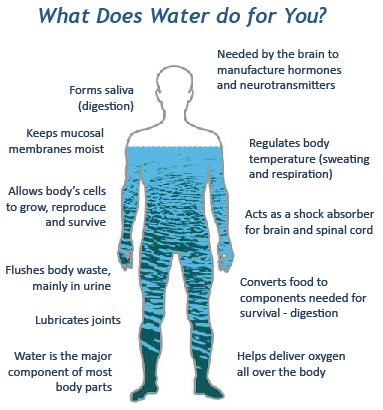
Water makes up about 55-60% of your total body weight. It keeps your blood volume high, which is crucial for carrying heat to the skin’s surface. If you are dehydrated, your blood becomes thicker, and your heart has to work harder to pump it. This reduces heat loss and makes you feel hotter.
Heat Absorption And Release
Water has a high specific heat capacity. This means it can absorb and hold a lot of heat before its temperature changes. Your body uses this property to absorb excess heat and prevent dangerous spikes in temperature.
Table: How Water Helps Regulate Temperature
| Function | How Water is Involved | Effect on Body Temperature |
|---|---|---|
| Sweating | Water released from sweat glands | Cools body as sweat evaporates |
| Blood Circulation | Maintains blood volume | Transfers heat to skin |
| Heat Absorption | Water absorbs excess heat | Prevents rapid temperature rise |
Why Water’s Role In Temperature Control Matters
Staying hydrated is more than avoiding thirst. If your body temperature rises above 40°C (104°F) or falls below 35°C (95°F), serious health problems can happen. These include heatstroke, muscle cramps, or even organ failure. For children, older adults, and people who exercise, the risks are even higher.
For example, research shows that even a 2% loss in body water can reduce your physical and mental performance. In athletes, this can mean slower reaction times and higher risk of overheating.
Practical Examples: How Water Regulates Temperature In Daily Life
Exercising In Hot Weather
Imagine running outside on a 30°C (86°F) day. Your body produces a lot of heat, and you start sweating heavily. If you have enough water, your sweat cools you down and helps you keep going. If not, your body temperature rises, and you may become dizzy or faint.
Working In High Temperatures
Construction workers and outdoor laborers are often exposed to the sun for long hours. They can lose up to 3 liters of water per hour through sweat. Without regular water intake, they are at risk for heat exhaustion or heatstroke.
Fever And Illness
When you have a fever, your body raises its temperature to fight infection. Sweating helps bring the temperature back to normal. Drinking water is important to replace the fluids lost and prevent dehydration.

Credit: kosboxingym.sg
Signs And Indicators Of Poor Temperature Regulation
Your body gives clear signals when temperature control is not working. Some early signs include:
- Dry mouth or lips
- Reduced sweating
- Dark yellow urine
- Dizziness or weakness
- Rapid heartbeat
- Confusion or irritability
If you ignore these signs, more serious problems can follow. These include muscle cramps, heat exhaustion, or even heatstroke, which is a medical emergency.
Step-by-step Guidance For Staying Hydrated
1. Know Your Needs
The average adult needs about 2-3 liters (8-12 cups) of water each day. If you exercise, work outside, or live in a hot climate, you need more.
2. Drink Regularly
Don’t wait to feel thirsty. Sip water throughout the day. Carry a water bottle with you, especially when you are active.
3. Check Your Urine
A simple way to check hydration is to look at your urine color. Pale yellow is good; dark yellow means you need more water.
4. Eat Water-rich Foods
Fruits and vegetables like watermelon, cucumber, and oranges can help keep you hydrated.
5. Adjust For Special Situations
Increase water intake when you have a fever, diarrhea, or during very hot weather.
Table: Hydration Tips For Different Groups
| Group | Daily Water Need | Special Advice |
|---|---|---|
| Adults | 2-3 liters | Increase with activity |
| Children | 1-2 liters | Give water often, not just at meals |
| Athletes | Up to 4 liters | Drink before, during, and after activity |
| Older Adults | 1.5-2 liters | Set reminders to drink |

Credit: www.apecwater.com
Common Problems And Solutions
Problem: Not Drinking Enough Water
Many people forget to drink water during the day. Set alarms, use apps, or keep a bottle nearby as a reminder.
Problem: Relying Only On Thirst
Thirst is not always a reliable signal, especially for older adults. Drink water regularly, not just when you feel thirsty.
Problem: Drinking Too Much At Once
Drinking large amounts of water quickly can cause discomfort or, in rare cases, water intoxication. Spread your intake throughout the day.
Problem: Loss Of Electrolytes
Sweating also removes electrolytes like sodium and potassium. During heavy exercise, consider drinks with electrolytes to replace what you lose.
Problem: Hot Weather And Humidity
High humidity makes it harder for sweat to evaporate, so your body cools less efficiently. Drink more water and take breaks in the shade.
Maintenance Tips For Healthy Body Temperature
- Drink water before, during, and after physical activity.
- Eat fruits and vegetables with high water content.
- Avoid too much caffeine or alcohol, as they can dehydrate you.
- Wear light, loose clothing in hot weather.
- Take cool showers or use wet towels when you feel overheated.
- Rest in shaded or air-conditioned areas during hot parts of the day.
Frequently Asked Questions
How Much Water Should I Drink Each Day?
Most adults need 2 to 3 liters of water daily. Your needs increase with heat, exercise, or illness. Use your urine color as a guide—pale yellow is ideal.
Can I Drink Too Much Water?
Yes, drinking excessive water (more than 5 liters quickly) can lead to a rare condition called hyponatremia. This can cause nausea, headache, or confusion. Spread your intake across the day.
What Are Signs Of Dehydration?
Common signs include dry mouth, dark urine, headaches, and feeling tired. Severe dehydration can cause confusion or fainting and needs medical attention.
Do Other Drinks Help With Hydration?
Water is best, but milk, herbal teas, and diluted fruit juices also count. Be careful with sugary or caffeinated drinks, as they can have dehydrating effects.
Is Water Temperature Important For Hydration?
Cold, room temperature, or warm water all hydrate the body. Choose what you prefer, but cold water may help cool you down faster after exercise.
Key Takeaways
Water is essential for controlling your body temperature. It helps you sweat, maintains blood flow, and absorbs heat. Losing even a small amount of body water can reduce your ability to keep cool and perform well.
Stay ahead by drinking water regularly, watching for signs of dehydration, and adjusting your intake for heat or exercise. If you want to learn more about the science behind water and health, you can find detailed studies at the CDC or the Wikipedia.
Keeping hydrated is a simple but powerful way to support your body’s temperature regulation and overall health. Make water a daily habit for a healthier life.
Credit: www.usgs.gov

Hasan Al Sarker is a Reverse Osmosis Specialist. He has worked for many years to ensure safe drinking water for all. His research paper has been published in several journals, including Issue, Medium, and Slideshare. He is recognized as a water doctor among specialists though he did not attend medical college.
Besides working as a researcher of reverse osmosis technology, he is also very fancy with the kitchen and cooking. His guides are reading thousands of people every day. As a head of content, he is responsible for all the published articles at RO System Reviews.