
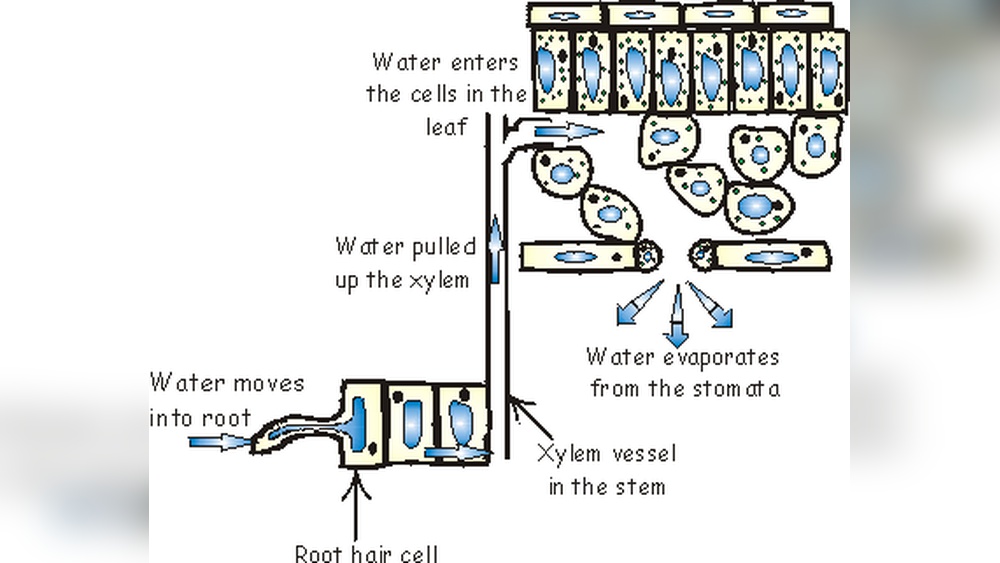
Water is essential for every living plant. Without it, growth stops, leaves wilt, and life fades quickly. But many people do not fully understand how water actually enters plant roots and moves up to the leaves. This process is more complex and fascinating than it may seem at first glance.
In this article, I will explain the science behind water absorption in plants, why it matters, practical examples, signs to look for, common problems, expert solutions, and much more. By the end, you will understand this vital process from an expert’s point of view.
What Is Water Absorption In Plant Roots?
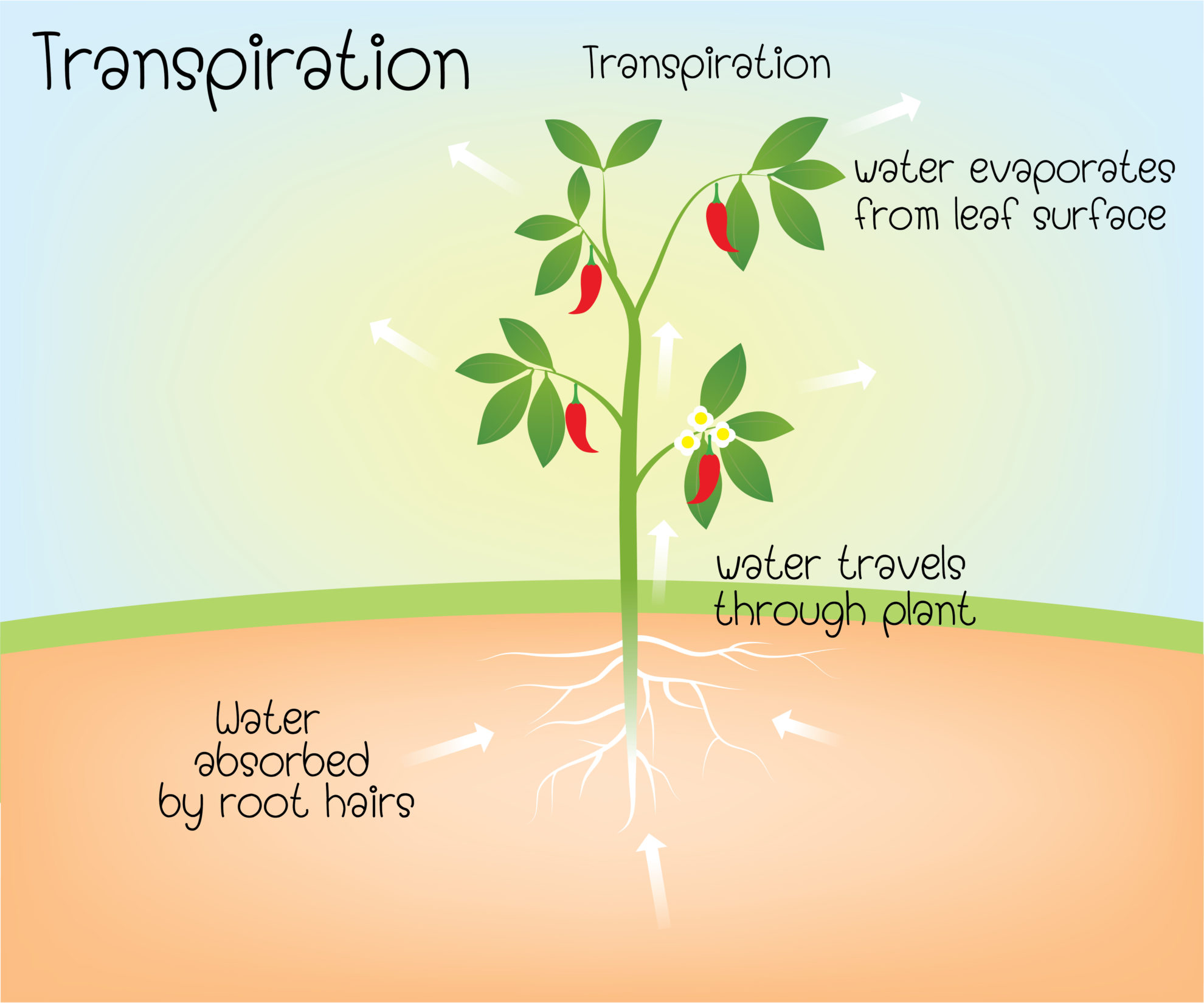
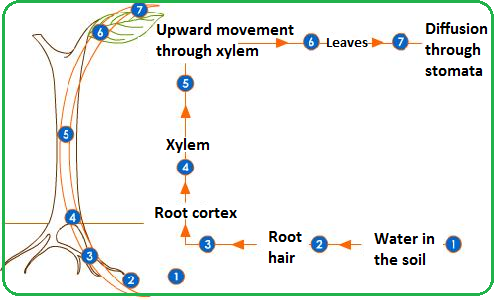
Water absorption in plant roots is the process by which roots take up water from the soil. This water moves from the soil into the tiny root hairs and then travels further into the root system. The water is then transported upward to the rest of the plant. This movement supports all functions in the plant, from photosynthesis to nutrient transport.
Plants absorb about 95% of their water through their roots, mostly from the tiny root hairs that grow close to the tip of each root. On average, a plant root surface area can reach over 100 square meters in mature plants. This huge area allows for efficient water uptake.
How Water Enters Plant Roots: The Mechanism
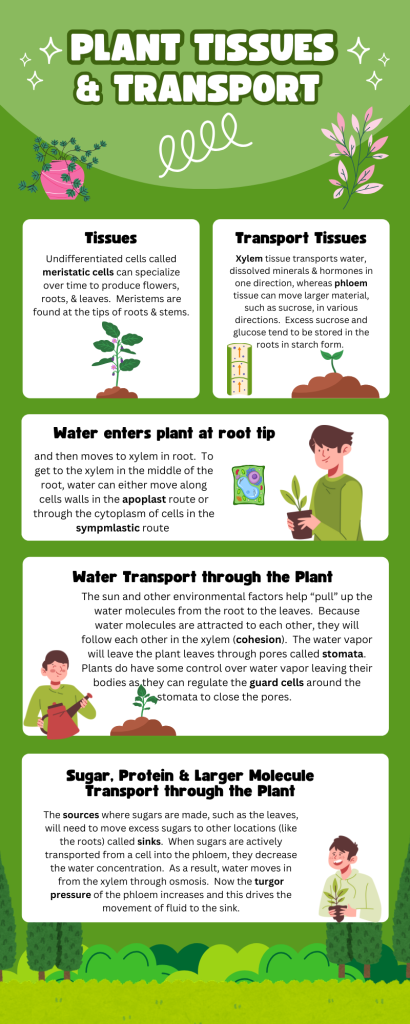
The movement of water into roots mainly follows three routes: apoplastic, symplastic, and transmembrane.
Apoplastic Pathway
The apoplastic pathway allows water to move through the spaces between cell walls without crossing any cell membrane. This route is fast and is responsible for moving much of the water that enters the root, especially in the outer layers.
Symplastic Pathway
In the symplastic pathway, water enters the root hair cell and then moves from cell to cell through tiny channels called plasmodesmata. Here, water must cross at least one cell membrane, making this route more controlled.
Transmembrane Pathway
The transmembrane pathway involves water crossing cell membranes repeatedly as it moves from one cell to the next. This route is slower but allows the plant to regulate water movement more closely.
Water always moves from areas of higher water potential (more water, less solutes) to areas of lower water potential (less water, more solutes) inside the plant. This natural movement is called osmosis.
Credit: ncstate.pressbooks.pub
Why Water Absorption Matters
The way water enters plant roots is critical for several reasons:
- Photosynthesis: Water is a key reactant in the process of photosynthesis, allowing plants to make food.
- Nutrient Transport: Water carries dissolved minerals and nutrients from the soil up to the leaves.
- Turgor Pressure: Water keeps plant cells firm. Without enough water, plants wilt.
- Growth: New cells and tissues need water for expansion and development.
A lack of efficient water absorption can reduce crop yields by up to 50% in drought-affected areas, according to the Food and Agriculture Organization.
Practical Examples In Different Plants
The process of water absorption is similar in all plants, but there are some differences based on the species and environment.
- Rice: Grows in flooded fields. It has special root adaptations to absorb oxygen and water even in standing water.
- Cacti: Live in deserts. They have a shallow but wide root system to quickly absorb any available water.
- Corn: Has deep roots to reach water far below the soil surface.
- Orchids: Some absorb water through aerial roots directly from humid air.
This table compares the root features and water absorption rates of these plants:
| Plant | Root Adaptation | Water Absorption Rate | Environment |
|---|---|---|---|
| Rice | Aerenchyma tissue | Up to 10 L/day/m² | Flooded fields |
| Cactus | Shallow, wide roots | 0.5 L/day/m² | Desert |
| Corn | Deep roots | 2-4 L/day/m² | Temperate fields |
| Orchid | Aerial roots | 0.1 L/day/m² | Tropical air |
Key Signs Of Water Absorption In Roots
How do you know if a plant is absorbing enough water? Here are a few signs:
- Turgid leaves: When leaves stand up straight and feel firm, water is moving well.
- Steady growth: New shoots and leaves appear regularly.
- Healthy color: Leaves remain green and vibrant, not yellow or brown.
- Root appearance: Healthy roots are white or light-colored and not mushy.
If you notice wilting, slow growth, or brown root tips, water absorption may be a problem.
Step-by-step Guidance For Healthy Water Uptake
As an expert, I recommend these steps to support strong water absorption in plant roots:
- Choose the right soil: Use soil with a balanced texture that holds water but also drains well. Loamy soil is best for most plants.
- Water deeply but not too often: Give water less frequently but in larger amounts. This encourages roots to grow deeper, making them more resilient.
- Check for soil compaction: Compacted soil can block water movement. Loosen soil around roots with a garden fork.
- Mulch the soil surface: Mulching helps retain moisture and keeps soil temperature steady.
- Monitor root health: Inspect roots during repotting or planting. Remove any black, mushy, or foul-smelling roots.
- Avoid overwatering: Too much water can suffocate roots and promote rot. Let the soil surface dry slightly between waterings.
- Fertilize wisely: Use balanced fertilizers. Too much salt from fertilizer can lower water absorption.
- Check for root diseases: Look for signs of rot or fungal infection. Treat with appropriate fungicides if needed.
- Consider root depth: Some plants like tomatoes need deep watering, while others like lettuce do well with shallow watering.
Credit: www.biologyonline.com
Common Problems And Expert Solutions
Water absorption issues can happen for many reasons. Here are some common problems and how to solve them:
Compacted Soil
Problem: Roots cannot move through hard soil, so water is blocked.
Solution: Loosen soil with a fork, add organic matter, and avoid walking on wet soil.
Root Rot
Problem: Overwatering or poor drainage causes roots to rot.
Solution: Improve drainage, reduce watering, and remove affected roots. Use fungicides if needed.
Salt Buildup
Problem: Excess fertilizer or poor-quality water can lead to salt accumulation, which draws water away from roots.
Solution: Flush the soil with clean water. Use balanced fertilizer and good-quality water.
Drought Stress
Problem: Too little water leads to dry soil and wilting.
Solution: Water deeply and mulch to reduce evaporation. Choose drought-tolerant plants if dry periods are common.
Poor Root Development
Problem: Roots are small or unhealthy, limiting water uptake.
Solution: Ensure adequate nutrients, avoid root disturbance, and give roots room to grow in containers.
Maintenance Tips For Optimal Water Uptake
Healthy water absorption is not just about watering correctly. Maintenance is key:
- Test soil moisture regularly with a finger or a moisture meter.
- Check for pests like root-knot nematodes that damage roots.
- Add compost or organic matter each season to keep soil healthy.
- Rotate crops in the garden to prevent soil diseases.
- Prune dead or damaged roots during repotting.
- Use raised beds for better drainage in heavy clay soils.
- For container plants, make sure pots have drainage holes.
These tips help keep the root system healthy and efficient year-round.
Credit: biology-igcse.weebly.com
Data Summary: Water Absorption Key Facts
To recap the core facts, here is a quick data summary:
| Factor | Impact on Water Uptake | Expert Tip |
|---|---|---|
| Soil texture | Fine soil holds more water; coarse soil drains faster | Use loam for balance |
| Root health | Healthy roots absorb more | Inspect for rot and pests |
| Watering method | Deep watering promotes deep roots | Water less often but deeply |
| Fertilizer use | Excess salt reduces water uptake | Use balanced fertilizer |
| Mulching | Reduces evaporation and keeps soil cool | Apply organic mulch |
Frequently Asked Questions
How Does Water Move From Soil Into Root Hairs?
Water moves into root hairs by osmosis. The water potential in the root hair cells is lower than in the soil, so water naturally flows into the root. This is a passive process that requires no energy from the plant.
What Happens If Roots Cannot Absorb Enough Water?
If roots do not absorb enough water, plants will wilt, growth will slow, and leaves may turn yellow or brown. In severe cases, the plant can die. The most common causes are dry soil, root rot, or compacted soil.
Can Plants Absorb Water Through Their Leaves?
Some plants, like epiphytic orchids, can absorb small amounts of water through their leaves or aerial roots in high humidity. However, the majority of water absorption happens through the roots.
Does The Type Of Soil Affect Water Uptake?
Yes, soil type is critical. Sandy soil drains quickly and may not hold enough water, while clay soil can hold too much, leading to root rot. Loamy soil is ideal for most plants because it balances drainage and retention.
How Deep Do Roots Grow To Absorb Water?
The depth depends on the plant species. For example, grass roots can reach 15-30 cm deep, while trees like oaks may send roots down several meters to find water. Deep roots help plants survive dry periods.
Key Takeaway
Understanding how water enters plant roots is crucial for healthy plants and productive gardens. By providing the right soil, proper watering, and regular maintenance, you ensure your plants get the water they need for strong growth. Healthy roots mean healthy plants.
For deeper reading on plant water transport, you can visit the Encyclopedia Britannica or review the in-depth guides from the National Center for Biotechnology Information.
With expert care and attention to root health, your plants will thrive, showing you the true power of understanding water absorption.

Hasan Al Sarker is a Reverse Osmosis Specialist. He has worked for many years to ensure safe drinking water for all. His research paper has been published in several journals, including Issue, Medium, and Slideshare. He is recognized as a water doctor among specialists though he did not attend medical college.
Besides working as a researcher of reverse osmosis technology, he is also very fancy with the kitchen and cooking. His guides are reading thousands of people every day. As a head of content, he is responsible for all the published articles at RO System Reviews.