
Water is one of the most powerful forces on our planet. Its movement and presence have changed the land for millions of years. From carving deep valleys to building up sandy shores, water acts both slowly and suddenly. This article explores how water shapes the Earth, why it matters, and how you can spot its effects in daily life.
Water is not just a basic need; it is a creative and destructive force, always working on the world around us. Sometimes its power is easy to see, like a rushing river after heavy rain. Other times, the changes happen so slowly that we only notice them after many years.
When you look at the hills, valleys, or even the shape of the coastline, you are seeing the result of water’s work over time. By understanding these processes, you gain new appreciation for the landscapes you see every day and learn practical ways to protect your own land from damage.
What Does Water Do To The Earth?
Water does much more than keep us alive. It moves soil, wears down rocks, and forms new landscapes. This process is called geomorphology, which is the study of how land changes over time. Water works as a main agent of erosion, transportation, and deposition.
On average, rivers carry about 16.6 billion tons of sediment to oceans every year. This movement changes not just the riverbanks but also the land far from the river itself. Oceans, glaciers, and rainfall all play their part in shaping the world.
Some of the greatest mountain ranges and deepest valleys exist because of water’s activity. For example, the Himalayas are partly shaped by rainwater running down their slopes, and the Mississippi River has built wide floodplains through centuries of flooding and sediment movement.
Even flat plains that look calm today were often formed by ancient water flows.
How Water Shapes The Land
Water changes the earth in several ways. Each method has its own speed, effects, and signs.
Erosion
Erosion is the process where water wears away rocks and soil. The Grand Canyon is a famous example, formed by the Colorado River over millions of years. Even small streams can slowly cut through hard stone.
- Rivers move rocks and dirt downstream
- Rain breaks apart soil and washes it away
- Waves hit cliffs and remove pieces of stone
Erosion rates vary. In some places, rivers erode banks at 1-10 millimeters per year. In others, heavy rain can cause landslides in hours.
One detail people miss is how erosion does not only affect large, visible features. In your own backyard, you might see small gullies form where rainwater flows regularly. Over time, these can grow and change the shape of your garden or driveway.
Even city landscapes aren’t safe—roads and sidewalks can crack or sink when water erodes soil underneath.
Transportation
Water carries materials from one place to another. Rivers and streams pick up sand, clay, and gravel, then drop them elsewhere. Glaciers, which are frozen rivers, move huge rocks across continents.
- The Mississippi River moves about 200 million tons of sediment every year
- Glaciers can carry boulders weighing thousands of tons
This transportation doesn’t just move dirt. It can also shift nutrients, helping plants grow in new areas. Sometimes, though, it moves pollution or harmful chemicals, which can cause problems downstream. When snow melts quickly in the mountains, it can carry rocks and mud into towns, blocking roads and damaging homes.
Deposition
Deposition happens when water slows down and drops the material it was carrying. This builds up new landforms like deltas, beaches, and sandbars.
- The Nile Delta covers about 24,000 square kilometers
- Beaches are formed by waves dropping sand along the coast
Deposition is not always gentle. After a flood, rivers can leave thick layers of mud and sand on fields, which farmers must clear before planting. Over many years, entire islands can appear or disappear as rivers and seas deposit or remove sediment.
In some places, cities have been built on land that water created through centuries of deposition, like parts of New Orleans or Venice.
Weathering
Water also helps break down rocks chemically. Rainwater, which contains weak acids, slowly dissolves minerals. Over time, caves and sinkholes form in limestone areas.
Weathering is often confused with erosion, but it’s different: weathering changes the rocks themselves, making them weaker and easier to break apart. In humid climates, you might see buildings or statues slowly get “eaten away” by rain. This is the same process that forms dramatic underground cave systems, some of which can stretch for many kilometers.

Credit: www.teacherspayteachers.com
Why Water’s Impact Matters
Water’s actions are not just slow changes. They have real effects on people and nature.
- Floods can reshape farmland, destroy homes, and change river paths
- Coastal erosion moves shorelines, impacting cities and tourism
- Soil loss affects crops and food production
According to the United Nations, about 24 billion tons of fertile soil is lost each year due to water erosion. This makes farming harder and reduces food supply.
Water’s power affects our lives in surprising ways. For example, after a flood, the new shape of a river can make old bridges useless. Coastal erosion can threaten important roads, railways, and even airports. In poorer countries, losing fertile soil means families have less to eat, and communities can become poorer over time.
One insight many miss: water’s impact is not just about destruction. Sometimes, it brings benefits, like creating rich farmland on floodplains or beautiful beaches that attract tourists.
Practical Examples Of Water Shaping The Earth
You can see water’s work in many places. Here are a few clear examples:
- The Grand Canyon: A deep valley carved by the Colorado River.
- Niagara Falls: Water eroding the cliffs, moving the falls upstream about 1 meter per year.
- The Amazon Delta: Sediment from the river builds up new land at the river mouth.
- Glacial Valleys in Norway: U-shaped valleys formed by slow-moving ice.
Water’s effects are everywhere, even if you don’t notice them at first. The flat fields of the Netherlands are partly the work of ancient rivers and seas. In Iceland, hot springs and geysers show how underground water shapes land by dissolving and redepositing minerals.
Comparing Water’s Effects
Here’s a summary of how different types of water movement affect the Earth:
| Type | Speed | Main Effect | Example |
|---|---|---|---|
| River Erosion | Slow (mm/year) | Valleys | Grand Canyon |
| Coastal Waves | Variable | Cliffs, Beaches | White Cliffs of Dover |
| Glacial Movement | Very Slow | U-shaped Valleys | Norwegian Fjords |
| Rainfall | Sudden | Landslides | Himalayan region |
A less obvious example is how underground water shapes landscapes by forming aquifers and underground rivers, which can sometimes burst out as springs or cause the ground above to collapse.
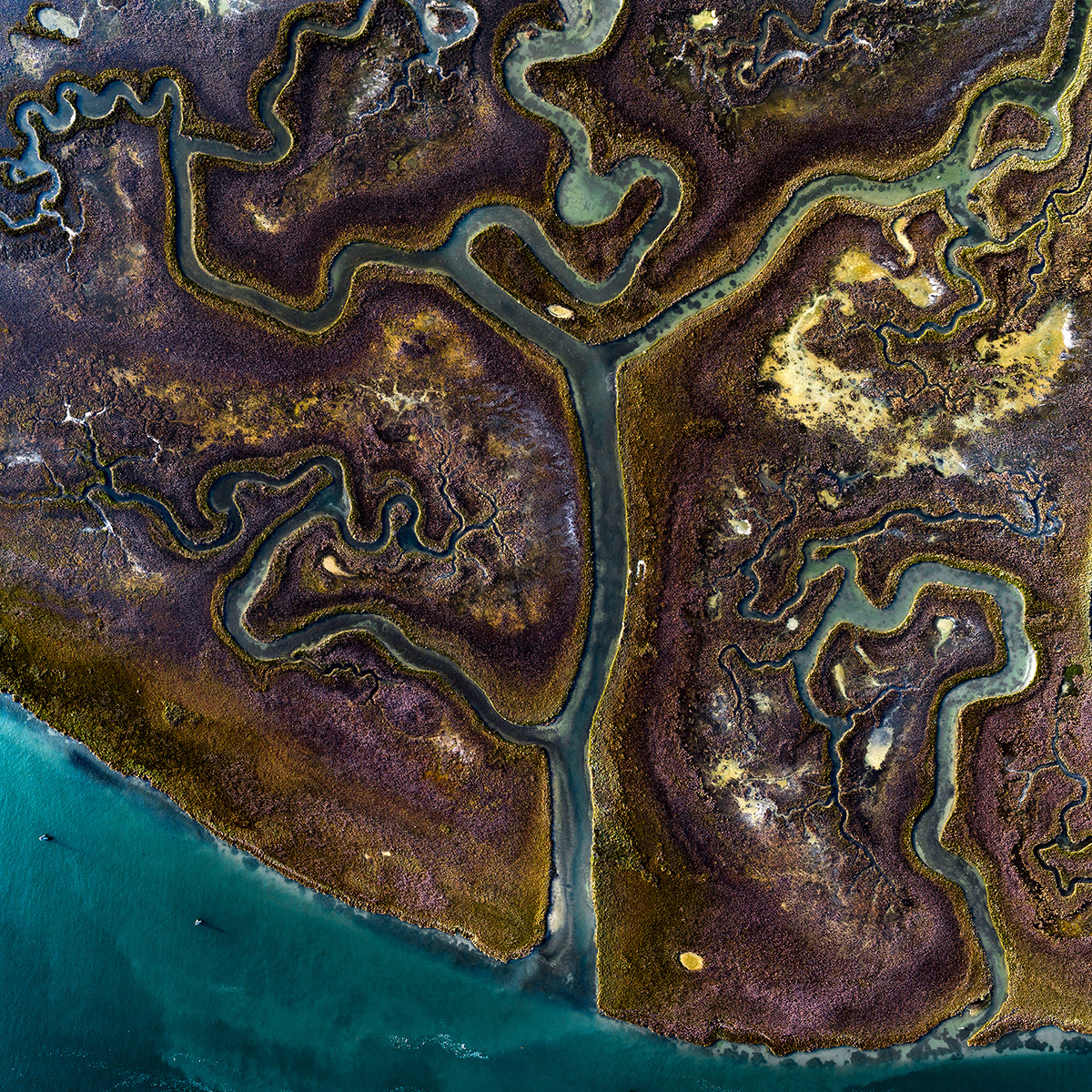
Credit: water.shapes.earth
Signs Water Has Shaped The Land
There are clear indicators that water has changed the land around you.
- Smooth stones in rivers show slow erosion
- Layered cliffs often mean past water movement
- Delta shapes at river mouths indicate deposition
- Sinkholes and caves suggest chemical weathering
If you see winding rivers, wide valleys, or sandy beaches, water has played a role.
Sometimes, you’ll find “oxbow lakes”—curved lakes near rivers. These form when a river cuts a new path, leaving an old bend behind. Even the soil color can give clues. Dark, rich soil often means water has left nutrients behind. In hilly areas, you might notice bare rock faces where rain has washed soil away.
Step-by-step: Spotting Water’s Effects
If you want to recognize how water shapes the earth near you, follow these steps:
- Look for valleys or depressions in the land. These are often formed by rivers or glaciers.
- Check stone surfaces. Smooth stones usually mean water has eroded them.
- Observe river bends. Sharp bends can show recent changes by floods.
- Find layered soil or rock. Layers often reveal past floods or sediment deposits.
- Watch for caves or sinkholes. These are signs of water dissolving rock below the surface.
You can also listen for clues: the sound of water under rocks or in caves suggests underground flows. Photographs over time can show how rivers or beaches move. Talking to local residents can help—many have stories of floods, new river paths, or sudden sinkholes. Using these clues together gives a clearer picture of water’s ongoing work.

Credit: www.amazon.com
Common Problems And Solutions
Water can create several challenges for people and nature. Understanding these helps us respond better.
Flooding
Floods move huge amounts of soil and damage property. To manage this:
- Build levees and dams to control river flow
- Use rain gardens and permeable surfaces to absorb water
A tip many miss: keeping rivers clean and clear of debris reduces flood risk because blockages can make water spill over banks.
Coastal Erosion
Shorelines can move inland, threatening homes and businesses.
- Plant vegetation along coasts to hold soil
- Build sea walls to reduce wave impact
It’s important not to build too close to the shoreline. Even strong sea walls can fail if waves are very powerful or during storms.
Soil Loss
Erosion removes fertile soil, making farming hard.
- Use terracing in fields to slow water
- Cover soil with mulch to protect it
Crop rotation and planting cover crops are extra steps that help keep soil healthy and in place.
Sinkholes
Water dissolves rock, leading to sudden ground collapse.
- Monitor land for early signs (small depressions, cracks)
- Avoid building on limestone-rich areas
Geological surveys can help find risky spots before building. Simple actions like redirecting water away from foundations can also lower risks.
Maintenance Tips For Protecting Land From Water Damage
Keeping land safe from water’s effects takes regular effort. Here are proven tips from my experience:
- Check drainage systems often to make sure water flows away from buildings
- Plant grass and trees to hold soil in place
- Inspect riverbanks for signs of erosion, especially after storms
- Repair cracks and holes in walls or pavement to prevent water entry
- Maintain gutters and downspouts so rainwater is directed safely
Regular checks prevent small problems from becoming big disasters.
One insight: even small improvements, like laying gravel on paths or using rain barrels, can make a big difference. Over time, these habits save money and prevent future damage.
Frequently Asked Questions
What Is The Most Common Way Water Shapes Land?
The most common way is erosion by rivers and rainfall. This process slowly wears away rocks and soil, changing the shape of valleys and hills over time.
How Fast Can Water Change The Landscape?
Water usually works slowly, but during floods or heavy storms, changes can be rapid. For example, a riverbank can erode several centimeters in one storm.
Can Water Create New Land?
Yes. Water deposits sediment, forming new land like deltas, sandbars, and even islands. The Mississippi Delta is a famous example built by river sediment.
How Can I Protect My Property From Water Damage?
You can protect your property by improving drainage, planting vegetation, and checking for signs of erosion. Using barriers like levees or sea walls also helps.
Why Do Sinkholes Form?
Sinkholes form when water dissolves underground rock, usually limestone. Over time, the surface collapses, creating a hole. Areas with lots of rain and limestone are most at risk.
If you’re unsure about your property’s risk, local government or geological services can often advise on problem areas.
Key Takeaways
Water is a powerful force that shapes the earth in many ways. It erodes, transports, and deposits materials, creating valleys, beaches, and even caves. Recognizing the signs of water’s work helps protect land and property. Regular maintenance and smart planning can reduce damage and keep landscapes healthy.
If you want to learn more about how water shapes land, the Geomorphology Wikipedia page is a trusted resource. You can also find detailed erosion data from the UN Water Scarcity page.
Understanding water’s role in shaping the earth is essential for everyone, from farmers to city planners. With careful observation and practical action, you can manage its effects and help protect our planet’s land for the future.

Hasan Al Sarker is a Reverse Osmosis Specialist. He has worked for many years to ensure safe drinking water for all. His research paper has been published in several journals, including Issue, Medium, and Slideshare. He is recognized as a water doctor among specialists though he did not attend medical college.
Besides working as a researcher of reverse osmosis technology, he is also very fancy with the kitchen and cooking. His guides are reading thousands of people every day. As a head of content, he is responsible for all the published articles at RO System Reviews.