Water is often called the essence of life, and for good reason. Every cell, tissue, and organ in the human body depends on water to function well. Many people overlook how essential water is until they feel thirsty or dehydrated.
In my years working in health and wellness, I have seen firsthand how staying hydrated can change lives, boost health, and prevent a range of common problems. This article will explain how water supports the body, why it matters, and how you can make sure you get enough every day.
Understanding The Role Of Water In The Body
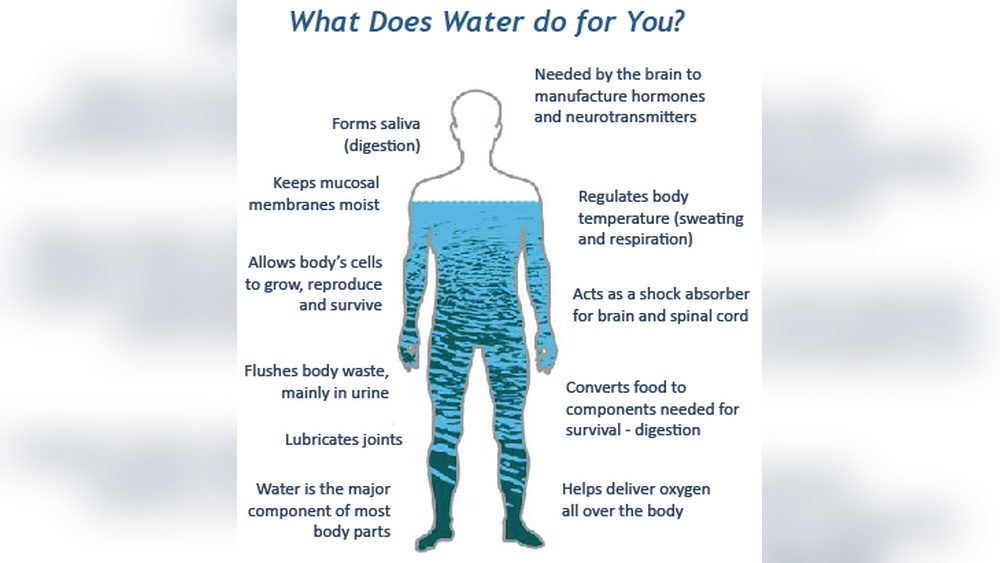
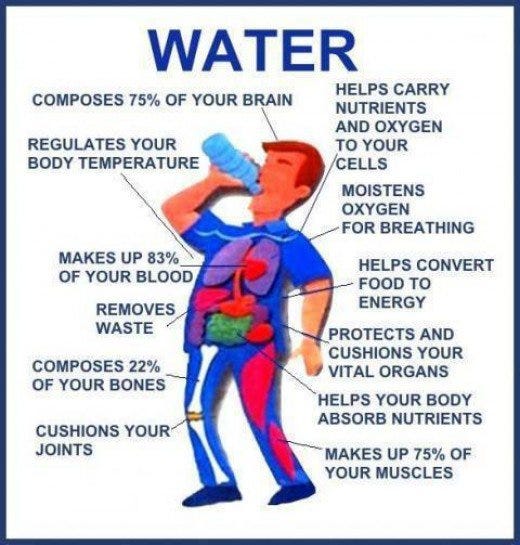
Water makes up about 60% of the adult human body. It is found in every cell, from your brain to your bones. Blood is about 90% water, and even your muscles are made up of more than 70% water. Without enough water, your body cannot work as it should.
Water acts as a building material, helps control body temperature, and is needed for almost every chemical reaction inside you. It transports nutrients, removes waste, and even cushions your joints. Water is not just something you drink when you are thirsty.
It is the foundation of all life processes.
How Water Works In The Body
When you drink water, it is absorbed in your stomach and intestines, then carried to all parts of your body through the blood. The kidneys filter out waste and extra water, which leaves the body as urine. Sweat helps cool your body and removes toxins.
Even when you breathe, you lose water as vapor.
Here is a simple breakdown of how water works:
- Digestion: Water helps break down food so your body can absorb nutrients.
- Circulation: Water keeps blood liquid so it can move oxygen and nutrients.
- Temperature Control: Sweating and breathing keep your body from overheating.
- Waste Removal: Water flushes out toxins through urine, sweat, and stool.
- Cell Function: Every cell uses water for energy and repair.

Credit: www.healthdirect.gov.au
Why Water Matters For Health
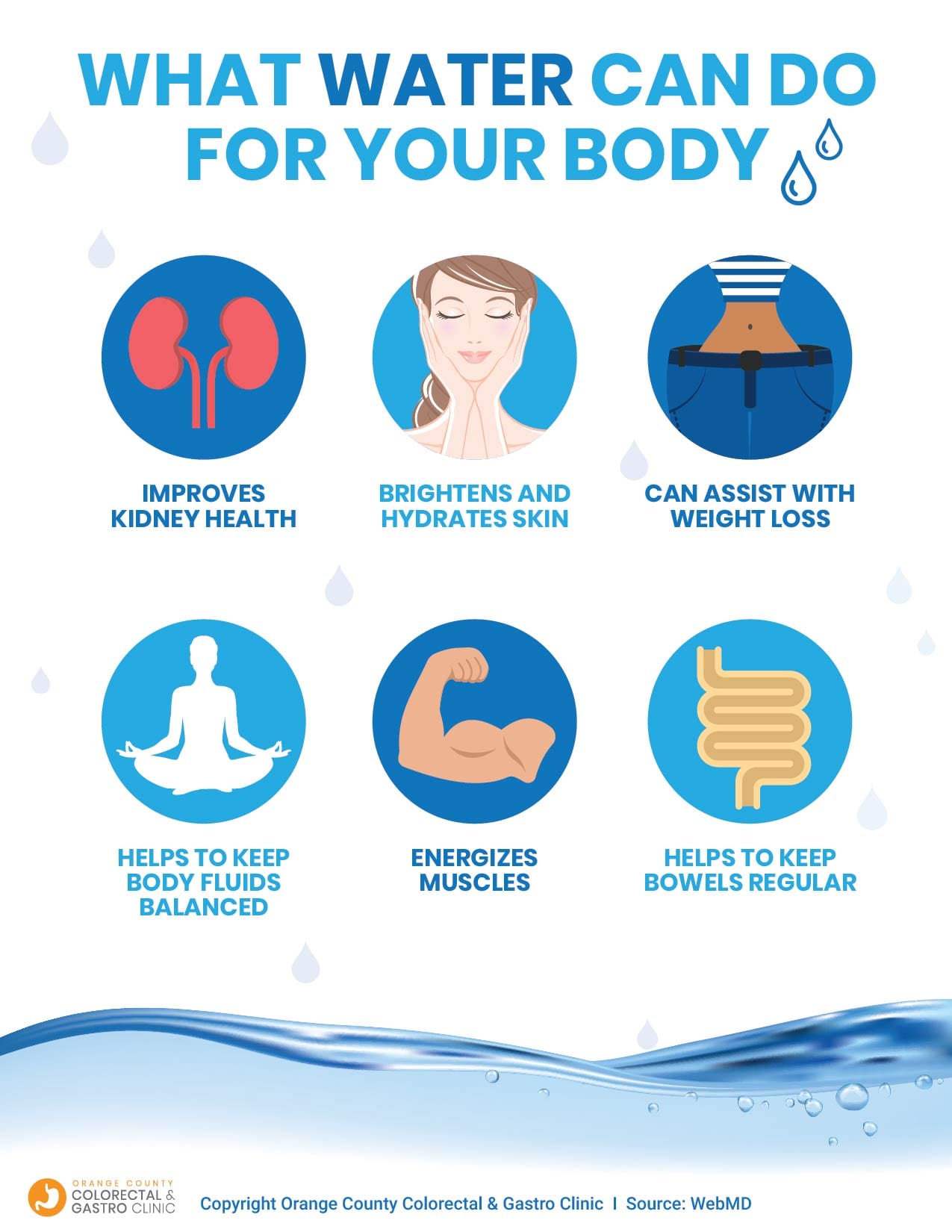
Without enough water, your body quickly runs into trouble. Even a 2% drop in hydration can affect mental focus, mood, and physical performance. Severe dehydration can cause kidney damage, heatstroke, and confusion.
Let’s look at some key reasons water is so important:
- Brain Function: Dehydration can cause headaches, tiredness, and poor memory. Studies show that people who are even mildly dehydrated score lower on tests and feel less alert.
- Heart Health: Water keeps blood thin and helps your heart pump more easily. Thick, sticky blood makes your heart work harder.
- Kidney Protection: Kidneys use water to filter out waste. Not drinking enough can cause kidney stones or infections.
- Digestive Health: Water keeps your digestive system moving. It prevents constipation and helps absorb vitamins and minerals.
- Joint and Muscle Support: Water cushions joints and keeps muscles flexible. Without enough, you may get cramps or sore joints.
Practical Examples Of Water’s Impact
I have worked with athletes, office workers, and older adults. In each group, I’ve seen how drinking enough water improves well-being.
A marathon runner might lose up to 2 liters of water per hour during a race. If he does not replace it, he will tire faster and recover more slowly. Office workers often forget to drink water, leading to headaches or low energy by mid-afternoon. Older adults may not feel thirsty, but they are at higher risk of dehydration because their bodies hold less water.
Here is a summary of how much water is lost from common activities:
| Activity | Water Loss (liters/hour) | Notes |
|---|---|---|
| Resting | 0.1 | Breathing, skin evaporation |
| Light Exercise | 0.5 | Includes walking or light chores |
| Intense Exercise | 1.0–2.0 | Running, sports, heavy labor |
| Hot Weather | Up to 2.5 | Includes sweat loss |
Signs And Indicators Of Dehydration
Many people do not realize they are dehydrated until symptoms appear. Here are some common signs:
- Dry mouth or lips
- Headache
- Dizziness
- Dark yellow urine
- Tiredness
- Cramps or muscle weakness
- Rapid heartbeat
If you notice these signs, it is important to drink water right away. In severe cases, dehydration can cause confusion, fainting, or even organ failure.
A simple way to check your hydration is to look at your urine color. Pale yellow usually means you are well hydrated, while dark yellow or amber suggests you need more water.
Step-by-step Guidance To Stay Hydrated
Staying hydrated does not have to be complicated. Here is a step-by-step guide I give my clients:
1. Start Your Day With Water
Drink a glass of water after waking up. Your body loses water overnight through breathing and sweat.
2. Drink Regularly, Not All At Once
Aim for small amounts throughout the day instead of chugging large amounts at once.
3. Carry A Water Bottle
Having water nearby makes it easier to sip often, especially at work or on the go.
4. Listen To Your Body
Thirst is a signal, but do not wait until you are very thirsty. Drink before you feel parched.
5. Check Your Urine
Use the color of your urine as a guide. Aim for pale yellow.
6. Eat Water-rich Foods
Fruits and vegetables like watermelon, cucumber, and oranges can add to your fluid intake.
7. Adjust For Activity And Weather
If you exercise or it is hot, drink more to replace what you sweat out.
8. Limit Caffeine And Alcohol
These can cause you to lose more water, so balance them with extra hydration.
Credit: ocgastroclinic.com
Common Problems And Solutions
Even with the best intentions, many people struggle to stay hydrated. Here are some common issues and how to solve them:
Problem: Forgetting To Drink Water
Solution: Set phone reminders or use apps to track your intake. Keep a bottle on your desk or bag as a visual cue.
Problem: Disliking Plain Water
Solution: Add a slice of lemon, lime, or cucumber for flavor. Herbal teas and diluted fruit juices can also help.
Problem: Increased Water Loss
Solution: During exercise, illness, or hot weather, increase your intake. Sports drinks may help replace minerals if you sweat heavily, but for most people, water is enough.
Problem: Nighttime Thirst
Solution: Drink a small glass of water before bed, but not too much if it wakes you up to use the bathroom.
Problem: Overhydration
Solution: This is rare, but drinking too much water quickly can be harmful. Spread your intake throughout the day and listen to your body.
Maintenance Tips For Healthy Hydration
Keeping your body well hydrated takes daily attention. Here are some expert tips:
- Make water your main drink. Limit sugary drinks and sodas.
- Set a daily goal. Most adults need about 2 to 2.5 liters of water a day, but needs vary.
- Use technology. Apps and smart bottles can remind you to drink.
- Teach children and older adults. Both groups may forget to drink, so encourage regular hydration.
- Travel smart. Carry water when you travel, especially on planes or in dry climates.
You can find more about water’s health effects from reputable sources like the CDC and the World Health Organization.
Key Data On Water And Health
To help you remember the most important facts, here is a summary:
| Fact | Detail |
|---|---|
| Average Body Water Content | 60% in adults, 75% in infants |
| Recommended Daily Intake | 2 to 2.5 liters (8–10 cups) for adults |
| Water in Blood | About 90% |
| Physical Performance Drop | 2% dehydration reduces performance by up to 10% |
| Signs of Dehydration | Headache, fatigue, dark urine, dry mouth |
Frequently Asked Questions
How Much Water Should I Drink Every Day?
Most adults need about 2 to 2.5 liters of water a day. This includes water from drinks and food. Your needs may be higher if you are active, live in a hot climate, or are pregnant.
Can I Drink Too Much Water?
Yes, drinking too much in a short time can lead to a rare condition called water intoxication. Spread your intake throughout the day and listen to your body’s signals.
What If I Do Not Like The Taste Of Water?
Try adding fruit slices, herbs, or a splash of juice for flavor. Unsweetened herbal teas or water-rich fruits and vegetables can also help you stay hydrated.
Do Coffee And Tea Count Toward My Water Intake?
Yes, both provide water, but caffeine can make you lose more. Balance caffeinated drinks with plain water for best results.
How Do I Know If I Am Dehydrated?
Common signs include dark urine, dry mouth, tiredness, and headache. Check your urine color and drink more if it is dark yellow.
Credit: medium.com
Key Takeaway
Water is not just a drink. It is a vital part of every system in your body. Keeping hydrated supports energy, focus, digestion, and heart health. Make drinking water a daily habit, watch for signs of dehydration, and adjust your intake based on your needs.
Simple changes in your routine can make a big difference in how you feel and function every day.

Hasan Al Sarker is a Reverse Osmosis Specialist. He has worked for many years to ensure safe drinking water for all. His research paper has been published in several journals, including Issue, Medium, and Slideshare. He is recognized as a water doctor among specialists though he did not attend medical college.
Besides working as a researcher of reverse osmosis technology, he is also very fancy with the kitchen and cooking. His guides are reading thousands of people every day. As a head of content, he is responsible for all the published articles at RO System Reviews.