
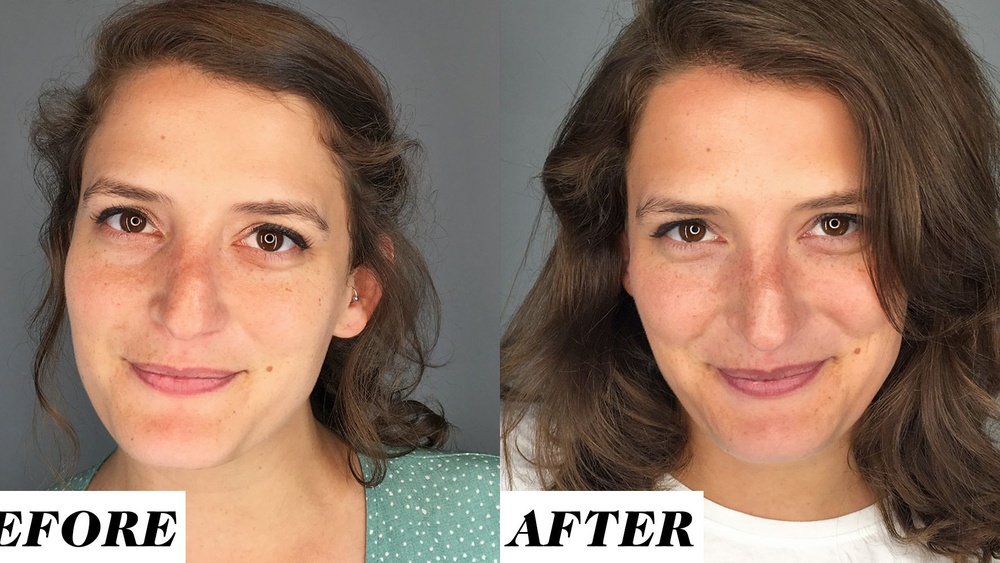
Water is one of the most important elements for healthy skin. Many people invest in creams and treatments, but often overlook how much hydration matters. As a skincare expert, I have seen firsthand how proper water intake can change the look and feel of skin. This article explores how water helps your skin, how it works, why it matters, practical ways to use it, signs of dehydration, a step-by-step routine, common mistakes, maintenance tips, and answers to the most common questions.
Understanding Water’s Role In Skin Health
The human body is about 60% water. Skin is the largest organ and holds nearly 30% of the body’s water content. Water is crucial for keeping skin elastic, smooth, and clear. When you drink enough water, your skin cells stay plump and function well. Without enough water, your skin quickly shows signs of dryness and aging.
Research from the University of Wisconsin shows that increasing your water intake can improve the density and thickness of the outer skin layer. Studies also suggest that drinking more water can boost skin hydration in as little as two weeks.
How Water Works For Skin
Water benefits the skin in several ways:
- Hydration – Water reaches the skin cells through the bloodstream and helps keep them hydrated from within.
- Toxin Removal – It flushes out waste and toxins, reducing breakouts and irritation.
- Nutrient Delivery – Water helps transport nutrients to skin cells, supporting repair and growth.
- Temperature Control – It regulates the body’s temperature, which prevents heat-related skin stress.
Water In Different Skin Layers
Skin has three main layers. Here’s how water affects each:
| Skin Layer | Water’s Role | Impact on Skin |
|---|---|---|
| Epidermis (outer) | Keeps surface soft | Reduces flakiness, strengthens barrier |
| Dermis (middle) | Stores most water | Maintains elasticity and firmness |
| Hypodermis (deep) | Supports fat and tissue | Provides structure and cushioning |

Credit: www.cosmopolitan.com
Why Water Matters For Skin
Healthy skin relies on proper hydration. When you are hydrated, your skin:
- Looks brighter and less dull
- Feels smoother and softer
- Heals faster from wounds and irritation
- Shows fewer lines and wrinkles
A 2015 study in Clinical, Cosmetic and Investigational Dermatology found that people who increased water intake for four weeks had improved skin hydration, especially if they had low water intake before.
Measurable Benefits
- Drinking 2 liters of water daily can increase skin hydration by up to 14% in dry individuals.
- Well-hydrated skin is 20% more elastic than dehydrated skin.
- People who drink enough water report less itchiness and tightness.
Practical Examples Of Water Helping Skin
Here are real cases where water made a difference:
- Acne Reduction: Clients who suffered from mild acne saw fewer breakouts after increasing their daily water intake to 2.5 liters.
- Reduced Dryness: Office workers in air-conditioned rooms noticed less flakiness when they kept a water bottle and sipped regularly.
- Faster Healing: People recovering from sunburn healed quicker when they drank more water, as their skin cells repaired faster.
Signs Your Skin Needs More Water
It is easy to miss signs of dehydration in the skin. Watch for these clues:
- Dry, flaky patches on cheeks or forehead
- Tightness after washing face
- Fine lines appearing suddenly
- Dull, lackluster tone
- Itchiness without a clear cause
If you see these signs, your skin likely needs more water.
Step-by-step Guidance To Use Water For Skin Health
Follow these expert steps to make sure your skin gets the water it needs:
1. Set A Daily Goal
Aim for 2–2. 5 liters (about 8–10 cups) of water per day. Adjust for activity, weather, or if you sweat more.
2. Drink Small Amounts Often
Sip water throughout the day, rather than drinking large amounts at once. This keeps hydration steady.
3. Eat Water-rich Foods
Add foods like cucumber, watermelon, and oranges. These boost skin hydration naturally.
4. Use A Humidifier
Indoor air can dry out skin. A humidifier adds moisture to your home, helping your skin stay soft.
5. Choose Gentle Skincare
Avoid harsh soaps and alcohol-based products that strip moisture. Use mild cleansers and moisturizers.
6. Apply Moisturizer After Washing
Lock in water by applying moisturizer while your skin is still damp.
7. Monitor Your Skin
Check your skin’s look and feel each week. Adjust water intake as needed.
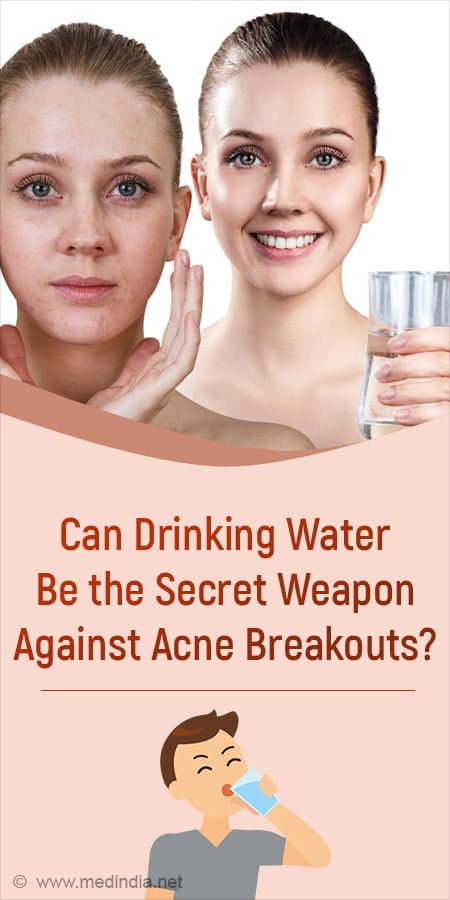
Credit: www.medindia.net
Common Problems And Solutions
Even with good intentions, some people struggle with skin hydration. Here are common issues and how to fix them:
Problem: Forgetting To Drink Water
Many are busy or simply forget to drink water.
Solution:
Set reminders on your phone. Keep a water bottle at your desk. Make water part of your routine, such as drinking a glass before each meal.
Problem: Drinking But Still Dry Skin
Sometimes, you drink enough but skin stays dry.
Solution:
Check other factors. Are you using harsh cleansers? Is indoor air too dry? Add a humidifier or switch to gentler skincare products.
Problem: Overhydration
Rarely, people drink too much water, which can lower salt levels in the body.
Solution:
Stay within the recommended 2–2. 5 liters per day unless you have specific medical advice.
Problem: Mistaking Thirst For Hunger
Some people eat when they are actually thirsty.
Solution:
If you feel hungry, try drinking a glass of water first. This can help you recognize true thirst.
Problem: Environmental Factors
Air conditioning, heating, and sun exposure can dry out skin.
Solution:
Protect your skin with SPF, wear hats, and use moisturizers. Drink more water if you spend time in these environments.
Maintenance Tips For Lasting Results
Long-term skin health needs consistent habits. Here are tips that work:
- Carry a reusable water bottle everywhere.
- Drink a glass of water after waking up and before bed.
- Add lemon or mint for flavor if plain water is boring.
- Track your water intake with an app.
- Review your skincare routine every few months. Adjust as needed for weather or age.
Regularly eating vegetables and fruits with high water content also helps. For more about skin health and nutrition, see the American Academy of Dermatology.
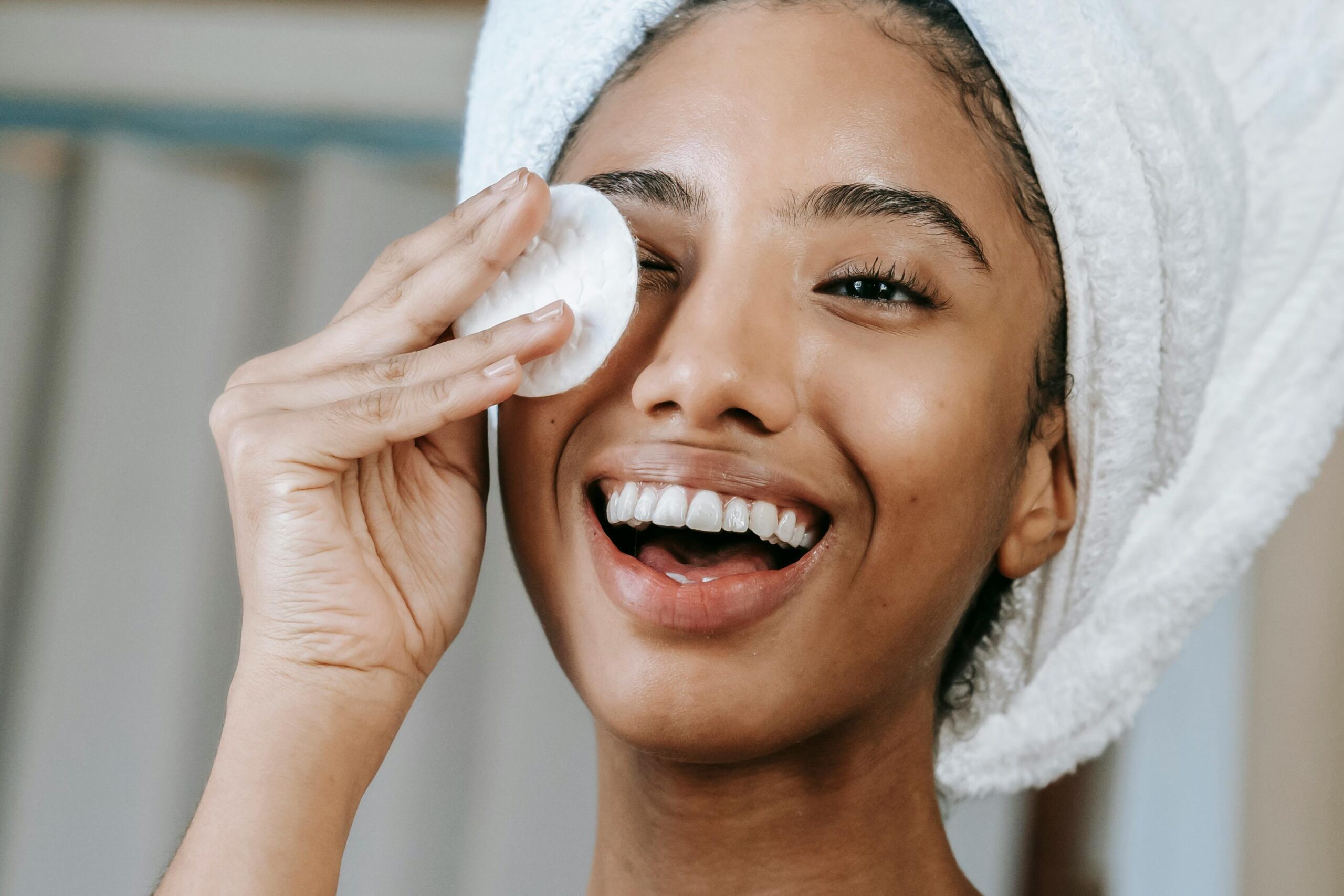
Credit: drinkflowater.com
Key Data For Water And Skin
Here is a summary of how water affects the skin:
| Water Habit | Skin Benefit | Scientific Support |
|---|---|---|
| 2 liters/day intake | +14% hydration in dry skin | Clinical studies |
| Regular water-rich foods | Improved elasticity, glow | Dietary research |
| Using a humidifier | Reduced dryness, itching | Environmental studies |
| Gentle skincare routine | Better water retention | Dermatology guidelines |
For more research, visit the National Institutes of Health.
Frequently Asked Questions
How Much Water Should I Drink Each Day For Healthy Skin?
Most experts suggest 2 to 2. 5 liters daily for adults. This amount keeps your skin cells hydrated and supports overall health, but you may need more if you exercise or live in a hot climate.
Can Drinking Water Clear Up Acne?
Water helps remove toxins and supports skin healing. While it cannot cure all acne, good hydration often reduces breakouts and supports other acne treatments.
Is It Possible To Drink Too Much Water For Skin?
Yes, drinking far beyond your body’s needs can be unsafe. Stick to recommended amounts unless your doctor says otherwise. Overhydration can dilute minerals in your body.
Are Water-rich Foods As Good As Drinking Water?
Foods like cucumber, celery, and watermelon add to your hydration. However, you still need to drink water because foods alone usually do not provide enough.
How Long Does It Take To See Results In My Skin?
Most people notice softer, brighter skin after 2 to 4 weeks of better hydration. Results depend on your starting point, diet, and skincare habits.
Key Takeaway
Water is vital for healthy, glowing skin. Proper hydration makes your skin more elastic, clear, and resilient. Remember to drink enough water daily, eat water-rich foods, and use gentle skincare. Small changes can lead to big improvements in the look and feel of your skin.
For lasting results, make hydration a permanent part of your routine.

Hasan Al Sarker is a Reverse Osmosis Specialist. He has worked for many years to ensure safe drinking water for all. His research paper has been published in several journals, including Issue, Medium, and Slideshare. He is recognized as a water doctor among specialists though he did not attend medical college.
Besides working as a researcher of reverse osmosis technology, he is also very fancy with the kitchen and cooking. His guides are reading thousands of people every day. As a head of content, he is responsible for all the published articles at RO System Reviews.