Water is the most essential nutrient for human life. Every cell, tissue, and organ depends on water to function well. Many people know that drinking enough water is important, but few understand how the body actually absorbs water and makes it available for use.
This process involves several steps, organs, and some interesting science. Understanding how water is absorbed can help you make better choices about hydration and health.
What Does Water Absorption Mean?
Water absorption is the process where fluid from what you drink or eat enters your body’s blood circulation. This allows water to reach all your cells. Most of this absorption happens in the digestive system, mainly the small and large intestines. The body is very efficient at this process, so you get the most benefit from every sip of water.
How Water Moves Through The Body
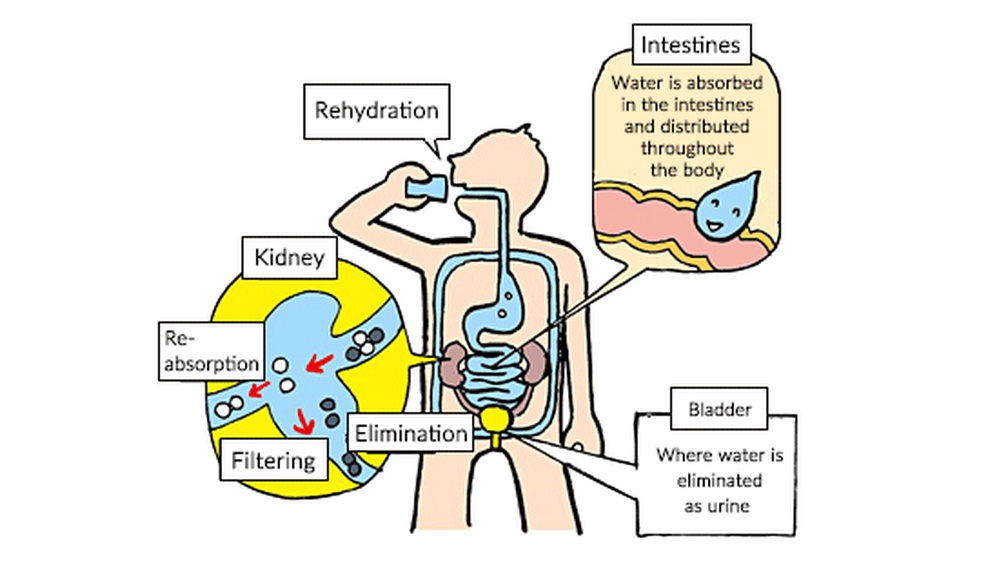
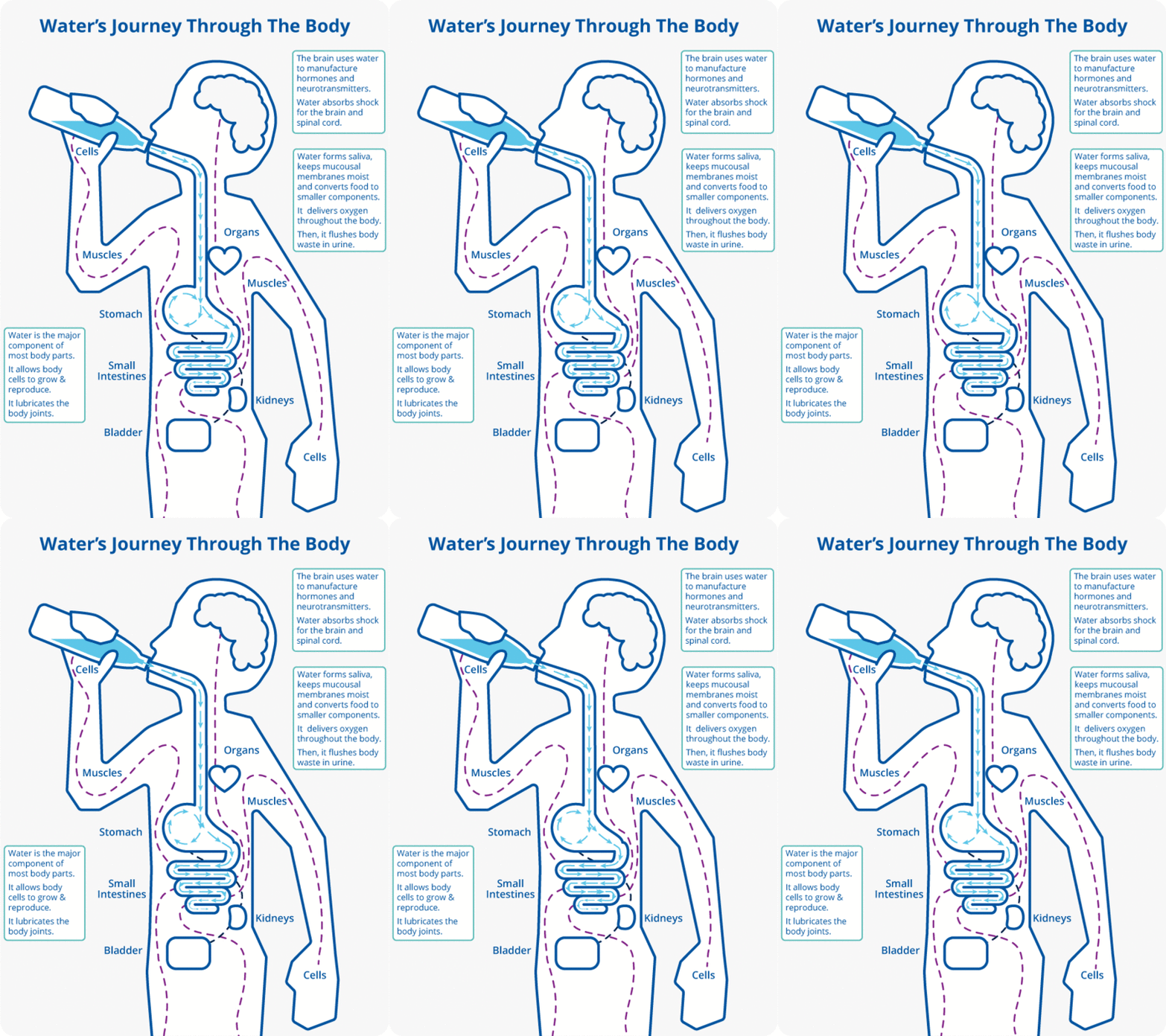
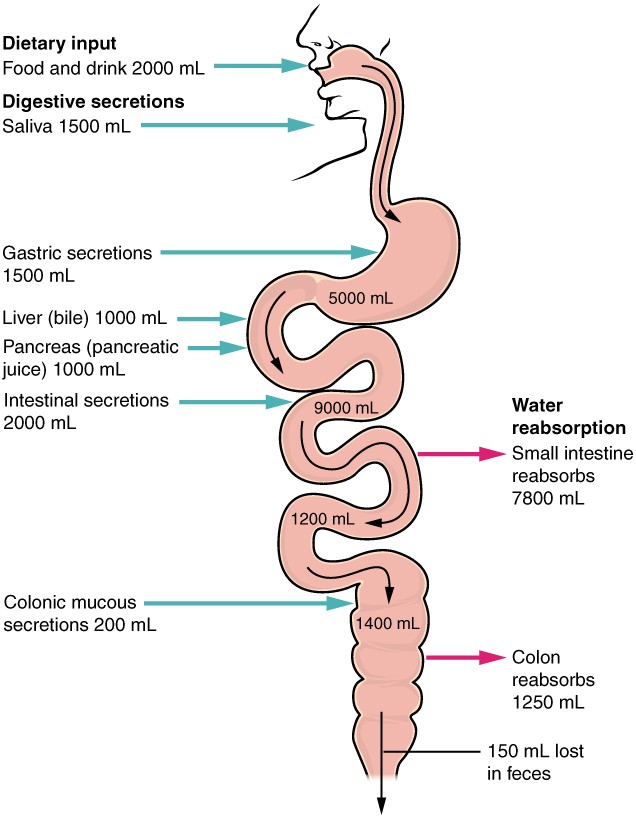
When you drink a glass of water, the journey begins in your mouth. It flows down your throat to the stomach. From there, it moves into the small intestine, which is the main site for water absorption. Roughly 80% of water is absorbed in the small intestine. The remaining water passes into the large intestine, where the last bit is taken up, leaving only a small amount to be removed as waste.
Step-by-step Path Of Water
- Mouth to Stomach: Water enters quickly and does not need to be digested.
- Stomach to Small Intestine: Water passes through the stomach in about 5–10 minutes.
- Absorption in Small Intestine: Most water is absorbed here, mainly in the jejunum and ileum.
- Final Absorption in Large Intestine: About 10–20% of water is absorbed here.
- Enters Bloodstream: Water moves into blood vessels and is carried to organs and tissues.
Why Proper Water Absorption Matters
Without proper water absorption, your body cannot maintain balance. Water helps regulate temperature, transport nutrients, remove waste, and keep joints lubricated. Even mild dehydration can impact energy, focus, and physical performance. Studies show a 2% drop in body water can lead to noticeable fatigue and headaches.
Key Organs In Water Absorption
Three main organs help absorb and manage water:
- Small intestine: Main absorption site.
- Large intestine: Reabsorbs water from waste.
- Kidneys: Control how much water is kept or removed as urine.
Below is a summary table showing the main organs and their role:
| Organ | Main Function in Water Absorption | Percentage of Water Absorbed |
|---|---|---|
| Small Intestine | Primary absorption into blood | ~80% |
| Large Intestine | Reabsorbs remaining water | ~15–20% |
| Kidneys | Regulate water balance | Variable |

Credit: www.waterh.com
How The Body Absorbs Water: The Science
Water absorption happens mainly by osmosis, a process where water moves from areas of low solute (like salt or sugar) to high solute through a semipermeable membrane. In the intestine, water passes through the lining into the blood because the body maintains a higher concentration of solutes inside.
Transport proteins called aquaporins help speed up this movement. This means water can move quickly and efficiently into your bloodstream, often within minutes of drinking.
Practical Examples Of Water Absorption
You might wonder how fast water gets into your system after you drink it. Research shows that when you drink 300 ml (about 1.3 cups) of water, half can enter your blood within 10–15 minutes. After a salty meal, your body may absorb water more slowly, as the intestines retain water to balance sodium.
Another example is oral rehydration solutions. These drinks contain small amounts of sugar and salt, which help water absorption faster through the intestine. This is why such solutions are used for quick hydration in cases of diarrhea or vomiting.
Signs Of Good And Poor Water Absorption
Good water absorption means you stay hydrated, your urine is clear or light yellow, and you feel alert. Poor absorption can lead to symptoms such as:
- Dry mouth and skin
- Dark urine
- Fatigue and headache
- Dizziness
- Constipation
If you drink a lot but still have these symptoms, your absorption may be poor. Conditions like diarrhea, Crohn’s disease, or certain medications can reduce water absorption.
Step-by-step Guide To Maximizing Water Absorption
Here is how you can help your body absorb water more efficiently:
- Drink water slowly rather than all at once. This gives your body time to absorb.
- Eat water-rich foods like cucumber, watermelon, and oranges. They provide extra hydration.
- Add a pinch of salt or use oral rehydration solutions after heavy sweating or illness.
- Avoid excess caffeine and alcohol, which can increase water loss.
- Spread water intake throughout the day instead of drinking large amounts at once.
- Exercise moderately; light movement can stimulate digestion and absorption.
- Check your urine color. Aim for pale yellow as a sign of good hydration.
Credit: www.aquasana.com
Common Problems And Solutions
Several issues can affect water absorption:
Diarrhea
Diarrhea speeds up the movement of food and water through the gut, leaving less time for absorption. Oral rehydration solutions help correct this by providing sodium and glucose to improve absorption.
Chronic Conditions
Diseases like Crohn’s, celiac, or irritable bowel syndrome can damage the intestine, making absorption less effective. Managing these conditions with proper diet, medication, and medical advice is important.
Medications
Some medicines, like certain laxatives or diuretics, can reduce water reabsorption. Always check with your doctor if you notice symptoms of dehydration.
Age And Absorption
Older adults may absorb water less efficiently. They should pay extra attention to hydration, as their sense of thirst may also decrease.
Maintenance Tips For Healthy Water Absorption
Keep your body working well with these simple habits:
- Drink small amounts of water often, especially in hot weather or when active.
- Include fruits and vegetables at every meal.
- Avoid large amounts of sugary drinks, which can pull water into the intestine and cause loss.
- Monitor your hydration status regularly, especially if you have a medical condition.
- Discuss any ongoing symptoms with your doctor, especially if you feel thirsty all the time or pass very little urine.
Credit: courses.lumenlearning.com
Data Snapshot: How Much Water Is Absorbed?
To help visualize, here is another useful table comparing water absorption rates in different parts of the intestine:
| Section of Intestine | Approximate Amount Absorbed per Day (Liters) | Key Feature |
|---|---|---|
| Duodenum | 0.5–1.0 | First absorption site |
| Jejunum | 5–6 | Main absorption area |
| Ileum | 2–3 | Secondary absorption |
| Colon | 1.5 | Final water recovery |
This data shows that most water is absorbed in the small intestine, with the colon finishing the process and keeping your body balanced.
Frequently Asked Questions
How Long Does It Take For Water To Be Absorbed After Drinking?
Water absorption begins within 5 to 10 minutes after drinking and most of it enters your bloodstream within 30 to 120 minutes. Factors like the amount drunk, stomach contents, and temperature can affect the speed.
Can You Drink Too Much Water At Once?
Yes, drinking large amounts very quickly can overwhelm the kidneys and dilute blood sodium, a condition called hyponatremia. It is safer and more effective to drink water in small, regular amounts throughout the day.
Do Sports Drinks Help With Water Absorption?
Sports drinks with balanced amounts of electrolytes and sugar can help absorption, especially during heavy sweating. However, for most people, plain water and a balanced diet are enough for daily hydration.
Is Urine Color A Reliable Sign Of Hydration?
Urine color is a simple indicator. Pale yellow means you are hydrated, while dark yellow or amber suggests you need more water. Some foods and vitamins can also affect urine color, so use this as a general guide.
Are There Medical Conditions That Affect Water Absorption?
Yes, digestive diseases like Crohn’s, celiac, and chronic diarrhea can reduce water absorption. If you have ongoing symptoms of dehydration despite drinking water, consult your doctor.
Key Takeaway
Efficient water absorption is vital for good health. Most water is absorbed in the small intestine through osmosis, with the process completed in the colon. Pay attention to your hydration habits, eat a balanced diet, and recognize signs of poor absorption early.
If you have a medical condition or notice persistent symptoms, seek professional advice.
For more in-depth information, see the National Center for Biotechnology Information and the Harvard Health Publishing resources.
Understanding your body’s water absorption process puts you in control of your hydration and health. Stay proactive, and your body will thank you.

Hasan Al Sarker is a Reverse Osmosis Specialist. He has worked for many years to ensure safe drinking water for all. His research paper has been published in several journals, including Issue, Medium, and Slideshare. He is recognized as a water doctor among specialists though he did not attend medical college.
Besides working as a researcher of reverse osmosis technology, he is also very fancy with the kitchen and cooking. His guides are reading thousands of people every day. As a head of content, he is responsible for all the published articles at RO System Reviews.