Every moment, your heart pumps blood through your body. This flow creates blood pressure, a force that is vital for life. But did you know that something as simple as water can change your blood pressure? Many people drink water every day without thinking about how it affects their health. Yet, how much water you drink—and when—can have a real impact on your blood pressure, for better or worse.
Understanding this connection is more important than ever. High blood pressure, or hypertension, is a silent danger. It can lead to heart attacks, strokes, and kidney problems. On the other hand, low blood pressure can make you dizzy, weak, or even cause fainting. Both can be influenced by your water intake. This article will help you see how water affects your blood pressure, what science says, and how you can use this knowledge to improve your health.
What Is Blood Pressure?
Blood pressure is the force of blood pushing against the walls of your arteries as your heart beats. It is measured in millimeters of mercury (mmHg) and recorded with two numbers:
- Systolic pressure: The top number, showing pressure when the heart beats.
- Diastolic pressure: The bottom number, showing pressure when the heart rests between beats.
A healthy adult usually has a reading below 120/80 mmHg. If it is higher, you may have hypertension. If it is lower, you may have hypotension.
The Role Of Water In The Body
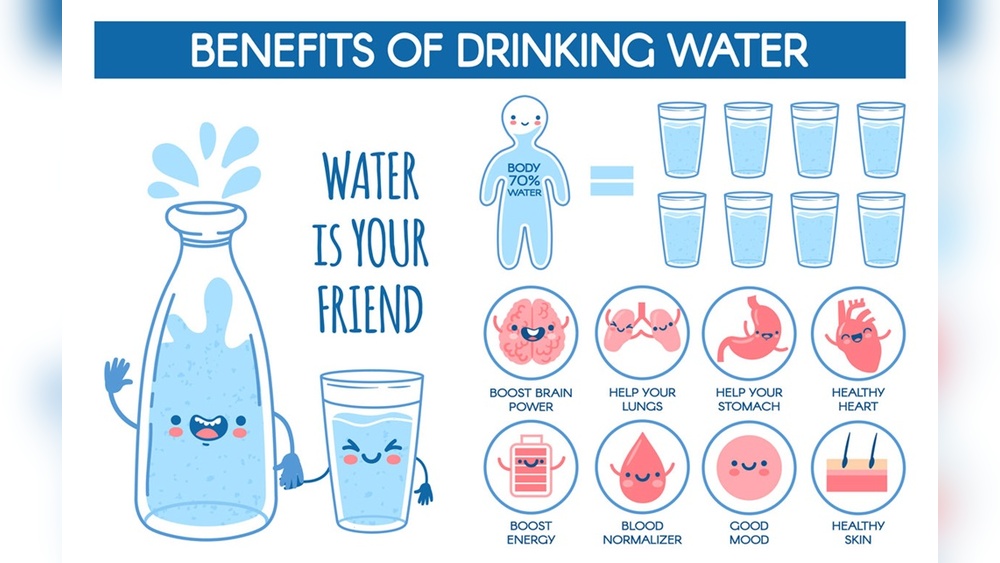
Water is not just for quenching thirst. It makes up about 60% of your body weight. Every cell, tissue, and organ needs water to work properly. Water helps:
- Carry nutrients and oxygen to cells
- Remove waste products
- Regulate body temperature
- Protect joints and organs
When you don’t drink enough water, your body can’t work as it should. This also affects your blood pressure.
Credit: health.clevelandclinic.org
How Water Intake Affects Blood Pressure
How Water Raises Blood Pressure
Drinking water causes a rise in blood volume. When you drink a glass of water, it enters your stomach, then your blood. This extra fluid increases the volume of blood, which can make your blood pressure go up for a short time.
For most healthy people, this effect is small and temporary.
Example: Orthostatic Hypotension
People with orthostatic hypotension (a drop in blood pressure when standing up) can benefit from drinking water. One study found that drinking about 500 ml (17 oz) of water raised blood pressure in these people by as much as 30 mmHg for a short period. This can help prevent dizziness or fainting when standing.
How Water Lowers Blood Pressure
For people with high blood pressure, drinking enough water can help lower it over time. Here’s why:
- Dehydration causes blood vessels to narrow, and the body releases stress hormones. Both can raise blood pressure.
- When you are well-hydrated, your blood is thinner and moves more easily. This reduces strain on your heart and arteries.
Key insight: Many people do not realize that dehydration can cause hidden spikes in blood pressure, especially during hot weather or illness.
Dehydration And Its Effects On Blood Pressure
Dehydration happens when you lose more fluid than you take in. It can come from sweating, illness, or just not drinking enough. When you are dehydrated:
- Your blood volume drops
- Your heart works harder to pump blood
- Blood vessels tighten, causing a rise in blood pressure (sometimes, it can also cause very low pressure in severe cases)
Here is a comparison of how dehydration and proper hydration affect blood pressure:
| Condition | Blood Pressure Effect | Common Symptoms |
|---|---|---|
| Dehydrated | Can increase or decrease sharply | Dizziness, confusion, rapid heartbeat |
| Well-hydrated | Usually stable or slightly lower | Normal energy, clear thinking |
Important: Severe dehydration may sometimes cause a dangerous drop in blood pressure, especially in older adults. Always watch for signs of dehydration, such as dry mouth, dark urine, or feeling lightheaded.
How Much Water Should You Drink?
Experts often say you should drink 8 glasses (about 2 liters) of water a day. But your needs depend on many factors:
- Age and gender
- Activity level
- Climate and temperature
- Health conditions
Here is a quick guide to recommended daily water intake:
| Group | Water Intake per Day |
|---|---|
| Men | 3.7 liters (about 13 cups) |
| Women | 2.7 liters (about 9 cups) |
| Children (9–13 years) | 2.1–2.4 liters (7–8 cups) |
| Older Adults | 2.0–2.5 liters (7–9 cups) |
Remember, these numbers include all fluids, not just water. Tea, coffee, and juicy fruits also count.
Factors That Change The Water-blood Pressure Relationship
Salt (sodium) Intake
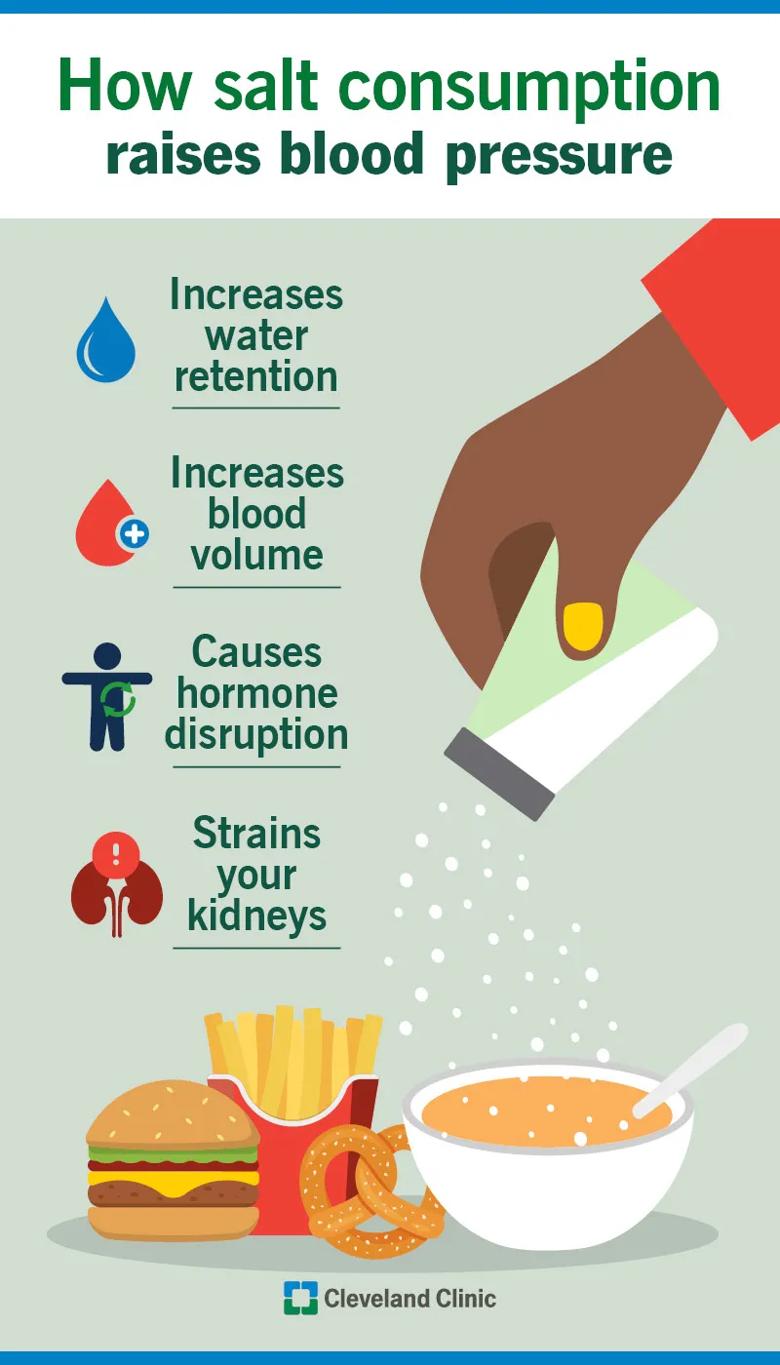
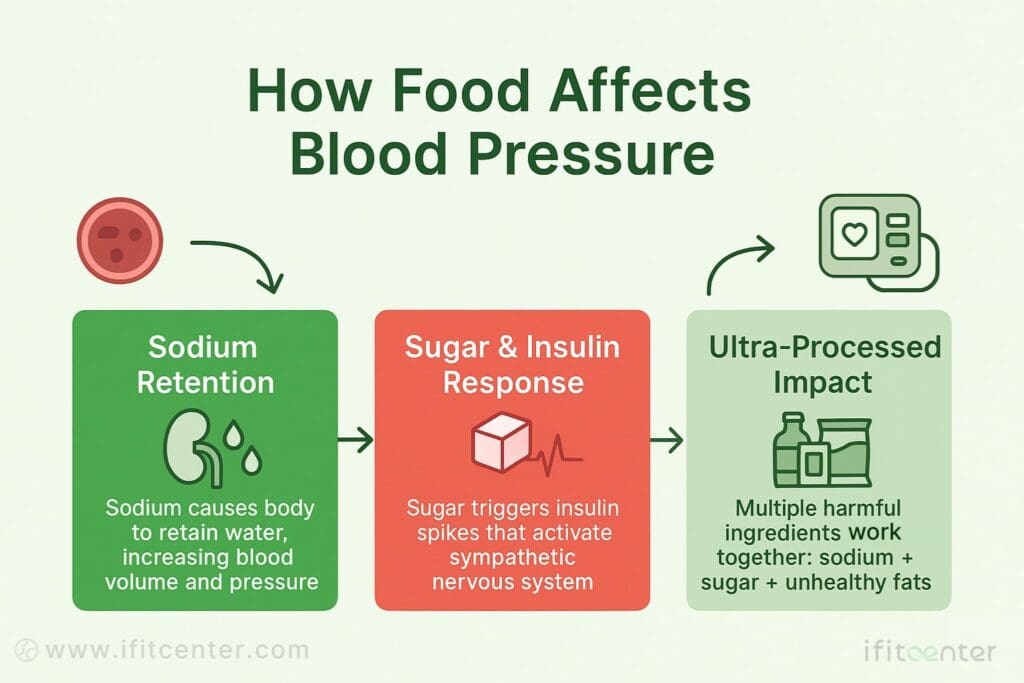
Salt holds water in your body. If you eat a lot of salty food, your body keeps more water, raising blood volume and blood pressure. Drinking more water can sometimes help your body flush out extra salt, but it is best to limit sodium in your diet.
Medications
Some medicines, like diuretics (“water pills”), make you lose more water and salt in urine. Others, such as certain blood pressure pills, affect how your body manages fluids. Always follow your doctor’s advice on how much water to drink if you take these drugs.
Age And Health Conditions
Older adults and people with kidney or heart problems must be careful with water intake. Too much water can lead to water intoxication (low sodium in the blood), which is dangerous. For these groups, a doctor’s guidance is essential.
Physical Activity And Climate
When you exercise or live in a hot climate, you sweat more and need extra water. Not drinking enough can lead to dehydration, which may raise your blood pressure during or after activity.
Short-term And Long-term Effects Of Water On Blood Pressure
Short-term Effects
Drinking a glass or two of water can raise your blood pressure slightly for a short time, especially if you are dehydrated or have low blood pressure. This is because your blood volume increases quickly.
Long-term Effects
Consistently drinking enough water keeps your blood pressure stable. Over time, good hydration helps your heart and blood vessels work better, lowering your risk of chronic high blood pressure.
Non-obvious insight: Many people think only salt affects blood pressure, but not drinking enough water can have a similar effect, especially over weeks or months.
Practical Tips To Use Water For Healthy Blood Pressure
- Start your day with water. Drink a glass as soon as you wake up to kickstart your circulation.
- Sip water throughout the day. Don’t wait until you’re thirsty. Thirst means you’re already a bit dehydrated.
- Increase water intake in hot weather or when active. If you sweat, you need to replace the lost fluids.
- Check your urine color. Pale yellow means you’re hydrated; dark yellow means you need more water.
- Limit caffeine and alcohol. These can make you lose water and affect your blood pressure.
- Add hydrating foods. Cucumbers, watermelon, and oranges have high water content.
- Monitor your blood pressure. If you have hypertension or hypotension, see how your pressure changes with different water intake.
Credit: organika.com
Who Should Be Careful With Water Intake?
- People with kidney disease: Too much water can stress weak kidneys.
- Heart failure patients: Extra water can make the heart work harder.
- Older adults: Their sense of thirst is weaker, and they can get dehydrated easily or drink too much by mistake.
- Infants and young children: They can get dehydrated quickly.
If you are in these groups, talk to your doctor about how much water you should drink.
What Science Says: Studies And Data
Many studies confirm the link between water and blood pressure. For example, a 2002 study in the journal *Hypertension* found that drinking 500 ml of water increased blood pressure in people with autonomic failure by up to 40 mmHg. Another study showed that regular water intake helped lower blood pressure in people at risk for hypertension.
The American Heart Association says that staying well-hydrated is an important lifestyle step for preventing high blood pressure. For more in-depth research, you can visit the Centers for Disease Control and Prevention.
Real-life Examples
- A busy office worker who drinks coffee all day but little water might feel tired and develop mild hypertension. When she adds two glasses of water at each meal, her blood pressure improves.
- An older man living in a hot country often feels dizzy. His doctor finds he is slightly dehydrated, and his blood pressure drops when he stands up. Drinking more water in the morning solves his dizziness.
- An athlete who forgets to hydrate during a long run may notice his blood pressure spike and get a headache. Rehydrating brings his blood pressure back to normal.
Frequently Asked Questions
How Quickly Does Drinking Water Affect Blood Pressure?
Water can raise blood pressure within 15–30 minutes in people with low blood pressure. For most people, the effect is mild and short-lived. Consistent hydration helps keep blood pressure stable over days and weeks.
Can Drinking Too Much Water Be Harmful For Blood Pressure?
Yes, drinking excessive water can dilute sodium in your blood (hyponatremia), which is dangerous and may cause confusion, seizures, or very low blood pressure. This risk is higher in people with kidney, heart, or liver problems.
Should I Drink More Water If I Have High Blood Pressure?
Drinking enough water can help, but you should not overdo it. Aim for the recommended daily intake and limit salty foods. Always talk to your doctor before making big changes if you have hypertension.
Is Coffee Or Tea As Good As Water For Blood Pressure?
Coffee and tea do count toward your fluid needs, but caffeine can briefly raise blood pressure. For people with high blood pressure, it is better to drink mostly water and non-caffeinated drinks.
How Can I Tell If I Am Drinking Enough Water?
Check your urine color—it should be light yellow. Also, notice if you often feel thirsty, tired, or have headaches. These can be signs you need more water.
Credit: drbabak.org
Takeaway
Water plays a bigger role in your blood pressure than many people realize. Both too little and too much water can change your blood pressure, sometimes in risky ways. By staying well-hydrated and aware of your body’s needs, you can help keep your blood pressure in a healthy range.
Simple habits—like drinking water regularly and watching for dehydration—make a real difference. Always listen to your body and get advice from a doctor if you have special health needs. With the right balance, water can truly support your heart and your health.

Hasan Al Sarker is a Reverse Osmosis Specialist. He has worked for many years to ensure safe drinking water for all. His research paper has been published in several journals, including Issue, Medium, and Slideshare. He is recognized as a water doctor among specialists though he did not attend medical college.
Besides working as a researcher of reverse osmosis technology, he is also very fancy with the kitchen and cooking. His guides are reading thousands of people every day. As a head of content, he is responsible for all the published articles at RO System Reviews.