
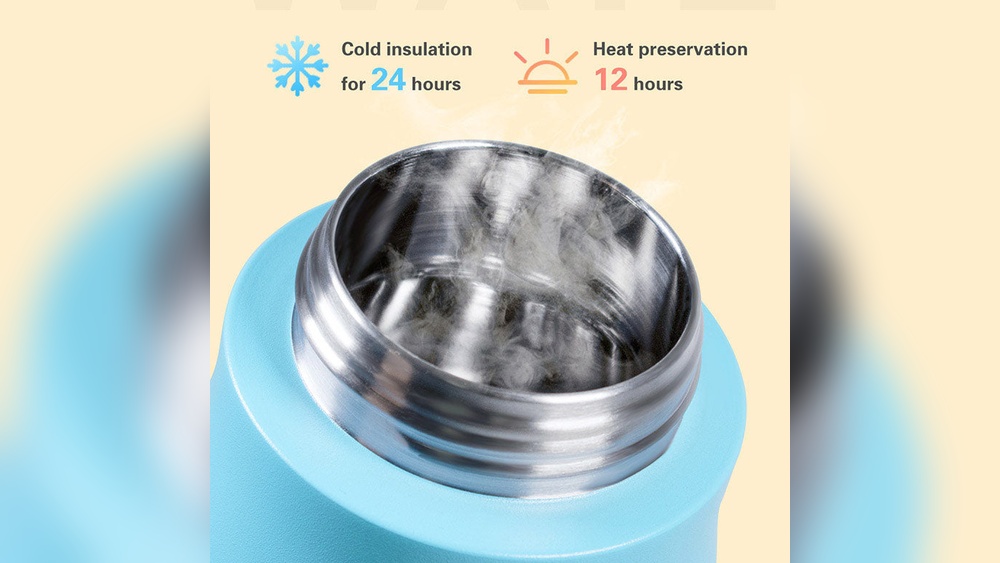
How Long Can You Keep Water in a Stainless Steel Bottle
If you use a stainless steel water bottle every day, you may wonder: how long can water stay inside before it’s not safe or tastes strange? Many people buy these bottles for health, convenience, or environmental reasons. But few know the science behind storing water in them. This article breaks down everything you need to know—how long water really stays fresh, what factors change that time, and how to keep your water tasting great.
Why Stainless Steel Bottles Are Popular
Stainless steel bottles are now everywhere—in offices, gyms, schools, and travel gear. The main reasons are simple: they are reusable, last for years, and do not leak harmful chemicals like some plastics can. These bottles also keep water cold or hot for longer because of their insulation. But there’s more to safe water storage than just the bottle’s material.
How Long Is Water Safe In A Stainless Steel Bottle?
Most experts agree that water can be safely kept in a clean stainless steel bottle for about 24 to 48 hours at room temperature. If you refrigerate the bottle, water can stay fresh for up to 3 days. However, the real answer depends on a few important things:
- The bottle’s cleanliness
- Temperature where it’s stored
- Whether you drink directly from the bottle
- Type of water (tap, filtered, or mineral)
Let’s look deeper into each factor to help you make the best decision.
What Affects How Long Water Stays Fresh?
1. Cleanliness Of The Bottle
A clean bottle is key. Even though stainless steel does not let bacteria grow as easily as plastic, it is not bacteria-proof. If you fill a bottle that is not washed well, bacteria from your mouth, hands, or the air can get in the water.
Over 24 hours, these bacteria can multiply, making the water taste bad or even unsafe. For best results, always wash your bottle with soap and hot water every day.
2. Storage Temperature
Heat speeds up bacteria growth and can make water taste stale. Room temperature (about 20–22°C or 68–72°F) is usually fine for a day or two. If you keep the bottle in a hot car or outside in the sun, water can taste off in just a few hours.
In contrast, cold temperatures (like in a fridge) slow down bacteria and keep water fresh longer.
3. Drinking Directly From The Bottle
Every time you drink directly from the bottle, you add bacteria from your mouth. This can make the water go bad much faster, sometimes within 24 hours. If you want to store water for longer, pour it into a clean glass instead of drinking from the bottle.
4. Type Of Water
Tap water often contains chlorine or other chemicals that keep it safe longer, but filtered or mineral water might not. If you use filtered water, drink it within 24 hours if kept at room temperature.
How Stainless Steel Compares To Other Materials
Many wonder if stainless steel is really better than plastic or glass for storing water. Here is a quick comparison:
| Material | Safe Storage Time (Room Temp) | Notes |
|---|---|---|
| Stainless Steel | 24–48 hours | Durable, no chemicals, resists bacteria |
| Plastic | 12–24 hours | Can leach chemicals, easier bacteria growth |
| Glass | 24–48 hours | Safe, but breakable; easy to clean |
This shows that stainless steel is one of the safest options, but only if you care for it properly.
Signs Your Water Has Gone Bad
It is not always easy to tell when water in your bottle is no longer fresh. Here are some signs you should not ignore:
- Unusual smell – Water should not smell musty or sour.
- Strange taste – If water tastes metallic, stale, or odd, throw it out.
- Cloudiness – Water should be clear; any haze means it may be contaminated.
- Sediment – If you see bits floating in the water, it’s time to clean your bottle.
If you notice any of these, wash your bottle thoroughly and refill it.
How To Clean Your Stainless Steel Bottle Properly
Cleaning your bottle well is more important than most people realize. Here’s a step-by-step method for best results:
- Rinse the bottle with warm water right after use.
- Use a bottle brush with dish soap to scrub the inside.
- Pay special attention to the mouth, cap, and threads.
- Rinse well to remove all soap.
- Let the bottle air dry upside down, with the cap off.
For a deeper clean, once a week:
- Fill the bottle with warm water and 1–2 teaspoons of baking soda or vinegar.
- Let it sit for 15–20 minutes.
- Scrub, rinse, and dry as usual.
Never put your bottle away wet—moisture helps bacteria grow.

Credit: hydrocellusa.com
Can You Store Other Drinks In Stainless Steel Bottles?
While water is safe, not all drinks are suited for long storage in stainless steel. Some drinks can react with the metal, change taste, or make cleaning harder.
| Beverage | Safe Storage Time | Risks |
|---|---|---|
| Water | 24–48 hours | Very low risk |
| Juice | 6–12 hours | Acid can affect taste, bacteria grow quickly |
| Milk | 1–2 hours (unrefrigerated) | High risk of spoiling, bacteria multiply fast |
| Coffee/Tea | 12–24 hours | Can stain, change taste |
| Sports/Energy Drinks | 12–24 hours | Sugar feeds bacteria, acidic |
For safety, always wash your bottle after storing anything other than water.
Health Risks Of Keeping Water Too Long
Many people believe water does not expire, but in a bottle, water can become unsafe. Here’s why:
- Bacteria and mold: Even a few bacteria can multiply quickly in a closed, damp space.
- Biofilm: Over time, bacteria can form a thin layer inside your bottle, making it hard to clean.
- Metal taste: If water stays for too long (more than 72 hours), you might notice a metallic taste, especially if the bottle is not made from food-grade stainless steel.
Drinking water that sits too long can cause stomach upset or minor infections, especially for people with weak immune systems.
How To Keep Water Fresh Longer
If you want to store water in your stainless steel bottle for longer, try these practical tips:
- Fill the bottle with cold, clean water (filtered or boiled and cooled).
- Store the bottle in the fridge, not at room temperature.
- Avoid touching the mouth of the bottle with your lips if you plan to keep the water for more than a day.
- Do not leave your bottle in a hot car or direct sunlight.
- Use a bottle with a wide mouth for easier cleaning.
Common Myths About Storing Water In Stainless Steel
Many people have wrong ideas about stainless steel bottles. Here are two of the most common:
1. “water Never Goes Bad In Stainless Steel.”
While stainless steel resists bacteria, it does not stop them completely. Water can go bad if left for too long or if the bottle is dirty.
2. “you Can Store Any Drink For Days.”
Only water is safe for more than 24 hours. Sugary or acidic drinks can react with the metal, cause odors, or spoil quickly.
When To Replace Your Stainless Steel Bottle
Even the best bottle does not last forever. Replace your bottle if you see:
- Deep scratches or dents inside (these can hide bacteria)
- Rust or discoloration
- Bad smells that do not go away after cleaning
- Loose or damaged caps (can cause leaks or let in germs)
A good-quality bottle should last years with proper care, but when in doubt, get a new one.
Practical Examples: Real-life Water Storage Situations
Let’s look at a few examples to make things clear:
- Office worker: Fills a clean bottle with tap water in the morning, drinks throughout the day. Refills and washes at night. Safe practice.
- Hiker: Fills a bottle with stream water, drinks over two days. Risky unless the water is boiled or treated first.
- Student: Leaves water in a bottle over the weekend. On Monday, water may taste stale or have grown bacteria—should refill with fresh water.
These examples show how habits affect safety.
Credit: www.jiuruihousewares.com
Data: How Fast Bacteria Grow In Bottles
For those who want numbers, studies show that bacteria can multiply fast in closed bottles.
| Time | Bacteria Count (CFU/mL)* |
|---|---|
| 0 hours (fresh water) | 10–50 |
| 24 hours (room temp, after drinking) | 1,000–10,000 |
| 48 hours (room temp, after drinking) | 10,000–100,000 |
*CFU/mL = colony-forming units per milliliter, a measure of bacteria.
As you can see, bacteria rise quickly if you drink from the bottle and leave it at room temperature.
Two Insights Most People Miss
- Odorless does not mean safe: Even if your water smells fine, bacteria might still be present. Always follow the 24–48 hour rule.
- Caps matter: Most germs in bottles are found on the cap and threads. If you skip cleaning these, water will go bad faster—even if the bottle itself looks clean.
The Bottom Line
Water stays fresh in a clean, stainless steel bottle for 24 to 48 hours at room temperature, and up to 72 hours if kept cold and untouched. Clean your bottle every day, avoid drinking directly if you want to store water longer, and never keep other drinks for more than a few hours. Being careful is simple, but it makes all the difference.
If you want even more details about water safety and storage, you can check this CDC water storage guide.
Frequently Asked Questions
How Often Should I Wash My Stainless Steel Water Bottle?
You should wash your bottle every day, even if it only holds water. Bacteria from your mouth or the air can build up quickly. Use warm water and dish soap, and let it air dry.
Can I Keep Flavored Water In A Stainless Steel Bottle?
It’s safe for a few hours, but not for more than 12–24 hours. Flavorings and sugars feed bacteria and can leave smells or stains. Wash your bottle soon after finishing flavored water.
Does Stainless Steel Change The Taste Of Water?
Good-quality, food-grade stainless steel should not change the taste. If you notice a metallic taste, it might mean the bottle needs cleaning or is made from lower-quality metal.
Is It Safe To Store Hot Water In A Stainless Steel Bottle?
Yes, as long as the bottle is designed for hot liquids. Hot water can be stored for up to 6–12 hours. Be careful not to burn yourself when drinking.
What Should I Do If My Water Bottle Smells Bad Even After Washing?
Try a deep clean with baking soda or vinegar. If the smell stays, check for rust or damage. Sometimes, it’s best to replace the bottle.
By understanding these tips, you can enjoy fresh, safe water every day—while making your stainless steel bottle last for years.

Credit: www.fjbottle.com

Hasan Al Sarker is a Reverse Osmosis Specialist. He has worked for many years to ensure safe drinking water for all. His research paper has been published in several journals, including Issue, Medium, and Slideshare. He is recognized as a water doctor among specialists though he did not attend medical college.
Besides working as a researcher of reverse osmosis technology, he is also very fancy with the kitchen and cooking. His guides are reading thousands of people every day. As a head of content, he is responsible for all the published articles at RO System Reviews.