Have you ever wondered if the water you drink every day is truly safe? Clean drinking water is key to your health, but not all water is created equal.
Knowing how to check your drinking water quality can protect you and your family from hidden dangers. You’ll discover simple, practical steps to test your water at home and understand what those results mean. Keep reading, because your health depends on the water you drink—and it’s easier than you think to make sure it’s safe.
Credit: www.gainexpress.com
Importance Of Water Quality
Water quality is vital for health and daily life. Clean water supports strong bodies and healthy minds. Drinking unsafe water can cause sickness and long-term problems. Understanding water quality helps protect families and communities.
Safe water ensures good hygiene and prevents diseases. It supports cooking, cleaning, and growing food. Poor water quality affects many parts of life. Checking water quality helps avoid risks and stay healthy.
Health Benefits Of Clean Drinking Water
Clean water reduces the chance of infections and illnesses. It helps the body fight germs and stay hydrated. Drinking pure water supports digestion and overall wellness. Good water quality protects children and adults alike.
Environmental Impact Of Water Quality
Water quality affects plants, animals, and ecosystems. Polluted water harms fish and wildlife. Healthy water keeps rivers, lakes, and soil clean. Protecting water quality helps maintain natural balance.
Economic Importance Of Water Quality
Safe water lowers medical costs by preventing illness. It supports farming and industry that rely on clean water. Good water quality attracts tourism and improves community life. Investing in water quality benefits the economy.
Common Water Contaminants
Water can contain many harmful substances. These are called contaminants. Knowing common contaminants helps check water quality. It also helps keep water safe to drink.
Contaminants in water fall into three main groups. They are biological, chemical, and physical. Each type affects water differently.
Biological Contaminants
These include bacteria, viruses, and parasites. They come from animal and human waste. They can cause diseases like diarrhea and stomach pain. Testing for biological contaminants is very important. Boiling water often kills these germs.
Chemical Contaminants
Chemicals in water come from factories, farms, and pipes. Examples include pesticides, heavy metals, and chlorine. Some chemicals cause long-term health problems. Testing water for chemicals protects your health. Using filters can reduce many chemical contaminants.
Physical Contaminants
These are particles like sand, dirt, and rust. They make water look cloudy or dirty. Physical contaminants do not usually cause illness. But they affect taste and water safety. Simple filters and settling tanks help remove these particles.
Signs Of Poor Water Quality
Knowing the signs of poor water quality helps protect your health. Water may look and taste normal but still contain harmful substances. Watch for changes in appearance, odor, and taste. Notice any health problems that occur after drinking water.
Appearance And Odor
Clear water is not always safe. Look for cloudiness, color, or particles. Brown, yellow, or green water shows contamination. Unusual smells like rotten eggs or chemicals also warn of bad water. These signs mean the water needs testing.
Taste
Water with a strange taste can be unsafe. A metallic, salty, or bitter taste signals pollution. Sometimes water tastes like chlorine or sulfur. Such flavors mean chemicals or bacteria may be present. Avoid drinking water that tastes different than usual.
Health Symptoms
Health problems after drinking water suggest poor quality. Stomach pain, diarrhea, or vomiting are common signs. Skin irritation or rashes can also happen. Long-term issues include headaches or fatigue. Stop using the water and get it tested if symptoms appear.

Credit: www.livpuresmart.com
Testing Methods For Water Quality
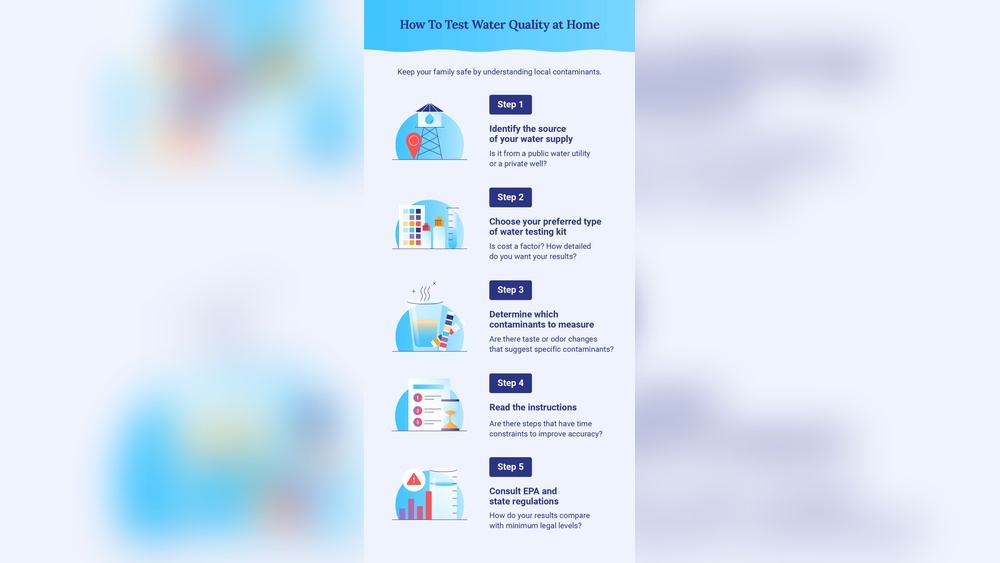
Checking the quality of your drinking water is important for your health. Different methods help you test water at home or through professionals. Each method gives specific information about water safety and cleanliness.
Choose a method based on your needs, budget, and how detailed the test should be. Here are some common ways to test water quality.
Home Testing Kits
Home testing kits are easy to use and affordable. They test for common issues like chlorine, pH, bacteria, and hardness. These kits often include strips or small devices that change color. You compare the color to a chart to see results. These tests give quick answers but may not catch all problems.
Laboratory Testing
Laboratory testing is the most accurate method. You collect a water sample and send it to a lab. Experts test for many contaminants, including heavy metals and chemicals. Labs provide detailed reports with safe levels and warnings. This method costs more and takes longer but ensures thorough results.
Digital Water Testers
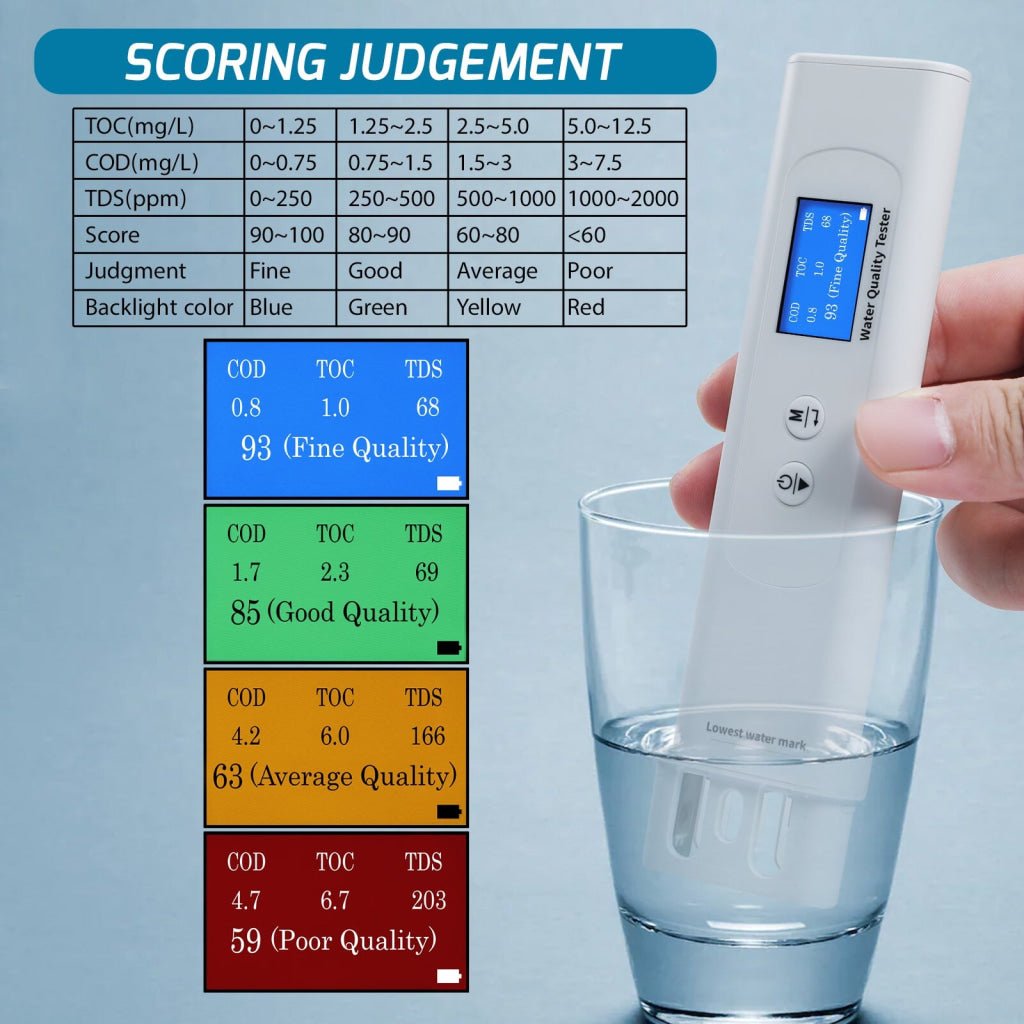
Digital water testers use electronic sensors to measure quality. They check parameters like pH, turbidity, and total dissolved solids (TDS). These devices give instant digital readings on a screen. They are reusable and easy to carry. Digital testers are good for quick checks but may need calibration for accuracy.
Interpreting Test Results
After testing your drinking water, understanding the results is crucial. Test reports list many substances and numbers. Some values show safe levels, others may indicate problems. Knowing what these numbers mean helps you decide the next steps. This section explains how to read test results clearly.
Safe Levels Of Contaminants
Water tests measure many contaminants, like bacteria, lead, and nitrates. Each has a safe limit set by health authorities. For example, lead should be less than 15 parts per billion. Nitrate levels must stay below 10 milligrams per liter. If your results show numbers below these limits, your water is usually safe.
Keep in mind, some contaminants have zero tolerance, such as harmful bacteria. Any presence means the water is unsafe. Understanding these limits helps protect your family’s health. Always compare your results with official safe levels.
When To Seek Professional Help
Test results showing high contaminant levels need expert advice. Professionals can identify the contamination source and suggest treatment options. Some problems, like chemical pollution, require special equipment to fix. Others, like bacterial contamination, may need disinfection or filter installation.
Don’t ignore unusual or confusing results. Contact a water quality expert or your local health department. They provide clear guidance and support to keep your drinking water safe.
Improving Drinking Water Safety
Improving drinking water safety is important for health. Clean water helps prevent sickness and keeps the body strong. Simple steps can make water safer to drink. These steps include filtering, boiling, and regular checks. Each step removes or kills harmful germs and chemicals. This section explains easy ways to improve water safety at home.
Filtration Options
Water filters remove dirt, chemicals, and germs. Many types of filters are available. Activated carbon filters reduce bad taste and odor. Ceramic filters block bacteria and sediments. Reverse osmosis filters remove many contaminants. Choose a filter based on your water quality. Replace filters as the manufacturer suggests for best results.
Boiling And Disinfection
Boiling water kills most bacteria and viruses. Bring water to a rolling boil for one minute. At higher altitudes, boil for three minutes. Boiling does not remove chemicals or dirt. Use disinfection tablets or drops if boiling is not possible. Follow instructions on the product carefully. This method is useful during emergencies or travel.
Regular Maintenance
Check water sources and storage tanks often. Clean tanks to prevent algae and bacteria build-up. Inspect pipes and faucets for leaks or rust. Replace old or damaged parts quickly. Test water quality yearly or more often. Regular maintenance keeps water safe and fresh. It helps catch problems early before they get worse.
Preventive Measures For Clean Water
Keeping drinking water clean is important for health. Preventive actions stop pollution and keep water safe. These steps help avoid water contamination before testing or treatment.
Source Protection
Protect the water source from dirt and chemicals. Keep wells and springs away from waste and factories. Use barriers or fences to stop animals and trash. Avoid using pesticides near water sources. Clean water starts at the source.
Proper Storage
Store water in clean, covered containers. Use materials that do not rust or break easily. Keep containers away from sunlight and heat. Change stored water every few days. Avoid touching water with dirty hands or cups.
Routine Monitoring
Check water quality regularly to catch problems early. Use simple test kits for bacteria and chemicals. Watch for changes in color, smell, or taste. Keep records of test results to track water health. Early detection helps keep water safe to drink.

Credit: waterfilterguru.com
Frequently Asked Questions
How Can I Test My Drinking Water Quality At Home?
You can use home water testing kits to check common contaminants. These kits provide quick results for pH, chlorine, lead, and bacteria. For detailed analysis, professional lab testing is recommended.
What Are The Common Contaminants In Drinking Water?
Common contaminants include bacteria, lead, chlorine, pesticides, and nitrates. These can affect taste, safety, and health. Regular testing helps identify and address these issues promptly.
How Often Should I Test My Drinking Water Quality?
It is best to test your water annually or after plumbing changes. Frequent testing ensures safety, especially if you use well water or notice changes in taste or smell.
What Is The Safest Method To Check Water Quality?
Laboratory testing is the most accurate method to check water quality. Labs analyze a wide range of contaminants with precise results, ensuring your water meets safety standards.
Conclusion
Checking your drinking water quality keeps you safe and healthy. Simple tests can show if water has bad chemicals or germs. Use easy kits or send samples to trusted labs. Clean water protects your family from sickness. Regular checks help catch problems early.
Stay aware of water sources and changes in taste or smell. Good water means better health every day. Take small steps to keep your water pure and fresh. It’s worth the effort for peace of mind.

Hasan Al Sarker is a Reverse Osmosis Specialist. He has worked for many years to ensure safe drinking water for all. His research paper has been published in several journals, including Issue, Medium, and Slideshare. He is recognized as a water doctor among specialists though he did not attend medical college.
Besides working as a researcher of reverse osmosis technology, he is also very fancy with the kitchen and cooking. His guides are reading thousands of people every day. As a head of content, he is responsible for all the published articles at RO System Reviews.