1,4-Dioxane is a small, highly water-miscible industrial contaminant. Its properties make removal by ordinary household carbon filtration uncertain, and generic filter claims should not be treated as proof.
What is 1,4-dioxane?
This synthetic chemical has been used as a solvent stabilizer and can occur as an unintended byproduct in some manufacturing processes. It can reach groundwater from industrial releases and waste sites. It is not the same chemical as PFAS, even though both may be discussed as emerging contaminants.
Why common carbon cartridges are unreliable
Standard activated carbon often performs poorly for highly soluble, weakly adsorbing 1,4-dioxane. The effectiveness of specialized media depends on design and testing. A cartridge certified for chlorine, taste or lead is not necessarily suitable for this chemical.
Does reverse osmosis remove it?
Because 1,4-dioxane is a small neutral molecule, conventional RO performance can be variable and may not meet a stringent treatment goal. Do not assume a typical under-sink RO unit removes it without contaminant-specific independent performance data.
How utilities treat it
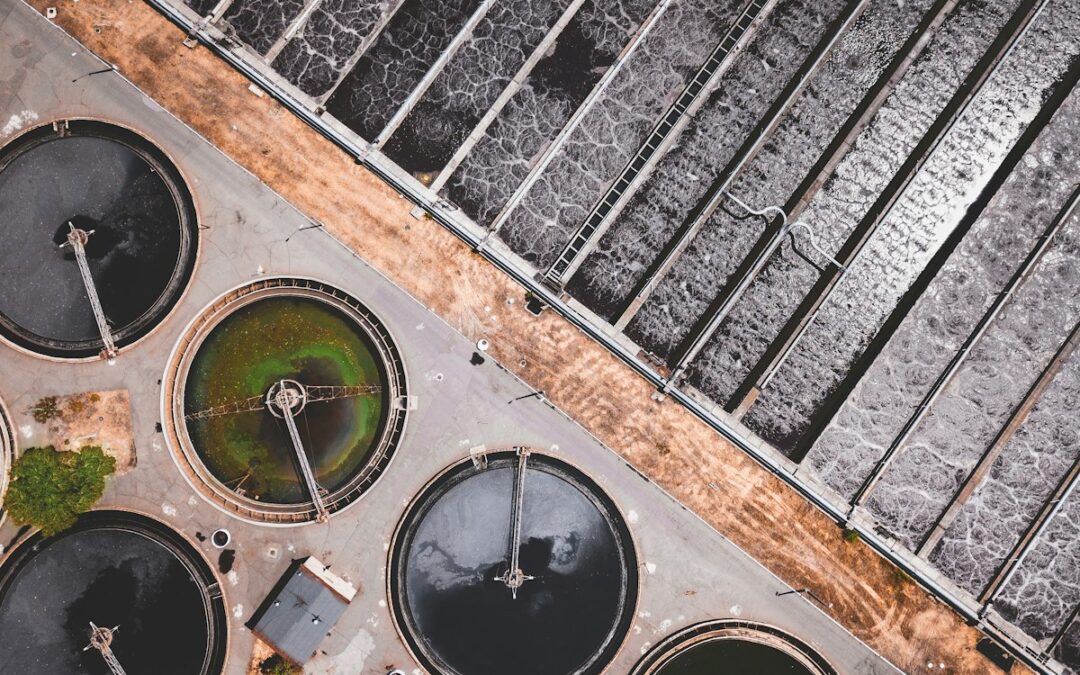
Advanced oxidation processes, often using UV light with hydrogen peroxide, can break down 1,4-dioxane under engineered conditions. Such systems require careful process control, monitoring and management of byproducts. They are not equivalent to ordinary household UV disinfection lamps.
How to test drinking water
Use a qualified laboratory with a method appropriate for low-level 1,4-dioxane in drinking water. Follow the supplied sampling and preservation instructions. Check units and reporting limits and compare results with current state or federal guidance applicable to your location.
What homeowners should do
Ask the utility for available results or arrange private-well testing if there is a credible local source. Avoid relying on marketing language such as ‘removes chemicals.’ A treatment professional should verify whether a particular system has reliable data for 1,4-dioxane reduction.
Practical checklist
- Identify the contaminant and use a qualified laboratory for confirmation.
- Read the manufacturer’s contaminant-specific performance data rather than generic marketing claims.
- Follow maintenance schedules and verify treated-water quality when necessary.
- Consult your local water supplier or health department for location-specific guidance.
Further reading
For background, see our related water quality guide and the U.S. EPA’s technical information. This article is educational and is not a substitute for a laboratory assessment or site-specific engineering advice.

Hasan Al Sarker is a Reverse Osmosis Specialist. He has worked for many years to ensure safe drinking water for all. His research paper has been published in several journals, including Issue, Medium, and Slideshare. He is recognized as a water doctor among specialists though he did not attend medical college.
Besides working as a researcher of reverse osmosis technology, he is also very fancy with the kitchen and cooking. His guides are reading thousands of people every day. As a head of content, he is responsible for all the published articles at RO System Reviews.