Is Ro Water Good for a Humidifier: Discover the Benefits

Have you ever wondered if using RO water in your humidifier is a good idea? You’re not alone.


Many people are curious about the best type of water to use in their devices to ensure they work efficiently and last longer. Your choice of water can impact not just the performance of your humidifier, but also the quality of the air you breathe.


Imagine the peace of mind you’ll have knowing that the air in your home is as clean and healthy as possible. But is RO water the right choice? Before you make a decision, let’s explore the benefits and drawbacks. Understanding these could be the key to enhancing your home environment and ensuring optimal humidity levels. Curious to find out more? Let’s dive in.


Importance Of Water Quality In Humidifiers

Maintaining the right water quality in your humidifier is crucial for its optimal performance. You might think the type of water used is trivial, but it significantly impacts not only the device’s longevity but also your health. Poor water quality can lead to mineral buildup and the dispersal of harmful particles into the air.

Imagine waking up every morning with a sore throat and irritated skin. This could be due to the impurities in the water you’re using in your humidifier. Let’s delve into why the quality of water matters.

Why Water Quality Matters In Humidifiers

Your humidifier’s primary function is to add moisture to the air. However, if the water quality is poor, it could release unwanted minerals and bacteria. This can cause respiratory issues and allergies. A humidifier should enhance your living environment, not compromise your health.

Think about the last time you cleaned your humidifier. Was there a stubborn white residue? That’s the mineral deposit caused by hard water. Over time, these deposits can clog your device and reduce its efficiency.

Benefits Of Using Ro Water

Reverse Osmosis (RO) water is a great choice for humidifiers. It removes impurities and minerals, ensuring a cleaner mist. This means fewer pollutants in your air, leading to healthier breathing.

Consider the impact on your device. RO water minimizes mineral buildup, reducing maintenance. Your humidifier will function better and last longer, saving you time and money.

Common Mistakes With Humidifier Water

Many people opt for tap water due to convenience. But this choice can lead to mineral accumulation and bacterial growth. It’s tempting to take shortcuts, but the long-term effects aren’t worth it.

Another mistake is neglecting regular cleaning. Even with RO water, routine maintenance is essential to avoid mold and germs. Consistent care will keep your humidifier and your air fresh.

Tips For Maintaining Water Quality

Always use distilled or RO water in your humidifier to prevent mineral deposits. This ensures the air you breathe is clean and free of impurities.

Regularly clean your humidifier to maintain its efficiency. Disassemble the parts weekly and scrub them to remove any residue. This prevents mold and bacteria growth.

Lastly, consider investing in a humidifier with a filter. Filters can help trap any remaining particles, ensuring the mist released is pure and safe.

Have you ever considered the impact of water quality on your health and device performance? Ensuring high water quality in your humidifier can transform your living space into a healthier environment.


What Is Ro Water?


RO water stands for Reverse Osmosis water. It’s purified through a special process. This process removes impurities and contaminants. It creates clean, safe drinking water. Many people use RO water for various purposes. One common use is in humidifiers. But is RO water good for them? Understanding its purity helps answer this.

Reverse Osmosis Process

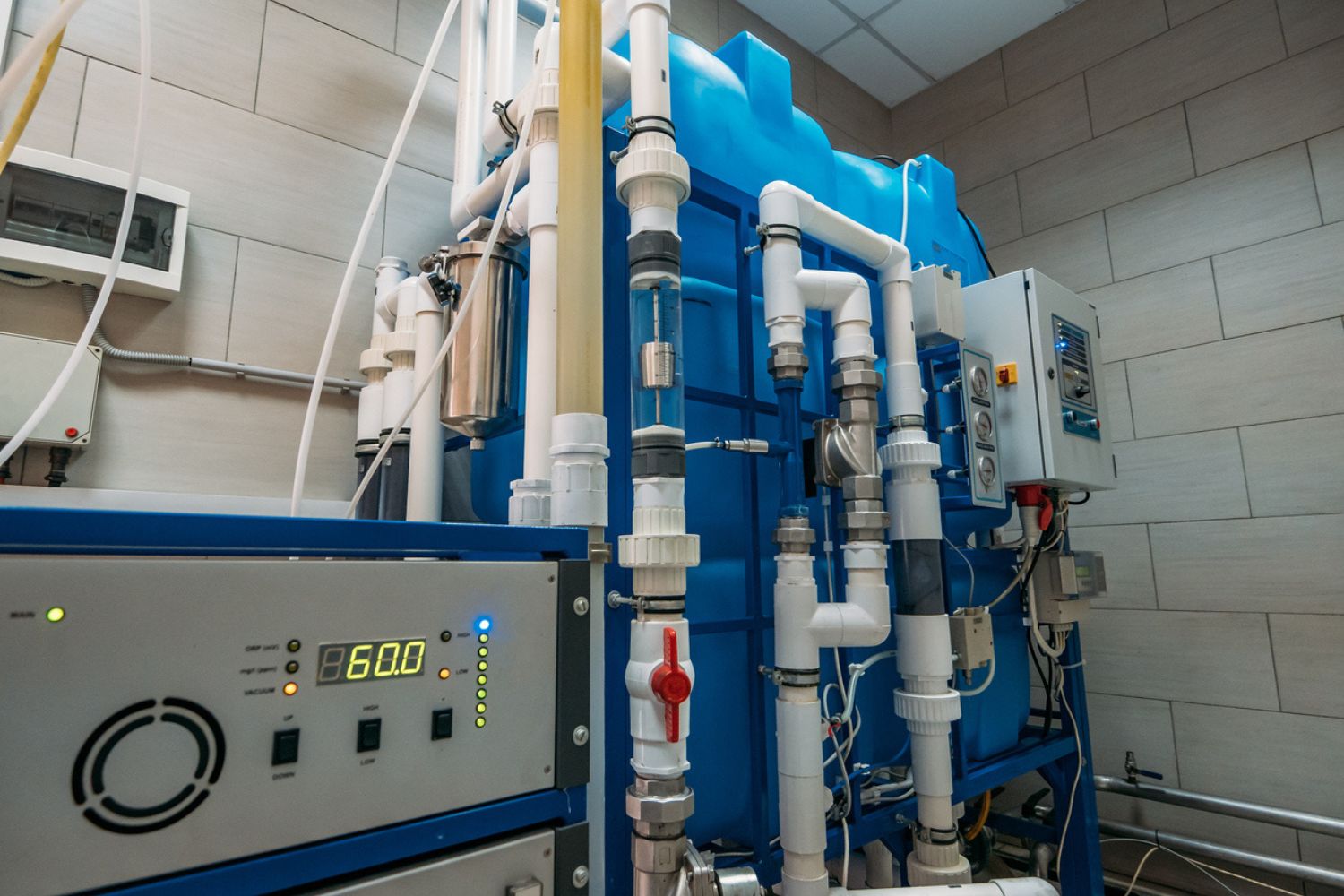
Reverse Osmosis is a filtration method. Water passes through a semi-permeable membrane. This membrane blocks impurities like chemicals and salts. Only pure water molecules pass through. The result is highly purified water. This process is effective and widely used. Many households rely on RO systems for clean water.

Purity And Mineral Content

RO water is very pure. It has fewer minerals than tap water. Essential minerals like calcium and magnesium are reduced. This can affect taste but ensures safety. For humidifiers, mineral content matters. Less mineral means less residue. It helps prevent white dust on surfaces. RO water can be a good choice for keeping humidifiers clean.

Benefits Of Using Ro Water In Humidifiers

Humidifiers add moisture to the air, making it more comfortable. Using the right water in them is crucial. RO (Reverse Osmosis) water offers several benefits. It ensures your humidifier works efficiently. It also keeps your indoor air clean and healthy.

Reduction Of Mineral Buildup

RO water is pure and free from minerals. These minerals often cause buildup inside humidifiers. This buildup can damage the device over time. Using RO water helps reduce maintenance. It extends the life of your humidifier.

Prevention Of White Dust

Normal tap water contains minerals. When used in humidifiers, it creates white dust. This dust settles on furniture and floors. RO water is low in minerals. It helps prevent this annoying white dust. Your home stays cleaner and looks tidier.

Improved Air Quality

Humidifiers improve air quality by adding moisture. RO water enhances this benefit. It is free from contaminants and impurities. This ensures the air you breathe is pure. Families with allergies or asthma can benefit greatly.

Comparing Ro Water With Other Water Types

RO water is excellent for humidifiers, offering purity by removing impurities and minerals. This ensures a clean mist output, enhancing indoor air quality.

Comparing different water types for humidifiers can be insightful. Each type offers distinct benefits and drawbacks. Let’s explore how RO water compares with tap, distilled, and bottled water for humidifiers.

Tap Water

Tap water is the most accessible option. It contains minerals and impurities. These can form deposits in your humidifier. Over time, this can affect performance. Tap water may also spread bacteria. This could lead to health issues. Using tap water might increase maintenance needs. Regular cleaning becomes essential.

Distilled Water

Distilled water is pure. It undergoes a process to remove minerals. This makes it ideal for humidifiers. No deposits or bacteria spread risk. It helps in maintaining the humidifier’s longevity. Distilled water is often recommended. It ensures better air quality in your home. The downside is the cost. Buying distilled water regularly can add up.

Bottled Water

Bottled water is a convenient choice. It varies in mineral content. Some brands offer purified options. These are better for humidifiers. High mineral content can cause scaling. This leads to frequent cleaning. Bottled water can be costly over time. Checking labels is important. Choose low-mineral options when possible.

Understanding these differences helps in choosing wisely. Each water type has its pros and cons. Selecting the right one can prolong your humidifier’s life.

Cost Implications

When you’re considering using RO water for your humidifier, understanding the cost implications is crucial. It’s not just about the upfront expenses; you need to think about the long-term savings too. Let’s break down the financial aspects of using RO water in your humidifier.

Initial Investment

Choosing RO water for your humidifier involves an initial investment. You might need to purchase a reverse osmosis system if you don’t already have one at home. These systems can range from $200 to $600, depending on features and capacity.

While this might seem like a significant amount, think about the quality improvement in your air. RO water prevents mineral buildup in the humidifier, reducing maintenance and prolonging the device’s lifespan. Consider how often you’ve had to replace or repair humidifiers due to mineral deposits.

Long-term Savings

Using RO water can lead to substantial savings over time. You won’t need to buy bottled distilled water, which can add up quickly, especially during dry seasons. RO systems also use less electricity compared to other water purification methods, cutting down on energy costs.

Imagine the relief of fewer humidifier repairs or replacements. With RO water, you’re protecting your investment and ensuring efficient operation. This means less money spent on repairs and more consistent air quality at home.

Have you considered how much you spend on cleaning products for mineral buildup? RO water eliminates this hassle, saving you both time and money.

Ultimately, the choice isn’t just about the initial cost. Weigh the long-term savings and improved functionality. What do you value more: upfront costs or consistent savings and reliability?

Potential Downsides Of Ro Water

Reverse osmosis (RO) water is often considered pure. But it might not be ideal for every use. Using RO water in a humidifier has potential downsides. It’s essential to weigh these before making a decision.

Mineral Deficiency Concerns

RO water lacks essential minerals. These minerals are usually present in regular tap water. Humidifiers benefit from these natural minerals. They help in better mist production. RO water’s absence of minerals can affect the humidifier’s performance. It might not produce the desired mist. This can reduce the humidifier’s efficiency.

Taste And Odor Changes

RO water might alter the taste and odor in a humidifier. Some users notice a difference. This change can be due to the lack of minerals. Regular water has a natural taste. RO water can taste flat or odd in comparison. This might affect the overall experience. It’s something to consider for long-term use.

Tips For Using Ro Water In Humidifiers

RO water can be beneficial for humidifiers, preventing mineral buildup and extending device lifespan. It provides cleaner mist, improving air quality. Regular maintenance remains necessary to ensure optimal humidifier performance.

When using RO (Reverse Osmosis) water in your humidifier, you might be wondering if it’s the best choice. RO water is free from impurities and minerals, making it a popular option for many homeowners. But how do you ensure your humidifier runs smoothly with RO water? Here are some practical tips that can make your experience hassle-free and enjoyable.

Maintenance And Care

Regular maintenance is key to keeping your humidifier in top condition. Since RO water lacks minerals, it reduces the build-up of scale inside the machine. This means less frequent cleanings, saving you time.

To maintain your humidifier, clean it weekly with a mixture of vinegar and water. This ensures any remaining residues are washed away. Additionally, rinse the tank thoroughly to keep it fresh and free from any odors.

Have you ever noticed a slight smell from your humidifier? Regular cleaning with RO water can keep this issue at bay.

Filter Replacement

Using RO water can extend the life of your filters, but it’s still crucial to check them regularly. Even with pure water, filters can collect dust and debris over time.

Replace your filters every few months to ensure optimal performance. This not only keeps your humidifier efficient but also improves air quality.

Set a reminder on your phone to check filters monthly. This simple step can prevent unexpected issues and ensure your humidifier functions smoothly.

RO water is a great choice for your humidifier, but proper care is essential. What’s your experience with RO water in humidifiers? Share your thoughts in the comments!

Environmental Impact

Reverse Osmosis (RO) water often gets attention for its purity. But what about its environmental impact? Using RO water in humidifiers might seem like a clean choice. Yet, it raises questions about water conservation and sustainability.

Water Usage In Ro Systems

RO systems use a lot of water. For every gallon of purified water, several gallons go to waste. This process can strain local water resources. In areas with water scarcity, it becomes a concern. Using RO water in humidifiers means more frequent refills. It might lead to higher water usage overall.

Sustainable Practices

Considering the environmental impact, sustainable practices matter. Reusing wastewater from RO systems is one option. This water can be used for non-potable purposes. Collecting and reusing it reduces waste. Another practice is to choose energy-efficient humidifiers. These use less water and electricity. Such practices lessen the burden on the environment.

User Experiences And Testimonials

Many users praise RO water’s effectiveness in preventing mineral buildup in humidifiers. Testimonials reveal improved air quality and longer-lasting devices. Regular maintenance seems easier, as RO water minimizes scale and residue, keeping humidifiers functioning efficiently.

When considering whether reverse osmosis (RO) water is suitable for your humidifier, user experiences and testimonials can provide valuable insights. Many people have shared their stories and opinions online, discussing the benefits and drawbacks of using RO water in their humidifiers. Let’s dive into what users have to say about this topic.

Personal Experiences With Ro Water In Humidifiers

Several users have reported positive experiences using RO water in their humidifiers. They found that it significantly reduced mineral buildup, keeping their humidifiers cleaner for longer periods. One user mentioned that after switching to RO water, the white dust problem they previously faced disappeared.

On the other hand, some users expressed concerns about the cost of using RO water. They noted that while it keeps the machine clean, purchasing or producing RO water might not be budget-friendly for everyone. This raises the question: is the investment worth the hassle for you?

Testimonials Highlighting Health Benefits

Many users have also highlighted health benefits from using RO water in their humidifiers. One parent shared that their child’s allergy symptoms improved noticeably after making the switch. The reduced mineral content in the mist seems to create a more comfortable breathing environment, especially for those sensitive to airborne particles.

However, not all testimonials are glowing. Some users questioned if the lack of minerals in RO water could potentially alter the air quality negatively. This invites a broader discussion on whether the benefits outweigh the perceived drawbacks.

Practical Tips From Experienced Users

Experienced users often share practical tips that can help others make informed decisions. One tip that frequently appears is to regularly check and maintain your humidifier, regardless of the water type. Users stress that even with RO water, occasional cleaning is essential to ensure optimal performance.

Another piece of advice is to weigh the long-term savings on maintenance against the initial cost of using RO water. Some users have calculated that the reduced need for cleaning and replacement parts makes RO water a cost-effective choice in the long run.

Community Opinions On Ro Water

Online communities are rich with discussions about the best practices for humidifier maintenance. Many users recommend RO water as an effective solution for reducing maintenance efforts. They often engage in debates about alternative water types, sharing tips and personal anecdotes.

Participating in these discussions can provide you with a broader perspective and help you decide if RO water is the right choice for your humidifier. What insights can you gain from these collective experiences that will help you make the best decision for your home?

In the end, the decision to use RO water in your humidifier hinges on your personal circumstances and priorities. Whether it’s the cleanliness of your device or the air quality in your home, user experiences and testimonials offer a wealth of knowledge to guide your choice.

Frequently Asked Questions

Is It Safe To Use Ro Water In A Humidifier?

Using RO water in a humidifier is safe. It reduces mineral buildup and prevents bacterial growth. Clean your humidifier regularly to maintain optimal performance. RO water helps in producing clean mist, ensuring better air quality.

What Kind Of Water Is Best For A Humidifier?

Use distilled water for humidifiers to prevent mineral buildup and ensure clean mist. Tap water contains minerals that can clog the device and produce white dust. Distilled water is free from impurities, promoting better air quality and extending the lifespan of the humidifier.

Can Ro Water Be Used Instead Of Distilled Water?

RO water can sometimes replace distilled water but lacks the same purity. Distillation removes more contaminants than RO. Use RO water for non-critical applications. For sensitive tasks, prefer distilled water. Always check specific requirements before substituting.

Can We Use Ro Water In A Steam Inhaler?

Yes, using RO water in a steam inhaler is safe. It prevents mineral buildup and ensures clean steam.

Conclusion

Ro water offers clear benefits for humidifiers. It prevents mineral buildup. This extends the humidifier’s life. Cleaner mist results from using Ro water. Healthier air, less irritants. Maintenance becomes easier. Fewer clogs, smoother operation. Investing in Ro water saves time.


Reduces cleaning efforts significantly. It’s a cost-effective choice. Overall, Ro water enhances humidifier performance. Better air quality at home or office. Consider switching to Ro water. Experience the difference yourself. Your humidifier will thank you. And your lungs too. Simple change, big impact.


Keep it clean, keep it fresh.


Is RO Water Good for the Kidneys? Discover the Truth

Have you ever wondered if the water you drink is truly beneficial for your kidneys? You’re not alone.


Many people are concerned about the impact of reverse osmosis (RO) water on their health, particularly on the kidneys, which play a vital role in filtering waste and maintaining balance in the body. It’s crucial to know if the water you consume daily is supporting your wellbeing or potentially causing harm.


We’ll explore whether RO water is good for your kidneys, unraveling myths and providing clear, science-backed answers. Stay with us to discover what’s best for your health and make informed choices that could change your life.


Benefits Of Ro Water

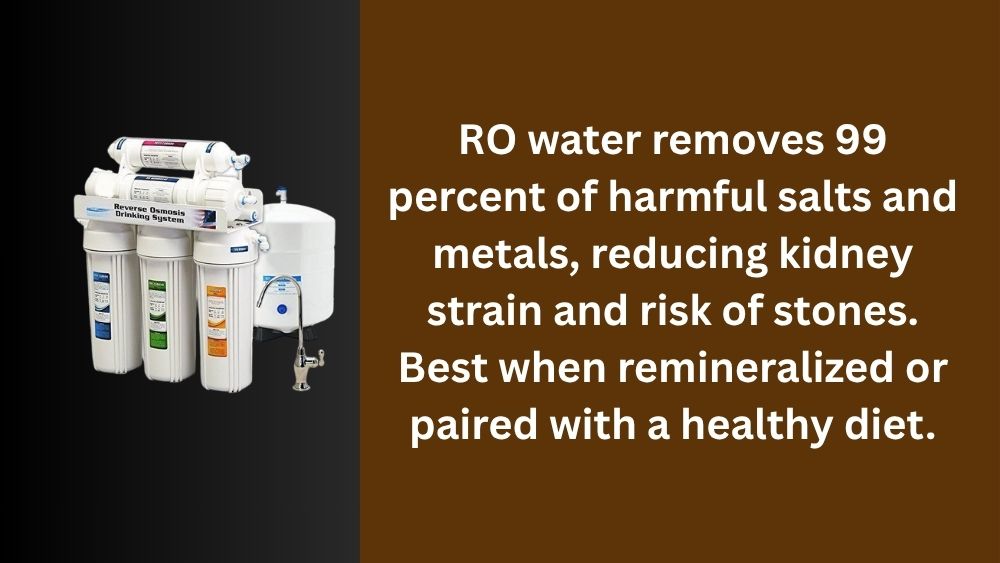
RO water is beneficial for kidneys. It removes impurities and reduces kidney strain. Drinking clean water aids kidney function by eliminating toxins efficiently.

When it comes to choosing the right drinking water, many people wonder if RO (Reverse Osmosis) water is good for their kidneys. Understanding the benefits of RO water might help you make an informed decision for your health. Let’s dive into some of the key advantages of RO water and how it could potentially support kidney health.

Purity And Contaminant Removal

RO water is known for its exceptional purity. It effectively removes harmful contaminants such as heavy metals, chlorine, and even traces of pesticides. This means you’re drinking cleaner water, which can be easier on your kidneys.

Think about the everyday pollutants in tap water. Consistently drinking contaminated water may burden your kidneys over time. By choosing RO water, you reduce the workload on your kidneys, helping them function more efficiently.

Reduced Risk Of Waterborne Diseases

One of the notable benefits of RO water is its ability to significantly lower the risk of waterborne diseases. This purification process eliminates bacteria and viruses that could potentially cause illnesses.

Have you ever fallen ill due to drinking unsafe water? Such experiences can be quite uncomfortable. With RO water, you take a proactive step to safeguard your health, especially your kidneys, by minimizing exposure to harmful pathogens.

Imagine the peace of mind knowing that your daily hydration is free from harmful microorganisms. This assurance allows you to enjoy your water without worry. Could this be a small change that makes a big difference in your overall health?

By understanding these benefits, you can make a more informed choice about the water you consume. Always consider the quality of water you drink, as it plays a crucial role in your well-being.

Potential Concerns

When considering the benefits of RO (Reverse Osmosis) water, it’s crucial to understand the potential concerns it may pose for your kidneys. While RO water is praised for its purity, it’s important to weigh the impact this filtration method can have on your body’s essential minerals and overall hydration. Could RO water be lacking in certain areas that are vital for kidney health? Let’s dive deeper into these concerns.

Essential Minerals And Electrolyte Balance

RO water is incredibly clean, but this purity comes at a cost. The filtration process removes not only contaminants but also essential minerals like calcium and magnesium. Your kidneys rely on these minerals to maintain electrolyte balance. Without them, your body might struggle to perform basic functions efficiently.

Imagine a day where you feel unusually fatigued after drinking only RO water. It might be your body’s way of signaling a need for those missing minerals. You could consider supplementing your diet with mineral-rich foods or exploring ways to reintroduce these elements into your water.

Impact On Hydration

Hydration is key for kidney health, and RO water’s lack of minerals might affect how well your body absorbs water. Mineral-rich water can enhance hydration by facilitating better water retention in your cells. Could the absence of these minerals in RO water mean you’re not getting the hydration your kidneys need?

Have you ever noticed feeling thirsty even after drinking lots of RO water? This could be a sign that your hydration needs aren’t fully met. Adding a pinch of natural salt to your water or consuming foods high in water content might be practical ways to boost hydration.

Ultimately, while RO water offers the benefit of purity, it’s essential to be mindful of its potential drawbacks. Consider the balance of minerals and hydration in your daily routine. Could small adjustments make a big difference in supporting your kidney health? It’s worth exploring and experimenting to find what works best for you.


RO Water Good for the Kidneys

Kidney Health And Ro Water

When you think about your kidney health, does the type of water you drink come to mind? RO (Reverse Osmosis) water is often hailed for its purity, but how does it affect the kidneys? These vital organs are constantly working to keep your body balanced, so understanding the impact of what you consume is crucial. Let’s dive into the relationship between RO water and kidney function.

Role Of Kidneys In Filtering

Your kidneys are like the body’s natural filtration system. They remove waste and extra fluid from your blood, ensuring you stay healthy and hydrated. Imagine them as diligent workers, sorting out what your body needs from what it doesn’t. They filter about 200 liters of blood every day, which is no small task!

Have you ever wondered how much your daily choices impact these essential organs? What you drink plays a big part in how effectively your kidneys can do their job. Clean water is critical, but does RO water offer benefits beyond other options?

Effects On Kidney Function

RO water is known for its purity, but is it beneficial or detrimental to kidney function? With RO water, impurities like heavy metals and contaminants are removed, leaving you with water that’s free from potential toxins. This purity can ease the kidneys’ workload, potentially supporting their health.

Some people worry that RO water lacks essential minerals, which could impact your body’s balance. However, the kidneys are adaptable. They adjust to what you consume, provided your diet is balanced. Could RO water be a step towards maintaining kidney health?

What do you prioritize when choosing your drinking water? Is the purity of RO water something you consider valuable for your kidneys? Share your thoughts and experiences below, and let’s discuss the role clean water plays in your health journey.

Scientific Studies And Findings

Understanding the effects of Reverse Osmosis (RO) water on kidney health is crucial. Many people have switched to RO water for its purity. But questions about its impact on the kidneys arise. Scientific studies offer insights into this concern. Here’s a look at what research and experts say.

Research On Ro Water And Kidney Health

Several studies have explored RO water’s impact on kidneys. Research shows RO water removes impurities effectively. It filters out harmful substances, including heavy metals. This can potentially benefit kidney health by reducing toxic intake. However, it also removes essential minerals like calcium and magnesium. Studies suggest that long-term consumption may affect mineral balance. This could impact kidney function.

Another study focused on hydration levels with RO water. It found no significant difference compared to regular water. Yet, the absence of minerals in RO water remains a concern. The kidneys need certain minerals to function properly. More research is needed to fully understand the long-term effects.

Expert Opinions

Experts have mixed views on RO water’s effects on kidneys. Some believe it can support kidney health by providing cleaner water. They argue that it reduces the burden of filtering toxins. Others caution about the lack of essential minerals. They suggest supplementing mineral intake if using RO water regularly.

Nutritionists emphasize balanced diets to compensate for mineral loss. They recommend consuming mineral-rich foods. This can help maintain kidney health alongside RO water consumption. Health professionals advise consulting with a doctor. Especially for individuals with kidney issues.

Comparing Ro Water With Other Water Types

Choosing the right water type is crucial for kidney health. RO water, or reverse osmosis water, is often compared with other types. Understanding these differences can help make an informed decision about what to drink.

Tap Water

Tap water is easily accessible in most homes. It often contains minerals and sometimes impurities. Treatment plants filter it, but traces of chemicals might remain. These chemicals could potentially affect kidney health over time.

Bottled Water

Bottled water is convenient and widely available. It varies in quality and content. Some brands offer purified water, while others provide spring water. The purification process can remove contaminants. Yet, not all bottled water undergoes rigorous testing.

Mineral Water

Mineral water is rich in natural minerals. It is sourced from underground springs. Some believe its minerals are beneficial for health. However, excessive minerals might stress the kidneys. This could lead to potential health issues.

Practical Tips For Safe Water Consumption

Water is essential for your health, but choosing the right kind can be tricky. When it comes to RO (Reverse Osmosis) water, you might wonder how it impacts your kidneys. Let’s dive into practical tips for safe water consumption that can help keep your kidneys happy and healthy. Whether you’re selecting a filtration system or balancing mineral intake, these actionable insights can guide your choices.

Balancing Mineral Intake

RO water is great at removing impurities, but it also strips away minerals. Without these minerals, you might miss out on nutrients your body needs. You can add mineral supplements to your diet or choose mineral-rich foods like nuts and leafy greens.

Think about your daily meals and how they can compensate for what’s missing in RO water. A glass of RO water with a side of almonds might be just the trick! Are you getting enough magnesium or calcium? Check your diet and make adjustments as necessary.

Choosing The Right Filtration System

Not all filtration systems are created equal. Some might remove more essential minerals than others. Look for systems that allow you to adjust the mineral levels. You can choose a system that suits your health needs and preferences.

Consider consulting with a professional who can help you select the right option. Have you ever wondered if your current system is doing more harm than good? A quick assessment might reveal hidden issues.

It’s crucial to ensure the water you’re drinking is safe and beneficial. What steps will you take today to ensure your water consumption supports your kidney health? Remember, small changes can make a big difference in your overall well-being.

Frequently Asked Questions

Is Ro Water Good For Your Kidneys?

RO water is generally safe for kidneys. It removes contaminants and provides clean drinking water. Always consult a healthcare professional for personalized advice.

What Is The Best Water To Drink To Flush Your Kidneys?

The best water to flush your kidneys is pure, filtered water. Drink at least 8-10 glasses daily. Hydration helps remove toxins and supports kidney function. Avoid sugary and caffeinated beverages for optimal kidney health. Keep water intake consistent for effective cleansing.

What Type Of Water Is Best For Kidneys?

Drinking plain water is best for kidney health. It helps flush out toxins and maintain hydration. Aim for 8-10 glasses daily unless advised otherwise by a healthcare provider. Staying hydrated supports kidney function and reduces the risk of kidney stones.


Avoid excessive sugary or caffeinated drinks.

Is It Good To Drink Ro Water Every Day?

Drinking RO water daily is safe and beneficial. It effectively removes impurities, providing clean and pure hydration. Ensure minerals are replenished through a balanced diet, as RO systems remove some natural minerals. Regular consumption supports health, offering protection from contaminants found in untreated water.

Conclusion

Drinking RO water supports healthy kidney function. It removes harmful impurities. Clean water helps the kidneys filter waste effectively. Staying hydrated is vital for overall health. RO water offers a safe hydration option. It maintains mineral balance without excess contaminants.


This supports kidney health long-term. Choose RO water for a cleaner, safer choice. Prioritize your kidney health with quality drinking water. Make informed decisions for your well-being. Regular check-ups and hydration are key. Keep your kidneys strong and healthy. Protect them with pure water choices.

Best Alkaline Filter for RO System: Enhance Water Quality Effortlessly

Best Alkaline Filter for RO System: Enhance Water Quality Effortlessly

Choosing the right alkaline filter for your RO system can improve water quality and taste. This guide explores top alkaline filters to help you make an informed decision.


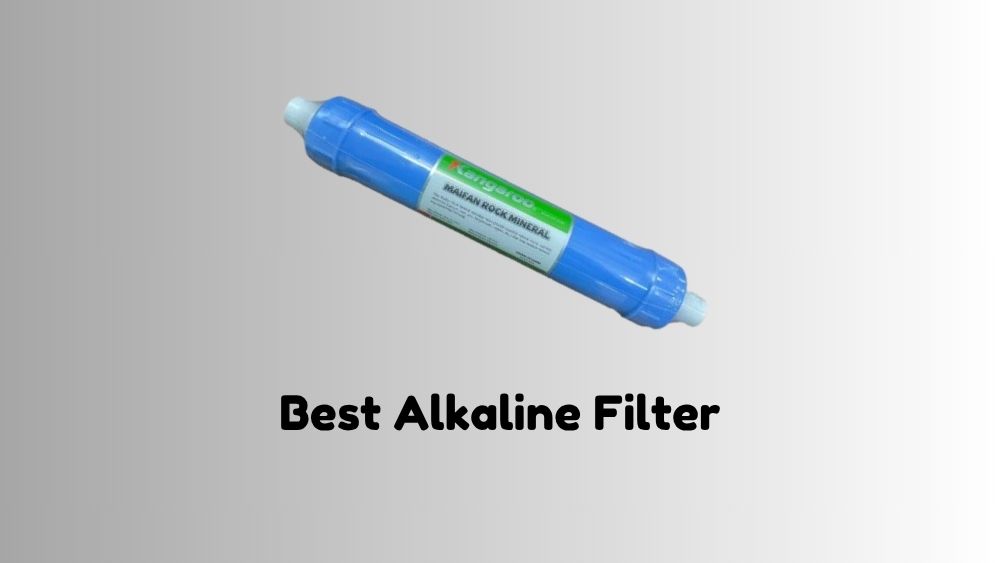
Alkaline filters enhance reverse osmosis systems by balancing pH and restoring essential minerals. They ensure your drinking water is not only clean but also healthy. The iSpring FA15, for example, offers a 3-layer replacement filter that balances pH and restores minerals.


Meanwhile, the Waterdrop WD-ALK35 is designed for under-sink systems, providing easy installation with a 1/4″ quick connect. APEC’s ROES-PH75 system adds a 6-stage filtration process for ultra-safe drinking water. Each of these options brings unique benefits, promising to improve your water quality. Explore these top alkaline filters to find the best fit for your needs.

Ispring Fa15 Alkaline Inline Water Filter Cartridge


iSpring FA15 Alkaline Inline Water Filter Cartridge, 10” x 2” with 1/4” Quick Connect, NSF Certified, Add-on for RO Systems, Balances pH & Restores Minerals, 3-Layer Replacement Filter

The iSpring FA15 Alkaline Inline Water Filter Cartridge is ideal for homeowners seeking to enhance their water quality through an RO system. This filter is perfect for individuals concerned about the pH balance and mineral content of their drinking water. Whether you’re looking to improve the taste or ensure your water is healthier, this NSF certified filter is a smart addition to your home water filtration setup.

Pros:

  • Balances pH levels, improving water quality.
  • Restores essential minerals, enhancing taste and health benefits.
  • Easy installation with 1/4” Quick Connect feature.
  • NSF Certified, ensuring reliable performance.
  • Compact design, fits seamlessly into existing RO systems.

Cons:

  • Requires replacement every 6-12 months, depending on usage.
  • Compatibility limited to specific RO systems.

The iSpring FA15 Alkaline Inline Water Filter Cartridge boasts a three-layer filtration system, specifically designed to balance pH levels and restore minerals to your water. This ensures that your water not only tastes better but is also healthier, providing essential minerals that may be stripped away by other filtration processes. With its compact dimensions (Height: 3.0 inches, Width: 3.0 inches, Length: 12.0 inches), it integrates effortlessly into most RO systems without taking up excessive space.

Additionally, the filter’s 1/4” Quick Connect feature makes installation a breeze, allowing users to replace the cartridge without hassle. As a product under the reputable iSpring brand, it comes with the assurance of NSF certification, highlighting its quality and effectiveness. While it may require periodic replacement to maintain optimal performance, the benefits it offers in terms of improved water quality and taste make it a worthwhile investment for any household.

Waterdrop Alkaline Water Filter Wd-alk35


Waterdrop 𝐀𝐥𝐤𝐚𝐥𝐢𝐧𝐞 Water Filter WD-ALK35, Alkaline Filter for Reverse Osmosis System, pH Balance and Restore Minerals for RO Alkaline Filter, Under Sink Water Filter, 1/4

  • Compact dimensions make it ideal for under-sink installation.

Cons:

  • Requires existing reverse osmosis system for use.
  • Regular filter replacement needed for optimal performance.

The Waterdrop Alkaline Water Filter WD-ALK35 stands out with its ability to balance pH levels and restore essential minerals that are often stripped away in the reverse osmosis process. This not only improves the taste of the water but also ensures that you receive the health benefits of minerals like calcium and magnesium. By using this filter, families can enjoy improved hydration and overall wellness.

Additionally, the compact and efficient design of this filter makes it an excellent choice for those with limited space under their sink. The 1/4″ quick connect feature allows for easy installation and replacement, ensuring that users can maintain their water quality without the need for professional help. This convenience, paired with the health benefits, makes the Waterdrop Alkaline Water Filter WD-ALK35 a smart investment for any household.

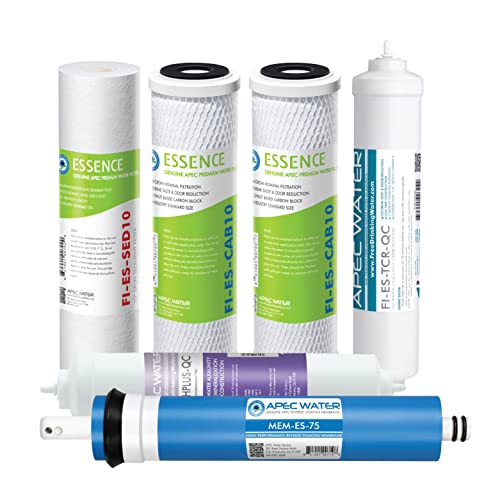
Apec Water Systems Roes-ph75 Essence Series Reverse Osmosis Drinking Water Filter System


APEC Water Systems ROES-PH75 Essence Series Top Tier Alkaline Mineral pH+ 75 GPD 6-Stage Certified Ultra Safe Reverse Osmosis Drinking Water Filter System

The APEC Water Systems ROES-PH75 Essence Series is ideal for health-conscious individuals and families looking to enhance their drinking water quality at home. It is perfect for those who want a reliable, efficient, and advanced water filtration system that provides alkaline mineral water with a balanced pH level. Additionally, homeowners who value ease of installation and maintenance will find this system particularly appealing.

Pros:

  • Top-tier alkaline mineral pH+ filtration enhances water taste and quality.
  • Six-stage filtration system effectively removes contaminants.
  • Certified ultra-safe for drinking water purification.
  • Provides up to 75 gallons per day of filtered water.
  • Compact design fits easily under most sinks.

Cons:

  • Initial installation may require professional assistance.
  • Filter replacements can be costly over time.
  • Requires adequate space under the sink for installation.

The APEC Water Systems ROES-PH75 Essence Series features a six-stage filtration process that guarantees the removal of up to 99% of contaminants, including chlorine, lead, and arsenic. This comprehensive filtration not only ensures ultra-safe drinking water but also improves the taste and odor, making it more enjoyable for daily consumption. The system’s ability to produce up to 75 gallons per day caters to both small and large families, ensuring a continuous supply of clean water.

Another standout feature of this system is its alkaline mineral filter, which balances the pH level of the water, promoting better hydration and supporting overall health. The compact design of the ROES-PH75 allows for easy installation under most sinks, making it a convenient option for homeowners with limited space. With its certified ultra-safe technology, users can confidently rely on this system for their daily drinking water needs, enjoying both the health benefits and the improved taste of their water.

Ispring F6k75 Replacement Under-sink Water Filters


iSpring F6K75 NSF Certified Replacement Under-Sink Water Filters, 6-Stage Reverse Osmosis RO Water Filtration Systems with Alkaline Mineral Filter, 6-months Replacement Supply Set, 6 Count (Pack of 1)

The iSpring F6K75 NSF Certified Replacement Under-Sink Water Filters are an ideal choice for homeowners who prioritize clean and safe drinking water. If you are someone who values the health benefits of filtered water and seeks a reliable, easy-to-install solution, this 6-stage reverse osmosis system is perfect for you. This product is especially suitable for families looking to enhance their water quality while ensuring long-term cost savings on purchasing bottled water.

Pros:

  • NSF Certified, ensuring high-quality filtration standards.
  • Includes an alkaline mineral filter to enhance water taste and health benefits.
  • Long-lasting 6-month replacement supply reduces maintenance frequency.

Cons:

  • Requires under-sink installation, which may not be suitable for all kitchen layouts.
  • Initial setup might be complex for users unfamiliar with plumbing.

The iSpring F6K75 features a comprehensive 6-stage filtration system, effectively removing impurities such as chlorine, lead, and other harmful contaminants. The inclusion of an alkaline mineral filter not only improves the taste but also restores essential minerals, promoting better hydration. This is particularly beneficial for those concerned about the pH levels in their water, offering a balanced and refreshing drinking experience.

Designed with user convenience in mind, the filter set provides a 6-month replacement supply, ensuring that you can enjoy clean water without frequent maintenance. The multi-color design allows it to blend seamlessly with various kitchen aesthetics, while its compact dimensions (22.0 inches in height, 11.0 inches in width, and 6.0 inches in length) ensure it fits comfortably under most sinks. This makes the iSpring F6K75 not only a practical solution but also a stylish addition to any modern kitchen.

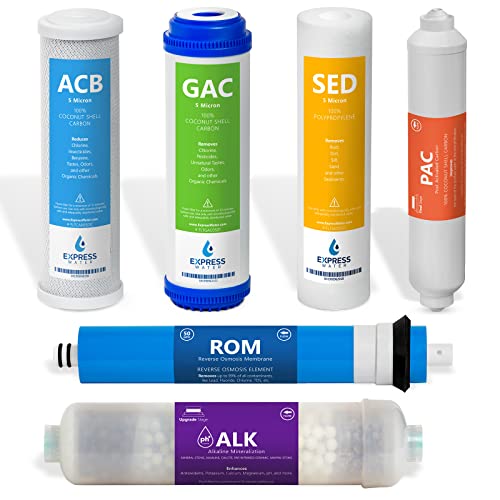
Express Water – 6 Months Alkaline Reverse Osmosis System Replacement Filter Set


Express Water – 6 Months Alkaline Reverse Osmosis System Replacement Filter Set – 6 Filters with 50 GPD RO Membrane – 10 inch Size Water Filters

The Express Water – 6 Months Alkaline Reverse Osmosis System Replacement Filter Set is ideal for homeowners who prioritize clean, alkaline water and want a reliable system for purifying their drinking water. This set is perfect for individuals concerned about their health and wellness and those who wish to maintain the efficiency of their existing reverse osmosis systems. If you’re looking to improve the quality of your water and enjoy the benefits of alkaline water, this filter set is a great investment.

Pros:

  • Improves water taste with alkaline filtration
  • Long-lasting filters that provide up to 6 months of use
  • Easy installation for convenience
  • Compatible with most standard reverse osmosis systems

Cons:

  • Initial cost may be higher than some competing products
  • Requires regular maintenance to maintain optimal performance
  • Not compatible with non-standard systems

The Express Water filter set is engineered to deliver high-quality filtration, ensuring your water is not only clean but also enhanced with beneficial alkaline properties. The inclusion of a 50 GPD RO membrane further guarantees that impurities are effectively removed, providing you with safe and refreshing water for your household. The 10-inch size of these filters fits snugly into most systems, making them versatile and adaptable for various setups.

Another notable feature is the ease of installation, which allows users to quickly and effortlessly replace their old filters without professional assistance. This is especially beneficial for those who prefer a DIY approach to home maintenance. Additionally, the filters are designed to last for up to 6 months, offering extended performance and reducing the need for frequent replacements. This longevity ensures that your system remains efficient and effective in delivering high-quality water consistently.

Simpure Sp5-ro75 6-stage Reverse Osmosis Replacement Filter Set


SimPure SP5-RO75 6-Stage Reverse Osmosis Replacement Filter Set with Alkaline Mineral Filter, Complete Set for 75 GPD Standard 6-Stage Reverse Osmosis RO Water Filtration Systems, 6 Pieces

The SimPure SP5-RO75 6-Stage Reverse Osmosis Replacement Filter Set is ideal for homeowners who are keen on maintaining the purity and quality of their drinking water. This complete set is perfect for individuals who have existing 75 GPD Standard 6-Stage Reverse Osmosis RO Water Filtration Systems and are looking for a comprehensive solution to enhance their water filtration capabilities. Those who prioritize health and are concerned about the potential contaminants in their tap water will find this filter set highly beneficial.

Pros:

  • Comprehensive 6-stage filtration for thorough purification.
  • Alkaline Mineral Filter improves water taste and adds beneficial minerals.
  • Easy installation process with a complete set provided.

Cons:

  • Requires periodic replacement to maintain optimal performance.
  • Initial cost might be higher compared to single-stage filters.

The SimPure SP5-RO75 filter set boasts a 6-stage filtration process, ensuring that your water is not only purified but enriched with essential minerals. The inclusion of an Alkaline Mineral Filter helps to balance the pH level of the water, making it healthier and more palatable. This feature is particularly beneficial for users who are conscious of the health benefits associated with alkaline water.

Additionally, the design of the filter set facilitates easy installation, allowing users to replace their existing filters without hassle. This ensures that the filtration system consistently performs at its best, providing clean, safe, and mineral-rich water. The white color and compact dimensions make it a subtle addition to any kitchen setup, blending seamlessly without being obtrusive.

Ispring Fa15us Premium 10-inch Universal Inline Alkaline Replacement Water Filter Cartridge


iSpring FA15US Premium 10-inch Universal Inline Alkaline Replacement Water Filter Cartridge with Calcite for Reverse Osmosis RO System, pH+, Made in USA

The iSpring FA15US Premium 10-inch Universal Inline Alkaline Replacement Water Filter Cartridge is perfect for health-conscious individuals who want to enhance their water quality. This cartridge is ideal for those using a Reverse Osmosis (RO) System and looking to improve the pH level of their water while ensuring it is free from impurities. If you prioritize clean, alkaline water, this filter cartridge is a must-have.

Pros:

  • Enhances pH level of water to promote better health
  • Universal compatibility with most RO systems
  • Made in the USA, ensuring high-quality standards
  • Compact design for easy installation and maintenance

Cons:

  • Requires a compatible RO system for use
  • Replacement frequency may vary based on water usage

The iSpring FA15US filter cartridge offers a unique feature of elevating the pH level of your water, making it more alkaline. This is achieved through the use of Calcite, a naturally occurring mineral that helps in balancing the acidity of the water. Users will benefit from improved taste and potential health benefits associated with drinking alkaline water.

Another advantage of this filter cartridge is its universal compatibility with most Reverse Osmosis systems. This means you won’t have to worry about finding a specific model that fits your existing setup. The compact design also ensures that it can be easily installed without taking up much space, making it an efficient solution for those who want to maintain high water quality in their homes.

Ispring F19k75 Nsf Certified 2-year Replacement Filter Set For 6-stage Reverse Osmosis Systems


iSpring F19K75 NSF Certified 2-Year Replacement Filter Set for 6-Stage Reverse Osmosis Systems, Alkaline Mineral Filter, 19-Count, Long-Lasting Purification

The iSpring F19K75 NSF Certified 2-Year Replacement Filter Set is perfect for homeowners who are keen on maintaining their 6-Stage Reverse Osmosis Systems to ensure a continuous supply of pure, alkaline mineral-rich water. This product is ideal for those who prioritize long-term water purification solutions without frequent filter replacements. If you are someone who values high-quality water filtration with minimal maintenance, this set is designed for you.

Pros:

  • NSF Certified for assured quality and performance.
  • Long-lasting with a 2-year replacement interval, saving time and effort.
  • Enhances water with alkaline minerals, promoting better health.
  • Comprehensive 19-count set covers all filtration needs.

Cons:

  • Initial setup might be complex for first-time users.
  • Higher upfront cost compared to basic filters.

The iSpring F19K75 filter set is meticulously designed to integrate seamlessly with existing 6-Stage Reverse Osmosis Systems, providing a hassle-free upgrade to your water purification process. The inclusion of an alkaline mineral filter not only purifies the water but also enriches it with essential minerals, offering a dual benefit of cleanliness and health enhancement. This feature is particularly beneficial for families looking to improve their overall wellness through better hydration.

Beyond its functional benefits, the long-lasting nature of this filter set ensures that users can enjoy up to two years of pure water without the need for frequent changes. This aspect significantly reduces maintenance time and cost, making it a more economical choice in the long run. Furthermore, the NSF certification provides peace of mind, assuring users of the product’s quality and safety standards. Overall, the iSpring F19K75 is a comprehensive solution for those serious about water quality.

Apec Water Systems Filter-max-esph


APEC Water Systems FILTER-MAX-ESPH 75 GPD Complete Replacement Filter Set for ESSENCE Series Alkaline Reverse Osmosis Water Filter System

The APEC Water Systems FILTER-MAX-ESPH 75 GPD Complete Replacement Filter Set is ideal for individuals looking to enhance their water quality with an alkaline reverse osmosis system. This product is perfect for homeowners who prioritize health and well-being by consuming clean and mineral-enriched water. If you are someone who values the longevity of your water filtration system and desires a cost-effective solution for maintaining it, this replacement filter set is tailored for you.

Pros:

  • Enhances water quality by adding essential minerals.
  • Compatible with the ESSENCE Series systems.
  • User-friendly installation process.
  • Provides long-lasting filtration performance.

Cons:

  • Replacement required periodically to maintain efficiency.
  • Initial investment may be higher compared to standard filters.

The APEC Water Systems FILTER-MAX-ESPH set boasts features that significantly improve the taste and quality of your drinking water. The inclusion of alkaline filters ensures that your water not only becomes purified but also enriched with beneficial minerals such as calcium and magnesium, promoting better hydration and overall health benefits. This comprehensive filter set is designed to work seamlessly with the ESSENCE Series, guaranteeing a consistent flow of pure, high-quality water.

Beyond the basic filtration, this set is engineered for efficiency and durability. Users will appreciate the easy installation process, which means less time spent on setup and more time enjoying the benefits of clean water. The compact design ensures that it fits neatly within your existing system without requiring additional space. Additionally, the robust construction promises longevity, meaning fewer replacements and a more sustainable option for those invested in maintaining their water systems. This product truly stands out for its ability to provide both performance and value.

Apec Water Systems Top Tier Supreme Certified Alkaline Mineral Ph+ High Flow 90 Gpd 6-stage Ultra Safe Reverse Osmosis Drinking Water Filter System


APEC Water Systems Top Tier Supreme Certified Alkaline Mineral pH+ High Flow 90 GPD 6-Stage Ultra Safe Reverse Osmosis Drinking Water Filter System (Ultimate RO-PH90)

The APEC Water Systems Top Tier Supreme Certified Alkaline Mineral pH+ High Flow 90 GPD 6-Stage Ultra Safe Reverse Osmosis Drinking Water Filter System is ideal for health-conscious individuals who prioritize the quality of their drinking water. This system is perfect for families, homeowners, and anyone looking to improve their water’s taste and safety by removing contaminants and adding beneficial minerals.

Pros:

  • High Flow Rate of 90 GPD ensures a steady supply of purified water.
  • 6-Stage Filtration process effectively removes contaminants and impurities.
  • Enhances water with Alkaline Minerals for better taste and health benefits.
  • Ultra Safe design ensures reliable and consistent water quality.

Cons:

  • Installation may require professional assistance for optimal setup.
  • Requires regular filter replacements to maintain efficiency.

The APEC Water Systems Top Tier Supreme Certified Alkaline Mineral pH+ High Flow 90 GPD 6-Stage Ultra Safe Reverse Osmosis Drinking Water Filter System is equipped with a high flow rate of 90 gallons per day, which is perfect for those who need a consistent supply of purified water. The system’s 6-stage filtration process not only removes harmful contaminants but also adds beneficial minerals to enhance the water’s taste and health properties. This feature makes it a valuable investment for families who are concerned about the quality and safety of their drinking water.

This system stands out with its ability to infuse water with alkaline minerals, providing a smoother taste and potential health benefits such as improved digestion and hydration. The ultra safe design ensures that every drop of water is thoroughly purified, giving users peace of mind about the water they consume daily. While the installation might require some expertise, the long-term benefits of improved water quality make it worth considering for those looking to upgrade their home’s water system.

Frequently Asked Questions

What Is An Alkaline Filter For Ro Systems?

An alkaline filter for RO systems helps balance the pH level of water. It restores essential minerals like calcium and magnesium. This improves the taste and quality of your drinking water. It is an add-on component that enhances standard reverse osmosis systems.

How Do Alkaline Filters Improve Water Quality?

Alkaline filters enhance water quality by restoring essential minerals. They increase the pH level, making the water less acidic. This process improves the taste and provides health benefits. It is especially beneficial for those using reverse osmosis systems.

Why Choose Nsf Certified Alkaline Filters?

NSF certified filters ensure top-quality water purification standards. They are tested for safety and efficiency. Choosing NSF certified filters guarantees that your water is free from harmful contaminants. This certification is crucial for maintaining the health of your family.

How Often Should Alkaline Filters Be Replaced?

Alkaline filters should typically be replaced every 6 to 12 months. The lifespan depends on water usage and quality. Regular replacement ensures optimal performance and water quality. Always check the manufacturer’s guidelines for specific replacement intervals.

Are Alkaline Filters Easy To Install?

Yes, most alkaline filters feature a 1/4” quick connect for easy installation. They can be added to existing RO systems without professional help. This makes it convenient for homeowners to enhance their water quality quickly. Always follow the installation guide provided by the manufacturer.

Conclusion

Choosing the right alkaline filter for your ro system is essential for clean, healthy water. Each option discussed offers unique benefits. The ispring fa15 is compact and nsf certified, ensuring balanced ph and mineral restoration. Waterdrop’s wd-alk35 is efficient under the sink and easy to connect.


Apec’s roes-ph75 provides a high flow rate and comprehensive filtration. For long-term use, consider ispring’s f19k75, which offers a two-year supply. Express water and simpure provide complete sets with easy installation, making them convenient options for regular maintenance. The ispring fa15us and apec filter-max-esph ensure premium filtration with their advanced features.


These choices cater to different needs, from compact designs to high-capacity systems. Prioritize what matters most—be it ease of installation, filter lifespan, or certification. With the right alkaline filter, you can enjoy pure and mineral-rich water every day. Make an informed choice for your family’s health and hydration.

How Much Does a RO System Cost for Your House (Clear Answer)

Imagine turning on your tap and knowing that the water flowing out is pure, clean, and free from impurities. A reverse osmosis system could make this a reality in your home.


But before you dive into this water purification solution, it’s crucial to know how much it might cost you. You might be wondering if it’s worth the investment or how it compares to other systems. You’ll discover the factors that affect the price of a reverse osmosis system, helping you make an informed decision for your household.


Understanding these costs can empower you to choose a system that fits both your budget and your needs. Keep reading to unlock the secrets of reverse osmosis pricing and find out if this is the right choice for you.

Single Flat or Apartment

For a single flat or apartment, a smaller under-sink RO unit is more practical and costs 200 to 600 USD, with annual maintenance around 50 to 100 USD. These systems can produce 50 to 100 gallons per day, which is sufficient for drinking and cooking. Installation is simpler and cheaper, usually under 100 USD if done by a plumber. This makes under-sink RO systems a cost-effective option for individuals or small families who only need purified water for direct consumption rather than for the entire house.

Whole-house Reverse Osmosis (RO) system

For a whole-house reverse osmosis (RO) system, the cost usually ranges from 1,500 to 10,000 USD, depending on capacity and brand. A standard 300 GPD system suitable for a family of four typically costs around 3,000 USD including installation. Annual maintenance, which includes replacing filters and membranes, adds about 150 to 300 USD per year. Because most RO systems waste about 3 gallons of water for every 1 gallon of purified water, if your family uses 2 gallons daily, this would lead to around 2,190 gallons of wastewater per year, adding roughly 10 to 20 USD to the water bill annually.

Factors Influencing Cost

When considering a reverse osmosis (RO) system for your home, the cost can vary widely. Understanding the factors that influence this cost can help you make a more informed decision. From the type of system to installation needs, each element plays a crucial role in determining the final price.

System Type

The type of reverse osmosis system you choose is a significant factor in the overall cost. Basic under-sink systems might be more budget-friendly and ideal for smaller households. Whole-house systems, on the other hand, will cost more due to their capacity to filter water for the entire home.

Think about the scope of your water filtration needs. Are you looking for something that covers just your drinking water, or do you want filtered water at every tap? Your choice here will directly impact your budget.

Brand And Quality

Not all reverse osmosis systems are created equal. Well-known brands may come with a higher price tag, but they often offer better reliability and warranties. On the flip side, less expensive brands might save you money upfront but can sometimes lead to higher maintenance costs down the line.

Researching user reviews and testimonials can provide you with insights into a brand’s reputation. Consider how much value you place on quality and long-term performance. Investing in a reputable brand might save you from future headaches.

Installation Requirements

Installation is another factor that can significantly impact the cost of your RO system. Some systems are designed for easy DIY installation, potentially saving you money. However, others might require professional installation, especially if plumbing modifications are needed.

Reflect on your DIY skills and willingness to tackle installation on your own. If you prefer leaving it to the pros, factor in the cost of hiring a professional installer. It’s a good idea to get quotes from several installers to ensure you’re getting a fair deal.

Additional Features

Modern RO systems can come with a variety of additional features. Some systems offer advanced filtration stages, remineralization filters, or even smart connectivity options. While these extras can enhance water quality and convenience, they also add to the overall cost.

Consider which features are essential for your lifestyle and which ones you can live without. Are you looking for basic functionality, or do you want the latest tech in water filtration? Balancing your desires with your budget is key.

With these factors in mind, you can better assess what you’re willing to spend on a reverse osmosis system. What are your priorities, and how do they align with your budget? Understanding these elements will guide you toward the best choice for your home.

Initial Purchase Price

Installing a reverse osmosis system in your home can enhance water quality. Understanding the initial purchase price is crucial for budget planning. Costs vary based on features and brand. Let’s explore the different price ranges.

Basic Systems

Basic reverse osmosis systems usually cost between $150 and $300. These models often include a few filtration stages. Suitable for small households with moderate water usage. They provide essential purification but may lack advanced features. Basic systems are a budget-friendly choice for many.

Mid-range Options

Mid-range systems typically range from $300 to $600. These systems offer additional filtration stages and improved water efficiency. They often include features like a sediment filter and carbon block. Ideal for families needing reliable water purification. Mid-range options balance cost with performance.

High-end Models

High-end reverse osmosis systems can cost over $600. These models boast advanced filtration technologies and enhanced durability. They often provide faster water flow and larger storage tanks. High-end systems may include UV filters and remineralization. Suitable for those seeking top-tier water quality at home.

Installation Expenses

When considering a reverse osmosis system for your home, one of the key factors to consider is installation expenses. These costs can vary widely depending on your approach. Whether you opt for professional installation or decide to take the DIY route, understanding the potential expenses involved will help you make an informed decision.

Professional Installation

Choosing professional installation for your reverse osmosis system can offer peace of mind. You are assured that the system is set up correctly and efficiently. However, this convenience comes at a price, typically ranging from $150 to $500, depending on your location and the complexity of the installation.

Some companies might include installation in the overall system price. It’s worth asking about any bundled services when getting quotes. Consider the long-term benefits of a professional setup, especially if you’re not confident in your plumbing skills.

Diy Installation

Feeling handy? Installing a reverse osmosis system yourself can save you money. Most systems come with detailed instructions, and many homeowners successfully handle the task without professional help.

DIY installation costs are usually limited to the price of the system and any additional tools or materials you might need. But ask yourself: do you have the time and patience to troubleshoot potential issues? Success stories abound, but so do tales of frustration and multiple trips to the hardware store.

Necessary Tools And Materials

If you decide to go the DIY route, having the right tools and materials is crucial. Common tools include a drill, adjustable wrench, and tubing cutter. You might also need Teflon tape and various fittings, depending on your specific system and plumbing setup.

Before starting, make a checklist of everything required. This preparation can save you both time and hassle. Remember, investing in quality tools can make the installation smoother and set you up for future home improvement projects.

Ultimately, the choice between professional and DIY installation depends on your budget, skills, and confidence level. Weighing these factors carefully will help you make the best decision for your home and wallet.

Maintenance And Upkeep

Maintaining a reverse osmosis system is crucial for its efficiency and longevity. Regular upkeep ensures clean, safe water for your household. Understanding maintenance costs helps you budget effectively. Let’s explore the key aspects involved in maintaining your system.

Filter Replacement Costs

Filters are the heart of a reverse osmosis system. They need regular replacement for optimal performance. Costs vary based on filter type and quality. Basic filters might cost around $20. High-quality ones can reach up to $100. It’s essential to replace them every 6-12 months. This ensures water purity and system efficiency.

System Servicing

Servicing involves professional checks and cleaning. This keeps the system running smoothly. Typically, servicing costs range from $100 to $200 annually. Service experts assess system parts and address any issues. This prevents future problems and costly repairs.

Longevity And Durability

A well-maintained system can last 10-15 years. Regular upkeep enhances durability and extends lifespan. Durable systems save money over time. Investing in quality components can reduce maintenance frequency. This helps avoid unexpected expenses.

Cost-benefit Analysis

Installing a reverse osmosis system can feel like a big decision. It’s important to weigh the costs against the benefits. Understanding both sides helps in making an informed choice. Let’s explore key benefits that justify the investment.

Water Quality Improvement

A reverse osmosis system enhances the quality of your drinking water. It filters out contaminants, making water taste better. Cleaner water means fewer health risks for your family. Many people notice immediate improvements in taste and odor.

Long-term Savings

Over time, buying bottled water adds up. A reverse osmosis system can save you money in the long run. You also reduce plumbing issues with cleaner water. This can lower repair costs and protect your appliances.

Environmental Impact

Using a reverse osmosis system reduces plastic waste from bottled water. It helps conserve resources by using less plastic. Small changes at home can make a big difference for our planet.

How Much Does a Reverse Osmosis System Cost for Your House

Credit: www.bobvila.com

Budget-friendly Alternatives

Reverse osmosis systems can be pricey, but budget-friendly options exist. Basic models start around $150, offering clean water without straining finances. Installation and maintenance costs may add up, so consider your budget carefully.

Considering a reverse osmosis system but worried about the cost? You’re not alone. Many homeowners want the benefits of clean, filtered water without breaking the bank. Thankfully, budget-friendly alternatives exist that allow you to enjoy purified water at home without the hefty price tag. Let’s dive into how you can find an affordable solution and make the most of your investment.

Comparing With Other Filtration Systems

Reverse osmosis systems aren’t the only option available. Other filtration systems, like carbon filters or UV purifiers, can also provide clean water. While they might not filter out as many contaminants as reverse osmosis, they can be sufficient depending on your water quality needs.

Do you need to filter out specific contaminants like chlorine or lead? A simple carbon filter might be enough, and they’re often more affordable. If you’re concerned about bacteria or viruses, UV purifiers can be a good alternative. They generally cost less upfront and require less maintenance.

Tips For Cost Reduction

Start by comparing prices from multiple suppliers. Some companies offer discounts or bundle deals that can significantly reduce your costs. Keep an eye out for sales events, especially around holidays.

Consider installing the system yourself if you’re handy with tools. Many reverse osmosis systems come with detailed instructions, making DIY installation a feasible option. This not only saves on professional installation fees but also gives you a better understanding of your system.

Think about long-term costs. A system with a higher initial price might have cheaper filters or lower maintenance costs, saving you money over time. Remember, the cheapest option isn’t always the best value.

By considering these factors, you can find a reverse osmosis system that fits your budget. Which alternative will you explore?

How Much Does a Reverse Osmosis System Cost for Your House

Credit: homeguide.com

Frequently Asked Questions

How Much Does It Cost To Put A Reverse Osmosis In Your House?

Installing a reverse osmosis system in your house typically costs between $150 and $1,300. Prices vary based on brand, complexity, and installation fees. A basic under-sink system costs less, while whole-house systems are more expensive. Always consider maintenance costs for filters and professional installation for optimal performance.

Is A Whole House Reverse Osmosis System Worth It?

A whole house reverse osmosis system can be worth it if you need pure water throughout your home. It removes contaminants effectively, providing clean, safe water for drinking, cooking, and bathing. Consider your budget, maintenance needs, and water quality before deciding if it suits your household’s requirements.

What Is The Downside Of Reverse Osmosis Water?

Reverse osmosis water may lack essential minerals, leading to potential mineral deficiencies over time. It can taste flat or bland. The filtration process wastes water, impacting sustainability. Home systems require maintenance and filter replacement, adding to costs. Some claim it may leach minerals from the body, though evidence is limited.

How Much Is Culligan’s Reverse Osmosis System?

Culligan’s reverse osmosis system pricing varies based on features and installation. Costs typically range from $300 to $3,000. Contact your local Culligan dealer for a precise quote tailored to your needs. Pricing may include installation and maintenance services, ensuring optimal performance and water quality.

Conclusion

Choosing the right reverse osmosis system depends on your budget and needs. Prices vary, but investing in clean water is wise. Consider installation and maintenance costs. They can add up over time. Research different models for the best fit. Check reviews and compare prices.


Some systems offer more features. Decide what’s important for your household. Pure water can improve health. It’s worth the investment. A good system lasts years. Enjoy the benefits of clean water daily. Your family deserves it. Make an informed choice today.


Stay healthy and hydrated.

Best TDS Meter for Drinking Water: Ensure Purity with Portable Tester

Best TDS Meter for Drinking Water: Ensure Purity with Portable Tester

Ensuring safe drinking water is crucial for health. A reliable TDS meter helps you check water purity effortlessly.

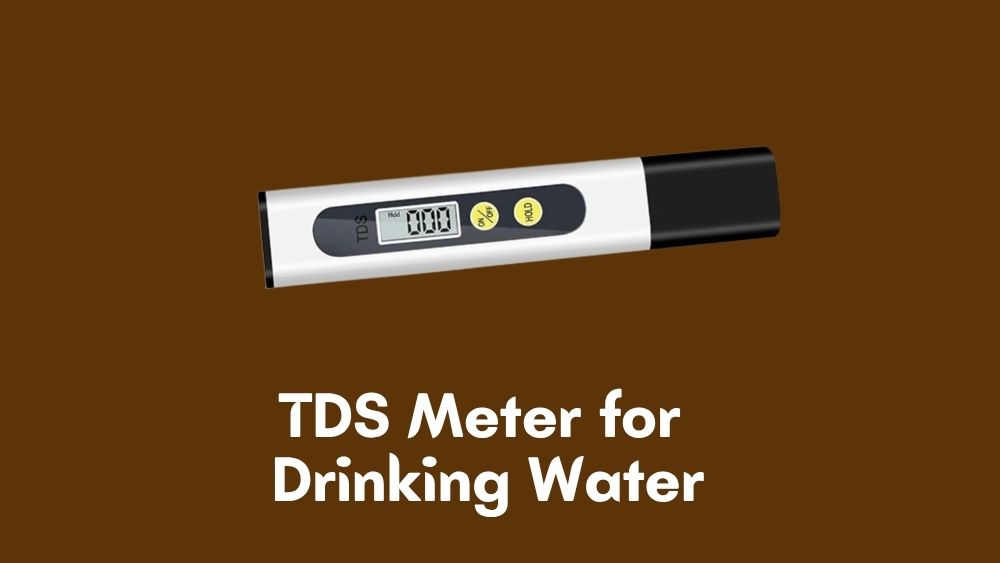
Choosing the right TDS meter can be challenging with various options available. A Portable Water Quality Tester is ideal for testing water at home, in RVs, or during travel. It measures Total Dissolved Solids (TDS), Electrical Conductivity (EC), and Chemical Oxygen Demand (COD) efficiently.

Compact and easy to use, it offers accurate readings for tap, well, or purified water. Whether you’re camping or at home, this meter ensures your water is clean. Understanding water quality is vital for health, and having a dependable tool makes it simple. Discover the best TDS meter to keep your drinking water safe and pure.

Portable Water Quality Tester

Portable Water Quality Tester Water Test Kits Testing TDS EC COD Meter Quality Test Pen for Home RV Hiking Camping Travel Well Tap Purifier Portable

The Portable Water Quality Tester is an essential tool for those who are always on the move and need to ensure their water is safe to drink. Ideal customers include outdoor enthusiasts like hikers and campers, RV travelers, and anyone using well or tap water who wants to ensure their water’s quality. This device is compact, making it perfect for travel, and is a must-have for those who prioritize health and safety.

Pros:

  • Compact and portable design makes it easy to carry anywhere.
  • Versatile testing capabilities for TDS, EC, and COD measurements.
  • User-friendly interface for quick and easy readings.
  • Reliable and accurate results for peace of mind.

Cons:

  • Requires regular calibration for accurate results.
  • Battery life may vary depending on usage frequency.

The Portable Water Quality Tester by Zerodis is designed for those who require accurate and reliable water testing on the go. Its compact design ensures that it fits easily into your backpack or travel kit without taking up much space. The device’s ability to measure Total Dissolved Solids (TDS), Electrical Conductivity (EC), and Chemical Oxygen Demand (COD) ensures comprehensive analysis of water quality, making it an indispensable tool for ensuring safe drinking water in diverse environments.

One of the standout features of this tester is its ease of use. With a straightforward interface, users can quickly obtain readings without any complex setups. This means you spend less time worrying about water safety and more time enjoying your activities. Additionally, the accuracy of the readings provides confidence, especially when using well or tap water whose quality can fluctuate. By having this tester on hand, you can make informed decisions about your water source’s safety, whether you’re at home or on an adventure.

Frequently Asked Questions

What Is A TDS meter Used For?

A TDS meter measures the total dissolved solids in water. It helps assess water purity and quality. By checking TDS levels, you can ensure safe drinking water. It’s useful for testing tap, well, and purified water.

How Does A Portable TDS Meter Work?

A portable TDS meter measures the electrical conductivity of water. It uses electrodes to detect dissolved solids. The meter displays the TDS level, showing water quality. It’s simple and quick, ideal for home or travel use.

Why Test Drinking Water With A TDS Meter?

Testing drinking water ensures safety and quality. A TDS meter detects contaminants and impurities. It helps maintain optimal health by ensuring clean water. Regular testing can prevent potential health risks from contaminated water.

Can A TDS Meter Test Well Water?

Yes, a TDS meter can test well water. It measures dissolved solids, indicating water quality. This helps identify potential contaminants. Regular testing ensures your well water remains safe and suitable for consumption.

Is A Portable TDS meter Easy To Use?

Yes, a portable TDS meter is user-friendly. Simply dip the meter in water and read the display. It provides quick results, making it convenient for home or outdoor use. It’s perfect for those who need to frequently check water quality.

Conclusion

Choosing the right tds meter for drinking water is essential. It helps ensure safe and healthy water consumption. The portable water quality tester is a versatile option. It’s handy for home use, rv trips, hiking, and camping. This device measures tds, ec, and cod, which are crucial for assessing water quality.

Its compact design makes it easy to carry and use anywhere. Whether you use tap, well, or purified water, this tester provides reliable results. It’s a valuable tool for anyone concerned about water safety. Regular testing can alert you to changes in water quality.

This awareness helps maintain health and peace of mind. Investing in a reliable tds meter is a step towards better health. It empowers you to make informed decisions about the water you drink. With this knowledge, you can protect yourself and your loved ones from potential water-related issues.