
Is RO Water Good for Betta Fish? A Scientific Look

Is RO Water Good for Betta Fish? A Scientific Look

Betta fish, also known as Betta splendens, are among the most popular freshwater aquarium fish. Their vibrant colors and hardy nature make them ideal for beginners. However, behind their beauty lies a need for precise water conditions. One popular question that arises in fishkeeping forums is: Is RO (Reverse Osmosis) water good for betta fish? We often use RO water in the aquarium, but we have to know about its safety. 

To answer this, we need to understand what RO water is, the specific water requirements of bettas, and whether RO water helps meet or harms those needs.

Water Parameters Required for Betta Fish

Betta fish originate from the shallow rice paddies and slow-moving waters of Thailand. These environments are naturally soft and acidic. Ideal water parameters for betta fish

  • pH: 6.5 to 7.5

  • GH (General Hardness): 3 to 4 dGH

  • KH (Carbonate Hardness): 2 to 5 dKH

  • TDS: 150 to 250 ppm

  • Temperature: 76°F to 82°F (24°C to 28°C)

Pros of Using RO Water for Betta Fish

  • Control Over Water Chemistry
    RO water has very low TDS, GH, and KH. This means aquarists can remineralize it with precise amounts of minerals to create a customized aquatic environment.
  • Eliminates Harmful Contaminants
    Tap water may contain chloramines, heavy metals, or fluoride that can be harmful. RO units remove nearly all of these.
  • Consistency in Water Changes
    Since RO water is stripped of variables, it provides consistent water quality when doing partial water changes, preventing shock to bettas.

Cons of Using Pure RO Water Alone

Pure RO water is too soft and acidic, with:

  • TDS often under 20 ppm

  • pH below 6 or unmeasurable

  • GH and KH close to 0

Using 100 percent RO water without remineralization can lead to:

  • pH crashes

  • Osmotic stress in fish

  • Weak immunity and poor coloration

The Right Way – RO Water with Remineralization

To make RO water suitable for betta fish, you need to add minerals to bring water hardness and pH to safe levels.

Recommended Products:

  • Seachem Replenish

  • Equilibrium by Seachem

  • Crushed coral (in small quantities)

Target Parameters After Remineralization:

  • GH: 3 to 4 dGH

  • KH: 3 dKH

  • TDS: 150 to 180 ppm

  • pH: 7.0

Benefits Of RO Water For Betta Fish (Detailed)

RO water provides a clean environment for Betta fish by removing harmful contaminants. It helps maintain stable pH levels, which supports their health. Ensuring pure water improves Betta fish’s overall well-being and vitality.

Benefits of RO Water for Betta Fish

Betta fish are vibrant and captivating pets, but their well-being hinges on the quality of their water. Using Reverse Osmosis (RO) water can offer numerous benefits for these colorful creatures. Let’s delve into why RO water might be the perfect choice for your betta fish.

Purity And Quality

RO water is renowned for its purity. It’s free from impurities that are commonly found in tap water. This ensures your betta has a pristine environment.

When I first switched to RO water for my betta, I noticed an immediate improvement in its vibrancy. The fish seemed livelier and more active. Have you ever considered how the quality of water might impact your betta’s life?

Reduction Of Contaminants

RO water significantly reduces harmful contaminants such as chlorine and heavy metals. These substances can be detrimental to your betta’s health.

Imagine living in a space filled with invisible dangers. That’s what untreated tap water can be for bettas. By using RO water, you’re providing a safer habitat, protecting them from potential harm.

RO water also helps in reducing the buildup of algae. This keeps your tank cleaner and requires less maintenance. Less cleaning means more time to enjoy watching your betta swim gracefully around its home.

Have you tried RO water for your betta yet? It might just be the game-changer you’re looking for to boost their health and happiness.

Comparing RO Water With Tap Water

RO water lacks essential minerals found in tap water, making it less suitable for betta fish. Betta fish require minerals to maintain health and color. Using RO water could lead to deficiencies, affecting their well-being. For optimal conditions, tap water with a conditioner is often recommended for bettas.

When considering the best water for your betta fish, it’s essential to compare Reverse Osmosis (RO) water with regular tap water. Each has its benefits and drawbacks, and understanding these can help you make an informed decision for your aquatic friend. By examining the chemical composition and impact on fish health, you can tailor the water conditions to best suit your betta’s needs.

A Quick Comparison for Betta Tanks

Parameter Tap Water (Varies by Region) RO Water (Pure) RO + Remineralization
TDS 200 to 600 ppm < 20 ppm 150 to 200 ppm
Chlorine/Chloramine Present 0 0
GH 6 to 15 dGH ~0 3 to 4 dGH
KH 5 to 12 dKH ~0 2 to 4 dKH
pH 7.5 to 8.5 < 6 6.8 to 7.2

Chemical Composition

RO water and tap water differ significantly in their chemical makeup. Tap water usually contains minerals and chemicals like chlorine, chloramines, and heavy metals. These substances can be harmful to fish if not treated properly.

RO water, on the other hand, is stripped of almost all its impurities, making it pure. This can be a double-edged sword, as fish require certain minerals for optimal health. A personal experience taught me this when my betta seemed lethargic in pure RO water until I added trace minerals back into the tank. This highlights the need to balance purity with essential nutrients.

Impact On Fish Health

The type of water you choose directly affects your betta’s health. Tap water, when not conditioned, can cause stress and illness due to its chemical content. However, properly treated tap water can be a convenient and healthy option.

RO water provides a clean slate, free from harmful chemicals, but it’s essential to remineralize it. Without necessary minerals, your betta might experience poor fin health or stress. Have you ever noticed your fish’s color dulling? That could be a sign of mineral deficiency.

So, what should you choose for your betta? Consider your convenience, budget, and willingness to adjust water chemistry. Whether you go for tap water or RO water, ensuring the right balance is key to a vibrant, healthy betta fish.

Aquarists’ Experiences

Many experienced aquarists have shared their insights on using RO water for Betta fish. Some have noticed improved health and coloration in their Bettas when using RO water. They appreciate the purity RO water offers, devoid of contaminants and harmful chemicals.

However, using RO water requires careful mineral supplementation. You can’t use it straight from the filter. Aquarists often add essential minerals to RO water to mimic the natural environment. Without these, your Betta might face health issues.

Have you ever tried using RO water for your Betta fish? How did it impact their health and behavior? Your experiences might align with what many aquarists have observed.

Scientific Insights

Scientists provide valuable insights into the impact of RO water on Betta fish. Research shows that RO water is exceptionally clean, but it lacks necessary minerals. Betta fish thrive in water with specific mineral content.

Studies emphasize the importance of re-mineralizing RO water. Minerals like calcium and magnesium are crucial for the physiological health of Betta fish. Without them, your fish may suffer from stress or weakened immune systems.

Considering scientific findings, are you willing to adjust your water treatment routine for better Betta care? Ensuring the right balance in RO water is vital for your fish’s health.
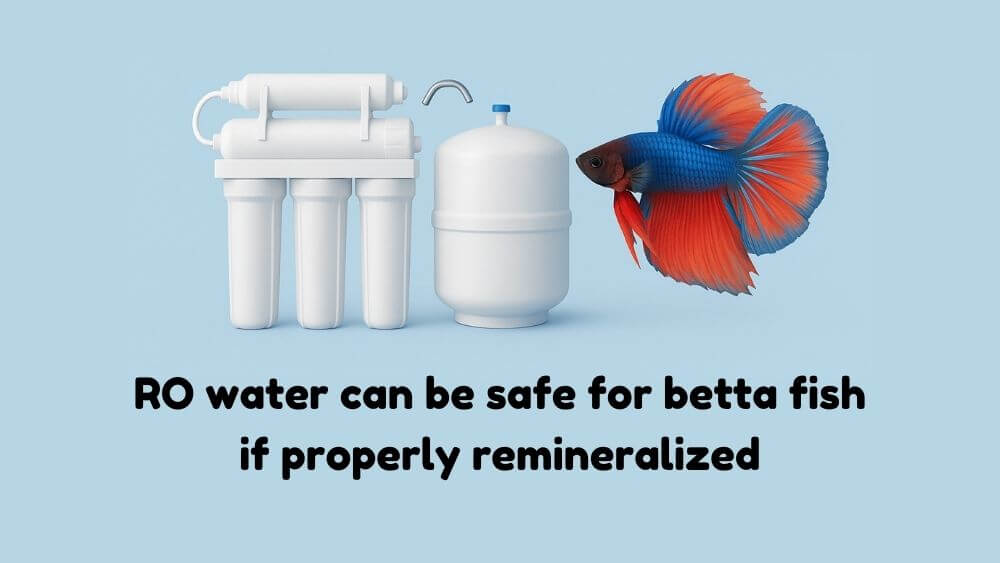
RO water can be safe for betta fish

Frequently Asked Questions

When Should You Use RO Water for Betta Fish?

RO water is especially helpful in these cases:

  • Hard tap water (GH > 10 dGH, TDS > 400 ppm)

  • Presence of heavy metals or nitrates in local water

  • Breeding bettas or keeping wild species

For example, if your tap water has 500 ppm TDS and a pH of 8.4, it would be too harsh. RO water lets you create ideal parameters for your betta.

Can I Put My Betta Fish In RO Water?

Betta fish can live in RO water if minerals are added. RO water lacks essential minerals needed for fish health. Use a remineralizing solution to restore necessary nutrients and create a balanced environment. Always test water parameters to ensure they meet Betta fish requirements for optimal health and well-being.

Is RO Water Safe For Fish?

RO water is safe for fish but requires remineralization. It lacks essential minerals fish need. Adjust pH and hardness for optimal fish health. Always monitor water parameters to ensure a safe environment for your fish.

What Kind Of Water Do You Use For Betta Fish?

Use dechlorinated tap water for betta fish. Ensure water temperature is between 76-82°F. Maintain pH level around 6. 5-7. 5. Regularly test water quality for ammonia, nitrites, and nitrates. Always use a water conditioner to neutralize harmful chemicals and provide a healthy environment.

Is RO Water The Same As Distilled Water For Fish Tanks?

RO water isn’t the same as distilled water for fish tanks. RO water is filtered to remove impurities. Distilled water is boiled and condensed, removing minerals. Both can be used, but require mineral supplementation for fish health. Always check water parameters before using in fish tanks.

Conclusion

RO water offers a blank canvas that lets you tailor water conditions to suit your betta’s natural habitat. It removes harmful chemicals and provides consistency. However, using RO water without adjusting pH and hardness can do more harm than good.

So, for aquarists serious about fish health and water stability, RO water (with remineralization) is an excellent choice.

 

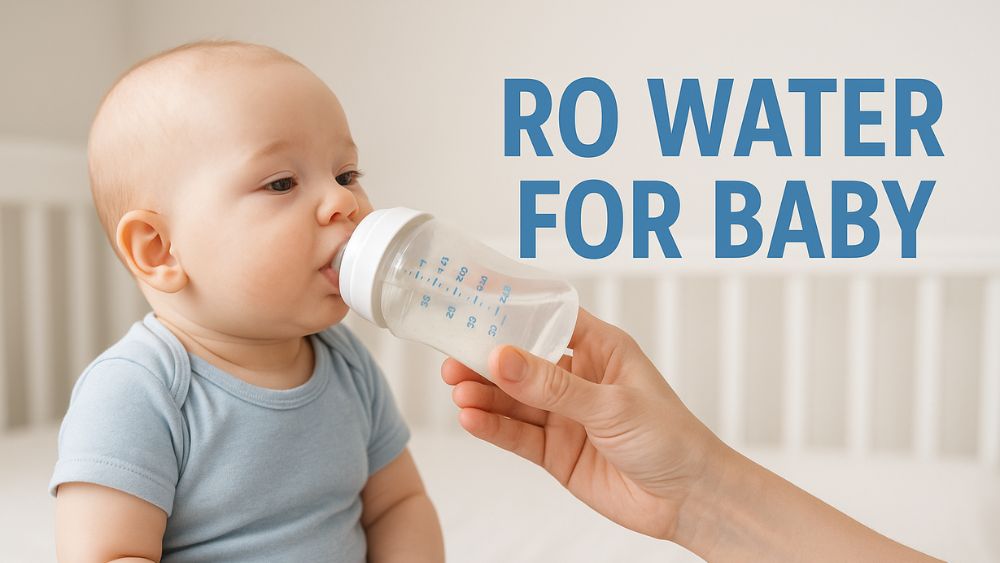
Is RO Water Safe for Babies? Every Parent Should Know

Is RO Water Safe for Babies? Every Parent Should Know

As a parent, every decision you make regarding your child’s health is crucial, especially when it comes to something as essential as water. You might have heard about Reverse Osmosis (RO) water systems and wondered: Is RO water safe for babies? The answer isn’t as straightforward as a simple yes or no. In this article, we’ll break down the facts, concerns, and expert opinions so you can make an informed decision.

What Is RO Water?

RO (Reverse Osmosis) is a water purification process that removes dissolved salts, impurities, and contaminants by passing water through a semipermeable membrane. RO systems are highly effective in filtering out:

  • Heavy metals like lead, arsenic, and mercury

  • Harmful microbes and bacteria

  • Pesticides and industrial chemicals

  • Hardness-causing minerals like calcium and magnesium

The result? Clean, purified water, but also water that may be too stripped of essential minerals.

Why Water Matters So Much for Babies

Infants, especially those under six months, are extremely sensitive to what they consume. Their immune systems and kidneys are still developing, making them more vulnerable to water contaminants. That’s why many parents turn to purified water for preparing infant formula or even drinking (after six months).

But does RO water tick all the boxes?

The Pros of Using RO Water for Babies

1. Free of Harmful Contaminants

RO water is virtually free of pollutants, which is especially important in areas with questionable tap water quality. If your tap water contains lead, nitrates, or other toxins, an RO system could be a lifesaver.

2. Better Than Bottled Water

Many bottled waters are simply glorified tap water and may not be suitable for infants due to high mineral content or unclear purification processes. RO water offers a more consistent quality, especially when maintained properly.

3. Safe for Formula Preparation

When boiled, RO water becomes one of the safest options for mixing formula, assuming the TDS (Total Dissolved Solids) levels are within the recommended range (typically 30–75 ppm for infants).

The Concerns About RO Water for Babies

1. Lack of Essential Minerals

RO systems remove nearly all minerals from water, including calcium, magnesium, potassium, and fluoride, all of which are important for a baby’s growth and development. While infants get most of their nutrients from breast milk or formula, long-term exposure to mineral-deficient water can be a concern if used excessively.

2. Over-Purification and pH Imbalance

Some experts argue that RO water is “too pure.” With a very low TDS and acidic pH, it may not be ideal for long-term use without remineralization. Water that is too acidic can affect digestion and metabolism.

3. Storage and Contamination Risk

RO systems store water in tanks, and if not cleaned regularly, bacteria can accumulate. It’s vital to ensure regular maintenance and filter replacements.

What Pediatricians and Health Experts Say

Most pediatricians agree that clean, contaminant-free water is critical for babies. However, they often recommend using boiled, cooled water with a balanced mineral profile for infant formula. Here’s a summary of medical advice:

  • Under 6 months: Babies should primarily consume breast milk or formula. If water is needed (e.g., for formula preparation), it should be boiled, cooled RO water or distilled water with acceptable TDS levels.

  • 6 months to 1 year: Small amounts of water may be introduced. RO water is safe if the system is well-maintained and the water is remineralized or has safe TDS levels.

  • After 1 year: RO water can be safely consumed, but ensure a balanced diet to compensate for lost minerals.

Tips for Safely Using RO Water for Your Baby

  • Check TDS Levels Regularly: Use a TDS meter to ensure your water isn’t too low in minerals (ideal for infants: 30–75 ppm).

  • Use Boiled and Cooled RO Water for Formula: This ensures both microbial and chemical safety.

  • Add a Remineralization Filter: If your RO system lacks one, consider installing it. It restores healthy minerals to the water.

  • Maintain Your RO System: Change filters on time and sanitize tanks to prevent bacterial growth.

  • Avoid Storing Water for Too Long: Freshly purified water is always safer.

Data Point: Ideal water for infant consumption should have TDS levels between 30–75 ppm (Indian Council of Medical Research, 2021).

So, Is RO Water Safe for Babies?

Yes, with proper precautions. RO water, when used wisely, is among the safest water sources for infants, especially in areas with unsafe tap water. The key is to ensure the RO system is well-maintained and that mineral levels are monitored or restored when necessary.

RO Water Safe for Babies

Is RO water safe for newborns under 6 months?

For newborns under 6 months, direct consumption of any water is not recommended, including RO water. However, RO water can safely be used to prepare infant formula, provided it is boiled and cooled before use. RO water has a very low Total Dissolved Solids (TDS) level, often between 10–50 ppm, which is below the WHO guideline of <100 ppm for infant-safe water.

Reference: World Health Organization – Guidelines for Drinking-water Quality (4th edition, 2022)

Can babies between 6 to 12 months drink RO water directly?

Yes, in small amounts. Once babies begin solid foods at 6 months, limited amounts of water can be introduced. RO water is suitable at this stage if its TDS is within 30–75 ppm and the system is well-maintained. Pediatricians suggest using boiled and cooled RO water to minimize microbial risk.

Data Point: Ideal water for infant consumption should have TDS levels between 30–75 ppm (Indian Council of Medical Research, 2021).

Is RO water better than boiled tap or bottled water for babies?

Yes. While boiling kills microbes, it doesn’t remove heavy metals or dissolved salts. RO water, in contrast, removes up to 99% of all contaminants, including:

  • Lead (Pb)

  • Arsenic (As)

  • Nitrates

  • Chlorine

  • Microplastics

It also eliminates pathogens and viruses. Bottled water may still contain unknown mineral content or microplastic contamination, making RO the safer long-term choice.

EPA Study (2020): RO systems reduce 99.9% of contaminants, outperforming other household filters.

Are there any medical reports cautioning against RO water for infants?

There are no major medical reports warning against RO water specifically. However, studies advise caution with low-mineral or demineralized water, as it may lack calcium and magnesium, essential for baby growth.

Doctors recommend using remineralized RO water or ensuring adequate minerals from formula and food.

Reference: WHO Report on Nutrients in Drinking Water (2005) — warns against prolonged use of demineralized water without dietary compensation.

Does RO water affect calcium and fluoride intake in babies?

Yes, RO removes both calcium and fluoride — vital for bone and dental development. However, infants typically receive these from breast milk or fortified formula. Still, remineralization filters or drops are recommended to restore minerals in RO water.

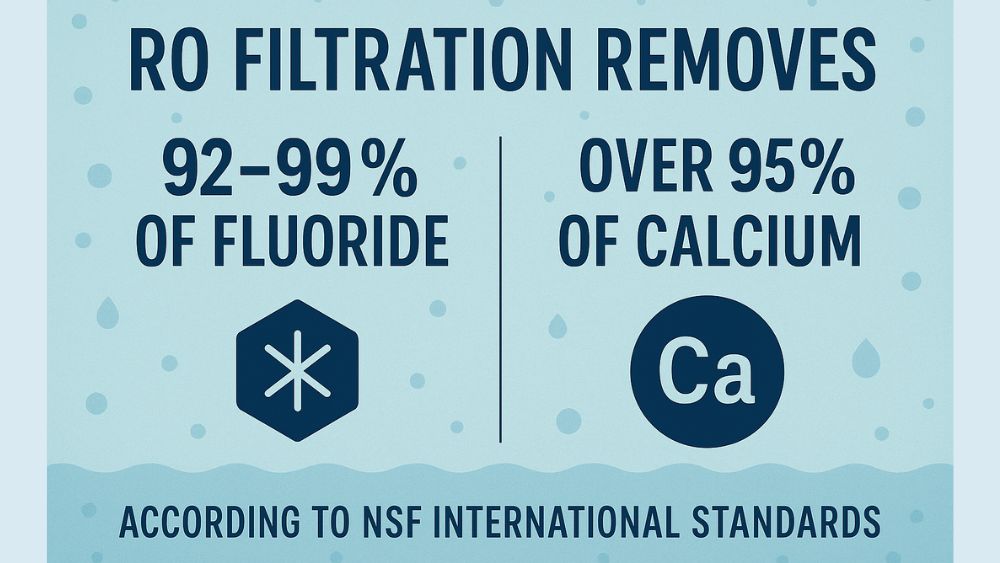
Fact: RO filtration removes 92–99% of fluoride and over 95% of calcium, according to NSF International standards.

What’s the safest way to prepare formula with RO water?

  • Boil RO water for at least 1 minute to eliminate any residual microbes.

  • Cool it to body temperature (~37°C or 98.6°F).

  • Mix formula powder following manufacturer instructions.

  • Use within 2 hours or store in the fridge (max 24 hours).

CDC Guidelines for Infant Formula Preparation (2023) recommend using boiled water if the baby is under 3 months or immunocompromised.

Why is RO considered the best filtration method for baby-safe water?

Answer:
RO (Reverse Osmosis) is widely regarded as the most effective filtration technology, thanks to its multi-stage purification, which includes:

  • Sediment filter (removes dust/rust)

  • Carbon filter (removes chlorine, odors)

  • RO membrane (removes up to 99.9% of dissolved salts, metals, bacteria)

  • Post-carbon/remineralization (taste and mineral balancing)

This layered system makes RO water safer than UV, UF, or basic carbon filters, especially in regions with poor water quality.

NSF Certification reports RO filters reduce over 80+ contaminants — more than any other domestic water filter.

Final Thoughts

As with most things in parenting, balance is key. RO water can provide peace of mind, but you must stay vigilant about its quality and composition. If you’re ever unsure, consult with your pediatrician,  especially when preparing formula or introducing water for the first time.

pH in RO Water – Are You Drinking the Right pH Level?

pH in RO Water – Are You Drinking the Right pH Level?

Are you curious about the water you drink and its impact on your health? You might have heard about RO (Reverse Osmosis) water and how it affects your body’s pH levels.

But do you know the full story? Understanding how RO water interacts with your body can be a game-changer for your health. Imagine unlocking the secret to better hydration and overall well-being by simply learning about the water you consume.

You’ll discover the hidden truths about RO water, its pH level, and the health effects it can have. Prepare to dive into the essential details that could transform your daily hydration habits. Are you ready to find out how this could impact your life? Let’s explore together!

The U.S. Environmental Protection Agency (EPA) recommends a pH range of 6.5 to 8.5 for safe drinking water.

Role Of Ro Water In Health

Water is the essence of life, and its quality plays a crucial role in maintaining your health. Have you ever wondered how the water you drink impacts your well-being? Reverse Osmosis (RO) water is often hailed for its purity, but does it truly benefit your health? Let’s explore how RO water can be a vital part of your health journey.

Why Purity Matters

RO water is known for its purity, removing impurities and contaminants that can harm your health. Imagine drinking water free from harmful chemicals and toxins. This purity ensures that you’re not consuming unwanted substances that could lead to health issues over time.

Balancing Ph Levels

RO water can sometimes be slightly acidic due to the filtration process. This might sound concerning, but your body is adept at balancing pH levels. Drinking RO water can actually encourage your body to regulate its pH balance naturally, promoting overall health.

Hydration And Wellness

Staying hydrated is fundamental to good health, and RO water makes this easy. Its clean taste encourages you to drink more, ensuring that your body gets the hydration it needs. Proper hydration supports your immune system, aids digestion, and helps maintain energy levels.

Peace Of Mind

Knowing that you’re drinking pure water can offer peace of mind. You can trust that your water is free from harmful bacteria and pollutants. This confidence in your water source contributes to mental well-being, leaving you to focus on other aspects of your health.

Environmental Impact

Have you considered the environmental impact of your water consumption? RO systems, while effective, can waste water. It’s important to use RO water responsibly, ensuring that you’re not contributing to excessive waste. Small changes can lead to a significant positive impact on the environment.

Reflect on your water choices. Could RO water be the key to enhancing your health and well-being? As you ponder this, remember that every drop counts. Your health deserves the best, and the water you choose is a fundamental part of that journey.


RO Water Comparison with Other Beverages

Comparison with Other Beverages

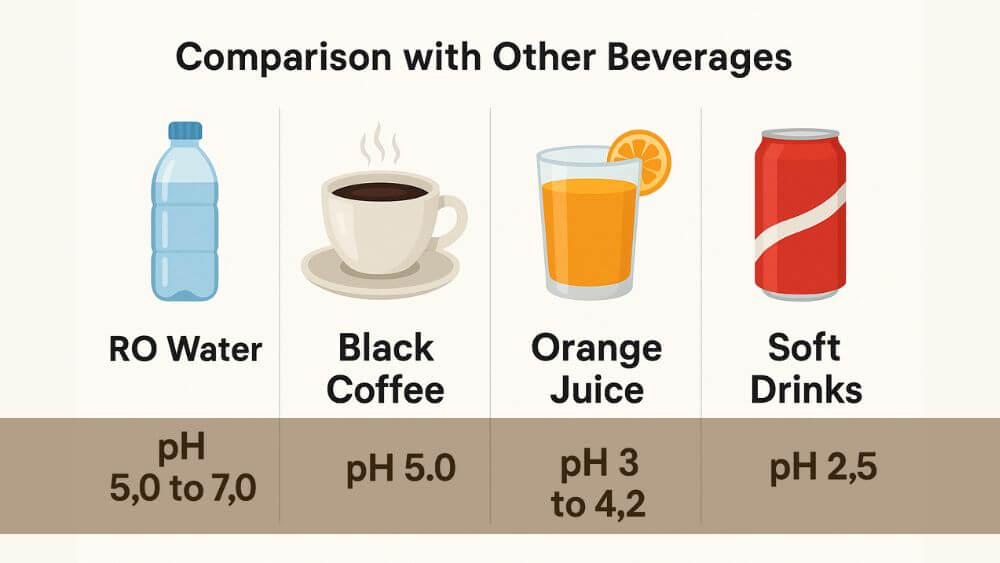
When comparing the pH of RO water with everyday beverages, the results are eye-opening. RO water generally falls within a pH range of 5.0 to 7.0, which is mildly acidic to neutral depending on storage and exposure to air. In contrast, black coffee has a pH of around 5.0, while orange juice is even more acidic, ranging between 3.3 to 4.2. Soft drinks rank among the most acidic beverages, with a typical pH of just 2.5. Despite its slightly acidic nature, RO water is significantly less acidic than most popular drinks, making it a much safer and healthier option for daily hydration. This makes concerns about RO water’s pH far less alarming when put into real-world context.

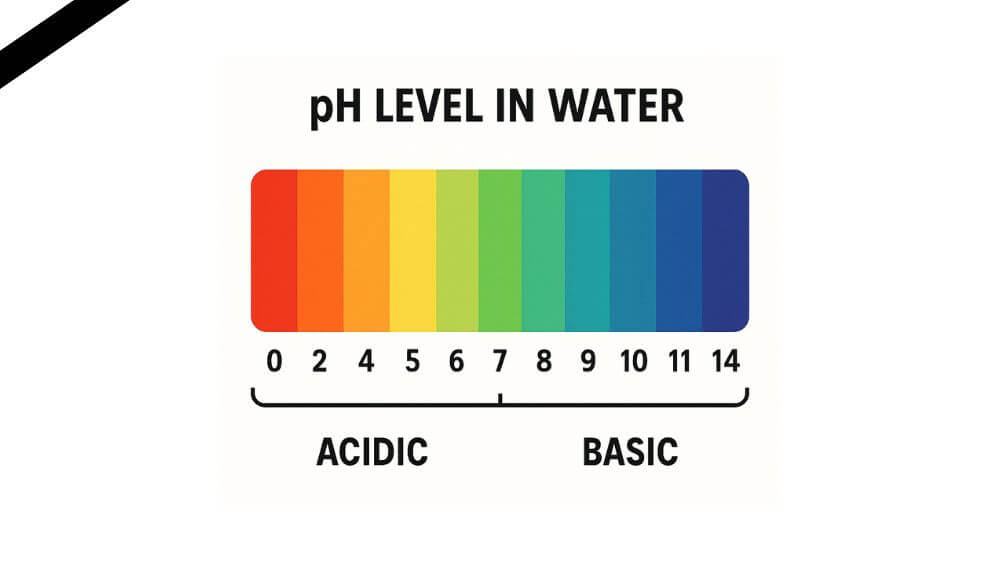
pH Level in Water

Understanding Ph Levels

Understanding pH levels is crucial for assessing water quality. pH measures acidity or alkalinity, influencing taste and health effects. This guide explores the role of pH in RO water, a popular choice for clean drinking water.

What Is Ph?

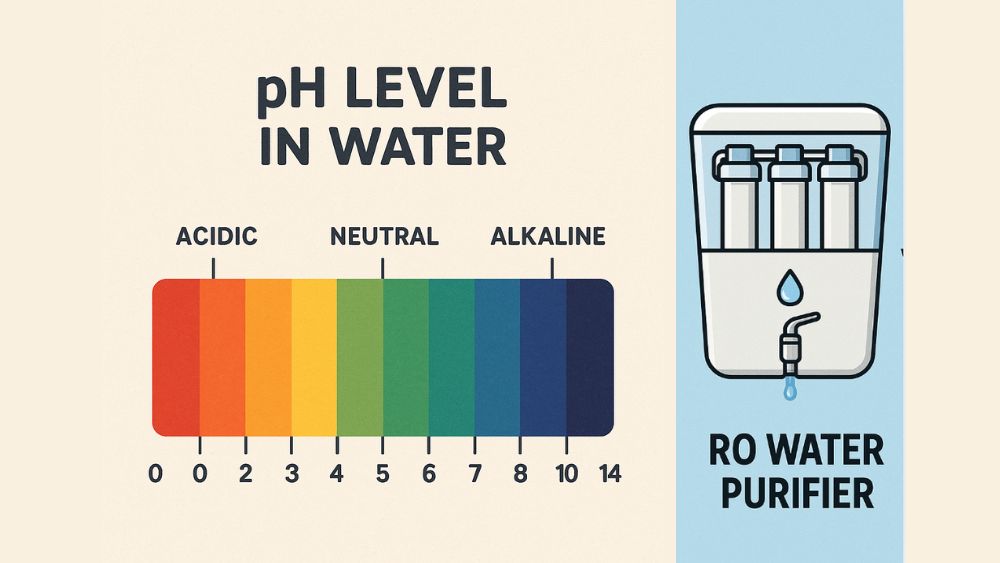
pH stands for ‘potential of hydrogen.’ It indicates the concentration of hydrogen ions. The scale ranges from 0 to 14. A pH of 7 is neutral. Below 7 is acidic, while above 7 is alkaline.

Importance Of Ph In Water

pH affects water’s taste, safety, and chemical reactions. Drinking water with balanced pH supports bodily functions. Extreme levels can harm health and corrode pipes.

Ph Levels In Ro Water

RO systems remove impurities, sometimes altering pH. They often produce slightly acidic water. This happens because minerals that buffer pH get removed. Adjusting post-filtration can balance pH levels.

Health Effects Of Ph Imbalance

Drinking water with low pH may leach metals from pipes. High pH might cause skin irritations or digestive issues. Maintaining a neutral pH ensures safe and pleasant water consumption.

How To Test Water Ph

Testing pH is simple with strips or electronic meters. These tools provide quick and accurate readings. Regular testing helps ensure water quality and safety.

Benefits Of Balanced Ph In Water

Water is essential for life. Its quality can affect health significantly. One important aspect is the pH level. Balanced pH in water brings various health benefits. It can improve digestion, hydration, and skin health.

Improved Digestion

Balanced pH supports digestive health. Acidic or alkaline water can disrupt digestion. Neutral pH helps the stomach function properly. It aids in breaking down food efficiently. Nutrients are absorbed better, promoting overall wellness.

Enhanced Hydration

Proper hydration is vital for body functions. Balanced pH in water boosts hydration. The body absorbs neutral pH water more effectively. This leads to better cell function and energy levels. Staying hydrated becomes easier and more beneficial.

Skin Health

Skin reflects internal health. Balanced pH water can enhance skin appearance. It maintains moisture and elasticity. Water with neutral pH helps flush out toxins. This reduces dryness and irritation. Skin looks more vibrant and healthy.

Effects Of Low Ph Water

Water with a low pH can affect health. This type of water is known as acidic water. Drinking it may lead to various concerns. Understanding these effects is vital for maintaining good health.

Acidic Water Concerns

Water with low pH often lacks essential minerals. This can lead to an imbalance in your diet. Acidity in water may also cause corrosion in pipes. This could lead to metal contamination. Metals like lead and copper may seep into drinking water. Consuming these can be harmful over time.

Potential Health Risks

Drinking acidic water may irritate the stomach. Some people may experience digestive issues. Low pH levels can affect tooth enamel. Over time, this may lead to tooth decay. Skin irritation is another possible effect. People with sensitive skin might notice dryness or irritation. Ensuring water pH is balanced is crucial for health. Regularly testing water quality can help prevent these issues.

Ro Water And Ph Balance

Understanding the pH balance of water is crucial for health. RO water, or Reverse Osmosis water, is widely used for drinking. It often comes with questions about its pH balance. People want to know how it affects their health. This blog explores this topic in depth.

Ro Filtration Process

Reverse Osmosis is a filtration method that removes impurities. It uses a semi-permeable membrane. The membrane blocks contaminants and lets pure water pass through. RO systems effectively eliminate harmful particles. These include lead, chlorine, and pesticides.

RO filtration can also remove minerals. Minerals like calcium and magnesium. These are essential for maintaining balanced pH levels. Their removal can affect the water’s natural balance. This leads to changes in the water’s properties.

Impact On Water Ph

RO water often has a lower pH level. The lack of minerals causes this decrease. Pure water can be slightly acidic due to this absence. An acidic pH is below 7 on the pH scale.

Some people worry about acidity in RO water. They fear it might affect their health negatively. Yet, the body can adjust to changes in pH. Drinking RO water usually poses no health risks. It’s important to consider overall diet and lifestyle.

For those concerned, adding minerals back can help. This can raise the pH level. Mineral drops are available for this purpose. Consult with a healthcare provider for guidance.

Enhancing Ro Water Ph

Improving the pH of RO water can benefit health by balancing acidity levels. Low pH may lead to health concerns. Adjusting the pH ensures better hydration and supports overall well-being.

Enhancing the pH of RO (Reverse Osmosis) water can be crucial for those who find it too acidic for their taste or health preferences. While RO systems effectively remove impurities, they can also strip water of essential minerals, which can result in a lower pH level. If you’re looking to balance the pH of your RO water, there are several practical methods to consider.

Using pH Balancing Filters

One straightforward option is to use pH balancing filters. These filters are designed to add back essential minerals like calcium and magnesium, which can help increase the water’s pH level.

Installing these filters is typically simple and can be done without professional help. They are a cost-effective solution for those wanting to improve the taste and health benefits of their water.

Consider the benefits of using a pH balancing filter. It not only enhances the taste of your water but can also provide minerals that your body needs.

Natural Methods to Adjust pH

If you prefer a more natural approach, there are simple methods to adjust the pH of your RO water. Adding a small amount of baking soda is a quick fix. Just a pinch can raise the pH, making the water less acidic.

Another method is using lemon juice. Though lemon is acidic, it has an alkaline effect on the body once metabolized. Try adding a few drops to a glass of water and taste the difference.

You might also consider using alkaline drops, which are available at most health stores. These drops are easy to use and can quickly change the pH of your water.

Have you tried any of these methods? What changes did you notice in your water’s taste or how you felt after drinking it? Adjusting the pH of your water is not just about health—it’s also about enhancing your drinking experience.

Comparing Ro Water With Other Sources

RO water offers purity by removing impurities. It’s often compared with other sources for its neutral pH, impacting health. Understanding pH levels helps evaluate the suitability of RO water for maintaining balanced hydration.

When considering your drinking water options, it’s essential to understand how Reverse Osmosis (RO) water compares to other sources. Each type of water brings its own set of characteristics, benefits, and potential drawbacks. Understanding these differences can help you make an informed decision about what you consume daily.

Tap Water

Tap water is often the most accessible and cost-effective option. However, it can sometimes contain impurities or chemicals like chlorine, which may affect taste and safety. While municipalities treat tap water to meet safety standards, the journey through old pipes can introduce contaminants.

Bottled Water

Bottled water is convenient, but its environmental impact is significant. The production and disposal of plastic bottles contribute to pollution. Moreover, the cost of bottled water can add up quickly, making it an expensive choice over time.

Spring Water

Spring water is often marketed as pure and natural. It comes from underground sources and is usually rich in minerals. However, the source’s quality can vary, and labeling isn’t always transparent, so you might not get what you expect.

Each water type offers unique benefits and challenges. Have you considered how your choice impacts both your health and the environment? Make sure to weigh all factors and choose the water that best fits your lifestyle and values.

Consumer Considerations

When you’re considering the purchase of a Reverse Osmosis (RO) water system, you want to make sure you’re making a wise investment for your health. There are several factors to consider, including the pH level of the water, maintenance requirements, and the specific features of the system. Understanding these aspects ensures you choose a system that meets your needs while promoting better health. Dive into these consumer considerations and make an informed choice for your household.

Choosing The Right Ro System

Finding the perfect RO system can feel overwhelming with so many options out there. Start by evaluating your water consumption needs. Do you have a large family or are you living solo? This will influence the size and capacity of the system you need.

Next, consider the pH level of the water. RO systems often reduce pH, making water slightly acidic. Look for systems with remineralization features that add essential minerals back to your water.

Read reviews and seek recommendations. Personal experiences can be revealing. For instance, my friend noticed a significant taste improvement with a system that included a carbon filter. What would enhance your water experience?

Regular Maintenance Tips

Think of your RO system as a health partner—it needs regular care to perform its best. Replace filters every six months to ensure optimal filtration. Dirty filters can compromise water quality.

Check for leaks periodically. A small leak can lead to bigger issues and affect the system’s efficiency. A quick visual inspection every month can help catch problems early.

Don’t forget to sanitize the system yearly. This keeps bacteria at bay, ensuring your water stays fresh and safe. It’s a simple yet crucial step many overlook. How often do you maintain your home appliances?

Make sure you keep a maintenance schedule. A little planning can save you from unexpected repairs and keep your water quality top-notch.

Frequently Asked Questions

Does Ro Water Affect Ph?

RO water typically has a neutral pH around 7. However, it can slightly lower pH levels due to mineral removal. This occurs because the removal of impurities can lead to a more acidic environment. Regular monitoring is recommended to ensure pH balance aligns with your needs.

Does Ro Water Remove Minerals From Your Body?

RO water does not remove minerals from your body. It lacks minerals but doesn’t deplete existing ones. Drinking RO water can lead to mineral deficiencies over time if not compensated through diet. Balance your intake by consuming mineral-rich foods or supplements to maintain health.

Does Ro Raise Or Lower Ph?

RO water typically has a lower pH than tap water. The reverse osmosis process removes minerals, which can slightly lower the pH. While RO water is more acidic, it usually isn’t a concern for most uses. You can balance it with a remineralizer if needed.

Can Ro Water Cause Acidity?

RO water does not directly cause acidity. It lacks minerals, which may affect taste, but doesn’t alter stomach pH. Consuming RO water is generally safe and unlikely to cause acidity. Ensure a balanced diet to maintain optimal health. Consider mineral supplementation if concerned about mineral intake.

What Is Ro Water?

RO water is purified using reverse osmosis. Removes impurities and contaminants. Often used for drinking and cooking.

How Does Ro Water Affect Health?

RO water is clean and safe. Removes harmful substances. Can lack minerals found in natural water sources.

What Is The Ideal Ph For Drinking Water?

Ideal pH for drinking water is between 6. 5 and 8. 5. Balanced pH supports health and hydration.

Does Ro Water Have A Balanced Ph?

RO water may have a lower pH. It can be slightly acidic. Often adjusted post-filtration for balance.

Can Ro Water Cause Mineral Deficiency?

RO water removes minerals. Can contribute to mineral deficiency if not supplemented. Consider mineral-rich foods or supplements.

Conclusion

RO water impacts health by influencing pH levels. Drinking water with balanced pH supports overall well-being. RO systems can lower water pH, making it more acidic. It’s important to monitor this effect for health. Consuming water with low pH may affect your body.

Always check your water’s pH and consider adding minerals if needed. Staying informed helps you make better choices. Prioritize your health by understanding how RO water affects you. Drink wisely and stay healthy.

RO vs UV Water Filters: Are You Using the Wrong One?

RO vs UV Water Filters: Are You Using the Wrong One?

Understanding the Technologies

Reverse Osmosis (RO)

Mechanism: RO utilizes a semi-permeable membrane to remove dissolved solids, heavy metals, and other impurities from water. By applying pressure, water molecules pass through the membrane, leaving contaminants behind.

Effectiveness: RO systems can remove up to 99% of contaminants, including:

  • Total Dissolved Solids (TDS)
  • Heavy metals like lead and arsenic
  • Chemical pollutants
  • Microorganisms (to a certain extent)

Limitations: RO systems may also remove beneficial minerals from water and typically produce wastewater during the purification process.

Ultraviolet (UV) Purification

Mechanism: UV purification employs ultraviolet light to inactivate microorganisms by disrupting their DNA, rendering them harmless.

Effectiveness: UV systems are highly effective against:

  • Bacteria
  • Viruses
  • Protozoa

Limitations: UV systems do not remove chemical contaminants, heavy metals, or dissolved solids from water.

While UV systems are effective against microorganisms, they do not remove chemical contaminants or dissolved solids. As highlighted by Aqua Solutions, UV purifiers cannot eliminate chemicals, metals, or dissolved solids from water. 

RO vs UV System

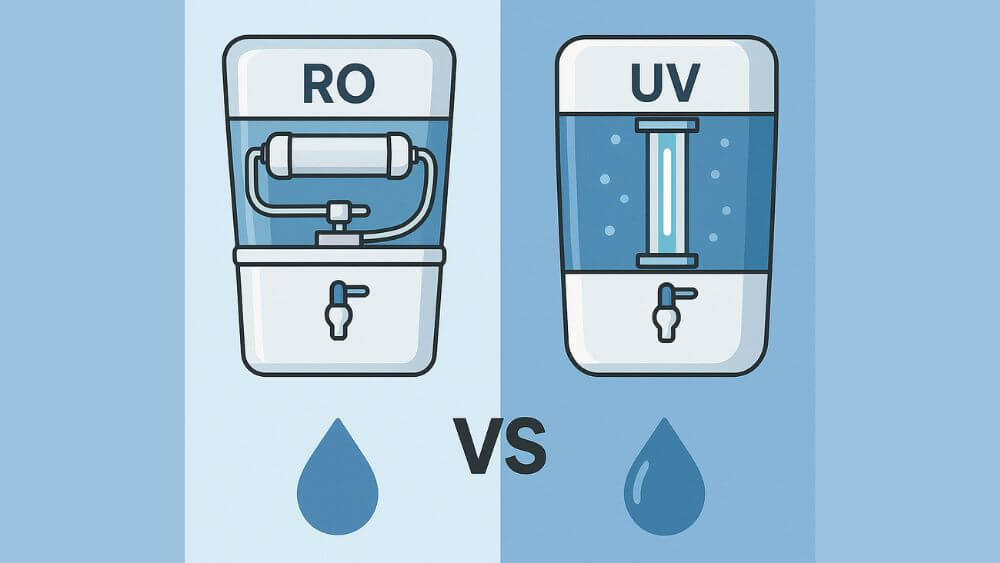
Feature-by-Feature Comparison RO vs UV

Choosing between RO and UV water purifiers can be confusing, especially when both claim to deliver clean and safe drinking water. But the truth is, each has its strengths and limitations. Below is a clear, data-backed comparison across six key areas to help you decide which one truly meets your needs or whether combining both is the smartest choice. RO is typically the fourth stage of the filtration, and UV remains after the RO membrane. 

1. Contaminant Removal Efficiency
RO purifiers can remove 95–99% of Total Dissolved Solids (TDS), including harmful substances like lead, arsenic, and nitrates. This is done using a semi-permeable membrane, carbon filters, and sediment filters. UV purifiers remove 0% of TDS, so they cannot eliminate chemical or physical impurities from water.

2. Microbiological Disinfection
UV purifiers kill 99.99% of bacteria, viruses, and protozoa using UV-C light at 254 nm wavelength. This makes them highly effective against microbiological threats like E. coli and Salmonella. RO can physically block many microbes, but without UV, it may not eliminate all pathogens if the membrane is damaged or old.

3. Key Components
RO systems include a high-pressure pump, RO membrane, sediment and carbon filters, and often a storage tank. UV systems are simpler, relying on a UV lamp, quartz sleeve, and protective chamber. RO units handle broader contamination, while UV focuses on sterilization.

4. Power and Filtration Speed
UV purifiers operate instantly and only consume power during water flow. RO systems need consistent electricity to run the pump and process water, usually filtering around 10–15 liters per hour depending on the system and water pressure.

5. Water Taste and Mineral Balance
RO often removes healthy minerals along with contaminants, which can make water slightly acidic with a pH of 5.0–6.5. UV purifiers do not affect mineral content or pH. Many modern RO systems now include a mineralizer to restore essential minerals and improve taste.

6. Ideal Use Case and Best Solution
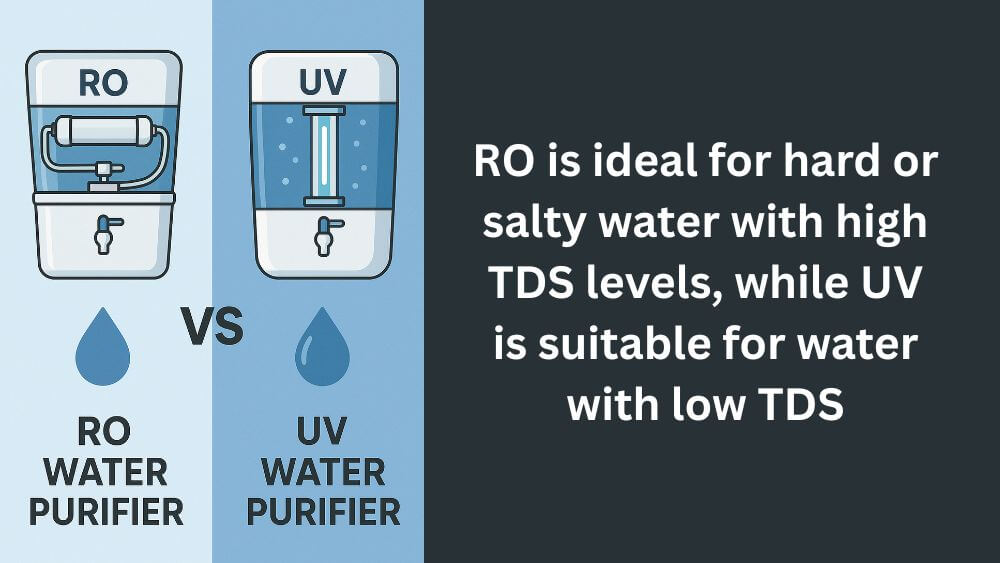
If your water contains high TDS, heavy metals, or has a salty taste, RO is essential. If the concern is biological contamination from bacteria or viruses, UV is necessary. For comprehensive protection, RO + UV is the best solution. RO handles dissolved and physical impurities, while UV ensures microbial safety.

Comparative Analysis

Feature RO Purification UV Purification RO+UV Combination
Contaminant Removal Effective against dissolved solids and chemicals Effective against microorganisms Comprehensive removal of all contaminants
Microbial Disinfection Partial Highly effective Enhanced microbial safety
Water Taste & Odor Improves by removing chemicals No significant impact Improved taste and odor
Mineral Retention Removes beneficial minerals Retains minerals Can include remineralization features
Water Wastage Produces wastewater (typically 3:1 ratio) No water wastage Reduced wastage with modern systems
Maintenance Regular filter and membrane replacement UV lamp replacement annually Combined maintenance of both systems
Cost Higher initial and maintenance costs Lower initial and maintenance costs Higher investment with comprehensive benefits

Why RO+UV Is the Optimal Choice

  • Comprehensive Contaminant Removal: Combining RO and UV technologies ensures the elimination of a wide range of contaminants, including dissolved solids, heavy metals, chemicals, bacteria, viruses, and protozoa.
  • Enhanced Health Protection: While RO systems effectively remove chemical and physical impurities, UV systems provide an additional layer of protection by inactivating microorganisms that may bypass the RO membrane.
  • Improved Taste and Odor: RO systems enhance water taste by removing chlorine and other chemicals. The addition of UV ensures that the water is not only better tasting but also microbiologically safe.
  • Adaptability to Various Water Sources: Whether your water source has high TDS levels or is prone to microbial contamination, an RO+UV system can handle both, making it suitable for diverse water conditions.
  • Long-Term Cost Efficiency: Although the initial investment is higher, the comprehensive protection reduces health risks and potential medical expenses related to waterborne diseases.

Conclusion

While both RO and UV systems have their merits, combining them provides a holistic approach to water purification. An RO+UV system ensures that your drinking water is free from a broad spectrum of contaminants, offering peace of mind and better health for you and your family.

If you need assistance in selecting the right RO+UV system tailored to your specific water quality and household needs, feel free to ask.

What Happens if You Drink Moldy Water? Know Before Drink

What Happens if You Drink Moldy Water? Know Before Drink

Water makes up 72-80 percent of our bodies. A WHO study found that 80% of the world’s diseases are directly or indirectly caused by water. Safe water plays a key role in eliminating wastes produced in the body and maintaining body temperature. For this reason, you should drink at least two to three liters of safe water daily

What is Moldy Water?

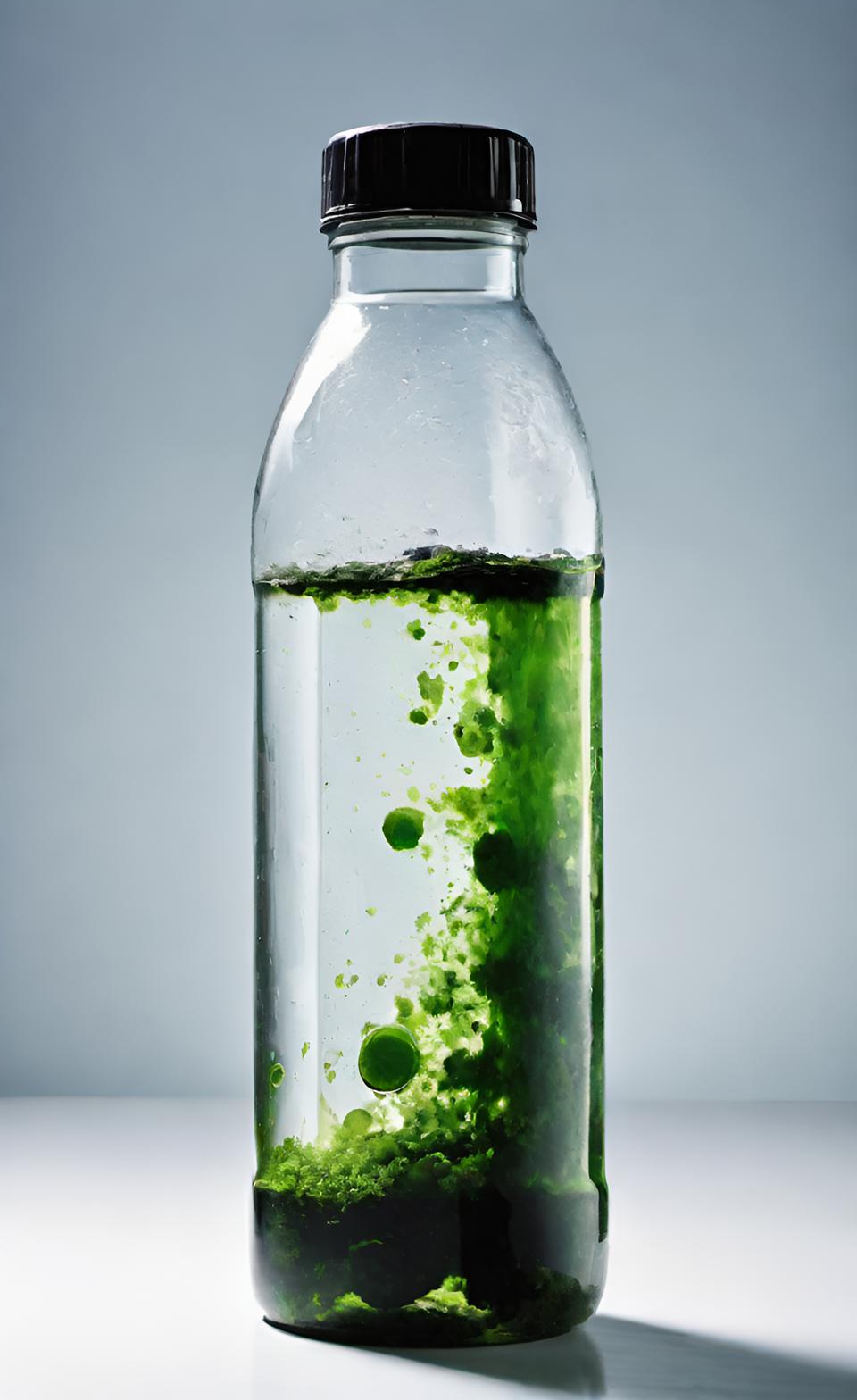
Moldy water results from water becoming contaminated with fungi, such as algae, bacteria, and mold spores. This type of water can be found in many places, such as stagnant water in a pond, a water well, or even in water that has been stored for a long time. Moldy water can be identified by a musty smell or the presence of visible particles. It can also appear cloudy or discolored. 

The contamination of water with mold can lead to health problems, such as allergic reactions, respiratory illnesses, and digestive disturbances. Ingesting moldy water can be dangerous as it can lead to food-borne diseases. As such, it is important to treat and filter any water before consuming it to remove mold. 

A Research (2017) found reusable water bottles can harbor over 300,000 CFU/sq cm of bacteria, worse than a toilet seat if not cleaned regularly.

Most Common Causes Of Mold Growth In Water

A multitude of factors can cause mold growth in water. The most common cause of mold growth in water is excess moisture and humidity. When humidity remains high over long periods, mold spores can easily attach to surfaces and then develop into colonies as they feed on organic materials in the water. Poor ventilation can also contribute to mold growth, as it prevents air circulation and traps moisture. 

Inadequate drainage, poor maintenance of water systems, and leaky pipes are also common culprits of mold growth. In addition, organic compounds like dust, pollen, and other debris in the water can provide nutrients for mold to feed on. As such, it is important to take proactive measures to prevent mold growth in water systems, such as regular maintenance and adequate ventilation.

moldy water

How to Get Rid of Mold in Water

Mold in water can be a serious health hazard, and it is important to take the necessary steps to remove it from your water supply. The first step is to identify the source of the mold. Is it coming from standing water, an old pipe, or another source? Once you have identified the source, you can begin to make changes to prevent the buildup of mold. 

  • If the mold comes from standing water, you should clean and organize the area to reduce moisture. 
  • If the mold comes from an old pipe, you should replace it. If the mold comes from another source, you should contact a professional to discuss possible solutions. 
  • Additionally, consider using a water filter (especially an RO system) to purify the water. These steps can help remove mold from your water supply and keep your family safe.

Keeping your water system clean and maintained will prevent mold from growing in it. Start by regularly checking for any leaks or signs of damage or corrosion. If any is found, repair or replace these components as soon as possible. 

Next, keep water flowing in the system by regularly running taps, especially if the water has not been used for a long period. Ensure the pipes are kept dry and clean and take measures to reduce humidity in your home. 

Finally, inspect your water system regularly and have a professional plumber inspect it annually. With these simple steps, you can help keep mold from growing in your water and keep your family safe.

What Happens If You Drink Moldy Water?

1. Mycotoxins from Mold Are Highly Toxic

Certain mold species, such as Aspergillus, produce mycotoxins like aflatoxins, which are classified by the World Health Organization as Group 1 carcinogens. Aflatoxin exposure is linked to liver cancer, immune system suppression, and developmental issues. Even chronic low-dose exposure can have serious health consequences.

2. Mold Ingestion Causes Gastrointestinal Illness

Drinking mold-contaminated water can lead to nausea, vomiting, abdominal cramps, and diarrhea. The CDC and EPA have recognized that ingestion of mold spores can cause acute gastrointestinal issues, particularly in vulnerable groups such as children and the elderly.

3. Triggers Allergic Reactions in 20 to 30 Percent of the Population

Research from institutions like Johns Hopkins shows that up to 30 percent of people are allergic to mold spores. Ingesting mold can trigger symptoms such as sneezing, itchy throat, rashes, or even serious respiratory reactions in sensitive individuals.

4. Can Lead to Fungal Infections in Immunocompromised Individuals

For people with weakened immune systems, ingesting mold-contaminated water can result in fungal infections like candidiasis or fusariosis. These infections can enter the bloodstream and become life-threatening, with reported mortality rates ranging from 20 to 50 percent if untreated.

5. Mold Often Coexists with Harmful Bacteria in Water

Mold growth in water bottles or systems often occurs alongside harmful bacteria such as E. coli and Pseudomonas. A study by Treadmill Reviews found that reusable water bottles can contain bacterial concentrations higher than a toilet seat if not properly cleaned, increasing the risk of illness.

Drinking moldy water can be a serious health risk, as it can lead to a serious sickness. Stale water can contain bacteria and other pathogens that can cause various gastrointestinal illnesses, such as diarrhea and vomiting. It can also contain toxins that cause neurological problems, such as headaches and dizziness. 

Ingesting moldy water should be avoided, as it can harm your health. Furthermore, stale water can lead to infections, such as urinary tract infections and skin infections. Always check that your water is safe and free of mold or other contaminants. If you have consumed moldy water, you should seek medical attention and test yourself for any potential illnesses. The following problems may arise from drinking mold water. 

  • Vomiting
  • Allergic reactions
  • Coughing
  • Headache
  • Sneezing
  • Nosebleeds
  • Lung irritation
  • Congestion
  • Sore throat
  • Skin rashes
  • Eye irritation
  • Wheezing
  • Shortness of breath
  • Diarrhea
  • Fatigue

It is not confirmed that all diseases can happen simultaneously for everyone. These problems can vary from person to person. The level of contamination in water depends on what is causing health issues. 

Signs of Mold in the Water Bottle 

Mold growing in a water bottle is a common problem but should be taken seriously. Signs of mold in the water bottle can include a smelly odor, discoloration, and white or black spots on the inner walls of the bottle. If the water bottle has been left in a warm, humid area or if it has been used multiple times without being washed, then the chances of mold growth increase. 

Regularly washing the water bottle with soap and water and storing it in a cool, dry place will prevent mold growth. Additionally, inspecting the bottle after each use to detect any signs of mold growth is important. By following these tips, you can help to keep your water bottle free of unwanted mold.

Why Mold Water is Dangerous?

Mold water is a serious health hazard as it contains various toxins and microorganisms. Exposure to mold water can cause allergic reactions, respiratory issues, and even neurological problems. Inhaling these toxins can lead to inflammation and irritation of the eyes, nose, throat, lungs, and skin. 

People with existing respiratory conditions, such as asthma, may experience more severe reactions. For infants, young children, pregnant women, and older people, exposure to mold water can be particularly dangerous and can even lead to long-term health problems. Therefore, it is essential to take appropriate measures to protect oneself from mold water, such as ensuring proper ventilation and moisture control, regularly checking for any signs of mold, and immediately dealing with any water damage.

What Are The Symptoms Of Drinking Moldy Water?

Drinking moldy water can be very dangerous and can cause a wide range of health issues. Symptoms of drinking stale water can include nausea, vomiting, diarrhea, dizziness, shortness of breath, and abdominal pain. In some cases, drinking moldy water can lead to more serious and life-threatening illnesses such as food poisoning, organ failure, and even death. 

It is important to be aware of the signs and symptoms of drinking moldy water, so that appropriate medical treatment can be sought immediately if necessary. If you suspect you have consumed stale water, you should seek medical attention immediately. If the symptoms persist or worsen, seek medical attention immediately. Healthcare professionals can provide the necessary diagnosis, treatment, and monitoring to protect your health and well-being.

What to Do If You Accidentally Drink Moldy Water?

If you accidentally drink moldy water, it is important to take immediate action. First, rinse your mouth out with clean water. Then, drink a full glass of clean water to help flush out any contaminants. If you feel nauseous, light-headed, or have other symptoms, seek medical attention immediately. It is also important to prevent any further contact with moldy water. This includes:

  • Not drinking anymore
  • Not allowing anyone else to drink it
  • Not using it to clean or cook with

Additionally, if you are unsure of the origin of the water, it is best to discard it and use a different source. Taking these steps can help to minimize the risk of any long-term health effects.

It is important first to assess the symptoms and your overall health. You should seek medical attention immediately if you experience any unusual or severe reactions, such as fever, vomiting, or diarrhea. Additionally, ensure you drink plenty of fluids and have a balanced diet. 

If you are feeling fine, it is recommended that you consult with a doctor to assess your risk of any potential health complications. Additionally, it is important to clean any drinking containers that may have been contaminated with mold, as mold can spread and contaminate clean water. Lastly, it is important to be mindful and inspect the water before drinking it to avoid any similar situations in the future.

What Happens If You Drink Water With Little Mold?

Drinking water with little mold can be hazardous to one’s health. Ingesting the mold can cause various symptoms, such as gastrointestinal distress, allergic reactions, skin rashes, headaches, and even respiratory issues. In extreme cases, it can also lead to infections like sepsis, pneumonia, and meningitis. 

It is best to avoid drinking water with little mold, as it is impossible to determine the amount of mold present accurately. If you suspect your water may be contaminated, have it tested and treated accordingly. If you accidentally drink water with little mold, it is important to drink plenty of fluids, rest, and seek medical attention if symptoms persist. Taking proactive measures to prevent contamination can help protect you and your family from the health risks associated with mold.

Does Water Mold In A Water Bottle? 

Water does not mold in a water bottle as long as the water bottle is properly sanitized and stored correctly. Water bottles should be sanitized with warm soapy water before use and allowed to air dry. It is also important to fill the water bottle with clean water regularly and to avoid letting it sit in it for more than 24 hours. 

Storing the water bottle in a cool, dry place will help prevent bacteria and mold buildup. While some people may think mold can form in a water bottle, this is rarely the case. Taking the proper steps to sanitize and store the water bottle will prevent mold and bacteria growth.

Is Black Mold in Water Bottles Harmful?

Black mold is a type of fungus that can be found in various places, including water bottles. Although black mold in a water bottle can appear unsightly, it is not necessarily dangerous. However, if the bottle is made of a porous material, such as plastic, the mold can seep into the water, making it unsafe to drink. 

In addition, if the water bottle is made of a non-porous material, such as glass, the mold can still cause discoloration or a bad odor. Therefore, it is best to discard any water bottle with black mold and replace it with a new one. Furthermore, it is important to ensure that all water bottles are properly cleaned and dried after every use to prevent mold growth.

Can Mold in Water Make You Sick? 

Mold in water can potentially make you sick. Mold is a fungus that can grow in moist environments, such as inside water pipes. Ingesting mold can result in various health issues, including allergic reactions, respiratory problems, and gastrointestinal distress. Additionally, if the water has come into contact with contaminated soil or animal droppings, it may also contain bacteria or viruses, which can cause serious illnesses. 

It is important to inspect and check your water for mold growth regularly. If you discover mold, you should contact a professional for help in proper removal and sanitation. Taking proactive steps to protect yourself from mold-contaminated water can help to ensure that you and your family are safe and healthy. 

Steps to Clean a Mold Water Bottle?

Regular cleaning and maintenance of a mold water bottle are essential to ensure it remains a healthy and safe container for water or other liquids. Mold water bottles can be successfully cleaned by following these steps: 

  • Empty and rinse the bottle with warm water
  • Mix 2 tablespoons of baking soda and 1 cup of water and add to the bottle. Allow it to sit for about 15 minutes
  • Rinse the bottle thoroughly with warm water, then use a brush to scrub away any remaining mold
  • Rinse the bottle with warm water and allow the air to dry
  • If necessary, use a bottle brush with vinegar to clean the inside of the bottle. Rinse thoroughly with warm water
  • Soak the bottle in a 1:10 solution of vinegar and water for at least 15 minutes
  • Rinse the bottle

Does Mold in a Water Bottle Smell?

Mold in a water bottle can cause an unpleasant odor. Mold is a type of fungi that grows in moist environments, so it is especially common in water bottles. When mold is present in a water bottle, it can cause a musty or stale odor. This odor can be difficult to eliminate, as the microscopic spores of the mold cause it. 

In most cases, it is best to discard the water bottle and start with a new one, as even thorough cleaning may not eliminate all mold and the associated odor. If you must keep the water bottle, it is important to rinse it thoroughly and air it out regularly to minimize the risk of mold growth.

Should I go to the Doctor for Mold Exposure?

Mold exposure can be a serious health hazard and should be addressed immediately. It is important to consult a healthcare professional if you suspect you have been exposed to mold. There are several symptoms of mold exposure, including coughing, wheezing, difficulty breathing, skin irritation, redness, sneezing, runny nose, itchy eyes, and headaches. 

If these symptoms are present, it is important to seek medical attention immediately. Additionally, if there is visible mold growth in your environment, it is best to take a proactive approach and contact a doctor. A doctor can provide a comprehensive evaluation and help determine the best action to protect your health.

Can We Purify Mold Water with an RO system?

Mold water purification is a growing concern for many people as mold growth can pose serious health risks. The most reliable and effective way to purify mold water is through a reverse osmosis (RO) system. An RO system uses pressurized water to remove contaminants, including mold, from the water. 

The process forces the water through a semi-permeable membrane, trapping contaminants on one side and allowing clean, safe water to pass through to the other. An RO system can also remove pollutants such as lead, chlorine, and numerous chemicals, making it an ideal choice for mold water purification. In addition, an RO system has a longer lifespan than many other purification methods, making it a cost-effective alternative for purifying mold water.

Final Words

Mold is a fungus that thrives in moist and damp places yet can survive in dry climates. Mold can cause serious health problems and is often found in humid climates with poor ventilation. Poor ventilation allows warm and moist air to build up, creating an ideal environment for mold to grow. 

Water can play a major role in mold growth, providing a source of moisture for the fungus. Water can come from high humidity, condensation, flooding, and leaky pipes and roofs. Identifying and addressing the water source is important to prevent future mold growth. By conducting regular inspections and fixing any issues, such as leaky pipes and roofs, you can help prevent mold growth and its potential health risks.