What Filter Removes Fluoride from Water: Top Effective Solutions

What Filter Removes Fluoride from Water: Top Effective Solutions

Are you concerned about the fluoride levels in your tap water? You’re not alone.

Many people want to know how to remove fluoride to ensure their water is as clean and safe as possible. But with so many filters on the market, which one truly works? You’ll discover exactly what filter removes fluoride from water effectively.

By the end, you’ll have the clear answers you need to make the best choice for your health and your family’s well-being. Keep reading to find out how to protect your water—and yourself.

Fluoride In Drinking Water

Fluoride is a common element found in many water supplies. It helps prevent tooth decay but can cause problems if too much is consumed. Understanding where fluoride comes from and how it affects health is important for safe drinking water.

Many people want to know how to remove excess fluoride from their water. Knowing the sources and health impacts of fluoride helps make better choices about water filters.

Sources Of Fluoride

Fluoride enters water naturally through soil and rocks. Some water sources have higher fluoride levels than others. In many areas, fluoride is added to public water to protect teeth. Industrial pollution can also increase fluoride in water.

Health Impacts Of Fluoride

Small amounts of fluoride can strengthen teeth and reduce cavities. Too much fluoride can cause dental fluorosis, which changes the appearance of teeth. High fluoride levels may lead to bone problems and other health issues. Children are more sensitive to fluoride’s effects than adults.
What Filter Removes Fluoride from Water: Top Effective Solutions

Common Filtration Methods

Removing fluoride from water requires special filters. Some common methods work better than others. These methods use different technologies to clean the water effectively. Understanding each type helps to choose the right filter.

Activated Carbon Filters

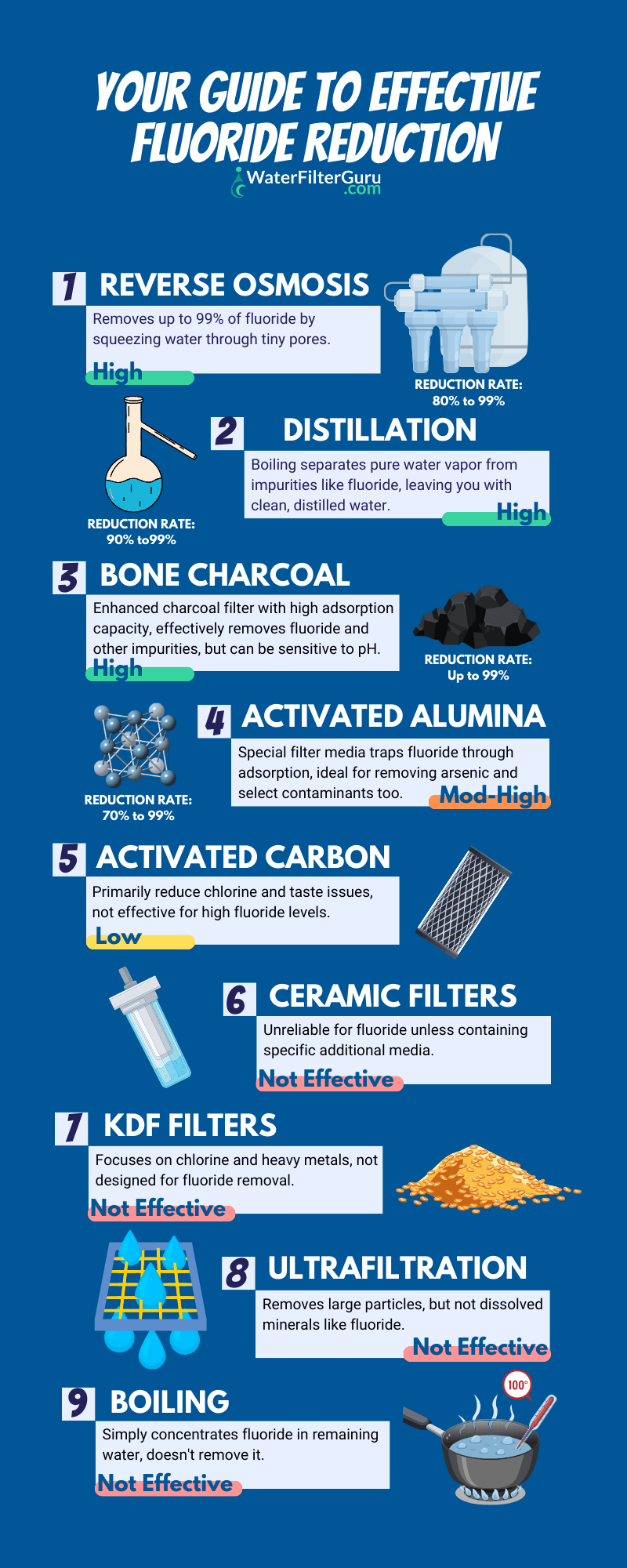
Activated carbon filters trap many chemicals. They work well for chlorine and odors. But they remove only small amounts of fluoride. These filters use porous carbon to catch impurities. They improve water taste but are less effective for fluoride.

Reverse Osmosis Systems

Reverse osmosis systems force water through a thin membrane. This membrane blocks many contaminants, including fluoride. These systems remove up to 95% of fluoride. They also filter out heavy metals and other pollutants. Reverse osmosis is one of the best options for fluoride removal.

Distillation Units

Distillation units boil water and collect steam. The steam leaves impurities behind, including fluoride. This process removes almost all fluoride from water. It also kills bacteria and viruses. Distillation units provide very pure water but use more energy.

Specialized Fluoride Filters

Specialized fluoride filters are designed to remove fluoride from water effectively. These filters use different materials and methods to reduce fluoride levels. They are ideal for people who want safer drinking water.

Each type of filter has unique features and benefits. Understanding these can help choose the right one for your needs.

Bone Char Carbon Filters

Bone char carbon filters use charred animal bones. The bones contain carbon and calcium phosphate. This material attracts and traps fluoride ions in water. Bone char filters remove up to 90% of fluoride. They also improve water taste and clarity. These filters work well in home water systems.

Alumina-based Filters

Alumina-based filters use activated alumina, a porous material. The alumina adsorbs fluoride from the water. These filters can remove fluoride efficiently. They work best with neutral to slightly acidic water. Regular filter replacement keeps performance high. Activated alumina filters are common in water purification systems.

Deionization Filters

Deionization filters remove ions from water using resin beads. These beads exchange fluoride ions with other harmless ions. Deionization offers thorough fluoride removal. It also softens water by removing minerals. These filters need regular regeneration for best results. Deionization is useful in labs and homes with high fluoride levels.
What Filter Removes Fluoride from Water: Top Effective Solutions

Comparing Filter Effectiveness

Choosing the right filter to remove fluoride from water needs careful thought. Different filters vary in how well they remove fluoride, their cost, and how they affect water taste. Comparing these factors helps find the best filter for clean, safe water.

Fluoride Removal Efficiency

Some filters remove fluoride better than others. Activated alumina filters are very good. They can remove up to 90% of fluoride. Reverse osmosis systems also work well, often removing more than 95%. Bone char filters are effective but less common. Carbon filters usually do not remove much fluoride. Check the product details for exact removal rates.

Cost And Maintenance

Filters differ in price and upkeep. Activated alumina filters are affordable but need regular replacement. Reverse osmosis systems cost more upfront and use more water. They need filter changes every 6 to 12 months. Bone char filters have moderate cost but may require special care. Think about your budget and how much time you want to spend on maintenance.

Water Taste And Quality

Some filters change water taste more than others. Reverse osmosis systems can make water taste pure and clean. Activated alumina may leave slight taste changes. Bone char filters can soften water taste. Carbon filters improve taste but do not remove fluoride well. Choose a filter that keeps your water tasty and fresh.

Choosing The Right Filter

Choosing the right filter to remove fluoride from water is important. It ensures safe drinking water for you and your family. Not all filters work the same way or remove fluoride effectively. Some types are better suited for different water qualities and household needs.

Before selecting a filter, consider testing your water and understanding filter certifications. Proper installation and use also affect how well the filter works. These steps help you pick the best filter for your home.

Testing Fluoride Levels

Test your water to know the fluoride amount. Many local labs offer water testing services. You can also buy home test kits online. Knowing fluoride levels helps choose a filter with the right capacity. Filters vary in how much fluoride they can remove.

Filter Certification Standards

Check if the filter has certification for fluoride removal. Look for NSF/ANSI Standard 58 or 53. These standards confirm the filter removes harmful substances. Certified filters provide proof of effectiveness and safety. Avoid filters without proper testing or certification.

Installation And Usage Tips

Install the filter according to the manufacturer’s instructions. Poor installation can reduce filter performance. Change filter cartridges regularly to maintain fluoride removal. Use clean water containers to avoid contamination. Keep the filter area clean and dry for best results.

What Filter Removes Fluoride from Water: Top Effective Solutions

Frequently Asked Questions

What Filter Effectively Removes Fluoride From Water?

Activated alumina filters are highly effective at removing fluoride. They adsorb fluoride ions, reducing fluoride levels to safe limits. These filters are affordable, easy to maintain, and widely used in homes and industries for fluoride removal.

Can Reverse Osmosis Remove Fluoride From Water?

Yes, reverse osmosis (RO) systems can remove fluoride effectively. RO uses a semi-permeable membrane that filters out fluoride ions and other contaminants. It’s a popular and reliable method for improving water quality and reducing fluoride content.

How Does Activated Alumina Filter Work For Fluoride?

Activated alumina filters work by adsorbing fluoride ions onto their porous surface. This process traps fluoride, lowering its concentration in water. They require regular regeneration to maintain effectiveness and are suitable for both residential and commercial water treatment.

Are There Any Other Filters That Remove Fluoride?

Besides activated alumina and RO, bone char filters can remove fluoride. Bone char uses carbonized animal bones to adsorb fluoride ions. However, it’s less common and may not be suitable for all users due to ethical concerns.

Conclusion

Removing fluoride from water is possible with the right filter. Activated alumina and reverse osmosis filters work well. They reduce fluoride levels effectively and improve water taste. Choosing a filter depends on your budget and needs. Test your water to know fluoride content first.

Clean, safe water matters for health every day. Simple steps make a big difference at home. Stay informed and pick the best filter for your family. Clean water brings peace of mind.

How to Filter Lake Water for Drinking: Easy & Safe Methods

How to Filter Lake Water for Drinking: Easy & Safe Methods

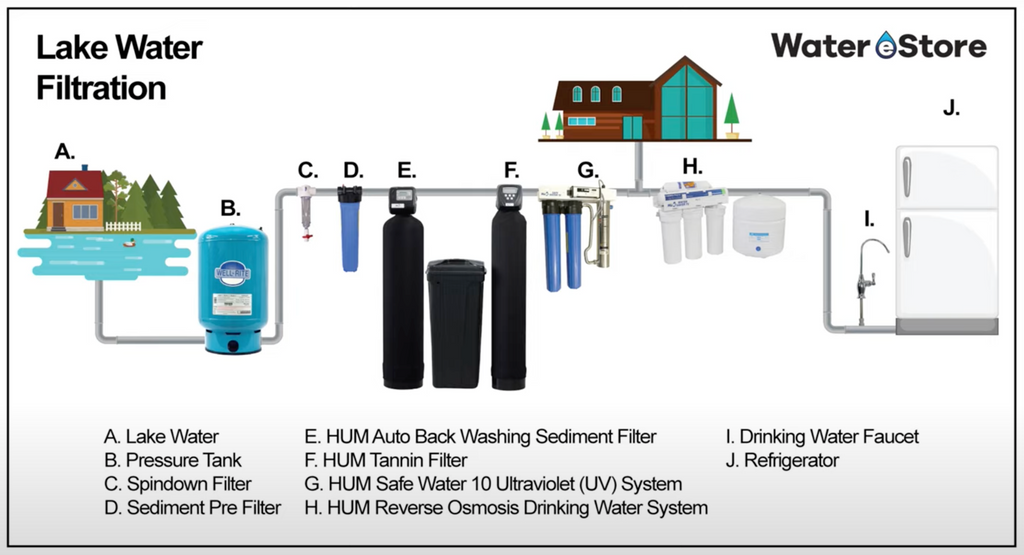
Imagine you’re out by a beautiful lake, feeling thirsty but unsure if the water is safe to drink. You might wonder, “How can I filter this water quickly and effectively?” Knowing how to filter lake water for drinking can be a lifesaver, whether you’re camping, hiking, or facing an emergency.

You’ll discover simple, practical methods to turn lake water into clean, drinkable water. By the end, you’ll feel confident and ready to protect your health anytime, anywhere. Keep reading, because your safety depends on what you do next.

Preparing Lake Water For Filtration

Preparing lake water for filtration is the first step to making it safe for drinking. This process removes large dirt and debris. It also helps protect your filter from clogging. Taking time to prepare water improves the quality and safety of your drinking water.

Collecting Water Safely

Choose water from a clean spot, away from shorelines. Avoid areas with visible pollution or dead plants. Use a clean container to collect water. Collect water from below the surface, about 6-12 inches deep. This reduces the chance of getting surface scum or insects.

Initial Sediment Removal

Remove big particles before filtering. Let the water sit in the container for 30 minutes. Dirt and heavy particles will settle at the bottom. Pour water slowly into another clean container. Avoid disturbing the sediment at the bottom. This step makes filtration easier and extends filter life.

How to Filter Lake Water for Drinking: Easy & Safe Methods

Basic Filtration Techniques

Basic filtration techniques help remove dirt and large particles from lake water. These simple methods improve water clarity and safety before drinking. They do not remove all germs but reduce visible impurities. Using common materials, you can make filters quickly and easily. These techniques work well in outdoor or emergency situations.

Using Cloth And Coffee Filters

Start with a clean cloth or coffee filter. Place it over a container or bottle opening. Pour lake water slowly through the fabric. The cloth catches leaves, sand, and bugs. Coffee filters catch smaller particles than cloth. Repeat the process several times for clearer water. This method removes visible debris but not bacteria or viruses.

Diy Sand And Charcoal Filter

Gather clean sand, charcoal, and small gravel. Use a plastic bottle or container as the filter body. Cut off the bottom for easy filling. Layer gravel at the bottom, then sand, then charcoal on top. Pour lake water slowly through the layers. The sand traps small particles. Charcoal absorbs some chemicals and odors. Gravel supports the layers and prevents clogging. Clean the materials before use to avoid contamination.

Advanced Filtration Methods

Advanced filtration methods improve the safety of lake water for drinking. They remove tiny particles, bacteria, and viruses that basic filters might miss. These methods offer reliable protection during outdoor activities or emergencies. Understanding these options helps you choose the best way to clean water effectively.

Portable Water Filters

Portable water filters are small and easy to carry. They use fine mesh or ceramic elements to trap harmful particles. Some models also remove bacteria and protozoa from the water. These filters work without chemicals and need no power. Perfect for camping or hiking trips where clean water is scarce.

Uv Light Purification

UV light purification uses ultraviolet rays to kill germs in water. It destroys bacteria, viruses, and other microorganisms by damaging their DNA. This method requires a small, battery-powered device. The process is fast, usually taking under a minute. UV purification does not change the water taste or smell.

How to Filter Lake Water for Drinking: Easy & Safe Methods

Boiling And Chemical Treatment

Boiling and chemical treatment are two simple ways to make lake water safe for drinking. Both methods kill harmful germs and bacteria that can cause illness. They do not remove dirt or particles, so it is best to filter the water first. These treatments are useful when you have no clean water source nearby.

Boiling Water For Safety

Boiling is one of the safest ways to purify water. Heat kills viruses, bacteria, and parasites. Bring the water to a rolling boil for at least one minute. At higher altitudes, boil for three minutes to be sure. Let the water cool before drinking. Boiling does not change the taste much but makes water safe quickly.

Using Water Purification Tablets

Water purification tablets are easy to carry and use. They contain chemicals like chlorine or iodine. Drop the tablet into the water and wait the time listed on the package. The chemicals kill most germs and parasites in the water. Use tablets after filtering to remove large particles. Tablets are lightweight and good for camping or emergencies.

Storage And Handling Of Filtered Water

After filtering lake water, proper storage and handling keep it safe to drink. Clean containers and careful use stop germs from getting back in. Store water correctly to keep it fresh and healthy for longer periods.

Clean Containers For Storage

Always use clean containers for storing filtered water. Choose food-grade plastic, glass, or stainless steel bottles. Rinse containers with hot, soapy water before use. Let them dry completely to avoid mold growth. Avoid containers that held chemicals or non-food items.

Avoiding Contamination

Keep containers sealed tightly to stop dirt and insects. Store water in a cool, dark place away from sunlight. Use a clean cup or ladle to pour water. Never touch the inside of containers with dirty hands. Replace stored water every few days to maintain freshness.

How to Filter Lake Water for Drinking: Easy & Safe Methods

Signs Of Unsafe Water

Knowing the signs of unsafe water is key before drinking from a lake. Water can look clean but still contain hidden dangers. Recognizing these signs helps protect your health and avoid illness. Always check the water carefully before use.

Identifying Contaminants

Contaminants in lake water can be invisible or clear. Look for unusual colors like green, brown, or cloudy water. Floating debris, foam, or scum on the surface are warning signs. A bad smell, such as rotten eggs or chemicals, means the water is unsafe. Wildlife activity near the water can also indicate contamination.

When To Avoid Drinking Lake Water

Avoid drinking lake water after heavy rain. Runoff often brings dirt and pollutants into the lake. Stay away if you see algae blooms, which can release toxins. Do not drink water near factories or farms. These places may pollute water with chemicals or waste. If water tastes strange or bitter, do not drink it.

Frequently Asked Questions

How Do I Filter Lake Water For Safe Drinking?

To filter lake water, first remove large debris using a cloth or fine mesh. Then, use a portable water filter or boil the water for at least one minute to kill bacteria and parasites. Finally, store the water in a clean container to keep it safe.

What Are The Best Portable Filters For Lake Water?

Best portable filters include pump filters, gravity filters, and straw-style filters. Look for filters with a pore size of 0. 1 to 0. 3 microns to remove bacteria and protozoa. Ensure the filter is lightweight, durable, and easy to clean for outdoor use.

Can I Drink Lake Water After Boiling It?

Yes, boiling lake water for at least one minute kills harmful pathogens like bacteria, viruses, and parasites. At higher altitudes, boil water for three minutes. Boiling does not remove chemical pollutants, so filtration might still be necessary.

How Do I Remove Chemicals From Lake Water?

To remove chemicals, use activated carbon filters or water purification tablets designed for chemical contaminants. These methods adsorb or neutralize harmful chemicals, making water safer to drink. Always combine chemical treatment with filtration or boiling for best results.

Conclusion

Filtering lake water for drinking takes care and patience. Use proper steps: remove large debris, filter particles, and purify thoroughly. Clean water means safer drinking and better health. Always choose reliable methods and tools. Stay safe by testing water quality if possible.

Drinking untreated lake water risks illness. Clean water supports outdoor adventures and emergencies. Keep learning about water safety to protect yourself. Simple steps create big benefits for your health. Safe drinking water is a vital part of any trip.

What is a Polishing Filter (Post Carbon) in RO System?

What is a Polishing Filter (Post Carbon) in RO System?

A polishing Filter or post-carbon filter (T33) absorbs fumes or halogens, improves the taste of potable water, and increases bleach content. It is designed to remove unwanted tastes, odors, and organic compounds from your water before it is consumed. 

This filter utilizes activated carbon to absorb any impurities in the water and is the final step in your RO process (except UV light and Mineral Filter). The polishing filter (T33) is necessary to improve your water’s overall taste and quality and can significantly reduce chlorine, taste, and odor. Polishing filters are usually made of activated carbon powder, which helps to absorb and remove small particles and other pollutants that the RO membrane may have missed. This filter will also help protect the other components within your RO system from any chemical damage. 

How to Measure the Best Quality Polishing Filter? 

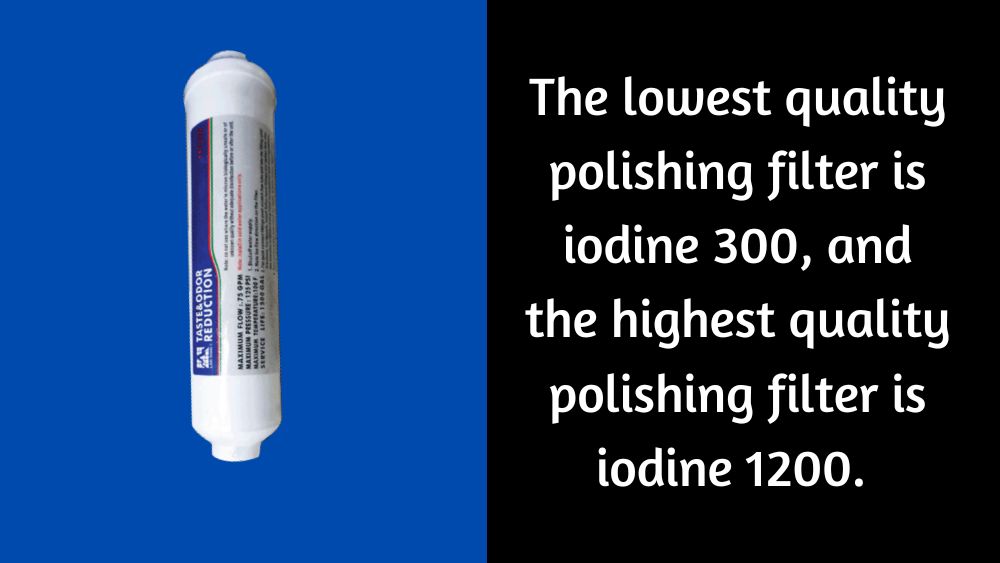
The iodine number measures the effectiveness of the polishing filter (T33 filter). Iodine number refers to the amount of Iodine (negative ion) absorbed by one gram of carbon. Iodine numbers indicate purity, absorption capacity, effective range, fineness of pores, etc. The lowest quality polishing filter is iodine 300, and the highest quality polishing filter is iodine 1200. The technical features of polishing filters are- 

  • The maximum operating pressure is between 14.5 and 58 psi
  • The ambient temperature ranges from 5-40 degrees Celsius/41-104 degrees Fahrenheit
quality of polishing filter

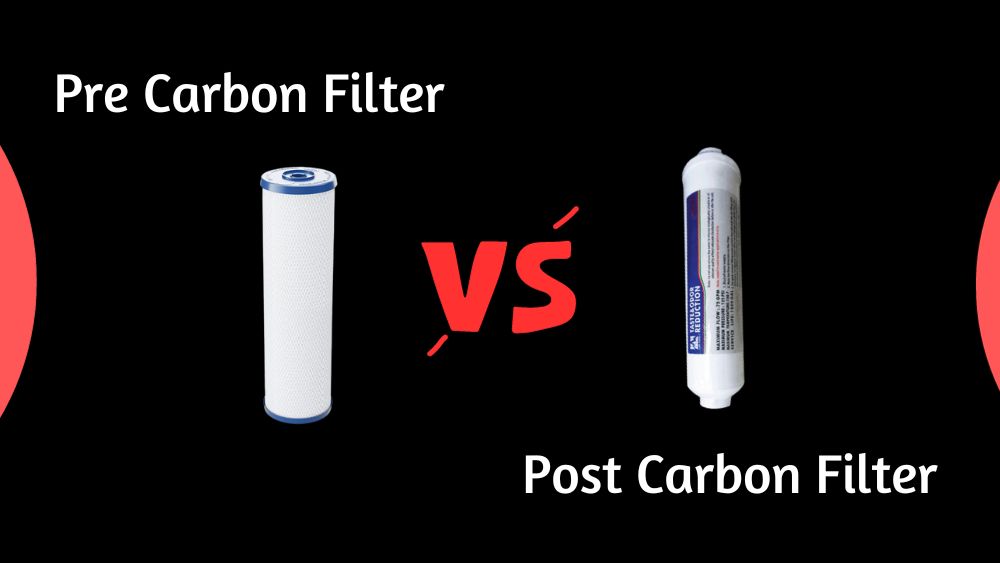
Pre Carbon Filter vs. Post Carbon Filter (Polishing Filter)

Carbon and post-carbon filters are the most common filters used in RO water filtration systems for homes and businesses. Carbon filters are typically used in 2nd stage of the RO system and work to remove chlorine, dissolved gases, odors, and other contaminants from the water. 

A post-carbon filter is then used to polish the water to reduce any remaining contaminants further. The main function of the polishing filter is to increase the taste of water. 

Both filters are important to ensure clean, safe, and great-tasting water. Ultimately, the type of filter used should be based on the specific impurities present in the water being filtered.

Activated Carbon Filter

Features

  • Made of Granular Activated Carbon
  • Lifespan is approximately one year
  • Get rid of chlorine, dissolved gases, bad taste, and odor
  • Use before the RO membrane

Polishing Filter

Features

  • Made of  Carbon Powder
  • Lifespan is approximately one year to two years
  • Increase the taste of water
  • Use after the RO membrane

The Pre Carbon Filter, placed before the RO membrane, primarily focuses on removing large particles, sediment, and certain chemical impurities, safeguarding the RO membrane from clogging. On the other hand, the Post Carbon Filter, situated after the RO membrane, is dedicated to enhancing the taste and odor of the treated water by effectively eliminating volatile compounds like chlorine.

Pre Carbon Filter in RO System Post Carbon Filter in RO System
Placement in RO System: Placement in RO System:
Pre Carbon Filters are typically installed before the Reverse Osmosis (RO) membrane, serving as the initial stage of filtration. Post Carbon Filters are usually the final stage in an RO system, placed after the RO membrane and other filters.
Purpose: Purpose:
To keep the RO membrane from clogging and prolong its life, pre-carbon filters mostly concentrate on eliminating bigger particles, silt, and certain chemical contaminants. Post Carbon Filters are designed to enhance the quality of the treated water by removing volatile compounds, such as chlorine odor and taste, as well as residual chemicals, to provide better-tasting and odor-free water.
Filtration Stage: Filtration Stage:
Pre Carbon Filters are typically the first stage in an RO system. As the last component of a RO system, post carbon filters guarantee that the water is better prepared for ingestion.
Contaminant Removal: Contaminant Removal:
Pre Carbon Filters reduce sediment, rust, chlorine, and some chemicals, mainly focusing on water purity and protecting the RO membrane. The primary purpose of post carbon filters is to eliminate residual chemicals and the taste and odor of chlorine, greatly improving the taste and odor of treated water.
Filter Media: Filter Media:
Pre Carbon Filters may use activated carbon or sediment filters as the primary filter media. These filters primarily utilize Granular Activated Carbon (GAC) as the filter media to effectively remove volatile compounds.
Impact on Water Quality: Impact on Water Quality:
Though they have no effect on flavor or odor, pre-carbon filters are essential for preserving water purity and protecting the RO membrane. Polishing Filters are essential for improving the taste and odor of the treated water, enhancing the overall water quality for consumption.
Replacement Frequency: Replacement Frequency:
Pre Carbon Filters are generally replaced less frequently than post carbon filters since they primarily deal with larger particles. Because post carbon filters are exposed to chemicals and volatile substances that shorten their lifespan, they usually need to be replaced more frequently.
When to change the post-carbon filters

Does a polishing filter increase the taste of water?

Yes, a polishing filter increases the taste of water. After RO filtration, polishing filters (post-carbon filters or T33) are used. Post-carbon filters use activated carbon power to absorb some impurities and leave behind water that has a better taste and is odorless. 

When to change the post-carbon filters? 

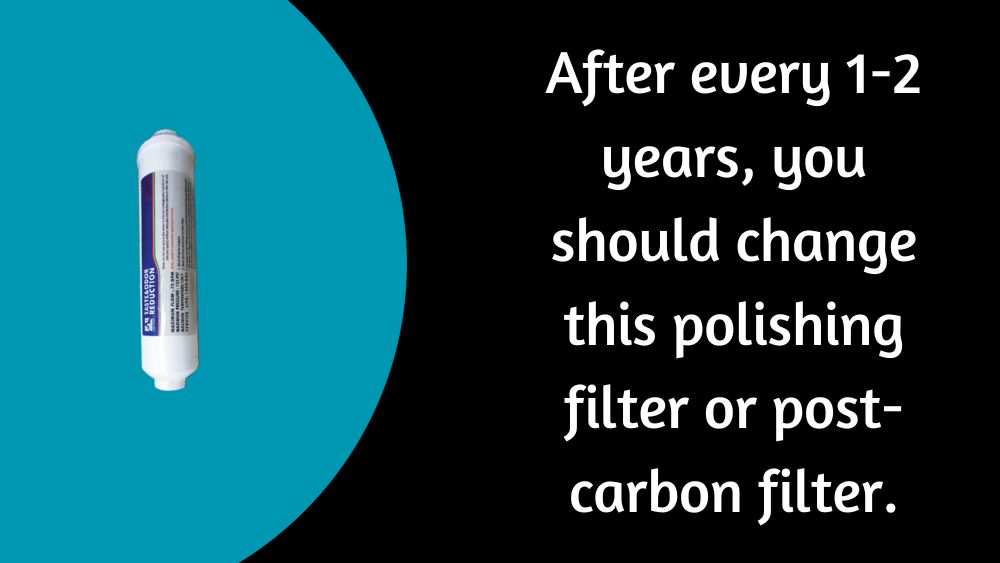
After every 1-2 years, you should change this polishing filter or post-carbon filter. Only RO-purified water passes through the polishing filter, so it doesn’t require as much maintenance as other filters. 

What do pre-carbon filters and post-carbon filters target in terms of contaminant removal?

Pre Carbon Filters reduce sediment, rust, chlorine, and certain chemicals, focusing on maintaining water purity and safeguarding the RO membrane. Post Carbon Filters mainly remove chlorine odor and taste, along with residual chemicals, significantly improving water taste and odor.

How can I tell if my Post Carbon Filter needs replacement?

Post-carbon filters typically need replacement when you notice a decline in water taste and odor. Manufacturers often provide recommended replacement intervals, which should be followed to maintain water quality.

Final Words

In conclusion, a T33 polishing filter can be valuable to any home RO water filtration system. Removing unwanted tastes and odors can improve the taste of potable water and increase bleach content.

What Contaminants Does Reverse Osmosis Remove? 97%!

What Contaminants Does Reverse Osmosis Remove? 97%!

How reverse osmosis removes contaminants?

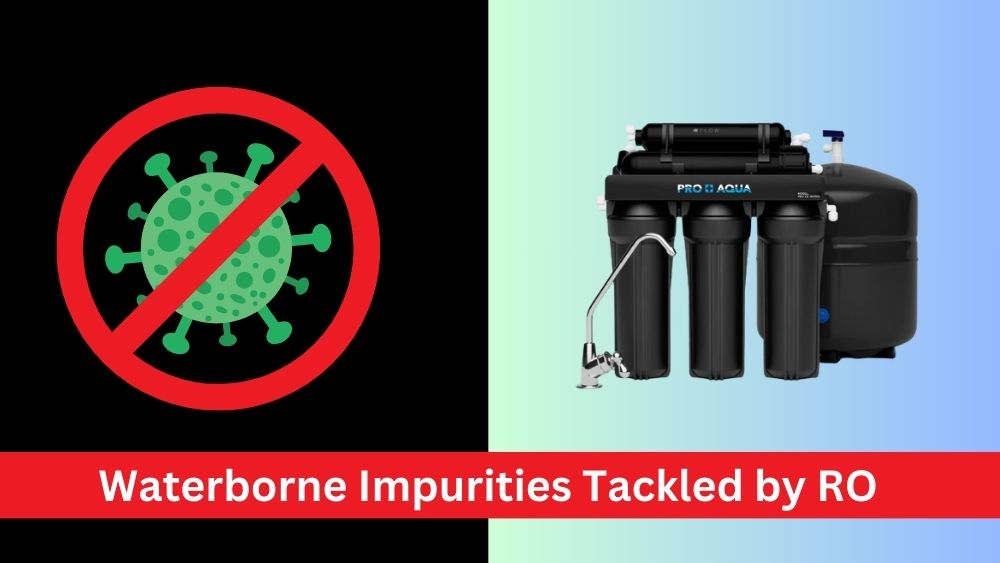
A reverse osmosis system (RO) eliminates contamination from water by 95% to 99%. However, the RO filtration process does not guarantee that every single contaminant will be removed from drinking water. 

70% of households rely on tap water for their drinking water needs, and 27% rely on groundwater. As a result, there is a possibility that these water resources may contain a variety of disease-causing microbiological contaminants, such as viruses, bacteria, fungi, and other harmful impurities. 

About 72-80 per cent of our body is water. According to the World Health Organization, water is the direct or indirect cause of 80% of the world’s diseases. The role of safe water is important in the elimination of various wastes produced in the body and temperature control. For this reason, you should drink at least two to three liters of safe water daily.

Multiple stages of filtration are used in reverse osmosis systems to purify water. Several filters pass the water, including a sediment filter, a carbon filter, and a polishing filter. 

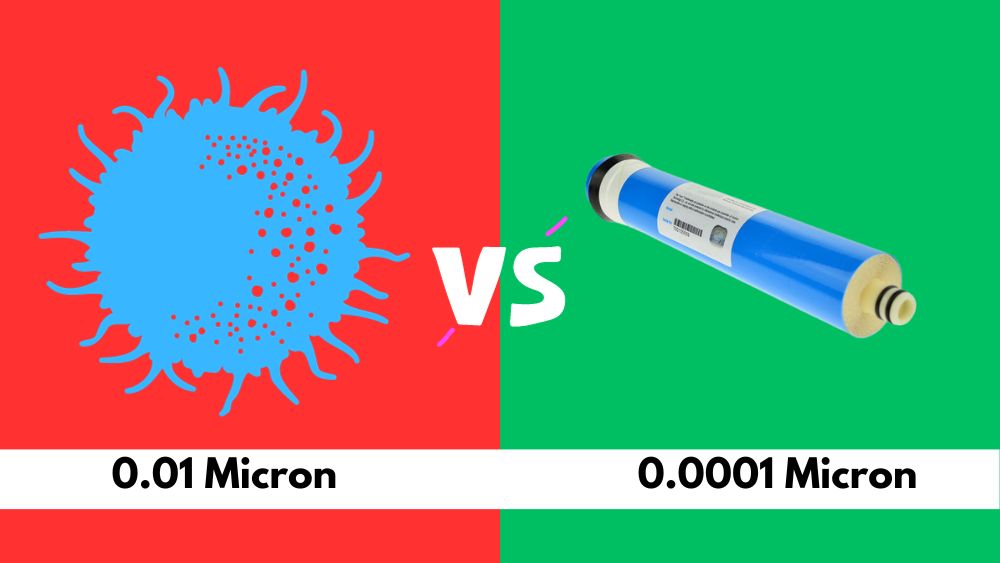
The higher concentration solution goes to the lower concentration in the RO filtration system. As a first step, osmotic pressure is applied to normal water to direct it towards the reverse osmosis membrane. The mother organ of Reverse Osmosis is RO Membrane. The pore size of a RO membrane is 0.0001 microns. 

A booster pump presses the water, and the surface tension forces the water through the reverse osmosis membrane. Therefore, only dissolved oxygen and mineral-rich water are released. In addition, the membrane’s 0.0001-micron semi-permeable filter prevents all the elements of water greater than 0.0001 microns. Consequently, RO Systems remove bacteria, viruses, and chemical contaminants. 

bacteria vs ro membrane

Does reverse osmosis remove bacteria?

The answer is yes. The diameter of the smallest bacteria (microorganism) in the world is 0.01 micron, which is 100 times larger than the diameter of each hole in the RO membrane. 

As a result, bacteria can not pass the RO membrane. So the water remains utterly bacteria-free in the post RO filtration. The point to be noted is that the Reverse Osmosis system does not kill bacteria. Instead, it filters out the bacteria and drains the contaminated water down the drainage line. 

We know that there are several stages of the RO Filtration system. For example, after the RO membrane, there are post carbon filters (polishing filters), mineral filters, alkaline filters, etc. But the question is, what will be the solution if the bacteria grow in these filters? 

Therefore, UV light is the only solution to destroy these bacteria. Additionally, UV light must be the last step in the RO system. So as to ensure no bacteria remain in the water after passing through it. 

However, UV light is effective only in the case of transparent water. A variety of UV filters are available on the market with varying capacities. Therefore, checking if the RO Water Purifier has an 11-watt UV filter before purchasing is essential. 

Which bacteria does reverse osmosis remove?

It is common for bacteria to be single-celled organisms and are naturally present in water. Like everything else on the planet, the water on Earth is full of bacteria. Some bacteria are beneficial, and some are not. For example, Escherichia coli (E.coli) bacteria grow in humans’ excretion. It can get into the water and cause health problems and sickness. 

Harmful bacteria in your water are Escherichia Coli (E. Coli), Campylobacter Jejuni, Hepatitis A, Giardia Lamblia, Salmonella, Legionella Pneumophila, Cryptosporidium, etc. 

The smallest bacteria (microorganism) in the world has a diameter of 0.01 microns. It is 100 times larger than each RO membrane hole. As a result, no bacteria can not pass the RO membrane. 

The water from your kitchen faucet and drinking water may contain viruses.

Does reverse osmosis remove viruses?

Reverse Osmosis Systems are highly effective at removing viruses. The reverse osmosis process can remove various viruses, including, Enteric, Norovirus, Rotavirus, Adenovirus, etc. 

Water from your kitchen faucet or drinking water containing viruses may enter your body through your mouth. In addition to being able to survive in water, viruses that can survive in water are a significant problem. It is effortless for them to spread from one person to another and from one place to another.

The Reverse Osmosis (RO) membrane in an RO system has a minimum pore size of about 0.001 micron. On the other hand, the virus size is between 0.02-0.25 micron, much smaller than the diameter of viruses. Thus, an RO system is undoubtedly effective at removing viruses.

Does reverse osmosis remove chlorine?

Yes! Reverse Osmosis filtration systems remove chlorine by filtering it through a Chlorine Taste and Odour (CTO)filter. The most common 5 stages of reverse osmosis are- 

  • A Sediment filter 
  • A Granular Activated Carbon (GAC) filter
  • A Chlorine Taste and Odour (CTO)filter
  • A Reverse Osmosis (RO) membrane
  • A Post Carbon Filter or Polishing filter 

At the Granular Activated Carbon & Chlorine Taste and Odour stage, most of the chlorine has been removed. Then the job of RO Membrane starts working. The Size of the chlorine atom is 0.000175 micrometers. But the pore size of the RO membrane is 0.0001 micrometers. So that means the chlorine atom is greater than the RO membrane pore size. As a result, reverse Osmosis water filter reduces chlorine and other water pollutants by up to 98 percent. 

RO System Removes Arsenic

Does reverse osmosis remove arsenic?

Arsenic (As) is a white to grey and natural component of the earth. Nevertheless, arsenic is one of the most toxic metals found in rocks, soil, plants, air, and even water. Agricultural and industrial sources may also discharge it into the environment.

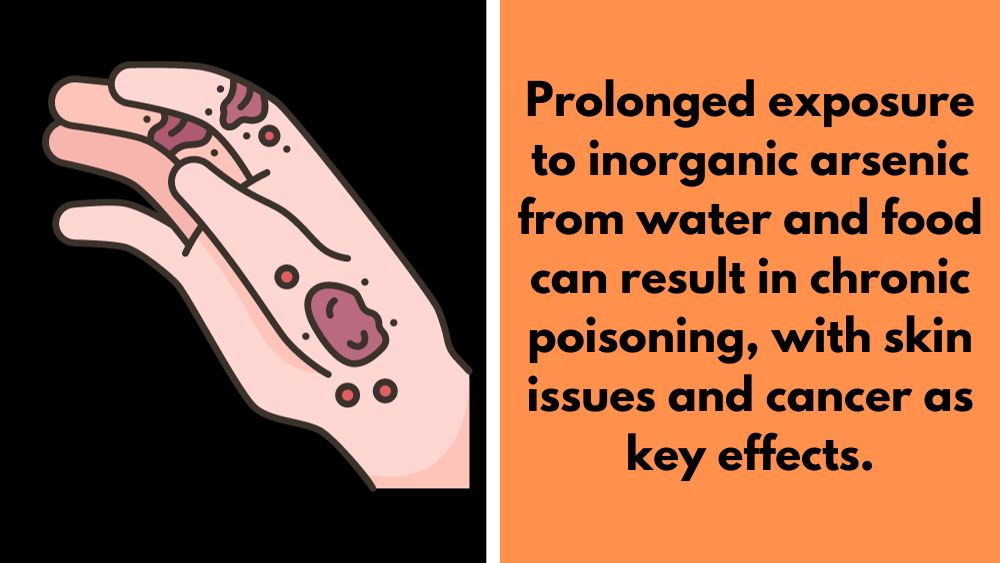
Long-term exposure to inorganic arsenic, mainly through drinking water and food, can lead to chronic poisoning. Skin lesions and skin cancer are the most characteristic effects.

Arsenic compounds come in two major divisions. They include:

Inorganic arsenic

The inorganic form of arsenic is formed whenever arsenic is combined with metals and elements other than carbon. Therefore, the most dangerous form of arsenic is inorganic. In addition, inorganic arsenic, bonded to oxygen atoms, can also be found in groundwater, rice, cereal grains, and other foods. 

Organic arsenic

The term organic arsenic refers to arsenic, which is mixed with carbon and other elements. Compared to inorganic arsenic compounds, these compounds are much less harmful. Some foods, such as fish and marine life, can contain these compounds because they consume algae containing arsenic compounds. 

A Reverse Osmosis System is the most cost-effective method for removing arsenic from a household water supply. Reverse Osmosis is the only filtration method that removes the contamination from the micrometer to the nanometer. 

RO membranes have microscopic pores that are specially sized to allow only water molecules to pass through. Also, it prevents the molecules of chlorine, fluorine, bromine, lead, iron, chromium, and surely arsenic. 

An accurate RO Membrane’s Pore Size is 0.0001 microns smaller than arsenic’s atomic size of 0.000185 microns. So reverse osmosis filtration can free water from arsenic and other heavy substances.

According to research, RO can remove arsenic by 80% to 99%. 

Reverse osmosis removes iron from water

Does reverse osmosis remove iron?

Problems that can occur as a result of using iron-rich water include:

  • Black spots on the skin
  • Itching
  • Yellow or red teeth
  • Hair loss

Besides, iron causes red spots in the basin and water container. Washing clothes with iron water can also cause red spots on clothes.

The two most common types of iron are found in the water. One is Ferrous, and another one is Ferric. 

  • Ferrous Iron –  Ferrous Iron is entirely transparent, clear, and colorless. These Irons are dissolved (Soluble) in water, which is why this type of iron can not be seen with an open eye. 
  • Ferric Iron – Ferric Iron causes the water to be little brown or yellow. So anybody can realize the presence of iron in the water. This type of iron is not dissolved in water (insoluble). 

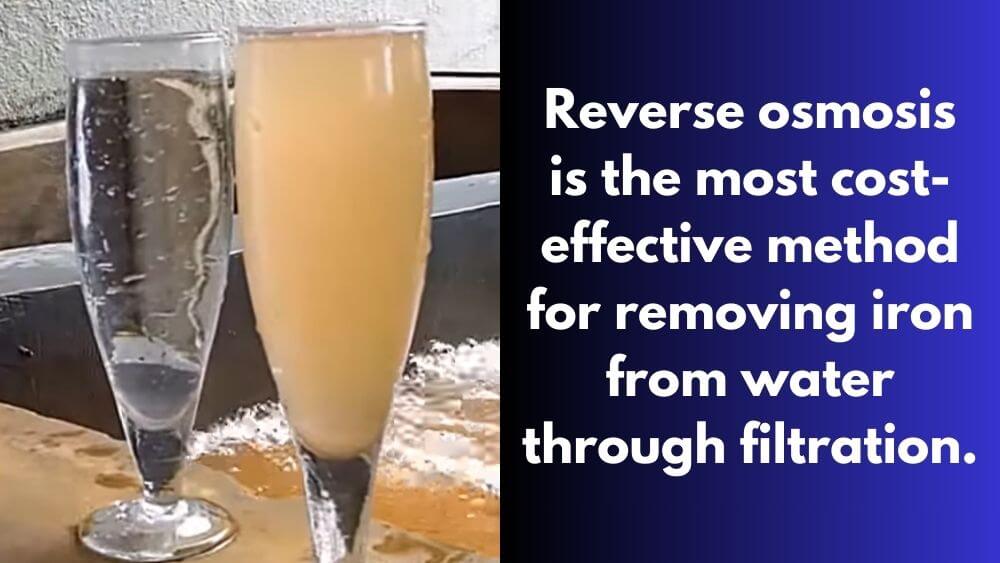
The reverse osmosis systems filtration method is the most economical way to remove iron from water. Especially reverse Osmosis is the best option to remove Ferric iron from water. The reverse osmosis filtration method can remove up to 99% Ferric iron. 

On the other hand, Reverse Osmosis is less effective in removing Ferrous iron from water. Adding an extra filter called iron reducer will help you to get the best possible outcome against Ferrous Iron. Ensuring an additional iron reducer filter will remove 98% of iron from water.  

Only an RO system is enough to remove Ferrous Iron but will decrease the lifetime of the RO membrane. Therefore, before installing a RO system in your home, ensure which iron is available in your local area. 

Does reverse osmosis remove heavy metals?

The straightforward answer is yes! Because the pore size of the Reverse Osmosis membrane is smaller than the diameter of the heavy metal. The common heavy metals of water are- Lead, Arsenic, Cadmium, Chlorine, Bromine, Fluorine, Iron, etc. 

  • Lead in water destroys the functioning of the nervous system, respiratory system, reproductive system, and excretory system (kidney) and causes death.
  • Arsenic in water can cause skin diseases, heart disease, blood circulation disorders, and lung and gallbladder cancer.
  • Cadmium in water can cause kidney disease, osteoporosis, and cardiovascular disease.
  • Halogen in water (chlorine, bromine, etc. used in the purification process) causes liver cancer, kidney tumor, bronchitis, pneumonia, etc., and damages the respiratory organs.
  • Moreover, if we do not use safe water, we can be affected by typhoid, cholera, diarrhea, dysentery, hepatitis, and salmonella.

Relevantly noted, the shape of a lead atom is 0.000202 micrometer, the shape of a chlorine atom is 0.000175 micrometer, the shape of a cadmium atom is 0.000158 micrometer, the shape of an arsenic atom is 0.000185 micrometer. The pore size of the reverse osmosis (RO) membrane is 0.0001 micrometer. As a result, lead, arsenic, chlorine, cadmium, or any other heavy metals cannot enter the water by crossing this membrane.

Does reverse osmosis remove microplastics? 

Surely a good Reverse Osmosis filtration system removes microplastics effectively. The sediment and carbon filter stage will remove most of the microplastics. As a result, the RO membrane begins its filtration process and removes all microplastic. 

No microplastic is smaller than the pore size of the RO membrane. In addition, the membrane’s 0.0001-micron semi-permeable filter prevents all the microplastic of water. 

Microplastics result from the breakdown of larger plastics in household work and the development of commercial products. Microplastics can enter the water from various sources, like plastic equipment, especially non-food-grade plastic equipment. The best possible result is to get rid of microplastic using Reverse Osmosis water filtration. 

Does reverse osmosis remove minerals?

Unfortunately, the straightforward answer is Yes! But before understanding the whole thing, you can not decide that RO filtration is bad for the human body. 

Reverse Osmosis (RO) removes more than 90% of Total Dissolved Solid (TDS) from water. Here, the RO system does not consider the TDS good or bad. Instead, it just removes the good and bad impurities neutrally. Minerals greater than the pore size of the RO membrane are filtered out.

Now the question can come, how RO system will compensate for the minerals that have been filtered out? The answer is easy, water is not the main source of minerals for the human body. Food and meat is the main source of minerals for the human body. Therefore, only a small amount of vegetables can compensate for the minerals of RO water. Using a mineral filter with an RO system for more minerals is a great option. 

What is not removed by reverse osmosis?

Some impurities are molecularly smaller than the pore size of the RO membrane. These impurities can be harmful or helpful to the human body. That means anything in the water smaller than 0.0001 microns can pass the RO membrane.  

The following list is the name of elements that the Reverse Osmosis system can not remove- 

  • Formaldehyde
  • Methanol
  • Acetonitrile
  • Nitro nitro soly methyl amino
  • Calcium and magnesium
  • Potassium 
  • Sodium
  • Copper
  • Zinc
  • Fluoride
  • Phosphorous
  • Pesticides, Herbicides & Fungicides
  • Some dissolved gasses, like ammonia, carbon dioxide, oxygen, hydrogen sulfide, etc. 

The removal rates of RO Membrane vary from one brand to another. It’s also hard to treat all organics the same. For different RO membranes, rejection rates will vary depending on the solute molecular weight.

Final Words

The way reverse osmosis removes elements, no such technology can detect healthy or unhealthy molecules from water. So it’s impossible to separate the good stuff from the bad things from water. So lastly, we can conclude that Reverse Osmosis is the most effective method for filtering water compared to other methods. 

Stages of Reverse Osmosis System | 1 to 7 Stages

Stages of Reverse Osmosis System | 1 to 7 Stages

What is Reverse Osmosis Filtration?

Reverse osmosis (RO) is a water purification process that can reduce the water’s 95% to 99% contamination. A RO system uses a semi-permeable membrane to remove contaminants and sediments from water, such as lead, arsenic, chlorine, etc. 

How does Reverse Osmosis Filtration work? 

The reverse osmosis water filtration system is a widely known water purification process in the developed world. Even after boiling water, many harmful substances remain unhealthy for our human body. But in the reverse osmosis system, water is completely purified without any heat generation. After filtering the water in this process, the water does not contain any harmful elements, which reduces pressure on our kidneys. 

In reverse osmosis purification, the higher concentration solution goes to the lower concentration. First, normal water is directed towards the reverse osmosis membrane by applying osmotic pressure. The reverse Osmosis (RO) filter has a membrane size of 0.0001 microns. The membrane’s 0.0001-micron semi-permeable screen prevents unhealthy and harmful substances from passing through.  

Next, the water is pressurized using a booster pump, and the surface tension forces the water to pass through the reverse osmosis membrane. As a result, only dissolved oxygen and mineral-rich water come out. 

Furthermore, the diameter of the smallest microorganism in the world is 0.01 micron, which is 100 times larger than the diameter of each hole in the RO membrane. As a result, no bacteria or viruses are present in the RO process, and the water is always safe for drinking. The Total Dissolved Solid (TDS) reduction rate of the RO filter is 95% to 97%. On the other hand, harmful substances, dirt, and sand come out through the drainage line.

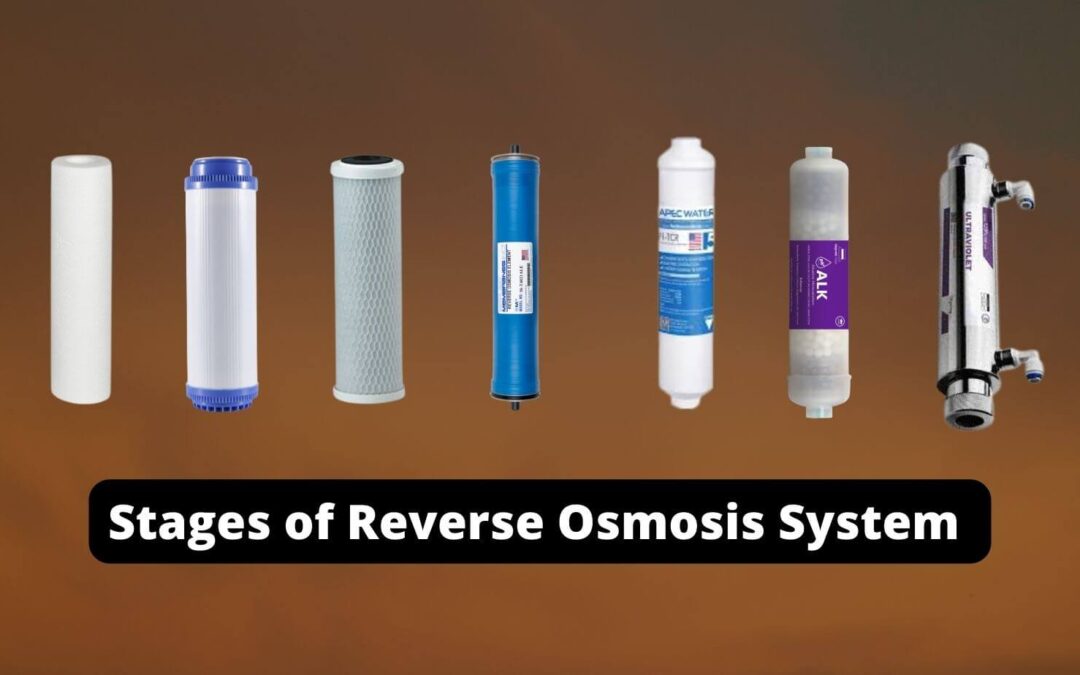
7  Stages of Reverse Osmosis System

  1. Sediment Filter or Polypropylene Filter
  2. Granular Activated Carbon Filter 
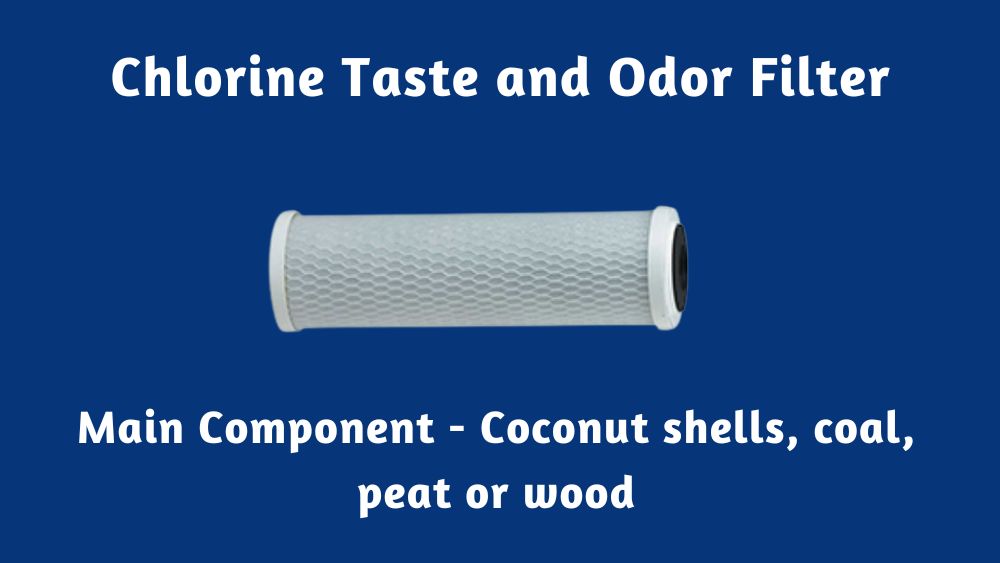
  3. Chlorine Taste and Odor Filter 
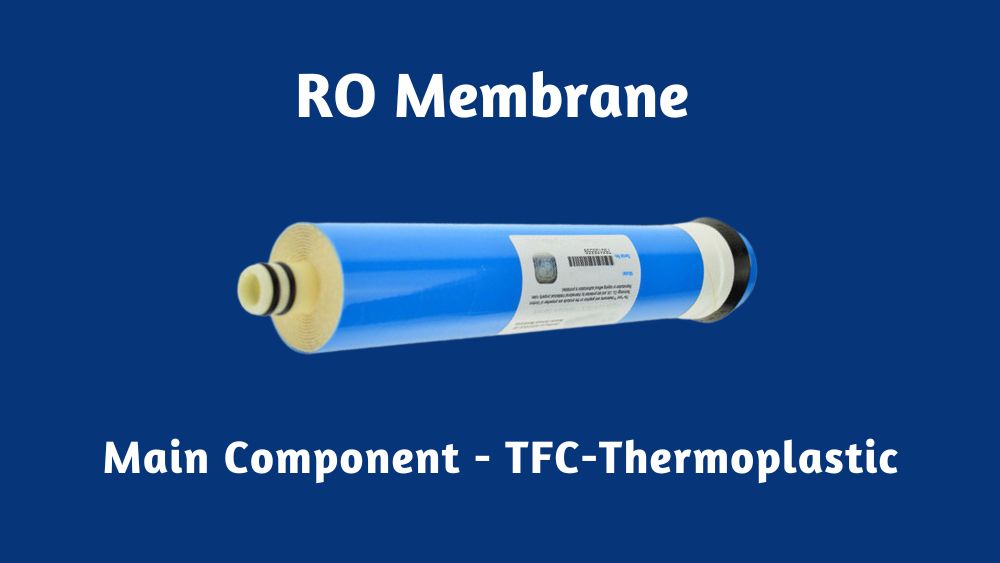
  4. Reverse Osmosis Membrane 
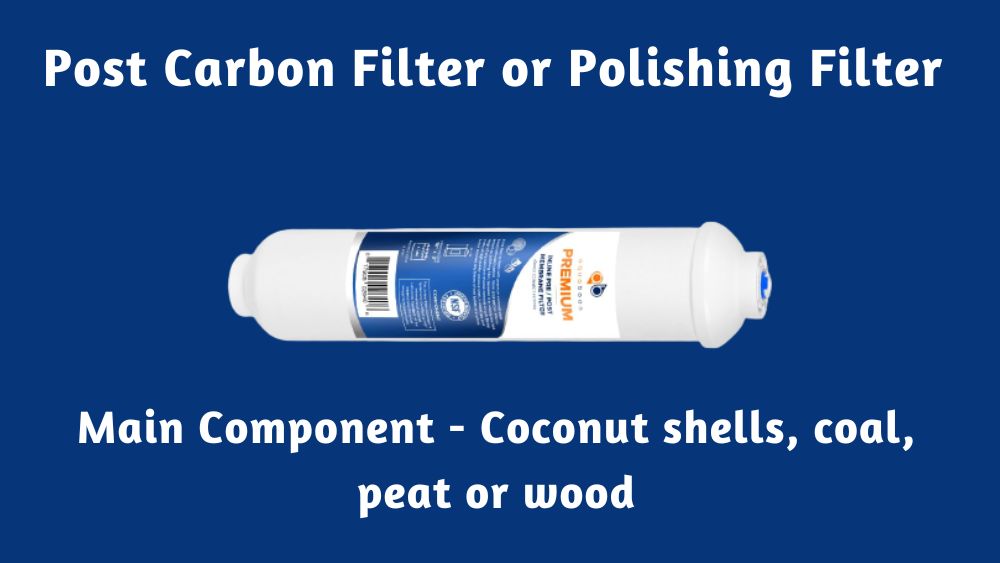
  5. Post Carbon Filter (Polishing Filter) 
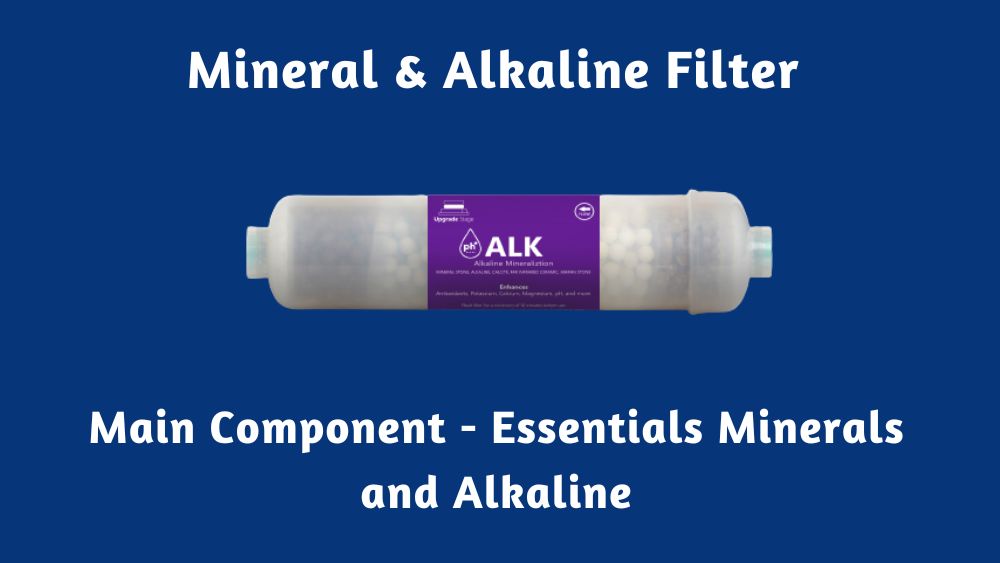
  6. Mineral & Alkaline Filter 
  7. Ultraviolet (UV) 
Sediment Filter or Polypropylene Filter

1st Stage – Sediment Filter

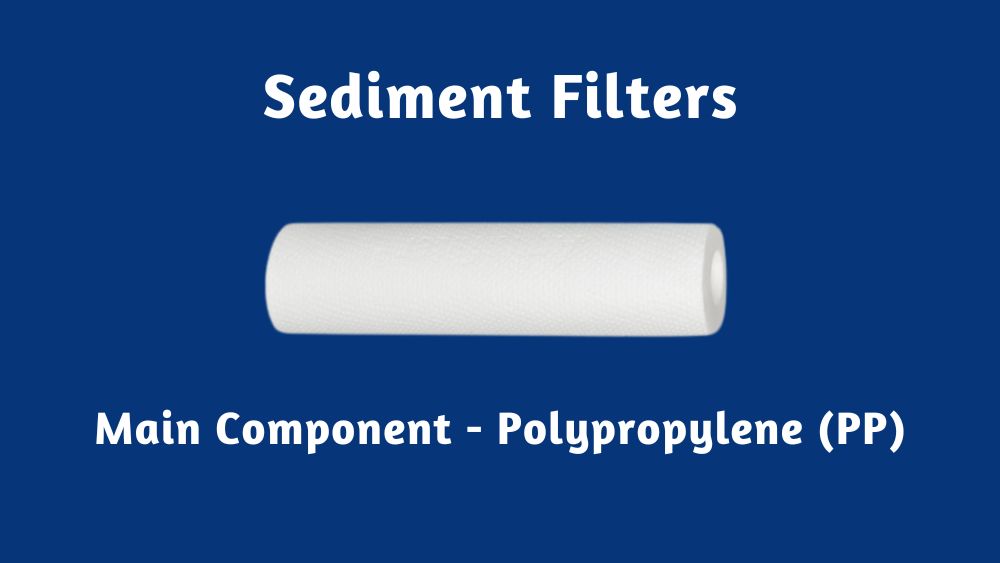
Sediment or Polypropylene (PP) filters are a type of porous filter made from thermoplastics. It is generally used as the first stage of RO Water Purifier. This stage removes mainly insoluble particles (soil, sand, silt, organic waste, etc.) from water. 

The efficiency of the sediment filter depends on the fineness of its pores. A sediment filter with more refined pores can trap more impurities, so the sediment filter’s value is determined based on the pore shape. Generally, a smaller pore sediment filter is higher in weight. 

5″, 6″, 8″, and 10″ lengths of sediment filters are available in the market for home use. In addition, sediment filters on the market have pore sizes ranging from 0.45, 1, 5, and 10 microns and weights ranging from 70, 80, 100, 120, and 150 grams. Among these, a 10″ extended sediment filter with 0.45-micron pores of 150 gm weight is the best in the market for home use.

A good quality sediment filter increases the service life of the RO Membrane of the RO water purifier. In addition, as RO Membrane is more expensive, the cost is also saved with a good quality sediment filter. 

Granular Activated Carbon Filter

2nd Stage – Granular Activated Carbon Filter

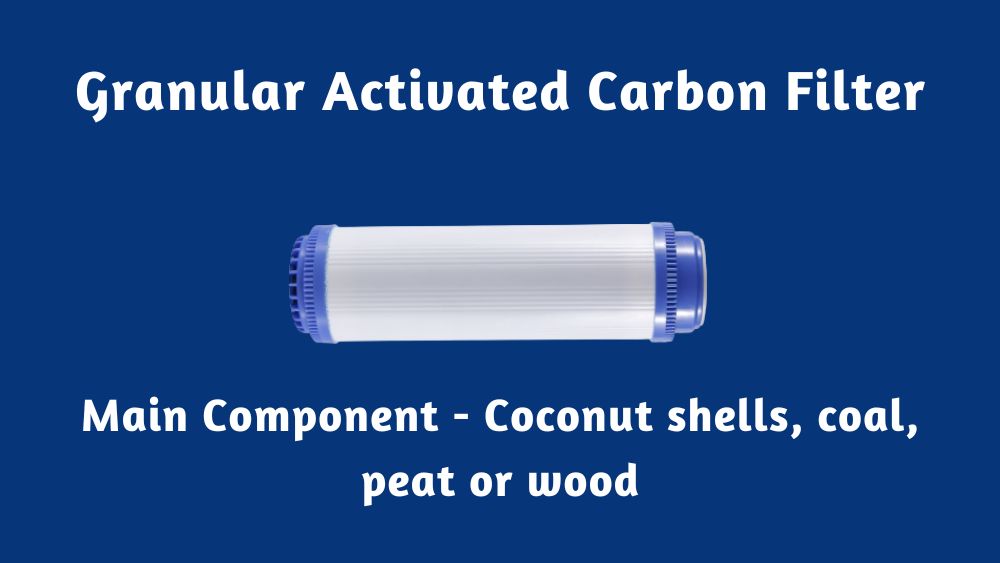
Activated carbon is prepared by heating coconut shells or coal without oxygen.

Iodine number is a measure of the effectiveness of activated carbon. The number of milligrams of iodine that can be absorbed by 1 gram of carbon is called the iodine number of that carbon. Purity, absorption capacity, effective range, fineness of pores, etc., are collectively expressed as iodine numbers.

Granular Activated Carbon (GAC) is granular carbon. Gaseous elements and odors of water are removed through this stage. Granular Activated Carbon (GAC) with different iodine numbers is available in the market. For example Iodine – 300, Iodine – 800, Iodine – 1100, Iodine – 1200 etc are available. 

High-quality activated carbon is Iodine – 1100 and Iodine – 1200

Chlorine Taste and Odor Filter

3rd Stage – Chlorine Taste and Odor Filter

Chlorine Taste and Odor (CTO) is a porous screen of activated carbon. Activated carbon is prepared by heating coconut shells or coal without oxygen.

Iodine number is a measure of the effectiveness of activated carbon. The number of milligrams of iodine that can be absorbed by 1 gram of carbon is called the iodine number of that carbon. Purity, absorption capacity, effective range, fineness of pores, etc., are expressed together with iodine number. Negative ions and odors in the water are removed through this stage.

CTO with different iodine numbers is available in the market. For example  Iodine – 300, Iodine – 800, Iodine – 1100, Iodine – 1200. High-quality CTOs are Iodine – 1100 and Iodine – 1200. 

RO Membrane filter

4th Stage – RO Membrane 

The Reverse Osmosis (RO) Membrane is a semi-permeable membrane with tiny pores, which is the main component of RO water purifiers. The pore size of decent quality RO membrane is 0.0001 micron. The water flows through the screen by applying intense pressure on the RO membrane with the help of a booster pump. Since the pore size of the screen is 0.0001 micron, all substances and ions larger than the pore size are trapped.

Research has shown that a suitable RO membrane traps all heavy substances and 97-98% of ions; Only 2-3% of covalent ions (sodium and potassium) exist in water. However, potassium and sodium are helpful for the human body. 

The efficiency of the RO water purifier depends on the decent quality (0.0001-micron pore size) RO membrane. The better the quality of the RO membrane of the RO water purifier, the more efficient the RO water purifier is.

The booster pump and RO membrane capacity of any RO water purifier should be equal. Because if the capacity of the booster pump is greater than the capacity of the RO membrane, the dissolved ions can pass through the membrane as a result of excess pressure. Similarly, if the capacity of the booster pump is less than the capacity of the RO membrane due to low pressure, in that case, sufficient water will not be available through the membrane as per the demand.

For this reason, NSF, ANSI, and EPA certified by ISO 9001: 2008, RO Filtration technology does not support customization.

The amount of water that will filter through the RO water purifier within the specified time depends on the capacity of the RO membrane. So RO water purifier with high capacity RO membrane and booster pump with equal capacity is more effective.

There are different capacities and brands of RO membrane in the market. For domestic use, there are 50 GPD, 75 GPD, 100 GPD, etc.

Post Carbon Filter (Polishing Filter)

5th Stage – Post Carbon Filter or Polishing Filter 

The post-carbon filter is also prepared by heating coconut shells or coal without oxygen. It is an activated carbon as well. 

Iodine number is a measure of the effectiveness of activated carbon. The number of milligrams of Iodine (negative ion) absorbed by 1 gram of carbon is called the iodine number of that carbon. Purity, absorption capacity, effective range, fineness of pores, etc., are collectively expressed as iodine numbers.

The post-carbon filter (known as the T-33 filter) is made of activated carbon powder. Through this stage, water taste is increased, and clarity is protected.

The post-carbon filter with different iodine numbers is available in the market. The best post-carbon filter is Iodine – 1100 or 1200. 

Mineral & Alkaline Filter

6th Stage – Mineral & Alkaline Filter 

Minerals are substances and ions dissolved in water. Generally, drinking water contains beneficial minerals along with some harmful minerals such as arsenic, lead, phosphate, cadmium, chromium, chlorine, selenium, silver, iron, ferrocyanide, etc.

In Reverse Osmosis (RO) method, all the harmful substances and ions in the water are removed. However, a small number of beneficial substances and ions remain. Mineral and Alkaline Filters can be used to maintain the mineral balance of drinking water and increase the PH value.

Mineral and Alkaline filters are available in the market. Following the polishing, the mineral and alkaline filter is added. 

Ultraviolet (UV) Light

7th Stage – Ultraviolet (UV) 

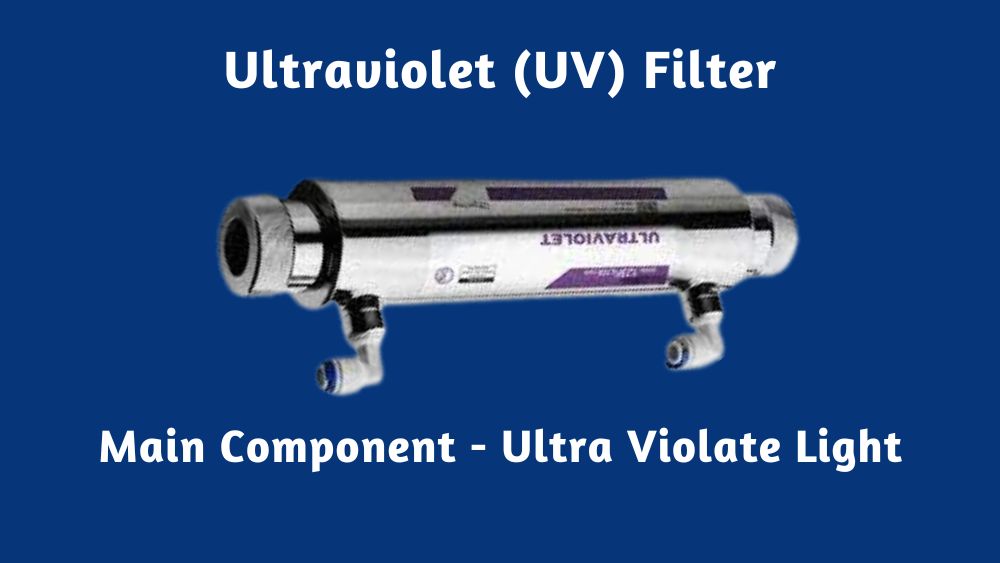
The UV filter is a tube chamber of an RO water purifier. This filter is used to destroy organisms present in water by emitting ultraviolet rays.

Ultra Violate rays are emitted into the water through the Ultra Violate Lamp with the help of electric power inside the tube chamber. Organisms present under the influence of this ray are destroyed immediately.

If a good quality RO membrane with 0.0001-micron pores is used, all types of viruses, bacteria, and harmful heavy substances are removed from the water. However, after the RO Membrane, the polishing filter or mineral filter can also contain bacteria. Therefore, UV light destroys these bacteria and provides safe water. 

A good quality RO membrane and UV lamp make the water safe and pure. However, this filter is effective only in the case of transparent water. 

There are different brands of UV filters in the market with various capacities. Therefore, before buying an RO Water Purifier, check if it has a good quality UV filter of 11 watts. 

Final Words

The number of stages in a reverse osmosis system varies from four to seven. We hope this article will give you a better understanding of reverse osmosis filtration stages. Furthermore, you can choose what to use based on your preferences.