Is hard water causing you headaches? You might notice spots on your dishes, dull-looking skin, or even clogged pipes.
It’s frustrating, right? You’re probably wondering if a water filter can fix these problems. The answer isn’t as simple as you think. Keep reading to discover how water filters work with hard water and whether they’re the right solution for you.
This could change the way you handle your water for good.
What Is Hard Water
Hard water is water that has a high amount of minerals, especially calcium and magnesium. These minerals come from rocks and soil and dissolve into the water as it moves through the ground. Hard water is common in many areas and can cause problems at home and for your health.
Sources Of Hard Water
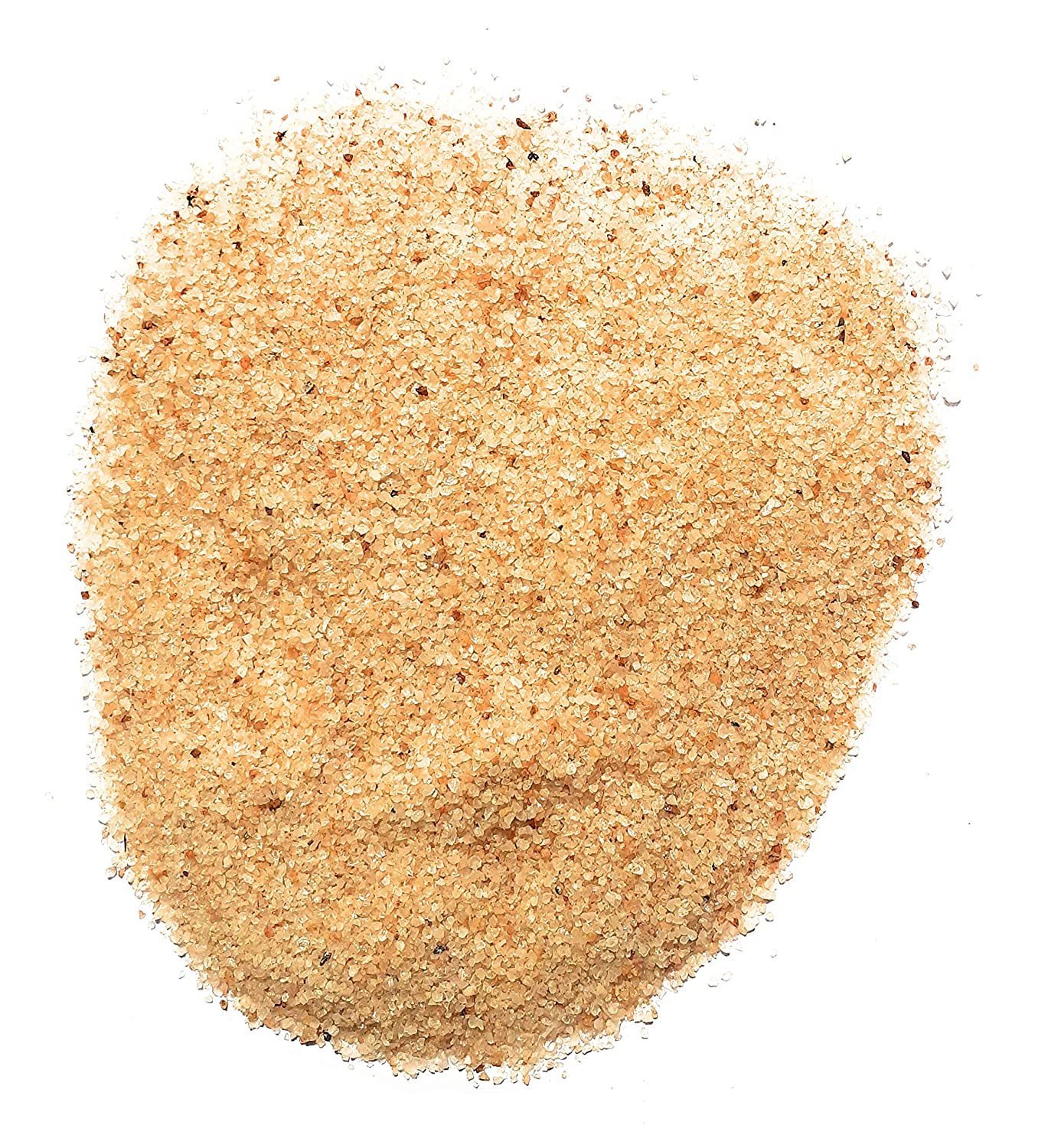
Hard water mainly comes from underground sources. Water passes through limestone, chalk, or gypsum, picking up minerals. These minerals increase the water’s hardness. Well water and some city water supplies can have hard water. Rainwater and surface water like rivers usually have low mineral content.
Effects On Home And Health
Hard water leaves spots on dishes and glassware. It reduces soap’s ability to make bubbles. Soap may not clean well and can leave a residue on skin and hair. Hard water can clog pipes and damage appliances like water heaters. Drinking hard water is mostly safe but may taste bitter. Some people with sensitive skin may notice dryness or irritation.
How Water Filters Work
Water filters play a key role in improving water quality. They remove impurities and particles from water. Understanding how water filters work helps you choose the right one for your needs.
Filters use different methods to clean water. Some trap dirt and chemicals. Others change the water’s properties to reduce hardness. Each type has a specific purpose.
Types Of Water Filters
There are many types of water filters. Carbon filters remove chlorine and bad tastes. Sediment filters catch sand and dirt. Reverse osmosis filters force water through a fine membrane, removing many impurities.
Some filters use UV light to kill bacteria. Each filter targets different contaminants. Knowing your water’s problem helps pick the best filter.
Filtration Vs. Softening
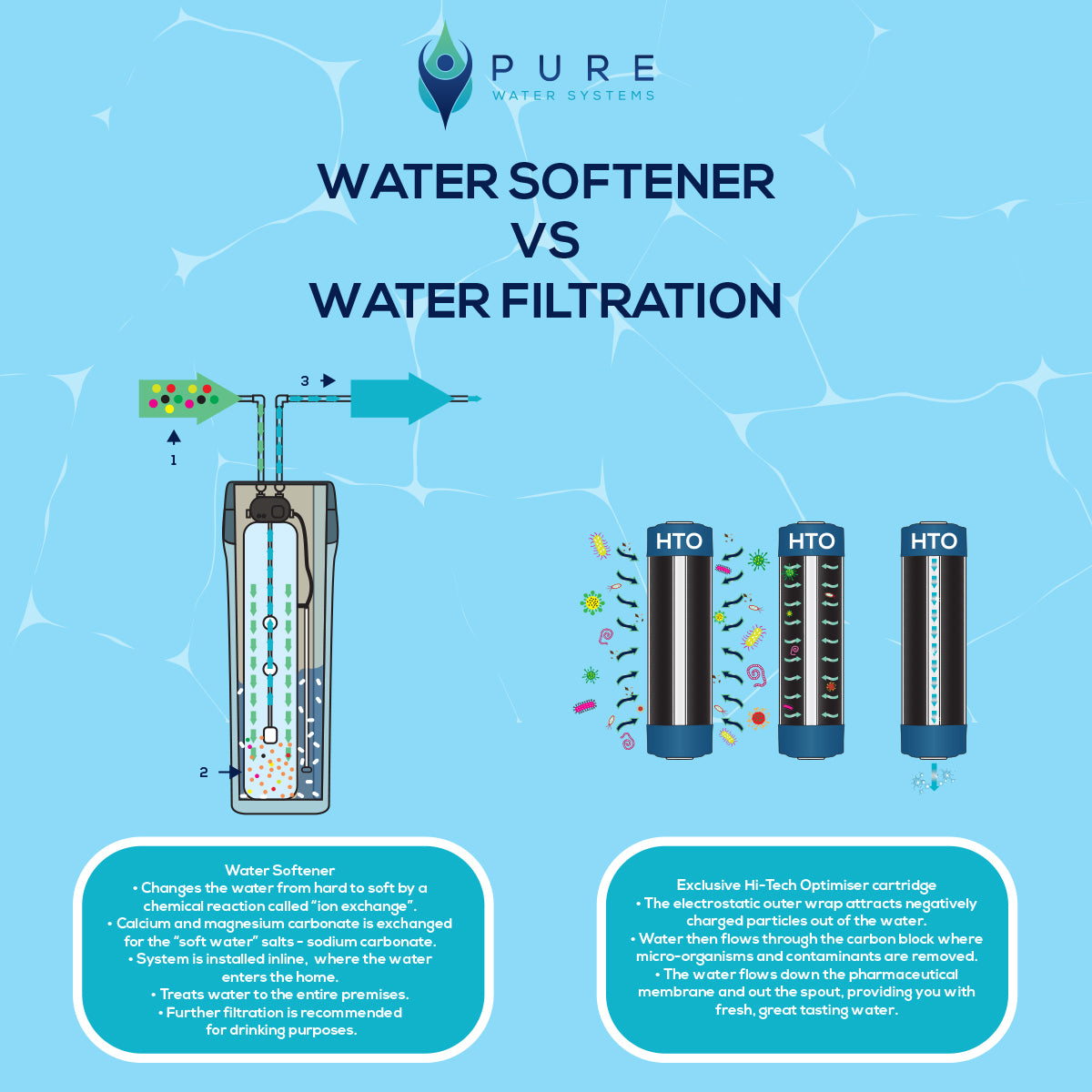
Filtration and softening are not the same. Filters clean water by trapping particles and chemicals. Softening removes minerals like calcium and magnesium that cause hardness.
Water softeners use salt or special beads to replace hard minerals. Filters do not remove hardness but improve taste and clarity. Softening protects pipes and appliances from damage caused by hard water.
Can Water Filters Treat Hard Water
Hard water has a high level of minerals like calcium and magnesium. These minerals cause scaling and affect water taste. Many wonder if water filters can solve hard water issues. The answer depends on the type of filter used.
Limitations Of Standard Filters
Most common water filters remove chlorine, dirt, and bad smells. They do not remove hard minerals from water. Standard filters cannot stop scale buildup in pipes or appliances. These filters improve taste but do not soften water.
Role Of Specialized Filters
Special filters exist to treat hard water specifically. Water softeners are the most common type. They replace calcium and magnesium with sodium or potassium. This process reduces hardness and prevents scale. Reverse osmosis systems also remove hard minerals but use more energy. Specialized filters are needed to treat hard water effectively.
Effective Solutions For Hard Water
Hard water causes many problems in homes. It leaves spots on dishes, clogs pipes, and reduces soap’s effectiveness. Choosing the right solution can improve water quality and protect plumbing. Several methods help reduce hardness and improve water use.
Each solution works differently to tackle minerals like calcium and magnesium. Understanding these options helps you pick the best fit for your needs and budget.
Water Softeners Explained
Water softeners remove hardness minerals by replacing them with sodium or potassium. They use a process called ion exchange. Hard water passes through a tank filled with resin beads. These beads attract calcium and magnesium, swapping them with softer ions.
This method prevents scale buildup in pipes and appliances. Softened water feels smoother and improves soap lather. Water softeners require salt refills and regular maintenance for best results.
Reverse Osmosis Systems
Reverse osmosis (RO) systems filter water through a semi-permeable membrane. This membrane blocks most minerals and impurities. RO produces very pure water, removing hardness and other contaminants.
These systems install under sinks or at the main water supply. RO water tastes better and is healthier for skin and hair. They need occasional filter replacement to keep working well.
Magnetic And Electronic Conditioners
Magnetic and electronic conditioners change how hardness minerals behave. They do not remove minerals but stop them from sticking to surfaces. These devices use magnets or electric fields on water pipes.
This process reduces scale buildup inside pipes and appliances. Conditioners are easy to install and need little upkeep. Their effectiveness varies depending on water hardness and flow.
Choosing The Right System
Choosing the right water filter system is key to handling hard water effectively. Not all filters work the same. Some target minerals that cause hardness, while others focus on improving taste or clarity. Picking the right system saves money and improves water quality at home.
Assessing Water Hardness Levels
Start by checking how hard your water is. Water hardness is measured by the amount of calcium and magnesium. These minerals cause scale buildup and affect water taste. Testing kits are available online or at local stores. Knowing hardness levels helps select a filter that matches your needs.
Cost And Maintenance Factors
Filter systems vary in price and upkeep. Some need frequent cartridge changes, others require minimal care. High upfront cost may mean less maintenance later. Choose a system that fits your budget and lifestyle. Consider filter lifespan and replacement costs for long-term savings.
Benefits Of Treating Hard Water
Treating hard water offers many benefits for your home and health. Hard water contains minerals that cause problems over time. Removing these minerals improves daily life in several ways.
Improved Appliance Lifespan
Hard water causes mineral buildup inside appliances. This buildup reduces efficiency and causes damage. Using a water filter stops this problem. Appliances like dishwashers and washing machines last longer. They use less energy and work better.
Better Skin And Hair Health
Hard water leaves minerals on your skin and hair. This can cause dryness and irritation. Softened water feels gentler and cleans better. Skin stays hydrated, and hair looks healthier. Many people notice less itching and softer skin.
Enhanced Cleaning Efficiency
Minerals in hard water reduce soap’s effectiveness. Clothes and dishes may come out dull or spotted. Treating hard water helps soap lather well. Cleaning becomes easier and more thorough. You save soap and water while getting better results.
Frequently Asked Questions
What Does A Water Filter Remove From Hard Water?
A water filter mainly removes sediments and chlorine but may not remove hardness minerals. Hard water contains calcium and magnesium. Specialized filters like water softeners target these minerals to reduce hardness effectively.
Can A Regular Water Filter Soften Hard Water?
No, regular water filters do not soften hard water. They improve taste and remove contaminants. To soften hard water, use a water softener or a filter designed for hardness reduction.
How Does Hard Water Affect Household Appliances?
Hard water causes scale buildup in appliances. This reduces efficiency and lifespan. Using a water softener or appropriate filter can prevent damage and maintain appliance performance.
Are Water Softeners Better Than Water Filters For Hard Water?
Yes, water softeners are more effective for hard water. They remove calcium and magnesium ions, reducing hardness. Water filters improve water quality but don’t soften hard water.
Conclusion
A water filter can reduce some effects of hard water. It removes certain minerals that cause scale and taste issues. Still, not all filters work the same way. Choosing the right filter matters a lot. Some filters soften water, while others only clean it.
Testing your water helps find the best option. Clean water feels better on skin and hair. It also protects appliances from damage. Simple steps can improve your water quality. A good filter makes daily water use easier and healthier. Consider your needs before deciding on a filter.
Hasan Al Sarker is a Reverse Osmosis Specialist. He has worked for many years to ensure safe drinking water for all. His research paper has been published in several journals, including Issue, Medium, and Slideshare. He is recognized as a water doctor among specialists though he did not attend medical college.
Besides working as a researcher of reverse osmosis technology, he is also very fancy with the kitchen and cooking. His guides are reading thousands of people every day. As a head of content, he is responsible for all the published articles at RO System Reviews.
Are you worried about the quality of your tap water? You’re not alone.
Many people don’t realize what’s really in their water until they start looking for a solution. Choosing the best tap water filter can feel overwhelming with so many options available. But don’t worry—this guide will help you find the perfect filter for your home.
By the end, you’ll know exactly what to look for to protect your health and enjoy fresh, clean water every day. Keep reading to discover the best tap water filter that fits your needs and lifestyle.
Why Tap Water Needs Filtering
Tap water is a basic need in every home. It looks clean but can hide many impurities. Filtering tap water makes it safer and better to drink. Understanding why tap water needs filtering helps you choose the right filter for your family.
Common Contaminants In Tap Water
Tap water may contain dirt, rust, and tiny particles. Chemicals like chlorine and fluoride are often added for safety. Sometimes, harmful metals like lead and mercury get into water. Bacteria and viruses can also be present. These contaminants can affect taste and safety.
Health Risks Of Unfiltered Water
Drinking unfiltered water can cause stomach problems. Harmful metals may damage organs over time. Chemicals in water can affect skin and hair. Bacteria and viruses can lead to infections. Children and elderly people are more vulnerable to these risks.
Benefits Of Filtering Tap Water
Filtering removes harmful chemicals and metals. It improves water taste and smell. Filtered water is safer for cooking and drinking. It helps protect your health every day. Using a water filter saves money on bottled water.
Types Of Tap Water Filters
Tap water filters come in different types. Each type works in a unique way to clean your water. Understanding these types helps you choose the right filter for your needs. Here are the main types of tap water filters.
Activated Carbon Filters
Activated carbon filters remove chlorine, bad taste, and odors. They work by trapping impurities in tiny pores. These filters improve water smell and flavor. They do not remove minerals or salts.
Reverse Osmosis Systems
Reverse osmosis systems push water through a thin membrane. This process removes many contaminants like lead, arsenic, and fluoride. These systems produce very pure water. They also waste some water during filtration.
Ultraviolet (uv) Filters
UV filters use ultraviolet light to kill bacteria and viruses. They do not remove chemicals or particles. These filters are good for disinfecting water. UV filters need electricity to work.
Ceramic Filters
Ceramic filters have tiny holes that block dirt and bacteria. They do not remove chemicals or viruses. These filters are reusable and easy to clean. Ceramic filters work well in areas with dirty water.
Ion Exchange Filters
Ion exchange filters swap harmful ions with safer ones. They reduce water hardness and remove heavy metals. These filters help prevent scale buildup in pipes. They need regular maintenance to work well.
Key Features To Consider
Choosing the best tap water filter means knowing what features matter most. These features affect water quality, ease of use, and overall value. Focus on key points to make a smart choice. Understand how each factor can impact your daily water use and health.
Filtration Efficiency
Filtration efficiency shows how well a filter removes impurities. Look for filters that reduce chlorine, heavy metals, and bacteria. A high-efficiency filter ensures cleaner and safer water. Check if the filter meets recognized standards for water purification.
Filter Lifespan And Replacement
Filter lifespan affects how long the filter works before changing. A longer lifespan means fewer replacements and less hassle. Know how often you must replace the filter to keep water clean. Replacement filters should be easy to find and affordable.
Installation And Maintenance
Easy installation saves time and effort. Choose a filter that fits your tap without special tools. Regular maintenance keeps the filter working well. Look for simple cleaning steps and clear instructions. A low-maintenance filter suits busy lifestyles.
Cost And Budget Factors
Cost includes the filter price and ongoing expenses like replacements. Compare prices to find a filter that fits your budget. Don’t choose the cheapest option without checking quality. Balance cost with performance for the best value.
Water Flow Rate Impact
Water flow rate affects how fast water comes out of the tap. Some filters slow down the flow too much. Pick a filter that maintains good water pressure. This keeps your daily tasks like cooking and drinking easy.
Top Tap Water Filters In The Market
Choosing the right tap water filter can improve your water quality and taste. Many filters offer different features to meet various needs. Some focus on removing chemicals, others target hard water minerals. A good filter ensures cleaner, safer water for your home or on the go.
Best Overall Filter
The best overall filter balances price, performance, and ease of use. It removes most common contaminants like lead, chlorine, and bacteria. This filter fits standard taps and requires minimal maintenance. It provides fresh, clean water for everyday use.
Best Budget Option
Budget filters offer essential purification without high costs. They effectively reduce chlorine and sediment in tap water. These filters are simple to install and replace. A great choice for people who want clean water on a tight budget.
Best For Hard Water
Hard water filters soften water by reducing minerals like calcium and magnesium. These minerals cause scale build-up and affect taste. This type of filter protects pipes and appliances from damage. It also improves water softness for drinking and cooking.
Best For Removing Chlorine
Chlorine filters target and remove chlorine taste and smell. Chlorine is commonly used to treat city water but affects flavor. These filters use activated carbon to absorb chlorine effectively. Ideal for those sensitive to chlorine or who want better-tasting water.
Best Portable Filter
Portable filters are compact and easy to carry. They work well for travel, camping, or emergencies. These filters remove bacteria and impurities from various water sources. A practical solution for clean water anywhere you go.
How To Choose The Right Filter
Choosing the right tap water filter can feel confusing. Many options exist, and each serves different needs. This guide helps you pick a filter that suits your water and lifestyle. Simple steps make your choice easier. Start by understanding your water quality and what features matter most. Think about the space where you will put the filter. Finally, see what others say about the filters you like.
Assessing Your Water Quality
Test your tap water to know what it contains. Check for chlorine, lead, or other impurities. Use a home test kit or ask your local water supplier. Knowing your water quality helps pick the right filter type. For example, some filters remove chemicals while others block heavy metals.
Matching Filter Features To Needs
Choose a filter based on what you want to remove. Consider filters for taste, odor, or specific contaminants. Look for certifications to ensure quality. Some filters improve taste only, while others remove bacteria or fluoride. Match filter abilities with your water test results.
Considering Space And Setup
Think about where you will install the filter. Some filters fit under the sink, others sit on the counter. Check the size and ease of installation. If you rent, a simple pitcher filter might work best. Make sure the filter fits your kitchen and your lifestyle.
Reading Reviews And Ratings
Read reviews from real users to learn about filter performance. Look for comments about ease of use and filter lifespan. Ratings help find trusted brands and models. Avoid filters with many negative reviews or complaints. User feedback reveals what to expect in daily use.
Installation Tips And Tricks
Installing a tap water filter correctly ensures clean water and saves money. Follow simple steps for easy setup. Avoid common mistakes that can cause leaks or poor water flow. Regular care keeps the filter working well for a long time.
Step-by-step Installation Guide
First, turn off the water supply under the sink. Next, choose the right spot for the filter. Attach the filter to the cold water line using the provided connectors. Use plumber’s tape on threaded parts to stop leaks. Connect the filter’s output hose to the faucet or dispenser. Turn on the water slowly and check for leaks. Flush the filter as per the manual to clear out any dust or particles.
Common Installation Mistakes
Do not skip turning off the water before starting. Avoid forcing parts together; this can break fittings. Do not install the filter in a hot water line; it may damage the filter. Check that all connections are tight but not overtightened. Forgetting to flush the filter before use can cause bad taste. Install the filter in a place easy to reach for future maintenance.
Maintaining Your Filter System
Replace filters on time to keep water clean and safe. Clean the filter housing regularly to avoid buildup. Check connections for leaks every few months. Use only recommended parts for repairs or replacements. Keep a record of filter changes to track maintenance. Proper care extends the life of your water filter system.
Improving Water Taste And Smell
Tap water often has a strange taste or smell. This can make drinking water unpleasant. Improving the taste and smell of water makes it easier to stay hydrated. Water filters help remove things that cause bad flavors and odors. Clean, fresh-tasting water encourages more water drinking every day.
Filters That Enhance Flavor
Some filters improve water taste by removing chemicals like chlorine. Chlorine often makes water taste bitter or sharp. Carbon filters are popular for this task. They absorb chlorine and other bad-tasting substances. This leaves water tasting fresh and clean. Filters can also remove metals like iron and copper, which add odd flavors. The result is water that tastes pure and smooth.
Removing Odors From Tap Water
Bad smells in water come from chlorine and sulfur compounds. These odors can be strong and unpleasant. Special filters target these compounds to clear the smell. Activated carbon filters work well to trap odor-causing particles. Some filters use additional layers to remove sulfur smells. Removing odors makes water more appealing to drink. Clean smelling water feels safer and more natural.
Frequently Asked Questions
What Is The Best Type Of Tap Water Filter?
The best tap water filter depends on your needs. Common types include activated carbon, reverse osmosis, and ceramic filters. Activated carbon is great for chlorine and taste. Reverse osmosis removes most contaminants. Choose based on water quality and budget.
How Often Should I Replace My Tap Water Filter?
Most tap water filters should be replaced every 3 to 6 months. Filter lifespan depends on usage and water quality. Regular replacement ensures effective contaminant removal and better water taste. Check manufacturer guidelines for specific filter replacement schedules.
Can Tap Water Filters Remove Fluoride?
Some tap water filters remove fluoride, but not all. Reverse osmosis and activated alumina filters are effective against fluoride. Standard carbon filters usually do not remove fluoride. Check product specifications if fluoride removal is important for you.
Are Tap Water Filters Easy To Install?
Yes, most tap water filters are easy to install. Many models come with simple instructions and require minimal tools. Installation can often be done in minutes under the sink or attached to the faucet. Choose user-friendly options for hassle-free setup.
Conclusion
Choosing the best tap water filter depends on your needs and budget. Clean water helps keep you healthy every day. Filters remove dirt, chemicals, and bad taste from water. Some filters work better for certain problems than others. Think about ease of use and how often to change filters.
A good filter gives fresh, safe water straight from your tap. Take time to compare options before deciding. Drinking clean water is worth the effort and cost. Your health and peace of mind will thank you.
Hasan Al Sarker is a Reverse Osmosis Specialist. He has worked for many years to ensure safe drinking water for all. His research paper has been published in several journals, including Issue, Medium, and Slideshare. He is recognized as a water doctor among specialists though he did not attend medical college.
Besides working as a researcher of reverse osmosis technology, he is also very fancy with the kitchen and cooking. His guides are reading thousands of people every day. As a head of content, he is responsible for all the published articles at RO System Reviews.
Are you worried about what’s really in your drinking water? Nitrates are common contaminants that can affect your health, but can your water filter actually remove them?
If you’re unsure whether your current filter is doing the job, you’re not alone. Understanding how nitrates get into water and which filters can eliminate them is crucial for keeping your family safe. Keep reading to discover the truth about water filters and nitrates—and learn how to make sure your water is truly clean.
Nitrates In Drinking Water
Nitrates in drinking water are a common concern for many households. These compounds come from natural and human-made sources. They can affect water quality and safety. Understanding nitrates helps protect your health and family.
Nitrates are colorless and odorless. You cannot see or taste them in water. Testing is the only way to know if your water has nitrates. Knowing their source and risks is important for safe drinking water.
Sources Of Nitrate Contamination
Nitrates often enter water from farms. Fertilizers used on crops contain nitrates. Rain washes these chemicals into rivers and wells. Animal waste is another source of nitrate pollution. Waste from livestock can seep into groundwater. Septic tanks that leak can also add nitrates to water. Urban runoff carries nitrates from lawns and gardens. Industrial waste may contribute nitrate contamination too.
Health Risks Of Nitrates
High nitrate levels in water can harm health. Babies under six months are most at risk. Nitrates can cause a condition called “blue baby syndrome.” This condition reduces oxygen in the blood. Adults can suffer from digestive problems if exposed. Long-term exposure might increase cancer risk. Pregnant women should be especially careful. Testing water regularly helps reduce these risks.
Water Filters And Nitrate Removal
Water filters are common tools to improve water quality at home. Many people wonder if these filters can remove nitrates from drinking water. Nitrates come from fertilizers, sewage, and natural sources. High nitrate levels in water can be harmful, especially for babies and pregnant women. Understanding how water filters work with nitrates helps you choose the right system for your needs.
Common Filtration Technologies
Some water filters can reduce nitrates effectively. Reverse osmosis systems use a thin membrane to block nitrates and other contaminants. These systems push water through the membrane, leaving nitrates behind. Another method is ion exchange, which swaps nitrate ions with other safe ions in the water. Some activated carbon filters claim to reduce nitrates but often do not remove them fully. Knowing the technology inside your filter is key to nitrate removal.
Limitations Of Standard Filters
Not all water filters remove nitrates. Simple carbon or sediment filters mostly target chlorine, dirt, and bad tastes. These filters do not remove dissolved nitrates. Using the wrong filter may give a false sense of safety. Some filters may reduce nitrates only slightly, not enough for safe drinking water. Testing your water and choosing a filter designed for nitrates ensures better protection.
Effective Methods To Remove Nitrates
Nitrates in drinking water can pose health risks, especially for children and pregnant women. Removing nitrates is important for safe water. Various water treatment methods can reduce or remove nitrates effectively. Each method has its strengths and fits different needs and budgets.
Reverse Osmosis Systems
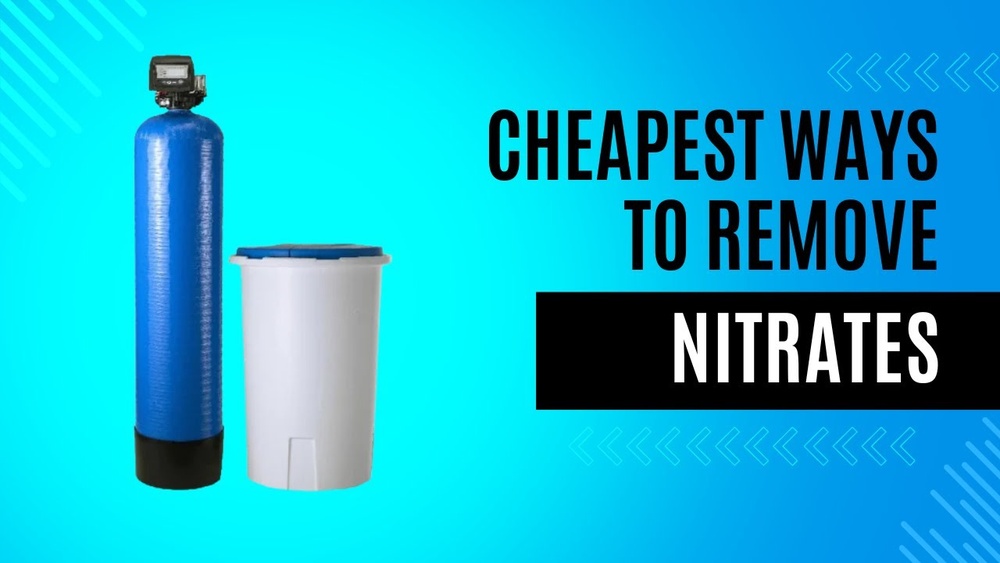
Reverse osmosis systems use a special membrane to filter water. This membrane blocks nitrate molecules and other impurities. Water pressure pushes water through the membrane, leaving nitrates behind. These systems remove up to 90% of nitrates. They also improve taste and remove other contaminants.
Ion Exchange Filters
Ion exchange filters swap nitrate ions with harmless ions like chloride. Water passes through a resin that holds these ions. This process lowers nitrate levels effectively. These filters require regular maintenance to replace or recharge the resin. They work well for moderate nitrate contamination.
Distillation Units
Distillation units boil water and collect the steam. Nitrates and other minerals do not evaporate and stay behind. The steam condenses back into clean water. Distillation removes almost all nitrates and impurities. These units use more energy and take longer to produce water.
Choosing The Right Filter
Choosing the right water filter is important to remove nitrates effectively. Not all filters can reduce nitrates from water. Some filters only remove dirt or chlorine. You need a filter designed specifically for nitrate removal. Knowing your water’s nitrate level helps pick the best filter. Proper filter care keeps it working well. Below are key points to consider.
Testing Water For Nitrates
Test your water before buying a filter. Nitrate test kits are easy to use at home. You can also send water samples to a lab. Knowing nitrate levels helps select the correct filter type. High nitrate levels may need special filters like reverse osmosis. Low levels might be handled by simpler options. Regular testing ensures your filter is still effective.
Filter Maintenance And Replacement
Clean your filter regularly to keep it effective. Follow the manufacturer’s instructions for maintenance. Change filter cartridges as recommended. Old filters lose their ability to remove nitrates. Check for any leaks or damage to the system. Proper care extends filter life and protects your health. Keep a schedule for maintenance and replacements.
Alternative Solutions For Nitrate Reduction
Nitrate in water is a concern for many households. Removing it needs more than just common water filters. There are other ways to lower nitrate levels. These methods can protect your water and health.
Water Source Management
Controlling the source helps reduce nitrate in water. Farmers can use fewer fertilizers. Proper waste disposal stops nitrate from entering water. Planting buffer zones near water bodies also helps. These steps keep nitrate from polluting wells and rivers.
Home Water Treatment Options
Some home treatments work well against nitrates. Reverse osmosis systems filter out nitrate effectively. Ion exchange units swap harmful nitrate with harmless ions. Distillation also removes nitrate by boiling water. These options need regular care and maintenance.
Frequently Asked Questions
Does A Standard Water Filter Remove Nitrates?
No, most standard water filters do not remove nitrates effectively. Specialized filters like reverse osmosis or ion exchange are needed to reduce nitrate levels in water.
What Type Of Filter Removes Nitrates From Water?
Reverse osmosis and ion exchange filters are best for removing nitrates. These systems effectively reduce nitrate concentrations to safe drinking levels.
Are Activated Carbon Filters Effective Against Nitrates?
Activated carbon filters do not remove nitrates well. They mainly target chlorine, taste, odor, and some organic compounds, but nitrates require more advanced filtration.
How Can I Test Nitrate Levels In My Water?
You can test nitrate levels using home test kits or by sending water samples to certified labs. Regular testing ensures water safety and proper filtration.
Conclusion
Water filters can reduce nitrates, but not all types work well. Reverse osmosis and ion exchange filters remove most nitrates effectively. Regular carbon filters usually do not. Testing your water helps choose the right filter. Clean water is important for health and safety.
Always check product details before buying a filter. Stay informed to protect your family’s drinking water. Simple steps can make a big difference. Keep your water safe and healthy every day.
Hasan Al Sarker is a Reverse Osmosis Specialist. He has worked for many years to ensure safe drinking water for all. His research paper has been published in several journals, including Issue, Medium, and Slideshare. He is recognized as a water doctor among specialists though he did not attend medical college.
Besides working as a researcher of reverse osmosis technology, he is also very fancy with the kitchen and cooking. His guides are reading thousands of people every day. As a head of content, he is responsible for all the published articles at RO System Reviews.
Are you curious about what your Zero Water filter actually removes from your drinking water? Knowing exactly what’s being filtered out can help you trust the water you drink every day.
Imagine enjoying a fresh glass of water, free from harmful chemicals, metals, and impurities that you didn’t even realize were there. You’ll discover how the Zero Water filter works and what substances it targets to give you pure, clean water.
Keep reading to find out if this filter meets your needs and how it can improve your health and peace of mind.
How Zero Water Filter Works
The Zero Water Filter uses a special process to clean your water. It removes almost all impurities, making water taste fresh and pure. The filter does this through several steps that target different types of contaminants. Each part of the process helps make your water safer and better to drink.
This system is different from regular filters. It reduces almost all dissolved solids, not just some. The secret lies in its unique design and technology inside the filter.
Five-stage Filtration Process
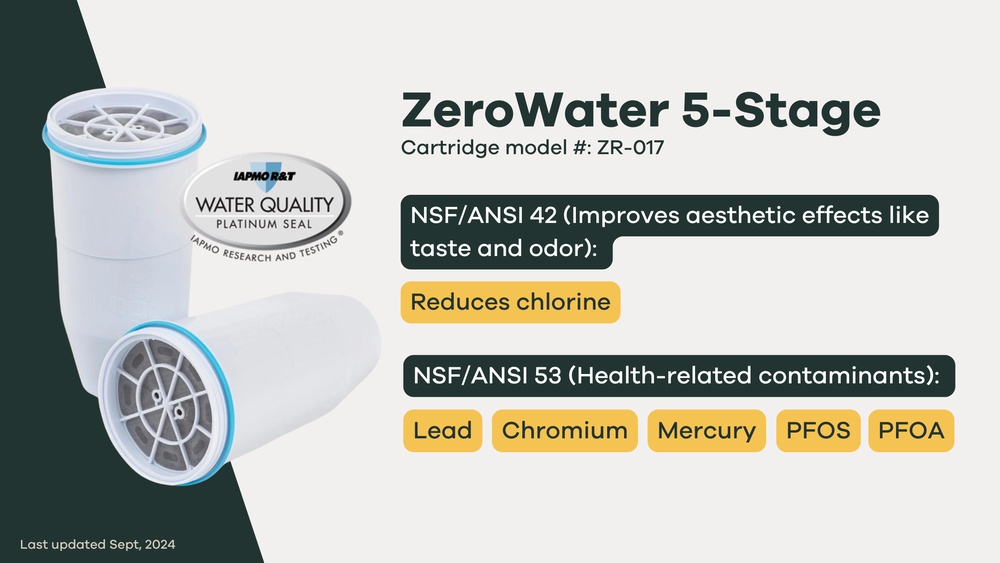
The Zero Water Filter cleans water in five clear stages. First, it removes larger particles like dirt and rust. Next, it filters out smaller particles such as dust and sand. Then, it targets chemicals and heavy metals. After that, it removes salts and minerals dissolved in the water. Finally, it catches any remaining tiny particles. This thorough process ensures the water is very clean.
Each stage uses a different type of material to catch specific impurities. Together, they work to remove almost 100% of total dissolved solids (TDS). This is what makes Zero Water filters stand out from others.
Role Of Ion Exchange Technology
Ion exchange technology is key to Zero Water’s success. It swaps harmful ions in water with safe ones. For example, it replaces lead, mercury, and chlorine ions with harmless particles. This process removes dissolved solids that regular filters miss.
Ion exchange happens in the filter’s resin beads. These beads attract and hold onto unwanted ions. Clean ions take their place, improving water quality. This technology helps reduce bad tastes and odors too.
Thanks to ion exchange, Zero Water filters can remove up to 99.6% of dissolved solids. This makes the water taste pure and fresh for drinking.
Common Contaminants Removed
Zero Water filters target many common contaminants in tap water. These impurities affect water taste, smell, and safety. Removing them improves water quality for daily use. The filter uses a five-stage system to trap harmful substances effectively.
Heavy Metals
Heavy metals like iron, copper, and zinc often contaminate water. These metals can cause bad taste and stains. Zero Water filters reduce heavy metals to safe levels. This helps protect your health and appliances from damage.
Chlorine And Chloramine
Chlorine is used to kill germs in water. Chloramine is a mix of chlorine and ammonia. Both chemicals cause a strong smell and taste. The Zero Water filter removes these chemicals. This makes water fresher and more pleasant to drink.
Lead And Mercury
Lead and mercury are toxic metals found in some water sources. Even low amounts can harm health over time. Zero Water filters remove nearly all lead and mercury. This reduces health risks, especially for children and pregnant women.
Pesticides And Herbicides
Pesticides and herbicides can enter water from farms and gardens. These chemicals are harmful if consumed regularly. Zero Water filters reduce these pollutants. Drinking filtered water lowers the risk of chemical exposure.
Performance Compared To Other Filters
Zero Water filters stand out in water purification. They use a unique five-stage filtration system. This system targets many contaminants other filters may miss. Understanding how Zero Water performs compared to other filters helps in making smart choices.
Zero Water Vs. Carbon Filters
Carbon filters use activated charcoal to trap impurities. They reduce chlorine, odors, and some chemicals. Zero Water filters go beyond carbon. They remove almost all dissolved solids. This makes Zero Water better for very clean tasting water. Carbon filters often leave some minerals behind. Zero Water aims to remove nearly 100% of those minerals.
Effectiveness Against Total Dissolved Solids (tds)
Total Dissolved Solids measure all minerals and salts in water. Carbon filters lower TDS but cannot remove it all. Zero Water filters reduce TDS levels to nearly zero. This means the water tastes purer and cleaner. The TDS meter included with Zero Water helps track this. It shows when the filter needs changing for best results.
Limitations And What It Doesn’t Remove
Zero Water filters remove many impurities, but they have limits. Knowing what they don’t remove helps you choose the right filter. Some harmful substances stay in the water even after filtration. This section explains key things Zero Water filters cannot remove.
Microorganisms And Bacteria
Zero Water filters do not kill or remove bacteria and viruses. These tiny organisms can cause illness. The filter focuses on dissolved solids, not germs. For safe drinking water, use a separate purifier or boil water.
Fluoride And Nitrates
Fluoride and nitrates remain after filtration with Zero Water. These chemicals need special filters to reduce them. Fluoride is added in some water supplies for dental health. Nitrates come from fertilizers and can harm babies. Test your water for these if concerned.
Testing Water Quality With Zero Water
Testing water quality with Zero Water helps you see how clean your water is. Zero Water filters out many impurities, but testing shows how well it works. You can check your water’s purity before and after filtering. This helps you trust your drinking water is safe and fresh.
Using The Tds Meter
The TDS meter measures Total Dissolved Solids in water. It shows how many particles remain in the water. To use it, dip the meter’s probe into the water sample. Wait a few seconds for the reading to stabilize. The number on the screen tells you the water’s TDS level. Lower numbers mean purer water. Zero Water packages often include a TDS meter for easy testing.
Interpreting Results
A reading of zero means almost no dissolved solids are left. This shows the filter removed most impurities. A higher number means more particles remain in the water. Tap water usually has a higher TDS level before filtering. After using Zero Water, the TDS should drop significantly. This means your water is much cleaner and safer to drink. Regular testing helps you know when to replace your filter for best results.
Maintenance And Filter Replacement
Maintaining your Zero Water filter is key to clean, fresh water. Regular care keeps the filter working well. It also stops buildup of harmful substances. Knowing when to replace the filter helps avoid poor water quality. This section explains how to handle maintenance and replacement.
Filter Lifespan
The Zero Water filter lasts about 15 to 40 gallons. This depends on water quality and usage. Hard water or high contaminants shorten its life. The filter removes many impurities, which fill it up over time. A clogged filter works slower and less effectively. Changing the filter on time ensures pure water.
Signs It’s Time To Replace
Watch for changes in water taste or smell. A bitter or strange taste means the filter is full. Slow water flow can also show the filter needs change. The Zero Water meter measures Total Dissolved Solids (TDS). High TDS readings indicate filter exhaustion. Replace the filter if these signs appear. This keeps your water safe and clean.
Benefits Of Using Zero Water Filter
Using a Zero Water Filter offers many benefits for daily water use. It removes almost all dissolved solids, making water cleaner and safer. This leads to a better experience in drinking and cooking. Clean water improves health and reduces waste. The Zero Water Filter helps in several important ways.
Improved Taste And Odor
Zero Water Filters remove chlorine and other chemicals that cause bad taste. Water tastes fresher and cleaner after filtering. It also removes odors that make water unpleasant. This means you enjoy drinking water more. Cooking with filtered water can improve food flavor too.
Health Advantages
The filter removes harmful substances like lead, mercury, and pesticides. These contaminants can cause health problems over time. Using filtered water reduces exposure to these risks. It also reduces bacteria and other tiny particles. Clean water supports better hydration and overall health.
Environmental Impact
Using a Zero Water Filter reduces the need for bottled water. This lowers plastic waste and pollution. It helps protect the environment by cutting down trash. The filter cartridges are recyclable, which adds to its eco-friendliness. Choosing filtered water is a smart step for the planet.
Frequently Asked Questions
What Contaminants Does Zero Water Filter Remove?
Zero Water filters remove lead, chlorine, mercury, asbestos, and fluoride. It also reduces dissolved solids for cleaner, better-tasting water.
How Effective Is Zero Water Against Heavy Metals?
Zero Water is highly effective in reducing heavy metals like lead and mercury. It meets NSF standards for contaminant removal.
Does Zero Water Filter Remove Chlorine Taste And Odor?
Yes, Zero Water eliminates chlorine taste and odor, improving water flavor significantly. It uses a 5-stage filtration system for this.
Can Zero Water Remove Fluoride From Drinking Water?
Zero Water effectively reduces fluoride levels. This makes it a good choice for people seeking fluoride-free water.
Conclusion
Zero Water filters remove many harmful substances from water. It reduces lead, chlorine, and heavy metals. It also removes sediments and dissolved solids. This makes water safer and tastes better. The filter uses a special process called ion exchange. This process captures tiny particles others miss.
Clean water helps protect your health every day. Choosing a good filter matters for your family. Zero Water offers clear, fresh water without many contaminants. Trusting your water filter means peace of mind at home.
Hasan Al Sarker is a Reverse Osmosis Specialist. He has worked for many years to ensure safe drinking water for all. His research paper has been published in several journals, including Issue, Medium, and Slideshare. He is recognized as a water doctor among specialists though he did not attend medical college.
Besides working as a researcher of reverse osmosis technology, he is also very fancy with the kitchen and cooking. His guides are reading thousands of people every day. As a head of content, he is responsible for all the published articles at RO System Reviews.
Have you ever wondered if sand can really clean your water? You might think it’s just dirt, but sand has been used for filtering water for centuries.
If you want to know whether sand is a good filter for your water, this article will clear up the mystery. By the end, you’ll understand how sand works, its benefits, and what to watch out for. Keep reading to discover if sand could be the simple solution you need for cleaner water.
Role Of Sand In Water Filtration
Sand plays a vital role in cleaning water. It helps remove dirt, particles, and some germs from water. Water passes through layers of sand, which traps impurities. This process makes water clearer and safer to use.
Many water systems use sand as a natural filter. It is a simple and cost-effective method. Sand filters work without chemicals, making them eco-friendly. They help improve water quality for drinking, farming, and other needs.
How Sand Filters Work
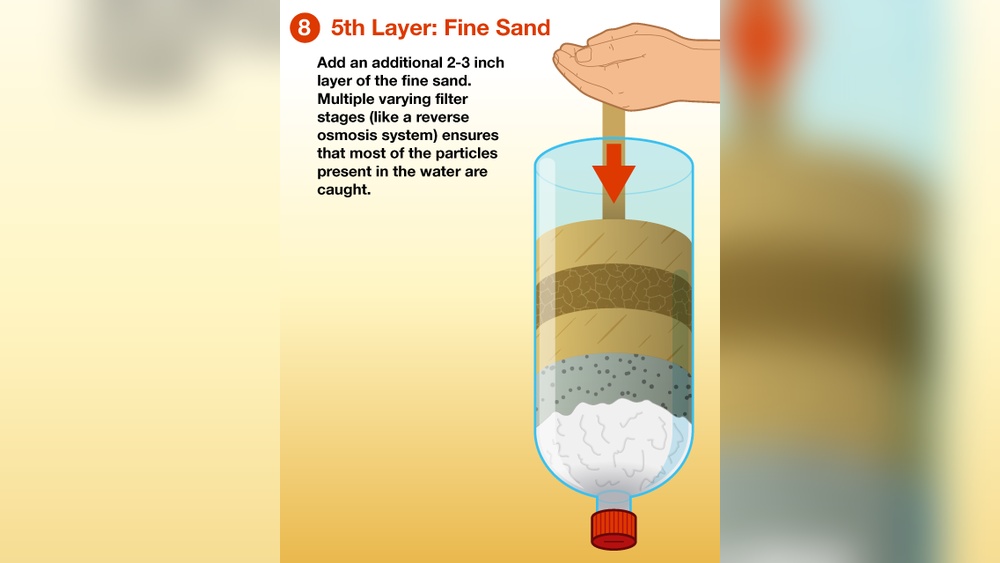
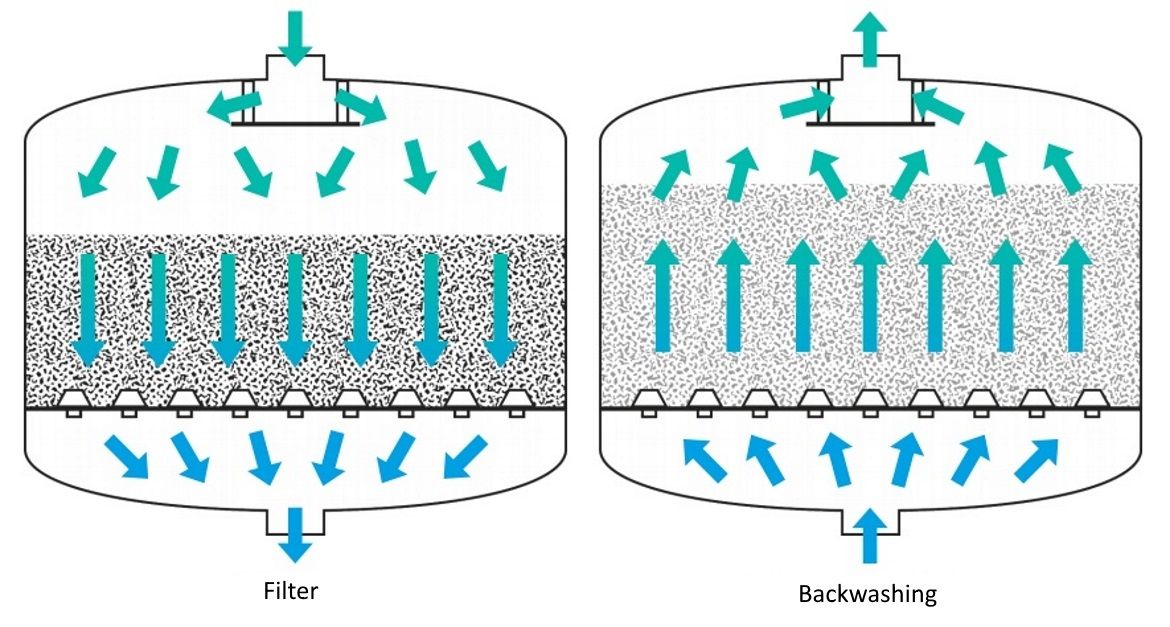
Water flows through sand layers slowly. The sand traps solid particles and tiny dirt pieces. The gaps between sand grains catch these impurities. This process is called mechanical filtration.
Some bacteria and germs also stick to the sand grains. This helps reduce harmful microorganisms in the water. The cleaner water then moves out of the filter. Regular cleaning of the sand is needed to keep it effective.
Types Of Sand Used In Filtration
Not all sand is good for filtering water. Filter sand must be clean and have the right grain size. Coarse sand removes large particles. Fine sand traps smaller dirt and germs.
Silica sand is the most common type used in filters. It has a uniform shape and size. Other sands can contain clay or dust, which reduce filtering power. Choosing the right sand improves water cleaning results.
Effectiveness Of Sand Filters
Sand filters are common in water treatment for their simple design and practical use. They work by passing water through layers of sand, which traps many impurities. Understanding their effectiveness helps decide if sand filters suit your water needs.
Removing Particles And Sediments
Sand filters excel at capturing large particles and sediments. Dirt, sand grains, and debris get stuck in the sand layers. This process clears the water of visible impurities. The filter improves water clarity significantly. Regular cleaning keeps the filter working well.
Impact On Microbial Contaminants
Sand filters can reduce some microbes by trapping them. Tiny organisms stick to sand grains as water flows through. However, they do not kill bacteria or viruses. The filter helps lower microbial levels but does not eliminate all pathogens. Extra treatment is needed for safe drinking water.
Limitations In Chemical Filtration
Sand filters do not remove chemicals or dissolved substances. Harmful chemicals like pesticides or heavy metals pass through easily. They only filter physical particles, not chemical pollutants. Using sand filters alone is not enough for chemical contamination. Other methods must be added to handle chemicals.
Comparing Sand To Other Filter Media
Choosing the right filter media is key for clean water. Sand is common, but other options exist. Each type has strengths and weaknesses. Understanding these helps pick the best filter for your needs.
Sand Vs Activated Carbon
Sand filters trap particles by size. They remove dirt, silt, and some bacteria. Activated carbon filters absorb chemicals and odors. They do not catch large particles well. Sand is great for physical cleaning. Carbon improves taste and removes chlorine.
Sand Vs Ceramic Filters
Ceramic filters have tiny pores. They block bacteria and protozoa effectively. Sand filters remove bigger particles but miss some germs. Ceramic filters clean water better for health. Sand filters are faster but less thorough. Ceramic filters need careful handling to avoid cracks.
Cost And Maintenance Differences
Sand filters usually cost less upfront. They need regular cleaning to avoid clogging. Activated carbon filters require frequent replacement. Ceramic filters last longer but can break easily. Sand filters are simple to maintain. Carbon and ceramic need more care and expense.
Applications Of Sand Filtration
Sand filtration plays a vital role in cleaning water across different settings. Its natural ability to trap dirt and particles makes it a popular choice worldwide. People use sand filters in homes, industries, and even during outdoor activities. Each use shows how effective and versatile sand filtration can be.
Use In Household Water Systems
Many homes use sand filters to improve water quality. These filters remove sand, dirt, and small debris from tap water. They help protect plumbing and appliances from damage. Sand filtration also improves water clarity and taste. It is an affordable and simple way to keep water clean.
Industrial And Municipal Uses
Industries depend on sand filters for cleaning large water volumes. Factories need clean water for production and cooling systems. Municipal water plants use sand filtration to treat drinking water. It removes harmful particles before water reaches homes. Sand filtration supports health and safety on a big scale.
Outdoor And Emergency Filtration
Sand filters are practical for outdoor trips and emergencies. Campers and hikers use portable sand filters to clean river or lake water. They remove visible dirt and some bacteria. In emergencies, sand filtration can provide safer water quickly. It is a simple tool for survival and outdoor safety.
Enhancing Sand Filter Performance
Improving sand filter performance makes water cleaner and safer. Simple steps boost the filter’s ability to remove dirt and impurities. These methods help the sand filter work longer and better.
Using other materials with sand, cleaning the filter regularly, and adding chemical treatments all help. Each step is important for clear water.
Layering With Other Materials
Adding layers of gravel or activated charcoal below the sand helps trap smaller particles. Gravel supports the sand and stops it from washing away. Activated charcoal removes bad smells and chemicals. This mix cleans water more deeply than sand alone.
Regular Cleaning And Replacement
Cleaning the sand filter often stops clogs and keeps water flowing. Washing or stirring the sand removes trapped dirt. Replace the sand every few years to keep it fresh. Dirty sand cannot clean water well.
Combining With Chemical Treatments
Using safe chemicals like chlorine kills germs that sand cannot catch. Chemicals help stop bacteria and viruses in water. Always follow instructions for safe chemical use. Combining chemicals with sand filters improves water safety a lot.
Frequently Asked Questions
Is Sand Effective For Filtering Water Impurities?
Sand is effective in removing large particles and sediments from water. It traps dirt, debris, and some bacteria. However, sand alone cannot remove all contaminants like chemicals or viruses. It works best as part of a multi-layer filtration system for safer water.
How Does Sand Filter Water In Purification Systems?
Sand filters work by forcing water through fine sand grains. The sand traps suspended solids and particles. Microorganisms get caught or die due to limited oxygen. This natural process helps clarify water and reduce turbidity effectively.
Can Sand Filter Remove Harmful Bacteria From Water?
Sand filters can reduce some bacteria but don’t eliminate all harmful pathogens. They provide partial biological filtration but are not reliable alone for pathogen removal. Additional disinfection methods like chlorination or UV treatment are necessary for safe drinking water.
What Are The Benefits Of Using Sand As A Water Filter?
Sand is affordable, abundant, and environmentally friendly. It requires low maintenance and is easy to use. Sand filters improve water clarity and remove physical impurities efficiently. They are ideal for pre-filtration in many water treatment setups.
Conclusion
Sand works well to remove large particles from water. It traps dirt and helps clear cloudy water. Yet, sand alone cannot remove all germs or chemicals. For safer drinking water, use sand with other filters or treatments. Simple and natural, sand is a good first step in cleaning water.
It is affordable and easy to use in many places. Choose sand filters wisely based on your water needs and safety. Clean water is possible with the right tools and care.
Hasan Al Sarker is a Reverse Osmosis Specialist. He has worked for many years to ensure safe drinking water for all. His research paper has been published in several journals, including Issue, Medium, and Slideshare. He is recognized as a water doctor among specialists though he did not attend medical college.
Besides working as a researcher of reverse osmosis technology, he is also very fancy with the kitchen and cooking. His guides are reading thousands of people every day. As a head of content, he is responsible for all the published articles at RO System Reviews.

:strip_icc()/bhg-tier-3-primary-best-faucet-water-filters-ebrockob-001-95e28b2443a743bda44f6e579cd742d7.jpeg)