Have you ever wondered what’s really inside the water you drink every day? If you use a Pur water filter, you probably trust it to keep your water clean and safe.
But do you know exactly how it works to remove impurities and improve taste? Understanding how your Pur water filter functions can help you feel more confident about the water flowing from your tap. You’ll discover the simple yet powerful technology behind Pur filters and why they are a smart choice for your home.
Keep reading to unlock the secrets of clean, fresh water right at your fingertips.
How Pur Water Filters Work
Understanding how Pur water filters work helps you see why many trust them. These filters clean water by removing dirt and bad stuff. The process is simple but very effective. It improves taste and safety of your tap water.
Filtration Technology
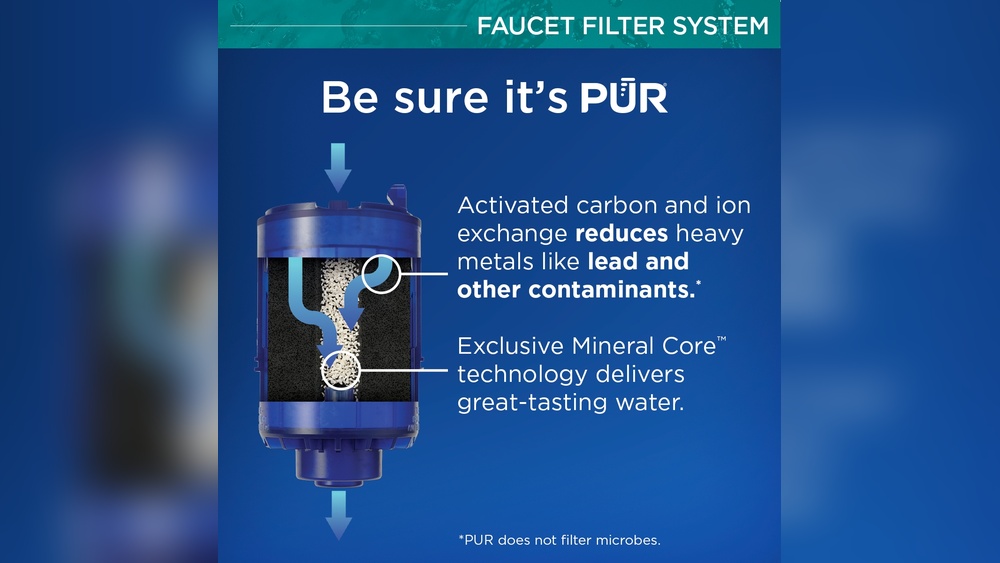
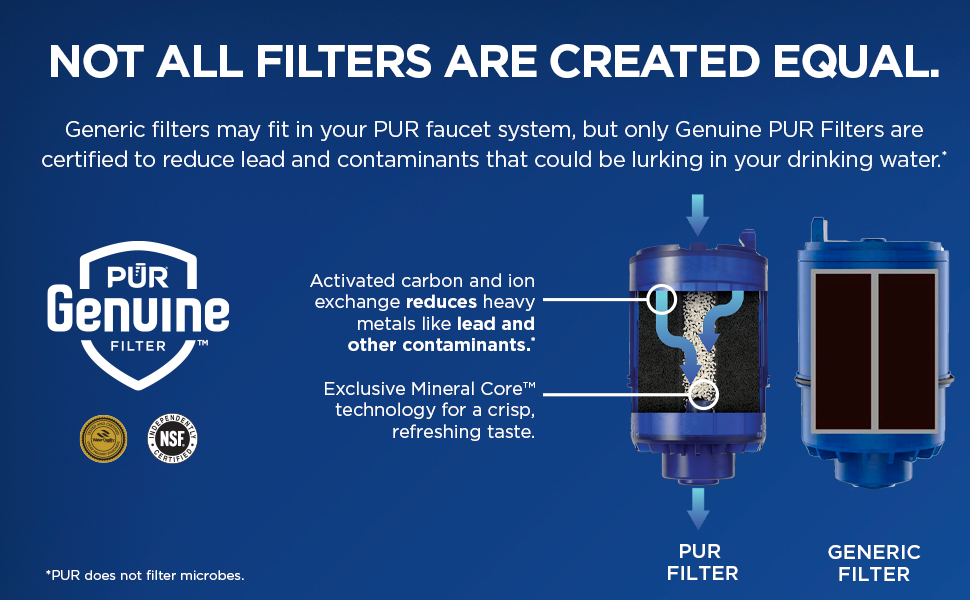
Pur water filters use activated carbon and ion exchange materials. Activated carbon traps chemicals and bad smells. Ion exchange reduces metals like lead and mercury. Together, they make water cleaner and safer to drink.
Stages Of Filtration
First, water passes through a mesh screen to catch large particles. Next, it flows through activated carbon to remove chlorine and odors. Then, ion exchange beads take out heavy metals. Finally, the filter catches tiny particles and impurities.
Types Of Contaminants Removed
Pur filters remove chlorine, which causes bad taste. They reduce lead, mercury, and other metals. The filters also cut down on pesticides and some bacteria. This makes water safer and better for your health.
Components Of Pur Water Filters
Pur water filters have several key parts that clean your water effectively. Each part plays a special role in removing dirt, chemicals, and bad tastes. Understanding these parts helps you see why Pur filters are trusted.
These components work together to make water safe and fresh for drinking. The main parts include the activated carbon filter, ion exchange resin, and microfiber filter.
Activated Carbon Filter
The activated carbon filter removes chlorine and harmful chemicals. It traps particles that cause bad smell and taste. This filter improves the water’s flavor and safety. It works by absorbing impurities as water passes through.
Ion Exchange Resin
The ion exchange resin softens water by removing heavy metals like lead and mercury. It swaps harmful ions with safer ones like sodium. This process makes water healthier to drink. The resin helps reduce water hardness, protecting your pipes and appliances.
Microfiber Filter
The microfiber filter catches tiny particles and sediment. It blocks dust, rust, and other solid impurities. This filter keeps the water clear and clean. It acts as a physical barrier before water reaches your glass.
Benefits Of Using Pur Water Filters
Using Pur water filters brings many benefits to your daily water use. These filters improve water quality in simple, effective ways. Clean, fresh water is important for health and taste. Pur filters help make water safer and more pleasant to drink.
They work by removing particles and chemicals that affect water taste and safety. The benefits include better flavor, fewer harmful substances, and saving money over time. These points explain why Pur water filters are a smart choice for home use.
Improved Taste And Odor
Pur filters remove chlorine and other substances causing bad taste and smell. Water tastes fresher and cleaner after filtering. This encourages drinking more water daily. No more strange flavors or odors in your glass.
Removal Of Harmful Chemicals
Pur filters reduce lead, mercury, and other harmful chemicals. They also cut down pesticides and industrial pollutants. Cleaner water means lower health risks. It protects your family from contaminants found in tap water.
Cost-effectiveness
Pur water filters cost less than bottled water over time. Using a filter saves money on buying bottled water every week. Filters last long and are easy to replace. This makes them a smart and affordable water solution.
Installation And Maintenance Tips
Installing and maintaining your Pur water filter is simple. Proper care keeps water fresh and safe. This section covers easy steps for setup and upkeep.
Setting Up Your Pur Filter
Begin by reading the instruction manual carefully. Attach the filter to your faucet or water pitcher as shown. Make sure connections are tight to avoid leaks. Flush the filter with water before first use. This clears out any loose carbon dust inside.
Filter Replacement Schedule
Replace the filter every 40 gallons or about every two months. Check the filter indicator if your model has one. Using an old filter can reduce water quality. Keep track of the date you install the new filter. Set a reminder to change it on time.
Cleaning And Care
Clean the filter housing regularly with mild soap and water. Avoid harsh chemicals that can damage the filter. Rinse parts well and dry before reassembling. Store extra filters in a cool, dry place. Proper cleaning and storage extend filter life and performance.
Comparing Pur Filters With Other Systems
Comparing Pur filters with other water filtration systems helps you choose the right option. Each filter type works differently and suits different needs. Understanding their features and limitations makes your choice easier.
Pur Vs. Brita
Both Pur and Brita improve tap water taste and reduce chlorine. Pur filters remove more contaminants like lead and mercury. Brita filters mainly focus on chlorine and sediment. Pur’s filter lasts longer before replacement. Brita pitchers are often cheaper and easier to find. Both brands offer faucet-mounted and pitcher options.
Pur Vs. Reverse Osmosis
Pur filters use activated carbon and ion exchange. They remove many common impurities but keep minerals. Reverse osmosis (RO) systems use a membrane to filter almost all contaminants. RO removes minerals, making water very pure but flat tasting. RO systems are larger and require more installation. Pur filters are simpler and more affordable. RO suits households needing very clean water.
Portable Vs. Faucet-mounted Filters
Portable filters are easy to carry and use anywhere. They are great for travel or outdoor activities. Faucet-mounted filters stay fixed on your kitchen tap. They filter water instantly and save space. Faucet-mounted models often filter more water at once. Portable filters usually have smaller capacity and need frequent refills. Choose based on where you need filtered water most.
Common Issues And Troubleshooting
Pur water filters are easy to use but can face some common problems. These issues may affect water flow, taste, or the filter’s indicator. Understanding these problems helps you fix them quickly. This keeps your water clean and fresh.
Low Water Flow
Low water flow often happens when the filter is clogged. Dirt and particles block water from passing through. Try removing the filter and rinsing it under cold water. If flow remains low, replace the filter with a new one. Also, check if the faucet is fully open. Sometimes, pipes can have air bubbles. Run water for a few minutes to clear them out.
Filter Indicator Problems
The filter indicator shows when it is time to replace the filter. Sometimes, the light may not work or reset properly. To fix this, press and hold the reset button for a few seconds. Make sure the filter is installed correctly. If the problem continues, check the battery or sensor. Contact Pur support if needed for more help.
Unusual Taste Or Odor
Unusual taste or odor means the filter may be old or dirty. Replace the filter if it has been used for more than two months. Clean the water pitcher or dispenser regularly. Sometimes, water sitting too long causes bad taste. Store filtered water in the fridge and use it quickly. Avoid using hot water with the filter to prevent damage.
Frequently Asked Questions
How Does Pur Water Filter Remove Contaminants?
Pur water filters use activated carbon and ion exchange technology. They trap harmful substances like chlorine, lead, and mercury, improving water taste and safety.
What Types Of Impurities Does Pur Filter Target?
Pur filters remove chlorine, heavy metals, pesticides, and some bacteria. This ensures cleaner, safer water free from common pollutants.
How Often Should I Replace The Pur Water Filter?
Replace the Pur filter every 2-3 months or after filtering 40 gallons. Timely replacement maintains filter effectiveness and water quality.
Is Pur Water Filter Easy To Install And Use?
Yes, Pur filters are designed for easy installation without tools. Simply attach to your faucet and start enjoying filtered water instantly.
Conclusion
Pur water filters trap dirt, chemicals, and bad tastes well. They use layers that clean water step by step. This makes water safer and better to drink. Using a Pur filter is easy and saves money. Clean water helps keep your family healthy every day.
Choosing the right filter matters for good water quality. Trust Pur to provide fresh water right at home. Simple, effective, and reliable—Pur filters work quietly but powerfully. Fresh water is just a filter away.
Hasan Al Sarker is a Reverse Osmosis Specialist. He has worked for many years to ensure safe drinking water for all. His research paper has been published in several journals, including Issue, Medium, and Slideshare. He is recognized as a water doctor among specialists though he did not attend medical college.
Besides working as a researcher of reverse osmosis technology, he is also very fancy with the kitchen and cooking. His guides are reading thousands of people every day. As a head of content, he is responsible for all the published articles at RO System Reviews.
Are you worried about the quality of your drinking water? You might have heard about KDF water filters but aren’t sure what they do or why they matter.
Understanding what a KDF water filter is can change the way you protect your health and improve the taste of your water. This simple device can remove harmful contaminants and keep your water fresh and safe. Keep reading, and you’ll discover how a KDF water filter works and why it could be the perfect solution for your home.
Kdf Water Filter Basics
KDF water filters are popular for improving water quality at home. They use a special technology to remove harmful chemicals and bacteria from water. These filters help make water safer and cleaner for daily use.
Understanding the basics of KDF water filters is useful for anyone wanting better water. This section explains what KDF technology is, how it works, and the types of KDF media available.
What Is Kdf Technology
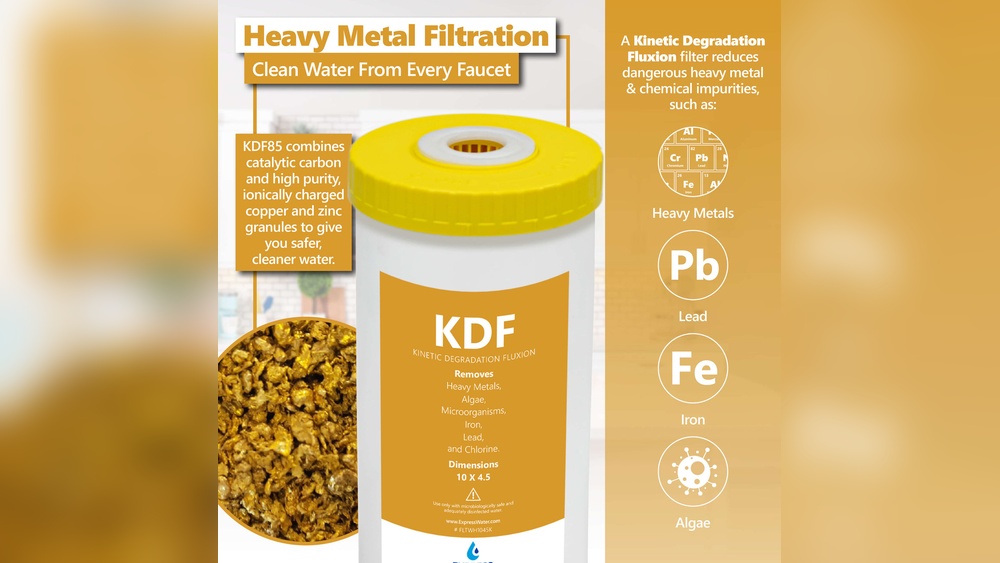
KDF stands for Kinetic Degradation Fluxion. It is a process that uses special metal alloys. These metals react with contaminants in water. The reaction removes chlorine, heavy metals, and bacteria. KDF technology is safe and eco-friendly. It does not add chemicals to the water.
How Kdf Filters Work
KDF filters work through a chemical reaction. The metal media inside the filter changes harmful substances. Chlorine turns into harmless chloride. Heavy metals like lead and mercury bind to the metal surface. Bacteria and algae are also removed. This process cleans water without harmful chemicals.
Types Of Kdf Media
There are two main types of KDF media. KDF-55 is common in water filters. It focuses on removing chlorine and heavy metals. KDF-85 is stronger and targets iron and hydrogen sulfide. Some filters use a mix of both types. This improves the filter’s ability to clean water.
Benefits Of Kdf Filters
KDF filters offer many benefits for water purification. They improve water quality and safety. These filters use a special media made of copper and zinc. This media helps clean water through a chemical process called redox. The process removes harmful substances and controls bacteria growth. KDF filters last long and work well with other filter types.
Here are some key benefits of using KDF water filters.
Removal Of Contaminants
KDF filters remove many harmful contaminants from water. They target substances like lead, mercury, and iron. These metals can cause health problems if consumed. The filter also removes hydrogen sulfide, which causes bad smell. This cleaning makes water safer and fresher to drink.
Reduction Of Chlorine And Heavy Metals
KDF media reduce chlorine levels effectively. Chlorine is often added to water for disinfection. But it can cause bad taste and skin irritation. The filter changes chlorine into harmless substances. It also removes heavy metals, protecting health and pipes. This leads to cleaner, better-tasting water at home.
Control Of Bacteria And Algae
KDF filters prevent bacteria and algae growth. The redox process creates an environment that stops microbes. This reduces the risk of waterborne diseases. It also helps keep the filter clean longer. The result is safer water and less maintenance for users.
Kdf Vs Other Filter Technologies
KDF water filters use a unique process to clean water. They reduce chlorine, heavy metals, and bacteria. Many people compare KDF to other filter types. Each technology has strengths and specific uses. Understanding these differences helps choose the right filter.
Kdf Compared To Activated Carbon
KDF filters remove chlorine and heavy metals using a chemical reaction. Activated carbon traps impurities in tiny pores. Carbon works well for odors and some chemicals. KDF handles metals better and stops bacteria growth. Both can improve water taste, but KDF lasts longer in tough water.
Kdf And Reverse Osmosis
Reverse osmosis (RO) removes almost all particles by pushing water through a fine membrane. RO can waste water and removes beneficial minerals. KDF does not waste water and keeps minerals. Sometimes, KDF is used before RO to protect the membrane and extend its life. They work well together but serve different roles.
Combination Filters With Kdf
Many filters combine KDF with carbon or ceramic. This mix targets a wide range of contaminants. KDF controls metals and bacteria. Carbon removes chemicals and bad smells. Ceramic filters trap sediments and microbes. Combination filters give cleaner, safer water than one type alone.
Choosing The Right Kdf Filter
Choosing the right KDF filter is key to clean, safe water. Different filters offer varied benefits. Knowing what to check helps pick the best one for your needs. This section explains important factors for selection.
Filter Ratings And Certifications
Check for official certifications. NSF and ANSI are common standards. These prove the filter meets safety and performance rules. Ratings show what contaminants the filter removes. Higher ratings mean better filtration power. Choose filters with clear, trusted certifications.
Filter Lifespan And Maintenance
Filter life varies by type and use. Some last months, others last years. Regular replacement keeps water clean. Look for filters that are easy to change. Some need flushing or cleaning. Understand the maintenance to avoid extra costs.
Applications For Home And Industry
KDF filters work in homes and industries. Home filters improve drinking water and showers. Industrial filters clean water for manufacturing. Choose filters designed for your setting. This ensures the filter handles the water volume and contaminants.
Installing And Maintaining Kdf Filters
Installing and maintaining KDF water filters is simple and important. Proper care helps the filter work well and last longer. This section guides you through easy steps to install, clean, and fix common problems with KDF filters. Follow these tips to keep your water clean and fresh.
Installation Tips
Start by turning off the water supply. Choose a spot where the filter fits easily. Install the KDF filter in the correct direction. Look for arrows on the filter housing. Use plumber’s tape on the threads to stop leaks. Tighten connections but do not over-tighten. Test the system by turning the water back on. Check for leaks and fix them quickly.
Cleaning And Replacement
Clean the filter housing regularly to avoid buildup. Use a soft brush and mild soap to clean it. Avoid harsh chemicals that can damage the filter. Replace the KDF filter as recommended by the maker. Usually, every 6 to 12 months is ideal. A clogged filter reduces water flow and filter power. Keep track of the replacement date for best results.
Troubleshooting Common Issues
Low water flow can mean a clogged filter or pipes. Check the filter for dirt and replace if needed. Leaks often come from loose fittings or worn seals. Tighten connections or replace seals to fix leaks. Strange taste or smell may mean the filter is old. Replace the filter to restore water quality. If problems continue, consult a professional plumber.
Frequently Asked Questions
What Is A Kdf Water Filter?
A KDF water filter uses a special media to remove contaminants. It reduces chlorine, heavy metals, and bacteria from water. KDF stands for Kinetic Degradation Fluxion. It improves water taste and safety effectively.
How Does A Kdf Filter Work?
KDF filters use a redox reaction to remove impurities. They exchange electrons with contaminants, neutralizing harmful substances. This process reduces chlorine, lead, and mercury. It also controls bacteria growth without chemicals.
What Contaminants Does Kdf Filter Remove?
KDF filters target chlorine, lead, mercury, and hydrogen sulfide. They also reduce bacteria, algae, and scale buildup in water. This makes water safer and cleaner for drinking and cooking.
Can Kdf Filters Improve Water Taste?
Yes, KDF filters improve water taste by removing chlorine and metals. This eliminates unpleasant odors and flavors. The result is cleaner, fresher tasting water ideal for daily use.
Conclusion
A KDF water filter helps remove harmful metals and bacteria from water. It uses a special material that cleans water safely and effectively. This filter lasts a long time and works well with other filters. Many people choose KDF filters for cleaner, healthier water at home.
Understanding how it works can help you pick the right filter. Clean water matters for health and daily life. A KDF filter can be a smart choice for better water quality. Simple, safe, and reliable—that’s what a KDF filter offers.
Hasan Al Sarker is a Reverse Osmosis Specialist. He has worked for many years to ensure safe drinking water for all. His research paper has been published in several journals, including Issue, Medium, and Slideshare. He is recognized as a water doctor among specialists though he did not attend medical college.
Besides working as a researcher of reverse osmosis technology, he is also very fancy with the kitchen and cooking. His guides are reading thousands of people every day. As a head of content, he is responsible for all the published articles at RO System Reviews.
You just changed your water filter, but how long should you run the water before using it? This simple step can make a big difference in the taste and safety of your drinking water.
If you skip it or run the water too briefly, you might still get leftover particles or an odd flavor. On the other hand, running it too long wastes water and time. You’ll discover the exact time you should flush your filter to enjoy fresh, clean water every time.
Keep reading to learn the easy trick that ensures your water is perfect after every filter change.
Why Run Water After Filter Change
Running water after changing a filter is very important. It helps make sure your water is clean and tastes good. New filters can have small bits and air inside. These need to be cleared out before you drink the water. Let’s see why running water after a filter change matters.
Removing Air And Debris
New filters often trap air inside. This air can cause sputtering or uneven water flow. Running water pushes out trapped air and any loose debris. It clears the filter and pipes. This step helps avoid strange noises and keeps water flow steady.
Flushing Out Carbon Dust
Many filters use activated carbon. This carbon can shed tiny dust particles. These particles can make water cloudy or taste odd. Running water flushes out carbon dust from the filter. It cleans the filter before you start drinking the water.
Ensuring Clean Taste
New filters may give water a strange taste at first. Running water helps remove this taste. It also washes away any leftover cleaning agents. Clear, fresh water tastes better and is safer to drink. This step guarantees a clean and fresh water taste every time.
Recommended Flushing Time
Flushing the water after changing a filter is important. It clears out any loose carbon particles and dust. The right flushing time helps your water taste fresh and clean. Knowing the recommended flushing time ensures the filter works well.
Manufacturer Guidelines
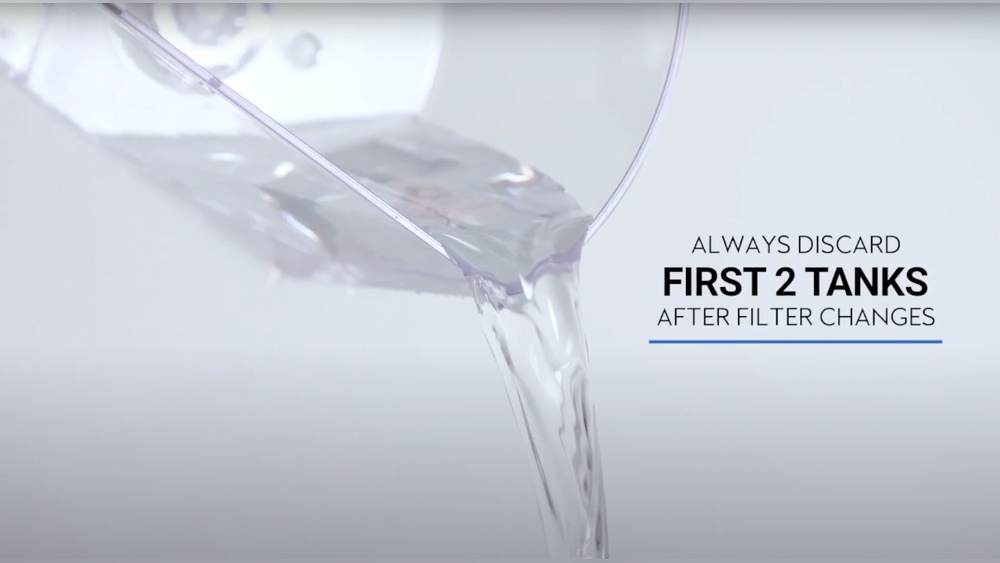
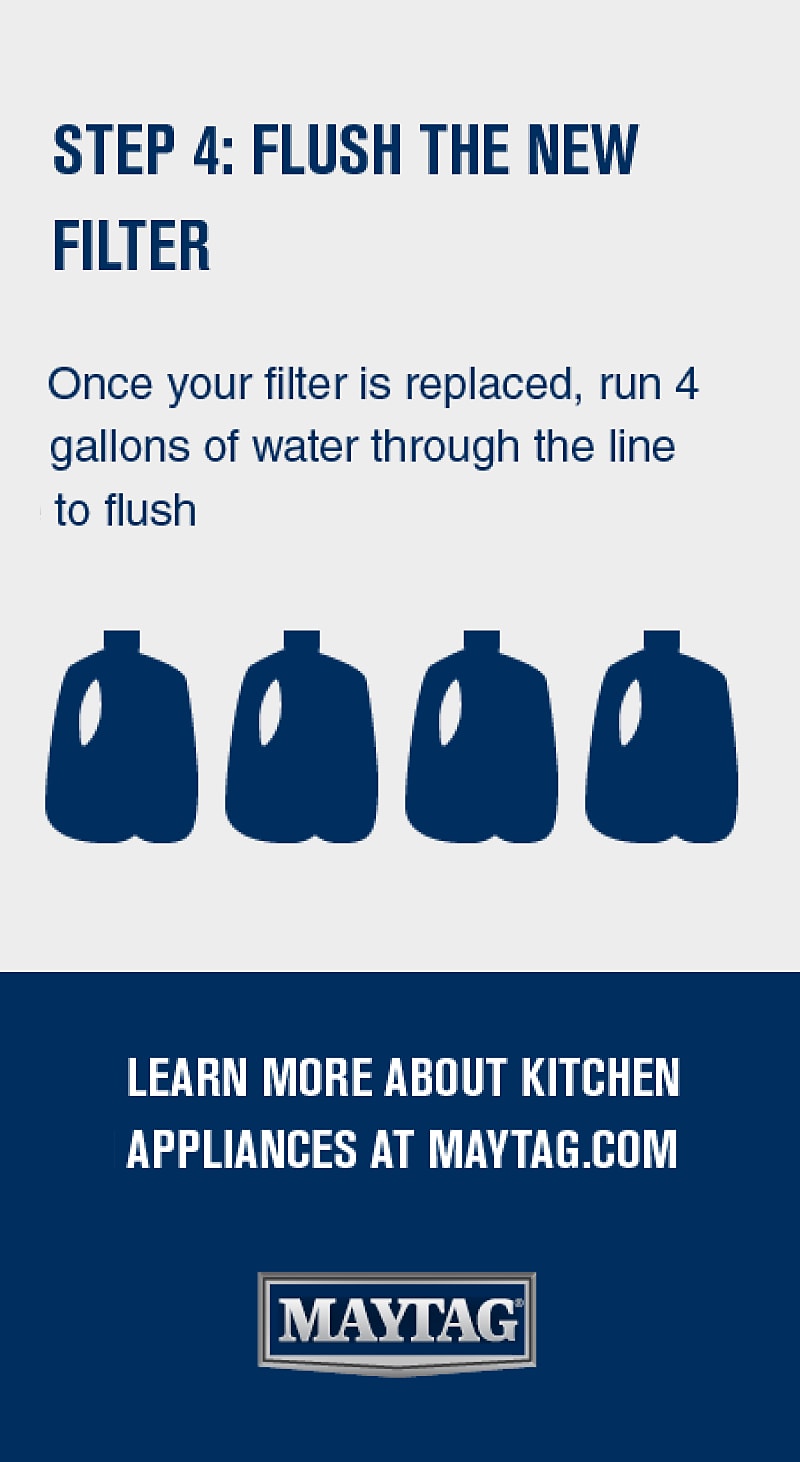
Most filter makers give clear instructions about flushing. They often suggest running water for 2 to 5 minutes. These guidelines help remove any impurities from the new filter. Always check the user manual for exact directions.
Typical Time Frames
Common flushing times range from 30 seconds to 5 minutes. Some filters need only a short flush. Others, like carbon or reverse osmosis filters, may need longer. Running water too little or too long can affect filter performance.
Factors Affecting Duration
The type of filter affects how long you flush. Water pressure also plays a role. Filters that remove more particles may require longer flushing. Temperature and water quality can change the needed time too.
Signs You’ve Flushed Enough
After changing your water filter, flushing it properly is important. Flushing removes loose carbon dust and other particles. Knowing when to stop running water saves time and water. Watch for clear signs that the water is clean and ready.
Clear Water Flow
The water should flow smoothly without any cloudiness. Cloudy or murky water means more flushing is needed. Wait until the water looks clear from start to end. Clear water shows the filter is ready to use.
Absence Of Odor
New filters may release a slight smell at first. This odor comes from carbon dust or filter materials. Run the water until the smell disappears completely. No smell means the filter is clean and safe for drinking.
Improved Water Taste
Freshly filtered water should taste clean and fresh. A bad or strange taste means more flushing is required. Taste the water after some flushing to check quality. Good taste confirms the filter is working well.
Consequences Of Insufficient Flushing
Flushing your water filter after changing it is crucial. Skipping this step can cause several problems. Water quality may drop, the filter can get damaged, and health risks might rise. Understanding these consequences helps you keep your water clean and safe.
Poor Water Quality
Insufficient flushing leaves dust and carbon particles in the water. These particles make water taste bad and look cloudy. Contaminants trapped in the old filter may not clear out. This lowers the overall water quality. Clean water is important for drinking and cooking.
Filter Damage Risks
New filters need flushing to remove loose materials inside. Without flushing, debris can clog the filter quickly. This reduces the filter’s lifespan. The filter may also fail to remove impurities. Flushing helps the filter work efficiently and last longer.
Health Considerations
Impurities and particles left in water after changing filters can harm health. Drinking unflushed water may cause stomach upset or illness. Some contaminants could irritate sensitive skin or allergies. Flushing ensures safer water for your family’s health.
Tips For Efficient Flushing
Flushing your water filter properly after changing it keeps your water clean and fresh. Efficient flushing removes trapped air and loose carbon bits. It ensures your filter works well from the start. Follow these tips to flush your filter quickly and safely.
Using Cold Water Only
Always use cold water for flushing your new filter. Hot water can damage the filter material. Cold water pushes out air and particles better. It also protects your filter’s lifespan. Run the cold tap steadily for the recommended time. This simple step helps clear out impurities fast.
Checking Water Pressure
Check your water pressure before flushing the filter. Low pressure slows flushing and may leave particles behind. High pressure can harm the filter’s parts. Aim for moderate, steady pressure. Adjust your faucet or valve if needed. Proper pressure makes flushing smooth and effective.
Regular Filter Maintenance
Keep your filter clean with regular maintenance. Change filters as suggested by the manufacturer. Clean filter housings during each change. This prevents buildup and keeps water pure. Regular care reduces flushing time after each replacement. It also keeps water tasting fresh and clear.
Frequently Asked Questions
How Long Should I Run Water After Changing Filter?
Run water for 2 to 5 minutes after replacing your filter. This clears out any loose carbon particles and activates the new filter properly.
Why Is Flushing The New Filter Necessary?
Flushing removes trapped air and manufacturing debris. It ensures clean water flow and improves your filter’s lifespan and performance.
Does Water Temperature Affect Filter Flushing Time?
No, water temperature does not change flushing time. Use cold water to avoid damaging the filter and maintain its efficiency.
Can I Drink Water Immediately After Changing The Filter?
It’s best to wait until you flush the filter fully. Running water for a few minutes ensures safe, clean drinking water.
Conclusion
Running water after changing a filter clears out any loose particles. Usually, running water for about 5 minutes is enough. This helps the filter work well and keeps your water clean. Remember to check your filter’s instructions for exact timing.
Clean water means better taste and safety. Taking this small step protects your health. Keep your filter fresh and enjoy clear water every day. Simple care makes a big difference.
Hasan Al Sarker is a Reverse Osmosis Specialist. He has worked for many years to ensure safe drinking water for all. His research paper has been published in several journals, including Issue, Medium, and Slideshare. He is recognized as a water doctor among specialists though he did not attend medical college.
Besides working as a researcher of reverse osmosis technology, he is also very fancy with the kitchen and cooking. His guides are reading thousands of people every day. As a head of content, he is responsible for all the published articles at RO System Reviews.
Have you ever stopped to think about what’s really in your well water? You might assume it’s pure and safe because it comes straight from the ground.
But the truth is, well water can carry hidden risks that affect your health and your home. Should you filter your well water to protect yourself and your family? This article will help you understand why filtering well water isn’t just a good idea—it could be essential.
Keep reading to find out what dangers might be lurking in your water and how simple steps can make a big difference for your safety and peace of mind.
Why Well Water Needs Filtering
Well water often seems pure because it comes from underground sources. Yet, it can contain many hidden impurities. Filtering well water helps remove these impurities. It protects your health and improves water taste and clarity.
Common Contaminants In Well Water
Well water may have bacteria, viruses, and parasites. Chemicals like pesticides and fertilizers can seep into the water. Metals such as iron, manganese, and arsenic also appear. Sediment and dirt can make water cloudy. These contaminants affect water safety and quality.
Health Risks Of Unfiltered Water
Unfiltered well water can cause stomach problems and infections. Long-term exposure to metals may harm organs. Chemicals might increase the risk of serious diseases. Drinking or using contaminated water puts health at risk. Filtering helps reduce these dangers significantly.
Signs Your Well Water Requires Filtration
Water that smells bad or tastes strange needs testing. Cloudy or discolored water shows impurities are present. Stains on sinks and laundry may indicate iron or manganese. Frequent plumbing issues can mean sediment buildup. These signs suggest it’s time to filter your well water.
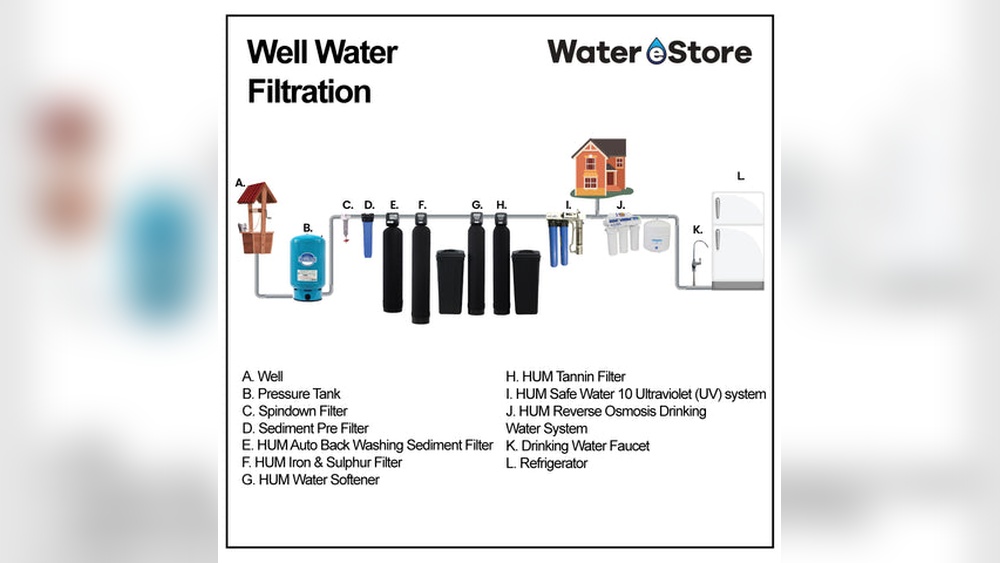
Types Of Well Water Filters
Well water can contain many impurities. Filtering it improves taste, smell, and safety. Different filters target specific problems. Understanding each type helps choose the right filter for your needs.
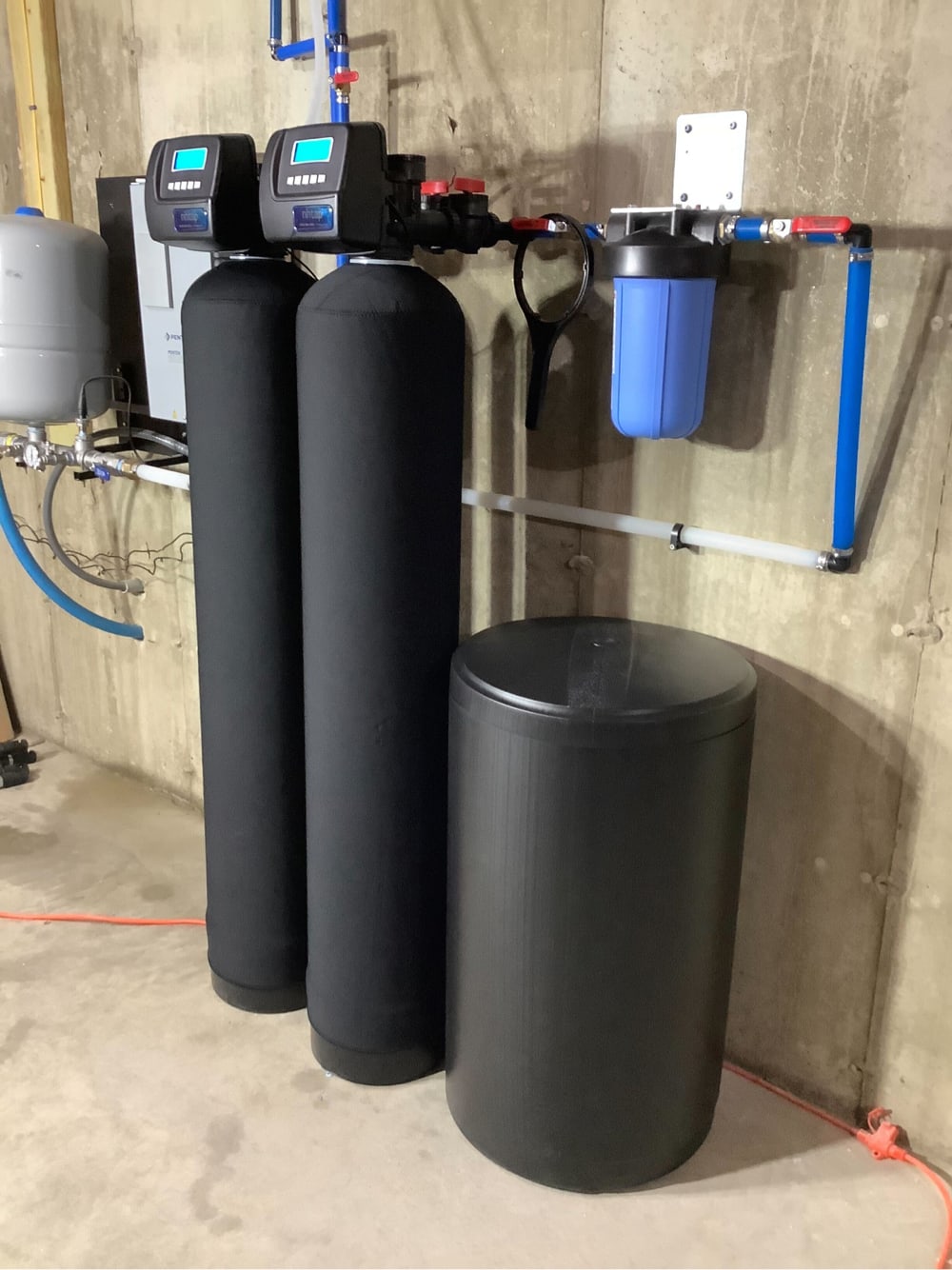
Sediment Filters
Sediment filters remove dirt, sand, and rust from water. They protect pipes and appliances from damage. These filters use a fine mesh or screen to trap particles. Sediment filters need regular cleaning or replacement to work well.
Activated Carbon Filters
Activated carbon filters reduce bad taste and odors in water. They absorb chlorine, pesticides, and some chemicals. These filters improve water clarity and smell. Carbon filters work best for clear water without heavy sediment.
Reverse Osmosis Systems
Reverse osmosis systems remove many contaminants, including salts and metals. Water passes through a special membrane that blocks impurities. These systems provide very clean, pure water. They often need a storage tank and professional installation.
Uv Purification
UV purification uses ultraviolet light to kill bacteria and viruses. It does not change water taste or smell. This method is effective against harmful microorganisms. UV systems require electricity and clear water for best results.
Choosing The Right Filter
Choosing the right filter for well water is important for safe and clean drinking water. Not all filters work the same way. You must pick one that fits your water quality and needs. This section helps you understand how to select the best filter.
Testing Your Well Water
Start by testing your well water. This shows what contaminants are present. Testing kits are available, or you can hire a professional. Knowing the water quality helps you choose the right filter. Testing is the first step for safe water.
Matching Filters To Contaminants
Different filters remove different contaminants. Some remove bacteria, others remove chemicals or metals. Choose a filter that targets the specific problems in your water. This ensures the water is clean and safe to use. Check the filter’s specifications carefully.
Considering Maintenance And Costs
Filters need regular maintenance. Some require changing cartridges often. Others need cleaning or special care. Consider the cost of replacement parts and upkeep. Choose a filter that fits your budget and time. Easy maintenance keeps your water safe long-term.
Installation And Maintenance Tips
Installing and maintaining a well water filter is key to safe drinking water. Proper setup ensures the filter works well from the start. Regular upkeep keeps water clean and fresh. Small steps can make a big difference in water quality and filter life.
Diy Vs Professional Installation
Some choose to install filters themselves. DIY saves money but needs careful work. You must follow instructions exactly. Mistakes can cause leaks or poor filtering. Professionals have tools and experience. They install filters quickly and safely. Hiring a pro can avoid problems later. Consider your skills and time before deciding.
Filter Replacement Schedules
Filters do not last forever. They need changing to stay effective. Check the filter guide for replacement times. Some need new cartridges every 3 to 6 months. Others last up to a year. Old filters let dirt and germs through. Mark your calendar to remember changes. A fresh filter keeps water clean and healthy.
Monitoring Water Quality Over Time
Test your water regularly after installation. Watch for changes in taste, smell, or color. Use water test kits to check contaminants. Keep records of test results for comparison. Early detection helps fix issues fast. Clean filters and good testing protect your family’s health.
Alternatives To Filtering Well Water
Filtering well water is common, but not the only way to ensure safe drinking water. Several alternatives can help reduce risks and improve water quality. These methods suit different needs and budgets. Understanding each option helps make the best choice for your household.
Boiling And Other Purification Methods
Boiling water kills most bacteria, viruses, and parasites. Boil water for at least one minute to make it safe. Other methods include using water purification tablets or UV light devices. These options remove harmful organisms without needing complex equipment. They work well for emergency situations or short-term use.
Using Bottled Water
Bottled water offers a quick and easy option. It ensures clean water without treatment. This choice suits people who travel or live in areas with poor water quality. Keep in mind, bottled water can be costly and creates plastic waste. Use it wisely for drinking and cooking.
Regular Well Inspection And Cleaning
Well maintenance prevents many water problems. Check your well every year for cracks or damage. Clean the well to remove dirt and bacteria buildup. Proper sealing stops surface water from entering the well. Regular care keeps water cleaner and safer without constant filtering.
Frequently Asked Questions
What Are The Benefits Of Filtering Well Water?
Filtering well water removes harmful contaminants like bacteria, chemicals, and sediments. It improves water taste, odor, and clarity. This ensures safer, cleaner water for drinking, cooking, and bathing. Filtering also protects plumbing and appliances from damage caused by impurities.
How Do I Know If My Well Water Needs Filtering?
Test your well water regularly for contaminants like bacteria, nitrates, and heavy metals. Notice any foul taste, odor, or discoloration. Frequent plumbing issues or sediment buildup also indicate the need for filtration. Professional water testing gives accurate results to decide on filtering.
What Types Of Filters Are Best For Well Water?
Common well water filters include sediment filters, activated carbon filters, and UV purifiers. Sediment filters remove dirt and rust. Carbon filters eliminate chlorine and odors. UV systems kill bacteria and viruses. Choose filters based on your water test results and specific contaminants.
Can Filtering Well Water Remove All Contaminants?
No single filter removes all contaminants from well water. Different filters target specific impurities. Combining filtration methods often provides the best protection. Regular water testing helps tailor the filtration system to your well’s unique water quality.
Conclusion
Filtering well water protects your health and improves taste. Contaminants like bacteria, chemicals, and sediments can harm you. A good filter removes these unwanted elements. Clean water also helps your home’s plumbing last longer. Testing your water first shows what you need to filter.
Choosing the right system saves money and effort. Safe water means peace of mind every day. Don’t ignore signs of dirty or smelly water. Clean, clear water is worth the small investment. Simple steps lead to healthier water and better living.
Hasan Al Sarker is a Reverse Osmosis Specialist. He has worked for many years to ensure safe drinking water for all. His research paper has been published in several journals, including Issue, Medium, and Slideshare. He is recognized as a water doctor among specialists though he did not attend medical college.
Besides working as a researcher of reverse osmosis technology, he is also very fancy with the kitchen and cooking. His guides are reading thousands of people every day. As a head of content, he is responsible for all the published articles at RO System Reviews.
If you have a fish tank with a filter, you might wonder how often you really need to change the water. It’s a common question because clean water is key to keeping your fish healthy and happy.
But changing water too often or not enough can cause problems you don’t want. You’ll discover the perfect balance for water changes that will keep your tank sparkling and your fish thriving. Stick with me, and you’ll learn simple tips that make caring for your tank easier than ever.
Importance Of Regular Water Changes
Regular water changes keep your fish tank clean and healthy. They remove waste and keep water fresh. Clean water helps fish live longer and stay active. Changing water often prevents many common fish problems.
Maintaining Water Quality
Water in a fish tank collects dirt and debris over time. Even with a filter, some impurities stay in the water. Regular changes help keep water clear and safe. Clean water supports a balanced environment for fish and plants.
Preventing Harmful Toxins
Fish produce waste that releases harmful toxins into water. Toxins like ammonia and nitrites can build up quickly. These chemicals harm fish and can cause illness. Changing water lowers toxin levels and protects fish health.
Supporting Fish Health
Fresh water supports strong immune systems in fish. It reduces stress and helps fish fight disease. Healthy water encourages growth and vibrant colors. Regular water changes create a better home for your fish.
Factors Affecting Water Change Frequency
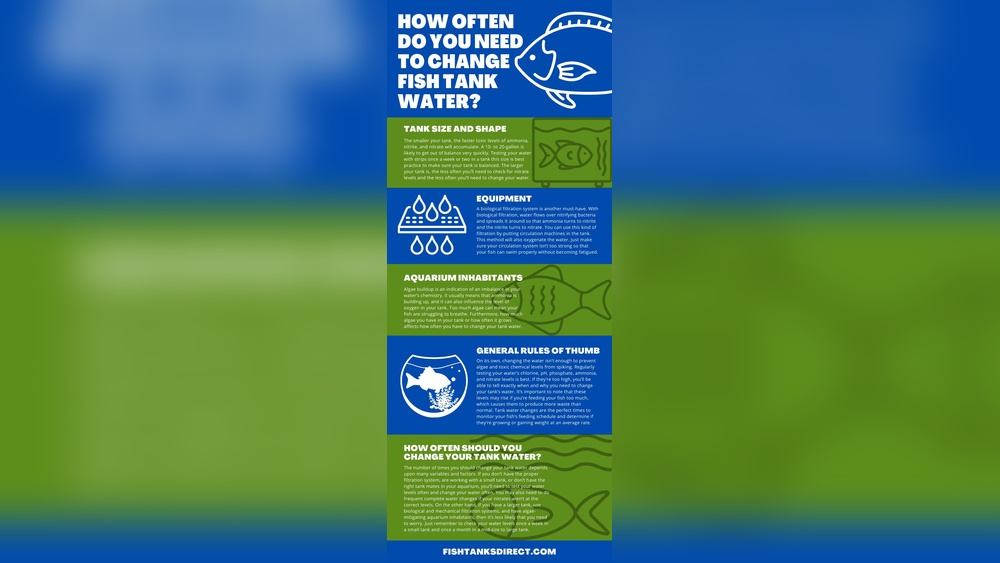
Knowing how often to change water in a fish tank with a filter depends on many things. These factors affect water quality and fish health. Understanding them helps keep your aquarium clean and safe. Below are the key points to consider.
Tank Size And Stocking Levels
Small tanks need water changes more often than big ones. More fish produce more waste. A crowded tank fills with toxins faster. Changing water often keeps the tank safe. Large tanks with few fish need less frequent changes.
Type Of Fish And Plants
Different fish have different needs. Some fish make more waste. Others are sensitive to water changes. Live plants help clean water by using nutrients. Tanks with many plants may need fewer water changes. Know your fish and plants to decide.
Filter Efficiency
A good filter removes waste and cleans water. High-quality filters reduce how often you change water. Poor filters need more frequent water changes. Check your filter regularly. Clean or replace filter parts as needed to keep it working well.
Recommended Water Change Schedule
Keeping your fish tank clean is key to healthy fish. Changing water regularly removes waste and toxins. A good water change schedule keeps the tank balanced and fish happy. The right timing depends on tank size, fish number, and filter type.
Below are simple guidelines on how often to change water in a filtered fish tank. Follow these tips to keep your aquarium fresh and safe.
Weekly Vs Biweekly Changes
Weekly water changes are best for tanks with many fish or little plants. This keeps water clean and reduces harmful chemicals. Biweekly changes work for smaller tanks or those with fewer fish. If the tank is stable and well-filtered, changing water every two weeks is fine.
Percentage Of Water To Change
Change 10% to 25% of the water at a time. Small changes keep water chemistry steady. Large changes can stress fish and remove helpful bacteria. For weekly changes, 10% to 15% is enough. For biweekly changes, 20% to 25% works well.
Adjusting Schedule Based On Conditions
Watch your tank closely. Cloudy water or bad smell means more frequent changes. More fish or feeding more also means you need to change water often. If plants are growing well and fish look healthy, you can keep the current schedule. Always test water parameters to guide your water changes.
Steps For Changing Water Safely
Changing water in your fish tank with a filter is important for fish health. Doing it safely keeps fish calm and the tank clean. Follow simple steps to avoid stress and harm to your fish.
Each step helps keep water quality high. It also prevents sudden changes that can hurt fish. Read on for easy ways to change water safely.
Preparing Replacement Water
Use clean water free of chlorine and chemicals. Let tap water sit for 24 hours or use a water conditioner. Check the temperature matches the tank water. This prevents shocking your fish with cold or hot water.
Use a bucket or container that is clean and safe for fish tanks. Never use soap or detergents to clean it. These can poison the water and fish.
Partial Water Removal Techniques
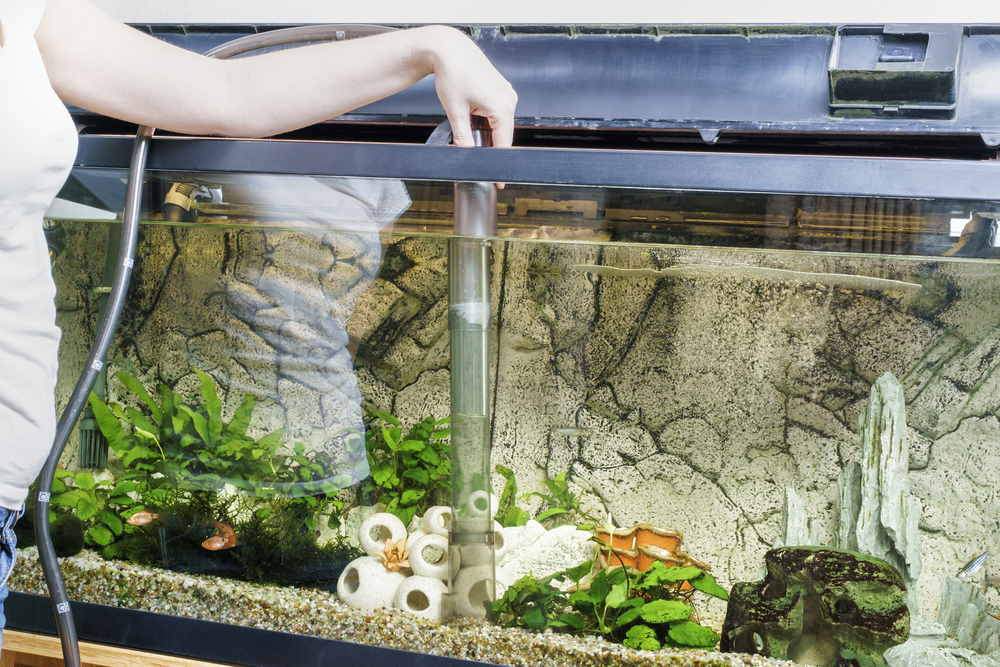
Remove 10-25% of the tank water at a time. Use a siphon or gravel vacuum to take out dirty water and debris. Avoid removing too much water at once.
Partial water changes help keep good bacteria in the filter. These bacteria clean the water and keep fish healthy. Removing too much water can harm this balance.
Refilling And Monitoring
Slowly add the prepared water back into the tank. Pour it gently to avoid disturbing the fish and substrate. Use a plate or bowl to spread water flow.
After refilling, check water temperature and clarity. Watch your fish for signs of stress or illness. Test water parameters regularly to keep the tank safe.
Common Mistakes To Avoid
Keeping a fish tank clean is important for healthy fish. Many people make mistakes when changing water in a tank with a filter. These mistakes can harm fish and reduce water quality. Knowing what to avoid helps keep your tank safe and clear.
Changing Too Much Water At Once
Changing too much water can shock your fish. It removes helpful bacteria that live in the tank. These bacteria help break down waste. Changing only 10-20% of the water each time is best. This keeps the tank stable and fish calm.
Ignoring Water Parameters
Water parameters like pH, ammonia, and nitrite levels matter a lot. Ignoring these can hurt your fish. Test water regularly to see if it is safe. Adjust water changes based on test results. Clean water means healthy fish and fewer problems.
Neglecting Filter Maintenance
Filters clean the water but need care too. Not cleaning the filter can make it less effective. Rinse filter parts in tank water during water changes. Avoid using tap water to keep good bacteria alive. Clean filters help keep water clear and fish happy.
Signs You Need To Change Water More Often
Knowing when to change water in your fish tank is key to keeping fish healthy. Sometimes, the usual schedule needs adjusting. Watch for clear signs that water changes should happen more often. These signs help you avoid problems early and keep the tank clean.
Cloudy Or Discolored Water
Water should be clear and bright. Cloudy or colored water shows dirt and waste build-up. It means the filter is not cleaning well enough. Changing water more often keeps water fresh and safe.
Fish Stress And Illness
Fish that look tired or hide a lot may be stressed. Stress comes from bad water quality. Illness can spread fast in dirty water. More frequent water changes improve fish health and energy.
Increased Algae Growth
Algae grows faster in dirty water. Green walls or plants show too many nutrients in the tank. Changing water stops algae from taking over. It also keeps the tank looking nice and clean.
Enhancing Water Quality Beyond Changes
Keeping water clean is key to a healthy fish tank. Changing water often helps, but other steps improve water quality. These steps work with water changes to keep your fish happy and safe.
Using Water Conditioners
Water conditioners remove harmful chemicals from tap water. They make water safe for fish quickly. Use conditioners every time you add new water. This helps protect fish from stress and illness.
Regular Filter Cleaning
Filters catch dirt and waste from the water. Clean your filter regularly to keep it working well. Rinse filter media in old tank water, not tap water. This keeps good bacteria alive and helps break down waste.
Proper Feeding Practices
Feed fish only what they can eat in a few minutes. Uneaten food pollutes the tank water. Overfeeding leads to more waste and dirty water. Feeding less keeps the tank cleaner and fish healthier.
Frequently Asked Questions
How Often Should I Change Water In A Filtered Fish Tank?
For a filtered fish tank, change 10-20% of water weekly. This maintains water quality and fish health without disturbing beneficial bacteria.
Does Filter Reduce The Need For Frequent Water Changes?
Yes, filters help remove waste and toxins, reducing water changes. However, regular partial changes remain essential to remove dissolved pollutants and replenish minerals.
What Happens If I Don’t Change Water Regularly In Tank?
Neglecting water changes leads to toxin buildup, poor oxygen, and unhealthy fish. It can cause stress, disease, and algae overgrowth in the aquarium.
Can I Change Water Less Often With A Strong Filter?
Even strong filters require weekly partial water changes. Filters don’t remove all pollutants; changing water keeps environment stable and fish thriving.
Conclusion
Changing water regularly keeps fish healthy and happy. Clean water helps remove waste and harmful chemicals. A good rule is to change 10-20% of water weekly. This keeps the tank balanced without stressing fish. Always check the filter; it helps keep water clean longer.
Watch your fish and water clarity for signs. Consistent care makes your fish tank a safe home. Simple steps can make a big difference every day. Caring for your tank is easy with the right routine.
Hasan Al Sarker is a Reverse Osmosis Specialist. He has worked for many years to ensure safe drinking water for all. His research paper has been published in several journals, including Issue, Medium, and Slideshare. He is recognized as a water doctor among specialists though he did not attend medical college.
Besides working as a researcher of reverse osmosis technology, he is also very fancy with the kitchen and cooking. His guides are reading thousands of people every day. As a head of content, he is responsible for all the published articles at RO System Reviews.










:strip_icc()/water-changes-1381886_final2-63b5961634e043cfb7bb233be39f4cc9.png)