Are you wondering if ion exchange filters are something you can easily get for your business or home? You might have heard about their power to improve water quality, but the question is—are these filters available commercially?
If you want to make sure your water is cleaner, safer, and better for daily use, understanding where and how to find these filters is key. Keep reading to discover everything you need to know about ion exchange filters and how they can fit into your water treatment needs.
Ion Exchange Filters Basics
Ion exchange filters are popular devices used in water treatment. They help remove unwanted ions from liquids. These filters improve water quality by swapping harmful ions with safer ones. Many industries use ion exchange filters for clean water and better processes.
Understanding how these filters work and their types helps to see their value. They come in different forms for various uses. These filters are simple but very effective in water purification and other tasks.
How Ion Exchange Works
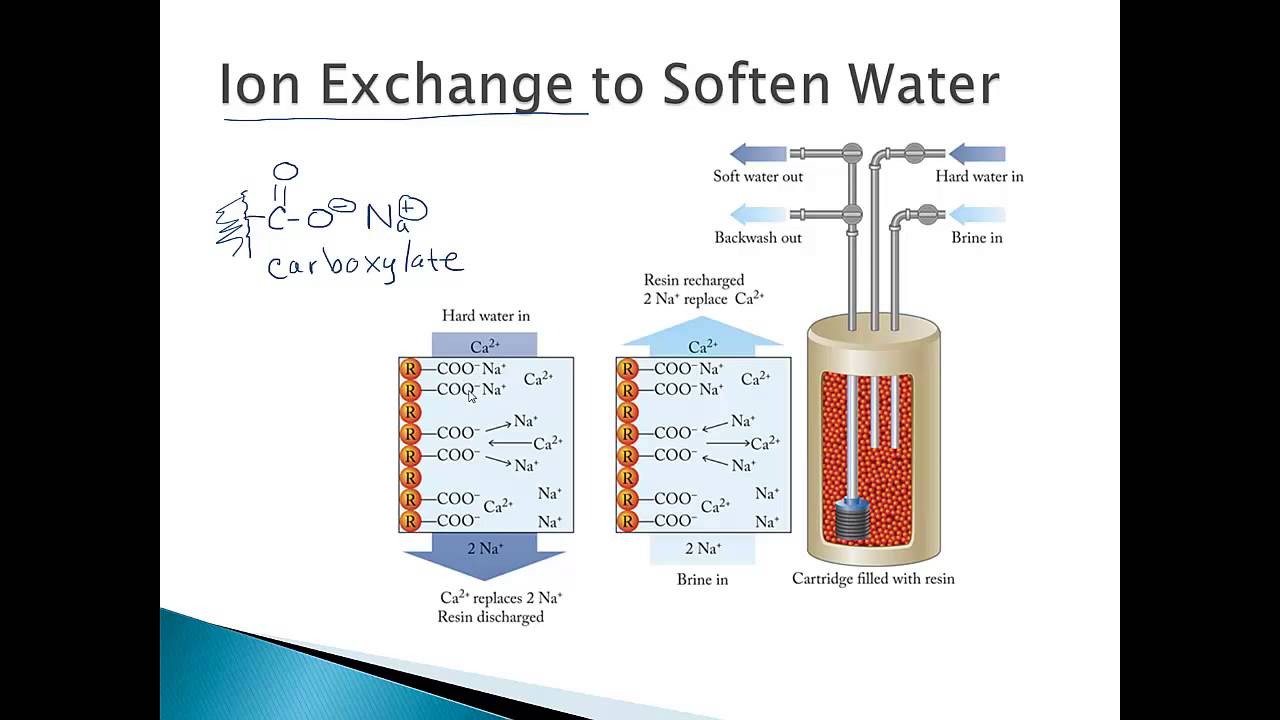
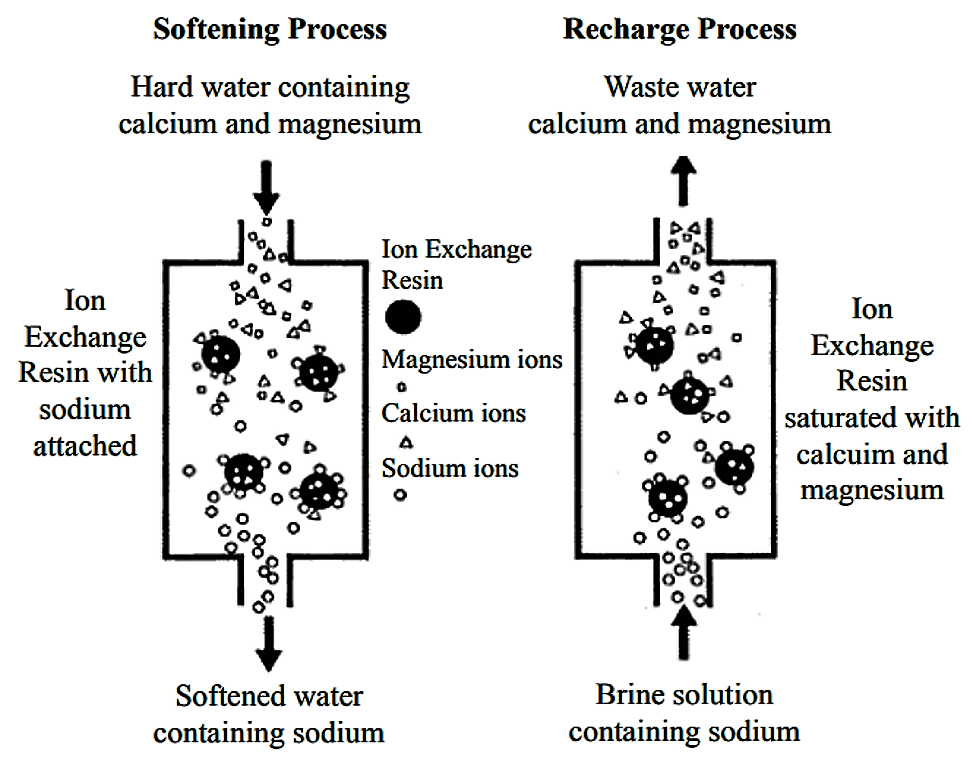
Ion exchange filters use resin beads that hold ions. When water passes through, the beads swap bad ions with good ones. For example, calcium or magnesium ions are replaced by sodium ions. This process softens hard water and removes contaminants.
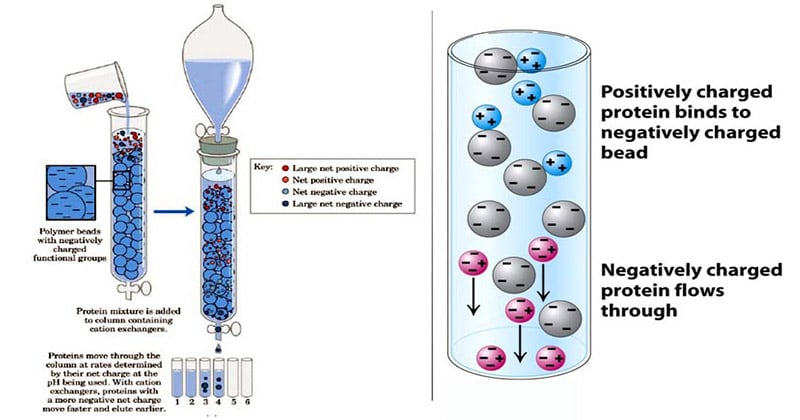
The exchange happens because resin beads have charged sites. These sites attract ions of opposite charge. Over time, the beads become full and need regeneration. Regeneration uses special chemicals to clean the beads and restore their function.
Types Of Ion Exchange Filters
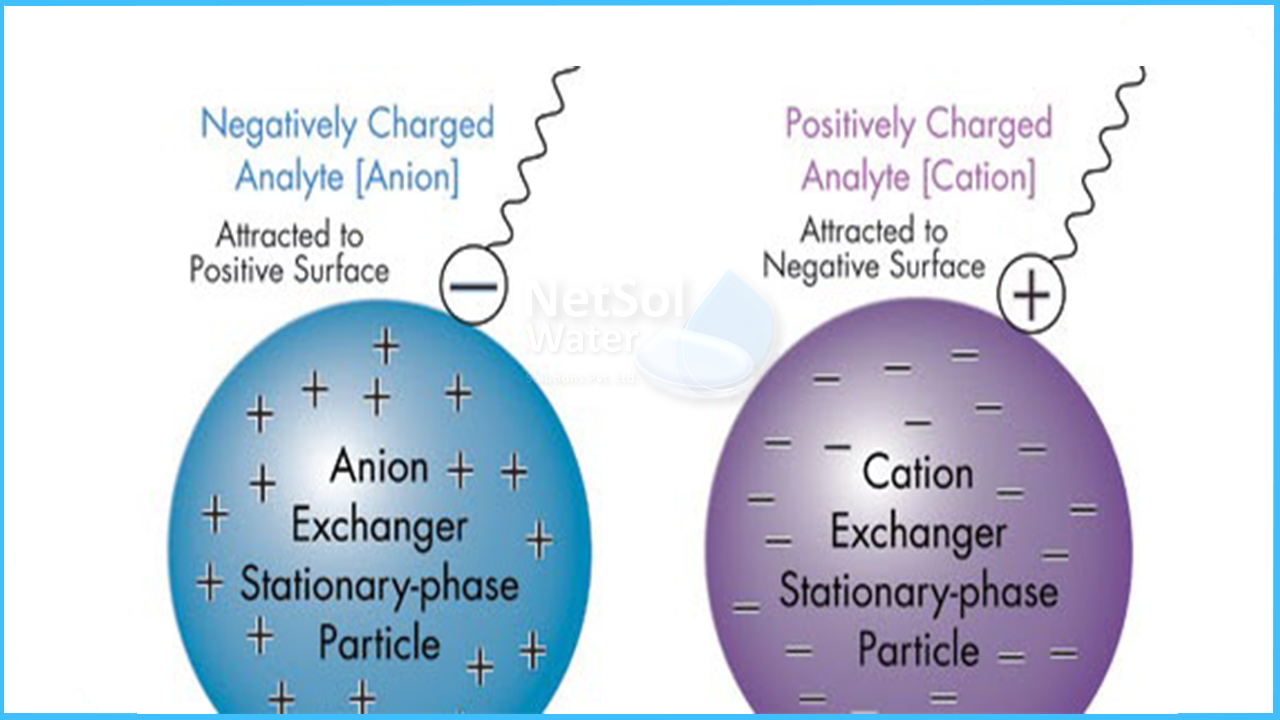
There are two main types of ion exchange filters: cation and anion exchange filters. Cation filters remove positive ions like calcium and magnesium. Anion filters remove negative ions like nitrate and sulfate.
Some filters combine both types for better cleaning. These mixed-bed filters handle a wider range of ions. Choosing the right type depends on the water problem that needs solving.
Common Applications
Ion exchange filters serve many purposes. They soften hard water in homes and industries. They remove heavy metals from wastewater. They also purify water for food and beverage production.
These filters are used in laboratories and power plants too. They help keep water clean and safe. The filters are available commercially and fit many needs.
Commercial Availability
Ion exchange filters are widely available for commercial use. These filters are popular for water softening and purification. Businesses and homes both use them to improve water quality. Several companies manufacture these filters in various sizes and capacities. Buyers can find many options suitable for different needs.
Leading Manufacturers
Top brands produce ion exchange filters with trusted technology. Companies like Culligan, Pentair, and Fleck lead the market. They offer reliable products with strong customer support. These manufacturers focus on durability and efficiency. Their filters meet industry standards and certifications.
Where To Buy
Ion exchange filters are sold in many places. Specialized water treatment stores often stock these products. Plumbing supply shops also carry them. Large home improvement centers provide a good selection. Some dealers offer installation and maintenance services as well.
Online Vs Physical Stores
Buying online offers convenience and variety. Shoppers can compare prices and read reviews easily. Delivery to your door saves time and effort. Physical stores allow seeing products before buying. Staff can answer questions and give advice. Both options serve different buyer needs effectively.
Choosing The Right Filter
Choosing the right ion exchange filter is key for effective water treatment. It affects water quality and system performance. Careful choice helps avoid problems like clogging and poor filtration.
Filter Capacity And Size
Filter capacity tells how much water the filter can treat before it needs replacement. Choose a size that fits your water usage. Too small a filter will require frequent changes. Too large wastes space and money. Measure your daily water needs first.
Material Compatibility
Check if the filter material suits your water type. Some filters work better with hard water. Others target specific contaminants like heavy metals. Using the wrong filter can cause damage or poor results. Match the filter material with your water’s characteristics.
Flow Rate Considerations
The flow rate is how fast water passes through the filter. A proper flow rate ensures good filtration without slowing down water supply. Low flow rates may reduce efficiency. High flow rates can reduce contact time, lowering filter performance. Choose a filter that fits your system’s flow needs.
Credit: agapewater.com
Installation And Maintenance
Installing and maintaining ion exchange filters is essential for their effective operation. Proper setup ensures the filter works well and lasts longer. Regular care keeps the water clean and the system efficient.
Setup Requirements
Choose a stable, level spot for the filter. Connect the inlet and outlet pipes tightly. Use proper fittings to avoid leaks. Ensure the filter is near a power source if needed. Flush the system with clean water before use. Follow the manufacturer’s guide for exact steps.
Routine Maintenance Tips
Check the filter regularly for any signs of wear. Clean or replace the resin beads as recommended. Backwash the filter to clear trapped particles. Monitor water flow to detect blockages early. Keep the system dry and free from dust. Record maintenance dates for future reference.
Troubleshooting Common Issues
Low water flow may mean a clogged filter. Check for leaks around joints and seals. Strange tastes or smells suggest resin needs replacement. Pressure drops indicate buildup inside the system. Reset the control valve if the filter stops working. Contact support if problems persist after basic fixes.
Cost And Value
Ion exchange filters offer a practical solution for water treatment in many settings. Understanding their cost and value helps buyers make smart choices. These filters vary in price, but they also provide benefits that can save money over time.
Price Range Overview
Ion exchange filters usually cost between $50 and $500. The price depends on size, brand, and capacity. Small units for home use are cheaper. Larger commercial models cost more. Installation costs might add to the total price. Some filters require extra parts or accessories.
Long-term Savings
These filters reduce the need for bottled water and repairs. They help protect pipes and appliances from damage. This lowers maintenance costs over time. Ion exchange filters can last several years with care. Replacing filter resin is cheaper than buying new units. Saving on water bills is another benefit.
Warranty And Support
Many manufacturers offer warranties from one to five years. Warranties cover defects and some repairs. Good customer support helps with installation and troubleshooting. Some brands provide online guides and videos. Checking warranty terms before buying is wise. Reliable support adds value and peace of mind.
Credit: www.nature.com
Environmental Impact
Ion exchange filters have grown popular for water purification in many industries. Their environmental impact is a key concern for businesses and consumers. Understanding how these filters affect the environment helps make better choices.
Waste Disposal
Ion exchange filters produce waste during use. The spent resin contains captured ions that must be handled carefully. Proper disposal prevents pollution of soil and water. Some facilities regenerate resin to reduce waste. Safe waste management lowers environmental risks.
Energy Efficiency
These filters require energy to operate and regenerate. The amount of energy varies by system size and type. Efficient models use less power, saving resources. Lower energy use means less pollution from power plants. Choosing energy-efficient filters helps protect the planet.
Sustainability Practices
Manufacturers focus on making ion exchange filters eco-friendly. They use materials that last longer and recycle parts. Some systems reduce chemical use during regeneration. Sustainable methods cut down waste and pollution. Supporting these practices promotes a healthier environment.
Credit: www.researchgate.net
Frequently Asked Questions
Are Ion Exchange Filters Available For Commercial Use?
Yes, ion exchange filters are widely available for commercial use. Many manufacturers offer them for water softening and purification in industries. They effectively remove unwanted ions, improving water quality for various commercial applications.
What Industries Commonly Use Ion Exchange Filters?
Industries like pharmaceuticals, food processing, and power plants use ion exchange filters. They rely on these filters to ensure high purity water, essential for their processes and product quality.
How Do Commercial Ion Exchange Filters Work?
Commercial ion exchange filters work by exchanging unwanted ions in water with beneficial ones. This process removes hardness, heavy metals, and contaminants, resulting in clean, softened water suitable for commercial needs.
Are Commercial Ion Exchange Filters Cost-effective?
Yes, commercial ion exchange filters are cost-effective over time. They reduce maintenance costs, improve equipment life, and provide consistent water quality, making them a valuable investment for businesses.
Conclusion
Ion exchange filters are widely available in the market today. Many brands offer different models for various needs. These filters help improve water quality effectively. They remove unwanted minerals and impurities from water. You can find them in stores and online easily.
Choosing the right filter depends on your water type. Maintenance is simple and keeps the filter working well. This makes ion exchange filters a practical choice for clean water. Consider your needs and explore options before buying. Clean, soft water is possible with these filters.
Hasan Al Sarker is a Reverse Osmosis Specialist. He has worked for many years to ensure safe drinking water for all. His research paper has been published in several journals, including Issue, Medium, and Slideshare. He is recognized as a water doctor among specialists though he did not attend medical college.
Besides working as a researcher of reverse osmosis technology, he is also very fancy with the kitchen and cooking. His guides are reading thousands of people every day. As a head of content, he is responsible for all the published articles at RO System Reviews.
Have you ever wondered what’s really in your tap water? You might be surprised to learn that many unwanted minerals and particles can affect its taste, safety, and quality.
That’s where ion exchange filters come in. But what do these filters actually remove from your water? Understanding this can help you make smarter choices for your health and home. Keep reading to discover exactly how ion exchange filters work and why they might be the solution you’ve been looking for.
How Ion Exchange Filters Work
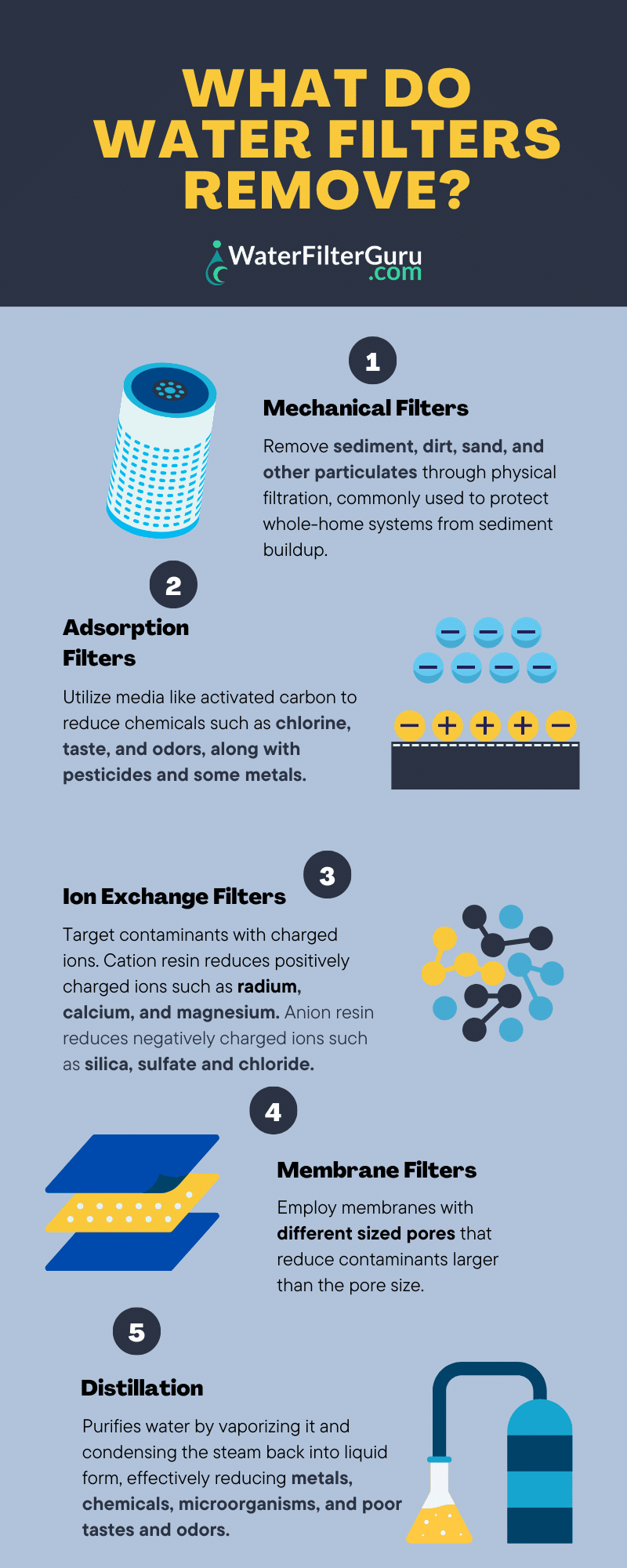
Ion exchange filters clean water by swapping unwanted minerals with safer ones. They remove hard minerals like calcium and magnesium, which cause scale buildup. This process makes water softer and better for daily use.
These filters use special materials called resins. Resins attract and hold the hard minerals from water. Then, they release harmless ions like sodium or hydrogen into the water. This exchange improves water quality and taste.
Basic Ion Exchange Process
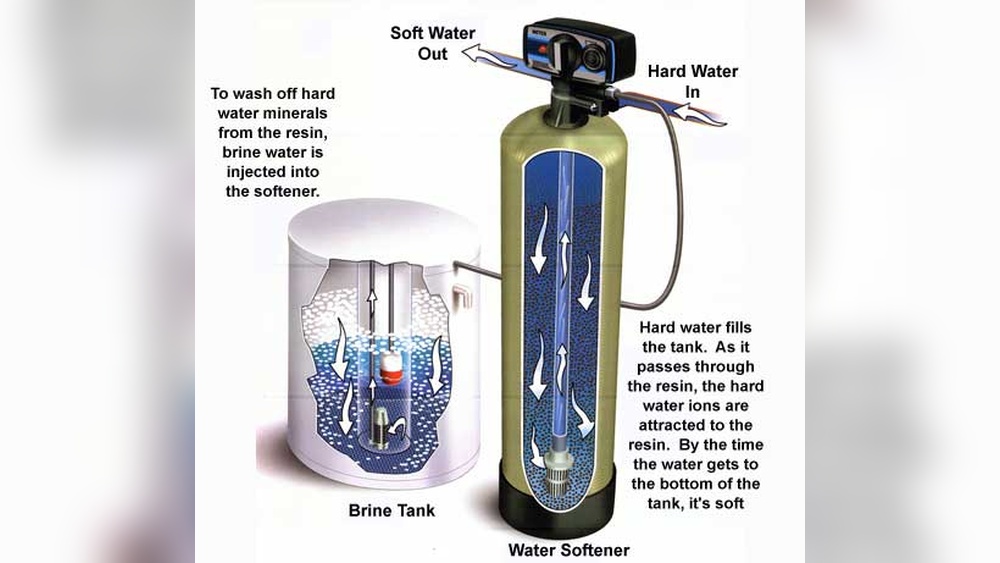
Water flows through a tank filled with ion exchange resin beads. These beads carry charged particles or ions. Hard minerals in water have a positive charge. The resin beads have ions with the same charge but different type.
As water passes, the resin beads swap their ions with the hard minerals. For example, calcium ions stick to the resin, while sodium ions are released into the water. This swap removes the hard minerals and softens the water.
Over time, the resin beads fill up with hard minerals. The filter needs cleaning or recharging. This process uses a salt solution that flushes out the hard minerals from the resin. After cleaning, the filter works like new again.
Types Of Ion Exchange Resins
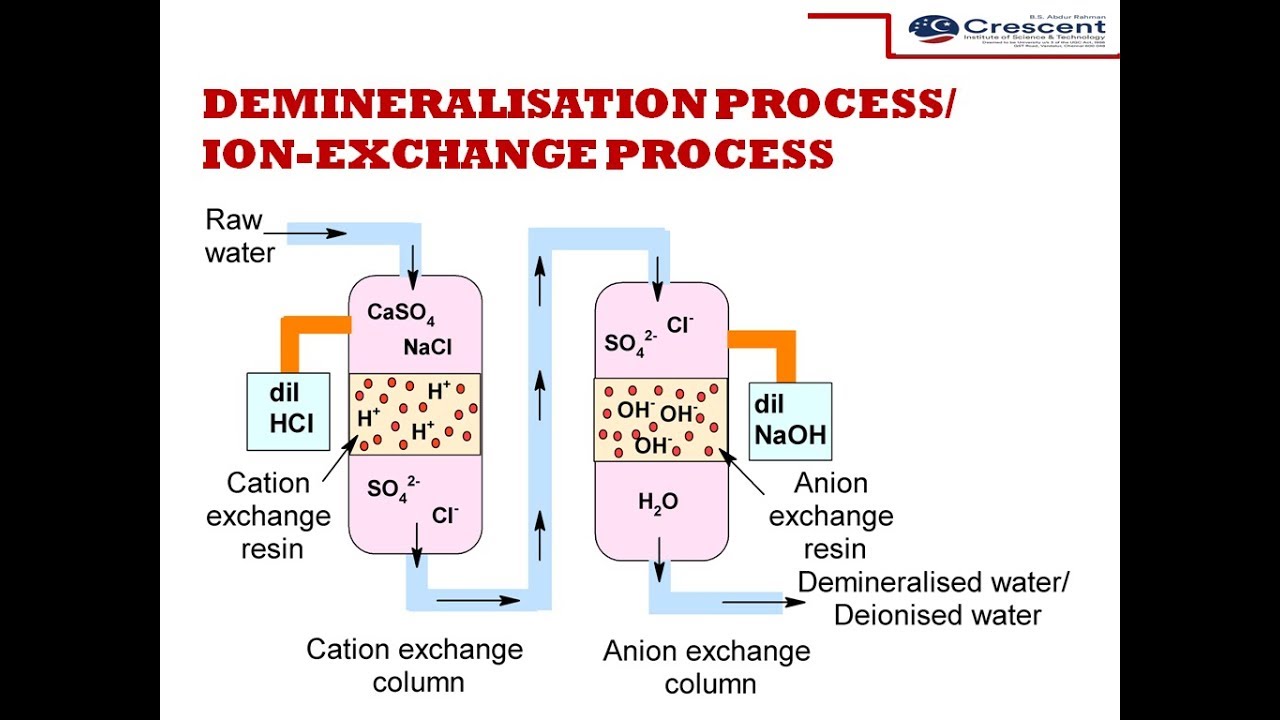
There are two main types of ion exchange resins: cation and anion resins. Cation resins remove positive ions like calcium and magnesium. These are the main cause of hard water.
Anion resins remove negative ions such as nitrate, sulfate, and chloride. They help in reducing bad tastes and odors in water. Some filters combine both types for better purification.
Resins come in different forms and strengths. Some resins are designed to work faster or last longer. Choosing the right resin depends on the water problem you want to solve.
Credit: www.amazon.com
Common Contaminants Removed
Ion exchange filters clean water by removing many common contaminants. These filters improve water quality and taste. They help protect plumbing and appliances from damage. Understanding what contaminants they remove shows their value.
These filters mainly target ions dissolved in water. They exchange unwanted ions with safer ones. This process removes harmful and unwanted minerals and metals. Below are some common contaminants ion exchange filters remove.
Hardness Minerals: Calcium And Magnesium
Calcium and magnesium cause water hardness. Hard water can leave spots on dishes and clothes. It also clogs pipes and reduces soap effectiveness. Ion exchange filters swap these hardness minerals with sodium or potassium ions. This softens water and reduces damage.
Heavy Metals: Lead, Copper, And Cadmium
Lead, copper, and cadmium are toxic heavy metals. They can enter water from old pipes and industrial waste. These metals harm health when consumed. Ion exchange filters capture and remove these metals. They help make water safer to drink and use.
Radioactive Elements: Radium And Uranium
Radium and uranium are radioactive elements found in some water sources. They pose serious health risks over time. Ion exchange filters reduce these elements effectively. This lowers the risk of radiation exposure from water.
Other Ions: Iron And Manganese
Iron and manganese cause stains and bad taste in water. High levels can clog pipes and damage appliances. Ion exchange filters remove these ions. This improves water clarity and prevents staining.
Limitations Of Ion Exchange Filters
Ion exchange filters improve water quality by removing certain minerals and metals. They work well for softening hard water and reducing contaminants like calcium and magnesium. Yet, these filters have limits. Understanding these limits helps you choose the right water treatment for your needs.
Contaminants Not Effectively Removed
Ion exchange filters do not remove all types of contaminants. They mainly target minerals that cause hardness. They cannot remove bacteria, viruses, or chemicals like pesticides. They also miss sediments, chlorine, and heavy metals such as lead or mercury. For these, other filters like activated carbon or UV systems are needed.
Impact Of Water Chemistry On Performance
Water chemistry affects how well ion exchange filters work. High iron or manganese levels can clog the filter quickly. Water with high chlorine can damage the resin beads inside the filter. The pH level also matters; very acidic or alkaline water reduces filter efficiency. Regular maintenance is essential to keep the filter working properly.
Credit: waterfilterguru.com
Applications Of Ion Exchange Filters
Ion exchange filters have many uses across different fields. They help remove unwanted minerals and ions from water. This improves water quality for various purposes. Their ability to exchange ions makes them very useful in many settings.
Residential Water Softening
Ion exchange filters soften hard water by removing calcium and magnesium. This prevents scale buildup in pipes and appliances. Softer water protects plumbing and extends appliance life. It also improves soap and detergent effectiveness. Many homes use these filters to enhance water quality.
Industrial Water Treatment
Industries use ion exchange filters to purify water for processes. They remove minerals that cause scaling and corrosion. This protects machinery and improves product quality. Power plants, chemical manufacturing, and food processing rely on these filters. Clean water helps maintain efficiency and safety in plants.
Laboratory And Medical Use
In labs, ion exchange filters provide pure water for experiments. They remove ions that can interfere with results. Medical facilities use them to prepare water for dialysis machines. This ensures patient safety and treatment effectiveness. Pure water is critical in many scientific and medical applications.
Maintaining Ion Exchange Filters
Maintaining ion exchange filters ensures they work well for a long time. These filters remove unwanted minerals and impurities from water. Proper care keeps the water clean and the system efficient. Regular maintenance prevents costly repairs and filter replacements. It also helps keep water tasting fresh and safe.
Regeneration Process
The regeneration process restores the filter’s ability to remove minerals. It uses a salt solution to clean the filter beads. This process removes trapped minerals like calcium and magnesium. Regeneration usually happens automatically or can be done manually. Following the manufacturer’s instructions is important for best results.
Signs Of Filter Exhaustion
Watch for changes in water taste or smell. Water flow may slow down, showing filter clogging. Hard water spots on dishes can also appear. These signs mean the filter is full of minerals. Timely regeneration or replacement is necessary to keep water clean.
Tips For Longevity
Use good-quality salt for regeneration to protect filter beads. Avoid using harsh chemicals near the filter system. Check the filter regularly for any damage or leaks. Keep the filter and surrounding area clean and dry. Proper maintenance extends the life of the ion exchange filter.
Credit: mytapscore.com
Frequently Asked Questions
What Contaminants Do Ion Exchange Filters Remove?
Ion exchange filters remove hardness minerals like calcium and magnesium. They also reduce heavy metals such as lead and copper. These filters improve water taste and prevent scale buildup in pipes and appliances, enhancing water quality for drinking and household use.
How Do Ion Exchange Filters Soften Hard Water?
Ion exchange filters replace calcium and magnesium ions with sodium or potassium ions. This process softens water by reducing hardness minerals. Softened water protects plumbing, reduces soap scum, and improves cleaning efficiency in homes and industries.
Can Ion Exchange Filters Remove Heavy Metals?
Yes, ion exchange filters effectively remove heavy metals like lead, copper, and mercury. They trap these harmful metals by exchanging them with harmless ions, making water safer for drinking and reducing health risks associated with metal contamination.
Do Ion Exchange Filters Remove Chlorine Or Bacteria?
Ion exchange filters do not remove chlorine or bacteria. They specifically target dissolved minerals and heavy metals. For chlorine or bacteria removal, additional filtration methods like activated carbon filters or UV purifiers are required.
Conclusion
Ion exchange filters remove many harmful substances from water. They reduce hardness by swapping calcium and magnesium ions. These filters also lower heavy metals like lead and copper. They improve water taste and protect appliances from damage. Using ion exchange helps keep water clean and safe.
Choosing the right filter matters for best results. Clean water supports health and daily life. Simple, effective, and reliable—ion exchange filters work well. Consider them for better water at home or work. Clear, soft water makes a big difference.
Hasan Al Sarker is a Reverse Osmosis Specialist. He has worked for many years to ensure safe drinking water for all. His research paper has been published in several journals, including Issue, Medium, and Slideshare. He is recognized as a water doctor among specialists though he did not attend medical college.
Besides working as a researcher of reverse osmosis technology, he is also very fancy with the kitchen and cooking. His guides are reading thousands of people every day. As a head of content, he is responsible for all the published articles at RO System Reviews.
Are you curious about how to make your water cleaner and better for your home? Understanding what an ion exchange filter is can be the key to improving your water quality.
This simple device can remove unwanted minerals and impurities that affect taste, smell, and even your health. By the end of this article, you’ll know exactly how an ion exchange filter works and why it might be the perfect solution for your water needs.
Keep reading to discover how this small filter can make a big difference in your daily life.
Credit: www.coleparmer.com
Ion Exchange Filter Basics
An ion exchange filter is a tool used to clean water by removing unwanted minerals. It helps improve water quality by softening hard water and reducing harmful elements. Understanding how these filters work and the materials they use is important for choosing the right one.
How Ion Exchange Works
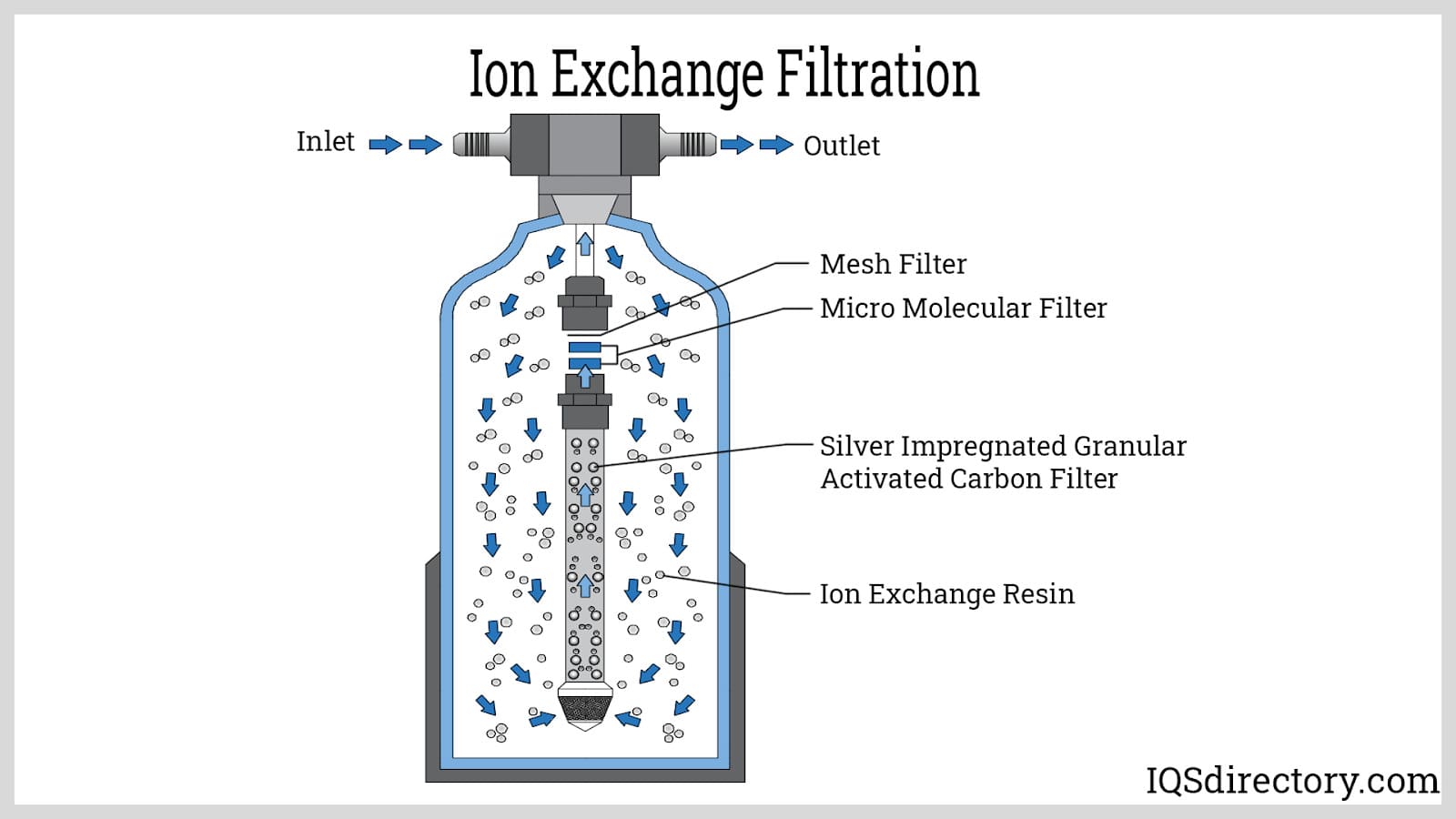
Ion exchange works by swapping bad ions in water with good ones. The filter contains resin beads that carry charged particles. As water passes through, harmful ions like calcium and magnesium stick to the beads. In return, the beads release safer ions like sodium or hydrogen. This process changes the water’s chemical makeup, making it cleaner and softer.
Types Of Ion Exchange Filters
There are two main types of ion exchange filters. The first type is a water softener, which removes hardness ions such as calcium and magnesium. The second type targets specific contaminants like heavy metals or nitrates. Some filters combine these types to treat multiple water problems at once. Each type suits different water conditions and needs.
Common Materials Used
Ion exchange filters use special resin beads made from polymers. These beads carry charged groups that attract unwanted ions. Some resins are designed to capture positive ions (cations), while others catch negative ions (anions). The choice of resin depends on the type of impurities in the water. Regular maintenance keeps the resin effective over time.
Credit: shop.culligan.com
Benefits Of Pure Water
Pure water plays a big role in daily life. It affects health, taste, and home appliances. Using an ion exchange filter helps get clean water. This filter removes harmful minerals and makes water better.
Pure water brings many benefits that improve life quality. Below are key advantages of having clean and pure water.
Health Improvements
Pure water reduces harmful minerals like lead and mercury. It lowers risks of health problems. Drinking clean water supports better digestion and skin health. It helps keep the body hydrated and strong.
Taste And Odor Enhancement
Impurities in water cause bad taste and smell. Pure water tastes fresh and clean. It makes cooking and drinking more enjoyable. Removing chlorine and minerals improves water’s natural flavor.
Protection For Appliances
Hard minerals can damage pipes and machines. Pure water prevents scale build-up inside appliances. It helps washing machines, coffee makers, and dishwashers last longer. Clean water lowers maintenance costs and repairs.
Applications Of Ion Exchange Filters
Ion exchange filters have many important uses in different fields. They help remove unwanted ions from water or other solutions. This makes the water cleaner and safer for various purposes. Their ability to exchange ions makes them useful in homes, industries, and labs.
Residential Use
Ion exchange filters improve water quality in homes. They remove hardness caused by calcium and magnesium. This prevents scale buildup in pipes and appliances. Families enjoy softer water for bathing and cleaning. It also protects water heaters and washing machines. These filters make water taste better and safer to drink.
Industrial Applications
Industries use ion exchange filters for many tasks. They treat boiler water to stop scale and corrosion. This saves energy and equipment costs. Factories purify process water to keep products pure. Ion exchange also recovers valuable metals from waste. It helps in chemical manufacturing by controlling water quality.
Laboratory And Medical Uses
Labs rely on ion exchange filters for pure water. This water is essential for experiments and tests. Medical facilities use these filters to prepare dialysis fluids. They ensure water is free from harmful ions. Ion exchange improves the safety and accuracy of lab work.
Maintenance And Longevity
Proper maintenance is key to keeping an ion exchange filter working well. Regular care helps the filter last longer and keeps water quality high. Ignoring maintenance can reduce its effectiveness and cause damage.
Knowing how to care for your filter improves its performance. Simple steps can extend its life and save money on replacements.
Filter Regeneration Process
Ion exchange filters need to regenerate after some use. This process restores their ability to remove unwanted minerals. It usually involves flushing the filter with a salt solution. The salt replaces the collected minerals in the filter. Regeneration keeps the filter clean and effective. Follow the manufacturer’s instructions to regenerate on time.
Signs Of Replacement
Watch for signs the filter needs replacing. Water may taste salty or have a strange odor. The flow rate might slow down significantly. If the filter no longer softens water, it may be worn out. Regular testing helps spot problems early. Replace the filter to maintain good water quality.
Tips For Prolonging Filter Life
Use clean water to reduce debris buildup. Avoid using harsh chemicals near the filter. Check and clean pre-filters regularly. Keep the filter away from extreme temperatures. Regenerate the filter on schedule. These steps help the filter last longer and work better.
Comparing Ion Exchange With Other Filters
Choosing the right water filter depends on your needs. Ion exchange filters work differently than other filters. Understanding these differences helps you pick the best filter for your water quality.
Ion Exchange Vs. Activated Carbon
Ion exchange filters remove hard minerals like calcium and magnesium. Activated carbon filters focus on removing chlorine, bad taste, and odors. Carbon filters do not soften water or remove minerals. Ion exchange changes water hardness by swapping ions. Both filters improve water but target different problems.
Ion Exchange Vs. Reverse Osmosis
Reverse osmosis (RO) filters remove many impurities by pushing water through a fine membrane. Ion exchange only swaps specific ions. RO can remove salts, bacteria, and many chemicals. Ion exchange mainly softens water and removes heavy metals. RO systems need more water and energy than ion exchange units.
Cost And Efficiency Considerations
Ion exchange filters usually cost less than reverse osmosis systems. They also use less water and energy. Activated carbon filters are often the cheapest option. Efficiency depends on water quality and filter maintenance. Ion exchange needs resin replacement over time. Choose a filter that balances cost and cleaning needs.
Environmental Impact
Ion exchange filters help clean water by removing minerals and impurities. This process affects the environment in several ways. Understanding these effects is important for using these filters responsibly. The environmental impact covers waste, sustainability, and alternative solutions.
Waste Management
Ion exchange filters create waste during regeneration. The used resin contains trapped minerals and chemicals. Proper disposal is necessary to avoid pollution. Many places treat this waste as hazardous. Safe handling reduces risks to soil and water. Recycling used resin can lower environmental harm.
Sustainability Practices
Choosing sustainable options helps reduce environmental damage. Using long-lasting resins means fewer replacements. Efficient regeneration uses less water and chemicals. Regular maintenance improves filter life and performance. Some companies follow eco-friendly guidelines for production. Sustainable use supports cleaner water and protects nature.
Eco-friendly Alternatives
Natural filtration methods provide greener options. Activated carbon filters remove impurities without chemicals. Reverse osmosis uses physical barriers instead of resins. Plant-based resins offer biodegradable choices. Combining methods can reduce environmental footprint. Exploring alternatives supports a healthier planet.
Credit: www.iqsdirectory.com
Frequently Asked Questions
What Does An Ion Exchange Filter Do?
An ion exchange filter removes unwanted minerals from water by swapping harmful ions with beneficial ones. It softens water and improves taste, making it safer for drinking and household use.
How Does An Ion Exchange Filter Work?
It works by exchanging ions in water with ions from a resin inside the filter. Hard minerals like calcium and magnesium are replaced with sodium or potassium ions, reducing water hardness.
What Are The Benefits Of Using An Ion Exchange Filter?
Benefits include softer water, reduced scale buildup, better soap efficiency, and improved appliance lifespan. It also helps prevent plumbing damage caused by hard water minerals.
Where Are Ion Exchange Filters Commonly Used?
They are used in homes, industries, and water treatment plants. Common applications include water softening, wastewater treatment, and chemical purification processes.
Conclusion
An ion exchange filter helps remove unwanted minerals from water. It makes water softer and better for daily use. These filters work by swapping bad ions with good ones. They are easy to use and maintain. Many homes and businesses trust this method for clean water.
Choosing the right filter can improve water quality quickly. Clean water means healthier life and appliances. Understanding how ion exchange filters work helps make smart choices. Simple, effective, and reliable—these filters serve many needs well.
Hasan Al Sarker is a Reverse Osmosis Specialist. He has worked for many years to ensure safe drinking water for all. His research paper has been published in several journals, including Issue, Medium, and Slideshare. He is recognized as a water doctor among specialists though he did not attend medical college.
Besides working as a researcher of reverse osmosis technology, he is also very fancy with the kitchen and cooking. His guides are reading thousands of people every day. As a head of content, he is responsible for all the published articles at RO System Reviews.
Have you ever wondered how your water gets so clean and fresh, especially when it tastes different from the tap? The secret often lies in a process called ion exchange water treatment.
This method can transform hard, mineral-filled water into soft, pure water that’s better for your skin, appliances, and even your health. If you want to know exactly how ion exchange works and why it might be the solution you need for better water, keep reading.
By the end, you’ll understand how this simple yet powerful process can make a big difference in your daily life.
Basics Of Ion Exchange
Understanding the basics of ion exchange helps explain how this water treatment works. It removes unwanted minerals and replaces them with safer ones. This process improves water quality for drinking and other uses.
Ion exchange is a simple chemical process. It involves exchanging harmful ions in water with useful ions held by a resin. This exchange happens inside a tank filled with tiny beads called ion exchange resins.
What Is Ion Exchange
Ion exchange is a method that swaps ions between water and a solid material. The solid material is usually a resin with charged particles. It attracts and holds specific ions from the water. Then, it releases different ions back into the water.
This process removes unwanted ions like calcium, magnesium, or heavy metals. It replaces them with ions like sodium or hydrogen. This makes the water softer and safer for use.
Types Of Ion Exchange Resins
There are two main types of ion exchange resins: cation and anion resins. Cation resins exchange positively charged ions. They remove hardness ions like calcium and magnesium.
Anion resins exchange negatively charged ions. They help remove contaminants like nitrate, sulfate, and chloride. Each resin type targets specific ions based on their charge.
Resins come in different forms and strengths. The choice depends on the water treatment needs. Some resins work better for softening, others for removing toxic ions.
Process Of Ion Exchange
The process of ion exchange is a common method for treating water. It removes unwanted ions and replaces them with useful ones. This process makes water safer and better for use. Understanding how ion exchange works helps to appreciate its benefits.
Ion Exchange Mechanism
Ion exchange works by swapping ions in water with ions on a solid material. This solid material is called a resin. The resin holds charged particles, called ions. When water passes through the resin, unwanted ions stick to it. At the same time, the resin releases different ions into the water. This swap cleans the water by removing harmful substances.
Stages Of Treatment
The treatment has several stages. First, water enters the ion exchange tank. Here, ions like calcium and magnesium attach to the resin. These ions cause hardness in water. Next, the resin releases sodium or hydrogen ions. This exchange softens the water and removes impurities. Finally, clean water leaves the tank, ready for use.
Regeneration Cycle
Over time, the resin fills up with unwanted ions. It loses its ability to clean water. To fix this, the resin goes through regeneration. A special solution flushes the resin. This solution removes the trapped ions. The resin then regains its cleaning power. The cycle repeats to keep water treatment effective.
Applications Of Ion Exchange
Ion exchange is a key process used in many water treatment applications. It helps remove unwanted minerals and impurities from water. This process improves water quality for various uses. Below are some common applications of ion exchange in water treatment.
Water Softening
Water softening is one of the most common uses of ion exchange. Hard water contains calcium and magnesium ions that cause scale buildup. Ion exchange replaces these ions with sodium or potassium ions. This prevents scale and makes water gentler on pipes and appliances.
Deionization And Demineralization
Deionization removes almost all mineral ions from water. It uses ion exchange resins to replace charged particles with hydrogen and hydroxide ions. This process produces very pure water. Demineralization is crucial in labs and industries needing clean water for processes.
Industrial Uses
Industries rely on ion exchange for many tasks. It treats boiler water to stop corrosion and scaling. It also helps in food processing and pharmaceutical manufacturing. Ion exchange cleans water for cooling systems and removes pollutants from wastewater.
Credit: www.youtube.com
Advantages And Limitations
Ion exchange water treatment offers many benefits but also has some limits. Understanding both helps in deciding if it suits your water needs. This section explains the main advantages and common challenges of this method.
Benefits Of Ion Exchange
Ion exchange removes hard minerals like calcium and magnesium. This improves water softness and taste. It also helps protect pipes and appliances from scale buildup. The process works quickly and efficiently. It can treat large volumes of water. The system is easy to operate and maintain. It does not use harmful chemicals, making it safe for homes. It also reduces contaminants like heavy metals and nitrates.
Common Challenges
Ion exchange needs regular maintenance to work well. The resin inside the system wears out over time. It requires salt or other regenerants to recharge. This adds to the ongoing cost. It may not remove all types of contaminants. Water with high iron or organic matter can clog the resin. Waste brine from regeneration must be disposed of properly. This can affect the environment if not handled well.
Maintaining Ion Exchange Systems
Maintaining ion exchange systems ensures they work well and last longer. Proper care keeps the water clean and the system efficient. Routine checks and small fixes prevent major problems.
Monitoring Performance
Check water quality regularly to see if the system works. Measure hardness or contaminants before and after treatment. Track flow rates and pressure to find issues early. Keep a log of all readings for comparison.
Troubleshooting Issues
Look for changes in water taste or smell as warning signs. Inspect resin beads for damage or clogging. Check for leaks or unusual noises in the system. Follow the manual to fix common problems quickly.
Best Practices For Longevity
Clean the system parts regularly to avoid buildup. Use the correct salt type for resin regeneration. Replace worn-out parts on time to prevent damage. Avoid harsh chemicals that can harm the resin. Schedule professional service annually to ensure top performance.
Credit: sswm.info
Credit: www.youtube.com
Frequently Asked Questions
What Is Ion Exchange In Water Treatment?
Ion exchange is a process that removes unwanted ions from water. It replaces harmful ions with beneficial ones using resin beads. This improves water quality by softening or demineralizing it, making it safer for consumption and industrial use.
How Does Ion Exchange Resin Work?
Ion exchange resin contains charged beads that attract and hold specific ions. When water passes through, harmful ions swap places with harmless ones on the resin. This continuous exchange cleans water efficiently without adding chemicals.
What Contaminants Can Ion Exchange Remove?
Ion exchange effectively removes hardness ions like calcium and magnesium. It also eliminates heavy metals, nitrates, and certain radioactive elements. This process is ideal for softening water and reducing toxic contaminants.
How Often Should Ion Exchange Resin Be Replaced?
Resin lifespan depends on water quality and usage. Typically, resin lasts 3 to 5 years before needing replacement. Regular regeneration extends resin life by flushing out trapped ions and restoring its effectiveness.
Conclusion
Ion exchange water treatment cleans water by swapping harmful ions. It removes minerals like calcium and magnesium that cause hardness. This process helps protect pipes and improves water taste. The system uses resin beads that trap unwanted ions. Water flows through the beads, leaving cleaner water behind.
Regular maintenance keeps the system working well. Many homes and industries use ion exchange for better water quality. Understanding this method shows how simple science improves daily life. Clean water matters. Ion exchange makes it possible.
Hasan Al Sarker is a Reverse Osmosis Specialist. He has worked for many years to ensure safe drinking water for all. His research paper has been published in several journals, including Issue, Medium, and Slideshare. He is recognized as a water doctor among specialists though he did not attend medical college.
Besides working as a researcher of reverse osmosis technology, he is also very fancy with the kitchen and cooking. His guides are reading thousands of people every day. As a head of content, he is responsible for all the published articles at RO System Reviews.
Have you ever wondered how water gets purified or how certain chemicals are removed from your surroundings? The answer often lies in a simple yet powerful process called ion exchange.
Understanding what ion exchange is can help you see how this technique impacts your daily life—from clean drinking water to efficient industrial systems. By the time you finish this article, you’ll know exactly how ion exchange works and why it matters to you.
Ready to discover a process that quietly makes a big difference? Let’s dive in.
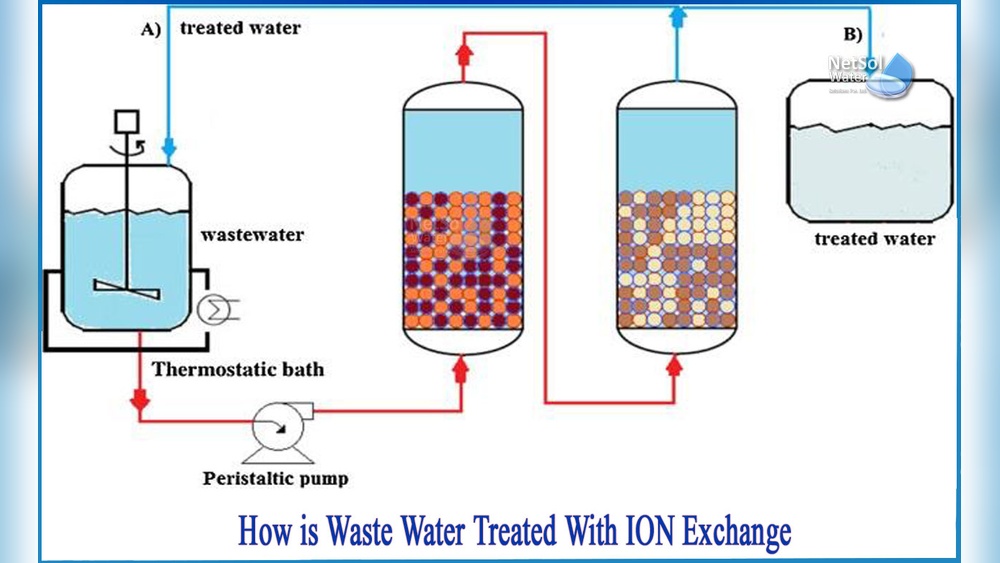
Credit: www.netsolwater.com
Basics Of Ion Exchange
Ion exchange is a process used to remove unwanted ions from liquids. It helps clean water and purify chemicals. The process swaps harmful ions with safe ones. This makes water softer or purer for use in homes and industries.
Understanding the basics of ion exchange is important. It explains how the process works and what materials are involved. This knowledge helps people see why ion exchange is useful and how it improves water quality.
How Ion Exchange Works
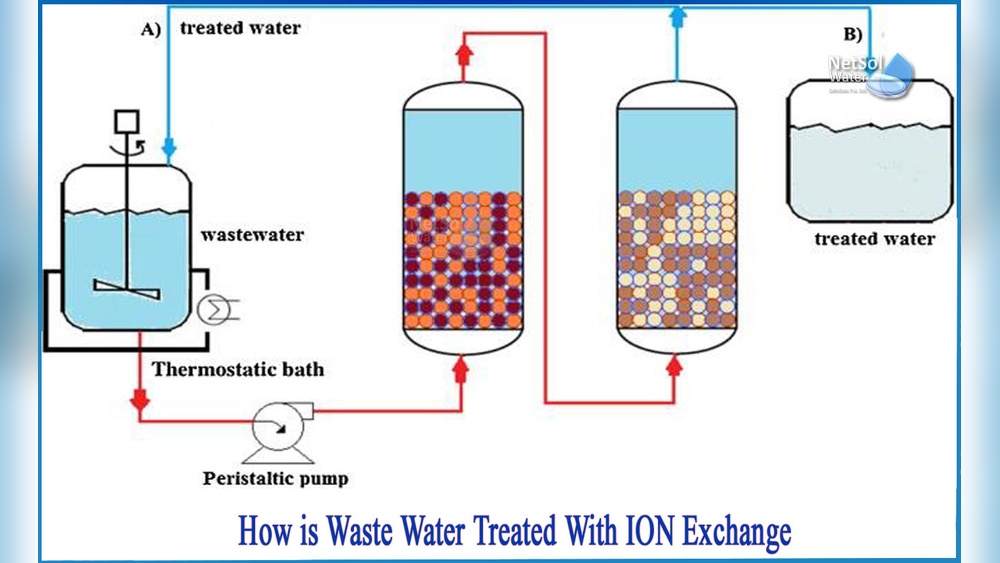
Ion exchange works by swapping ions between a liquid and a solid. The solid contains charged particles called resin beads. These beads attract and hold certain ions from the liquid. The unwanted ions are replaced by ions from the resin. This exchange cleans the liquid by removing harmful substances.
Types Of Ion Exchange Processes
There are two main types of ion exchange. Cation exchange swaps positively charged ions. Anion exchange swaps negatively charged ions. Some systems use both types together. This helps remove many different contaminants from water or solutions.
Common Ion Exchange Materials
The most common materials are ion exchange resins. These resins are made of small plastic beads. They carry positive or negative charges. Natural materials like zeolites and clays can also be used. Each material works best for certain ions and applications.
Key Benefits Of Ion Exchange
Ion exchange offers several key benefits across various fields. It plays a critical role in improving water quality, boosting industrial processes, and protecting the environment. The process is simple but effective, making it popular worldwide.
Water Purification Advantages
Ion exchange removes harmful minerals and contaminants from water. It softens hard water by replacing calcium and magnesium ions. This improves taste and reduces scale buildup in pipes and appliances. Clean water is essential for health and daily use.
Industrial Process Improvements
Industries use ion exchange to purify chemicals and separate materials. It helps produce high-quality products by removing impurities. The process also recovers valuable metals from waste streams. This increases efficiency and lowers production costs.
Environmental Impact Reduction
Ion exchange reduces waste by recycling water and materials. It lowers pollution by capturing harmful ions before release. This protects soil and water sources from contamination. The method supports sustainable practices in many industries.
Applications In Water Treatment
Ion exchange plays a key role in water treatment processes. It helps improve water quality by removing unwanted minerals and contaminants. This method uses special resins to swap harmful ions with safer ones. Below are some common applications of ion exchange in water treatment.
Softening Hard Water
Hard water contains calcium and magnesium ions that cause scale buildup. Ion exchange removes these ions and replaces them with sodium or potassium ions. This process prevents damage to pipes, appliances, and plumbing systems. Softened water also improves soap efficiency and leaves skin feeling smoother.
Removal Of Heavy Metals
Heavy metals like lead, mercury, and cadmium pose health risks in drinking water. Ion exchange resins attract and capture these toxic metals. This lowers their concentration to safe levels. The method is cost-effective and works well in both industrial and municipal water treatment plants.
Deionization And Demineralization
Deionization removes all charged particles from water, making it pure. Demineralization focuses on eliminating minerals such as salts. Ion exchange resins exchange unwanted ions with hydrogen and hydroxide ions. The result is highly purified water used in labs, pharmaceuticals, and electronics manufacturing.
Credit: sswm.info
Industrial Uses Of Ion Exchange
Ion exchange plays a crucial role in many industries. It helps remove unwanted ions and replaces them with useful ones. This process improves product quality and protects equipment. Industries rely on ion exchange for its efficiency and precision. Here are some main industrial uses of ion exchange.
Pharmaceutical Production
Ion exchange purifies raw materials in drug manufacturing. It removes harmful ions and impurities. This ensures medicines are safe and effective. It also controls the pH of solutions. Ion exchange helps in producing high-purity water. This water is essential for making many drugs. The process supports strict quality standards in pharma.
Food And Beverage Processing
Ion exchange improves taste and safety in food and drinks. It removes unwanted minerals and colors. This makes beverages clearer and better tasting. It also helps in sugar refining and juice clarification. Ion exchange controls the salt content in some foods. This method keeps products fresh and appealing.
Chemical Manufacturing
Ion exchange is key in chemical production. It purifies chemicals by removing impurities. This leads to better reactions and final products. It also recovers valuable materials from waste streams. Ion exchange protects machines from damage by hard water. It helps maintain smooth and efficient operations.
Emerging Technologies And Trends
Ion exchange technology is evolving with new innovations and trends. These changes improve efficiency, reduce costs, and make treatment safer. Emerging methods focus on better materials and combining techniques for stronger results. Sustainability is also a key focus, aiming to protect the environment while cleaning water and other substances.
Advanced Ion Exchange Resins
New ion exchange resins offer higher capacity and selectivity. These resins can target specific ions more accurately. They also last longer, reducing the need for frequent replacement. Improved resins work faster and handle tougher water conditions. This leads to better purification with less waste.
Hybrid Treatment Systems
Hybrid systems mix ion exchange with other treatment methods. Combining techniques enhances overall performance. For example, ion exchange paired with membrane filtration removes more contaminants. Hybrid systems can adapt to different water types and pollution levels. They provide flexible and effective treatment options.
Sustainability And Green Chemistry
Green chemistry principles guide new ion exchange developments. Using eco-friendly materials reduces environmental harm. Processes now focus on lowering energy use and waste production. Recycling and regenerating resins conserve resources. These advances help create cleaner water with a smaller footprint.
Credit: microbenotes.com
Maintenance And Challenges
Ion exchange systems need regular care to work well over time. Maintenance helps keep the system clean and efficient. It also prevents problems that could stop the system from working. Knowing the common challenges helps prepare for any issues. This way, the system lasts longer and stays reliable.
Regeneration Techniques
Regeneration restores the ion exchange resin’s ability to remove ions. This process uses chemicals like salt or acid. The resin releases trapped ions and gets fresh ions in return. Proper regeneration keeps the resin active and effective. Skipping this step can lower system performance quickly.
Common Operational Issues
Clogging and fouling happen when particles block the resin. Hard water minerals can build up and reduce flow. Resin beads may break or wear out with time. Poor regeneration can cause incomplete ion exchange. These problems reduce water quality and system efficiency.
Cost Considerations
Maintaining ion exchange systems costs money. Chemicals for regeneration add to the expense. Replacing worn resin can be costly. Energy use and water waste also affect the budget. Planning maintenance can help control these costs over time.
Frequently Asked Questions
What Is Ion Exchange In Water Treatment?
Ion exchange is a process that removes unwanted ions from water. It replaces harmful ions with harmless ones, improving water quality effectively.
How Does Ion Exchange Resin Work?
Ion exchange resin contains charged beads. These beads attract and swap ions in water, purifying it by removing contaminants like calcium or sodium.
What Are Common Uses Of Ion Exchange?
Ion exchange is used in water softening, purification, and chemical processing. It removes hardness, heavy metals, and other impurities from liquids efficiently.
What Ions Can Ion Exchange Remove?
Ion exchange can remove calcium, magnesium, sodium, and heavy metals. It targets charged particles, making water safer and cleaner for various uses.
Conclusion
Ion exchange is a simple and useful process. It helps remove unwanted ions from water and other solutions. Many industries use it to clean and soften water. This method is safe and cost-effective. Understanding ion exchange can help you see how water gets purified.
It plays a big role in daily life and industry. Learning about it makes you aware of water treatment methods. A small step toward cleaner water and better health.
Hasan Al Sarker is a Reverse Osmosis Specialist. He has worked for many years to ensure safe drinking water for all. His research paper has been published in several journals, including Issue, Medium, and Slideshare. He is recognized as a water doctor among specialists though he did not attend medical college.
Besides working as a researcher of reverse osmosis technology, he is also very fancy with the kitchen and cooking. His guides are reading thousands of people every day. As a head of content, he is responsible for all the published articles at RO System Reviews.