Are you tired of dealing with hard water that leaves spots on your dishes and makes your soap less effective? You’re not alone.
Hard water can cause a lot of frustration in your daily routine. But what if there was a simple way to fix it? Understanding how ion exchange resin softens water can change the way you care for your home and your skin.
You’ll discover the secret behind this powerful method and why it’s the key to softer, cleaner water. Keep reading to find out how it works and how it can make a difference for you.
What Is Ion Exchange Resin
Ion exchange resin is a key material used to soften hard water. It helps remove minerals that make water hard. This resin plays an important role in water treatment systems. Understanding what ion exchange resin is can help explain how water softening works.
Composition And Types
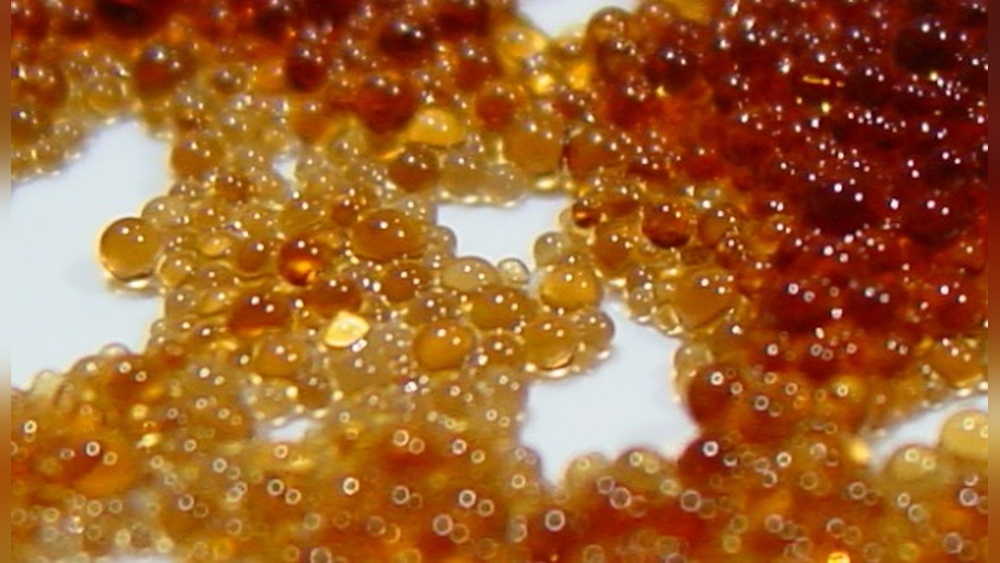
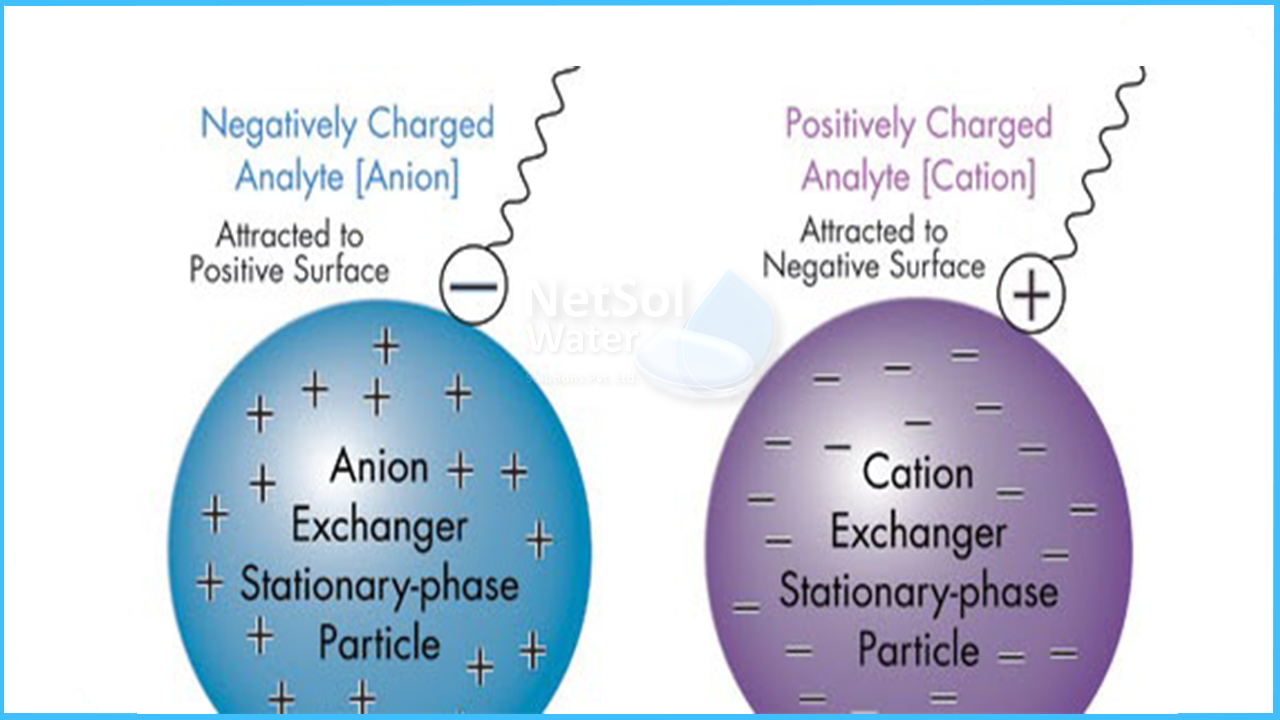
Ion exchange resin is made of small plastic beads. These beads are porous and have charged sites. The resin beads carry either positive or negative charges. The most common type used for softening water is cation exchange resin. It removes positively charged minerals like calcium and magnesium. Another type is anion exchange resin, which removes negatively charged ions. The resin’s structure holds ions tightly but can swap them with others.
How It Works Chemically
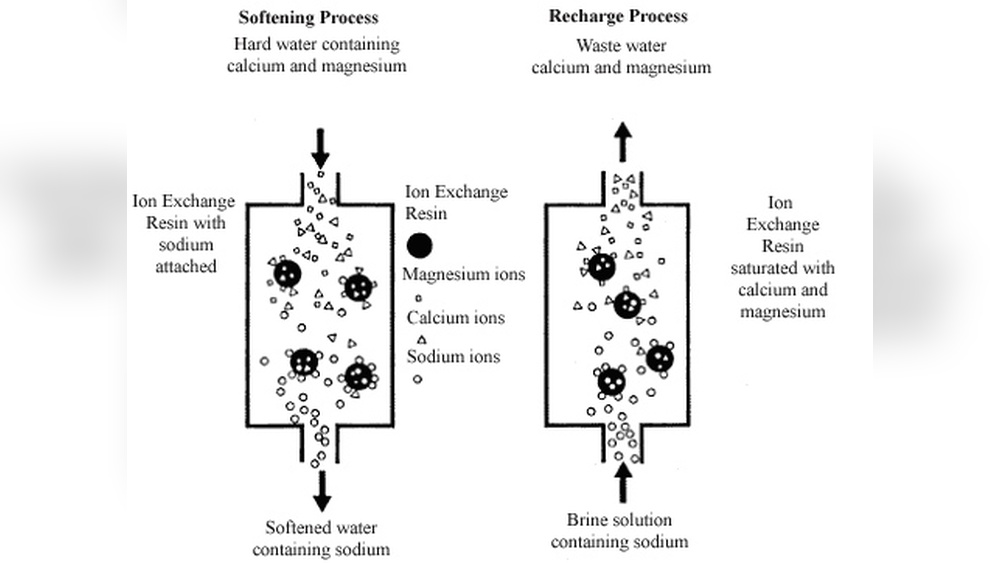
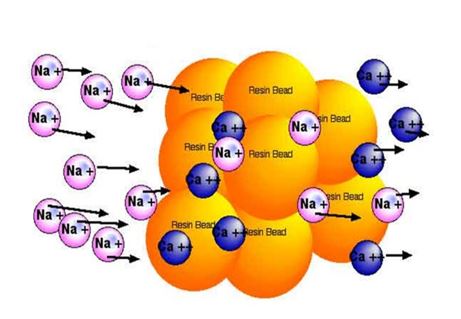
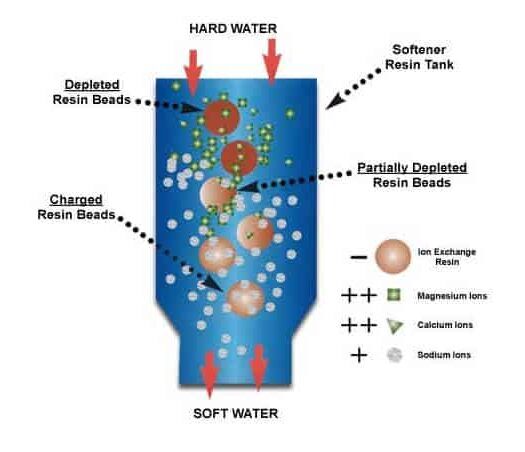
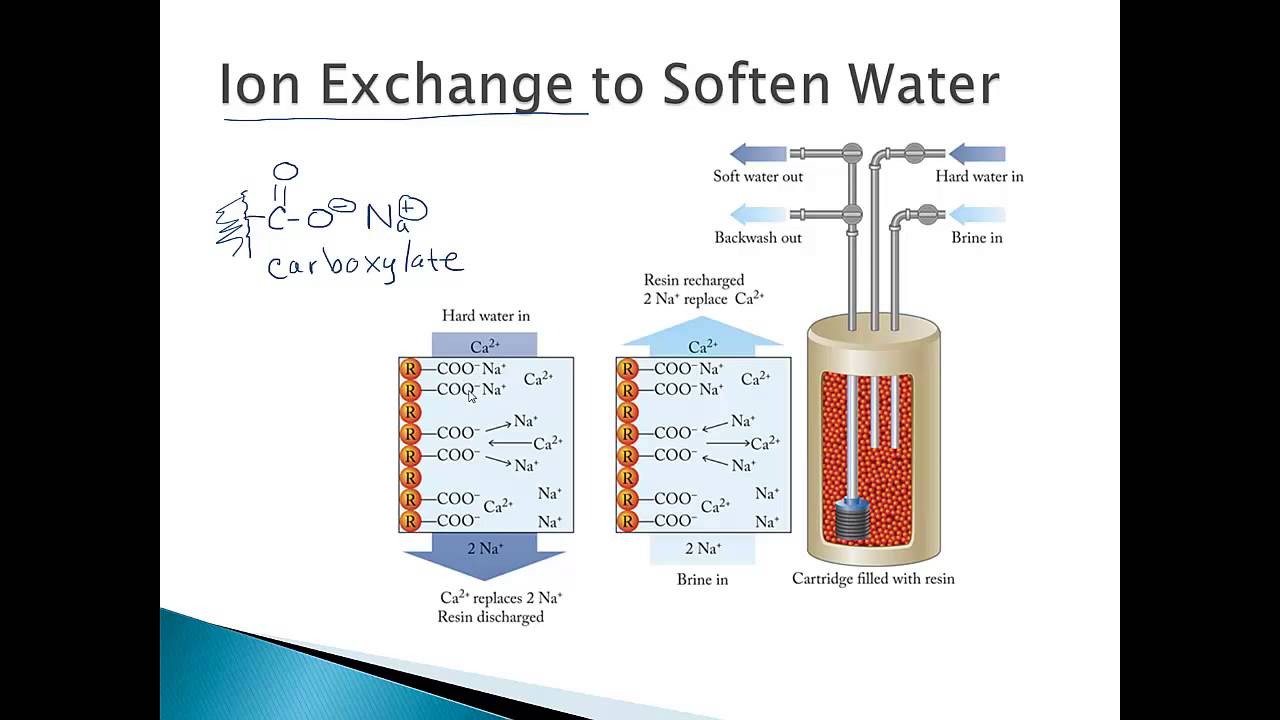
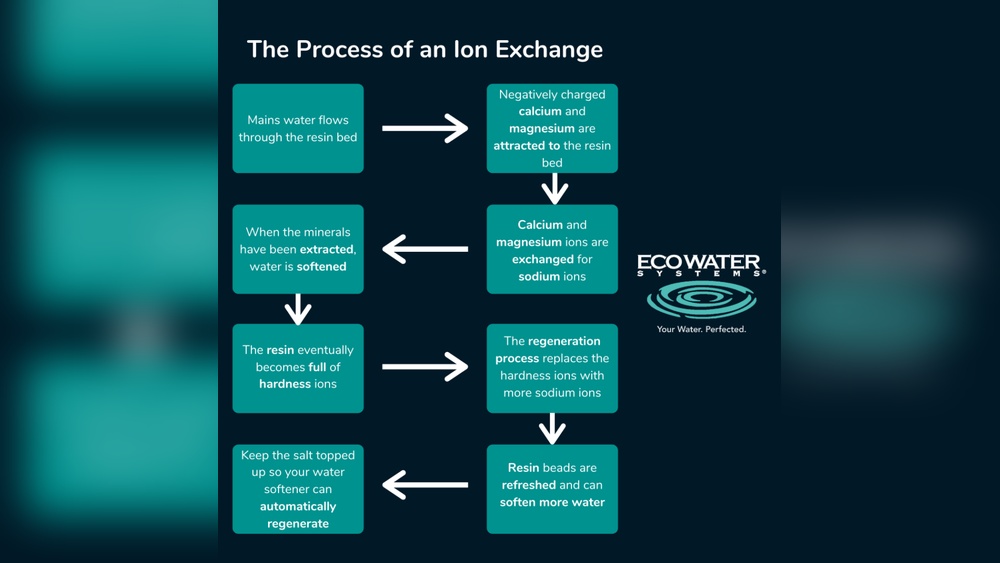
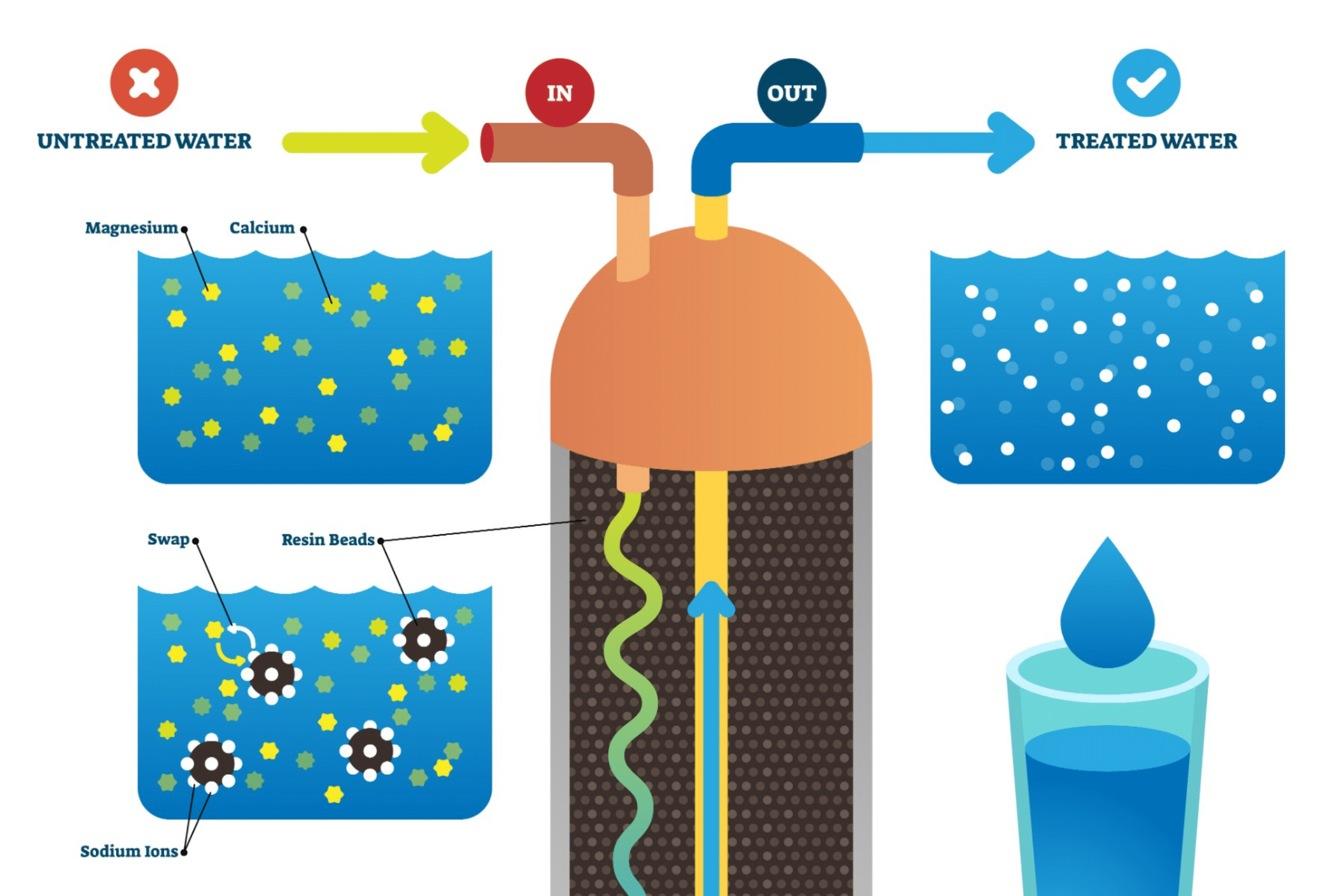
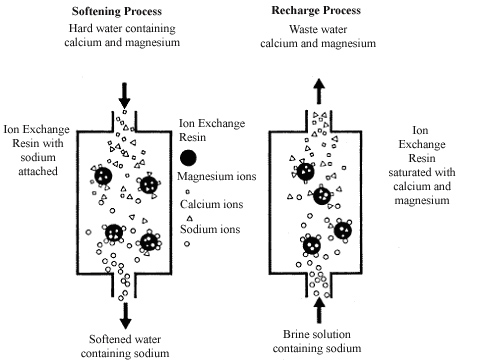
Ion exchange resin works by exchanging ions in water. Hard water contains calcium and magnesium ions. These ions cause water hardness. The resin beads hold sodium ions. When hard water passes through, the resin swaps sodium ions for calcium and magnesium. This swap removes hardness minerals from the water. The resin captures the hard ions and releases sodium. This chemical exchange process softens the water effectively.
Credit: www.lanlangcorp.com
Water Hardness Causes
Water hardness happens because of minerals dissolved in the water. These minerals come from rocks and soil. They mix with water as it moves through nature. Hard water causes many problems at home and in industries. Understanding what causes water hardness helps to find the right solution.
Common Minerals Involved
Calcium and magnesium are the main minerals causing hardness. These minerals dissolve in water naturally. Other minerals like iron and manganese also add to hardness sometimes. The amount of these minerals varies by location. High levels make water hard and affect its quality.
Effects On Plumbing And Appliances
Hard water creates scale buildup inside pipes and fixtures. This buildup blocks water flow and lowers pressure. It also damages water heaters and washing machines. Scale reduces appliance efficiency and increases energy use. Over time, plumbing repairs become more frequent and costly.
Softening Process Explained
Water softening removes minerals that make water hard. Hard water contains calcium and magnesium ions. These minerals cause scale and reduce soap effectiveness. Ion exchange resin is a common way to soften water. It swaps hard minerals with softer ones. This process improves water quality for daily use.
Ion Exchange Mechanism
The ion exchange resin holds sodium ions. It attracts calcium and magnesium ions from hard water. The resin captures these hard ions and releases sodium ions. This swap changes hard water into soft water. The resin works like a magnet for minerals. It traps hardness and frees the water from scaling effects.
Role Of Sodium And Calcium Ions
Sodium ions in the resin replace calcium ions in water. Calcium ions cause hardness and leave deposits. Sodium ions do not cause scale or soap scum. The exchange reduces calcium and magnesium levels. This process protects pipes and improves cleaning. Sodium ions keep water soft and gentle.
Types Of Ion Exchange Resins
Ion exchange resins play a key role in softening water. They come in different types, each designed for specific tasks. Understanding these types helps explain how water softening works effectively. Two main categories exist: cation exchange resins and anion exchange resins.
Cation Exchange Resins
Cation exchange resins remove positive ions from water. Common ions removed include calcium and magnesium. These ions cause water hardness. The resin swaps them with sodium or hydrogen ions. This exchange softens the water and prevents scale build-up. Cation resins are typically made from a plastic material with charged sites. These sites attract and hold onto the hard ions.
Anion Exchange Resins
Anion exchange resins target negative ions in water. They remove ions like chloride, nitrate, and sulfate. These ions can cause water to taste bad or corrode pipes. The resin replaces these ions with hydroxide ions. This process improves water quality and balance. Anion resins also consist of a plastic matrix with charged groups. These groups capture unwanted negative ions efficiently.
Advantages Of Using Ion Exchange Resins
Ion exchange resins offer clear benefits for softening water. They remove hardness-causing minerals effectively. These resins make water safer for daily use. They also improve water taste and reduce scale buildup in pipes. Many homes and industries trust ion exchange resins for water treatment.
Efficiency And Effectiveness
Ion exchange resins work quickly to soften water. They swap hard minerals like calcium and magnesium with sodium ions. This process lowers water hardness instantly. Resins handle large volumes of water without losing power. They keep working well over time with proper care. This makes them reliable for continuous water softening.
Cost And Maintenance Benefits
Using ion exchange resins can save money. They reduce damage to plumbing and appliances caused by hard water. Lower repair costs follow. These resins need minimal maintenance. Regular regeneration with salt restores their softening ability. The process is simple and inexpensive. This keeps overall costs low for users.
Credit: www.envirogengroup.com
Regeneration Of Resin Beads
Ion exchange resins soften water by removing hard minerals like calcium and magnesium. Over time, these resin beads lose their ability to soften water. This happens because they get full of the minerals they capture. The resin beads need a process called regeneration to work well again. Regeneration cleans the beads and prepares them for more softening.
Process And Chemicals Used
The regeneration process uses a strong salt solution. This solution contains sodium chloride, commonly known as salt. The salt solution flows through the resin tank. It pushes out the trapped calcium and magnesium ions. The resin beads then regain their sodium ions. This restores their ability to soften water. After this, the resin beads are ready to remove hardness again.
Frequency And Indicators
How often to regenerate depends on water hardness and usage. Higher hardness or more water use means more frequent regeneration. Some systems regenerate automatically after a set time or volume of water. Signs include a drop in water softness or a change in taste. Regular checks help keep the system working well. Proper regeneration ensures soft water all the time.
Applications Beyond Water Softening
Ion exchange resin is famous for softening water. It removes calcium and magnesium ions that cause hardness. But its use goes far beyond home water softening systems. This material plays a key role in many industries and helps protect the environment.
Its ability to swap ions makes it useful in many processes. It can capture harmful substances and recover valuable materials. The resin’s flexibility and efficiency make it a popular choice worldwide.
Industrial Uses
Industries use ion exchange resin to purify liquids and chemicals. It removes unwanted ions from water and process streams. This helps improve product quality and protect machines from damage.
In the food and beverage sector, it cleans sugar and sweeteners. It helps remove colors and impurities, making products clearer and tastier. In pharmaceuticals, the resin purifies raw materials and final products. This ensures safety and effectiveness.
Metal plating industries use resin to recover metals like gold and silver. This lowers waste and saves money. Power plants also use ion exchange resin to treat boiler water. It prevents scale and corrosion, extending equipment life.
Environmental Applications
Ion exchange resin helps reduce pollution by removing harmful ions from wastewater. It captures heavy metals, nitrates, and other toxins before water returns to nature. This protects rivers, lakes, and soil from damage.
The resin also supports recycling efforts. It recovers valuable elements from industrial waste, allowing reuse. This reduces the need for mining and lowers environmental impact.
In water treatment plants, it improves drinking water quality. It removes contaminants that harm health. Its role in clean water access is vital for communities worldwide.
Common Issues And Troubleshooting
Ion exchange resin softeners work well but can face issues over time. Troubleshooting common problems helps keep water soft and clean. Knowing signs of resin failure and maintenance tips improves resin life and performance.
Signs Of Resin Failure
Water may feel hard or have a strange taste. White spots can appear on dishes or glassware. Soap might not lather well during washing. The resin bed may show unusual odor or discoloration. Water flow might slow down or stop completely. These signs indicate resin needs attention or replacement.
Maintenance Tips
Regularly check salt levels in the brine tank. Clean the resin bed with special cleaners to remove iron and other minerals. Avoid using harsh chemicals that harm resin beads. Flush the system to remove trapped particles. Schedule professional inspection once a year. Proper care keeps the resin working efficiently for years.
Future Trends In Ion Exchange Technology
Ion exchange technology continues to evolve. New trends improve water softening efficiency and eco-friendliness.
These advancements aim to reduce costs and environmental impact. They promise better performance and longer resin life.
Innovations In Resin Materials
Researchers develop new resin materials with higher capacity. These resins capture more hardness ions in less time.
Improved resins resist fouling and chemical damage. This extends their use without frequent replacement.
Some new resins work well at lower regeneration levels. This saves water and salt during softening cycles.
Sustainability Focus
Modern ion exchange systems prioritize sustainability. They reduce chemical use and wastewater output.
Eco-friendly regeneration methods minimize salt discharge. This protects soil and nearby water sources.
Biodegradable resins and recyclable materials gain attention. This lowers waste and supports green water treatment.
Credit: www.ecowater-softeners.co.uk
Frequently Asked Questions
What Is Ion Exchange Resin In Water Softening?
Ion exchange resin is a material that removes hardness ions like calcium. It exchanges them for sodium or potassium ions. This process softens hard water effectively, preventing scale buildup and improving water quality.
How Does Ion Exchange Resin Remove Hardness?
The resin attracts and holds calcium and magnesium ions. It swaps these hardness ions with sodium or potassium ions. This exchange softens the water without adding harmful chemicals.
Why Use Ion Exchange Resin For Water Softening?
Ion exchange resin is efficient and reusable. It provides consistent soft water and reduces scale damage. It also improves soap performance and extends appliance life.
How Often Should Ion Exchange Resin Be Replaced?
Resin lifespan depends on water hardness and usage. Typically, it lasts 5 to 10 years. Regular regeneration and maintenance can extend its effectiveness.
Conclusion
Ion exchange resin removes hard minerals from water effectively. It swaps calcium and magnesium ions with sodium ions. This process makes water soft and better for daily use. Soft water protects pipes and appliances from damage. It also helps soap work better and saves money on cleaning.
Using ion exchange resin is a simple way to improve water quality. It keeps your water gentle and safe for your home. Understanding this process helps you choose the right water softener. Soft water means less buildup and easier maintenance overall.
Hasan Al Sarker is a Reverse Osmosis Specialist. He has worked for many years to ensure safe drinking water for all. His research paper has been published in several journals, including Issue, Medium, and Slideshare. He is recognized as a water doctor among specialists though he did not attend medical college.
Besides working as a researcher of reverse osmosis technology, he is also very fancy with the kitchen and cooking. His guides are reading thousands of people every day. As a head of content, he is responsible for all the published articles at RO System Reviews.
Have you ever wondered how water is purified or how certain chemicals are separated so efficiently? The secret often lies in a powerful tool called ion exchange resins.
These tiny, bead-like materials work quietly behind the scenes to remove unwanted ions and replace them with others, making your water safer and your processes cleaner. If you want to understand how this technology can impact your daily life or industry, keep reading—because knowing what ion exchange resins are could change how you think about water treatment and chemical processing forever.
Credit: www.netsolwater.com
Basics Of Ion Exchange Resins
Ion exchange resins are small beads used in water treatment and chemical processes. They help remove unwanted ions from liquids. This makes water cleaner and safer for many uses.
The process works by swapping ions in the liquid with ions held by the resin. This exchange improves water quality and helps in many industries. Understanding the basics is key to knowing how they work.
Composition And Structure
Ion exchange resins are made of a polymer matrix. This matrix forms tiny beads, usually less than a millimeter wide. The beads have charged groups attached to them.
These charged groups attract and hold ions from the liquid. The structure allows liquids to pass through easily. The resin beads can be strong and last a long time.
Types Of Ion Exchange Resins
There are two main types of ion exchange resins: cation and anion resins. Cation resins swap positive ions like calcium and magnesium. Anion resins exchange negative ions like chloride and sulfate.
Some resins are strong acid or base types, while others are weak. Each type works best for different water conditions. Choosing the right resin depends on the problem to solve.
Credit: eaiwater.com
How Ion Exchange Resins Work
Ion exchange resins are small beads that clean water by swapping ions. These resins hold charged particles and exchange them with unwanted ions in water. This process helps remove impurities and soften hard water. Understanding how ion exchange resins work reveals their important role in water treatment and purification.
Ion Exchange Process
The ion exchange process starts with resin beads filled with specific ions. When water passes through, unwanted ions swap places with these ions on the beads. For example, calcium and magnesium ions in hard water are replaced by sodium ions from the resin. This exchange happens because the resin prefers certain ions and holds them tightly.
After some time, the resin loses its ions and becomes less effective. At this point, it undergoes regeneration. A strong solution flushes the resin, restoring its original ions. The resin is ready to clean water again. This cycle repeats many times in water treatment systems.
Factors Affecting Performance
The resin’s performance depends on several key factors. Water temperature affects how fast ions move and exchange. Higher temperatures speed up the process but can damage the resin.
The concentration of ions in the water also matters. Too many impurities can overload the resin quickly. Flow rate is important as well; water passing too fast reduces contact time and lowers efficiency.
Lastly, the resin’s age and type influence its capacity. Older resins lose strength and exchange ability. Choosing the right resin type matches specific water treatment needs.
Common Applications
Ion exchange resins serve many important roles in industries worldwide. These tiny beads help remove unwanted ions from liquids. Their ability to swap ions makes them useful in many processes. The following are some common uses of ion exchange resins.
Each application benefits from the resin’s unique chemistry. They improve water quality, protect machines, and ensure safety in food and medicine.
Water Softening
Ion exchange resins remove calcium and magnesium from hard water. This process stops scale buildup in pipes and appliances. Soft water extends the life of boilers and heaters. It also improves soap’s cleaning power. Many homes and industries use these resins to soften water easily.
Wastewater Treatment
These resins help clean industrial wastewater by removing harmful metals. They capture toxic ions like lead and mercury. This prevents pollution and protects the environment. Wastewater treatment plants use ion exchange to meet safety standards. The process makes water safe for reuse or release.
Food And Beverage Industry
Ion exchange resins purify liquids in food production. They remove unwanted minerals and colors from sugar and juice. Resins also help in water purification for beverages. This improves taste and quality. The food industry relies on these resins to maintain product safety and consistency.
Pharmaceutical Uses
Pharmaceutical companies use ion exchange resins to purify drugs and ingredients. They remove impurities and control pH levels in solutions. Resins also aid in drug delivery by releasing medicine slowly. These uses ensure medicines are safe and effective for patients.
Credit: www.ionicsystems.com
Benefits Of Using Ion Exchange Resins
Ion exchange resins offer many benefits in water treatment and other industries. They improve processes by removing unwanted ions effectively. These resins are easy to use and adaptable to various needs. Their advantages make them popular for both small and large-scale applications.
Efficiency And Selectivity
Ion exchange resins work fast and target specific ions. They remove hardness, heavy metals, and unwanted salts with high precision. This selectivity helps in producing pure water and chemicals. The process uses less energy than other methods. It also reduces waste by focusing only on harmful ions.
Environmental Advantages
Using ion exchange resins reduces chemical use and waste. They allow water to be reused, lowering overall consumption. These resins help avoid harmful discharges into rivers and soil. Their ability to regenerate means less solid waste is produced. This makes them a greener option for water treatment.
Cost-effectiveness
Ion exchange resins save money over time. They need less energy and fewer chemicals than other treatments. Their long life reduces the need for frequent replacement. The process also lowers maintenance costs. This makes ion exchange resins a budget-friendly solution for many industries.
Maintenance And Regeneration
Maintenance and regeneration keep ion exchange resins effective. These steps restore resin capacity and remove trapped impurities. Regular care improves water quality and extends resin life. Understanding cleaning and care methods helps optimize resin performance.
Cleaning Methods
Cleaning ion exchange resins removes dirt and organic matter. Rinsing with clean water flushes out loose particles. Using mild chemicals helps dissolve stubborn deposits. Acid cleaning removes scale and metal buildup. Base cleaning targets organic fouling and oils. Follow manufacturer guidelines for safe cleaning.
Extending Resin Life
Proper handling prevents resin damage and wear. Avoid exposure to chlorine or harsh chemicals. Monitor water quality to reduce contaminants. Regenerate resins regularly using correct salt or acid solutions. Store resins in moist conditions to prevent drying. Timely maintenance cuts replacement costs and downtime.
Future Trends And Innovations
The future of ion exchange resins holds many exciting possibilities. New technologies and materials aim to improve their efficiency and durability. These advancements help meet growing demands in water treatment, pharmaceuticals, and other industries.
Researchers focus on creating better resins that work faster and last longer. They also explore ways to make the resins more eco-friendly. These innovations will shape how ion exchange resins are used in the coming years.
Advanced Resin Materials
Scientists develop new resin materials with stronger structures. These materials resist damage from heat and chemicals. They improve the resin’s ability to capture unwanted ions. Faster exchange rates reduce treatment times and costs. Some resins are designed for specific uses, like removing heavy metals. This specialization increases their effectiveness in targeted applications.
Sustainability Improvements
Efforts to reduce environmental impact guide resin development. Biodegradable and recyclable resins are becoming more common. Lower energy processes help regenerate resins with less waste. Using natural raw materials reduces reliance on petroleum products. These steps make ion exchange technology greener and safer for the planet. Sustainability is key to future resin innovation.
Frequently Asked Questions
What Are Ion Exchange Resins Used For?
Ion exchange resins remove unwanted ions from liquids. They purify water, soften hard water, and separate ions in chemical processes. These resins are key in water treatment, pharmaceutical manufacturing, and food processing industries.
How Do Ion Exchange Resins Work?
Ion exchange resins swap ions in liquids with ions attached to their surface. This process cleans or softens the liquid by removing contaminants. The resin’s charged sites attract and hold specific ions, exchanging them for less harmful ones.
What Types Of Ion Exchange Resins Exist?
There are two main types: cation and anion exchange resins. Cation resins exchange positively charged ions, while anion resins exchange negatively charged ions. Both types serve different purification and separation purposes in various industries.
Why Are Ion Exchange Resins Important In Water Treatment?
They effectively remove hardness, heavy metals, and contaminants from water. This improves water quality and safety for drinking and industrial use. Ion exchange resins also regenerate easily, making them cost-effective for ongoing water treatment.
Conclusion
Ion exchange resins play a key role in water treatment and purification. They help remove unwanted minerals and ions from liquids. These resins work by swapping ions, making water cleaner and safer. Their use spans many industries, from drinking water to chemical processing.
Understanding their function helps appreciate their value in daily life. Simple, effective, and reliable—ion exchange resins continue to support many important processes.
Hasan Al Sarker is a Reverse Osmosis Specialist. He has worked for many years to ensure safe drinking water for all. His research paper has been published in several journals, including Issue, Medium, and Slideshare. He is recognized as a water doctor among specialists though he did not attend medical college.
Besides working as a researcher of reverse osmosis technology, he is also very fancy with the kitchen and cooking. His guides are reading thousands of people every day. As a head of content, he is responsible for all the published articles at RO System Reviews.
Have you ever wondered what’s really in your tap water? You might be surprised to learn that water can carry minerals and impurities that affect its taste, safety, and how it interacts with your appliances.
That’s where ion exchange comes in—a powerful process that can transform your water by removing unwanted elements. If you want cleaner, better-tasting water for your home or business, understanding what ion exchange removes is key. Keep reading to discover how this method works and why it might be exactly what your water needs.
Basics Of Ion Exchange
Ion exchange is a common method to clean water. It removes unwanted minerals and particles. This process helps make water safer and better for use.
The technique uses special materials called resins. These resins swap harmful ions in water with safer ones. This swap changes the water’s quality quickly and efficiently.
How Ion Exchange Works
Ion exchange works by swapping ions between water and resin. The resin holds ions with a positive or negative charge. When water passes through, the resin attracts unwanted ions.
These unwanted ions leave the water and attach to the resin. At the same time, the resin releases safe ions into the water. This exchange improves water by removing hardness, metals, and other contaminants.
Types Of Ion Exchange Resins
Two main types of resins exist: cation and anion resins. Cation resins remove positive ions like calcium and magnesium. These ions cause water hardness.
Anion resins remove negative ions such as nitrate and sulfate. These ions can cause bad tastes and odors. Choosing the right resin depends on the type of contaminant in the water.
Credit: www.youtube.com
Common Contaminants Removed
Ion exchange is a popular water treatment method. It removes many common contaminants. This process helps improve water quality for daily use. Understanding which contaminants ion exchange targets is important for choosing the right system.
Hardness Minerals
Hardness minerals like calcium and magnesium cause water hardness. Hard water can damage pipes and appliances. Ion exchange swaps these minerals with sodium or potassium ions. This softens the water and protects plumbing.
Heavy Metals
Heavy metals include lead, copper, and mercury. These metals pose health risks even in small amounts. Ion exchange removes them by exchanging harmful metal ions with safer ones. This makes drinking water safer and cleaner.
Nitrates And Nitrites
Nitrates and nitrites often come from fertilizers and waste. High levels in water can harm babies and adults. Ion exchange systems effectively reduce these contaminants. This helps protect your family from potential health issues.
Ammonium Ions
Ammonium ions come from fertilizers and sewage. They affect water taste and quality. Ion exchange replaces ammonium ions with harmless ions. This improves water quality for cooking and drinking.
Impact On Water Quality
Ion exchange changes water by removing unwanted minerals and chemicals. This process improves the quality of water in many ways. It helps make water cleaner, safer, and more pleasant to use every day.
Taste And Odor Improvements
Ion exchange removes metals like iron and manganese that cause bad taste and smell. It also reduces chlorine and other chemicals that give water a harsh odor. After treatment, water tastes fresher and smells cleaner. This makes drinking and cooking with water much better.
Reduction Of Scale Formation
Hard water minerals cause scale buildup in pipes and appliances. Ion exchange removes calcium and magnesium, the main culprits of scale. This helps protect water heaters, kettles, and plumbing systems. Less scale means appliances last longer and work more efficiently.
Credit: www.researchgate.net
Limitations Of Ion Exchange
Ion exchange is a common method to soften water and remove some contaminants. It works well for certain minerals but has limits. Understanding these limits helps in choosing the right water treatment.
Contaminants Not Removed
Ion exchange does not remove all contaminants. It cannot take out bacteria or viruses. Chemicals like pesticides and solvents also stay in the water. It mainly targets minerals like calcium and magnesium. Other harmful substances need different filters or treatments.
Resin Lifespan And Maintenance
The resin in ion exchange systems wears out over time. It needs regular cleaning and recharging with salt. Without maintenance, the resin loses effectiveness. Replacing the resin can be costly. Proper care ensures the system works well for longer.
Applications In Water Treatment
Ion exchange is a common method used to clean and soften water. It removes unwanted minerals and impurities. This process is useful in many water treatment settings. It helps improve water quality for different needs. Below are some key areas where ion exchange plays a vital role.
Residential Use
Many homes use ion exchange to soften hard water. Hard water has minerals like calcium and magnesium. These minerals cause scale buildup in pipes and appliances. Ion exchange replaces these minerals with sodium or potassium ions. This makes water gentler on skin and clothes. It also protects water heaters and washing machines.
Industrial Applications
Industries need very pure water for their processes. Ion exchange removes metals, salts, and other contaminants. This protects equipment and improves product quality. Power plants use ion exchange to treat boiler water. Electronics factories rely on it to produce clean water. Food and beverage companies also use this method for safe water.
Wastewater Treatment
Ion exchange helps clean wastewater before release or reuse. It removes heavy metals like lead and mercury. It also reduces nitrates and other harmful chemicals. This process supports environmental safety by lowering pollution. Many treatment plants use ion exchange for better water management.
Credit: eaiwater.com
Comparing Ion Exchange To Other Methods
Different water treatment methods remove various contaminants. Ion exchange stands out for targeting specific ions. Comparing ion exchange with other common methods helps understand its benefits and limits. The focus here is on reverse osmosis and activated carbon, two popular alternatives.
Ion Exchange Vs. Reverse Osmosis
Ion exchange removes dissolved ions like calcium and magnesium. It softens hard water effectively. Reverse osmosis (RO) filters water through a membrane. RO removes a broad range of impurities, including salts, metals, and microbes.
Ion exchange uses resin beads to swap unwanted ions. RO pushes water through tiny pores, blocking many contaminants. Ion exchange does not remove bacteria or viruses. RO provides better microbial protection.
RO systems waste some water during filtration. Ion exchange uses less water overall. RO requires higher pressure and more energy. Ion exchange works well for hardness and specific mineral removal.
Ion Exchange Vs. Activated Carbon
Activated carbon filters remove chlorine, bad tastes, and odors. They trap organic compounds and some chemicals. Ion exchange targets dissolved minerals and metal ions. It does not remove chlorine or organic chemicals.
Activated carbon improves water flavor and smell. Ion exchange improves water hardness and metal content. Carbon filters need frequent replacement as they clog. Ion exchange resin can be regenerated and reused.
Both methods complement each other in water treatment. Carbon for taste and chemicals. Ion exchange for mineral balance and hardness.
Frequently Asked Questions
What Contaminants Does Ion Exchange Remove From Water?
Ion exchange removes heavy metals, calcium, magnesium, and some radioactive elements. It also reduces hardness and certain toxic ions, improving water quality.
How Effective Is Ion Exchange Against Hardness In Water?
Ion exchange is highly effective at softening water by replacing calcium and magnesium ions with sodium or potassium ions, reducing scale buildup.
Can Ion Exchange Remove Heavy Metals From Drinking Water?
Yes, ion exchange can remove heavy metals like lead, mercury, and cadmium by exchanging harmful ions with harmless ones, ensuring safer water.
Does Ion Exchange Eliminate Harmful Chemicals In Water?
Ion exchange primarily targets ions, so it removes some chemicals like nitrates and arsenic but may not remove all organic contaminants.
Conclusion
Ion exchange removes harmful minerals from water effectively. It targets calcium, magnesium, and heavy metals like lead. This process helps soften hard water and improve taste. Clean water supports better health and protects appliances. Choosing ion exchange means clearer, safer water at home.
Simple, reliable, and efficient—ion exchange is a smart solution. Clear water, easy living.
Hasan Al Sarker is a Reverse Osmosis Specialist. He has worked for many years to ensure safe drinking water for all. His research paper has been published in several journals, including Issue, Medium, and Slideshare. He is recognized as a water doctor among specialists though he did not attend medical college.
Besides working as a researcher of reverse osmosis technology, he is also very fancy with the kitchen and cooking. His guides are reading thousands of people every day. As a head of content, he is responsible for all the published articles at RO System Reviews.
Are you wondering if ion exchange water is truly safe for you and your family to drink? You’ve probably heard about this popular water treatment method, but questions about its safety can make you hesitate before taking that first sip.
What exactly happens to your water during ion exchange, and could it affect your health? You’ll get clear, straightforward answers that help you make the best choice for your drinking water. Keep reading to discover the truth behind ion exchange water and how it impacts your well-being.
Credit: www.seplite.com
How Ion Exchange Works
Understanding how ion exchange works helps explain its role in water treatment. This process removes unwanted ions and replaces them with safer ones. It changes water quality by swapping harmful minerals with less harmful ones. The method is common in water softening and purification.
Basics Of Ion Exchange Process
Ion exchange uses special materials called resins. These resins hold charged particles, called ions. When water passes through, the resins swap bad ions for good ones. For example, calcium and magnesium ions that cause hardness are replaced with sodium or hydrogen ions. This exchange makes water softer and safer to drink.
The process does not add chemicals to water. It just changes the ions already present. Over time, the resin fills up with unwanted ions and needs cleaning. This cleaning, called regeneration, restores the resin’s ability to exchange ions again.
Common Types Of Ion Exchange Resins
Two main types of ion exchange resins exist: cation and anion resins. Cation resins swap positively charged ions like calcium and magnesium. Anion resins remove negatively charged ions such as nitrate and sulfate.
Water softeners mainly use cation resins to remove hardness. Anion resins often target contaminants like arsenic or nitrate. Some systems combine both resins for thorough water purification. Choosing the right resin depends on the water’s specific needs.
Credit: ionexchangeglobal.com
Benefits Of Ion Exchange Water
Ion exchange water offers several key benefits. It improves water safety and quality. Many people choose ion exchange for cleaner, better-tasting water. The process removes harmful substances. It also enhances the overall drinking experience.
Removal Of Harmful Contaminants
Ion exchange removes metals like lead and copper. These metals can cause health problems. It also reduces hardness by removing calcium and magnesium. Hard water can damage pipes and appliances. Ion exchange helps protect your health and home.
Improvement In Water Taste And Quality
Ion exchange softens water, making it taste better. It removes unpleasant odors and aftertastes. Water feels smoother and fresher on the tongue. This method also reduces cloudiness and particles. Clean, clear water is more enjoyable to drink.
Potential Health Concerns
Ion exchange water treatment is popular for softening hard water. It replaces calcium and magnesium ions with sodium or potassium ions. This process improves water taste and reduces scale build-up. Despite these benefits, some people worry about potential health effects. Understanding possible concerns helps decide if ion exchange water is safe to drink.
Residual Sodium Levels
Ion exchange adds sodium to water. The amount depends on water hardness and system settings. For very hard water, sodium levels may increase noticeably. People on low-sodium diets should watch their intake. High sodium can affect blood pressure and heart health. Testing water after treatment helps know exact sodium levels. Using potassium-based resins can reduce sodium concerns.
Possible Resin Byproducts
Ion exchange resins are made from synthetic materials. Over time, small particles or chemicals may leach into water. Proper maintenance and resin replacement limit this risk. The chance of harmful byproducts is low with quality systems. Certified filters meet safety standards to protect consumers. Regular water testing ensures no unwanted substances are present.
Comparing Ion Exchange With Other Methods
Comparing ion exchange with other water treatment methods helps understand its strengths and limits. Each method removes different impurities and affects water taste and safety. This knowledge helps choose the best option for clean, safe drinking water.
Ion Exchange Vs Reverse Osmosis
Ion exchange swaps harmful ions like lead or calcium with safer ones, such as sodium. It mainly targets hardness and some heavy metals. Reverse osmosis (RO) pushes water through a fine membrane, removing many contaminants. RO removes bacteria, viruses, and dissolved solids better than ion exchange.
Ion exchange is faster and uses less water than RO. It keeps minerals that RO may remove, which some people prefer for taste. RO filters need regular maintenance and waste some water. Ion exchange systems also require periodic resin replacement but generally waste less water.
Ion Exchange Vs Activated Carbon Filtration
Activated carbon filters trap chlorine, odors, and organic chemicals. They improve taste and smell but do not remove hardness or heavy metals well. Ion exchange removes minerals that cause hardness but does not remove chlorine or odors.
Both methods can work together for better water quality. Ion exchange softens water, while activated carbon improves flavor and removes chemicals. Together, they create safer, better-tasting drinking water.
Maintenance And Safety Tips
Maintaining an ion exchange water system is key to keeping your water safe and clean. Regular care helps the system work well and prevents problems. Simple steps can keep your water fresh and healthy.
Proper Resin Replacement
The resin inside the system removes unwanted minerals. Over time, the resin loses its ability to clean water. Replace the resin according to the manufacturer’s instructions. Old resin can cause poor water quality. Use the right type of resin for your system. This keeps your water safe and tastes better.
Regular Water Testing
Test your water often to check for harmful substances. Water testing shows if the ion exchange system works well. Use a reliable test kit or hire a professional. Testing helps catch problems early before they affect your health. Keep a record of test results for future checks. Clean, safe water starts with regular testing.
Suitability For Different Users
Ion exchange water treatment suits many users. Its safety and benefits vary by needs. Different groups should consider specific factors before drinking ion-exchanged water. Understanding these helps decide if it fits your lifestyle.
Considerations For People With Health Conditions
People with heart or kidney problems must be cautious. Ion exchange removes calcium and magnesium but adds sodium. High sodium levels may worsen some health issues. Consulting a doctor is important before drinking this water. Children and elderly should also check safety. Their bodies react differently to mineral changes in water.
Use In Households And Industries
Households use ion exchange water for softening and improving taste. It reduces hardness, preventing scale build-up in pipes and appliances. Industries rely on it to protect machinery and improve product quality. Food and beverage companies value consistent water quality. Not all industries need drinking-grade water, but many benefit from ion exchange treatment.
Credit: h2oglobalnews.com
Frequently Asked Questions
Is Ion Exchange Water Safe For Daily Drinking?
Yes, ion exchange water is generally safe for daily drinking. It removes harmful minerals like lead and calcium. However, ensure the system is well-maintained to avoid contamination. Always test water quality periodically to confirm safety and purity.
Does Ion Exchange Remove Harmful Contaminants?
Ion exchange effectively removes certain contaminants like hardness minerals and heavy metals. However, it does not remove all pathogens or chemicals. For complete purification, combine ion exchange with other filtration methods like UV or activated carbon.
Can Ion Exchange Affect Water Taste?
Yes, ion exchange can improve water taste by reducing hardness and metallic flavors. It replaces calcium and magnesium with sodium or potassium ions, resulting in smoother, better-tasting water. Proper maintenance keeps taste consistently fresh and clean.
How Often Should Ion Exchange Resins Be Replaced?
Ion exchange resins should be replaced every 6 to 12 months. Usage frequency and water quality impact resin lifespan. Regular replacement ensures effective contaminant removal and maintains water safety and taste.
Conclusion
Ion exchange water is generally safe to drink. It removes harmful minerals and softens water. Some minerals, like sodium, may increase slightly. Testing your water helps ensure safety and taste. Regular maintenance of the system keeps water clean. Drinking ion exchange water can be a good choice.
Always stay informed about your water quality. Clear, fresh water supports your health every day. Simple steps make ion exchange water safe and reliable.
Hasan Al Sarker is a Reverse Osmosis Specialist. He has worked for many years to ensure safe drinking water for all. His research paper has been published in several journals, including Issue, Medium, and Slideshare. He is recognized as a water doctor among specialists though he did not attend medical college.
Besides working as a researcher of reverse osmosis technology, he is also very fancy with the kitchen and cooking. His guides are reading thousands of people every day. As a head of content, he is responsible for all the published articles at RO System Reviews.
Are you tired of dealing with hard water stains on your dishes, dry skin, or dull hair? You’re not alone.
Hard water can cause a lot of everyday problems, but the good news is there’s a simple solution: an ion exchange water softener. But how exactly does this device work to make your water softer and your life easier? You’ll discover the science behind ion exchange water softeners and why they might be the answer to your hard water troubles.
Keep reading to learn how this technology can transform your home water and improve your daily routine.
Credit: filtersmart.com
Ion Exchange Basics
Understanding the basics of ion exchange helps explain how water softeners work. This process removes hard minerals from water. It makes water gentler on skin, clothes, and pipes. The ion exchange happens inside the water softener unit. It swaps harmful minerals with safer ones. This simple swap changes hard water into soft water.
Let’s explore the main ideas behind ion exchange. Knowing what happens at the microscopic level clarifies how softening works. This knowledge helps you appreciate your water softener’s role.
What Is Ion Exchange?
Ion exchange is a chemical process. It swaps ions between two substances without changing their structure. In water softening, it means exchanging hard minerals for softer ones. Hard minerals like calcium and magnesium leave the water. They get replaced by sodium or potassium ions. These softer ions do not cause scale or stains. The exchange happens inside a resin bed in the softener. The resin holds sodium or potassium ions ready to swap.
Key Ions In Water Softening
The main ions involved are calcium (Ca²⁺), magnesium (Mg²⁺), sodium (Na⁺), and potassium (K⁺). Calcium and magnesium cause water hardness. They make water leave spots and scale. Sodium and potassium replace these hard ions during ion exchange. The resin beads hold sodium or potassium ions tightly. When hard water passes through, calcium and magnesium attach to the resin. Sodium or potassium ions release into the water. This swap removes hardness and softens the water effectively.
Credit: aquanology.com
How Water Softeners Work
Water softeners remove hard minerals from water. These minerals cause scale and damage pipes. The system uses a special process to clean the water. It makes water better for washing and drinking.
The Role Of Resin Beads
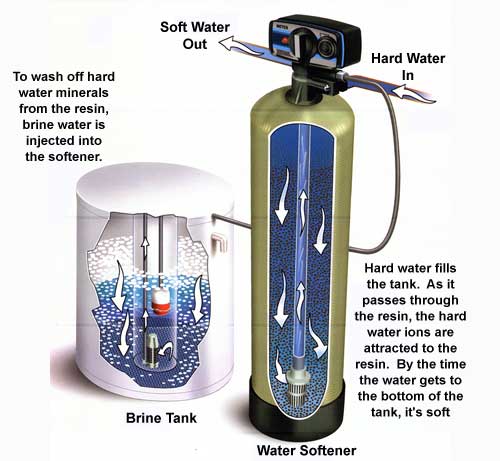
Inside the softener, tiny resin beads are key. They carry a small electric charge. This charge attracts hard minerals like calcium and magnesium. The beads hold these minerals tightly, keeping them out of your water.
Ion Swap Process
Hard minerals swap places with sodium ions on the beads. This swap is called ion exchange. The beads catch the hard minerals and release sodium. Sodium is safe and does not cause hardness. This process cleans water as it passes through the softener.
Regeneration Cycle
Over time, beads fill up with hard minerals. The softener must clean the beads to keep working. It uses a salt solution to wash minerals away. This step is called regeneration. It resets the beads so they can soften water again.
Types Of Ion Exchange Softeners
Ion exchange water softeners come in different types. Each type works in a unique way to reduce hard water problems. Understanding these types helps you choose the right softener for your home or business.
Some softeners use salt to remove minerals. Others use salt-free methods to soften water without chemicals. Both have benefits and fit different needs.
Salt-based Softeners
Salt-based softeners remove hardness by swapping minerals with sodium. Hard water passes through resin beads inside the softener tank. The beads attract calcium and magnesium. These minerals stick to the beads. Sodium ions replace the hard minerals in the water. Soft water flows out, ready for use.
Over time, the beads fill with hardness minerals. The softener regenerates by flushing the beads with a salt brine. This process removes the minerals and recharges the beads. Salt-based softeners are very effective at reducing scale and build-up. They work well for homes with hard water problems.
Salt-free Alternatives
Salt-free softeners do not remove hardness minerals. Instead, they change how minerals behave in water. These systems use special filters or conditioners. They prevent minerals from sticking to pipes and appliances. This reduces scale without adding salt.
Salt-free options are easier to maintain. They do not need salt or regular regeneration. These softeners are good for people with salt restrictions. They also protect the environment by reducing salt discharge. Salt-free systems work best in areas with mild to moderate hardness.
Benefits Of Using Water Softeners
Using a water softener brings many benefits to your home and health. It changes hard water into soft water by removing minerals like calcium and magnesium. Soft water improves daily tasks and protects your plumbing system.
Improved Water Quality
Soft water feels smoother and tastes better than hard water. It stops white spots on dishes and glassware. Soft water also helps soap and detergent work better. This means cleaner clothes and dishes with less effort.
Protecting Appliances
Hard water causes scale build-up inside appliances. This build-up reduces their life and efficiency. Soft water prevents scale in water heaters, dishwashers, and washing machines. Appliances last longer and use less energy with soft water.
Skin And Hair Benefits
Soft water is gentle on skin and hair. It stops dryness and irritation caused by hard water. Bathing with soft water leaves skin feeling soft and smooth. Hair becomes shinier and easier to manage.
Maintenance And Care
Proper maintenance keeps your ion exchange water softener working well. It helps avoid problems and extends the system’s life. Regular care ensures soft water always flows in your home. Simple steps can make a big difference in performance.
When To Refill Salt
Check the salt level in the brine tank monthly. The salt should stay above the water line. Refill the tank when salt drops below half full. Use high-quality salt designed for water softeners. Avoid overfilling to prevent salt bridging and clogs.
Cleaning The System
Clean the brine tank once a year to remove salt buildup. Turn off the system and empty the tank before cleaning. Use warm water and mild soap for scrubbing. Rinse thoroughly to avoid soap residue. Clean the resin bed every few years with a resin cleaner.
Troubleshooting Common Issues
Soft water stops? Check salt levels and add if low. Salt bridges can block salt flow; break them gently. If water tastes salty, reduce salt usage or check settings. Resin beads wear out over time; replace them if needed. Follow manufacturer instructions for fixing errors.
Environmental Considerations
Ion exchange water softeners help reduce hard water problems. Yet, their use raises important environmental questions. Understanding these concerns can guide better choices. This section explores key environmental effects of ion exchange softeners.
Salt Discharge Impact
Ion exchange softeners use salt to clean their resin beads. During regeneration, salty water flushes out minerals. This discharge enters household wastewater systems. High salt levels can harm soil and plants. It may also affect aquatic life in nearby water bodies. Wastewater treatment plants struggle to remove excess salt. This can lead to increased salinity in natural waters. Salt discharge is a significant environmental challenge for softeners.
Eco-friendly Options
Newer water softeners aim to reduce salt use. Some models use potassium chloride instead of sodium chloride. Potassium is less harmful to plants and soil. Salt-free water conditioners also exist. They do not remove minerals but prevent scale buildup. These options lower salt discharge and environmental harm. Homeowners can also reduce water waste by choosing efficient systems. Regular maintenance helps systems run better and use less salt.
Choosing The Right Softener
Choosing the right ion exchange water softener is key for good results. The right softener saves money and works well for your home. It depends on your water’s hardness, the size of your household, and your budget. Understanding these helps select the best system for your needs.
Assessing Water Hardness
Start by testing the hardness of your water. Water hardness means the amount of minerals like calcium and magnesium. These minerals cause scale and reduce soap’s effectiveness. Test kits or local water reports can show your water hardness level. Knowing this helps pick a softener with the right capacity.
Sizing Your System
Choose a system size based on your water use and hardness. Larger families need bigger softeners to handle more water. A small unit may not soften all water properly. The system’s capacity shows how many grains of hardness it can remove. Match this to your household’s daily water use for best results.
Budget And Features
Set a budget before choosing a softener. Basic models remove hardness well and cost less. Advanced units offer extra features like digital controls or salt-saving options. Consider which features you need and can afford. A simple, reliable softener often works best for most homes.
Credit: extensionpublications.unl.edu
Frequently Asked Questions
What Is An Ion Exchange Water Softener?
An ion exchange water softener removes hard minerals like calcium and magnesium. It swaps these minerals with sodium or potassium ions. This process prevents scale buildup and improves water quality. The system uses resin beads that attract and hold hard minerals.
It regenerates regularly to maintain efficiency.
How Does Ion Exchange Remove Hardness From Water?
Ion exchange replaces hardness ions with sodium or potassium ions. Water passes through resin beads that hold sodium ions. Hardness ions stick to the beads and release sodium ions into the water. This exchange softens the water by removing minerals that cause hardness.
How Often Does An Ion Exchange Softener Regenerate?
Regeneration usually happens every few days to weeks, depending on water use. The system flushes out hardness minerals from the resin beads. It then replenishes them with sodium or potassium ions. Proper regeneration ensures continuous soft water and efficient operation.
Can Ion Exchange Water Softeners Remove All Contaminants?
No, ion exchange softeners only remove hardness minerals. They do not eliminate bacteria, viruses, or chemicals. For comprehensive water treatment, additional filtration systems are needed. Softening improves water feel but not overall purity.
Conclusion
An ion exchange water softener removes hard minerals from water. It swaps calcium and magnesium ions with sodium or potassium ions. This process helps prevent scale buildup in pipes and appliances. Soft water feels smoother and cleans better. Regular maintenance keeps the softener working well.
Understanding how it works helps you choose the right system. Clean, soft water improves daily life in many ways. Simple, effective, and reliable—an ion exchange softener benefits your home.
Hasan Al Sarker is a Reverse Osmosis Specialist. He has worked for many years to ensure safe drinking water for all. His research paper has been published in several journals, including Issue, Medium, and Slideshare. He is recognized as a water doctor among specialists though he did not attend medical college.
Besides working as a researcher of reverse osmosis technology, he is also very fancy with the kitchen and cooking. His guides are reading thousands of people every day. As a head of content, he is responsible for all the published articles at RO System Reviews.