Heavy metals in drinking water can silently impact your health for years. Contaminants like lead, arsenic, mercury, and cadmium enter the water supply through old pipes, industrial runoff, or natural deposits in the ground. While most municipal systems filter water before distribution, trace levels of heavy metals often remain. This is why homeowners frequently turn to reverse osmosis (RO) systems.
But does reverse osmosis really remove heavy metals effectively? The answer is yes. A properly functioning RO system removes more than 95–99% of heavy metals, making it one of the most efficient purification technologies available for home and commercial use. In this article, we will explain how it works, what metals it targets, and why maintenance matters for long-term performance.
Key Takeaways
Reverse osmosis removes 95–99% of heavy metals like lead, arsenic, mercury, and cadmium.
The semi-permeable membrane blocks metal ions while allowing only pure water molecules to pass.
Effectiveness depends on membrane quality, pressure, and filter maintenance.
RO water is safer to drink but may require re-mineralization for taste and health balance.
Regular servicing ensures consistent removal efficiency over time.
Understanding Heavy Metals in Drinking Water
Heavy metals are naturally occurring elements with high atomic weights and densities. Some, such as iron and zinc, are beneficial in trace amounts, but others — lead, arsenic, mercury, and cadmium — are toxic even in low concentrations. Prolonged exposure can damage the nervous system, kidneys, and bones.
Sources of contamination include:
Corrosion of old plumbing lines
Industrial or mining discharge
Agricultural runoff containing arsenic compounds
Erosion of natural deposits
According to the World Health Organization, the presence of heavy metals in drinking water is one of the leading environmental health threats globally (WHO.int).
How Reverse Osmosis Removes Heavy Metals
RO systems work by forcing water under high pressure through a semi-permeable membrane. The membrane’s microscopic pores (about 0.0001 microns) allow only water molecules to pass, while rejecting ions, metals, and dissolved solids.
Each stage in an RO system contributes to heavy-metal reduction:
Sediment filter – removes large particles such as rust and sand.
Carbon filter – adsorbs chlorine and volatile organic compounds that could harm the membrane.
RO membrane – the main barrier that traps heavy metals, salts, and nitrates.
Post-filter – polishes the water for taste and odor.
This multi-stage process explains why RO is more effective than most filtration technologies. For a breakdown of RO components, see 14 components of an RO water purifier system.
Efficiency of RO in Removing Heavy Metals
The table below summarizes approximate removal rates for key contaminants.
Heavy Metal
RO Removal Efficiency
Common Health Effects
Lead
95–99%
Brain and kidney damage, developmental delays
Arsenic
90–98%
Skin lesions, cancer risk
Mercury
95–97%
Nervous system toxicity
Cadmium
95–99%
Bone and kidney damage
Chromium
90–96%
Liver and reproductive effects
Copper
90–98%
Gastrointestinal distress
These numbers may vary depending on membrane quality, water pressure, and pre-filtration.
Why Reverse Osmosis Is More Effective Than Other Filters
While activated-carbon filters can remove some heavy metals, they are limited in scope. Ion-exchange filters reduce metals but need frequent regeneration. Reverse osmosis, however, physically separates contaminants at the molecular level.
The EPA’s drinking-water treatment guide confirms that RO is among the most effective technologies for removing dissolved metals and salts (EPA.gov). This makes it a preferred solution in both residential and industrial applications.
The Role of Water Pressure and Maintenance
RO systems rely on consistent pressure to push water through the membrane. Low pressure reduces flow and filtration performance, allowing trace metals to pass through. Regular maintenance, including membrane replacement every 18–24 months, is crucial. For details, see how often should RO membrane be replaced.
Periodic cleaning also prevents scale buildup that can damage the membrane surface. If your system shows reduced flow or quality issues, learn how to troubleshoot your reverse osmosis system.
Do All RO Systems Remove Arsenic
Arsenic removal depends on the type of RO membrane and water chemistry. Arsenic occurs mainly as arsenate (As⁵⁺) and arsenite (As³⁺). The RO process is highly effective against arsenate but less efficient against arsenite unless pre-oxidation converts it to arsenate. This is why many systems include an additional oxidation or activated-carbon stage.
As the table shows, RO stands out as the most comprehensive method for removing metals and dissolved salts.
Does RO Remove Essential Minerals Too
Yes, RO removes both harmful and beneficial minerals. This includes calcium, magnesium, and potassium. While this does not pose a direct health hazard for people on balanced diets, some users find the taste of RO water flat or acidic.
To improve taste and restore natural balance, many people add a remineralization stage. You can learn more in best alkaline filter for RO.
Factors That Affect Metal Removal Efficiency
Water temperature: Warmer water improves flow but can shorten membrane life.
Eliminating heavy metals from drinking water protects against serious long-term diseases. Children are especially vulnerable to lead and mercury exposure. Adults benefit from reduced risks of kidney and bone damage, better immune health, and lower chances of certain cancers.
According to WHO research, minimizing exposure to metals like arsenic and lead significantly reduces the global burden of chronic disease (WHO.int). Using an RO system is one of the simplest ways to achieve that protection at home.
Environmental Considerations
While RO systems are effective, they also generate reject water. Responsible reuse — such as for cleaning, gardening, or flushing — helps conserve resources. See how to reuse waste water for ideas on sustainable water management.
Modern RO designs minimize waste through better recovery rates and permeate-pump technology. These upgrades save both water and maintenance costs.
FAQs
1. Does reverse osmosis remove all heavy metals completely? It removes most heavy metals at 95–99% efficiency, including lead, mercury, and cadmium. Small traces may remain if the membrane is old or water pressure is low.
2. Can RO remove arsenic from well water? Yes, but performance depends on the form of arsenic present. Pre-oxidation enhances removal when arsenite is present.
3. How often should filters be changed to maintain heavy-metal removal? Pre-filters every 6–12 months and membranes every 18–24 months. Delays in maintenance reduce effectiveness.
4. Does boiling water remove heavy metals instead of RO? No. Boiling does not remove metals and can even concentrate them as water evaporates. Only filtration methods like RO or ion exchange can reduce metal content.
5. Is RO water healthy to drink daily? Yes, it is safe and free from toxic metals. However, remineralizing improves taste and ensures a balanced mineral profile.
Conclusion
Reverse osmosis is one of the most effective technologies for removing heavy metals from drinking water. Its membrane filtration process blocks metal ions at the molecular level, ensuring that over 95–99% of lead, arsenic, cadmium, and mercury are eliminated. The key to consistent performance is maintaining good pressure, replacing filters on schedule, and using high-quality membranes.
For most households, an RO system provides peace of mind, protecting families from the long-term health effects of heavy-metal exposure. Combined with regular maintenance and smart reuse of wastewater, it offers both safety and sustainability. For related reading, explore how RO systems remove arsenic from drinking water and does RO kill bacteria and viruses effectively.
Hasan Al Sarker is a Reverse Osmosis Specialist. He has worked for many years to ensure safe drinking water for all. His research paper has been published in several journals, including Issue, Medium, and Slideshare. He is recognized as a water doctor among specialists though he did not attend medical college.
Besides working as a researcher of reverse osmosis technology, he is also very fancy with the kitchen and cooking. His guides are reading thousands of people every day. As a head of content, he is responsible for all the published articles at RO System Reviews.
Reverse osmosis (RO) systems provide some of the cleanest drinking water available, but they also produce a significant amount of reject water in the process. This reject water, often called RO waste water, raises a common question: can it be reused, and more specifically, can it be used for bathing?
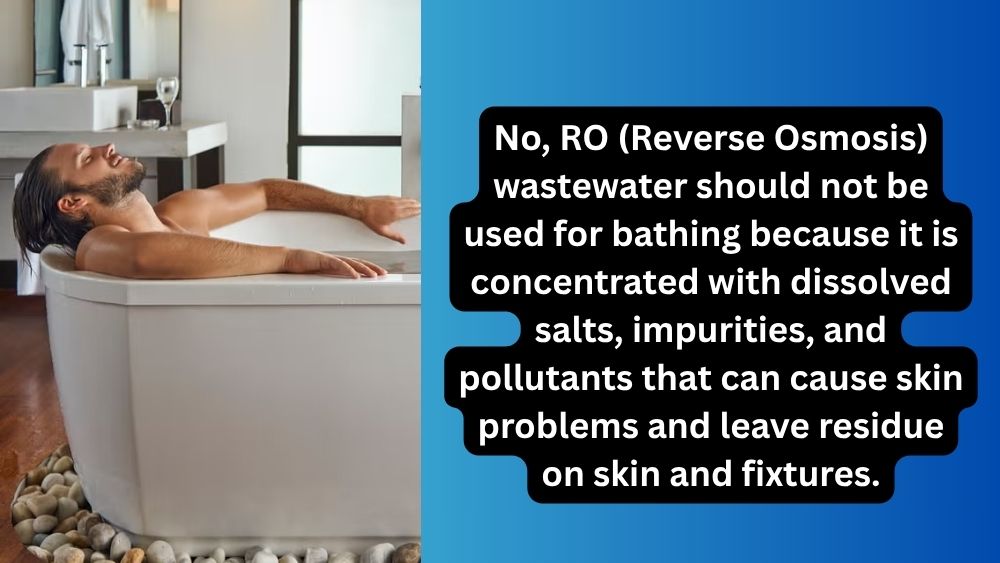
The simple answer is yes, RO waste water can be used for bathing, but with certain precautions. While it is not safe for drinking, it is generally safe for external uses such as bathing, cleaning, and gardening when handled properly. In this article, we will explain the composition of RO reject water, the risks of using it for personal hygiene, and the most practical ways to reuse it effectively.
Why RO Systems Produce Waste Water
RO systems work by pushing water through a semi-permeable membrane that separates pure water from dissolved solids and contaminants. The clean water goes to your drinking line, while the rejected impurities are flushed out as waste water.
On average, older RO units may waste four to nine gallons of water for every one gallon of purified water. Modern systems are more efficient, wasting about two gallons per gallon of clean water. To learn why waste is unavoidable in this process, see why RO systems waste so much water.
Composition of RO Waste Water
RO waste water is not “dirty” in the sense of sewage, but it does contain a higher concentration of the salts, minerals, and contaminants that the RO membrane rejects.
Total dissolved solids (TDS): Usually higher than in the source water.
Hardness: Contains more calcium and magnesium.
Salts and chlorides: Concentrated compared to purified water.
Trace chemicals: May include fluoride, nitrates, or metals, depending on your source water.
While not toxic to touch, the elevated mineral content can sometimes cause dryness or mild irritation on sensitive skin.
Is It Safe to Use RO Waste Water for Bathing
Yes, in most cases, RO waste water is safe to use for bathing, especially if your source water was already municipal tap water. Since the reject water is basically tap water with slightly higher concentrations of dissolved solids, it does not contain pathogens that are typically dangerous through skin contact.
However, caution is needed:
People with very sensitive skin, eczema, or psoriasis may feel irritation due to high TDS.
Harder water can leave a film on the skin or make soap less effective.
Infants and those with open wounds should avoid bathing in RO reject water.
For general household use, it is similar to using moderately hard tap water, which is common in many cities. For more background on TDS in water, see what is TDS in water and why should you measure it.
Best Practices for Bathing with RO Waste Water
To make the best use of reject water without side effects, follow these guidelines:
Mix waste water with fresh tap water to reduce TDS concentration.
Use for short baths or showers rather than long soaks.
Table: Pros and Cons of Using RO Waste Water for Bathing
Pros
Cons
Saves water and reduces waste
May irritate sensitive skin
Cost-effective reuse method
Hard water film on skin and hair
Similar to bathing in hard tap water
Not suitable for infants or wounds
Environmentally friendly
Soap lather may reduce effectiveness
Expert Insights
According to water quality specialists, the main concern with using RO reject water for bathing is hardness. Hard water does not pose major health risks but may affect skin and hair texture. Dermatologists agree that occasional use is unlikely to cause harm for most people, but those with pre-existing skin conditions should stick to softened or purified water.
The EPA notes that hard water is generally safe for external use but can cause scaling and dryness over time (EPA.gov). Similarly, the World Health Organization acknowledges that hardness is not a health hazard but a nuisance factor (WHO.int).
Environmental and Cost Considerations
RO systems waste water as part of their purification process, but reusing that water for bathing and cleaning helps offset environmental costs. It also reduces the burden on municipal supply, especially in areas facing water shortages. For a detailed breakdown of efficiency, see how to reduce the operating cost of RO systems.
FAQs
1. Is RO waste water safe for bathing every day? Yes, most people can bathe daily with RO waste water without problems. However, if you notice skin dryness or irritation, dilute it with fresh water.
2. Can children use RO reject water for bathing? It is better to avoid using it for infants and young children, as their skin is more sensitive. For older children, diluted use is usually safe.
3. Will bathing in RO waste water harm my skin? Generally no, but the higher mineral content can leave a film or cause mild dryness. Moisturizing after bathing helps reduce these effects.
4. Is RO waste water better than hard tap water for bathing? They are similar, as both have higher TDS. If your tap water is already hard, RO waste water will feel much the same.
5. What is the safest way to reuse RO waste water at home? The best uses are bathing, toilet flushing, cleaning floors, and gardening. Always ensure proper storage and avoid using it for drinking or cooking.
Conclusion
RO systems waste a considerable amount of water, but with smart reuse, that water can serve important purposes. Bathing with RO waste water is safe for most people as long as it is managed properly. The main concern is hardness, which may cause mild dryness or irritation for sensitive individuals.
By reusing reject water for bathing and other household chores, you conserve resources, save money, and reduce environmental impact. With simple precautions, you can turn what is often seen as waste into a valuable household resource. For more ideas, see how to reuse waste water and why RO systems waste so much water.
Hasan Al Sarker is a Reverse Osmosis Specialist. He has worked for many years to ensure safe drinking water for all. His research paper has been published in several journals, including Issue, Medium, and Slideshare. He is recognized as a water doctor among specialists though he did not attend medical college.
Besides working as a researcher of reverse osmosis technology, he is also very fancy with the kitchen and cooking. His guides are reading thousands of people every day. As a head of content, he is responsible for all the published articles at RO System Reviews.
If you have ever turned on your faucet after installing or servicing a reverse osmosis (RO) water filter and noticed sputtering, cloudy water, or unusual noises, you are not alone. Air trapped inside the system is a common issue. While it usually is not dangerous, it can affect water flow, pressure, and even the taste of your drinking water. The good news is that it is relatively easy to get air out of your RO system once you know the causes and solutions.
This guide will walk you through why air gets trapped, how to safely remove it, and what preventive steps ensure smooth performance. Along the way, we will also address the impact of air on water quality, common mistakes, and when it might be time to replace parts.
Why Air Gets Trapped in RO Systems
Air in an RO system is not always a sign of damage. It often happens for simple reasons.
Initial installation: When a new RO unit is connected, air pockets remain in the tubing and filter housings until flushed.
Filter replacement: Each time you change a cartridge or membrane, air enters and has to be pushed out.
Low pressure or leaks: If seals or O-rings are not tight, tiny amounts of air can seep inside.
Storage tank cycling: As the tank fills and empties, residual air can be introduced into the water line.
The symptoms are easy to spot: spurts of water, gurgling, cloudy water that clears after a few seconds, or inconsistent flow from the faucet.
How Air Affects System Performance
Air pockets do not contaminate your water, but they can reduce system efficiency and cause annoyance.
Water sputtering: Interrupted flow at the faucet is the most obvious sign.
Noisy operation: Gurgling or humming is often air escaping.
Cloudy appearance: Tiny bubbles make water look milky but harmless.
Uneven pressure: Too much trapped air can reduce water delivery speed.
If ignored, chronic air issues may shorten the life of your RO membrane or storage tank by forcing them to work harder. To understand how system components behave, review 14 components of an RO water purifier system.
Step-by-Step Guide to Removing Air
Getting air out of your RO system involves flushing water through it until all bubbles escape. Here is a practical sequence to follow.
Step 1: Shut off the water supply
Turn off the cold-water feed valve to prevent new water from entering during your inspection.
Step 2: Release pressure
Open the RO faucet and let any remaining water drain until the flow stops. This relieves internal pressure.
Step 3: Inspect tubing and fittings
Check all connections for tightness. Ensure tubing is fully inserted and O-rings are properly seated. Loose joints are a common air entry point.
Step 4: Fill the system and flush
Turn the water supply back on and let the storage tank fill. Once full, open the faucet and let water run continuously for 10–15 minutes. This process pushes trapped air out of the system.
Step 5: Repeat if necessary
In some cases, especially after membrane replacement, you may need to repeat the flush cycle two or three times before the water runs smoothly.
Step 6: Bleed the tank
If the tank itself contains too much air, disconnect it, drain it completely, and then reconnect. Re-pressurizing the tank correctly (usually 7–8 psi when empty) often solves recurring issues. For detailed tank care, see best reverse osmosis water tank.
Table: Common Air Problems and Fixes
Symptom
Likely Cause
Solution
Sputtering faucet
Air from installation/replacement
Flush system 2–3 times
Cloudy water
Tiny bubbles in water line
Let water sit; clears naturally
Noisy gurgling
Air escaping housing
Check fittings and O-rings
Low pressure delivery
Tank air bladder imbalance
Drain and re-pressurize tank
Persistent air pockets
Leaks in tubing or connectors
Inspect and reseal joints
Preventing Air in Your RO System
Once you remove the air, preventing it from coming back keeps your system efficient.
Plumbing technicians often stress that small air issues are normal after service and usually resolve with flushing. However, repeated air pockets may point to improper installation or a faulty check valve. According to system engineers, “The most effective step is to drain the system completely and start fresh. This resets the pressure balance and clears trapped air.”
Special Cases
Sometimes, air in the RO system reveals deeper issues.
New RO installations: Air is expected for the first 24–48 hours and should clear with flushing.
Old systems: If air persists, aging tubing or loose housings may be responsible.
Well water systems: Extra air may enter from the well pump itself. Proper pretreatment is key. For related guidance, see what size micron filter for well water.
Air vs. Other Common Issues
It’s important not to confuse air with other problems such as low TDS performance, leaks, or pressure loss. For example, if your system produces slow water but no bubbles, the issue may be membrane clogging. Learn more in troubleshooting slow reverse osmosis water flow.
Practical Maintenance Tips
Keep a log of filter changes and tank pressure checks.
When installing new filters, pre-soak them if recommended by the manufacturer to reduce initial air bubbles.
FAQs
1. Why is my RO faucet sputtering after filter replacement? This happens because air enters the system during cartridge changes. A few flush cycles will usually clear the air and restore smooth flow.
2. How long should I flush my RO system to remove air? After installation or servicing, flush for 10–15 minutes at a time, repeating up to three cycles if needed. The water may look cloudy at first but will clear once the bubbles are gone.
3. Can air damage my RO membrane or filters? No, trapped air does not damage components directly. However, if leaks allow constant air entry, it may reduce system efficiency over time.
4. Why does my water look cloudy after installing a new filter? Cloudy water is caused by tiny air bubbles, not contamination. It is safe to drink, and the cloudiness usually disappears after standing for a few minutes.
5. How do I fix recurring air problems in my RO tank? Drain the tank completely, check the bladder pressure, and re-pressurize to the recommended 7–8 psi when empty. If problems persist, consider replacing the tank.
Conclusion
Air in a reverse osmosis system is a common occurrence, especially after installation, filter changes, or tank maintenance. While it can cause sputtering, cloudy water, and minor pressure issues, it is rarely harmful and usually easy to fix. The most effective solutions are flushing the system, checking fittings, and maintaining correct tank pressure.
Preventive care ensures that air does not become a recurring problem. By following good installation practices, flushing filters, and scheduling routine maintenance, you can enjoy clean, smooth-flowing RO water without frustration. For more maintenance insights, visit guides such as how to troubleshoot your reverse osmosis system and stages of a reverse osmosis system.
Hasan Al Sarker is a Reverse Osmosis Specialist. He has worked for many years to ensure safe drinking water for all. His research paper has been published in several journals, including Issue, Medium, and Slideshare. He is recognized as a water doctor among specialists though he did not attend medical college.
Besides working as a researcher of reverse osmosis technology, he is also very fancy with the kitchen and cooking. His guides are reading thousands of people every day. As a head of content, he is responsible for all the published articles at RO System Reviews.
Reverse osmosis (RO) water is celebrated for its purity. By removing heavy metals, dissolved salts, chemicals, and even microplastics, RO systems produce some of the cleanest drinking water in the world. But many people raise a surprising question: can drinking RO water actually cause heartburn?
The quick answer is that RO water does not directly cause reflux in everyone, but because it is low in minerals and slightly acidic, it may trigger or worsen symptoms for people with sensitive stomachs. In this article, we will examine the science behind RO water, its impact on digestion, and the practical steps you can take to reduce discomfort.
Understanding Heartburn
Heartburn is a burning sensation in the chest caused by stomach acid flowing back into the esophagus. It is closely related to acid reflux and GERD. While food choices such as spicy or fatty meals are common triggers, the type of water you drink can also influence symptoms.
Why RO Water Might Trigger Heartburn
Lack of Minerals
RO filtration removes essential minerals like calcium and magnesium. This makes the water extremely pure but eliminates natural buffering compounds that can help balance stomach acid. Without these minerals, sensitive individuals may feel irritation after drinking it. For more on restoring minerals, see how to make RO water healthy.
Acidic pH
RO water usually measures between 5 and 6.5 on the pH scale. This mild acidity is not harmful for most people, but those with reflux may notice discomfort. If this describes you, read how to adjust pH of RO water.
Dilution of Stomach Acid
Large amounts of pure water can dilute stomach acid, slowing digestion. This can lead to bloating and pressure on the esophagus, which may trigger heartburn. Drinking in moderation and sipping slowly often prevents this issue.
Individual Sensitivity
Not all people react the same way. Many drink RO water daily without problems, but individuals with GERD or weak digestive balance may experience heartburn more frequently. Pre-existing health conditions make a difference.
Is RO Water Acidic Enough to Matter
To understand the effect, it helps to compare RO water with other types.
Water Type
Typical pH Range
Notes
Tap water
6.5–8.5
Contains minerals, chlorine, fluoride
Bottled mineral water
7.0–8.5
Provides buffering and minerals
RO water (unmodified)
5.0–6.5
Demineralized, mildly acidic
Alkaline RO water
7.5–9.0
Balanced with added minerals
RO water is mildly acidic compared to mineral water, which may be enough to aggravate reflux in sensitive individuals.
The Role of Minerals
Minerals like calcium, magnesium, and potassium neutralize excess stomach acid and support smooth digestion. RO water lacks these natural buffers, making it less stomach-friendly for some people. Adding an alkaline filter is the most common solution. Our review of the best alkaline filter for RO explains how they help.
RO Water Compared to Other Types
Tap water is generally neutral but may contain chlorine that irritates the stomach.
Alkaline water helps counter acid and is often used to relieve heartburn.
Boiled water does not change mineral content significantly, so it rarely causes reflux.
Myths About RO Water and Heartburn
One common myth is that RO water is dangerously acidic. In reality, its pH is mild, though noticeable to those with reflux. Another myth is that RO water strips minerals from the body, which is not true — it simply does not provide minerals. Finally, some believe everyone gets heartburn from RO water, but only a subset of sensitive individuals experience this.
Expert Opinion
Dr. Karen Simmons, a gastroenterologist, says: “RO water is safe for most people and is not a direct cause of reflux. However, patients with GERD may notice that the lack of minerals and mild acidity can worsen their symptoms. For them, remineralized or alkaline water is a more comfortable choice.”
Balance your diet with alkaline foods such as leafy greens, bananas, and melons.
Health and Cost Considerations
RO systems not only alter water chemistry but also waste water in the process. For households, this raises both health and environmental concerns. Efficiency and long-term cost are important. For a breakdown, see reverse osmosis system cost and how to reduce the operating cost of RO systems.
FAQs
1. Can RO water cause acid reflux directly? RO water does not directly cause reflux, but its low mineral content and mild acidity can make symptoms worse for sensitive individuals. People with GERD are more likely to notice an effect.
2. Is alkaline RO water better for preventing heartburn? Yes. Alkaline RO water adds minerals back and raises pH, which helps neutralize stomach acid and makes drinking more comfortable.
3. Can distilled water trigger the same problem? Yes. Distilled water is also demineralized and acidic, which can affect digestion in a similar way. For more detail, see is distilled water safe to drink.
4. Should GERD patients avoid RO water? Not necessarily. Many can tolerate it, but if heartburn is frequent, remineralized or alkaline water may be a better option.
5. What is the best way to make RO water gentler on the stomach? The most effective approach is to re-mineralize it and balance the pH. Using an alkaline filter or drops makes it less acidic and more stomach-friendly.
Conclusion
RO water is among the cleanest and safest drinking options available, but for some people with reflux or GERD, its lack of minerals and mild acidity can trigger heartburn. The good news is that simple fixes — from adding an alkaline filter to adjusting drinking habits — can make RO water more comfortable.
For most people, RO water is perfectly fine. But if you find it causes heartburn, small adjustments can help you enjoy pure water without discomfort. Explore more related insights in how to make RO water healthy and RO vs UV water filters.
Hasan Al Sarker is a Reverse Osmosis Specialist. He has worked for many years to ensure safe drinking water for all. His research paper has been published in several journals, including Issue, Medium, and Slideshare. He is recognized as a water doctor among specialists though he did not attend medical college.
Besides working as a researcher of reverse osmosis technology, he is also very fancy with the kitchen and cooking. His guides are reading thousands of people every day. As a head of content, he is responsible for all the published articles at RO System Reviews.
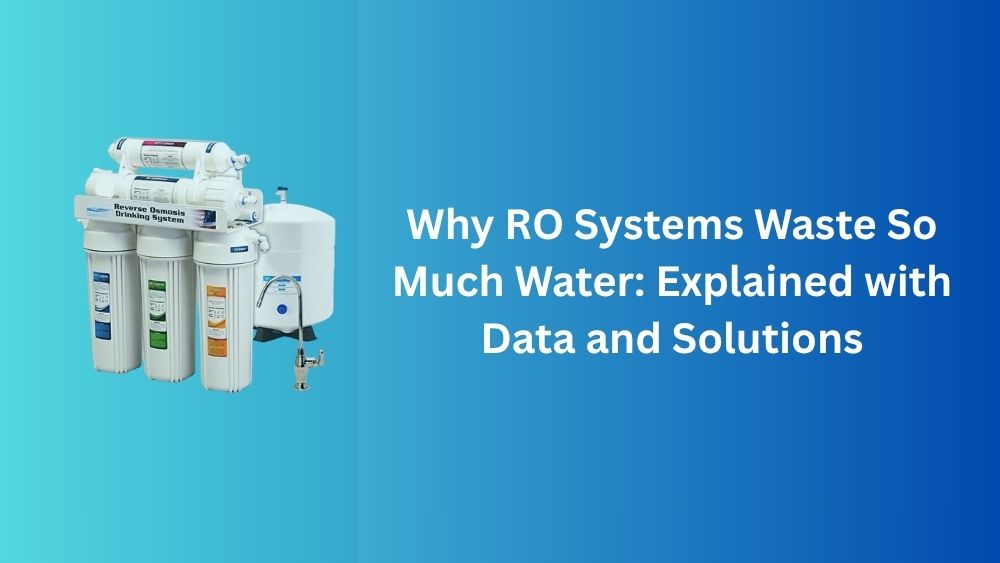
Reverse osmosis systems are trusted for making drinking water safer by removing dissolved salts, heavy metals, and many micro-contaminants. The tradeoff people notice is the reject stream that carries away those concentrated impurities. That stream is often called waste water, but it exists to keep the membrane clean and your water quality consistent.
Older home units could use four to nine gallons of feed water to produce a single gallon of purified water. Newer designs are better, yet the reject line can still look surprising at the sink. The EPA notes that efficient point-of-use models can reduce waste to roughly 2.3 gallons per gallon of product water when properly designed and maintained.
Recovery rate is the key efficiency metric. It is the share of feed water that becomes purified water. Commercial systems often reach 50 to 85 percent recovery when pretreatment and pressure are optimized. Typical under-sink units are lower because they face variable household pressure, temperature, and water quality.
Your water’s TDS, the inlet pressure, membrane condition, and flow-restrictor sizing all influence how much water goes to the drain. Higher TDS and lower pressure push waste upward. Good pretreatment, regular service, and healthy pressure bring it down. For the basics on measuring dissolved solids, see what is TDS in water and why you should measure it.
Key takeaway Reduce waste by improving recovery with maintenance, pretreatment, and modern components rather than trying to eliminate the reject stream entirely
Typical RO Waste Ratios
System type
Recovery rate
Waste ratio per 1 gallon purified
What this means
Older residential RO
10 to 20 percent
9 to 4
Very inefficient, often due to fouling and low pressure
Typical residential RO
20 to 25 percent
about 4
What many households observe
WaterSense-style efficient residential
30 to 35 percent
up to about 2.3
Requires better design and maintenance
Industrial or commercial brackish water
50 to 85 percent
1 to 0.2
Tuned pretreatment and pressure control
If you include a graphic, a simple bar chart that compares waste ratios across those four categories helps readers see the improvement from older to efficient systems.
Why RO Waste Exists in the First Place
Reject water is not a design flaw. The membrane blocks salts and many contaminants, and the concentrated mixture must be swept away to prevent scaling and biofouling. Without that flow, production would slow, quality would fall, and the membrane would fail early. For real-world maintenance context, point readers to how often should RO membrane be replaced and how often should you service your RO water purifier.
Practical Ways to Reduce RO Wastewater at Home
Modern components and simple habits make a large difference. A permeate pump or a tankless high-efficiency unit can raise recovery. Sediment and carbon pretreatment reduce fouling so you do not need as much flush flow. If you are doing a deep clean or seasonal checkup, see how to clean and sanitize an RO system. Many homeowners also find value in choosing a higher quality membrane as covered in best 100 GPD RO membrane. Finally, if local rules allow, reuse the reject water for safe nonpotable tasks. Your guide how to reuse waste water gives easy ideas for the home.
Cost and Performance Context
Efficiency influences cartridge life, membrane life, and total cost of ownership. Readers who are budgeting upgrades can review reverse osmosis system cost. If they are comparing technologies rather than components, send them to RO vs UV water filters to understand when RO is essential for dissolved minerals versus when a non-RO option might be enough.
Expert Opinion
Independent membrane consultants frame the goal this way. Do not chase zero waste with RO. Aim for stable recovery that protects the membrane and meets your daily volume. The quickest wins usually come from pretreatment, pressure management, and a permeate pump or efficient tankless unit. In homes those steps lower waste and extend membrane life without sacrificing water quality.
FAQs
Does RO always waste a lot of water? Not always. Inefficient home units can waste four to nine gallons per gallon purified, but well-designed point-of-use systems can cut that to about 2.3.
What single factor most affects my waste volume? Feed water quality and pressure. Higher TDS raises osmotic pressure and increases the flush you need. For background on measuring dissolved solids, see what is TDS in water and why you should measure it.
Can I safely reuse the reject water? Yes for nonpotable tasks like floor cleaning, garden use where appropriate, or toilet flushing. See how to reuse waste water for simple methods.
RO systems waste water because that is how membranes stay clean and your water stays safe. With good maintenance, smart component choices, and sensible reuse, you can shrink that waste while keeping top-tier water quality.
Hasan Al Sarker is a Reverse Osmosis Specialist. He has worked for many years to ensure safe drinking water for all. His research paper has been published in several journals, including Issue, Medium, and Slideshare. He is recognized as a water doctor among specialists though he did not attend medical college.
Besides working as a researcher of reverse osmosis technology, he is also very fancy with the kitchen and cooking. His guides are reading thousands of people every day. As a head of content, he is responsible for all the published articles at RO System Reviews.