Have you ever wondered if the water you use can make or break your sourdough starter? If you’re diving into the world of baking, you know how crucial every ingredient is.
But what about the water? Specifically, is RO (reverse osmosis) water good for your sourdough starter? This question might seem trivial at first glance, but the answer could be the secret to achieving that perfect tang and rise in your bread.
Imagine the peace of mind knowing you’re using the best water possible for your beloved starter. Dive deeper with us as we explore how the type of water can influence your sourdough’s health and vitality. Your perfect loaf might just depend on it!
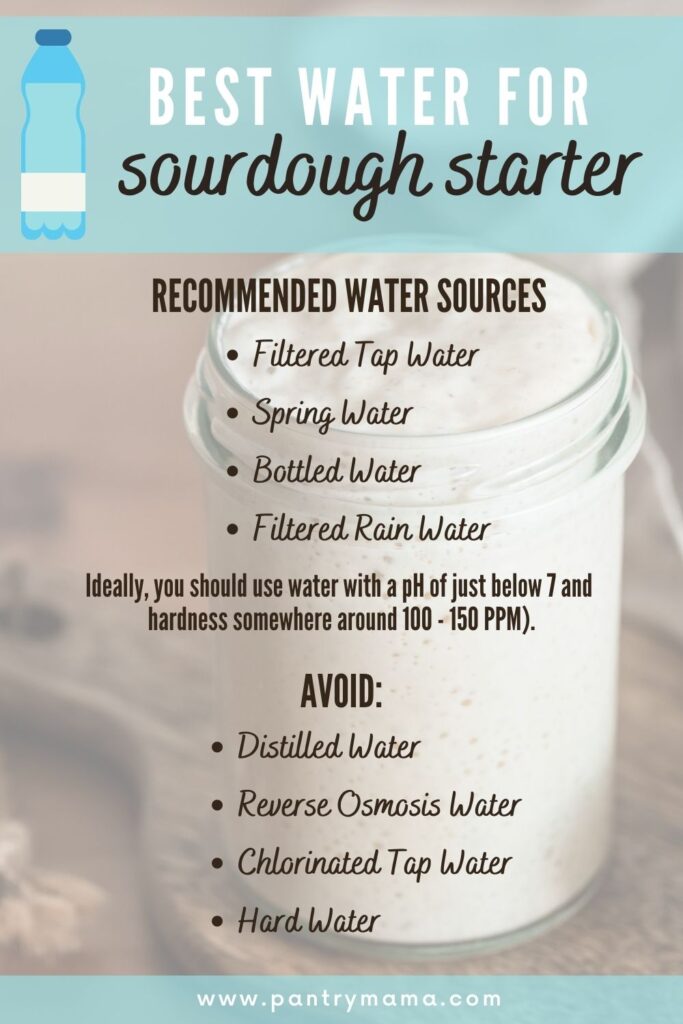
Credit: www.pantrymama.com
Basics Of Sourdough Starters
Choosing the right water is crucial for a healthy sourdough starter. Ro water is often preferred due to its purity, as it lacks chemicals that might inhibit yeast growth. Keeping the water clean helps maintain the starter’s natural fermentation process.
Creating a sourdough starter might seem like a culinary challenge, but it’s actually a simple and rewarding process. The key is understanding the basics: a mixture of flour and water that captures wild yeast and bacteria. This living culture forms the foundation of delicious sourdough bread, giving it its signature tangy flavor and airy texture.
What Is A Sourdough Starter
A sourdough starter is a live culture made from flour and water. It ferments naturally, allowing wild yeast and beneficial bacteria to grow. These microorganisms are responsible for the rising and flavor of your sourdough bread. You might wonder why bother with a starter at all. The answer is simple: it gives you a depth of flavor that commercial yeast just can’t match. Plus, the natural fermentation process makes the bread easier to digest.
Role Of Water In Sourdough
Water plays a crucial role in developing a healthy sourdough starter. It hydrates the flour, allowing enzymes to break down starches into sugars, feeding the yeast and bacteria. The type of water you use can impact the health and vitality of your starter. Have you ever considered how tap water might affect your starter? Tap water often contains chlorine, which can inhibit yeast growth. This is where RO (reverse osmosis) water comes into play, as it is typically free from chlorine and other contaminants. Using RO water could give your starter a cleaner environment to thrive. However, some argue that the trace minerals in tap water can actually benefit your starter. So, what should you do? Experiment with both and observe how your starter responds. Have you ever tried different types of water for your starter? What differences did you notice? By understanding the role of water, you can better nurture your starter and enhance your sourdough baking skills.
Credit: www.youtube.com
Characteristics Of Ro Water
RO water, known for its purity, lacks minerals which can affect sourdough starter health. Essential minerals in water help nourish yeast and bacteria, vital for a thriving sourdough culture. Using mineral-rich water may yield better results in your bread-making endeavors.
Understanding the characteristics of RO water can be crucial if you’re considering using it for your sourdough starter. Reverse Osmosis (RO) water is often lauded for its purity, but what does that mean for your baking endeavors? Let’s break down the unique properties of RO water and see how they might influence your sourdough starter.
Ro Water Explained
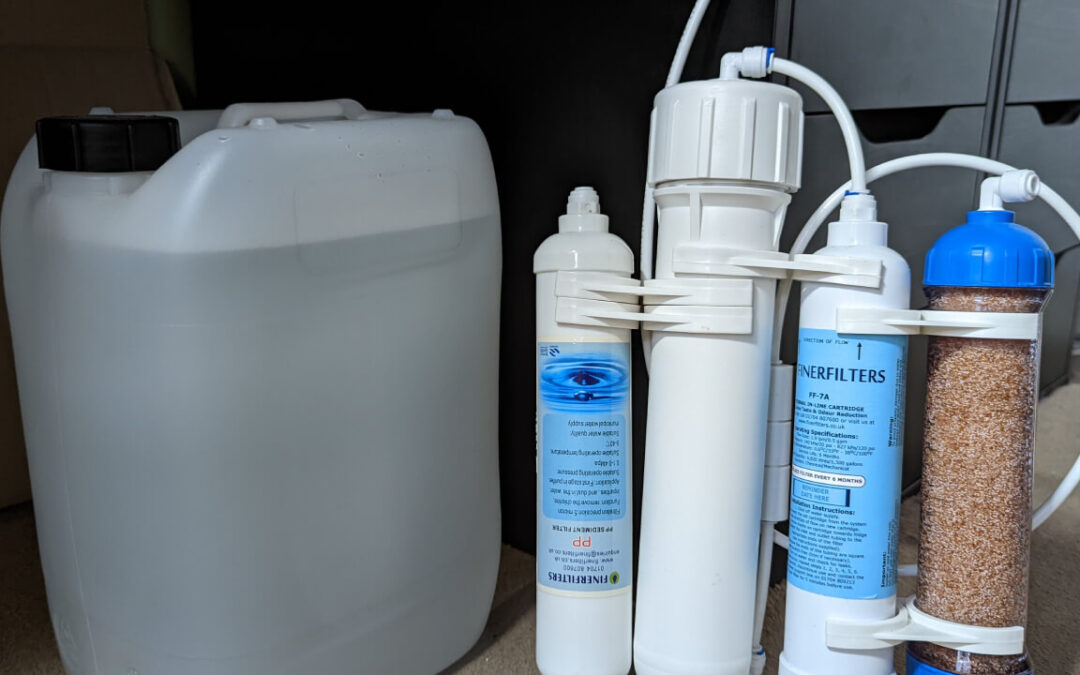
RO water is produced by filtering water through a semi-permeable membrane. This process removes a significant number of contaminants, including minerals, chemicals, and bacteria. The result is water that is much purer than tap water. A personal experience might shed some light: I switched to RO water for my morning coffee and noticed a cleaner taste. This purity is why many people consider using it for sensitive recipes like sourdough starters. But is purer always better?
Common Uses Of Ro Water
You often find RO water used in households for drinking and cooking. It’s popular because it eliminates impurities that can affect taste and safety. People also use it in aquariums and for watering plants. The absence of chlorine and other chemicals makes it ideal for these delicate ecosystems. But what about baking? The lack of minerals in RO water means it doesn’t interfere with the yeast and bacteria in your sourdough starter. However, this absence might also mean missing out on minerals that could enhance fermentation. Have you tried using RO water for your sourdough? If so, did you notice a difference in the rise or taste? The answers could help refine your baking process. So, is RO water the secret ingredient your sourdough starter has been missing?
Impact Of Ro Water On Sourdough
Choosing the right water for your sourdough starter is crucial. Water affects the growth of yeast and bacteria in sourdough. RO water, or reverse osmosis water, is pure. It lacks minerals found in tap water. This purity can influence your sourdough starter in several ways.
Effects On Yeast And Bacteria
Yeast and bacteria thrive in mineral-rich environments. They need nutrients to grow and multiply. Tap water contains these essential minerals. RO water removes most minerals. This can slow yeast growth in sourdough. Bacteria also rely on minerals for healthy development. Without them, their activity might decrease.
Influence On Fermentation Process
Fermentation is key in sourdough preparation. Minerals in water help in fermentation. They support yeast and bacteria activity. RO water lacks these minerals. This can affect the fermentation speed. Your sourdough might rise slower. The taste could change too. Minerals contribute to flavor development in sourdough.
Credit: traditionalcookingschool.com
Comparing Water Types For Starters
Evaluating water quality is crucial for sourdough starters. Ro water, with minimal impurities, can be suitable for nurturing healthy yeast growth. Its purity helps maintain the starter’s balance, making it a viable option.
When nurturing a sourdough starter, the type of water you use can make a noticeable difference in its growth and health. You might wonder: Is RO water better for my starter than tap water? Understanding the nuances between different water types can help you make an informed choice for your baking endeavors.
Tap Water Vs. Ro Water
Tap water is easily accessible, but it often contains chlorine and other additives. These substances can affect the natural yeast and bacteria in your sourdough starter. If you’ve ever noticed your starter struggling to bubble or rise, tap water might be the culprit. On the other hand, RO (Reverse Osmosis) water is filtered to remove impurities, including chlorine. Many bakers find that using RO water results in a more active and robust starter. However, the lack of minerals in RO water may also impact the starter’s development.
Mineral Content Considerations
Minerals in water play a crucial role in the fermentation process. Tap water typically contains minerals like calcium and magnesium, which can benefit your starter’s growth. These minerals support yeast activity, leading to a lively and resilient starter. While RO water is free from impurities, it also lacks these beneficial minerals. You might need to compensate by adding a pinch of mineral-rich salt or using a blend of RO and mineral water. This ensures your starter gets the nutrients it needs without unwanted chemicals. Have you noticed any changes in your starter when switching water types? Experimenting with different waters might reveal surprising results, helping you craft the perfect loaf.
Expert Opinions And Studies
Exploring whether RO water is good for sourdough starter involves understanding expert opinions and studies. Experts and researchers have different insights. These insights help bakers decide which water is best.
Baker Insights
Many bakers share their experiences with water types for sourdough. Some say RO water helps maintain a consistent starter. It provides a clean, neutral base. Others believe it lacks minerals. They think these minerals are essential for a healthy starter. Each baker’s experience varies. These differences show the diverse opinions in the baking world.
Scientific Research Findings
Scientific studies provide more detailed insights. Research shows water composition affects yeast and bacteria growth. RO water removes impurities. But it also strips away minerals. These minerals can aid fermentation. Studies highlight the balance needed in sourdough starters. The right water choice can impact the starter’s success.
Practical Tips For Sourdough Enthusiasts
Sourdough enthusiasts often wonder about using RO water for their starters. RO water, stripped of minerals, can affect fermentation. To ensure a healthy sourdough starter, consider using mineral-rich water instead.
Embarking on the journey of crafting the perfect sourdough starter is both an art and a science. With the right tips, you can ensure your sourdough thrives. One key factor that often goes unnoticed is the type of water used. How can you make sure your sourdough starter reaches its full potential?
Choosing The Right Water
When selecting water for your sourdough starter, purity matters. Tap water often contains chlorine and other additives that can harm the natural yeast and bacteria in your starter. Many enthusiasts recommend using filtered or RO (Reverse Osmosis) water. RO water is free from impurities and provides a clean slate for your sourdough to develop its unique flavor. Ever noticed your starter isn’t bubbling as expected? It might be worth experimenting with different water types. Even mineral water can sometimes work wonders. Remember, your starter is alive, and choosing the right water is like giving it the best possible environment to flourish.
Adjusting Starter Maintenance
After choosing the right water, it’s crucial to adjust how you maintain your starter. Regular feeding is essential, but the quality of water used during feeding is equally important. If you’re using RO water, you might need to adjust the feeding frequency. Have you ever thought about the environment your starter is in? Temperature and humidity can influence how your starter reacts to different water types. Keep an eye on the consistency and activity level of your starter. Is it rising and falling predictably, or is it sluggish? Adjust your water source accordingly to achieve the desired results. Consistency is key. If you find a water type that works, stick with it. Your starter will appreciate the predictability, and you’ll enjoy consistent sourdough loaves. By paying attention to these practical tips, you can nurture a robust sourdough starter. So, what changes will you make to your sourdough routine?
Frequently Asked Questions
Can Ro Water Affect Sourdough Starter Growth?
RO water can sometimes affect the growth of sourdough starter. It lacks minerals found in tap water, which are essential for yeast and bacteria. These minerals can enhance fermentation, leading to a better sourdough rise. Consider adding minerals or using a blend with tap water for optimal results.
Is Ro Water Better Than Tap Water For Sourdough?
RO water is purer than tap water, lacking chlorine and impurities. However, tap water contains minerals beneficial for sourdough fermentation. These minerals support yeast and bacteria growth, enhancing the starter’s activity. Using RO water with added minerals can achieve similar benefits.
How Does Ro Water Impact Sourdough Flavor?
RO water might alter sourdough flavor due to its lack of minerals. These minerals contribute to the unique taste of sourdough. Without them, the flavor may be less complex or tangy. Mixing RO with mineral-rich water can help maintain desired flavors.
Should I Use Ro Water For Baking Sourdough?
Using RO water for baking sourdough can be beneficial for purity. It eliminates chlorine and impurities, but lacks minerals. Consider supplementing with mineral-rich water or adding minerals to ensure active fermentation and optimal flavor development.
Conclusion
Ro water can benefit your sourdough starter. It removes impurities effectively. Pure water helps yeast thrive, promoting a healthy starter. Ensure balanced minerals for best results. Some minerals can aid fermentation. Test and observe your starter’s reaction. Every sourdough behaves differently.
Experiment with small batches first. Adjust based on your starter’s needs. Monitor its growth and activity closely. A vibrant starter means better bread. Consistency is key. Stick to what works best for you. Enjoy the baking journey. Happy sourdough baking!
Hasan Al Sarker is a Reverse Osmosis Specialist. He has worked for many years to ensure safe drinking water for all. His research paper has been published in several journals, including Issue, Medium, and Slideshare. He is recognized as a water doctor among specialists though he did not attend medical college.
Besides working as a researcher of reverse osmosis technology, he is also very fancy with the kitchen and cooking. His guides are reading thousands of people every day. As a head of content, he is responsible for all the published articles at RO System Reviews.
Imagine setting up your shrimp tank and watching these vibrant creatures dart around, adding life and color to your space. But as you care for them, a crucial question arises: Is RO (Reverse Osmosis) water good for your shrimp?
This is a question that could mean the difference between thriving shrimp and a tank full of stress. You want the best for your shrimp, but with so much conflicting advice, how do you know what’s right? In this blog post, you’ll uncover the essential facts about using RO water for shrimp.
You’ll discover how it could affect their health, the quality of their habitat, and ultimately, your success in maintaining a beautiful, lively aquarium. Keep reading, and you’ll gain insights that could save you time, money, and heartache. Dive in to learn more and ensure you’re giving your shrimp the best environment possible.
Credit: shrimpnation.co.za
Benefits Of Ro Water For Shrimp
RO water helps shrimp thrive by providing a clean environment, free from harmful chemicals and impurities. Shrimp enjoy better health and growth with RO water, as it reduces stress and promotes natural behaviors. Enhanced water quality leads to vibrant shrimp, making RO water a beneficial choice.
Are you looking to create a thriving environment for your shrimp? RO (reverse osmosis) water might be your answer. Many aquarists swear by it for maintaining optimal water conditions. But what exactly makes RO water beneficial for shrimp? Let’s dive into the specific advantages that this purified water offers.
Consistent Water Quality
RO water ensures a stable environment by removing impurities and contaminants. This consistency is crucial for shrimp, which are sensitive to changes in their habitat. You might have experienced fluctuating water quality with tap water, leading to stressed or unhealthy shrimp. With RO water, you can control the mineral content, making it easier to maintain a balanced ecosystem in your tank.
Reduction Of Harmful Substances
Tap water often contains chlorine, heavy metals, and other harmful elements. These substances can be detrimental to shrimp, affecting their health and longevity. RO water filters out these toxins, offering a safer habitat. I once noticed my shrimp behaving erratically after a water change with untreated tap water. Switching to RO water resolved the issue, highlighting the importance of removing harmful substances. RO water is a blank slate. It allows you to add specific minerals your shrimp need, rather than relying on whatever comes through the tap. This customization can lead to healthier shrimp and more vibrant colors. Imagine being able to tailor the water to suit the exact needs of your shrimp species. It’s like having a personalized nutrition plan for your aquatic pets.
Improved Breeding Success
Stable and clean water conditions can enhance breeding success in shrimp. The absence of pollutants in RO water provides a stress-free environment conducive to reproduction. As a shrimp enthusiast, you might wonder why your shrimp aren’t breeding successfully. Consider the role of water quality; providing the right conditions could be the missing piece in your breeding puzzle.
Long-term Cost Efficiency
While the initial investment in an RO system might seem high, the long-term benefits can outweigh the costs. Healthier shrimp means fewer losses and less money spent on treatments or replacements. Plus, RO systems often pay for themselves by reducing the need for frequent chemical treatments. Think about the peace of mind knowing your shrimp are living in the best possible conditions. RO water offers multiple benefits for shrimp, from consistent water quality to improved breeding success. Have you considered upgrading to RO water for your shrimp tank? It might be the change that transforms your aquarium into a thriving ecosystem.
Purity And Contaminant Removal
RO water is excellent for shrimp tanks. It removes harmful contaminants, ensuring a safe environment for shrimp. This purity helps shrimp thrive, promoting better health and growth.
Ensuring the purity of water is crucial for the health of shrimp in aquariums. Using Reverse Osmosis (RO) water is a popular method to achieve this purity, as it effectively removes contaminants and impurities that can harm shrimp. This section explores the benefits of using RO water for your shrimp and how it can contribute to a thriving aquatic environment.
What Is Reverse Osmosis (ro) Water?
Reverse Osmosis water is purified through a process that removes dissolved salts, impurities, and contaminants. This method uses a semi-permeable membrane to filter out unwanted substances. As a result, RO water is incredibly pure and free from harmful chemicals.
Why Shrimp Need Pure Water
Shrimp are sensitive creatures that thrive in clean water environments. Even small amounts of contaminants can affect their health and growth. By using RO water, you provide a stable environment that supports their wellbeing.
Common Contaminants Removed By Ro Systems
RO systems can remove a wide range of contaminants, including: – Chlorine: Often found in tap water, chlorine can be toxic to shrimp. – Heavy Metals: Elements like lead and mercury can accumulate in shrimp bodies and harm them. – Nitrates and Phosphates: These can lead to algae blooms, disrupting the tank’s balance.
How Does Ro Water Improve Shrimp Health?
Using RO water can help maintain stable water parameters. Consistent pH and hardness levels support shrimp’s natural biological processes. This stability reduces stress and promotes better growth and reproduction.
Personal Experience: Seeing The Difference
When I first switched to RO water for my shrimp tank, the results were noticeable. The shrimp seemed more active and their colors became more vibrant. It was a clear indication that purity and contaminant removal were making a positive impact.
Practical Steps To Incorporate Ro Water
– Test Your Water: Before switching, test your tap water to understand its composition. – Install an RO System: Consider installing an RO system at home for convenience. – Gradual Transition: Introduce RO water slowly to let shrimp adjust to the new environment. Are you providing the purest water possible for your shrimp? With RO water, you can ensure a cleaner, healthier, and more vibrant aquatic world for them. Start considering how this might transform your shrimp-keeping experience.
Improved Water Quality
Improved water quality is crucial for healthy shrimp. Clean and balanced water helps shrimp thrive. Reverse Osmosis (RO) water provides this advantage by removing impurities. Let’s explore how RO water enhances shrimp habitats.
Purity And Clarity
RO water removes harmful chemicals and pollutants. This leads to pure and clear water. Shrimp benefit from fewer contaminants in their environment. Clean water reduces stress and disease risks.
Stable Ph Levels
RO water helps maintain stable pH levels. Shrimp need consistent pH for survival. Fluctuating pH can harm shrimp. RO water offers a balanced pH environment.
Reduced Hardness
Hard water contains high mineral content. These minerals can affect shrimp health. RO water lowers mineral levels, creating a softer habitat. Shrimp thrive better in reduced hardness conditions.
Less Contaminants
RO systems filter out unwanted contaminants. This includes heavy metals and toxins. Cleaner water means healthier shrimp. Fewer contaminants support strong immune systems in shrimp.
Enhanced Oxygen Levels
RO water improves oxygen levels. Good oxygen levels are vital for shrimp. They enhance breathing and growth. Oxygen-rich water supports shrimp vitality and activity.
Optimal Ph Levels
Maintaining optimal pH levels is crucial for shrimp health. The pH level affects shrimp’s ability to breathe and grow. Shrimp thrive in specific pH ranges. RO water can help achieve this balance.
Understanding Ph Levels
pH measures acidity or alkalinity. It’s on a scale from 0 to 14. Shrimp prefer slightly acidic to neutral levels. Generally, a pH between 6.5 to 7.5 is ideal. RO water can provide this environment.
Benefits Of Ro Water
RO water is pure and free from contaminants. It lacks minerals and impurities. This makes it easier to control pH levels. Using RO water ensures a stable environment for shrimp.
Adjusting Ph Levels
Sometimes, RO water needs pH adjustment. Adding specific minerals can help. Test the pH regularly to maintain balance. Keep it within the preferred range for shrimp health.
Monitoring Tools
pH meters are useful for monitoring levels. Regular checks are necessary. These tools help ensure the water is safe for shrimp. Adjustments can be made swiftly if needed.
Impact On Shrimp Health
Proper pH levels prevent stress in shrimp. Stress can lead to diseases. A balanced pH supports their growth and survival. Healthy shrimp are more active and vibrant.
Customizable Mineral Content
Adjusting mineral content in RO water can benefit shrimp health. Pure RO water lacks essential minerals, which can lead to deficiencies. Adding minerals ensures balanced growth and vibrant colors.
If you’re passionate about shrimp keeping, you probably know the significance of water quality. RO (Reverse Osmosis) water can be a game-changer. Its unique feature is that it offers customizable mineral content.
You have the power to adjust the mineral levels to suit the specific needs of your shrimp. Imagine crafting the perfect environment tailored for their health and growth. This flexibility can be crucial for maintaining their vibrant colors and active behavior.
Ever wondered why your shrimp sometimes look dull or inactive? The answer could lie in the water’s mineral balance. Using RO water allows you to add exactly what your shrimp need, ensuring they thrive.
Why Adjust Mineral Content?
Not all shrimp species have the same mineral requirements. Some need more calcium for shell development, while others may require specific trace elements. RO water gives you a clean slate to start with, making adjustments easier.
Think about it as customizing a recipe to suit your taste. You wouldn’t add salt when a dish is perfect without it, right? Similarly, RO water lets you add minerals based on your shrimp’s unique needs.
How To Customize Ro Water For Shrimp
Start by testing your current water to know what’s needed. Use mineral supplements available specifically for shrimp. Gradually add them, monitoring your shrimp’s response.
You might initially struggle to find the perfect balance. Keep a log of changes and observations to fine-tune the process. Before long, you’ll notice positive changes in their health and activity.
Have you tried adjusting mineral content in your shrimp tank? What changes did you observe? Your experiences might help others facing similar challenges.
The Impact Of Customizable Mineral Content
Proper mineral balance can enhance shrimp’s growth and color. It can also reduce stress and improve breeding success. This means happier, healthier shrimp in your aquarium.
It’s not just about keeping shrimp alive; it’s about helping them thrive. Customizing RO water gives you the control to do just that. Your shrimp tank can become a vibrant showcase of aquatic life.
Are you ready to experiment with RO water for your shrimp? The journey might be challenging, but the rewards are worth it. Share your experiences and learn from others in the community.
Credit: www.reddit.com
Mitigating Stress In Shrimp
Shrimp are sensitive creatures. They thrive in stable environments. Stress can lead to health issues. Water quality plays a crucial role. Using RO water helps maintain balance. It reduces harmful elements. Let’s explore how RO water mitigates stress in shrimp.
Consistent Water Parameters
Shrimp need consistent water conditions. Fluctuations cause stress. RO water offers stability. It eliminates impurities. This makes it easier to control parameters. Consistent parameters lead to happier shrimp.
Reducing Harmful Chemicals
Tap water may contain chlorine. It also has heavy metals. These are harmful to shrimp. RO water removes these threats. It provides a safer habitat. This reduces stress and promotes health.
Better Osmoregulation
Shrimp regulate their internal fluids. This process is called osmoregulation. RO water aids in this process. It prevents osmotic shock. A stable environment supports healthy osmoregulation.
Improved Breeding Conditions
Stress affects shrimp breeding. RO water creates ideal conditions. It supports breeding success. Stable environments encourage healthy offspring. This benefits shrimp populations.
Compatibility With Other Treatments
Understanding the compatibility of RO water with other treatments is crucial for shrimp health. RO (Reverse Osmosis) water is popular among shrimp enthusiasts for its purity. This purity can influence the effectiveness of other water treatments.
Ro Water And Mineral Supplements
RO water lacks essential minerals. Shrimp need these minerals for shell formation. Mineral supplements are often added to RO water. This ensures shrimp get necessary nutrients. Compatibility with mineral supplements is usually high.
Ro Water And Ph Stabilizers
RO water has a neutral pH. Some shrimp species need specific pH levels. pH stabilizers adjust the water to these levels. RO water works well with stabilizers. It provides a clean base for adjustments.
Ro Water And Medicinal Treatments
RO water’s purity affects medicinal treatments. Some medications work better in clean water. RO water enhances the effectiveness of these treatments. It reduces the presence of contaminants.
Ro Water And Water Conditioners
Water conditioners remove harmful elements. RO water already lacks many impurities. Combining both can improve water quality. Shrimp thrive in well-conditioned environments.
Ro Water And Biological Filtration
Biological filtration relies on beneficial bacteria. RO water supports this process by being contaminant-free. It allows bacteria to flourish. This creates a healthy environment for shrimp.
Economic Considerations
Understanding the economic considerations of using RO water for shrimp farming is crucial. Shrimp farming requires careful resource allocation to ensure sustainability and profitability. Exploring the costs and benefits of RO water can guide effective decision-making.
Initial Investment
Installing an RO system involves a significant initial investment. Costs vary based on the system size and capacity. Small-scale farms may find these upfront costs challenging. Proper budgeting is essential to avoid financial strain.
Operating Costs
Operating an RO system incurs ongoing expenses. Energy consumption adds to monthly costs. Regular maintenance of filters and membranes is necessary. These costs should be evaluated against potential benefits.
Water Quality And Yield
RO water offers consistent quality. This can lead to improved shrimp health and yield. Better yield may offset some operational costs. Analyze the balance between quality and expense for optimal results.
Long-term Savings
Investing in RO water may offer long-term savings. Healthier shrimp can reduce mortality rates. This can decrease financial losses over time. Consider the long-term benefits in your economic calculations.
Market Demand
Market demand for high-quality shrimp can influence economic decisions. Consumers may pay more for healthier shrimp. RO water can help meet these quality standards. Aligning production with market demand is vital.
Environmental Impact
Reverse Osmosis (RO) water is often preferred for shrimp tanks. It promises purity and quality. Yet, the environmental impact of using RO water is significant. Understanding this impact is crucial. Let’s explore this topic further.
Ro Water Production: Energy Consumption
RO systems require electricity to function. This increases the carbon footprint. The energy used in filtering water is substantial. It’s important to consider this when setting up shrimp tanks.
Water Waste: Ro System Efficiency
RO systems can be inefficient. They waste a lot of water. For every gallon filtered, several gallons can be wasted. This impacts water resources significantly. Shrimp enthusiasts should be mindful of this.
Environmental Footprint: Disposal Of Filters
RO filters need replacement regularly. Disposed filters contribute to landfill waste. They contain materials that don’t decompose easily. This adds to environmental pollution.
Impact On Natural Water Sources
Using RO water affects natural water sources. It reduces the demand for natural, untreated water. This can alter ecosystems. Shrimp habitats rely on balanced ecosystems. This balance is vital for their survival.
Credit: www.reddit.com
Practical Tips For Using Ro Water
Using RO water for shrimp tanks can enhance their living conditions. It’s crucial to follow practical tips to ensure your shrimp thrive. RO water removes impurities, making it an excellent choice. But you must adjust the water parameters to suit shrimp needs. Here’s how to do it right.
Understanding The Basics Of Ro Water
RO water is purified through a filtration system. It removes minerals and contaminants. This process ensures clean water. But it lacks essential minerals for shrimp. Adding minerals back is necessary.
Mineral Supplementation Is Key
RO water needs mineral additives for shrimp. Use commercial mineral supplements. They restore essential elements. Calcium and magnesium are vital. These minerals support shrimp health. Follow the instructions on the product label.
Monitoring Water Parameters Regularly
Keep an eye on water parameters. Use test kits for accuracy. Check pH, GH, and KH levels. Stable parameters are crucial. Adjust them as needed. Consistency prevents stress in shrimp.
Gradual Changes To Avoid Stress
Introduce RO water slowly. Sudden changes can stress shrimp. Gradual transition is safer. Mix RO water with tank water initially. This helps shrimp adapt. Increase RO water gradually.
Using A Reliable Ro System
Invest in a quality RO system. Ensure it filters effectively. Regular maintenance is important. Replace filters as needed. A reliable system ensures clean water. It supports shrimp health.
Frequently Asked Questions
Can Shrimp Thrive In Ro Water?
Yes, shrimp can thrive in RO water. RO water is pure, free from contaminants. However, minerals must be re-added to ensure proper shrimp health. Shrimp require specific mineral levels for shell growth and overall wellness. Always monitor water parameters regularly for shrimp safety.
How Does Ro Water Affect Shrimp Health?
RO water is free from harmful substances, benefiting shrimp health. However, essential minerals are absent in RO water. Adding minerals back improves shrimp growth and shell development. Proper mineral levels are crucial for shrimp vitality and reproduction. Regular monitoring ensures optimal conditions for shrimp.
Is Remineralization Necessary For Ro Water?
Yes, remineralization is essential for RO water used with shrimp. RO water lacks necessary minerals for shrimp health. Adding minerals ensures balanced water chemistry, promoting shrimp growth and vitality. Remineralization prevents shell problems and supports shrimp reproduction. Regular checks maintain ideal mineral levels.
Can Shrimp Breed In Ro Water?
Shrimp can breed in RO water with proper mineral additions. RO water lacks essential minerals for breeding success. Remineralization supports shrimp reproduction and overall health. Balanced mineral levels aid in egg development and hatch rates. Consistent monitoring ensures suitable conditions for breeding.
Conclusion
Ro water can be a good choice for shrimp. It’s pure and free from harmful chemicals. Shrimp thrive in clean, controlled environments. Adjust minerals in ro water to suit shrimp needs. This supports their growth and health. Consistent water quality is crucial for shrimp well-being.
Test water regularly to maintain balance. Proper care ensures happy, active shrimp. Choosing ro water can simplify shrimp care. Make informed decisions for your shrimp’s habitat. Keep their environment stable and clean. Your shrimp will thank you with vibrant colors and lively behavior.
Hasan Al Sarker is a Reverse Osmosis Specialist. He has worked for many years to ensure safe drinking water for all. His research paper has been published in several journals, including Issue, Medium, and Slideshare. He is recognized as a water doctor among specialists though he did not attend medical college.
Besides working as a researcher of reverse osmosis technology, he is also very fancy with the kitchen and cooking. His guides are reading thousands of people every day. As a head of content, he is responsible for all the published articles at RO System Reviews.
Have you ever wondered if the water you drink could be affecting your hair? You’re not alone.
With Reverse Osmosis (RO) water becoming increasingly popular in homes for its purity, many are questioning its effects on health and, more surprisingly, on hair health. Could this popular choice of purified water actually be causing hairfall? Before you dismiss this as just another health myth, let’s dig deeper.
You’ll be surprised by what you discover. Understanding the potential connection between RO water and hairfall could be the key to maintaining the lush, healthy locks you desire. Ready to uncover the truth? Keep reading to find out how the water you consume might be influencing the state of your hair.
The Basics Of Ro Water
Understanding the basics of RO water is essential for many reasons. RO, or Reverse Osmosis, water is popular in households. It is known for its purity and safety. But what exactly is RO water? And how is it produced? Knowing this helps in understanding its effects, including on hair health. Let’s dive into the world of RO water.
What Is Ro Water?
RO water is purified through a special process. This process removes impurities and contaminants. The goal is to achieve clean and safe drinking water. RO water is free from harmful substances. These include chemicals, dirt, and germs.
How Ro Water Is Produced
RO water production involves a filtration system. This system uses a semi-permeable membrane. Water passes through this membrane. Impurities are left behind. The process removes unwanted particles and dissolved solids. It also eliminates harmful chemicals and bacteria.
The production of RO water is efficient. It ensures the water is safe for consumption. Many people trust RO water for its purity. This makes it a popular choice in homes and offices.
Credit: www.wikihow.com
Nutritional Content Of Ro Water
When it comes to the water we drink, understanding its nutritional content is crucial. Many people rely on reverse osmosis (RO) water for its purity. However, does this purity come at the cost of essential nutrients that could impact your health, like causing hair fall?
Minerals Removed In Ro Process
RO water is known for its ultra-clean nature, but this process also strips away certain minerals. Essential minerals like calcium, magnesium, and potassium are often removed. These minerals play a vital role in maintaining not only your overall health but also your hair health.
Think about it: if your body lacks these nutrients, could it affect your hair growth? Many people report changes in their hair’s texture and strength after switching to RO water. It’s something worth considering when choosing your drinking water.
Comparison With Natural Water
Natural water sources, such as spring or mineral water, often contain these beneficial minerals. They not only hydrate but also nourish your body. For instance, magnesium in natural water helps in protein synthesis, which is essential for hair growth.
Have you ever noticed how your hair feels when you’re on vacation, drinking local water? Sometimes, it feels softer and more vibrant. This could be due to the mineral content of that water, which RO water lacks.
So, should you opt for RO water or stick with natural sources? Consider what is most important for you and your health. Balancing purity with nutritional content might be the key to maintaining not just a healthy body, but also healthy hair.
Have you experienced changes in your hair after switching to RO water? Share your thoughts in the comments below!
Hair Health And Water Quality
Hair health depends on many factors, including water quality. Clean water is vital for maintaining strong, shiny hair. Poor water quality can lead to hair problems. Some people blame Reverse Osmosis (RO) water for hair issues. But is RO water truly the culprit? Understanding the role of water and nutrients in hair care is crucial.
Nutrients Essential For Healthy Hair
Hair needs specific nutrients to grow well. Vitamins like A, C, and E support hair health. Minerals like iron and zinc are also important. Proteins, especially keratin, form the hair structure. Lack of these nutrients can weaken hair. A balanced diet provides these essential nutrients. But water quality can also affect nutrient absorption.
Role Of Water In Hair Care
Water plays a vital role in hair care. It helps cleanse the scalp and hair. Good water quality ensures proper cleaning. Hard water contains minerals that can harm hair. These minerals can lead to dryness and breakage. RO water removes these harmful minerals. But some believe it also removes beneficial minerals. This belief fuels the debate about RO water and hair health.
Potential Impact Of Ro Water On Hair
Have you ever wondered if the water you use could affect your hair? The quality and type of water, especially Reverse Osmosis (RO) water, might have an impact on your hair’s health. While RO water is praised for its purity, some people question if it could be linked to hairfall. Let’s dive into this topic and see what the evidence suggests.
Does Ro Water Cause Hairfall?
Many people use RO water with the belief that its purity is beneficial. However, some have noticed increased hair shedding after switching to RO water. Could this be a coincidence or is there more to it?
RO water lacks certain minerals found in regular tap water, which might be beneficial for hair health. This absence could lead to dryness or brittleness. But does this mean RO water causes hairfall? It’s a question worth exploring.
Scientific Studies And Evidence
Research on the direct link between RO water and hairfall is limited. Current studies mainly focus on water quality and its effects on skin health. Hair, being an extension of skin, might react similarly.
Some dermatologists suggest that while RO water is free from harmful chemicals, its mineral deficiency might not support hair strength. The absence of magnesium and calcium, for instance, can affect hair texture and growth.
Consider adding minerals back to your diet or using hair products enriched with them to compensate for what’s missing in RO water. This could potentially counteract any negative impact.
Have you experienced changes in your hair after using RO water? It might be worth experimenting with mineral-rich treatments to see if there’s an improvement.
Expert Opinions On Ro Water And Hairfall
Many people worry if RO water can cause hairfall. Experts have different opinions on this matter. Their insights can help understand any connections.
Dermatologists’ Views
Dermatologists focus on scalp health. They say RO water is clean but lacks minerals. Minerals like calcium and magnesium are important for hair health. Regular tap water has these minerals. Without them, hair might become weak. Weak hair may lead to hairfall. Dermatologists suggest using mineral-rich products if using RO water.
Nutritionists’ Insights
Nutritionists discuss the importance of minerals in the diet. They agree that RO water removes some essential minerals. These minerals support hair growth. Without them, hair may lose strength. They recommend a balanced diet to combat mineral loss. Eating foods rich in minerals can help maintain healthy hair. Proper nutrition supports overall well-being.
Credit: www.kolorshealthcare.com
Alternatives To Ro Water
Concerned about hairfall from RO water? Explore alternatives like spring or mineral water. These options preserve essential minerals needed for healthy hair.
If you’re worried about the effects of RO water on your hair, you’re not alone. Many people are exploring alternatives that maintain the quality of their water without the potential downsides. Let’s dive into some options that might suit your needs better.
Other Purification Methods
Consider switching to water purification methods like UV filtration or activated carbon filters. UV filtration uses ultraviolet light to kill bacteria and viruses, keeping your water safe without removing essential minerals. Activated carbon filters are another great choice. They help remove impurities and chlorine while maintaining the natural mineral content of the water. Some people swear by ceramic filters. These filters are excellent at removing bacteria and sediments, making them a reliable and cost-effective solution.
Maintaining Mineral Balance
It’s crucial to maintain the mineral balance in your water to support overall health, including hair health. You might want to add a remineralization cartridge to your filtration system. This can restore essential minerals like calcium and magnesium that are often stripped away by RO systems. Alternatively, you can mix RO water with a small amount of mineral-rich bottled water. This method is simple and cost-effective, allowing you to tailor the mineral content to your liking. Have you ever tried using natural sources like spring water for drinking and washing your hair? It can be a refreshing change, providing your hair with the nutrients it needs without any artificial processes. What other methods have you considered for maintaining mineral balance in your water? Share your thoughts and let’s discover more ways to keep your water healthy for both you and your hair.
Tips For Healthy Hair Maintenance
Concerns about hairfall linked to RO water are common. RO water lacks essential minerals, which might affect hair health. Using mineral-rich conditioners can help nourish hair and reduce hairfall.
Maintaining healthy hair can sometimes feel like a balancing act. While concerns about factors like RO water potentially causing hair fall are common, focusing on proactive hair maintenance can make a significant difference. Let’s dive into some practical tips for keeping your hair healthy, vibrant, and strong.
Dietary Considerations
What you eat can profoundly affect your hair’s health. Nutrients like omega-3 fatty acids, vitamins A and E, zinc, and iron are crucial for hair growth and strength. Adding foods like salmon, spinach, nuts, and seeds to your diet can nourish your hair from the inside out. A balanced diet can help maintain the natural shine and thickness of your hair. Remember to stay hydrated as well, as water plays a vital role in delivering essential nutrients to your scalp and hair follicles. Have you ever noticed your hair feeling dry and brittle during times of poor diet? That’s your body signaling for more nutritious intake.
Water Usage Tips
Water quality can impact hair health, but how you use water matters too. Consider rinsing your hair with cool water after washing to seal the hair cuticle and add shine. This simple step can help prevent hair from becoming dry and dull. If you’re worried about RO water, try using a shower filter to remove excess minerals or chemicals that might be affecting your hair. It’s also important to avoid over-washing your hair. Washing hair 2-3 times a week is generally sufficient for most hair types, as it helps maintain natural oils that protect and moisturize the scalp. Pay attention to how your hair responds to different water types and washing routines. Have you ever adjusted your water temperature or washing frequency and noticed a change in your hair texture? These small tweaks can lead to healthier, more resilient hair. By making these changes and listening to your hair’s needs, you can support its health and vitality regardless of environmental factors. What changes can you start implementing today for healthier hair tomorrow?
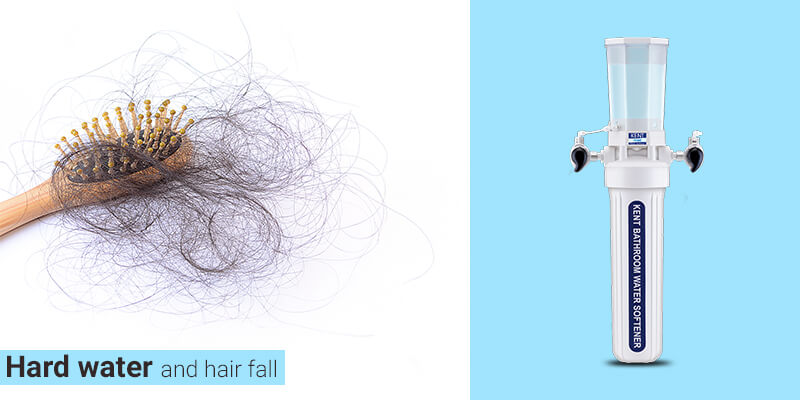
Credit: www.kent.co.in
Frequently Asked Questions
Can Ro Water Lead To Hair Loss?
RO water is unlikely to cause hair loss directly. It removes impurities, making it safe for consumption. However, it may strip natural minerals, affecting hair health. It’s essential to maintain a balanced diet and use nourishing hair products to support hair strength and prevent hair fall.
Is Ro Water Bad For Hair Health?
RO water can lack essential minerals, potentially impacting hair health. While it’s cleaner, it may not provide necessary nutrients for hair. Using mineral-rich hair products and maintaining a healthy diet can counterbalance any negative effects and promote healthy hair growth.
Does Ro Water Affect Hair Growth?
RO water generally does not affect hair growth directly. However, its lack of minerals may impact overall hair health. To support hair growth, ensure a balanced diet and use mineral-rich hair care products to provide the nutrients your hair needs to thrive.
How Can Ro Water Impact Hair Care Routine?
RO water may require adjustments in your hair care routine. Its lack of minerals might necessitate using mineral-rich shampoos and conditioners. This compensates for any nutrient loss, ensuring your hair remains healthy and strong despite using RO water regularly.
Conclusion
Ro water alone does not cause hair fall. Other factors play a role. Diet and genetics are major contributors. Stress can also lead to hair loss. It’s important to maintain a balanced lifestyle. Check your water quality regularly. Use nourishing shampoos and conditioners.
Seek professional advice if hair fall continues. Understanding the root cause is crucial. Healthy habits help maintain strong hair. Regular care leads to healthier hair. Stay informed and take proactive steps. Your hair deserves the best care.
Hasan Al Sarker is a Reverse Osmosis Specialist. He has worked for many years to ensure safe drinking water for all. His research paper has been published in several journals, including Issue, Medium, and Slideshare. He is recognized as a water doctor among specialists though he did not attend medical college.
Besides working as a researcher of reverse osmosis technology, he is also very fancy with the kitchen and cooking. His guides are reading thousands of people every day. As a head of content, he is responsible for all the published articles at RO System Reviews.
Imagine sipping on a glass of water that’s as pure and refreshing as a mountain spring. That’s the promise of reverse osmosis water softeners.
But, before you decide to invest in one, it’s crucial to weigh the advantages and disadvantages. This guide will help you navigate the nuances of this popular water treatment option. Are you curious to know how it can affect your home, your health, and your wallet?
You might be surprised by what you find. Keep reading to discover whether a reverse osmosis water softener is the right fit for your lifestyle and needs. Your perfect glass of water might just be a few paragraphs away.
Credit: www.aquasana.com
Reverse Osmosis Basics
Reverse osmosis is a popular water filtration method that many households use to soften water and improve its quality. If you’ve ever wondered about the process behind those sleek filtration systems, you’re not alone. Understanding the basics of reverse osmosis can help you decide if it’s the right choice for your home.
How Does Reverse Osmosis Work?
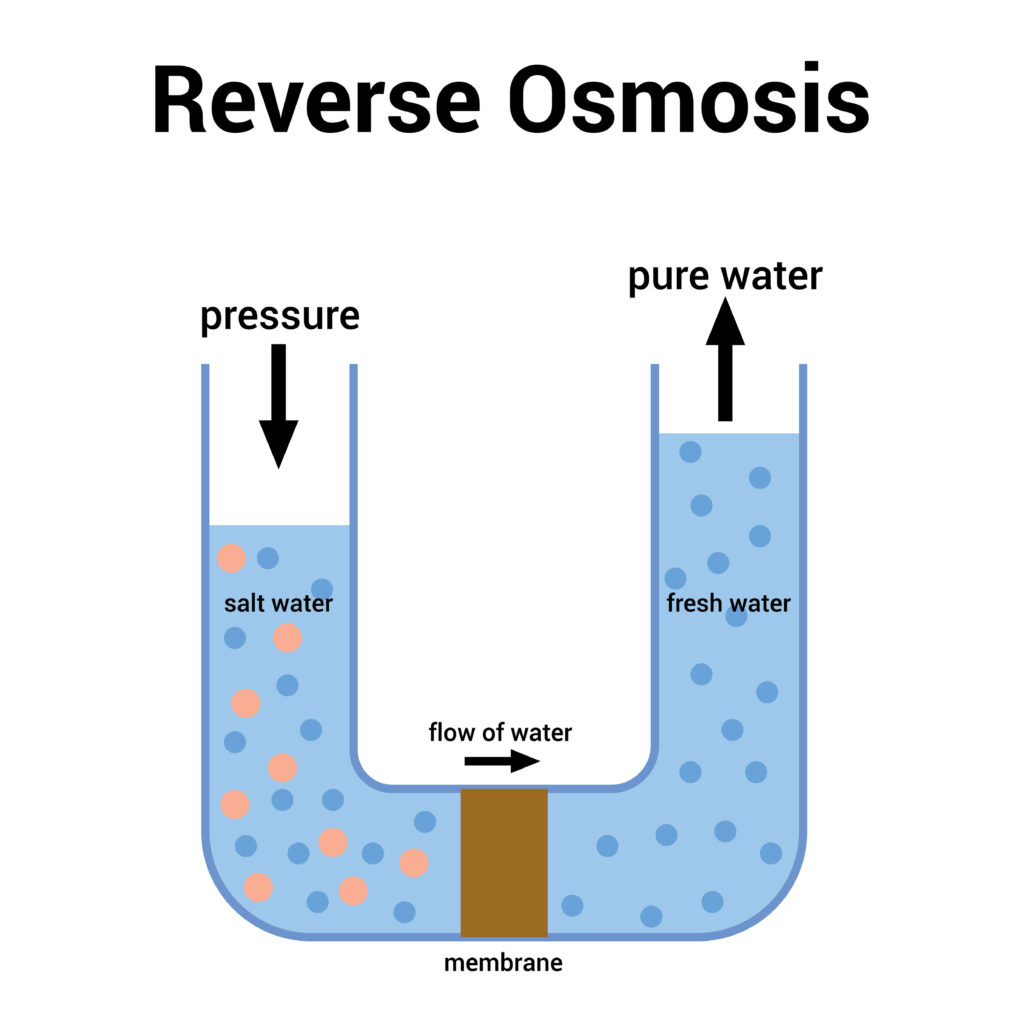
Reverse osmosis (RO) uses a semi-permeable membrane to remove impurities from water. Water pressure pushes the water through this membrane, leaving contaminants behind. It’s a straightforward method that effectively reduces minerals and other impurities.
You might be surprised at how versatile an RO system can be. It can filter out everything from salt to heavy metals. This makes it a popular choice for those looking to improve water taste and safety.
Key Components Of A Reverse Osmosis System
A typical reverse osmosis system consists of several stages. These include pre-filters, the RO membrane, and post-filters.
Pre-filters remove larger particles like dirt and chlorine, which can damage the membrane. The heart of the system, the RO membrane, does the heavy lifting by filtering out smaller impurities.
Post-filters polish the water before it reaches your tap, ensuring it tastes fresh. This multi-stage process ensures that the water you drink is as clean as possible.
Common Uses Of Reverse Osmosis Systems
Many households use RO systems for drinking water. But did you know they are also used in aquariums and in the food industry?
In my own experience, installing an RO system improved the taste of my coffee and tea. It can be a game-changer for anyone who values the purity of their water.
RO systems are also popular in regions where water quality is a concern. Is it time for you to consider one for your home?
Benefits And Drawbacks Of Reverse Osmosis
The benefits of reverse osmosis are clear. It provides high-quality water and reduces the need for bottled water.
However, it’s important to consider the drawbacks too. RO systems can waste water, and the filtration process might remove beneficial minerals.
Balancing these pros and cons is crucial. Could the benefits of an RO system outweigh its disadvantages in your household?
Understanding these basics can guide you in making an informed decision. If water quality is a priority, reverse osmosis might be worth exploring further.
How Reverse Osmosis Works
Reverse osmosis is a popular method for purifying water. It uses a special membrane to remove impurities. The process is effective and reliable. Let’s explore how reverse osmosis works.
Understanding The Basics Of Reverse Osmosis
Reverse osmosis involves passing water through a semi-permeable membrane. This membrane filters out contaminants and allows only clean water to pass. It acts as a barrier for unwanted particles.
The Role Of Pressure In Reverse Osmosis
Pressure is essential in reverse osmosis. It pushes water through the membrane. Without pressure, the process would not work. The pressure must be higher than the osmotic pressure.
Membrane Functionality In Reverse Osmosis
The membrane is the key component. It traps impurities, salts, and other particles. Only water molecules pass through. This ensures a high level of purity.
Stages Of Filtration In Reverse Osmosis
Reverse osmosis systems have multiple filtration stages. Each stage removes different contaminants. Pre-filters remove larger particles. Post-filters enhance taste and quality.
Benefits Of Reverse Osmosis Filtration
Reverse osmosis improves water quality significantly. It removes harmful substances and odors. The result is pure, clean, and safe drinking water.
Key Advantages
Reverse osmosis water softeners have become a popular choice for households looking to improve their water quality. Understanding the key advantages can help you decide if this system is right for you. Let’s dive into the benefits that make reverse osmosis systems stand out in the realm of water purification.
Improved Water Quality
Imagine enjoying a glass of water that tastes fresh and pure. Reverse osmosis systems can deliver just that by effectively removing impurities. These systems enhance the flavor and clarity of water, offering a refreshing experience every time.
Have you ever noticed a strange taste in your tap water? With reverse osmosis, you can say goodbye to unpleasant flavors caused by minerals and contaminants. Your morning coffee or evening tea will taste significantly better when made with purified water.
Reduction Of Contaminants
Reverse osmosis systems excel in eliminating harmful substances from your water supply. They can remove up to 99% of common contaminants like lead, chlorine, and nitrates. This reduction in impurities ensures a healthier drink for you and your family.
Think about the peace of mind knowing that your water is free from harmful substances. It’s like having a safeguard against potential health risks lurking in untreated water. You can trust that your water is safe for drinking and cooking.
Versatility In Use
These systems aren’t just limited to kitchen faucets. Reverse osmosis units are versatile and can be installed in various locations within your home. From refrigerators to ice makers, you can enjoy purified water throughout your living space.
Have you considered using purified water for your plants or pets? The versatility of reverse osmosis systems means you can extend the benefits beyond personal consumption. Think about how this could enhance your overall lifestyle.
What areas in your home could benefit from improved water quality? The flexibility of reverse osmosis systems allows you to explore different possibilities for enhancing your everyday experiences.
Credit: espwaterproducts.com
Environmental Benefits
Reverse Osmosis (RO) water softeners offer significant environmental benefits. These systems reduce the need for harsh chemical water treatments. This makes them a greener choice for water purification. Understanding these advantages can help you make an informed decision about water treatment options.
Reduction In Chemical Usage
Traditional water softeners use salt and other chemicals. RO systems minimize this need, reducing chemical waste. Less chemical usage means fewer pollutants entering waterways. This helps preserve aquatic ecosystems.
Energy Efficiency
RO systems often use less energy compared to other purification methods. Their efficiency reduces the overall carbon footprint. Lower energy consumption leads to less environmental impact. It’s a win for both the planet and your utility bills.
Minimal Waste Production
RO systems produce less solid waste. They generate fewer waste products during filtration. This means less landfill contribution. It supports sustainable waste management practices.
Conservation Of Water Resources
RO systems can improve water quality without excess water usage. They help conserve valuable water resources. This is essential in areas facing water scarcity. Efficient water use benefits both the environment and communities.
Potential Drawbacks
Reverse osmosis water softeners come with several benefits. Yet, they also have potential drawbacks. Understanding these can guide purchasing decisions. Let’s explore some key concerns.
Water Wastage Concerns
Reverse osmosis systems use more water than they produce. For every gallon of purified water, several gallons are discarded. This can increase water bills. Also, it raises environmental concerns. Many seek more sustainable options.
Initial Setup Costs
The initial cost of reverse osmosis systems can be high. This includes equipment and professional installation fees. For many, this cost is a barrier. It’s important to budget carefully. Consider long-term savings on bottled water.
Maintenance Requirements
Regular maintenance is crucial for these systems. Filters need frequent replacement. Membranes also require attention. Ignoring upkeep can lead to poor water quality. Maintenance can be costly and time-consuming. It’s a factor to consider.
Comparing With Traditional Softeners
Reverse osmosis water softeners differ from traditional ones by removing minerals more thoroughly. They offer improved taste and purity but can be less efficient in terms of water waste and energy use. Balancing cost and environmental impact is crucial when considering these systems for home use.
Comparing Reverse Osmosis (RO) water softeners with traditional systems can be eye-opening. Each method has unique benefits and drawbacks. Understanding these can guide you in making the right choice for your home. Let’s dive into the specifics and see how these systems stack up against each other.
Installation And Maintenance
Traditional softeners often require complex installation. They may involve plumbing changes. RO systems are usually easier to set up. Maintenance for RO systems is straightforward. You just replace filters periodically. Traditional systems need regular salt refills. This can be cumbersome.
Water Quality
RO systems remove many impurities. They provide cleaner water. Traditional softeners primarily remove minerals like calcium and magnesium. They do not filter out contaminants. RO water is often purer. It tastes better to many people.
Environmental Impact
Traditional softeners use salt, which can harm the environment. Salt discharge can affect soil and water bodies. RO systems waste some water during filtration. This can be a concern in dry areas. Both systems have environmental impacts. Choose wisely based on your priorities.
Cost
Initial costs for RO systems can be higher. They offer long-term savings on maintenance. Traditional softeners may seem cheaper upfront. Ongoing salt purchases add up over time. Consider both initial and operational costs.
Space Requirements
Traditional softeners can be bulky. They need significant space for tanks. RO systems are compact. They fit neatly under sinks. This makes them ideal for smaller homes. Understanding these differences helps you choose the right system. Each has its place depending on needs and preferences. Make an informed decision for your home’s water quality.
Cost Considerations
Reverse osmosis water softeners can be expensive to install and maintain. They offer effective water purification but might not fit every budget. Balancing cost and benefits is crucial for deciding if it’s the right choice.
Considering the cost of a reverse osmosis water softener is crucial before making a purchase. Many people assume that such systems are expensive, but there are hidden costs and savings to consider. Is the upfront investment worth the long-term benefits?
Initial Purchase Price
The initial cost of a reverse osmosis water softener can be a significant investment. Prices typically range from a few hundred to several thousand dollars, depending on the size and brand. You may find cheaper options, but it’s essential to weigh quality against cost.
Installation Expenses
Installation can add to the overall cost. Some systems require professional installation, which can be an additional expense. Others may offer DIY options, saving you money but requiring your time and effort.
Maintenance Costs
Maintenance is another factor affecting the total cost. Filters need regular replacement, which can be a recurring expense. Consider how often you’ll need to change them and factor this into your budget.
Energy Consumption
Reverse osmosis systems can increase your utility bills. They use electricity to operate, so it’s vital to check the energy efficiency of the unit. Would you be willing to pay more for a system that uses less energy?
Long-term Savings
Despite the costs, there are potential savings. By improving water quality, these systems can extend the life of appliances like dishwashers and washing machines. They can also reduce the need for cleaning supplies, saving you money in the long run.
Value For Money
Ultimately, the decision hinges on whether the benefits outweigh the costs. Consider the health benefits of cleaner water and the potential savings from less wear on appliances. Is the peace of mind worth the price tag? As you weigh these factors, think about your priorities and budget. Understanding the full financial picture can guide you to a decision that best fits your needs.
Suitability For Different Needs
Reverse osmosis water softeners have become popular in many households. Their ability to purify water makes them appealing. Yet, they may not suit everyone’s needs. Understanding their suitability can help make informed choices.
Efficiency In Removing Contaminants
Reverse osmosis systems excel at removing contaminants. They eliminate heavy metals, bacteria, and viruses. This makes them ideal for areas with poor water quality. Families can rely on clean, safe water.
The cost of reverse osmosis systems can be high. Initial purchase and installation might deter some. Regular maintenance adds to the expense. Consider this before choosing a system.
Household Size And Usage
Household size impacts the suitability of these systems. Larger families may need more water. Reverse osmosis systems can be slow. This could lead to inconvenience during peak usage times.
Space Requirements
Space is crucial when installing a reverse osmosis system. They require ample space under the sink. Small apartments may not accommodate these systems. Measure your space before deciding.
Environmental Impact
Reverse osmosis systems waste water during filtration. This may concern environmentally conscious individuals. Seek alternatives if water conservation is a priority.
Future Trends In Water Treatment
In the realm of water treatment, innovation continues to shape the future. New technologies emerge, transforming how we purify and soften water. Reverse osmosis systems are at the forefront, offering both advantages and challenges. Understanding the latest trends helps us grasp where water treatment is heading.
Emerging Technologies In Water Treatment
Advanced filtration techniques are gaining traction. Nanotechnology is playing a pivotal role in enhancing water purification. It offers solutions that are efficient and environmentally friendly. These methods ensure cleaner water with fewer chemicals.
Integration Of Smart Systems
Smart systems are becoming integral to water treatment. They enable real-time monitoring and adjustment. Users gain insights into their water usage patterns. This leads to better efficiency and conservation.
Eco-friendly Solutions
Eco-friendly approaches are increasingly popular. Water treatment systems focus on reducing waste and conserving energy. This trend aligns with global efforts to protect the environment. Sustainable practices are vital for future advancements.
Cost-effective Alternatives
Cost remains a significant factor in water treatment. Innovations aim to lower expenses while maintaining quality. Affordable solutions are accessible to a broader audience. This trend makes clean water more attainable.
Customization For Specific Needs
Customization in water treatment is emerging. Systems are tailored to meet individual requirements. This approach enhances user satisfaction and effectiveness. People enjoy solutions that fit their unique situations.
Credit: www.watersmartsystems.com
Frequently Asked Questions
What Is Reverse Osmosis Water Softener?
Reverse osmosis water softener uses a semi-permeable membrane to remove impurities. It effectively reduces hardness by filtering out minerals like calcium and magnesium. This process results in softer, cleaner water, ideal for household use. It’s a popular choice for improving water quality and taste.
How Does Reverse Osmosis Benefit Water?
Reverse osmosis benefits water by removing contaminants and impurities. It eliminates minerals, salts, and chemicals, providing clean and safe drinking water. The process enhances taste and clarity, making it suitable for cooking and drinking. It also reduces scale buildup in appliances, extending their lifespan.
Are There Disadvantages To Reverse Osmosis Systems?
Yes, reverse osmosis systems have some disadvantages. They can be costly to install and maintain. The process also wastes some water, reducing efficiency. Additionally, it removes essential minerals, which may require remineralization. Despite these drawbacks, many find the benefits outweigh the negatives.
Is Reverse Osmosis Water Healthier?
Reverse osmosis water is healthier because it removes harmful contaminants. It filters out bacteria, lead, and chemicals, making it safer to drink. However, it also removes beneficial minerals, which some argue affects overall health. Many people use mineral supplements to compensate for this loss.
Conclusion
Exploring reverse osmosis water softeners? Weighing pros and cons is crucial. These systems improve water quality by removing impurities. They also reduce mineral buildup. But, they can be costly and waste water. Maintenance demands attention, too. Consider your home’s specific needs.
Understand your budget constraints. Think about long-term benefits versus initial costs. Reverse osmosis systems offer clear water, but at a price. Make an informed decision. Choose what suits your lifestyle best. Your water, your choice.
Hasan Al Sarker is a Reverse Osmosis Specialist. He has worked for many years to ensure safe drinking water for all. His research paper has been published in several journals, including Issue, Medium, and Slideshare. He is recognized as a water doctor among specialists though he did not attend medical college.
Besides working as a researcher of reverse osmosis technology, he is also very fancy with the kitchen and cooking. His guides are reading thousands of people every day. As a head of content, he is responsible for all the published articles at RO System Reviews.
Have you ever wondered if the water you’re drinking is actually keeping you hydrated? You might think that all water is the same, but that’s not quite true.
Reverse osmosis (RO) water, a popular choice for many households, is known for its purity. However, there’s an ongoing debate about whether it could potentially lead to dehydration. This might sound surprising, but understanding the science behind it is crucial for your health.
Imagine drinking water all day, yet still feeling thirsty and tired. Could your choice of water be the culprit? Keep reading, and discover if your hydration routine needs a tweak. Your well-being could depend on it.
Ro Water Basics
Can RO Water Cause Dehydration?
Reverse Osmosis (RO) water is a common choice for drinking. It is popular due to its clean and pure nature. Many homes now use RO systems for water purification. But, there are concerns about its effects on health. Understanding RO water can help address these concerns.
What Is Ro Water
RO water is water that has been filtered through a special process. This process removes impurities and contaminants. The aim is to deliver water that is free from harmful substances. This makes it appealing for health-conscious individuals.
How Reverse Osmosis Works
Reverse osmosis uses a semi-permeable membrane. Water passes through this membrane under pressure. The membrane blocks larger particles and impurities. Only small water molecules get through. As a result, you get clean and safe drinking water.
RO systems often have multiple filtration stages. These stages ensure thorough purification. Each stage targets different contaminants. This makes RO water very pure compared to tap water.
Credit: www.livingwhole.com.au
Health Myths And Facts
Water is essential for life. Yet, myths about its consumption abound. Among these myths is the notion that RO (Reverse Osmosis) water can cause dehydration. This belief can lead to confusion about water safety and health. Understanding the facts can help dispel these myths.
Common Myths About Ro Water
Many believe RO water strips essential minerals. They think it lacks nutrients needed for hydration. Some even say it causes mineral deficiency. Others argue it leads to dehydration. These myths can cause unnecessary fear. But are these claims true?
Scientific Evidence On Ro Water
Research shows RO water is safe for drinking. It removes contaminants effectively. This makes it pure and clean. The process does remove some minerals. But these minerals are not the main hydration source. Our bodies get minerals from food.
Studies confirm RO water hydrates well. It provides the necessary water intake. The notion of dehydration from RO water lacks evidence. Experts agree that drinking it is safe. It supports overall hydration and health.
Mineral Content In Water
Water is essential, but did you know that not all water is the same? The mineral content in your water can significantly impact your health. You might assume that pure water is always better, but the story is more complex.
Imagine drinking water that lacks key minerals your body needs. When water goes through a Reverse Osmosis (RO) system, important minerals might be removed. This could lead to unexpected health effects, which we’ll explore further.
Minerals Removed By Ro
RO systems are effective at purifying water by removing impurities. However, they also strip away beneficial minerals like calcium, magnesium, and potassium. These minerals are vital for bodily functions.
Calcium supports strong bones. Magnesium aids muscle function. Potassium balances your body’s fluids. Without these minerals, your body might struggle to function optimally.
Think about it: would you prefer mineral-rich spring water over purified RO water? The choice isn’t always straightforward, especially if RO water lacks what your body needs.
Impact On Health
When RO water lacks essential minerals, it can affect your health in subtle ways. You might feel more fatigued or notice muscle cramps. These could be signs of mineral deficiency.
It raises the question: could drinking RO water lead to dehydration? While RO water hydrates, it might not replenish the minerals your body loses through sweat and daily activities.
Consider adding mineral supplements or choosing foods rich in calcium, magnesium, and potassium. This way, you can maintain a balanced mineral intake while enjoying the purity of RO water.
Have you ever felt different after switching water types? Your experience could be a clue about your mineral needs. Understanding the mineral content in water can help you make healthier choices.
Hydration And Ro Water
RO water, often used for its purity, doesn’t cause dehydration. It removes impurities and minerals, leaving clean water. Drinking RO water contributes to daily hydration needs effectively.
Hydration is a crucial aspect of maintaining a healthy lifestyle. You might wonder how different water types contribute to your hydration levels. One such type is Reverse Osmosis (RO) water. RO water is popular for its purity, but does it hydrate you effectively? Let’s dive into the world of RO water and its impact on hydration.
Does Ro Water Hydrate?
RO water is free from impurities, making it a clean option for drinking. It lacks minerals like calcium and magnesium, but it still quenches your thirst. Imagine drinking a glass of RO water after a workout. You feel refreshed, yet you might wonder if it’s replenishing your body as effectively as mineral-rich water. While RO water hydrates, it may not provide the electrolytes your body craves. Think about the last time you felt dehydrated after drinking plain water. You might benefit from adding a pinch of salt or a splash of lemon to your RO water. This simple adjustment can enhance hydration by replacing lost minerals.
Comparing Ro Water To Other Sources
RO water is often compared to spring and tap water. Each has unique benefits. Spring water is naturally rich in minerals, supporting your body’s needs during intense activities. Tap water, depending on your location, might contain essential minerals but could also include impurities. RO water, on the other hand, offers purity but lacks minerals. Consider a time when you had a choice between RO and spring water at a picnic. You chose spring water for its mineral content, which helped maintain your energy levels throughout the day. What’s your go-to water source? The choice might depend on your daily activities. If you lead an active lifestyle, you might prefer water with minerals to support your hydration needs. Incorporating variety in your water choices can enhance your hydration strategy. Try alternating between RO, spring, and tap water to balance purity and mineral intake. Your hydration journey is personal. Pay attention to how your body responds and adjust your water intake accordingly.
Potential Risks
Drinking RO water, while seemingly pure and clean, can sometimes carry risks that might surprise you. Many people are unaware of the potential downsides of consuming water stripped of its minerals and nutrients. Let’s explore these risks and understand how RO water might affect your health.
Electrolyte Imbalance
Imagine your body as a finely tuned orchestra, where electrolytes are the musicians playing in harmony. RO water, having removed essential minerals like sodium and potassium, can disrupt this balance. This imbalance might lead to muscle cramps, fatigue, or dizziness.
Consider the last time you felt unusually tired after a workout. Was your water intake sufficient in minerals? Electrolytes are critical for nerve function and hydration. Without them, your body’s ability to retain water diminishes, potentially leading to dehydration.
Nutrient Deficiency Concerns
Every sip of water is an opportunity to replenish your body’s nutrients. RO water lacks minerals such as calcium and magnesium, which are crucial for bone health and metabolic functions. Over time, relying solely on RO water may contribute to deficiencies.
Have you noticed any changes in your energy levels or bone strength lately? While water isn’t your primary source of these nutrients, it plays a supportive role. Ensuring your diet compensates for this lack is vital to maintaining your health.
Next time you reach for a glass of RO water, think about its impact on your body’s mineral balance. Are you supplementing your diet with necessary nutrients? Could adding mineral-rich foods or supplements be beneficial for you?
Understanding these potential risks allows you to make informed decisions. How will you ensure your hydration strategy meets your body’s needs without sacrificing essential nutrients?
Credit: www.simpurelife.com
Benefits Of Ro Water
Reverse Osmosis (RO) water offers numerous benefits. It stands out for its ability to remove contaminants effectively. This process ensures water is not only clean but also safe for consumption. Many turn to RO water for its enhanced purity and taste.
Purity And Safety
RO water boasts unmatched purity levels. It filters out harmful substances like lead and mercury. This makes it a safe choice for daily consumption. For families, especially those with young children, safety is paramount. RO systems ensure every drop is free from impurities.
Taste And Quality
Many find RO water tastes better than regular tap water. The absence of chlorine and other chemicals enhances its flavor. This quality makes it a favorite for cooking and brewing beverages. With RO water, every sip feels refreshing and pure.
Balanced Water Consumption
Water is essential for life, yet drinking it in the right way is crucial to maintaining health. The debate over whether reverse osmosis (RO) water could cause dehydration is a hot topic. Understanding balanced water consumption can help you make informed choices about your hydration habits.
Supplementing Minerals
RO water is purified by removing impurities, but this process can also strip away essential minerals. Minerals like calcium and magnesium are vital for your body’s functions. Without them, you might feel less hydrated, even if you drink plenty of water.
To counter this, consider integrating foods rich in these minerals into your diet. Leafy greens, nuts, and dairy products can help replenish what you might be missing. Some people add mineral drops to their RO water, ensuring they get the nutrients they need.
Have you ever wondered if your water is providing all it should? If your energy levels drop despite staying hydrated, it might be time to rethink your water strategy.
Choosing The Right Water
The type of water you choose to drink can impact your hydration levels. While RO water offers purity, it may not always be the best choice for everyone. Some prefer spring or mineral water, which naturally contains beneficial minerals.
Consider your lifestyle and health needs when choosing your water. If you’re physically active, your body might require more minerals to perform optimally. Always check labels and do a bit of research to find a water type that suits you best.
Are you open to experimenting with different water types to see how your body reacts? Sometimes, a simple switch can make a big difference in how you feel.
Remember, the key is balance. By supplementing essential minerals and choosing the right water, you can enhance your hydration and overall well-being. Stay curious and listen to your body’s signals—it knows what it needs.
Credit: www.cruiserowaterandpower.com
Frequently Asked Questions
Can Drinking Ro Water Lead To Dehydration?
RO water does not cause dehydration. It is purified, removing contaminants and impurities. However, minerals like calcium and magnesium are also removed. Consuming a balanced diet ensures mineral intake. Drink RO water freely, as it hydrates similarly to regular water.
Is Ro Water Safe For Daily Consumption?
Yes, RO water is safe for daily consumption. It effectively removes harmful contaminants, providing clean water. While it lacks minerals, a balanced diet compensates for this. RO water is a healthy choice, ensuring hydration without impurities.
Does Ro Water Affect Electrolyte Balance?
RO water lacks electrolytes like sodium and potassium. Regular water sources may contain these naturally. While RO water doesn’t affect balance directly, consume electrolyte-rich foods and beverages to maintain healthy levels.
Can Ro Water Impact Mineral Intake?
RO water removes minerals like calcium and magnesium. These minerals are essential for health. A balanced diet compensates for the lack. Consuming mineral-rich foods ensures adequate intake, making RO water a safe hydration choice.
Conclusion
Ro water does not cause dehydration. It provides essential hydration safely. Drinking RO water is safe and keeps you hydrated. It removes impurities, ensuring clean drinking water. While it lacks some minerals, regular food intake compensates. Adequate water intake is key to staying hydrated.
So, drink RO water without worry. Stay hydrated and healthy by drinking enough water each day. Balance is important. Ensure you get minerals from other sources. Drinking RO water is a safe choice. It supports daily hydration needs. Embrace the benefits of clean, purified water.
Hasan Al Sarker is a Reverse Osmosis Specialist. He has worked for many years to ensure safe drinking water for all. His research paper has been published in several journals, including Issue, Medium, and Slideshare. He is recognized as a water doctor among specialists though he did not attend medical college.
Besides working as a researcher of reverse osmosis technology, he is also very fancy with the kitchen and cooking. His guides are reading thousands of people every day. As a head of content, he is responsible for all the published articles at RO System Reviews.