Have you ever wondered if the water you drink could impact your skin? Specifically, can reverse osmosis (RO) water, known for its purity, be a hidden culprit behind your acne troubles?
It’s easy to assume that cleaner water equals healthier skin, but the reality might surprise you. If you’ve been battling breakouts and are puzzled about the cause, you’re not alone. Many people are questioning the link between RO water and acne.
This article dives into the surprising connection between the two, offering insights that might change how you view your daily hydration habit. Ready to uncover the truth and potentially transform your skincare routine? Keep reading to discover if your choice of water could be affecting your skin more than you realize.
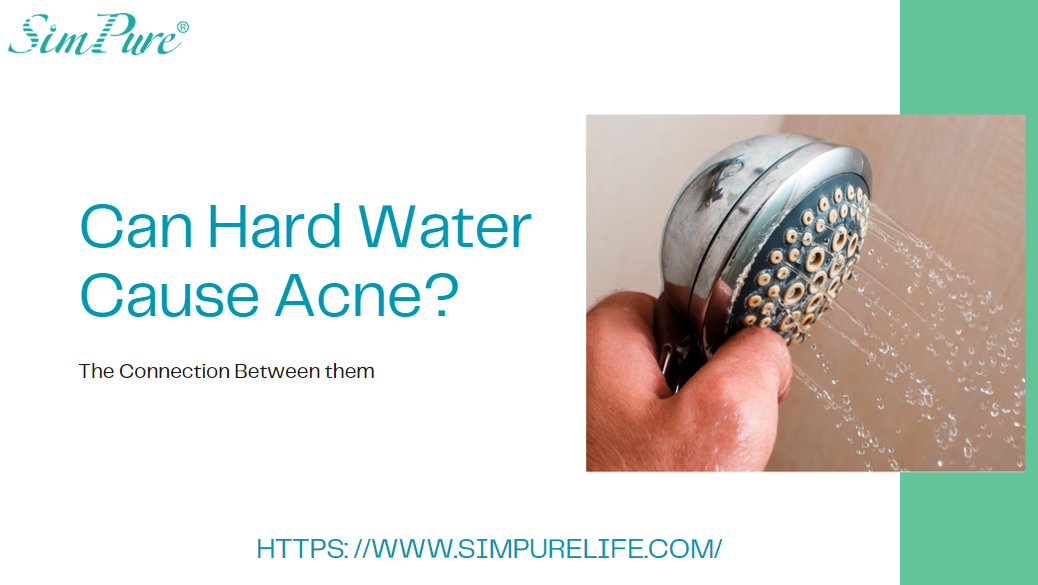
Credit: www.simpurelife.com
Ro Water Basics
Understanding the basics of RO water can be beneficial for many. People are curious about its role in skin health, especially acne. Let’s explore what RO water is and how it’s produced.
What Is Ro Water?
RO water stands for Reverse Osmosis water. It’s a type of purified water. This purification method removes impurities and contaminants. The process makes water safer for drinking and cooking. Many households and businesses use RO systems today.
How Ro Water Is Produced
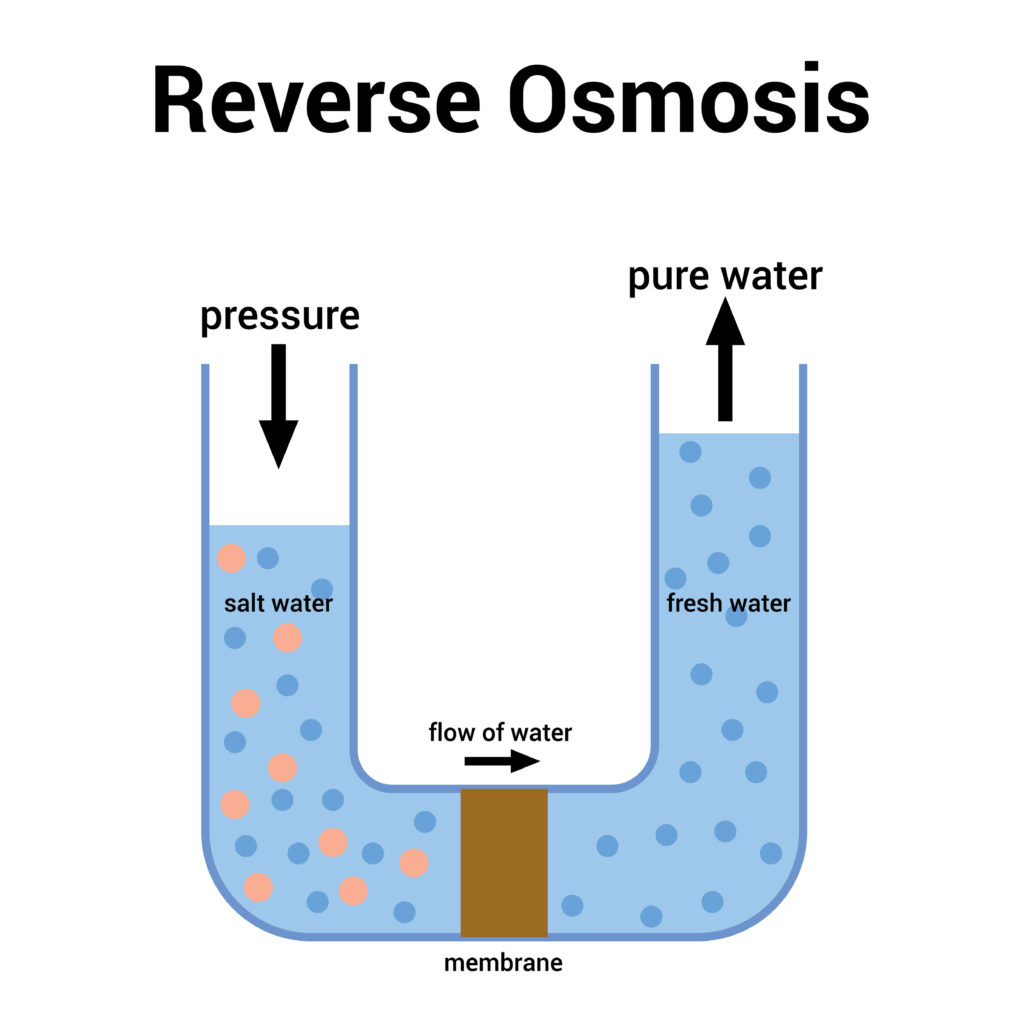
Reverse Osmosis uses a special filtration system. Water passes through a semi-permeable membrane. This membrane blocks impurities and lets clean water through. Contaminants like salt, chlorine, and heavy metals are removed. The result is clean, pure water. The process is efficient and widely used worldwide.
Credit: www.simpurelife.com
Acne And Skin Health
Have you ever wondered if the water you drink could impact your skin health? Acne is a common issue faced by many, and understanding its causes and the factors affecting your skin health can be crucial in managing it. While water is essential for hydration, its role in acne can be surprising.
Causes Of Acne
Acne can be triggered by various factors. Hormonal changes, especially during puberty, are a significant cause. Your skin might react to stress or certain medications, leading to breakouts. Additionally, diet can play a role; foods high in sugar or dairy might exacerbate acne.
Another interesting aspect is the type of water you consume. Some people report changes in their skin when switching to RO (Reverse Osmosis) water. Could there be a connection between RO water and acne?
Factors Affecting Skin Health
Your skin is sensitive to environmental changes. Pollution, humidity, and temperature can affect it. Ever noticed your skin feels different after a week in a new city? These factors can influence your skin’s response to different conditions.
Maintaining skin health also involves consistent skincare routines. Are you using the right moisturizer for your skin type? Simple changes in your daily routine can make a significant difference. Drinking enough water is essential, but should you be concerned about the type of water?
Reflect on your experiences: has your skin reacted differently to varying water sources? Understanding these nuances can help you make informed decisions about your skin care and health.
Link Between Ro Water And Acne
Reverse osmosis (RO) water is popular for its purity. People wonder if RO water impacts skin health, particularly acne. Understanding this link is crucial for those with sensitive skin.
Scientific Studies
Scientific research on RO water and acne is limited. Few studies focus directly on this connection. RO water removes impurities and contaminants. These include minerals and chemicals that might affect skin health. Some believe missing minerals could impact skin balance.
Studies show mineral deficiency can affect skin. But RO water’s impact on acne remains uncertain. More research is needed to fully understand the relationship.
Expert Opinions
Experts offer varied views on RO water and acne. Dermatologists highlight the importance of skin hydration. RO water is clean and pure, which helps skin hydration. But missing minerals might alter skin’s natural balance.
Some experts say RO water is safe for acne-prone skin. Others suggest supplementing with minerals for balance. Consulting dermatologists can provide personalized advice.
Understanding individual skin needs is key. Experts stress the importance of balanced water intake. RO water can be part of a healthy skincare routine.
Credit: www.simpurelife.com
Benefits Of Ro Water
Reverse Osmosis (RO) water is widely recognized for its purity and benefits. Many wonder if RO water can cause acne, but understanding its benefits is crucial. RO water undergoes a filtration process, removing impurities and ensuring safe drinking water. This section explores the advantages of consuming RO water.
Purity And Safety
RO water is free from contaminants. Harmful substances like lead, arsenic, and chlorine are eliminated. This purification process ensures the water is safe for consumption. Drinking pure water supports overall health and well-being.
Health Advantages
Consuming RO water offers health benefits. It improves hydration by providing clean, refreshing water. Proper hydration aids in digestion and circulation. RO water supports skin health by reducing exposure to toxins. Drinking clean water may help in maintaining clear skin. It provides essential minerals needed for bodily functions.
Potential Drawbacks
Reverse Osmosis (RO) water is popular for its purity. It removes impurities effectively. Yet, some argue it may have drawbacks. These drawbacks might affect skin health, potentially leading to acne.
Mineral Deficiency
RO water lacks essential minerals. These minerals include calcium and magnesium. Consuming RO water regularly may lead to mineral deficiency. Our body needs these minerals for various functions. They are crucial for maintaining healthy skin. Without them, skin health might decline. This deficiency can contribute to acne development.
Impact On Skin
Mineral deficiency impacts skin hydration. Hydrated skin is less prone to acne. RO water might strip away beneficial minerals. This can make the skin dry and irritated. Dry skin can trigger acne outbreaks. Moreover, lack of minerals affects skin repair processes. This could delay healing of existing acne.
Myths And Misconceptions
Many believe RO water can cause acne, yet no scientific proof supports this claim. RO water removes impurities, promoting better skin health. Acne often results from hormonal changes, diet, and skincare routines rather than water type.
When discussing skincare and health, it’s easy to get tangled in a web of myths and misconceptions. Especially when it comes to topics like whether Reverse Osmosis (RO) water can cause acne. The internet is flooded with opinions and advice, often leading to confusion. But fear not, we’re here to set the record straight.
Common Myths
One common myth is that RO water strips your skin of essential oils, leading to acne. It’s often believed that the purity of RO water somehow leaves your skin defenseless. But consider this: RO water is simply water that has been purified to remove impurities. It doesn’t actively remove oils from your skin. Another myth is that drinking RO water can disrupt your body’s pH balance, causing breakouts. The idea stems from the belief that RO water is too acidic. But RO water typically has a neutral pH. Your body effectively maintains its own balance, regardless of the water you drink.
Clarifying Misconceptions
Let’s clarify a key misconception: RO water does not lack essential minerals needed for skin health. While it’s true that RO water removes some minerals, these are not the primary sources of your skin’s nourishment. Your diet plays a far more significant role. Some people claim RO water causes skin dryness, leading to acne. This is misleading. If your skin feels dry, it’s more likely due to environmental factors or skincare routines. Drinking enough water and using a good moisturizer can help maintain skin hydration. Before blaming RO water for acne, consider other factors. Stress, diet, and skincare products often play a more direct role in skin health. Have you evaluated these aspects before pointing fingers at your water source? Reflect on your personal experiences. Have you ever noticed a sudden change in your skin after altering your diet or stress levels? These elements often have a more profound impact than the type of water you consume. In the quest for clear skin, focus on comprehensive skincare and healthy lifestyle choices. It’s not just about the water you drink or wash with. It’s about how you take care of your overall well-being.
Alternative Solutions For Clear Skin
Acne is a common skin problem that affects many individuals. While some believe RO water might contribute to acne, exploring alternative solutions can help achieve clearer skin. Addressing skincare routines and lifestyle factors can lead to noticeable improvements.
Skincare Routines
Consistent skincare routines are crucial for healthy skin. Start with a gentle cleanser. This helps remove dirt and oil without irritation. Follow with a toner. Toners balance skin pH and tighten pores. Moisturize daily. Hydration is key. Choose products suitable for your skin type. Regular exfoliation removes dead skin cells. This promotes new skin growth. Consider masks once a week. Masks can deeply cleanse and nourish the skin.
Diet And Lifestyle Changes
Diet plays a significant role in skin health. Consume fruits and vegetables. They provide essential vitamins and minerals. Avoid excessive sugar and processed foods. These can trigger acne outbreaks. Drink plenty of water. Proper hydration flushes toxins. Exercise regularly. Physical activity improves blood circulation. This nourishes skin cells. Manage stress levels. Stress can exacerbate acne. Practice relaxation techniques like yoga or meditation.
Frequently Asked Questions
Can Ro Water Lead To Skin Issues?
RO water removes impurities but doesn’t directly cause acne. Skin health depends on overall hygiene and diet. RO water is typically safe for consumption and skincare routines. However, individual reactions may vary. It’s important to observe how your skin responds and consult a dermatologist if issues persist.
Is Ro Water Bad For Acne-prone Skin?
RO water is neutral for acne-prone skin. It lacks contaminants that can irritate skin. However, it doesn’t actively prevent acne. Maintaining a balanced skincare routine is crucial. Monitor your skin’s reaction to RO water and adjust products accordingly. Consult a skincare expert for personalized advice.
Does Ro Water Affect Skin Hydration?
RO water doesn’t affect skin hydration significantly. It lacks minerals that might benefit skin health. Hydration is more about moisturizing products and water intake. RO water is safe for washing but doesn’t add hydration benefits. Use quality skincare products to enhance skin moisture and maintain balance.
Can Ro Water Change Skin Ph Levels?
RO water has a neutral pH, unlikely to alter skin pH. Skin pH balance is crucial for barrier function. Proper cleansing and skincare routines help maintain this balance. RO water is safe for washing but won’t change pH. Consult a skincare professional for specific concerns about pH levels.
Conclusion
Ro water and acne have a complex relationship. Some believe it helps. Others claim it might cause dryness and irritation. Skin types and reactions vary among individuals. Testing and observing personal skin response is crucial. Drink plenty of water to maintain hydration.
Consider consulting a dermatologist for personalized advice. A balanced skincare routine can help manage acne. Consistency and patience are key. Listen to your skin’s needs. Find what works best for you. Understanding your skin’s response to RO water is essential.
Keep exploring options that suit your unique skin type.
Hasan Al Sarker is a Reverse Osmosis Specialist. He has worked for many years to ensure safe drinking water for all. His research paper has been published in several journals, including Issue, Medium, and Slideshare. He is recognized as a water doctor among specialists though he did not attend medical college.
Besides working as a researcher of reverse osmosis technology, he is also very fancy with the kitchen and cooking. His guides are reading thousands of people every day. As a head of content, he is responsible for all the published articles at RO System Reviews.
Are you concerned about whether the water you drink is actually keeping you hydrated? You’re not alone.
Many people wonder if reverse osmosis (RO) water could be doing more harm than good. You’ve invested in a high-tech filtration system to ensure the purity of your drinking water, but there’s a nagging question: Can RO water cause dehydration?
This article will explore the science behind RO water and its effects on your body. We’ll also uncover some surprising truths that could change the way you think about hydration. By the end, you’ll have a clear understanding of whether your RO system is a hydration hero or a potential pitfall. So, let’s dive in and quench your thirst for knowledge!
Credit: www.simpurelife.com
Ro Water Basics
RO water, or reverse osmosis water, is a popular choice for drinking. Many people believe it offers cleaner, safer water. But some worry it might cause dehydration. Understanding RO water is essential to know its effects.
What Is Ro Water?
RO water is water filtered using reverse osmosis. This process removes impurities and contaminants. It leaves behind purified water. Often, people use it for drinking and cooking. Some believe it tastes better than tap water. It is usually free of harmful substances.
How Reverse Osmosis Works
Reverse osmosis uses a special membrane. Water passes through this membrane under pressure. The membrane blocks impurities and contaminants. Only pure water molecules get through. This process removes minerals, salts, and chemicals. It leaves water cleaner and safer.
RO systems often have multiple filtration stages. Each stage targets different impurities. This ensures maximum purity. The result is water that’s clear and safe for drinking. Understanding this process helps in assessing its effects on health.
Nutrient Content In Ro Water
Have you ever wondered about the nutrient content in the water you drink every day? Reverse Osmosis (RO) water is often hailed for its purity, but what about its nutrient profile? While it’s true that RO systems effectively remove contaminants, they also strip away some essential minerals. This can raise questions about whether drinking RO water might impact your nutrient intake.
Mineral Removal In Ro Process
RO systems are designed to purify water by forcing it through a semipermeable membrane. This process removes impurities, but it also removes minerals like calcium, magnesium, and potassium. These minerals are vital for your body’s functions, from bone health to muscle function. When these are removed, RO water becomes “demineralized,” potentially lacking in these important nutrients.
Imagine drinking water that’s pure but missing those essential nutrients. It’s a bit like eating bread without the butter. You get the bulk, but something vital is missing. This lack of minerals can make some people wonder if RO water is sufficient for their daily needs.
Impact On Essential Nutrients
What happens to your body when you miss out on these minerals? The absence of calcium and magnesium, for example, can affect bone density and cardiovascular health. Potassium is crucial for nerve function and muscle contractions. Without these nutrients, your body might not function at its best.
Consider how you balance your diet to ensure you get enough nutrients. Your water choice should also be part of this balance. Some people add mineral drops to their RO water or consume foods rich in these nutrients to compensate. Are you doing enough to ensure your water is not just pure but also nourishing?
Have you ever felt unusually tired or cramped after switching to RO water? It might be worth looking at your overall nutrient intake. Ensuring your diet is rich in necessary minerals can help counteract any potential deficiencies from drinking RO water.
Thinking about these factors can help you make informed choices about your water and overall health. When you pay attention to both purity and nutrient content, you can enjoy the best of both worlds. How will you ensure your hydration supports your well-being? Your choices today can shape your health tomorrow.
Hydration And Electrolytes
Water is essential for maintaining hydration, but not all water types are created equal. While reverse osmosis (RO) water is popular for its purity, there’s ongoing debate about its impact on hydration. The key lies in understanding the balance between water and electrolytes. Electrolytes are crucial for your body’s hydration levels, as they help regulate fluid balance. Could RO water, stripped of minerals, affect this balance?
Role Of Electrolytes In Hydration
Electrolytes such as sodium, potassium, and magnesium play a vital role in hydration. They help your body absorb water efficiently and maintain fluid balance. Imagine electrolytes as the traffic controllers for water in your body, ensuring it flows where needed. Without them, water might not be as effective in hydrating your cells.
Ever noticed how sports drinks are packed with electrolytes? That’s because after intense exercise, your body loses these vital minerals through sweat. Replenishing them helps you stay hydrated and recover faster. RO water lacks these minerals, potentially making it less effective in maintaining optimal hydration.
Comparison With Other Water Types
How does RO water stack up against other types of water? Consider mineral water, which contains naturally occurring electrolytes. This type of water offers a balance between purity and mineral content, supporting hydration more effectively than RO water.
Spring water is another option. It retains some essential minerals while being naturally filtered. If you’re looking for a hydrating water option, mineral and spring water might be better choices than RO water. They provide the essential electrolytes your body needs.
Have you ever felt thirsty even after drinking plenty of water? It might be due to a lack of electrolytes. Next time you’re choosing your water, think about how it might impact your hydration levels. Could adding a pinch of sea salt to RO water be a simple solution to boost its hydration potential?
Credit: www.cruiserowaterandpower.com
Potential Health Impacts
You’ve probably heard the buzz around Reverse Osmosis (RO) water and its supposed health effects. Some people worry that RO water might cause dehydration. Understanding the potential health impacts is crucial. Let’s dive into the myths and scientific evidence surrounding this topic.
Myths Around Dehydration
Many people believe RO water is “too pure” and lacks essential minerals, potentially leading to dehydration. Have you ever wondered if that’s just a myth? The idea stems from the fact that RO water removes contaminants and minerals. Some folks claim this leads to an imbalance, causing dehydration.
Imagine drinking water that’s stripped of everything. It sounds concerning, right? However, the reality is more nuanced. While RO water is low in minerals, it doesn’t directly cause dehydration. Your body’s hydration needs depend more on the quantity of water you drink, not just the mineral content.
Scientific Evidence
Science offers a clearer picture. Studies show RO water is safe for hydration. It efficiently quenches thirst, just like any other water. But what about those missing minerals? You actually get minerals from various food sources. Your diet plays a more significant role than water alone.
Consider this: if RO water caused dehydration, many people worldwide would experience it. Yet, millions drink RO water daily without issues. Scientific evidence supports its safety for consumption. Experts emphasize drinking adequate amounts of water to stay hydrated, regardless of its mineral content.
Are you concerned about the minerals in your water? You can easily add them back with supplements if needed. But remember, hydration isn’t solely about minerals; it’s about drinking enough water each day.
So, what’s your take on RO water now? Does the evidence change your perspective? Drinking RO water won’t dehydrate you, as long as you drink enough. Your hydration depends on your habits, not the type of water.
Ro Water And Daily Hydration
Reverse osmosis (RO) water is popular for its purity. Many households use it for drinking and cooking. But does RO water affect daily hydration levels? Understanding how RO water interacts with your body’s hydration needs is vital.
Water is essential for health. It helps with digestion, regulates temperature, and keeps skin healthy. RO water is free from impurities, making it ideal for consumption. Yet, some worry about its impact on hydration. Let’s explore how RO water fits into your daily hydration routine.
Recommended Water Intake
Adults need about 2 to 3 liters of water daily. This includes water from food and beverages. Drinking enough water is crucial for maintaining health. RO water provides clean hydration without contaminants. Use RO water to meet your daily intake needs.
Ensuring Balanced Nutrition
RO water lacks minerals found in regular tap water. While it’s clean, it may not provide essential nutrients. Ensure you get minerals from food sources like fruits and vegetables. A balanced diet complements RO water, keeping your body hydrated and nourished. Prioritize foods rich in minerals.
Alternatives And Solutions
Have you ever found yourself wondering if your choice of drinking water might be doing more harm than good? If you’re concerned about the effects of reverse osmosis (RO) water and dehydration, fear not. There are alternatives and solutions to ensure you stay hydrated without compromising essential nutrients.
Re-mineralization Options
Reverse osmosis water is pure, but it can lack essential minerals. Adding minerals back is a smart move to enhance hydration. Simple options include mineral drops or tablets that are easy to use. You can also opt for a water filter pitcher designed to re-mineralize. These devices add calcium and magnesium, which are vital for your body’s health.
Using a pinch of natural sea salt in your water is another quick fix. It’s a trick many people swear by for a refreshing taste and mineral boost. Have you ever tried it? You might be surprised by the difference in taste and how it makes you feel.
Choosing The Right Water Source
It’s crucial to pick water that meets your hydration needs. Consider spring water or mineral water, which naturally contain minerals. These water sources support your body’s mineral balance while keeping you hydrated.
If bottled water isn’t your go-to, look into local water delivery services. Many offer mineral-rich options right to your door. Have you thought about exploring what’s available in your area?
Tap water, often overlooked, can be a viable choice. With the right filtration, it retains essential minerals. Investing in a quality water filter is a cost-effective way to ensure your tap water supports your health.
Your choice of water impacts your hydration and well-being. Have you found the right balance yet? It’s worth experimenting to discover what works best for you.
Expert Opinions
Many people wonder about the effects of RO water on hydration. Experts have weighed in on the debate. Their insights help clarify whether RO water can lead to dehydration. Let’s explore what health professionals and environmental experts say.
Health Professionals’ Views
Health professionals have diverse opinions on RO water’s impact. Some believe it lacks essential minerals. These minerals support hydration and overall health. Without them, the body might not absorb water efficiently. But others argue that a balanced diet compensates for this. They suggest drinking RO water does not necessarily cause dehydration.
Environmental Considerations
Environmental experts focus on RO water’s production process. The process removes impurities. But it also discards a significant amount of water. This waste raises concerns about resource conservation. While the water is pure, its production can impact the environment. The debate continues on balancing purity and sustainability.
Credit: www.livingwhole.com.au
Frequently Asked Questions
Can Ro Water Lead To Dehydration?
RO water does not cause dehydration. It removes impurities, making it clean and safe. While it lacks minerals, it hydrates like regular water. To avoid mineral deficiency, maintain a balanced diet or consider supplements. RO water is safe for daily consumption and doesn’t lead to dehydration.
Is Ro Water Lacking Essential Minerals?
RO water filters out impurities, including minerals. While it’s safe to drink, it lacks essential minerals like calcium and magnesium. These minerals are vital for health. To compensate, include mineral-rich foods in your diet. Alternatively, consider mineral supplements. RO water is clean but not mineral-rich.
Does Ro Water Affect Hydration Levels?
RO water doesn’t affect hydration negatively. It hydrates as effectively as tap water. The filtration process removes impurities, not hydration properties. Drinking RO water regularly ensures proper hydration. For balanced mineral intake, complement RO water with nutritious foods. It’s safe and efficient for maintaining hydration levels.
Is Ro Water Safe For Daily Consumption?
RO water is safe for everyday use. It effectively removes contaminants, making it pure and clean. While it lacks minerals, it’s safe to drink. Ensure balanced nutrition to compensate for mineral loss. RO water is a reliable choice for hydration, ensuring safety and cleanliness in daily consumption.
Conclusion
RO water doesn’t directly cause dehydration. It lacks minerals found in tap water. These minerals help maintain the body’s balance. Consuming only RO water may result in mineral deficiency over time. Drinking a balanced diet and staying hydrated are essential.
RO water is safe for regular consumption. Always ensure a balanced intake of nutrients. It’s good to drink various types of water. Diversity in drinking water sources can prevent any health concerns. Stay informed about your drinking water choices. Choose what’s best for your health and lifestyle.
Hasan Al Sarker is a Reverse Osmosis Specialist. He has worked for many years to ensure safe drinking water for all. His research paper has been published in several journals, including Issue, Medium, and Slideshare. He is recognized as a water doctor among specialists though he did not attend medical college.
Besides working as a researcher of reverse osmosis technology, he is also very fancy with the kitchen and cooking. His guides are reading thousands of people every day. As a head of content, he is responsible for all the published articles at RO System Reviews.
Are you concerned about the water you drink during pregnancy? You’re not alone.
Expectant mothers often question every detail of their lifestyle to ensure the safety of their unborn child. One common question is about reverse osmosis (RO) water. Could it possibly lead to pregnancy complications? Understanding the impact of what you consume is crucial, especially at this delicate time.
We’ll delve into the facts, debunk myths, and give you the clarity you need. Stick with us as we explore whether your choice of water might be affecting the health of your pregnancy. Your peace of mind is just a few paragraphs away.
The Basics Of Ro Water
RO water, known for its purity, raises questions about pregnancy safety. Some concerns suggest it might lack essential minerals. Experts recommend balancing RO water with a nutritious diet to support healthy pregnancy development.
Understanding the basics of RO water can help you make informed decisions about your drinking water. Reverse Osmosis (RO) systems have become increasingly popular for their ability to purify water by removing impurities. But what exactly is RO water, and how do these systems work? Let’s break it down.
What Is Ro Water?
RO water is essentially water that has been filtered through a Reverse Osmosis system. This process removes contaminants like heavy metals, bacteria, and chemicals. As a result, the water is much cleaner and tastes fresher. You might have heard people debating whether RO water is too pure. Some argue it lacks essential minerals. But is that really a concern? Understanding the composition of RO water can help you decide if it’s right for you.
How Ro Systems Work
Reverse Osmosis systems work by pushing water through a semipermeable membrane. This membrane traps impurities and allows only pure water molecules to pass through. It’s a fascinating process. The system often includes multiple filters to enhance purification. Pre-filters remove larger particles and chlorine, while post-filters polish the water for taste. But how effective are these systems in everyday use? A friend of mine once installed an RO system and noticed an immediate improvement in water quality. This experience highlights the system’s effectiveness in delivering cleaner water. Have you ever considered how much cleaner your water could be? If you’re thinking about installing an RO system, it’s worth knowing that maintenance is essential for optimal performance. Regularly changing the filters ensures that your water remains pure and safe to drink. Understanding the basics of RO water and how these systems work can guide you in choosing the best water purification method for your needs. Are you ready to explore the benefits of cleaner, safer water for your home?
Nutrient Content In Ro Water
RO water removes minerals like calcium and magnesium. Essential for pregnancy, their absence might pose risks. Consult healthcare professionals for safe consumption.
When considering the nutrient content in Reverse Osmosis (RO) water, you might wonder how it affects your health and, more specifically, pregnancy. RO water, while effective at removing contaminants, also eliminates essential minerals from your drinking water. This mineral removal can impact your daily nutrient intake, which is crucial during pregnancy. Let’s dive into what this means for you.
Essential Minerals Removed
RO water removes up to 90-99% of dissolved minerals. This includes calcium, magnesium, and potassium, which are vital for your body. During pregnancy, these minerals play a significant role in the development of your baby. Calcium helps in the formation of bones and teeth. Magnesium supports various bodily functions, including regulating blood pressure, which is crucial during pregnancy. Potassium maintains fluid balance and muscle contractions. The absence of these minerals in your drinking water might require you to look for alternative sources to meet your daily needs.
Impact On Daily Nutrient Intake
You might not notice the lack of minerals in your water right away. However, this deficiency can accumulate over time, especially if you rely heavily on RO water as your primary source of hydration. During pregnancy, your nutritional needs increase, and missing out on these essential minerals can have implications. Consider incorporating foods rich in these minerals into your diet. Dairy products, leafy greens, nuts, and seeds are excellent sources of calcium and magnesium. Bananas, oranges, and potatoes can provide the potassium you need. Could this mean that a balanced diet becomes even more crucial when consuming RO water during pregnancy? Think about the importance of monitoring your nutrient intake closely. Are you getting enough minerals from your diet alone? Should you consider mineral supplements to compensate for what’s missing in your water? Your health, and your baby’s, could depend on it.
Pregnancy Nutritional Needs
Drinking RO water during pregnancy is generally safe. It meets health standards. But ensure it’s from a clean source. Always consult a healthcare provider for any concerns about water quality and pregnancy health. Proper hydration is crucial for both mother and baby’s well-being.
Pregnancy is a time when your body demands additional nutrients to support both your health and the development of your baby. As an expecting mother, understanding your nutritional needs is crucial. You might wonder if certain factors, like the water you drink, could affect your pregnancy. Let’s explore how the nutritional content of your drinking water, specifically RO (reverse osmosis) water, might play a role.
Key Minerals For Expecting Mothers
During pregnancy, your body requires a variety of minerals to ensure the healthy growth of your baby. Calcium, iron, and magnesium are among the most important. Calcium supports the development of strong bones and teeth, while iron is vital for oxygen transport in the blood. Magnesium aids in muscle and nerve function, which can help prevent cramps and other discomforts. You might have heard that getting these minerals from your diet is essential, but did you know that water can also be a source? It’s true, and every sip can contribute to your daily intake.
Potential Deficiencies From Ro Water
RO water is known for its purity, as it effectively removes impurities and contaminants. However, this process also strips away some essential minerals. You might find that relying solely on RO water could lead to potential deficiencies. Consider this: if your water lacks essential minerals, you could miss out on a convenient source of nutrients. This is particularly important during pregnancy, when your body is working overtime to support two lives. Could your choice of water be making it harder to meet your nutritional needs? Think about how you can balance mineral intake from both food and water. One practical solution could be using mineral supplements or ensuring you consume a diet rich in the minerals you might miss from RO water. It’s always a good idea to discuss your water choices with your healthcare provider to ensure you’re meeting your pregnancy nutritional needs effectively. Have you ever considered how something as simple as your water choice could impact your health during pregnancy? Making informed decisions today can contribute to a healthier tomorrow for both you and your baby.
Credit: www.livpuresmart.com
Health Risks Of Ro Water During Pregnancy
Pregnancy is a time when every choice you make can impact your health and your baby’s well-being. While you may be cautious about what you eat and drink, have you ever wondered about the water you’re consuming? RO (Reverse Osmosis) water is often considered pure and safe, but could it pose risks during pregnancy?
It’s crucial to understand how RO water might affect you and your unborn child. Let’s explore the possible complications and what studies say about it.
Possible Complications
RO water is stripped of essential minerals like calcium and magnesium. During pregnancy, your body needs more of these minerals to support fetal development and maintain your health. Drinking RO water might lead to mineral deficiencies, affecting bone health for both you and your baby.
Also, there’s a concern that RO water might disrupt electrolyte balance. This balance is vital for maintaining blood pressure and hydration. Could this imbalance lead to complications like fatigue or even hypertension?
What does your intuition say? Should you seek alternative water sources or supplements to ensure you’re getting enough minerals?
Studies And Research Findings
Research on the effects of RO water during pregnancy is limited. However, some studies suggest that consuming demineralized water can lead to health issues. For instance, one study found a link between low magnesium levels and increased risk of preterm birth.
Another research indicated potential risks of prolonged consumption of RO water, such as weakened bone density. These findings might not be directly focused on pregnancy, but they raise important questions. Are you willing to take a chance with your health and your baby’s future?
Why not consult your healthcare provider about your water choice? After all, ensuring a healthy pregnancy is the priority.
While RO water is popular for its purity, it’s essential to weigh its benefits against potential risks. Making informed decisions about your water intake can be a simple yet impactful step for a healthy pregnancy.
Expert Opinions On Ro Water
When discussing the potential effects of RO water on pregnancy, expert opinions provide valuable insights. You may wonder how something as basic as water could impact such a significant life stage. Let’s explore what nutritionists and healthcare professionals have to say about this.
Nutritionists’ Perspectives
Nutritionists often emphasize the importance of balanced mineral intake during pregnancy. RO water, which is known for its thorough filtration process, removes impurities but also essential minerals like calcium and magnesium. These minerals are crucial for fetal development and maternal health.
Can RO water alone provide the necessary nutrients for you and your baby? It’s a question worth considering. Some nutritionists suggest supplementing mineral intake through diet or prenatal vitamins if RO water is your primary source.
Have you consulted a nutritionist about your water choice during pregnancy? Their guidance can be invaluable in ensuring both you and your baby receive the right nutrients.
Healthcare Professionals’ Advice
Healthcare professionals provide another layer of insight, often focusing on the overall safety of RO water. They generally agree that RO water is safe to drink, but caution against relying solely on it without addressing the mineral loss.
Imagine visiting your doctor and discussing RO water. You might learn that while RO water is clean, you need to be mindful of other sources of essential minerals. Healthcare professionals might recommend regular check-ups to monitor your mineral levels.
Are you keeping track of your mineral intake during pregnancy? It’s a proactive step that can make all the difference in your journey to motherhood.
Ultimately, expert opinions highlight the importance of a balanced approach. While RO water is safe, ensuring you get the necessary nutrients is crucial. What steps will you take to balance purity with nutrition?
Credit: www.rheumatologyadvisor.com
Alternatives To Ro Water
Reverse osmosis (RO) water is widely used for its purity. Yet, some wonder about its effects on pregnancy. Concerns arise about the potential lack of essential minerals in RO water. Pregnant individuals may seek alternatives to ensure optimal health. Exploring mineral-rich options and dietary adjustments can be beneficial.
Mineral-rich Water Options
Spring water offers a natural source of minerals. It contains calcium and magnesium, vital for pregnancy. These minerals support bone and nervous system health. Mineral water can also be a good choice. It provides essential nutrients without added chemicals. Checking the label ensures it is safe for consumption. Well water can be another alternative. It often retains natural minerals. Test well water for contaminants to ensure safety.
Supplements And Diet Adjustments
Diet plays a crucial role in pregnancy health. Incorporating nutrient-rich foods boosts mineral intake. Leafy greens, nuts, and seeds are excellent sources. Prenatal vitamins ensure adequate mineral levels. Consult with a healthcare provider for guidance. Balanced meals help maintain energy and wellness. Staying hydrated with mineral-rich beverages supports overall health. Consider herbal teas and natural juices for added benefits.
Ensuring Safe Water Consumption
Pregnant women need safe water. Clean water supports a healthy pregnancy. Contaminated water can harm both mother and baby. Many turn to RO (Reverse Osmosis) water for purity. But, is RO water always safe? Understanding its effects is vital. Let’s explore how to ensure safe water consumption.
Tips For Pregnant Women
Choose water carefully during pregnancy. Use trusted sources for drinking water. Ensure your water source is tested for contaminants. Consider using a water filter at home. Regularly maintain the filter for best results. Drink adequate amounts daily to stay hydrated. Staying informed helps protect your health.
Balancing Safety And Nutrients
RO water removes impurities. It also strips essential minerals. These minerals are crucial for health. Consider supplementing with mineral-rich foods. Calcium and magnesium are often lost in RO water. Fresh fruits, vegetables, and dairy can help. Balance is key for both safety and nutrition. Prioritize a varied and nutrient-rich diet.
Credit: nebraskapublicmedia.org
Frequently Asked Questions
Can Ro Water Affect Pregnancy Health?
RO water is safe for pregnant women. It removes contaminants like lead and chlorine, improving overall health. However, it also removes beneficial minerals. It’s advisable to supplement these minerals through diet or consult with a healthcare professional.
Is Mineral Deficiency In Ro Water Harmful?
RO water lacks essential minerals like calcium and magnesium. Pregnant women need these minerals for fetal development. Consuming mineral-rich foods or supplements can help maintain necessary mineral levels during pregnancy.
Does Ro Water Increase Pregnancy Risks?
RO water doesn’t increase pregnancy risks. It eliminates harmful toxins and chemicals, ensuring safer drinking water. Always ensure a balanced diet to compensate for lost minerals and consult your doctor for personalized advice.
Should Pregnant Women Avoid Ro Water?
Pregnant women don’t need to avoid RO water. It’s purified and free of harmful substances. Balancing mineral intake through diet or supplements is recommended for maintaining optimal health during pregnancy.
Conclusion
Ro water is safe for most people, including pregnant women. It removes impurities, ensuring clean drinking water. Concerns about mineral loss are common, but minerals are in food too. Balanced nutrition supports both mother and baby. Regular check-ups with healthcare providers are crucial.
They provide guidance tailored to individual needs. Always focus on a healthy lifestyle. Drink plenty of clean water. Eat a well-rounded diet. Stay informed about your health choices. Consult professionals when in doubt. Making informed decisions helps maintain a healthy pregnancy.
Stay proactive and prioritize well-being. Healthy habits lead to positive outcomes.
Hasan Al Sarker is a Reverse Osmosis Specialist. He has worked for many years to ensure safe drinking water for all. His research paper has been published in several journals, including Issue, Medium, and Slideshare. He is recognized as a water doctor among specialists though he did not attend medical college.
Besides working as a researcher of reverse osmosis technology, he is also very fancy with the kitchen and cooking. His guides are reading thousands of people every day. As a head of content, he is responsible for all the published articles at RO System Reviews.
Are you curious about the quality of water flowing through your taps? You might have heard about RO (Reverse Osmosis) water and wondered if it’s soft or hard.
This question isn’t just about curiosity; it impacts your home appliances, your skin, and even the taste of your meals. Imagine the peace of mind knowing exactly what you’re consuming and how it affects your life. Understanding the nature of RO water can save you money, enhance your comfort, and even improve your health.
So, what is the truth about RO water? Is it the solution to your hard water problems, or does it come with its own set of challenges? By diving into this topic, you’ll gain insights that could transform your daily routine. Read on to discover the surprising facts about RO water and what it really means for you and your household.
Ro Water Basics
RO water is typically considered soft. The filtration process removes minerals like calcium and magnesium, responsible for water hardness. This results in water that is free from the minerals causing hardness, making it gentler on appliances and skin.
Understanding the basics of RO (Reverse Osmosis) water can be a game-changer for anyone looking to improve their household water quality. RO systems are popular for their ability to filter out impurities, but a common question remains: is RO water soft or hard? Let’s dive into this topic to clear up any confusion.
What Is Ro Water?
RO water is produced through a filtration process called reverse osmosis. This process uses a semi-permeable membrane to remove contaminants from water. It effectively filters out minerals, bacteria, and other impurities, resulting in clean water.
Is Ro Water Soft Or Hard?
RO water is generally considered soft. This is because the filtration process removes the minerals like calcium and magnesium that cause water hardness. If you’ve ever noticed a film on your dishes or a lack of lather in your soap, that’s hard water at work—something RO water helps to eliminate.
Practical Benefits Of Ro Soft Water
Soft water from an RO system can make a noticeable difference in daily life. Your appliances, like dishwashers and washing machines, may last longer without mineral buildup. Additionally, you might find your skin and hair feeling smoother and less dry after showers.
How Does Ro Water Taste?
Many people describe RO water as having a crisp, refreshing taste. Without the minerals and impurities, the water is clear and pure. Think about that satisfying sip of water you take after a workout; RO water can offer that refreshing experience every time.
Should You Use Ro Water At Home?
Consider your water quality needs before deciding on an RO system. If you’re dealing with hard water issues, RO can be a great solution. However, if your water is already soft, you might not notice a dramatic change. It’s important to weigh the benefits, like improved appliance lifespan and better tasting water, against the cost and installation of the system.
Conclusion: Is Ro Water Right For You?
Reflect on your personal water needs and household challenges. Are you tired of mineral deposits on your faucets and showerheads? Do you want a cleaner, more refreshing glass of water? RO water might just be the answer you’ve been searching for.
Water Hardness Explained
Understanding water hardness is essential for households and industries. It affects daily activities like washing and cooking. Water hardness is determined by the mineral content in water. These minerals, mainly calcium and magnesium, define whether water is hard or soft.
What Makes Water Hard?
Hard water contains high levels of calcium and magnesium. These minerals come from underground rocks and soil. When water flows over these rocks, it collects these minerals. Hard water can cause scale buildup in pipes and appliances. It may also make soap less effective.
What Makes Water Soft?
Soft water has fewer minerals than hard water. It typically contains sodium ions instead. Water softeners often replace calcium and magnesium with sodium. Soft water is gentle on skin and hair. It also helps soap lather more easily.
How Does Ro Affect Water Hardness?
Reverse Osmosis (RO) systems filter water to remove impurities. They can effectively reduce water hardness. RO systems remove calcium and magnesium from water. As a result, the water becomes softer. This makes RO water gentler for everyday use.
How Ro Systems Work
Reverse osmosis (RO) systems filter water, removing impurities and minerals. This process makes water soft by reducing hardness. Soft water is gentle on skin and appliances, unlike hard water.
Understanding how Reverse Osmosis (RO) systems work is key to distinguishing between soft and hard water. Have you ever wondered why some water feels smoother or why soap doesn’t lather well in certain places? The secret lies in the minerals present in your water supply. Let’s dive into the mechanics of RO systems and how they influence water hardness.
What Is Reverse Osmosis?
Reverse Osmosis is a water purification process. It uses a semi-permeable membrane to remove ions, unwanted molecules, and larger particles from drinking water. This process effectively filters out minerals that contribute to water hardness.
The Role Of The Semi-permeable Membrane
The semi-permeable membrane is the heart of an RO system. It allows only water molecules to pass through, leaving behind larger impurities like calcium and magnesium. These minerals are primarily responsible for water hardness.
How Ro Systems Remove Hardness
When hard water enters an RO system, it undergoes pressure-driven filtration. The membrane captures the hardness-causing minerals, resulting in softer water. This is why many households prefer RO systems to improve water quality.
Does Ro Water Feel Different?
Yes, RO water often feels smoother. This is because the absence of hardness minerals allows for better soap lathering and a more pleasant feel on the skin. Many users report a noticeable difference in everyday activities like showering and washing dishes.
Is Ro Water Completely Soft?
RO water is not completely free of all minerals. While it significantly reduces hardness, trace amounts of minerals may remain. However, the reduction is enough to classify it as “soft” for most practical purposes.
Practical Benefits Of Using Ro Systems
Installing an RO system can lead to several benefits. You might find your appliances last longer due to reduced mineral buildup. Clothes washed in RO water may feel softer and look brighter. Even your morning coffee might taste better with purer water.
Considerations Before Using Ro Systems
While RO systems offer numerous advantages, they also have considerations. They use water pressure to function, which can lead to wastewater. Assess your household’s water needs and environmental impact before investing in an RO system. Have you thought about how water quality affects your daily life? An RO system might be the answer to achieving the soft water experience you’ve been searching for.
Hard Water Vs. Soft Water
Understanding the difference between hard and soft water is essential. It affects daily tasks like cleaning, cooking, and bathing. Hard water can leave spots on dishes and feel harsh on skin. Soft water, on the other hand, often feels smoother and is kinder to plumbing. People often want to know if their RO water is hard or soft. Let’s dive into their characteristics to understand more.
Characteristics Of Hard Water
Hard water contains high levels of minerals. These minerals include calcium and magnesium. They are picked up as water passes through rocks and soil. This mineral-rich water can cause buildup in pipes and appliances. It often leaves white spots on dishes and glassware. Many people notice dry skin after using hard water for washing.
Characteristics Of Soft Water
Soft water has fewer minerals. It has less calcium and magnesium. This makes it gentle on pipes and appliances. Soft water does not leave spots on dishes or glassware. It often feels smooth on skin and hair. People usually prefer soft water for bathing and washing clothes.
Impact Of Ro On Water Hardness
Have you ever wondered why your tap water sometimes feels different after installing a Reverse Osmosis (RO) system? It’s all about the impact of RO on water hardness. Understanding this can change how you view the water you use every day.
Mineral Removal Process
RO systems are designed to filter out impurities, including minerals like calcium and magnesium. These minerals are what typically make water hard. The process involves pushing water through a semi-permeable membrane, which catches these minerals.
This mineral removal is effective but can lead to softer water. Sometimes, the absence of these minerals affects how soap lathers or how water tastes. It’s fascinating how a simple filter can transform your water quality!
Changes In Water Quality
With RO, your water becomes softer, but that’s not the only change. Soft water usually means fewer mineral deposits on appliances and plumbing fixtures. This can prolong their lifespan and save you money on maintenance.
You might notice a difference when washing clothes or dishes. Soft water often enhances cleaning power, reducing the need for additional detergents. Have you experienced this change since using RO? It might be time to pay closer attention.
So, what does this mean for you? Is softer water better, or do you miss the minerals? These are questions worth considering as you explore the benefits and drawbacks of RO water in your home.
Credit: www.intertek.com
Benefits Of Using Ro Water
Reverse Osmosis (RO) water is often debated in terms of its hardness and softness, but one thing is clear: the benefits of using RO water are impressive. Whether you’re considering it for health reasons or household uses, RO water can make a noticeable difference. Let’s dive into the specific advantages RO water offers.
Health Advantages
RO water is free from impurities like heavy metals, chlorine, and pesticides, making it safer for you and your family. By drinking cleaner water, you reduce the risk of exposure to harmful substances. It can be especially beneficial if you live in an area with poor water quality.
Many people notice that their skin feels better after switching to RO water. This is because it doesn’t contain the harsh chemicals often found in tap water. Have you ever wondered why your skin sometimes feels dry after a shower? The absence of these chemicals can help alleviate that.
Household Benefits
Using RO water in your home can extend the life of your appliances. Without the minerals that cause scaling and buildup, your coffee maker, kettle, and even your plumbing can function more efficiently. This means fewer repairs and replacements, saving you time and money.
RO water is also excellent for cleaning. With fewer minerals, it leaves fewer spots and streaks, providing a pristine finish. Imagine how much easier it will be to keep your glassware sparkling or your tiles spotless.
Finally, cooking with RO water can enhance the taste of your food. Without impurities, the flavors of your ingredients stand out more. Wouldn’t you love to impress your guests with a dish that tastes as good as it looks?
Have you considered these benefits before? Whether it’s for health or household reasons, RO water might just be the upgrade your home needs. What changes could you make today to improve your water quality?
Common Misconceptions
Water quality often sparks lively debates, especially when discussing reverse osmosis (RO) water. Many people assume RO water is either soft or hard, leading to misconceptions that can shape your preferences and daily choices. Let’s clarify these misunderstandings and explore the reality behind RO water.
Ro Water And Mineral Content
Many believe RO water lacks essential minerals, making it potentially unhealthy. While RO systems do remove minerals, they focus on contaminants. The minerals in tap water vary greatly in quality and quantity. RO systems ensure you consume cleaner water. You can always add minerals back if needed.
Consider a time when you drank water that tasted metallic or smelled off. Those were likely minerals and impurities impacting your experience. RO water offers purity, free from these distractions, leaving you with a blank canvas to enhance as you wish.
Ro Water Taste And Texture
Some claim RO water tastes flat or bland. It’s true; removing impurities can alter the taste. But think of it as a blank slate, ready for your favorite flavors. Add a slice of lemon or a few mint leaves, and you’ll appreciate the clean base that RO water provides.
Texture can also be a concern. If you’re used to tap water, RO’s smooth texture might surprise you. It’s like switching from whole milk to skim—different but refreshing. How do you feel about experimenting with such a clean palette?
These misconceptions often stem from fear of the unknown. By understanding the true nature of RO water, you can make informed decisions that suit your lifestyle and taste preferences. What’s your experience with RO water? Have you explored its benefits or experimented with flavors?
Credit: www.culligannation.com
Ro Water In Daily Life
Reverse Osmosis (RO) water plays a significant role in our daily lives, offering a cleaner and safer alternative for various uses. Whether you’re looking to enhance your cooking, drinking experience, or protect your household appliances, RO water comes with its unique set of benefits. But is it soft or hard? Let’s dive into how RO water impacts your daily routine.
Cooking And Drinking
Have you ever noticed a difference in taste when using RO water for cooking? Many chefs swear by it for clearer soups and beverages. Without the minerals found in hard water, flavors can shine through more vividly.
If you’re particular about the taste of your coffee or tea, RO water offers a pure base that might elevate your drink’s flavor profile. It’s not just about taste; it’s also about health. RO water is free from harmful contaminants, ensuring what you consume is as clean as possible.
Appliance Longevity
Hard water can be a silent enemy to your appliances. Over time, minerals can accumulate, leading to inefficiencies and breakdowns. Have you had to repair your dishwasher or washing machine more often than you’d like?
Using RO water can extend the life of these appliances. By preventing mineral buildup, you reduce maintenance costs and improve performance. Wouldn’t it be nice to save money and increase efficiency simultaneously?
Incorporating RO water into your daily life provides tangible benefits. Whether it’s enjoying a better-tasting meal or protecting your appliances, the advantages are clear. Have you tried using RO water yet? It might be time to rethink your water choice!
Credit: digigostore.com
Frequently Asked Questions
Is Ro Water Soft Or Hard?
RO water is generally soft. It removes minerals like calcium and magnesium, which cause hardness. This process results in water that is low in mineral content and has a softer feel. Soft water is ideal for household appliances and skin, reducing scaling and irritation.
Does Ro Water Affect Health?
RO water is safe for consumption. It eliminates contaminants, offering cleaner and healthier drinking water. However, it also removes essential minerals. It’s beneficial to balance RO water consumption with mineral-rich foods to ensure optimal nutrient intake.
Why Is Ro Water Softer?
RO water undergoes filtration that removes hardness-causing minerals. This process makes the water softer. The absence of minerals like calcium and magnesium means less scale buildup on appliances, improving their efficiency and lifespan.
Can Ro Water Be Used For Cleaning?
Yes, RO water is ideal for cleaning. Its lack of minerals prevents residue and water spots. It’s suitable for washing clothes, dishes, and even cars, offering a streak-free finish and maintaining the appearance of surfaces.
Conclusion
RO water isn’t hard or soft. It’s pure and clean. The filtration process removes impurities effectively. Minerals that cause hardness are eliminated. So, RO water tends to be softer. This makes it ideal for household use. It protects appliances from mineral build-up.
Drinking RO water is also safe. It lacks harmful contaminants. Understanding water hardness helps in making informed choices. Choose wisely based on your needs. Whether for drinking or cleaning, RO water provides benefits. Keep your family healthy with the right water type.
Hasan Al Sarker is a Reverse Osmosis Specialist. He has worked for many years to ensure safe drinking water for all. His research paper has been published in several journals, including Issue, Medium, and Slideshare. He is recognized as a water doctor among specialists though he did not attend medical college.
Besides working as a researcher of reverse osmosis technology, he is also very fancy with the kitchen and cooking. His guides are reading thousands of people every day. As a head of content, he is responsible for all the published articles at RO System Reviews.
Have you ever wondered if the water you drink could affect your dental health? You might be surprised to learn that the type of water you choose can play a significant role in maintaining a healthy smile.
Reverse osmosis (RO) water has become increasingly popular for its purity and taste, but is it really good for your teeth? This question might not have crossed your mind before, but it’s an important one to consider. Understanding the impact of RO water on your dental health can help you make informed decisions that benefit your smile.
Stay with us as we dive into the details, revealing surprising insights and practical tips that could make a difference in your daily routine. Your teeth deserve the best, so let’s find out if RO water is truly the right choice for you.
Credit: www.reddit.com
Ro Water Basics
Reverse Osmosis (RO) water is popular for its purity. But is it good for teeth? To understand, let’s explore the basics of RO water. This water undergoes a filtration process. It removes impurities and contaminants. Many households now use RO systems for drinking water.
What Is Ro Water?
RO water stands for Reverse Osmosis water. It goes through a special filtration. This process removes dissolved salts and chemicals. It can make the water taste better. This filtration is effective against harmful substances.
How Does Ro Filtration Work?
RO filtration uses a semi-permeable membrane. This membrane blocks larger particles. Only water molecules pass through. Contaminants are left behind. This results in cleaner water.
Benefits Of Using Ro Water
RO water is free from harmful chemicals. It can improve the taste of water. It provides peace of mind for many users. People believe it offers health benefits. Clean water is essential for daily consumption.
Potential Concerns With Ro Water
RO water can lack essential minerals. Some experts raise concerns about this. Drinking water should contain some minerals. The absence might affect health. It’s important to weigh the pros and cons.
Dental Health And Hydration
Dental Health and Hydration
Maintaining dental health requires more than brushing teeth. Hydration plays a vital role. Water not only quenches thirst, it helps preserve oral hygiene. Drinking enough water keeps the mouth moist. This prevents dry mouth and reduces cavities. RO water, known for purity, offers benefits for teeth. Understanding how RO water supports dental health is crucial.
Benefits Of Ro Water For Dental Health
RO water is free from impurities. This purity helps prevent plaque buildup. Plaque contributes to tooth decay and gum disease. Pure water can reduce these risks. It can aid in keeping teeth clean. Avoiding impurities supports overall oral hygiene.
Hydration And Saliva Production
Saliva is vital for oral health. It helps wash away food particles. RO water supports saliva production. Proper hydration ensures sufficient saliva flow. This reduces the risk of tooth decay. Saliva also neutralizes acids in the mouth.
Preventing Dry Mouth
Dry mouth can lead to dental issues. RO water helps keep the mouth moist. This prevents bacterial growth. Bacteria can cause bad breath and cavities. Drinking RO water regularly aids in avoiding dry mouth.
Neutralizing Acidity
Acidic foods can harm teeth. RO water helps neutralize these acids. This protects enamel from erosion. It maintains a balanced pH in the mouth. Protecting enamel is crucial for strong teeth.
Supporting Overall Dental Care
Drinking RO water complements dental care routines. It helps rinse away food and sugars. This reduces the chance of decay. RO water is a healthy choice for oral care. It supports the fight against dental problems.
Benefits Of Ro Water
Reverse Osmosis (RO) water has become a popular choice for many households, and it’s often praised for its benefits. But have you ever wondered how it impacts your dental health? Let’s dive into the benefits of RO water and see why it might be a great option for your teeth.
Removal Of Contaminants
RO water is excellent for removing contaminants that could harm your teeth. It filters out impurities like chlorine, lead, and bacteria. These contaminants can lead to stains or damage over time.
Imagine sipping a glass of water free from harmful substances. It’s not just refreshing but also safer for your teeth. By choosing RO water, you’re taking a step towards better dental hygiene.
Improved Taste And Purity
One of the biggest perks of RO water is its improved taste. Without the metallic or chemical aftertaste, it encourages you to drink more. Increased water consumption can lead to better oral health.
Think about the last time you hesitated to drink tap water because of its taste. With RO water, you can enjoy a purer, cleaner flavor. Isn’t it worth considering for your daily hydration?
Now, as you weigh your options, ask yourself: Are you giving your teeth the best care possible? The choice to switch to RO water might be simpler than you think, and the benefits could surprise you.
Potential Concerns
RO water lacks essential minerals. This absence might lead to weaker enamel over time. Fluoride, often missing in RO water, is crucial for teeth strength.
When it comes to oral hygiene, you might wonder if the water you drink impacts your teeth. Reverse osmosis (RO) water is often praised for its purity, but this filtration process might raise some concerns. Let’s dive into potential issues with RO water and how it might affect your dental health.
Loss Of Minerals
RO water is known for its rigorous filtration, removing impurities, but this process also strips away essential minerals like calcium and magnesium. These minerals are crucial for maintaining strong teeth. Picture drinking several glasses of RO water daily. Over time, your teeth might miss out on these vital nutrients. It’s like eating a meal but skipping the vegetables; something crucial is left out. You can easily resolve this by considering mineral-rich alternatives or supplements. Many people add mineral drops to their RO water. Does this sound like something you would try?
Impact On Enamel
Your teeth’s enamel is the strong outer layer, protecting them from decay. Without minerals, RO water might not offer the same protective benefit as mineral-rich water. Think about enamel like a shield. If your shield isn’t reinforced, it might wear down faster. The lack of minerals in RO water could potentially make your enamel more vulnerable to erosion. Some experts suggest using toothpaste with added minerals to counteract this issue. Have you ever thought about how your choice of water could impact your toothpaste needs? In your quest for clean water, remember to weigh the benefits against potential drawbacks. How do you balance purity and dental health in your daily routine?
Comparing Ro With Other Water Types
RO water lacks minerals like fluoride, which are beneficial for teeth health. Comparatively, tap water often contains fluoride, aiding in stronger teeth. Drinking RO water might not support dental health as effectively as other types of water with natural minerals.
Comparing different types of water helps understand their impact on dental health. Reverse Osmosis (RO) water is often compared with other water types. Each water type has unique characteristics affecting teeth differently. Let’s explore how RO water compares to tap, bottled, and mineral water.
Tap Water
Tap water is commonly available in households. It usually contains fluoride, which helps in preventing tooth decay. This fluoride strengthens the enamel, offering a protective shield. But, tap water can contain impurities or contaminants. Its quality varies based on location. This inconsistency can affect its benefits for teeth.
Bottled Water
Bottled water is convenient and comes from various sources. It may or may not have added fluoride. Labels often do not specify fluoride content clearly. This can lead to consuming water with insufficient fluoride for dental health. Some bottled waters are acidic, potentially harming tooth enamel.
Mineral Water
Mineral water contains dissolved minerals like calcium and magnesium. These minerals can aid in maintaining strong teeth. But, not all mineral waters have fluoride. The absence of fluoride means less protection against cavities. Mineral content varies, which can influence dental effects. Some mineral waters are also slightly acidic. Understanding these differences helps in choosing water that supports dental health. Each type has its pros and cons, impacting teeth in unique ways.
Expert Opinions
Experts discuss if RO water affects dental health. Some say it lacks fluoride, important for teeth strength. Others argue its purity benefits oral hygiene. Understanding both sides helps make informed decisions about drinking RO water for tooth care.
When considering the health of your teeth, water quality often goes unnoticed. You might wonder if Reverse Osmosis (RO) water is beneficial or harmful for your dental health. To shed light on this, let’s delve into expert opinions. Understanding their insights could change the way you think about the water you drink every day.
What Dentists Say About Ro Water
Many dentists agree that hydration is crucial for maintaining oral health. RO water is pure and free from contaminants, which is beneficial. However, it lacks fluoride, a mineral essential for strengthening teeth and preventing cavities. Some dentists recommend using RO water alongside fluoride toothpaste or mouthwash to compensate for this deficiency.
Nutritional Experts’ Perspective
Nutritional experts often emphasize the importance of minerals in our diet, including those found in water. RO water removes minerals like calcium and magnesium, which are vital for overall health, including dental wellness. They suggest integrating mineral-rich foods or supplements if you rely heavily on RO water.
Environmental Scientists’ Insights
Environmental scientists focus on the sustainability and purity of water sources. RO systems are effective at filtering out impurities, making them a popular choice. They highlight that while RO water is clean, the process is energy-intensive. It’s worth considering if the environmental impact aligns with your values and if using RO water is necessary for your dental routine.
Public Health Officials’ Advice
Public health officials have a broader view, aiming to balance safety with health benefits. They often advocate for community water fluoridation as a measure to reduce dental decay. If you’re using RO water, they might suggest periodic dental check-ups to ensure your teeth are receiving adequate fluoride from other sources. — Have you considered the mineral content in your water and its impact on your teeth? It’s a subtle yet significant factor. With these expert opinions, you can make informed decisions about the water you consume and its implications for your dental health.
Practical Tips
Is RO Water Good for Teeth? Practical Tips
RO water is popular for its purity. It removes harmful substances. But it also removes minerals. These minerals are important for health, including dental health.
Learn how to ensure your teeth stay strong and healthy. Focus on balancing mineral intake and choosing the right water.
Balancing Mineral Intake
Minerals like calcium and magnesium strengthen teeth. RO water lacks these. Eating foods rich in these minerals helps. Dairy, leafy greens, and nuts are good sources.
Consider taking supplements. They can make up for mineral loss. Consult a healthcare provider before starting any supplement.
Choosing The Right Water
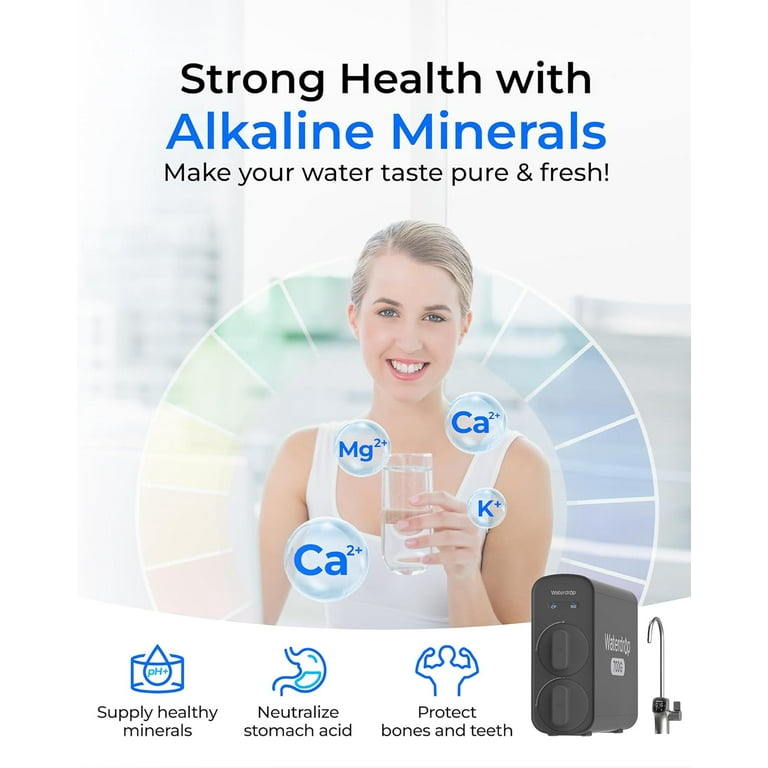
Not all RO systems are the same. Some add minerals back into the water. These systems are better for dental health. Check product details when buying.
Bottled water can be a good alternative. Look for those labeled as mineral-rich. They provide essential minerals for your teeth.
Credit: www.amazon.com
Credit: www.walmart.com
Frequently Asked Questions
What Are The Benefits Of Ro Water For Teeth?
RO water is purified by removing impurities, making it safer for teeth. It reduces exposure to harmful substances like chlorine and heavy metals. This can help protect teeth enamel and prevent stains, promoting overall oral health.
Can Ro Water Cause Teeth Sensitivity?
RO water may lead to teeth sensitivity for some people. It lacks minerals like calcium and magnesium, which are beneficial for teeth. Consider using remineralizing products to counteract potential sensitivity issues.
Is Ro Water Better Than Tap Water For Teeth?
RO water is generally better for teeth than tap water. It removes contaminants, reducing the risk of enamel damage. However, tap water often contains fluoride, which is beneficial for teeth health. Balancing the use of both can be optimal.
Does Ro Water Affect Dental Health?
RO water can impact dental health due to the absence of fluoride. Fluoride strengthens enamel and prevents decay. If you’re using RO water, consider fluoride treatments or toothpaste to maintain dental health.
Conclusion
RO water offers benefits but has some drawbacks for dental health. It removes impurities, ensuring cleaner water. Yet, it may lack essential minerals like fluoride. These minerals are crucial for strengthening teeth. Tooth decay risk may increase without them. Balance is key.
Combine RO water with fluoride toothpaste or treatments. This ensures complete dental care. Consult a dentist for personalized advice. They can recommend the best options for you. Keep dental hygiene a priority. Regular brushing and flossing are essential. They help maintain strong, healthy teeth.
Hasan Al Sarker is a Reverse Osmosis Specialist. He has worked for many years to ensure safe drinking water for all. His research paper has been published in several journals, including Issue, Medium, and Slideshare. He is recognized as a water doctor among specialists though he did not attend medical college.
Besides working as a researcher of reverse osmosis technology, he is also very fancy with the kitchen and cooking. His guides are reading thousands of people every day. As a head of content, he is responsible for all the published articles at RO System Reviews.