
Best Alkaline Filter for RO: Enhance Taste with Mineralized Water

Best Alkaline Filter for RO: Enhance Taste with Mineralized Water

Finding the best alkaline filter for your RO system can improve water quality significantly. Alkaline filters boost pH levels and enhance taste.

For those seeking healthier drinking water, alkaline filters offer a practical solution. These filters not only purify but also mineralize water, providing a cleaner, more refreshing taste. Products like the Waterdrop Alkaline Lucid 10-Cup Pitcher or the Waterdrop Slim Alkaline Water Filter Dispenser ensure water is free from toxins while increasing its pH to a healthier level.

The Aqua Crest Alkaline Water Filter, compatible with Brita® pitchers, offers a convenient option for many households. Each option promises up to 100 gallons of purified, mineral-rich water. Whether for home or office use, these filters provide an accessible way to enjoy enhanced water quality.

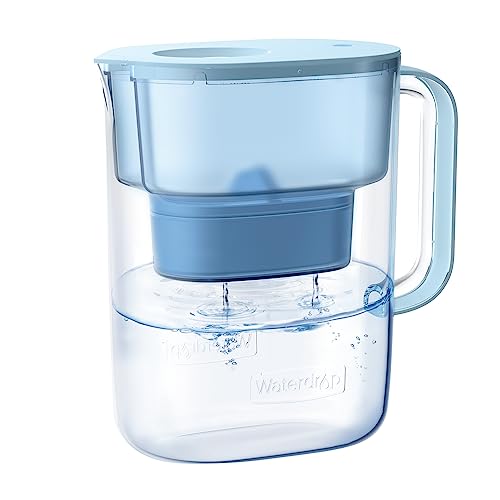
Waterdrop Alkaline Lucid 10-cup Large Water Filter Pitcher

Waterdrop Alkaline Lucid 10-Cup Large Water Filter Pitcher with 1 Filter, Healthy, Improved Coffee Taste, Clean & Toxin-Free Mineralized Alkaline Water (100 Gallons), Up to PH 9.5, BPA Free, Blue

The Waterdrop Alkaline Lucid 10-Cup Large Water Filter Pitcher is perfect for health-conscious individuals who prioritize clean and toxin-free water. This product is ideal for families, coffee enthusiasts, and anyone looking to enhance the taste of their beverages while ensuring a healthy lifestyle. If you’re seeking an easy-to-use water filtration solution with the added benefit of increased pH levels, this pitcher is an excellent choice.

Pros:

  • Provides up to 100 gallons of clean water.
  • Enhances the taste of coffee.
  • Produces mineralized alkaline water with a pH of up to 9.5.
  • Made from BPA-free materials.

Cons:

  • Requires regular filter replacement.
  • Limited to a 10-cup capacity.

The Waterdrop Alkaline Lucid Pitcher boasts an elegant Azure color and a compact design, with dimensions of 10.0 inches in height, 5.0 inches in width, and 11.0 inches in length. This makes it a convenient addition to any kitchen countertop, seamlessly blending with modern decor. The pitcher not only purifies your water but also increases its alkalinity, which can contribute to better hydration and detoxification.

One of the standout features is its ability to improve the taste of coffee. By removing impurities and adding beneficial minerals, this pitcher ensures that your morning brew is smooth and flavorful. Additionally, the BPA-free construction guarantees that you and your family are consuming water that is free from harmful chemicals. Overall, the Waterdrop Alkaline Pitcher is a valuable investment for those looking to enhance their daily water intake and enjoy the associated health benefits.

To buy this product, click here.

Waterdrop Slim Alkaline Water Filter Dispenser
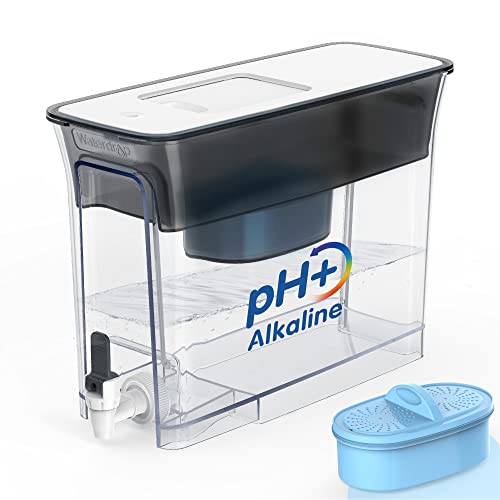
Waterdrop Slim Alkaline Water Filter Dispenser, Large 35-Cup, Up to PH 9.5, Healthy, Clean & Toxin-Free Mineralized Alkaline Water, 100-Gallon, BPA Free, Black (1 Filter Included)

The Waterdrop Slim Alkaline Water Filter Dispenser is ideal for health-conscious individuals seeking to improve their hydration with mineralized alkaline water. It’s perfect for families looking to enhance their water quality or anyone interested in the benefits of clean, toxin-free water. With a capacity of 35 cups and a PH level of up to 9.5, this dispenser caters to those who prioritize wellness and convenience in their daily routines.

Pros:

  • Large capacity of 35 cups, ideal for families or offices.
  • Mineralized alkaline water with a PH level of up to 9.5, promoting better health and hydration.
  • BPA-free construction ensuring safe, toxin-free water.
  • Compact dimensions make it suitable for any kitchen space.
  • 100-gallon filter life, reducing the need for frequent replacements.

Cons:

  • Single filter included, requiring purchase of additional filters over time.
  • Weight might be cumbersome for some users when full.

The Waterdrop Slim Alkaline Water Filter Dispenser boasts impressive features such as a large 35-cup capacity, perfect for families or small offices. This ensures that there is always ample clean, healthy water available. The compact design makes it easy to fit in various kitchen setups without taking up too much space, making it a versatile addition to any home.

The mineralized alkaline water produced by this dispenser provides users with numerous health benefits, such as improved hydration and detoxification. With a PH level of up to 9.5, it supports better overall wellness. Additionally, the BPA-free materials guarantee that every sip is free from harmful toxins, contributing to a healthier lifestyle. The 100-gallon filter life ensures long-lasting performance, allowing users to enjoy these benefits without frequent maintenance.

To buy this product, click here.

Aqua Crest Alkaline Water Filter

AQUA CREST Alkaline Water Filter, Intended for Brita® Pitchers and Dispensers, Everyday, UltraMax, Metro+, XL and More, NSF Certified, 2 Months, 6 Count, Mineralized Alkaline Water, Increases Water PH

The AQUA CREST Alkaline Water Filter is perfect for health-conscious individuals who prioritize drinking mineralized alkaline water. Whether you’re someone looking to improve your water quality or a household that relies on Brita® pitchers and dispensers, this filter is designed to enhance your daily hydration experience by increasing the water pH.

Pros:

  • NSF Certified for trustworthy quality and performance.
  • Increases Water pH for better-tasting water.
  • Compatible with Brita® Everyday, UltraMax, Metro+, XL, and more.
  • Provides mineralized alkaline water for up to 2 months.

Cons:

  • Limited to 6 Count per pack.
  • Not compatible with all water dispenser models.

The AQUA CREST Alkaline Water Filter offers several features that make it a standout choice for anyone using Brita® pitchers. Its NSF certification guarantees a high standard of quality, ensuring that the water you drink is not only clean but also enriched with essential minerals. The filter effectively increases the water pH, which can enhance the taste and potentially provide health benefits, making it an ideal option for those focused on maintaining a balanced diet.

Each filter lasts up to 2 months, providing a long-lasting solution for your water filtration needs. The compatibility with various Brita® models means you can easily integrate this filter into your existing setup without any hassle. Although the pack contains 6 filters, ensuring you have enough for a year, it’s important to verify whether your specific water dispenser is compatible to avoid inconvenience. Overall, these filters are an excellent investment for those seeking to improve their water quality and enjoy the benefits of alkaline water.

To buy this product, click here.

Waterdrop Alkaline Water Filter Dispenser

Waterdrop Alkaline Water Filter Dispenser, Large 40-Cup, Healthy, Clean & Toxin-Free Mineralized Alkaline Water, 100-Gallon, BPA Free, Black (1 Filter Included)

The Waterdrop Alkaline Water Filter Dispenser is ideal for health-conscious individuals who prioritize clean, toxin-free drinking water. If you’re seeking to enhance your hydration with mineralized alkaline water while reducing plastic waste, this product is an excellent choice. Its large capacity makes it suitable for families or small offices looking for a consistent supply of healthy water.

Pros:

  • Large 40-cup capacity for fewer refills and continuous water availability.
  • Mineralized alkaline water helps balance pH levels and supports overall well-being.
  • BPA free construction ensures safe and healthy water consumption.
  • 100-gallon filter lifespan minimizes the frequency of replacements, saving costs.

Cons:

  • Bulky size may not fit easily on smaller countertops.
  • Single color option might not suit all kitchen aesthetics.

The Waterdrop Alkaline Water Filter Dispenser features a large 40-cup capacity, which is ideal for users who consume a lot of water or wish to reduce the frequency of refills. This makes it a convenient option for larger households or small offices where multiple people need access to clean, healthy water. The dispenser’s 100-gallon filter lifespan further enhances its convenience by reducing the frequency of filter changes, which is both cost-effective and eco-friendly.

Additionally, the dispenser’s ability to produce mineralized alkaline water is a significant benefit for users who want to improve their overall health. Alkaline water is known to help balance the body’s pH levels, potentially offering various health benefits such as improved hydration and detoxification. The BPA free construction of the dispenser ensures that the water remains free from harmful chemicals, providing peace of mind for health-conscious consumers.

To buy this product, click here.

Waterdrop Alkaline Water Filter Pitcher

Waterdrop Alkaline Water Filter Pitcher with 1 Filter, Healthy, Clean & Toxin-Free Mineralized Alkaline Water (100 Gallons), Up to PH 9.5, BPA Free, 7-Cup, Pink

The Waterdrop Alkaline Water Filter Pitcher is perfect for health-conscious individuals who prioritize clean, toxin-free, and mineralized alkaline water. Whether you are an athlete seeking optimal hydration or someone looking to improve their overall well-being, this alkaline water filter pitcher offers an easy and effective solution for enhancing your water’s pH levels up to 9.5. Designed with a stylish BabyPink color, it fits seamlessly into any kitchen decor, making it ideal for modern households that value both functionality and aesthetics.

Pros:

  • Alkaline water with up to PH 9.5 for improved hydration
  • Healthy, clean, and toxin-free water
  • BPA-free construction ensures safety
  • Compact design with 7-cup capacity fits easily in refrigerators
  • Stylish BabyPink color adds a touch of elegance

Cons:

  • Limited capacity may require frequent refills for larger families
  • Single filter might need replacement every 100 gallons

The Waterdrop Alkaline Water Filter Pitcher boasts several impressive features that cater to the needs of its users. Its ability to provide alkaline water with a pH of up to 9.5 is a significant benefit for those looking to boost their hydration levels. This feature not only enhances the taste of the water but also aids in balancing the body’s pH, promoting better health and vitality. Additionally, the pitcher is BPA-free, ensuring that every sip is safe and free from harmful chemicals, providing peace of mind to users who are cautious about their water sources.

With a compact design and 7-cup capacity, this pitcher is perfect for individuals or small families. Its size allows it to fit conveniently in most refrigerators, making it accessible for everyday use without occupying too much space. The BabyPink color adds a stylish touch to any kitchen, appealing to those who appreciate modern aesthetics in their household items. However, for larger families, the capacity might require more frequent refills, and users will need to keep track of filter usage to ensure optimal performance, as the filter might need replacement after every 100 gallons.

To buy this product, click here.

Waterdrop Alkaline Chubby 10-cup Large Water Filter Pitcher

Waterdrop Alkaline Chubby 10-Cup Large Water Filter Pitcher with 1 Filter, Healthy, Clean & Toxin-Free Mineralized Alkaline Water (100 Gallons), Up to PH 9.5, BPA Free

The Waterdrop Alkaline Chubby 10-Cup Large Water Filter Pitcher is perfect for health-conscious individuals seeking to improve their water quality. It’s ideal for families and anyone who values clean, toxin-free drinking water. With the ability to filter up to 100 gallons, it’s a smart choice for those looking to balance their water’s pH levels for better hydration.

Pros:

  • Provides mineralized alkaline water up to pH 9.5 for enhanced hydration.
  • BPA Free construction ensures water safety.
  • Large 10-cup capacity suitable for family use.
  • Efficient filtration for up to 100 gallons.

Cons:

  • Bulky design may require more storage space.
  • Filter replacement could add to long-term costs.

The Waterdrop Alkaline Chubby pitcher features a clear design, enabling users to easily monitor water levels. Its substantial 10-cup capacity makes it a practical choice for families or frequent water drinkers, reducing the need for constant refilling. The pitcher is designed to deliver mineralized alkaline water, promoting better hydration with a pH level of up to 9.5. This feature is particularly beneficial for those looking to maintain a balanced diet and improve overall wellness.

Constructed from BPA Free materials, the pitcher ensures that your water remains safe from harmful chemicals. The pitcher is easy to use and fits seamlessly into most refrigerators, making it a convenient addition to any kitchen. With a filter lifespan of up to 100 gallons, users can enjoy cleaner, healthier water for extended periods before needing to replace the filter. This product is an excellent investment for those committed to maintaining a healthier lifestyle through improved water quality.

To buy this product, click here.

Waterdrop Alkaline Electric Water Filter Pitcher

Waterdrop Alkaline Electric Water Filter Pitcher, Rechargeable Water Dispenser, Instant 200-Gallon 15-Cup Countertop Purifier, NSF/ANSI 42, Reduce PFOA/PFOS, Chlorine, Lead, White, with 1 Filter

The ideal customer for the Waterdrop Alkaline Electric Water Filter Pitcher is someone who prioritizes health and wellness through clean and alkaline water. This product is perfect for households seeking a convenient and eco-friendly way to ensure their drinking water is free from harmful substances like PFOA/PFOS, chlorine, and lead. Busy individuals who desire an instant and efficient water purification solution without the hassle of frequent filter changes will find this product particularly appealing.

Pros:

  • Rechargeable and electric, eliminating the need for constant battery changes.
  • Instant purification capability, providing up to 200 gallons of clean water.
  • NSF/ANSI 42 certified, ensuring high standards for reducing contaminants.
  • Large capacity with 15-cup storage, ideal for families or frequent use.

Cons:

  • Countertop design may require more space in smaller kitchens.
  • Rechargeable feature means dependence on power availability.

The Waterdrop Alkaline Electric Water Filter Pitcher stands out with its innovative features that cater to modern lifestyle needs. Its rechargeable electric design not only ensures ease of use but also contributes to environmental sustainability. Users can enjoy the benefits of alkaline water instantly, which helps maintain a balanced pH level in the body and supports overall health.

Another significant feature is its large capacity, capable of holding 15 cups of purified water, making it suitable for larger households or offices. The NSF/ANSI 42 certification guarantees that the water is free from common contaminants, ensuring safety and peace of mind for users. Its elegant white design complements any kitchen decor, while its compact dimensions make it a viable option for various settings without compromising on space.

To buy this product, click here.

Hskyhan Alkaline Water Filter Pitcher
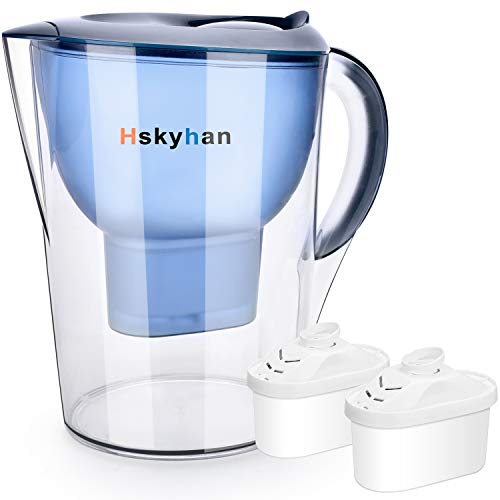
Hskyhan Alkaline Water Filter Pitcher - 3.5 Liters Improve PH, 2 Filters Included, BPA Free, 7 Stage Filteration System to Purify, Blue

The Hskyhan Alkaline Water Filter Pitcher is ideal for individuals who are health-conscious and wish to improve their water quality. This product is perfect for families or anyone who regularly consumes water and wants to ensure it’s purified and has a balanced pH. If you’re looking for a way to enhance the taste and quality of your tap water, this filter pitcher is a great choice.

Pros:

  • Improves pH level for healthier water consumption.
  • BPA-free construction ensures safety and health.
  • 7-stage filtration system for thorough purification.
  • Comes with 2 filters included, providing longer usage.
  • Large capacity of 3.5 liters, perfect for family use.

Cons:

  • Bulky design may require more storage space in smaller kitchens.
  • Replacement filters may incur additional costs over time.

The Hskyhan Alkaline Water Filter Pitcher is designed with a 7-stage filtration system that ensures your water is free from impurities, chlorine, and heavy metals. This feature not only purifies the water but also enhances its taste, making it more enjoyable to drink. The alkaline water produced is beneficial for maintaining a balanced pH in the body, promoting better health and well-being. Additionally, the BPA-free material used in the pitcher ensures that you are consuming water that is safe and free from harmful chemicals.

With a capacity of 3.5 liters, this pitcher is suitable for families or individuals who consume a significant amount of water daily. The blue color adds a touch of elegance to your kitchen, while its practical design ensures easy handling and pouring. The inclusion of two filters allows for extended use before needing replacements, adding to the convenience and value of the product. Overall, the Hskyhan Alkaline Water Filter Pitcher is a smart investment for those looking to improve their water quality and safeguard their health.

To buy this product, click here.

Waterdrop Glass Alkaline Water Filter Pitcher

Waterdrop Glass Alkaline Water Filter Pitcher with 1 Filter, Enhances Alkaline Water, Eco-Friendly, 7-Cup, for Home & Office, Reduces PFOA/PFOS, Chlorine, Cadmium, Copper, Mercury, Clear, WD-PT-72C-A

The Waterdrop Glass Alkaline Water Filter Pitcher is perfect for health-conscious individuals who want to enhance their drinking water’s quality. If you’re someone who is environmentally aware and seeks to reduce contaminants like PFOA/PFOS, chlorine, and heavy metals such as cadmium, copper, and mercury from your water, this pitcher is for you. It’s ideal for both home and office use, providing a sustainable solution for those who value health and eco-friendliness.

Pros:

  • Enhances Alkaline Water to improve taste and health benefits.
  • Eco-Friendly design, reducing reliance on bottled water.
  • Effectively reduces PFOA/PFOS, chlorine, cadmium, copper, and mercury.
  • Compact size fits easily in most refrigerator doors.

Cons:

  • Requires regular filter replacement for optimal performance.
  • Limited capacity of 7 cups may not be sufficient for larger households.

The Waterdrop Glass Alkaline Water Filter Pitcher is crafted to not only enhance the alkaline properties of your water but also to improve its taste, making hydration a more pleasant experience. The pitcher is designed with a clear glass body, allowing you to easily monitor water levels and filter condition. Its compact dimensions ensure it fits seamlessly in your kitchen or office space, promoting daily hydration without taking up much room.

One of the standout features of this pitcher is its ability to significantly reduce harmful contaminants, ensuring your water is not just refreshing but also safe. The eco-friendly aspect of the Waterdrop pitcher means it’s a sustainable choice, helping to cut down on plastic waste from bottled water. With an emphasis on health and the environment, this pitcher is a smart investment for those who prioritize both personal well-being and ecological responsibility.

To buy this product, click here.

Hskyhan Alkaline Water Filter
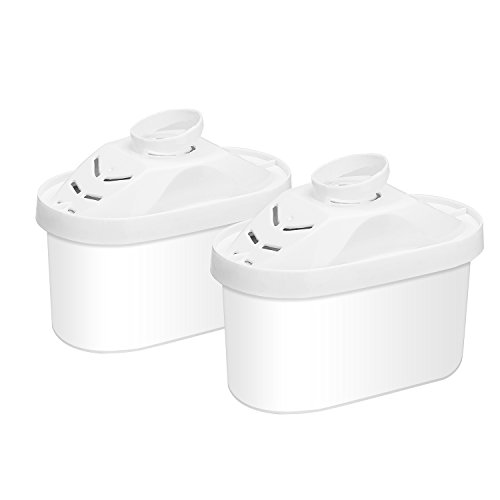
Hskyhan Alkaline Water Filter - Replacement Pitcher Water Filters, Cartridge Improve PH, 7 Stage Filteration System To Purify, 2 Pack

The Hskyhan Alkaline Water Filter is ideal for health-conscious individuals looking to improve the quality of their drinking water. Whether you are an athlete, a wellness enthusiast, or simply someone who wants to ensure you are consuming clean and healthy water, this product is designed to enhance your hydration experience. It is perfect for households aiming to reduce water impurities while boosting water alkalinity.

Pros:

  • Improves water pH for healthier drinking water.
  • 7-stage filtration system effectively purifies water.
  • Easy to replace cartridges ensure convenient usage.
  • Compact design fits easily in most pitchers.

Cons:

  • Requires frequent replacement for optimal performance.
  • Limited compatibility with non-Hskyhan pitchers.

The Hskyhan Alkaline Water Filter features a 7-stage filtration system that works to remove impurities, including heavy metals, chlorine, and sediments. This advanced filtration process ensures that your water is not only cleaner but also enhanced with essential minerals, improving its taste and providing potential health benefits. The compact design of the filter cartridges means they can easily fit into most pitchers, making it a versatile addition to your kitchen appliances.

Additionally, the improvement in water pH is a significant benefit for users who are keen on maintaining a balanced and healthy lifestyle. Alkaline water has been associated with various health benefits, including better hydration and potential antioxidant properties. Users of the Hskyhan Alkaline Water Filter can enjoy these advantages with the assurance that their water is purified and mineral-rich. However, to maintain the effectiveness of the filtration system, regular replacement of the cartridges is recommended, ensuring that your water quality remains consistently high.

To buy this product, click here.

Frequently Asked Questions

What Benefits Do Alkaline Water Filters Offer?

Alkaline water filters enhance water quality by increasing pH levels and reducing contaminants like chlorine and heavy metals. They provide mineralized alkaline water, which can improve hydration and taste. Using these filters can lead to better health by providing cleaner, toxin-free water for everyday consumption.

How Often Should I Replace The Filter?

Most alkaline water filters require replacement every 2 to 3 months, depending on usage. Regular replacement ensures optimal filtration performance and maintains water quality. Check your filter’s capacity and usage guidelines to determine the best time for replacement.

Can Alkaline Filters Improve Coffee Taste?

Yes, alkaline filters can enhance coffee taste by providing cleaner water with balanced minerals. The improved water quality helps extract better flavors from coffee grounds. You’ll notice a more robust and smoother coffee experience with reduced bitterness and acidity.

Are Alkaline Water Filters Eco-friendly?

Many alkaline filters are designed to be eco-friendly, reducing single-use plastic waste. Some models feature recyclable materials and long-lasting filters. By using these filters, you contribute to a sustainable environment while enjoying clean, mineralized water.

Do Alkaline Filters Fit Brita Pitchers?

Certain alkaline filters, like AQUA CREST, are compatible with Brita pitchers. They are designed to fit models such as Everyday, UltraMax, and Metro+. Check compatibility details before purchase to ensure a proper fit and optimal filtration performance.

Conclusion

Choosing the right alkaline filter for your ro system can improve your water quality significantly. Each product offers unique benefits, from enhancing water taste to removing toxins. Waterdrop and aqua crest filters provide mineralized alkaline water, improving the ph level for a healthier lifestyle.

They are bpa-free, ensuring safe drinking water for your family. Models like waterdrop’s electric water filter pitcher even offer advanced filtration features. With options ranging from pitchers to dispensers, you can find one that fits your home or office needs.

Consider factors like cup capacity, filter lifespan, and specific features. Whether you prefer a sleek design or a high-capacity option, there’s a filter that meets your preferences. Investing in a quality alkaline filter is a step towards better hydration and well-being.

Make an informed choice and enjoy cleaner, healthier water every day. Your health deserves it.

Can RO Water Cause Bone Density Loss – Know the Truth

Can RO Water Cause Bone Density Loss – Know the Truth

Reverse osmosis (RO) systems are among the most popular water purification methods worldwide, removing up to 99% of contaminants from drinking water. But as more people switch to RO systems, a new question arises — can RO water cause bone density loss?

The concern comes from the fact that RO systems not only remove harmful impurities like heavy metals and chlorine but also strip away essential minerals such as calcium and magnesium. Since these minerals are key to maintaining bone strength, some experts argue that long-term consumption of demineralized water could have a mild effect on bone density.

However, scientific evidence suggests that RO water does not directly cause bone loss when part of a balanced diet. The minerals you get from water are minimal compared to what you consume through food. Still, prolonged use of unmineralized RO water might contribute to a lower intake of calcium and magnesium, especially in people with nutrient deficiencies.

Key Takeaways

  • RO water does not directly cause bone density loss, but it can reduce calcium and magnesium intake.
  • Drinking remineralized or alkaline RO water helps maintain bone health.
  • Dietary calcium and vitamin D play a much greater role in bone strength than water mineral content.
  • The World Health Organization recommends reintroducing essential minerals into purified water.
  • Maintaining proper pH and TDS levels ensures water supports rather than harms long-term health.

Why Minerals in Water Matter

Although most of your calcium and magnesium comes from food, drinking water can contribute a small portion — about 5–20% of daily intake. These minerals not only strengthen bones but also regulate nerve function, heart rhythm, and muscle contraction.

When you drink RO-purified water, these minerals are stripped away by the membrane that filters out dissolved solids. Over time, exclusive consumption of demineralized water could lead to a slight mineral imbalance if your diet is poor or unbalanced.

For example, magnesium deficiency has been linked to lower bone density and increased fracture risk in older adults. The WHO report on “Nutrients in Drinking Water” highlights that low-mineral water may affect calcium metabolism in vulnerable individuals.

Can RO Water Cause Bone Density Loss

How Reverse Osmosis Affects Water Composition

RO systems work by pushing water through an ultra-fine membrane, removing contaminants down to 0.0001 microns in size. This process eliminates not only toxins like arsenic and lead but also essential minerals.

Typical composition comparison:

Water TypeTDS Level (ppm)Calcium & MagnesiumNotes
Tap Water200–500ModerateContains natural minerals and salts
Bottled Mineral Water150–300HighRich in calcium and magnesium
RO Water (Unmineralized)10–50Very LowLacks essential minerals
RO Water (Remineralized)80–150BalancedIdeal for drinking and bone health

For diabetics, elderly individuals, or those prone to mineral deficiency, remineralized RO water offers a safer balance. You can learn more about post-filtration methods in best alkaline filter for RO.

Can RO Water Really Affect Bone Health?

While some early reports suggested that soft, demineralized water could influence bone metabolism, the overall scientific consensus shows that diet outweighs water in determining bone density.

The National Institutes of Health (NIH) confirms that the majority of calcium and magnesium required for bone maintenance comes from foods like dairy, leafy greens, nuts, and fish — not drinking water.

That said, if someone drinks only unmineralized RO water and consumes little dietary calcium, the cumulative effect could slightly impact bone health over many years. Adding a remineralization cartridge or alkaline filter effectively eliminates this risk.

Understanding the Role of pH and Alkalinity

Unmineralized RO water typically has a pH between 5.5 and 6.5, which is slightly acidic. While this is not harmful by itself, consistent intake of acidic water can cause mild mineral leaching in storage containers and potentially alter the body’s acid-base balance in sensitive individuals.

Alkaline RO water, with a pH of 7.5–8.5, helps neutralize acidity and support bone strength indirectly. Proper hydration also enhances nutrient absorption, further supporting bone metabolism.

To test and maintain healthy pH levels, you can refer to how to adjust pH of RO water.

Expert Opinions

According to Dr. Karen Simmons, a nutrition and bone health researcher, “The impact of RO water on bone density is negligible in people with adequate calcium intake. The concern arises mainly for those with poor diets or pre-existing deficiencies.”

WHO experts also note that reintroducing minerals into demineralized water improves both taste and health outcomes. Many commercial RO systems now include mineral cartridges to restore calcium, magnesium, and potassium.

mineral intake comes from drinking water

How to Prevent Mineral Deficiency While Drinking RO Water

  1. Install a remineralization filter — adds calcium and magnesium back into RO water.
  2. Eat a mineral-rich diet — include milk, cheese, yogurt, kale, and almonds.
  3. Check your TDS levels — keep between 80–150 ppm for balanced mineral content.
  4. Drink adequate water — proper hydration supports calcium absorption and kidney health.
  5. Test your water annually — ensure your RO system maintains stable mineral balance.

For help maintaining your system, read how to clean and sanitize an RO system.

When to Be Cautious

People at higher risk for bone density loss include:

  • Postmenopausal women
  • Older adults with low calcium intake
  • Individuals with kidney disease or malabsorption disorders
  • Those relying exclusively on demineralized water

In these cases, using RO water with mineral enhancement is strongly recommended.

RO Water vs Other Filtration Methods for Bone Health

Filtration TypeEffect on MineralsBone Health Impact
Reverse Osmosis (no filter)Removes mineralsMay lower intake over time
Reverse Osmosis (remineralized)Adds back calcium, magnesiumSupports bone health
Activated Carbon FilterRetains mineralsNeutral impact
Distilled WaterRemoves all mineralsNot ideal long term
Mineral WaterNatural mineral contentExcellent for bone density

Among all filtration methods, remineralized RO systems provide the best balance between safety and nutrition.

Balanced Approach for Strong Bones

You can continue to enjoy the purity of RO water without risking bone health by ensuring adequate mineral intake. A simple alkaline or post-carbon filter can restore the natural mineral profile. You may also choose to mix RO water with mineral water occasionally for variety and taste.

Consistent physical activity, sunlight exposure for vitamin D, and a diet rich in calcium are far more influential on bone strength than the type of water you drink.

Key Points Recap

  • RO water alone doesn’t cause bone loss — inadequate calcium intake does.
  • Always choose remineralized RO water or add an alkaline filter.
  • Maintain pH 7.5–8.5 and TDS 80–150 ppm for balanced hydration.
  • Diet and exercise remain the primary factors for bone strength.
  • WHO and NIH recommend adequate mineral intake alongside purified water.

FAQs

1. Does RO water cause calcium deficiency?
No, not directly. RO water removes calcium from water, but your body’s calcium primarily comes from food. Ensure dietary sources are adequate.

2. Is alkaline RO water better for bones?
Yes. Slightly alkaline water helps maintain pH balance, supports calcium absorption, and prevents mineral leaching from the body.

3. Can RO water weaken teeth and bones?
Not if you maintain proper nutrition. Demineralized water has no direct harmful effect when paired with a mineral-rich diet.

4. Should I add minerals to RO water?
Yes. Installing a remineralization or alkaline filter helps maintain a healthy balance of calcium and magnesium for bone health.

5. What TDS level is ideal for healthy water?
Between 80–150 ppm is optimal for taste, pH, and mineral content — supporting both hydration and bone health.

Conclusion

RO water is safe, pure, and highly beneficial for daily use. It does not directly cause bone density loss, but drinking completely demineralized water without proper nutrition or remineralization can contribute to a slight reduction in mineral intake over time.

The key to healthy bones lies in balance — combine the purity of RO water with a mineral filter and a nutrient-rich diet. With proper pH, TDS, and calcium intake, RO water can be part of a bone-healthy lifestyle. For further insights, see best alkaline filter for RO and is RO water really safe for daily drinking

Can Ro Water Cause Anemia? Uncovering Hidden Risks

Have you ever wondered about the impact of the water you drink on your health? When it comes to Reverse Osmosis (RO) water, many people sing its praises for purity, but could there be a hidden downside?

Specifically, can drinking RO water lead to anemia? This question might have crossed your mind, especially if you are focused on maintaining optimal health. You deserve to know the potential effects of every choice you make, including the water you consume daily.

We’ll uncover the truth behind RO water and its link to anemia, providing you with the information you need to make informed decisions. Let’s dive into the facts and myths surrounding this crucial topic, ensuring you have the knowledge to protect your well-being. Stay with us to find out if your water choice could be affecting your health in ways you never imagined.


What Is Ro Water?

RO water is purified through reverse osmosis, removing impurities. Its low mineral content raises concerns about anemia risk. Regular intake may lead to decreased iron levels, potentially contributing to anemia.

What is RO Water? Reverse Osmosis (RO) water is a popular choice for many households today. You might have seen RO systems in homes, offices, or even your favorite café. But what exactly is RO water, and why is it so widespread? RO water is produced through a process called Reverse Osmosis, where water is pushed through a special membrane. This membrane filters out impurities and contaminants. It leaves you with water that’s cleaner and purer.

Purification Process

The purification process in an RO system is fascinating. Water is forced through a semi-permeable membrane that acts like a super-fine sieve. This membrane removes unwanted particles, including minerals, salts, and even bacteria. Imagine enjoying water that’s free from the usual impurities found in tap water. The system also often includes additional filters to catch other contaminants. This ensures the water you drink is as pure as possible.

Common Uses

RO water isn’t just for drinking. It’s commonly used in cooking, where you need the purest water for better-tasting meals. Some people also use it in their aquariums to provide a clean environment for their fish. Businesses like restaurants and coffee shops often prefer RO water. They believe it enhances the flavors of food and beverages. Do you ever wonder why your coffee tastes better at some places? It might just be the water they’re using. RO water systems have become a staple in many households. But have you ever thought about how such pure water could affect your health? Could it lead to deficiencies like anemia? Understanding RO water’s role in your life is crucial, especially when considering its impact on health.

Can Ro Water Cause Anemia? Uncovering Hidden Risks

Credit: angelwater.com

Nutrient Content In Ro Water

Reverse osmosis (RO) water is known for its purity, but you might wonder how it affects nutrient content. As the process removes impurities, it can also strip away minerals your body needs. Let’s explore the details and see if this could relate to issues like anemia.

Mineral Removal

RO water filtration works by pushing water through a semi-permeable membrane. This method effectively removes contaminants, but it also takes away essential minerals like calcium, magnesium, and iron.

Think about the last time you drank mineral water after a workout. You likely felt refreshed, right? That’s because the minerals help replenish what your body loses during exertion. With RO water, you miss out on this benefit.

The absence of these minerals means you’re getting pure water, but it lacks the natural nutrients found in regular water. This might not seem like a big deal, but it can have long-term effects on your health.

Potential Deficiencies

Without sufficient mineral intake from water, you might face deficiencies. Iron, for instance, is crucial for red blood cell production. A lack of it can lead to anemia, making you feel tired and weak.

Have you ever felt unusually tired even after a good night’s sleep? It might be worth considering if your water source is contributing to mineral deficiencies. It’s an often-overlooked aspect of your diet.

To maintain a balanced intake, consider other sources of these essential minerals. Foods like spinach, nuts, and dairy can help make up for what you miss in RO water. Or, you might want to add a mineral supplement to your routine.

How do you ensure your body gets the nutrients it needs? It’s a question worth pondering, especially if RO water is a staple in your daily life. Taking proactive steps can help you enjoy the benefits of pure water without compromising your health.

Anemia And Its Causes

Exploring water quality’s impact reveals intriguing insights. RO water lacks essential minerals, potentially leading to nutrient deficiencies. This deficiency might contribute to anemia, a condition where the body lacks healthy red blood cells. Understanding water’s role in health is crucial for preventing and managing anemia.

Anemia is a condition that many people have heard of, but few truly understand. It occurs when your body lacks enough healthy red blood cells, which are crucial for carrying oxygen throughout your body. This can lead to fatigue, weakness, and a host of other health issues. Understanding the causes of anemia can empower you to take steps toward prevention and treatment.

Understanding Anemia

Anemia is more than just feeling tired. It can affect your daily life in subtle ways. You might find yourself short of breath during simple activities or feeling dizzy when you stand up quickly. Iron deficiency is the most common cause, but anemia can also result from a lack of vitamins, chronic diseases, or genetic disorders. You might have noticed a friend or family member battling anemia, struggling with the simplest tasks. This highlights the importance of recognizing the symptoms early. Once you understand what triggers anemia, you can take practical steps to address it.

Common Risk Factors

Several factors can increase your risk of developing anemia. Diet plays a significant role. If your meals lack iron-rich foods like red meat, beans, or fortified cereals, you might be at risk. Vegetarians and vegans need to be particularly mindful of their iron intake. Certain life stages also heighten your anemia risk. Women, especially during pregnancy or menstruation, often experience lower iron levels. Chronic illnesses like kidney disease or inflammatory conditions can also interfere with red blood cell production. Are you paying attention to your body’s needs? Consider your lifestyle choices and how they might affect your health. Simple changes, like adjusting your diet or consulting a healthcare provider, can make a world of difference. Addressing these risk factors can help you maintain a healthy balance and prevent anemia from impacting your life.

The Connection Between Ro Water And Anemia

Have you ever wondered if the water you drink could be linked to anemia? Many people rely on reverse osmosis (RO) water for its purity, but concerns have emerged about whether this ultra-filtered water might contribute to anemia. Let’s delve into the connection between RO water and anemia, and see what science and experts have to say.

Scientific Studies

Research into RO water and anemia is still developing. Some studies suggest that RO water, while effective at removing impurities, also strips essential minerals like iron. Iron is crucial for the production of hemoglobin, which carries oxygen in your blood. Without enough iron, anemia can develop.

Other studies highlight that RO water lacks calcium and magnesium, minerals that play a role in overall health, including blood formation. While RO systems excel at purification, they might inadvertently remove elements vital for preventing anemia.

Expert Opinions

Experts are divided. Some argue that RO water is safe if your diet compensates for any mineral loss. It’s important to consume a balanced diet rich in iron, calcium, and other nutrients to offset any deficits from RO water.

On the flip side, nutritionists caution that relying solely on RO water without dietary adjustments can be risky. They stress the importance of supplementing your diet with foods rich in iron and other minerals to maintain healthy blood levels.

So, is your RO water a friend or foe in your fight against anemia? If you’re consuming RO water regularly, consider whether your diet supports your body’s mineral needs. What steps will you take to ensure your water choice doesn’t inadvertently affect your health?

Health Implications Of Mineral Deficiency

Health implications arise from mineral deficiency in RO water. Essential minerals support bodily functions. RO water can remove these minerals. This can lead to health concerns. Low mineral intake affects the body negatively. Understanding these effects is crucial for health.

Iron Deficiency

Iron is vital for blood health. It helps in oxygen transport. RO water may lack iron content. This can cause iron deficiency anemia. Symptoms include fatigue and weakness. Iron deficiency affects overall energy levels. Regular iron intake is necessary. It supports hemoglobin production. Low iron levels can impair cognitive functions. Eating iron-rich foods helps maintain balance.

Other Essential Minerals

Calcium supports bone strength. RO water might have reduced calcium. This can weaken bones over time. Magnesium plays a role in muscle health. Lack of magnesium may cause muscle cramps. Potassium regulates heart function. Reduced potassium can affect heart rhythm. Zinc supports immune system health. Low zinc levels can weaken immunity. Selenium protects cells from damage. Deficiency may increase oxidative stress. Consuming mineral-rich foods is beneficial.

Safe Water Consumption Practices

Access to clean water is essential for good health. Yet, over-purification can strip water of necessary minerals. Reverse Osmosis (RO) systems are popular for clean water. But they also remove vital minerals like calcium and magnesium. Such minerals are crucial for maintaining balanced nutrition. Drinking only RO water might lead to mineral deficiencies. This could potentially contribute to anemia over time.

Understanding safe water consumption practices helps maintain optimal health. It ensures you get clean water without compromising your mineral intake.

Balancing Mineral Intake

Our bodies need minerals for various functions. Drinking only demineralized water might reduce necessary mineral intake. Incorporate foods rich in iron, magnesium, and calcium into your diet. Leafy greens, nuts, and dairy are excellent sources. Consider using mineral supplements if recommended by a healthcare professional. Ensure you’re not solely dependent on RO water for hydration.

Alternative Water Sources

Consider diversifying your water sources. Spring water often contains natural minerals beneficial for health. Filtered tap water can also be a good option. It often retains minerals while removing contaminants. Bottled mineral water is another alternative. It provides essential minerals your body needs. Rotate between different water types. This can help ensure balanced mineral intake while staying hydrated.

https://www.youtube.com/watch?v=lwcqaUPm6eA


Monitoring And Prevention

Exploring the link between RO water and anemia is crucial. RO water can lack essential minerals, potentially leading to iron deficiency. Regular monitoring of mineral levels and preventive measures can help maintain balanced nutrition and prevent anemia.

Monitoring and prevention play a crucial role when it comes to understanding and managing any health concerns, including the potential effects of RO water on anemia. While there’s no direct evidence that RO water causes anemia, staying informed and proactive can help you maintain optimal health. Let’s explore some practical steps you can take to monitor and prevent any potential issues.

Regular Health Check-ups

Scheduling regular health check-ups is essential for keeping track of your overall well-being. These visits allow your doctor to monitor your blood levels, including hemoglobin and iron levels, which are directly related to anemia. Make it a habit to discuss your water consumption habits during these appointments. Regular check-ups provide an opportunity to address any concerns early on. Your doctor can offer tailored advice based on your health history and dietary habits. Are you experiencing fatigue or dizziness? These could be signs to discuss with your healthcare provider.

Dietary Adjustments

Your diet plays a significant role in preventing anemia. Ensure you consume foods rich in iron, such as spinach, red meat, and legumes. Pairing these with vitamin C-rich foods like oranges and bell peppers can enhance iron absorption. If you rely on RO water, you might consider adding mineral supplements to your diet. This ensures your body receives essential minerals that might be filtered out by the RO process. Have you tried cooking with mineral-rich water or using it in soups and stews? Incorporating these monitoring and prevention strategies can help you maintain a healthy lifestyle. By staying proactive, you can enjoy the benefits of RO water without compromising your health. What steps will you take today to ensure your well-being?

Can Ro Water Cause Anemia? Uncovering Hidden Risks

Credit: www.facebook.com


Can Ro Water Cause Anemia? Uncovering Hidden Risks

Credit: www.mdpi.com

Frequently Asked Questions

Can Ro Water Lead To Iron Deficiency?

RO water removes impurities but doesn’t directly cause anemia. It lacks minerals like iron, which are vital for health. Consuming a balanced diet with iron-rich foods offsets any mineral loss from RO water, ensuring sufficient iron intake and preventing deficiencies.

Is Ro Water Safe For Daily Consumption?

Yes, RO water is safe for daily use. It effectively removes contaminants, making it clean and pure. However, it lacks essential minerals like calcium and iron. Supplementing with a mineral-rich diet ensures balanced nutrient intake, supporting overall health.

Does Ro Water Affect Nutrient Absorption?

RO water doesn’t affect nutrient absorption directly. It lacks essential minerals, but doesn’t hinder absorption. Consuming a balanced diet compensates for mineral loss in RO water. Ensure a diet rich in nutrients to maintain optimal absorption and prevent deficiencies.

Should Ro Water Be Mineralized For Health?

Mineralizing RO water can enhance its health benefits. Adding essential minerals like calcium and magnesium improves water quality. Mineral-rich water supports overall health, ensuring adequate nutrient intake. Consider using water remineralization systems or consuming mineral supplements.

Conclusion

RO water likely won’t cause anemia directly. It’s important to maintain a balanced diet. Essential nutrients like iron should be in your meals. Consider foods rich in iron and vitamins. Always check your water source for mineral content. Consult a healthcare provider for personalized advice.

They can help with dietary concerns or symptoms. Stay informed about your nutrition needs. Proper knowledge can prevent health issues. Remember, both water and diet play roles in health. Balance and awareness are key for well-being.

Can Ro Water Cause Cardiovascular Problems? Uncover Truth

Have you ever paused to wonder about the water you drink every day and its effects on your heart? With health-conscious choices becoming the norm, many people are turning to Reverse Osmosis (RO) water systems to purify their drinking water.

You might feel good about choosing RO water for its ability to remove impurities, but could it come with a hidden cost? Some discussions suggest a link between RO water and cardiovascular health issues, sparking curiosity and concern. Before you take another sip, let’s delve deeper into whether your well-intentioned choice could be silently impacting your heart health.

Stay with us as we uncover the truths and myths surrounding RO water and cardiovascular problems, helping you make informed decisions for you and your family’s health.

Reverse Osmosis Water Explained

Reverse osmosis (RO) water is often praised for its purity and taste, but have you ever wondered what goes into creating this pristine liquid? Understanding the reverse osmosis process can shed light on how this water might impact your health, particularly your cardiovascular system. Let’s break down the process and its benefits, and explore how RO water is commonly used in households.

Process And Benefits

Reverse osmosis is a filtration method that removes impurities and contaminants from water by pushing it through a semipermeable membrane. Imagine this membrane as a fine sieve that lets water molecules pass while blocking larger impurities like bacteria, salts, and heavy metals.

The result is water that is exceptionally clean, almost devoid of minerals. Many people appreciate RO water for its refreshing taste and lack of chlorine odor. But is mineral-free water beneficial for your heart? Some experts suggest that essential minerals, which are often filtered out, play a role in cardiovascular health. Could RO water be missing crucial elements your heart needs?

Common Uses In Households

RO water systems are popular in homes for drinking water and cooking. Have you ever noticed how your coffee tastes smoother or your soup is clearer when using RO water? These systems can be installed under your sink or integrated into your refrigerator.

Households also use RO water for aquariums, where the purity helps maintain a healthy environment for fish. However, when it comes to cardiovascular health, could this level of purity be too much for your body? It’s worth considering whether the absence of minerals in RO water might have unintended consequences.

Have you ever thought about how something as simple as the water you drink could affect your heart? Exploring the nuances of RO water might just lead you to rethink what’s best for your cardiovascular health.

Can Ro Water Cause Cardiovascular Problems? Uncover Truth

Credit: redcliffelabs.com

Mineral Content In Ro Water

Reverse Osmosis (RO) water is popular for its purity. It removes contaminants effectively. But this process also affects mineral content. Essential minerals get removed during filtration. This can impact health, especially cardiovascular health. Understanding these changes is crucial for making informed decisions about water consumption.

Essential Minerals Removed

RO systems strip water of vital minerals. Calcium and magnesium are essential for heart health. Their absence can affect bodily functions. These minerals support cardiovascular and bone health. Regular intake is necessary for maintaining balance. Drinking RO water exclusively might lead to mineral deficiency.

Impact On Nutrient Intake

Drinking RO water may decrease your daily mineral intake. This could affect nutrient balance in your body. Calcium deficiency can weaken bones and teeth. Magnesium is crucial for muscle function and heart rhythm. Lack of these minerals can increase cardiovascular risks. Balanced diet and mineral-rich water help maintain health.

Link Between Water Quality And Heart Health

Water quality directly impacts heart health. The heart relies on essential minerals. Clean water lacking these minerals may pose risks. Many wonder if RO water affects cardiovascular health. Let’s explore the connection.

Role Of Minerals In Cardiovascular Function

Minerals like calcium and magnesium are crucial for the heart. They help regulate blood pressure and heart rhythm. Lack of these minerals can cause heart problems. RO water removes impurities but may also strip beneficial minerals. This could affect cardiovascular function negatively.

Scientific Studies And Findings

Studies show a link between mineral-rich water and heart health. Research indicates that low mineral intake may increase heart disease risk. Some studies highlight concerns about RO water’s impact on mineral levels. More research is necessary to fully understand these effects.

Can Ro Water Cause Cardiovascular Problems? Uncover Truth

Credit: www.healthdirect.gov.au

Potential Risks Of Ro Water

Reverse osmosis (RO) water is popular for its purity. It removes contaminants effectively. But, this process also strips away minerals. Essential minerals like calcium and magnesium are lost. Regular consumption might lead to health concerns.

Water is vital for maintaining balance in our bodies. Without essential minerals, various health issues could arise. Some experts worry about these potential risks. Understanding these risks is crucial for health-conscious individuals.

Electrolyte Imbalance Concerns

Electrolytes are important for heart and nerve functions. RO water lacks these vital electrolytes. Consuming this water may affect your body’s balance. An electrolyte imbalance can impact heart health. It may lead to irregular heartbeats or muscle cramps.

Calcium and magnesium are key electrolytes. Their deficiency affects bone health and muscle function. Drinking mineral-deficient water regularly might increase these risks. Ensuring balanced intake through diet is essential.

Other Health Implications

RO water might have other health implications. Low mineral content could affect digestion. Minerals aid in enzyme functions and nutrient absorption. Their absence may slow these processes.

Skin health might suffer too. Minerals contribute to skin hydration and vitality. Mineral-deficient water might not support healthy skin. Replenishing minerals through food or supplements is advisable.

Awareness of these potential risks is crucial. It helps in making informed decisions about water consumption.

Expert Opinions And Recommendations

Experts delve into whether RO water could impact heart health. They assess mineral loss and potential effects on cardiovascular function. Recommendations vary, emphasizing balanced consumption to ensure optimal health.

In our quest for better health, we often turn to different dietary choices and lifestyle changes. One such change involves switching to reverse osmosis (RO) water, as it’s perceived to be purer. But can this seemingly healthy choice have unintended consequences, such as affecting your heart health? Let’s explore expert opinions and recommendations on this topic.

Nutritionists’ Views

Many nutritionists agree that while RO water is effective in removing impurities, it also strips away essential minerals like calcium and magnesium. These minerals are vital for maintaining heart health. A nutritionist might suggest adding a pinch of Himalayan salt to RO water to replenish these lost minerals. Have you ever considered how such a simple change could impact your overall health? Moreover, some nutrition experts recommend a balanced diet rich in fruits and vegetables to compensate for any mineral loss due to RO water. Maintaining a well-rounded diet can be as critical as the water you drink.

Guidance From Health Organizations

Health organizations like the World Health Organization (WHO) have expressed concerns over the demineralization of water. They emphasize the importance of consuming water with natural minerals for cardiovascular health. WHO suggests that while RO water is suitable for short-term use, individuals should find ways to reintroduce minerals into their diet. Have you thought about how long-term use of RO water might affect your body? Additionally, some health agencies recommend consuming mineral-rich foods to counterbalance the lack of minerals in RO water. Consider how easy it is to include nuts, seeds, and leafy greens in your meals. In conclusion, while RO water is a clean option, it’s crucial to be mindful of the potential loss of minerals and how it might affect your heart. Expert opinions suggest practical solutions, making it easy to enjoy the benefits of RO water without compromising your health. What steps will you take to ensure your heart remains healthy?

Alternatives And Solutions

Many people worry about potential health impacts of RO water, especially cardiovascular issues. Fortunately, there are alternatives and solutions to mitigate these concerns. By focusing on reintroducing essential minerals and choosing the right water filtration, you can enjoy safe, healthy drinking water.

Reintroducing Essential Minerals

RO water often lacks vital minerals like calcium and magnesium. These minerals are crucial for heart health. Adding them back to your water can help. Use mineral cartridges or alkaline pitchers to reintroduce these nutrients. This simple step can make a big difference in your water’s quality.

Mineral-rich foods also play a role. Consuming fruits, vegetables, and nuts can supplement your intake. This helps maintain the balance your body needs. Prioritize these foods in your diet for overall well-being.

Choosing The Right Water Filtration

Not all filtration systems are equal. Some maintain essential minerals while removing impurities. Look for systems that offer multi-stage filtration. These often include a remineralization phase. Ensure the system you choose suits your household needs.

Researching brands and reading reviews can guide your decision. Consider the maintenance and cost of the system. A well-chosen filter can provide peace of mind and healthier water. Always prioritize quality over price when selecting a filtration system.

Can Ro Water Cause Cardiovascular Problems? Uncover Truth

Credit: www.rheumatologyadvisor.com

Frequently Asked Questions

Is Ro Water Harmful To Heart Health?

RO water is generally safe for consumption, including for heart health. It removes impurities effectively but lacks minerals. Maintaining a balanced diet ensures necessary mineral intake, alleviating concerns about cardiovascular problems. Consult your healthcare provider for personalized advice.

Can Ro Water Lead To Mineral Deficiencies?

RO water can lead to mineral deficiencies if consumed exclusively. It removes essential minerals like calcium and magnesium. Supplementing minerals through a balanced diet can prevent deficiencies and support overall health. It’s crucial to monitor your nutrient intake.

Does Ro Water Affect Blood Pressure?

RO water does not directly affect blood pressure. It lacks sodium, which is beneficial for those managing hypertension. However, long-term consumption without mineral supplementation might impact overall health. Ensure dietary minerals are sufficient to maintain healthy blood pressure levels.

Should I Add Minerals To Ro Water?

Adding minerals to RO water is beneficial for maintaining nutritional balance. Mineral drops or filters can replenish essential elements like magnesium and calcium. This practice supports overall health and prevents potential deficiencies, particularly when RO water is a primary source.

Conclusion

Ro water is generally safe for drinking. It removes impurities effectively. Concerns about cardiovascular problems remain largely unfounded. Studies show no direct link between ro water and heart issues. Hydration is essential for heart health. Drinking clean water supports overall well-being.

It’s crucial to maintain a balanced diet and lifestyle. Regular health check-ups can help monitor heart health. Consult a healthcare professional for personalized advice. Understanding water quality helps make informed choices. Stay informed, stay healthy.

Can RO Water Cause Constipation? Unveiling the Truth

Can RO Water Cause Constipation? Unveiling the Truth

Have you ever found yourself questioning whether the water you’re drinking might be affecting your digestive health? If you’ve recently switched to drinking Reverse Osmosis (RO) water, you might be wondering, “Can RO water cause constipation?”

You’re not alone. Many people have concerns about how this highly purified water impacts their body. We’ll explore the potential links between RO water and constipation, providing you with the information you need to make informed decisions about your hydration.

Your health is important, and understanding the effects of what you consume is key. So, if you’re curious about whether your glass of water could be more than just a thirst-quencher, keep reading. We’ll dive deep into the facts, myths, and science behind RO water and its impact on your digestive system.

Nutrient Composition Of Ro Water

Reverse Osmosis (RO) water is popular for its purity. It removes many impurities. But what about nutrients? The filtration process can strip water of minerals. This impacts its nutrient composition.

Many people wonder if this affects health. Some claim RO water causes constipation. The lack of minerals might play a role. Let’s explore the mineral content in RO water. We’ll also compare it with tap water.

Mineral Content In Ro Water

RO water is low in minerals. The filtration removes calcium, magnesium, and potassium. These are essential minerals. They support various bodily functions. Their absence in RO water raises concerns.

Minerals aid digestion and hydration. A lack of them might impact bowel movements. This could lead to constipation for some individuals.

Comparison With Tap Water

Tap water usually contains more minerals. It varies by location. Calcium and magnesium are often present. These minerals support digestive health. They help maintain regular bowel movements.

RO water lacks these nutrients. This difference might affect hydration. It could influence constipation for some people. Understanding this can guide healthier hydration choices.

Hydration And Digestive Health

Hydration plays a critical role in maintaining digestive health. Water aids in the breakdown and absorption of nutrients. It ensures smooth bowel movements. Drinking enough water helps prevent constipation. Many people wonder if RO water can cause constipation. Understanding the relationship between hydration and digestion is essential.

Role Of Water In Digestion

Water is vital for digestion. It helps dissolve nutrients. This makes them easier to absorb. Water also softens stool. This helps it pass through the digestive tract easily. Dehydration can lead to hard stools. This makes constipation more likely.

Importance Of Mineral Balance

Minerals in water are crucial for digestion. RO water removes many minerals. This includes calcium and magnesium. These minerals aid digestion. Lack of them may contribute to digestive issues. Ensuring mineral balance is key for healthy digestion.

Can RO Water Cause Constipation? Unveiling the Truth

Credit: mayuwater.com

RO Water Cause Constipation

Ro Water And Constipation: The Connection

Have you ever wondered if the water you drink could be affecting your digestive system? It’s intriguing to think that something as simple as RO water might have an impact on your health. Some people believe that RO water, known for its purity, could be linked to constipation. Let’s dive into how this connection might exist and what you can do about it.

Potential Causes Of Constipation

Constipation can be frustrating, leaving you uncomfortable and searching for answers. While RO water is purified, removing impurities, it also strips water of minerals like magnesium and calcium. These minerals play a crucial role in keeping your digestive system running smoothly.

Imagine drinking RO water regularly without replenishing these minerals. Your body might struggle to maintain proper bowel function. This lack of essential nutrients can be a potential cause of constipation. Have you noticed any changes in your digestion after switching to RO water?

Factors Influencing Digestive Health

Your digestive health isn’t solely dependent on the water you drink. It’s a complex interplay of diet, lifestyle, and hydration. RO water might be pure, but if you’re not consuming a balanced diet rich in fiber, it won’t matter much.

Think about your daily routine. Are you drinking enough water to stay hydrated? Are you eating foods that promote gut health, like fruits, vegetables, and whole grains? A lack of these can lead to digestive issues, including constipation.

Consider adding more diversity to your hydration sources and diet. Experiment with mineral-rich water or supplements to balance the minerals lost in RO water. How might these changes impact your digestive health?

So, the next time you sip on a glass of RO water, think about the bigger picture. It’s not just about purity; it’s about maintaining a healthy balance in your body. What steps will you take to ensure your digestive health stays on track?

Scientific Perspectives

Exploring the effects of RO water on digestion reveals varied opinions. Some suggest it might cause constipation due to mineral removal. Drinking adequate amounts can help maintain hydration and balance.

Scientific Perspectives If you’ve ever wondered whether drinking reverse osmosis (RO) water could lead to constipation, you’re not alone. Many people are curious about how RO water impacts health, particularly when it comes to digestion. Let’s delve into the scientific perspectives that shed light on this common concern.

Studies On Ro Water And Health

Recent studies have explored the effects of RO water on overall health, including digestion. One study indicates that RO water is pure, meaning it lacks minerals like magnesium and calcium, which some argue are essential for digestion. However, the evidence linking RO water directly to constipation is not conclusive. Most research suggests that constipation is more often related to overall diet and lifestyle rather than just the type of water you drink.

Expert Opinions

Experts in nutrition and gastrointestinal health have weighed in on the debate. Nutritionists often emphasize the importance of a balanced diet, noting that water alone is unlikely to cause constipation. Gastroenterologists point out that staying hydrated is key to preventing constipation. Whether you drink RO water or tap water, the focus should be on consuming enough fluids daily. Have you considered how your entire daily routine affects your health? Changing just your water source may not be the silver bullet. You might find it helpful to focus on incorporating fiber-rich foods and regular exercise, along with adequate hydration, to keep your digestive system functioning smoothly. Do you have personal experiences with RO water impacting your digestion? Sharing your story could offer valuable insights to others who might be grappling with similar issues. Remember, your health is a sum of many parts, and every choice you make adds up.

Alternative Solutions

Drinking RO water sometimes raises concerns about mineral deficiencies. This can lead to digestive issues like constipation. Fortunately, there are alternative solutions to balance mineral intake and ensure healthy hydration.

Ensuring Mineral Intake

To prevent mineral loss, add a pinch of sea salt to your water. This simple step restores essential minerals. Eating mineral-rich foods also helps. Consider including leafy greens, nuts, and seeds in your diet. These foods replenish minerals that RO water may lack.

Other Water Purification Methods

There are various water purification options beyond RO systems. Activated carbon filters remove impurities while keeping minerals. They offer a balanced approach to clean water. Gravity-based purifiers are another choice. They purify without stripping essential nutrients. Both methods ensure you stay hydrated and healthy.

Practical Tips

Can RO water cause constipation? It’s a question many people ask when they switch to drinking purified water. While RO water is clean and free from impurities, it sometimes lacks essential minerals. If you’re experiencing constipation, it’s crucial to take practical steps to balance your body’s needs. Let’s explore some practical tips to help you manage your RO water consumption effectively.

Balancing Ro Water Consumption

Drinking RO water isn’t inherently bad. But have you thought about how much you’re drinking? It’s easy to consume large amounts without realizing it. Too much can flush out vital minerals your body needs.

Consider adding a pinch of Himalayan salt to your water. This simple trick can replenish lost minerals and improve hydration. A friend of mine tried this and noticed a significant improvement in her digestion. Could it work for you?

Also, try alternating between RO water and natural spring water. This ensures you get the benefits of both purity and mineral content. How about setting a weekly schedule for this?

Dietary Adjustments For Better Digestion

Changing your water intake is one step. But what about your diet? A balanced diet can support digestion and relieve constipation.

Start by adding more fiber-rich foods like fruits, vegetables, and whole grains. Fiber is nature’s broom, and can help keep things moving smoothly. Ever thought about a morning bowl of oatmeal with berries?

Don’t forget about probiotics. Yogurt and fermented foods like kimchi can boost gut health. A colleague swears by her daily dose of kefir for maintaining regularity. Are probiotics already a part of your routine?

Stay hydrated with herbal teas. Peppermint and ginger tea can soothe digestive discomfort. Have you tried sipping tea after meals?

Remember, small changes can make a big difference. Are you ready to tweak your water and diet habits for better digestion?

Can RO Water Cause Constipation? Unveiling the Truth

Credit: www.verywellhealth.com

Frequently Asked Questions

Does Ro Water Affect Digestion?

RO water does not directly affect digestion. However, it lacks essential minerals, which might influence digestive processes. If you rely solely on RO water, consider supplementing with mineral-rich foods or beverages to maintain a balanced diet and support healthy digestion.

Can Ro Water Lead To Constipation?

RO water alone is unlikely to cause constipation. Constipation is typically related to dietary factors, hydration levels, and overall lifestyle habits. Ensuring adequate fiber intake and staying hydrated with any clean water source can help prevent constipation, regardless of whether you drink RO water or not.

Is Ro Water Safe For Daily Consumption?

Yes, RO water is safe for daily consumption. It effectively removes impurities and contaminants, providing clean drinking water. However, it is advisable to supplement with minerals through diet or mineral drops to ensure balanced nutrition, as RO water may lack essential minerals.

What Are Ro Water Benefits?

RO water benefits include removing impurities, contaminants, and chlorine from drinking water. It offers a clean and safe source for hydration. While it lacks minerals, its purity makes it suitable for drinking, cooking, and other household uses, ensuring a healthier lifestyle.

Conclusion

Drinking RO water does not directly cause constipation. Hydration plays a key role in digestion. Ensure you drink enough fluids daily. Balance is crucial. RO water lacks minerals, so include mineral-rich foods. Consider adding a pinch of salt to RO water.

This can help maintain electrolyte balance. Listen to your body’s signals. If symptoms persist, consult a healthcare professional. Remember, a balanced diet supports good digestion. Stay hydrated and eat fiber-rich foods. This can promote regular bowel movements. Understanding your body’s needs ensures better health.